
Continental
The Bentley Continental name represents a long tradition of grand tourers designed to cover long distances quickly in a highly luxurious setting. The founding reference is the 1952 R-Type Continental, an aerodynamic coupé capable of carrying four occupants at high speed. Fifty years later, the 2003 Continental GT reinterpreted that formula with a twin-turbocharged W12, all-wheel drive and production volumes far greater than those of Bentley’s earlier hand-built cars. The range subsequently expanded to coupé and convertible body styles, Speed and Supersports performance versions, and the four-door Flying Spur. In 2024, the Continental entered a new phase with a plug-in hybrid powertrain combining a V8 petrol engine and an electric motor.
What about the car you photographed?
Upload a photo to get a suggested make, model and likely year.
No account needed for the result · Publish only if you choose
Variants by year
Make: Bentley · Model: Continental
17 / 17 versions shown
2025

2024

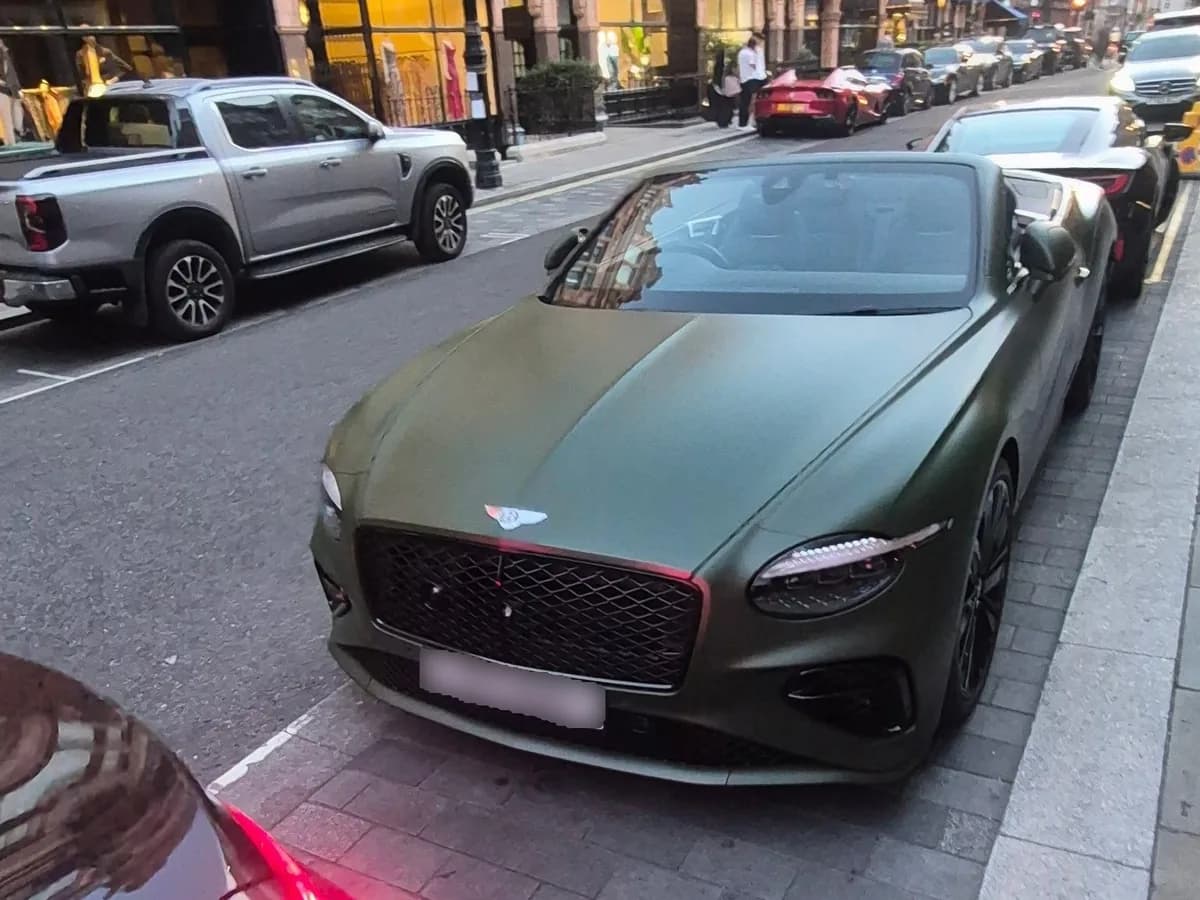
2019
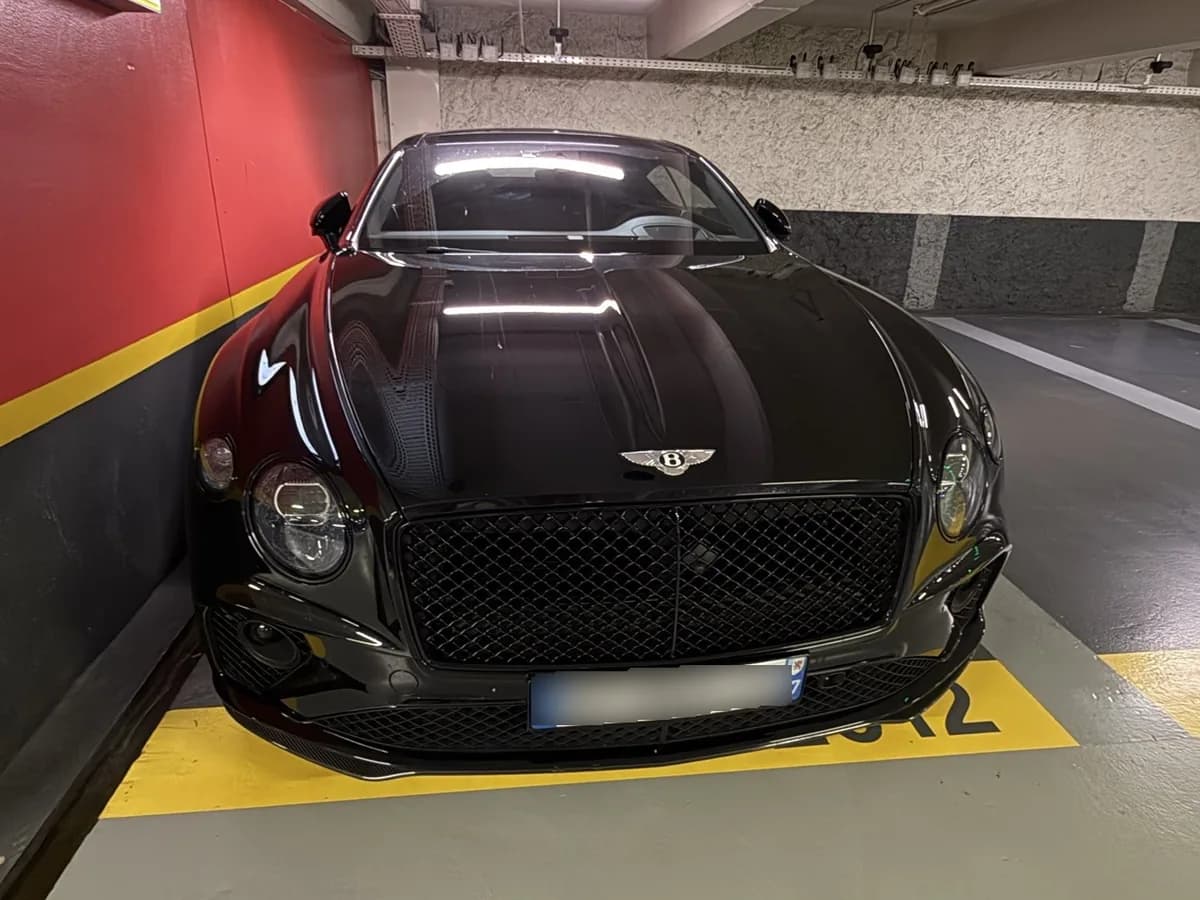
2018
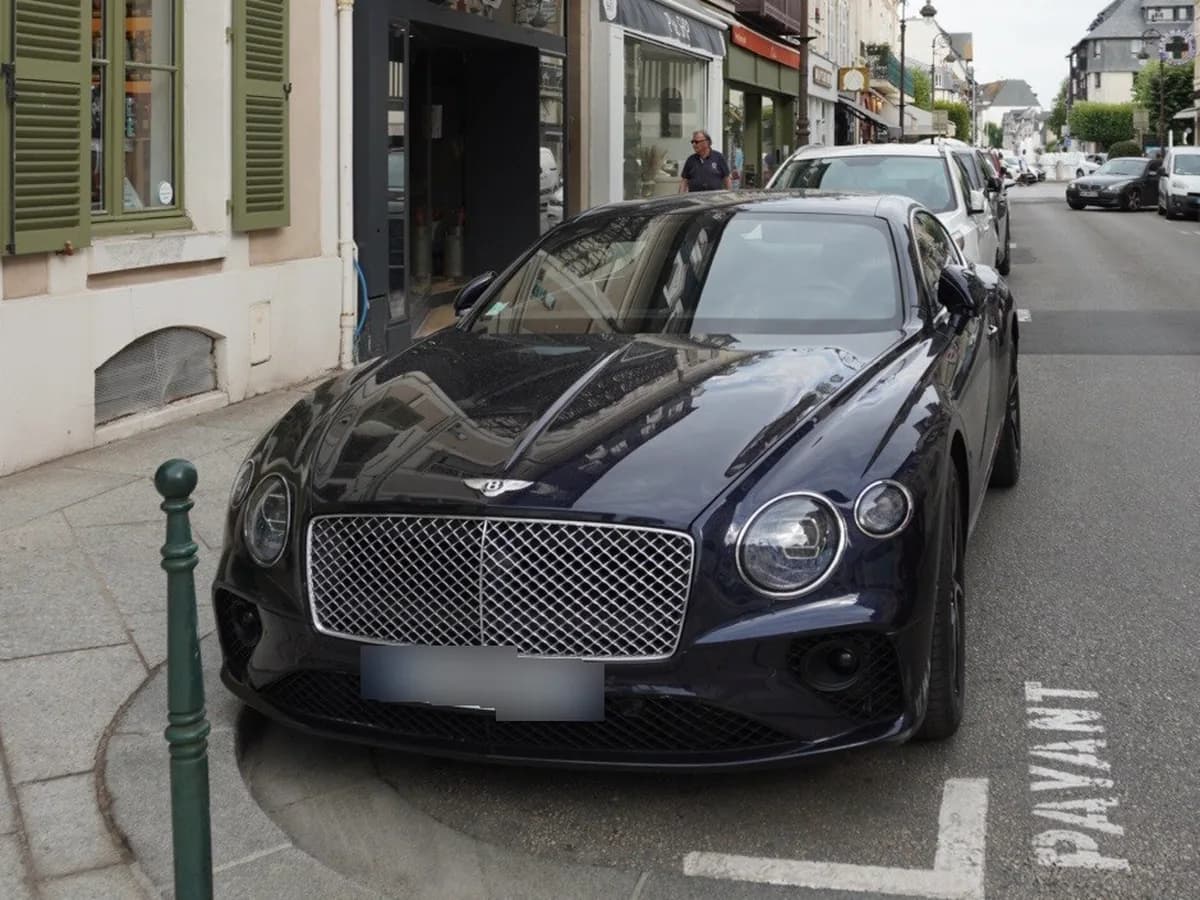
2017
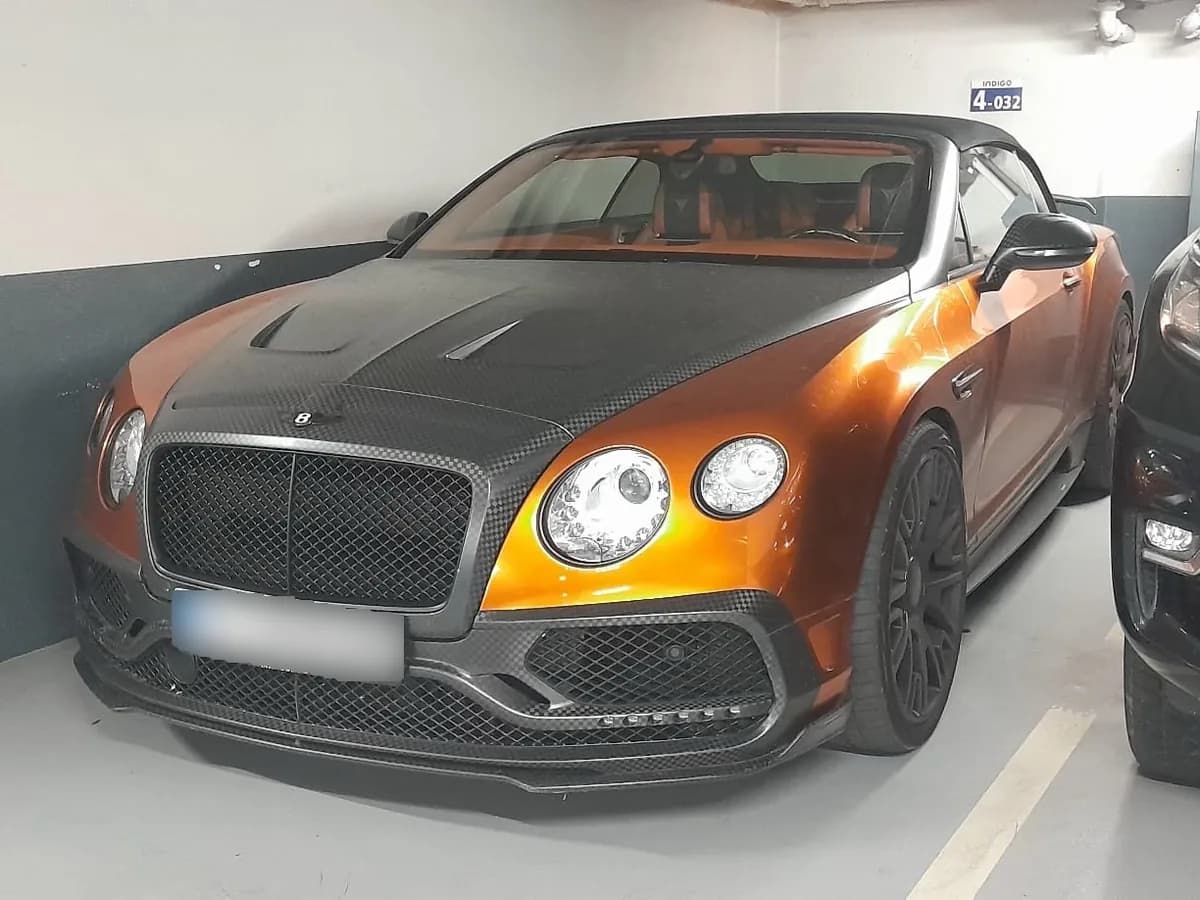
2011

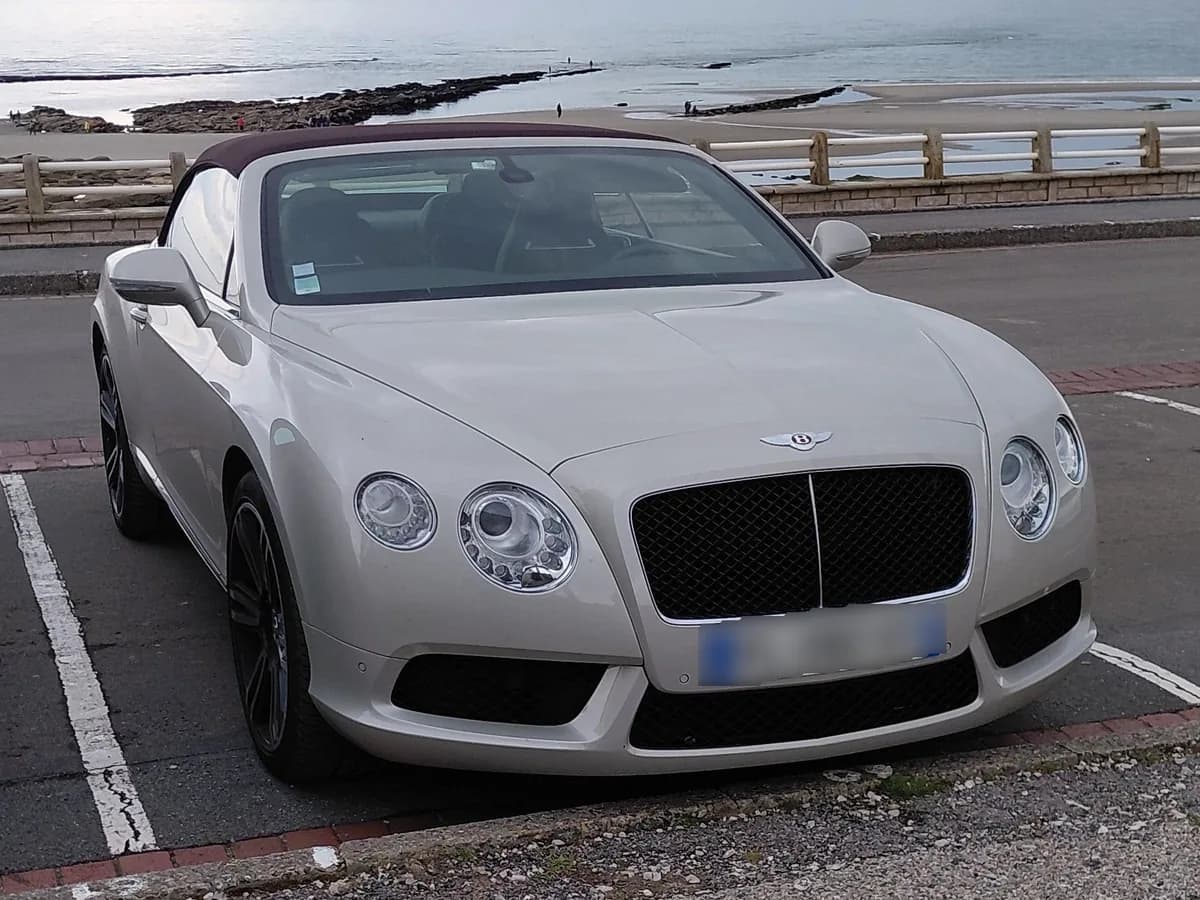
2009

2006
2005

2003

1998
1996
1991
1984
Bentley Continental photos
Model summary
Data from the ScanRacer library, organized to compare versions quickly.
Model introduction
The Bentley Continental name represents a long tradition of grand tourers designed to cover long distances quickly in a highly luxurious setting. The founding reference is the 1952 R-Type Continental, an aerodynamic coupé capable of carrying four occupants at high speed. Fifty years later, the 2003 Continental GT reinterpreted that formula with a twin-turbocharged W12, all-wheel drive and production volumes far greater than those of Bentley’s earlier hand-built cars. The range subsequently expanded to coupé and convertible body styles, Speed and Supersports performance versions, and the four-door Flying Spur. In 2024, the Continental entered a new phase with a plug-in hybrid powertrain combining a V8 petrol engine and an electric motor.
History
The Continental story began with the R-Type Continental, introduced in 1952. Based on the R-Type, it received a lightweight, streamlined body developed with H.J. Mulliner. Its 4.6-litre straight-six was tuned to produce 153 bhp, while the gearing and reduced weight were intended to support high-speed touring. Bentley states that 208 examples were built before production ended in 1955. The car established the combination of performance, comfort and long-distance ability that would define later Continental models. After several decades in which Bentley used other model names, the Continental GT revived the family in 2003. It introduced a modern four-seat coupé with a 6.0-litre twin-turbocharged W12, six-speed automatic transmission and all-wheel drive. The GTC convertible followed in 2005, the GT Speed in 2007 and the Supersports in 2009. A new generation appeared in 2010, bringing a 4.0-litre V8 to the range in 2012. The third generation launched in 2018 on a new platform, with a dual-clutch transmission and more sophisticated chassis systems. In 2024, Bentley introduced a new plug-in hybrid generation.
Generations
The first modern generation covers the Continental GT launched in 2003 and produced until 2011. It is identifiable by its compact proportions, twin round headlamps, broad mesh grille and 6.0-litre W12 engine. The GTC uses the same basic concept in convertible form. Speed and Supersports versions add sportier chassis settings, distinctive trim and, depending on the year, increased power. The second generation was announced in 2010 and continued through 2018. Its bodywork became more sculpted and the cabin gained newer equipment. The W12 was developed further, while a 4.0-litre V8 joined the range in 2012. The V8 S, GT Speed, GT3-R and Supersports versions represent different approaches to performance, weight reduction and chassis tuning. The third generation arrived in 2018. It used a new platform, an eight-speed dual-clutch transmission, three-chamber air springs and a 48-volt active anti-roll system. The fourth generation, introduced in 2024, replaced the W12 with a plug-in hybrid powertrain based on a V8 petrol engine and electric motor. Earlier R, T, SC and Convertible designations belong to a different period of Bentley history and should not automatically be treated as part of the three Continental GT generations.
Key differences
The main differences concern body style, powertrain and intended character. The GT is a four-seat fixed-roof coupé, while the GTC is its convertible counterpart. The Flying Spur applies the Continental philosophy to a four-door saloon, providing a more practical rear cabin and easier access. Speed versions focus on power, chassis response and sportier presentation. Supersports models take that approach further with more radical tuning, weight reduction and higher performance. The 4.0-litre V8 introduced in 2012 differs from the W12 through its distinctive sound and cylinder-deactivation technology on second-generation cars. In 2024, the plug-in hybrid powertrain changed the range once again, combining high performance with the ability to drive electrically for suitable journeys.
Photo recognition
Start identification with the overall shape. First-generation Continental GT models have a compact profile, a tall grille and four separate round headlamps. The second generation keeps similar proportions but introduces tighter surfacing, revised rear lamps and a more contemporary dashboard. V8 versions from this period may carry red Bentley winged-B badges, which can help identification but are not conclusive on their own. The third generation, launched in 2018, looks lower and longer. Its front wings are deeply sculpted and its bodywork has smoother, more flowing volumes. An eight-speed dual-clutch transmission and 48-volt chassis technology generally confirm this generation, although neither feature can be verified reliably from an exterior photograph. GT Speed and Supersports cars often use distinctive wheels, dark exterior details, sportier exhaust outlets and additional aerodynamic components. Exact model-year identification requires caution because options and special editions can blur visual differences. The VIN remains the most reliable way to confirm a specific car.
Important versions
The 2003 Continental GT is the foundation of the modern range, combining a twin-turbocharged W12, all-wheel drive and coupé bodywork. The 2005 GTC transferred the formula to a convertible. The 2007 GT Speed introduced a stronger performance focus, while the 2009 Supersports became a more radical and lighter derivative. The second generation added the V8 in 2012 and the limited GT3-R in 2014, a road car inspired by Bentley’s racing programme. Bentley rated the 2017 Supersports at 710 PS. The fourth generation introduced a plug-in hybrid powertrain in 2024. Older R, T, SC and Convertible designations appearing in some historical records should be checked separately, because their naming does not automatically indicate a Continental GT model.
References
- Bentley Continental: History and HeritageBentley Motors
- Bentley Story – R-Type ContinentalBentley Motors
- 2003 Continental GT Heritage CollectionBentley Newsroom
- The Bentley Continental GT – Luxury Grand TouringBentley Newsroom
- New Continental GT RangeBentley Motors
- https://www.wallpaper.com/transportation/bentley-continental-gt-s-reviewwallpaper.com
- https://www.caranddriver.com/bentley/continental-gt-2018caranddriver.com
Technical specifications
Structured data available for versions linked to this model.
| Version | Power | Torque | Top speed | Drivetrain | Fuel |
|---|---|---|---|---|---|
| Base | 423 KW @ 6000 RPM575 HP @ 6000 RPM567 BHP @ 6000 RPM | 516 lb-ft @ 1700 RPM700 Nm @ 1700 RPM | 198 mph (319 km/h) | All Wheel Drive / 6-speed automatic transmission with steering column-mounted paddleshift | Gasoline |
| Base | 522.2 KW @ 6000 RPM 710 HP @ 6000 RPM 700 BHP @ 6000 RPM | 750 lb-ft @ 2050-4500 RPM 1017 Nm @ 2050-4500 RPM | 209 mph (336 km/h) | All Wheel Drive / 8-speed automatic | Gasoline |
| Base | 389 KW @ 6000 RPM529 HP @ 6000 RPM522 BHP @ 6000 RPM | 502 lb-ft @ 1700 RPM681 Nm @ 1700 RPM | 191 mph (307 km/h) | All Wheel Drive / 8-speed automatic | Gasoline |
| Base | 411 KW @ 6100 RPM560 HP @ 6100 RPM551 BHP @ 6100 RPM | 479 lb-ft @ 1600 RPM649 Nm @ 1600 RPM | 194 mph (312 km/h) | All Wheel Drive / 6-speed automatic | Gasoline |
Frequently asked questions
- What years was the Bentley Continental produced?
- ScanRacer's referenced versions cover 1984 - 2025.
- How many Bentley Continental examples are documented on ScanRacer?
- 40 published scans from 25 members, with the latest photo added in October 2026.
What about the car you photographed?
Upload a photo to get a suggested make, model and likely year.
No account needed for the result · Publish only if you choose