
Bentley
Founded in London on July 10, 1919 by Walter Owen Bentley, Bentley was built around a straightforward idea: combining endurance, speed, and high-quality construction. The early 3 Litre cars quickly gave the company a sporting reputation, strengthened by its victories at the 24 Hours of Le Mans during the 1920s. After Rolls-Royce acquired Bentley in 1931, the marque developed toward grand touring cars and luxury saloons while retaining a more dynamic character. The 1952 R-Type Continental established an important template for coupés capable of covering long distances at high speed. In the modern era, the Continental GT, Flying Spur, Mulsanne, and Bentayga represent different interpretations of that British tradition, bringing together performance, comfort, craftsmanship, and extensive personalization. Bentley’s model history therefore spans racing-inspired classics, large V8-powered saloons, convertible grand tourers, and contemporary high-performance SUVs.
Models from A to Z
Arnage
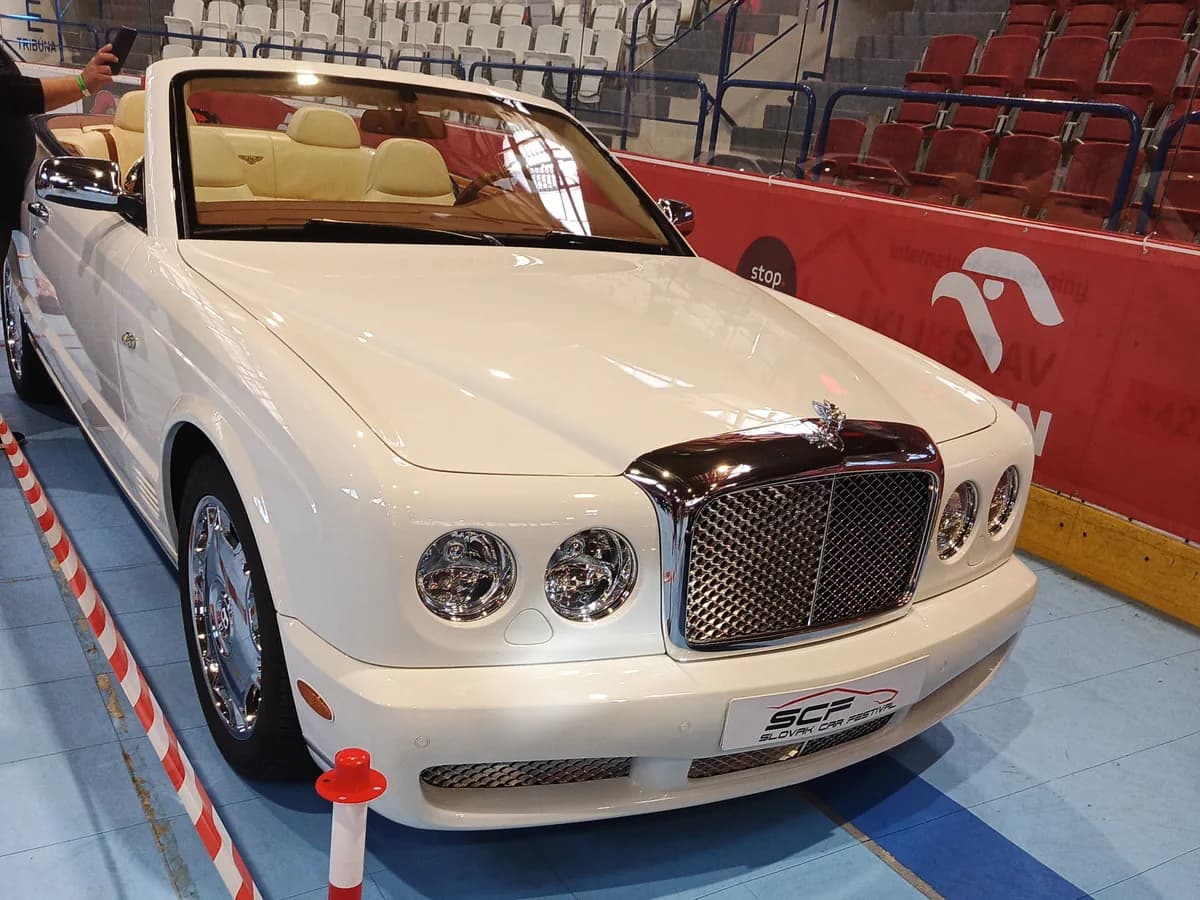
Azure
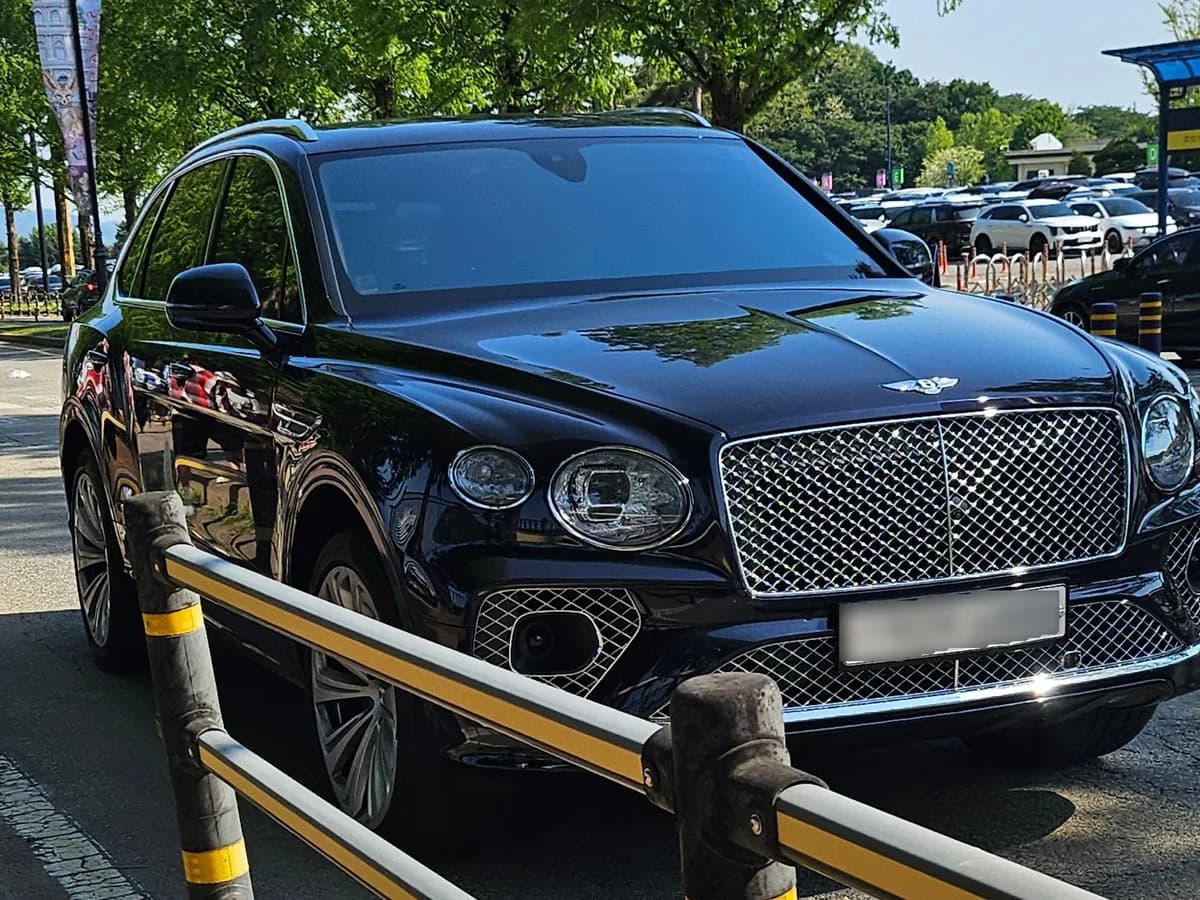
Bentayga
Brooklands
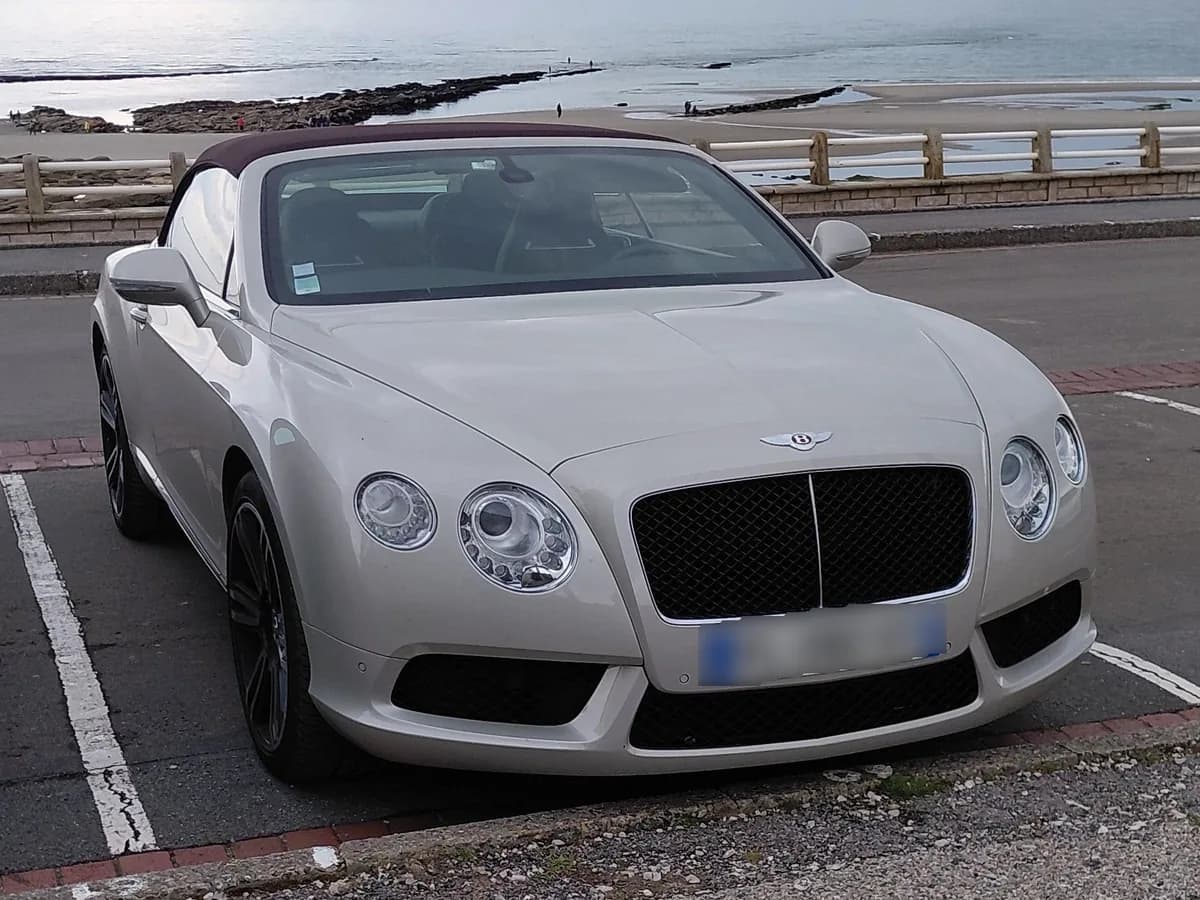
Continental
Corniche
Eight

Flying Spur
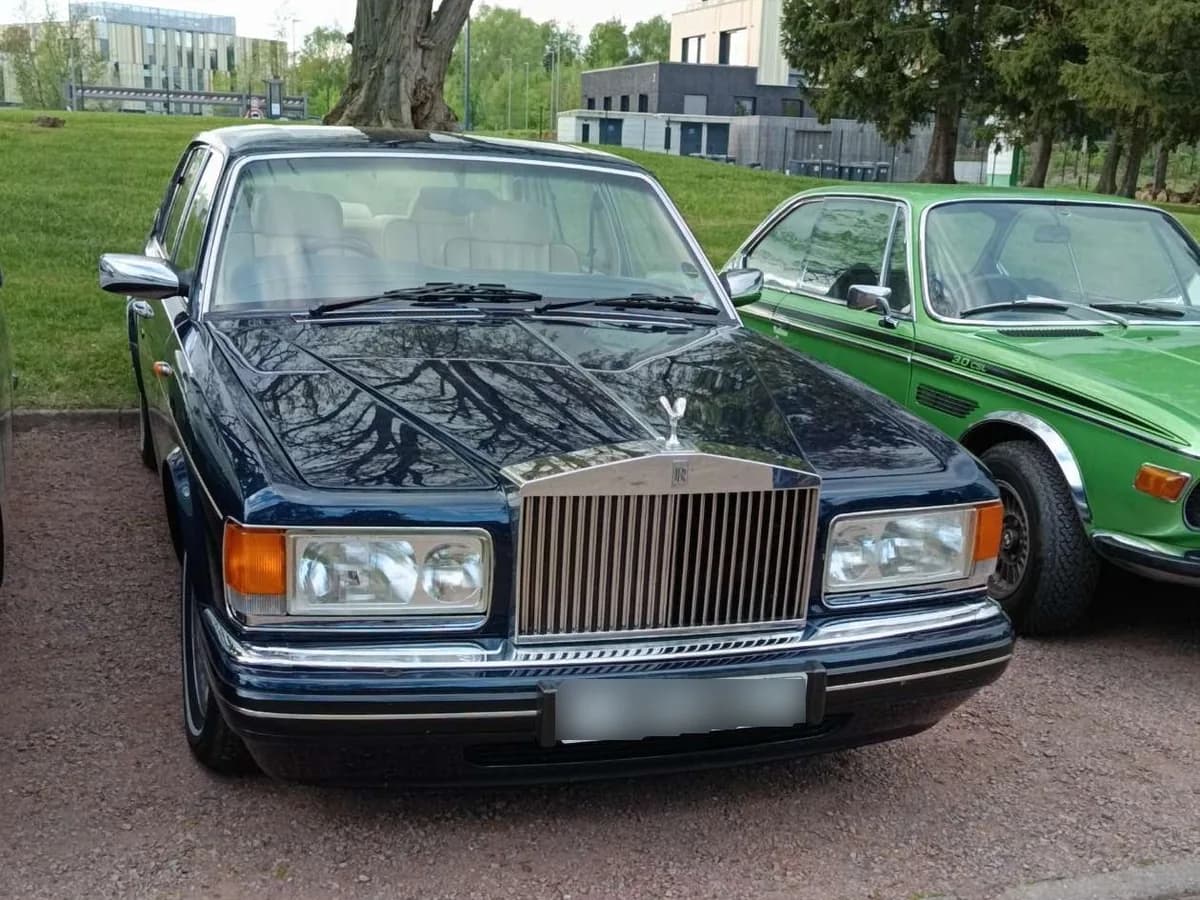
Mulsanne
S1
S1-S2
S2
S3
Bentley overview
Bentley history
Walter Owen Bentley founded Bentley Motors in 1919 after working on aircraft engines during the First World War. The 3 Litre, Bentley’s first production car, combined an advanced engine, robust construction, and genuine competition potential. A Le Mans victory in 1924, followed by Speed Six wins in 1929 and 1930, firmly established the marque’s sporting image. Financial difficulties during the Great Depression nevertheless led to Rolls-Royce acquiring Bentley in 1931. Cars built at Derby, and later at Crewe after the Second World War, gradually placed greater emphasis on silence, comfort, and long-distance travel. The 1952 R-Type Continental represented a major turning point. Its streamlined shape and high-speed touring ability provided a design and engineering reference for later Continental models. The S1, S2, and S3 continued that development during the 1950s and 1960s, while the Mulsanne, launched in 1980, renewed Bentley’s performance focus. The 1990s brought the Brooklands and Azure, followed by the Arnage in 1998. Volkswagen’s acquisition of Bentley in 1998 preceded a new phase of investment and expansion. The 2003 Continental GT became the modern cornerstone, while the Flying Spur, Mulsanne, and Bentayga extended the range into four-door luxury, chauffeur-focused comfort, and high-performance SUV territory.
Bentley positioning
Bentley occupies the space between sporting grand touring and prestigious luxury motoring. Its historic range has never been defined by power alone: large-capacity engines, imposing proportions, carefully finished cabins, and the ability to cover long distances quickly are equally important. This explains the coexistence of very different models, from the driver-focused Continental GT to the more comfort- and personalization-oriented Mulsanne, with the Flying Spur positioned between the two by serving both driver and passengers. Production at Crewe and the involvement of Mulliner reinforce that identity. Interior materials, leather, veneers, and individual specification have long been central to Bentley ownership. The Bentayga transferred these established themes into a high-performance SUV with all-terrain ambitions. Bentley is therefore best understood as a British luxury marque with a sporting bias, rather than simply as a sports-car manufacturer. Its cars generally pursue effortless speed, refinement, and road presence instead of the uncompromising lightness or track focus associated with dedicated racing machinery.
Recognizing a Bentley in a photo
A Bentley can usually be identified by its tall, prominent grille, winged “B” emblem, and generally long, low, or imposing proportions depending on the model. Continental coupés and convertibles combine a grand touring shape with substantial width and carefully sculpted fender details. The Flying Spur uses a four-door saloon body, an upright grille, distinctive lamps, and a sportier presentation than a conventional chauffeur limousine. The Mulsanne is recognizable by its considerable size, richly appointed cabin, and, on later versions, a large grille with strong vertical vanes. To distinguish generations, examine the headlamp shape, grille pattern, side vents, and rear-light design. Bentley models from the 1980s and 1990s often have squarer bodies and thicker bumpers, while the Continental GT introduced in 2003 brought a rounder, more contemporary profile. The Bentayga is immediately identifiable through its raised body, Bentley grille, and SUV proportions. Badges such as Speed, T, V8, W12, or Mulliner can indicate a derivative, but they should not be used alone to determine the exact generation or production year.
Important Bentley models
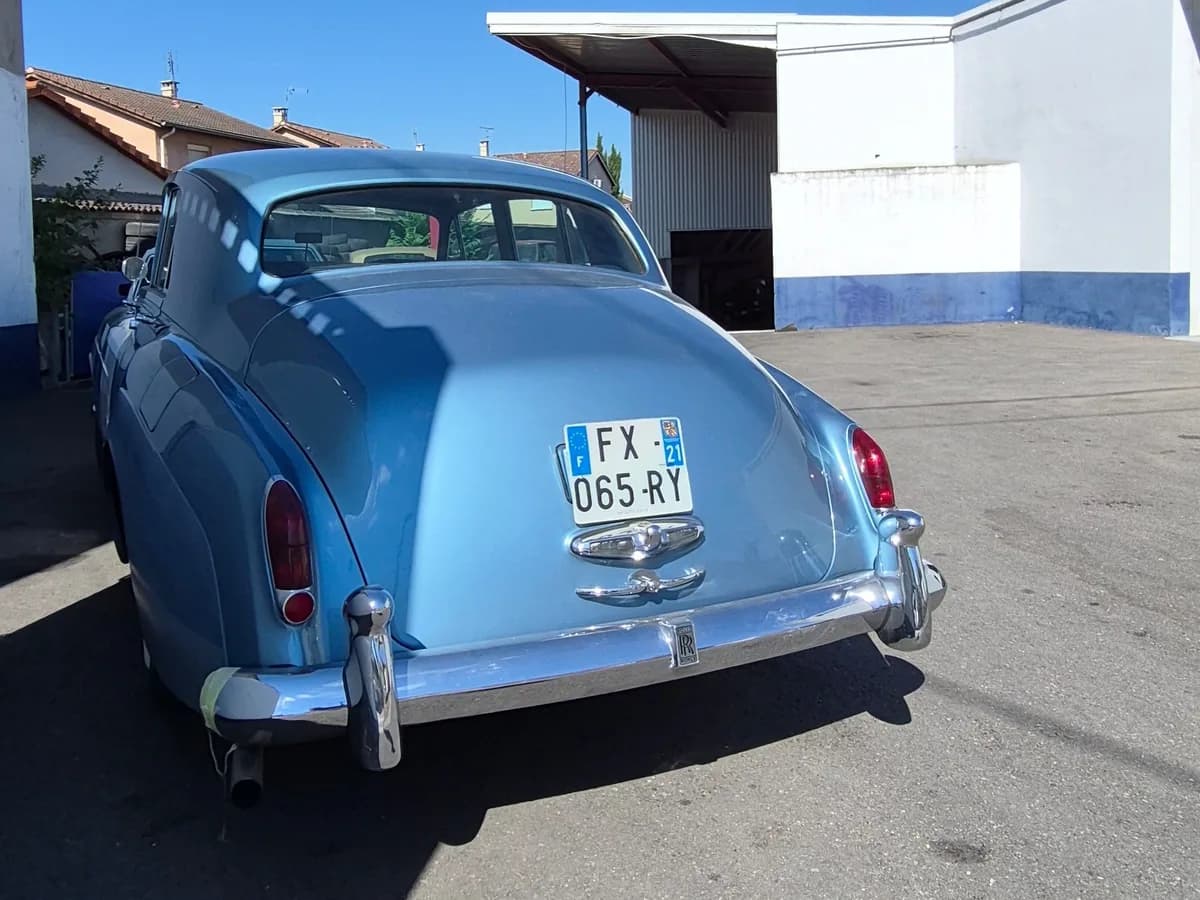
The Continental is the central thread of Bentley’s modern range. The 1952 R-Type Continental established a demanding interpretation of Bentley grand touring, while the 2003 Continental GT reintroduced the marque to the contemporary luxury-coupé market. In the ScanRacer context, Continental coverage extends from 1984 to 2024 and includes eight listed variants. The S1, S2, and S3 represent an important stage in the development of post-war Bentley saloons. The S2 introduced Bentley’s first V8, improving both performance potential and the ability to provide greater cabin comfort. The Mulsanne, represented in the available data from 1980 to 2016, signalled a renewed emphasis on performance before becoming a flagship of high luxury. The Arnage, Brooklands, and Azure then covered saloon, coupé, and convertible roles. The Flying Spur became Bentley’s modern four-door grand tourer, while the Bentayga, launched in 2015, brought the brand into the SUV market. Together, these models show how Bentley expanded without abandoning its core combination of speed, refinement, and craftsmanship.
References
- History and HeritageBentley Motors
- The Bentley StoryBentley Motors
- Walter Owen BentleyBentley Motors
- Bentley ContinentalBentley Motors
- Bentley Flying SpurBentley Motors
- Bentley MulsanneBentley Motors
- Bentley BentaygaBentley Motors
- CraftsmanshipBentley Motors