
Bentayga
Launched in 2015, the Bentley Bentayga was the British marque’s first SUV. Its name refers to Roque Bentayga, a mountain formation on Gran Canaria, while the vehicle combines all-wheel drive, off-road ability and Bentley’s traditional hand-crafted approach. The first generation gradually expanded beyond its original W12 petrol model with diesel, V8, plug-in hybrid, Mulliner luxury and Speed performance derivatives. From 2016 to 2020, the Bentayga therefore developed from a single flagship SUV into a broad family of vehicles with different priorities: long-distance refinement, greater range, lower urban emissions or sharper performance. This period concludes with the arrival of the second-generation Bentayga in 2020, making the earlier cars a distinct first-generation group with their own styling, engines and equipment combinations.
Variants by year
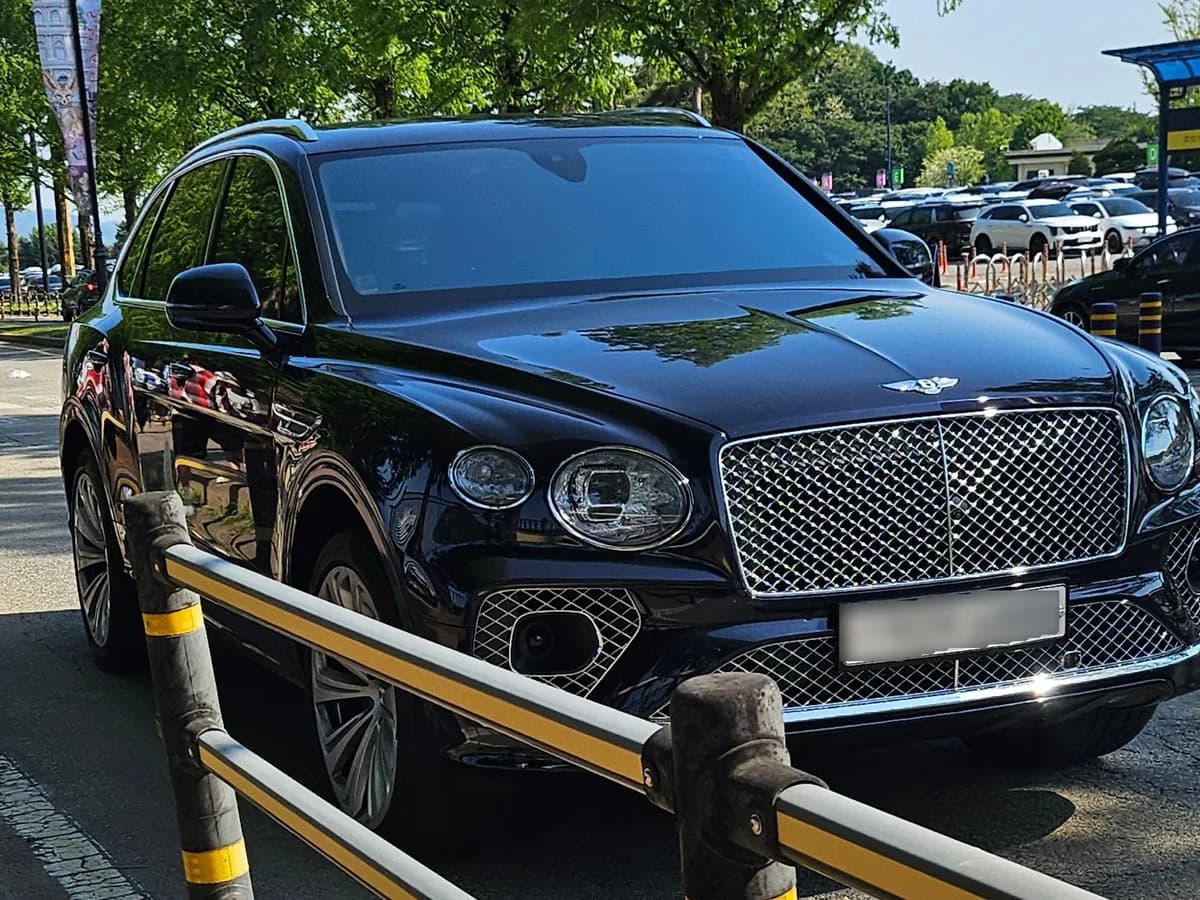
2020
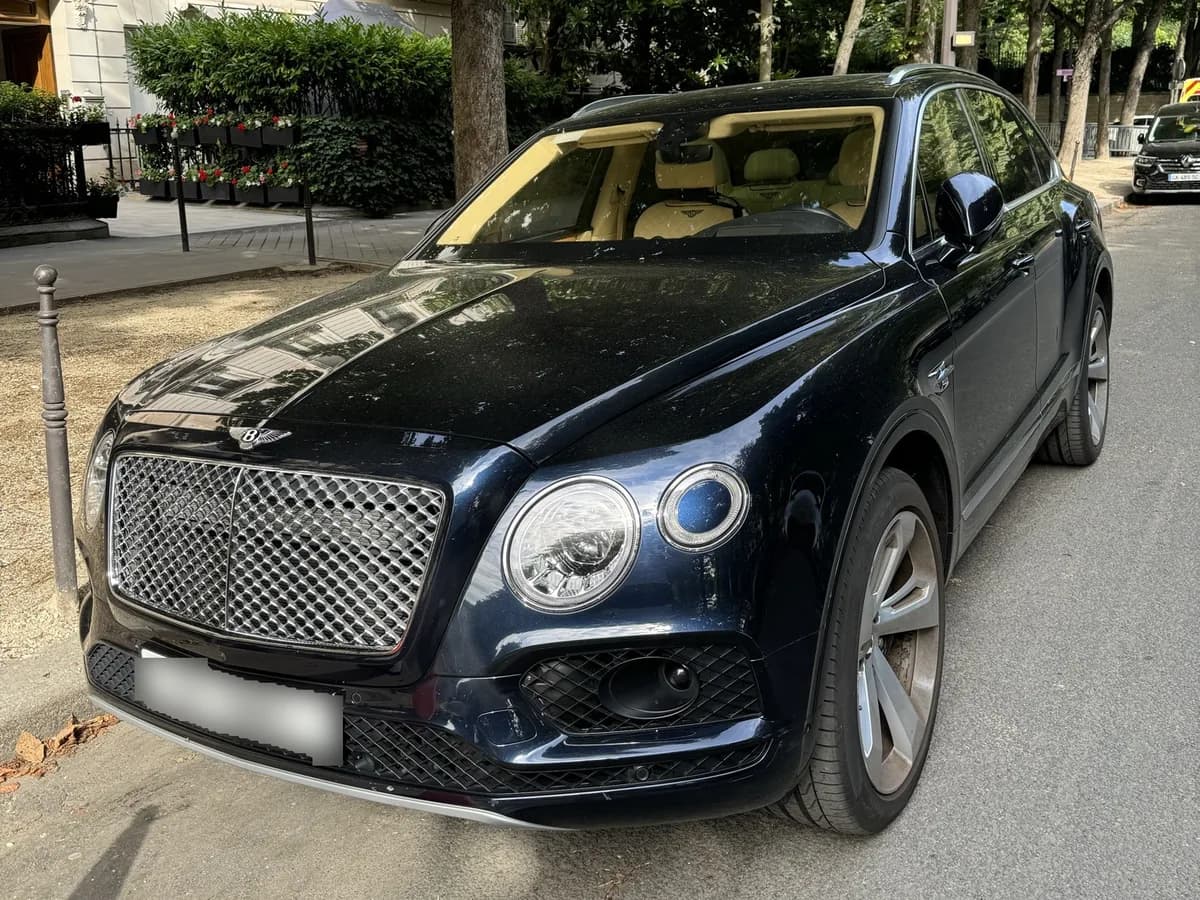
2016
Model summary
Data from the ScanRacer library, organized to compare versions quickly.
Model introduction
Launched in 2015, the Bentley Bentayga was the British marque’s first SUV. Its name refers to Roque Bentayga, a mountain formation on Gran Canaria, while the vehicle combines all-wheel drive, off-road ability and Bentley’s traditional hand-crafted approach. The first generation gradually expanded beyond its original W12 petrol model with diesel, V8, plug-in hybrid, Mulliner luxury and Speed performance derivatives. From 2016 to 2020, the Bentayga therefore developed from a single flagship SUV into a broad family of vehicles with different priorities: long-distance refinement, greater range, lower urban emissions or sharper performance. This period concludes with the arrival of the second-generation Bentayga in 2020, making the earlier cars a distinct first-generation group with their own styling, engines and equipment combinations.
History
The Bentayga was developed as Bentley’s entry into the SUV market without abandoning the marque’s established emphasis on luxury, power and personalisation. Revealed in 2015, it introduced a raised and versatile body style to the Bentley range while retaining a cabin built around carefully finished leather, wood veneers and metal details. The original model used a 6.0-litre W12 petrol engine, immediately placing the Bentayga among the fastest luxury SUVs of its period. The range expanded with the Bentayga Diesel in 2016, the first diesel-powered Bentley, followed by the Mulliner version in 2017, which focused on bespoke detailing and rear-seat comfort. In 2018, the V8 provided a different balance of performance and engine character, while the Bentayga Hybrid introduced Bentley’s first plug-in hybrid powertrain. The Speed arrived in 2019 as the performance flagship, using a 635 PS W12 and an advertised top speed of 306 km/h. Bentley introduced a redesigned second-generation Bentayga in 2020, marking the end of the original model’s main production period and creating a clear distinction between the two generations.
Generations
The first-generation Bentayga covers the models introduced from 2015 until the arrival of the redesigned vehicle in 2020. It is identified by a substantial SUV profile, a strong shoulder line, a large matrix grille and rear lamps that differ from those of the later model. Inside, the design follows Bentley’s traditional luxury approach, with extensive leather, veneer and metal detailing. Seating layouts and equipment could vary according to market and specification. This generation was not mechanically uniform. The W12 formed the original foundation of the range and emphasised the Bentayga’s grand-touring character. The Diesel focused on torque and cruising range, the V8 offered a different sporting balance, and the Hybrid combined a petrol V6 with an electric motor. Mulliner represented a luxury and commissioning treatment rather than a separate generation. Speed was likewise a first-generation derivative, distinguished by sportier equipment and a higher-output W12. The Bentayga introduced in 2020 belongs to the second generation. It brought revised exterior styling and additional technology, including changes to the rear passenger environment. It should therefore be kept separate from the first-generation vehicles covering the 2016-2020 period.
Key differences
The main differences between Bentayga versions concern their powertrains and intended character. The W12 emphasises effortless power and high-speed grand-touring ability. The Diesel uses a 4.0-litre V8, prioritising torque and long-distance range; Bentley quoted a range of more than 1,000 km under its stated test conditions. The 2018 V8 produces 550 PS and can be identified, in broad terms, by its black-and-chrome matrix grille and twin-quad exhaust arrangement. The Hybrid combines a 3.0-litre petrol V6 with an electric motor and is designed to cover part of a journey in electric mode. Mulliner adds luxury equipment, distinctive materials and bespoke detailing rather than a fundamentally different body or generation. The Speed uses a 635 PS W12 and adds sportier calibration, a dedicated spoiler and darker exterior details. Exact equipment, drivetrain availability and model names may differ by market and model year, so visual identification should be checked against the vehicle’s documentation.
Photo recognition
A first-generation Bentayga can usually be recognised by its tall, imposing proportions, large Bentley grille and pronounced front wings. A strong character line runs along the side of the body, while the original headlamp and rear-lamp designs are simpler than those used on the 2020 redesign. The overall impression is closer to a large luxury tourer than to a compact or heavily styled off-road vehicle. Some derivatives have useful identifying details. The V8 commonly features a black-and-chrome matrix grille and four exhaust outlets arranged as twin pairs. Diesel cars may carry dedicated badging, including “V8 DIESEL” lettering low on the front doors, depending on specification. Hybrid versions can have discreet Hybrid badges and model-specific trim. The Speed is typically marked by darker exterior details, 22-inch wheels, a dedicated spoiler and Speed badging. These clues are not definitive on their own: optional Mulliner equipment, regional specifications and replacement parts can alter the appearance, so the VIN and original build documentation remain more reliable.
Important versions
The key versions from this period are the original W12 Bentayga, the Diesel introduced in 2016, the 2017 Mulliner, the 2018 V8, the 2018 Hybrid and the 2019 Speed. The W12 established the model through its power and refinement. The Diesel was historically significant as Bentley’s first diesel vehicle. Mulliner concentrated on bespoke luxury and a four-seat comfort specification. The V8 offered a sportier petrol alternative, while the Hybrid marked Bentley’s first move into plug-in electrification. The Speed became the performance leader of the first generation, combining a 635 PS W12 with dedicated exterior and chassis-related sporting details. Availability and equipment differed between markets, so individual cars should be checked by model year, VIN and original specification.
References
- Bentayga | History and HeritageBentley Motors
- Bentayga Range Customer BookBentley Motors
- Bentayga Speed | Bentayga RangeBentley Motors
- https://www.bentleymotors.com/en/models/bentayga/bentayga.htmlbentleymotors.com
- https://www.bentleymotors.com/en/models/bentayga/bentayga-atelier-edition.htmlbentleymotors.com
- https://www.bentleymotors.com/en/models/bentayga.htmlbentleymotors.com
- https://cdn.bentleymotors.com/downloads/en/brochure/global/bentayga/26MY_Bentayga_CustomerBook_%28June%29%28English%29.pdfcdn.bentleymotors.com
- https://cdn.bentleymotors.com/downloads/e-brochures/Bentayga_EWB_Customer_Book_EN.pdfcdn.bentleymotors.com
Frequently asked questions
- What years was the Bentley Bentayga produced?
- ScanRacer's referenced versions cover 2016 - 2020.
- How many Bentley Bentayga examples are documented on ScanRacer?
- 17 published scans from 12 members, with the latest photo added in September 2026.