
Clio
La Renault Clio was launched in 1990 as the successor to the Renault 5 and quickly became one of the defining cars in Europe’s supermini segment. Its name marked Renault’s move away from traditional numerical model names and refers to Clio, the Greek muse of history. From the beginning, the car combined compact dimensions with a broad range of body styles, engines, equipment levels, and performance variants. The Clio also helped bring features normally associated with larger vehicles into the small-car class, including more advanced safety equipment, comfort systems, and later connected technology. Across its successive generations, it has appeared as a three- or five-door hatchback, an estate, and, in selected markets, a saloon. The model line also produced distinctive performance derivatives, most notably the Clio Williams and the mid-engined Clio V6.
Variants by year
2025
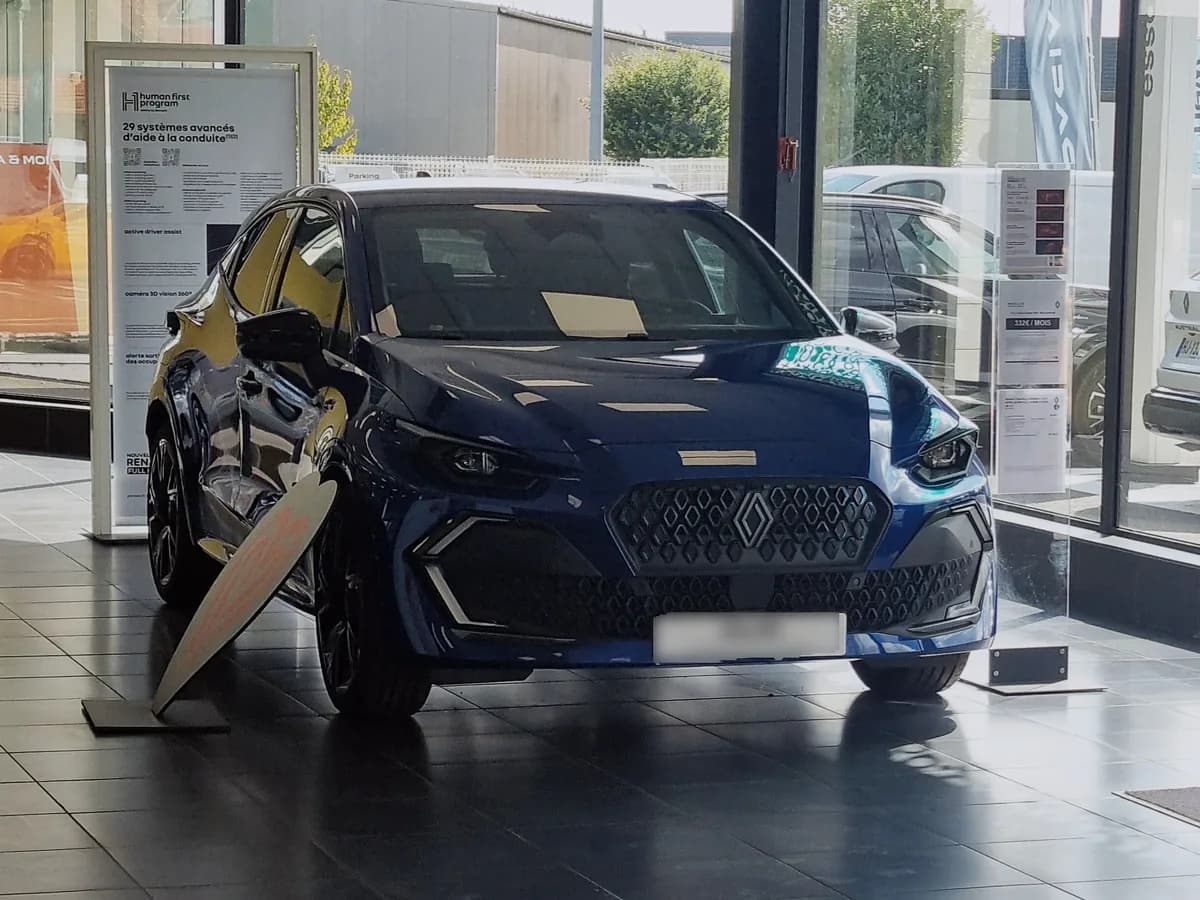
2023
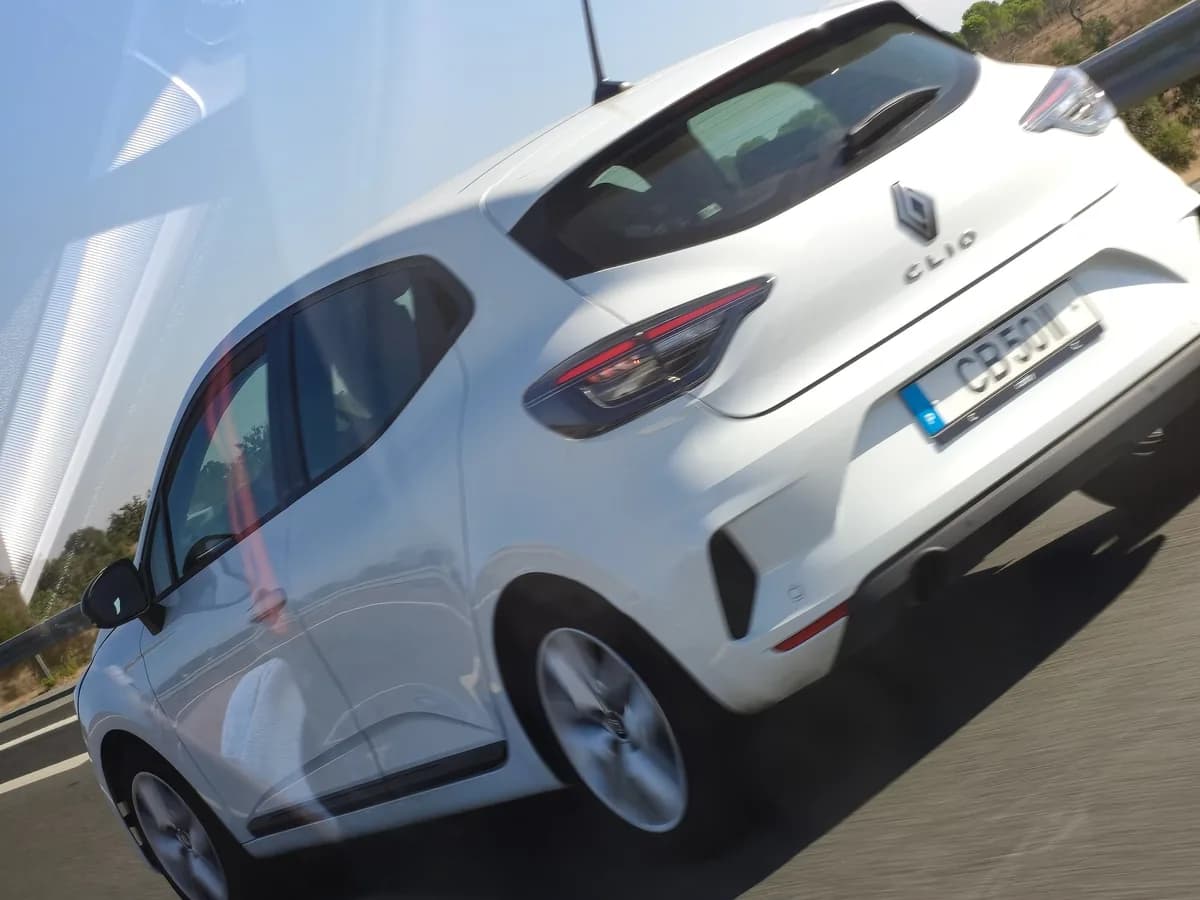
2019
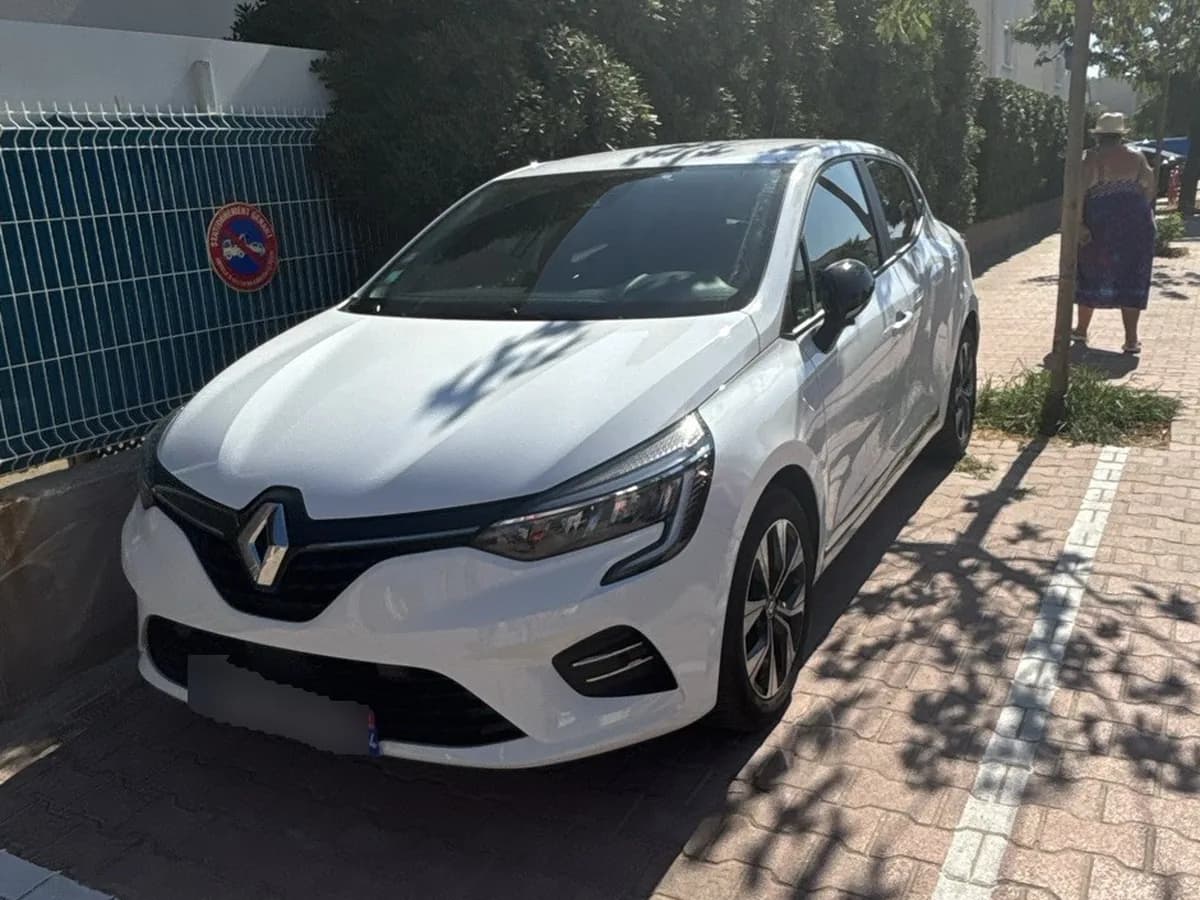
2016
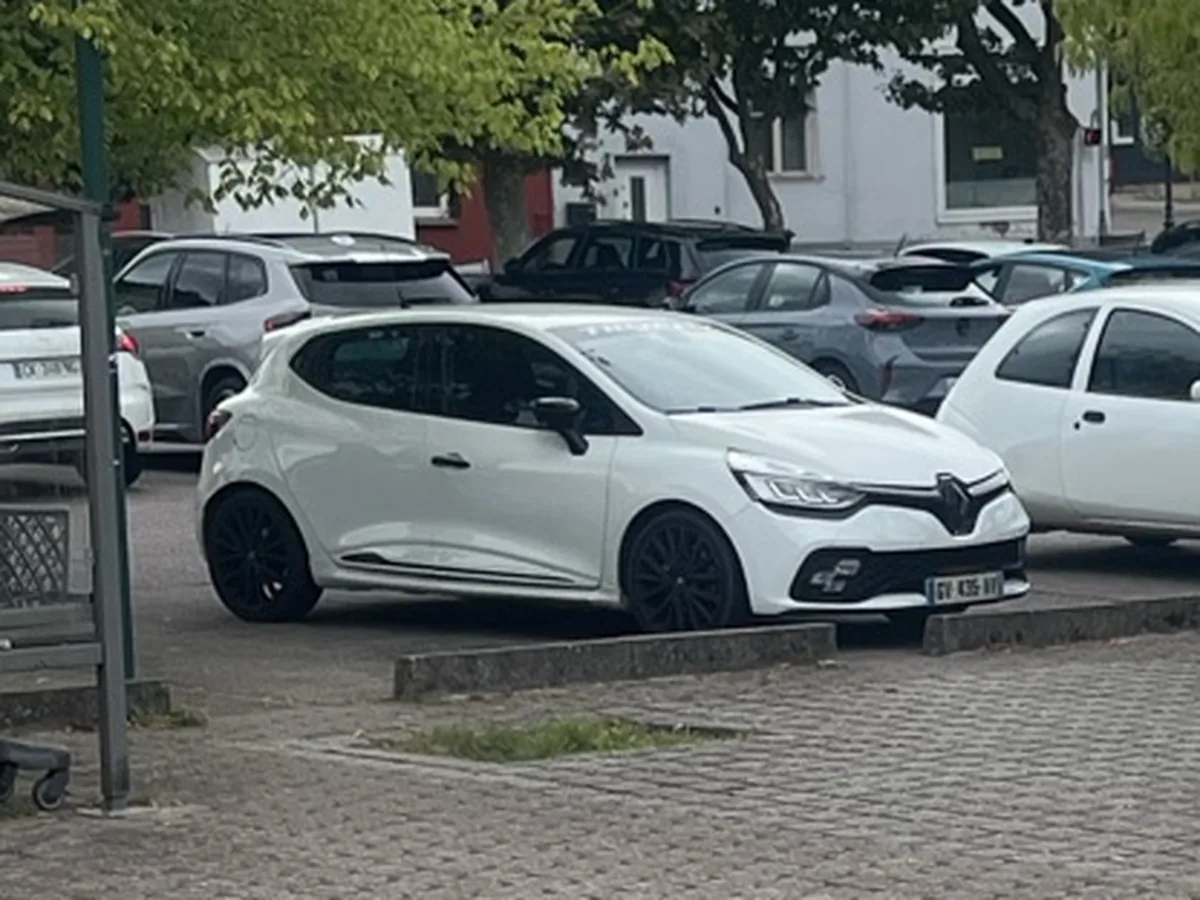
2013
2012

2009


2007
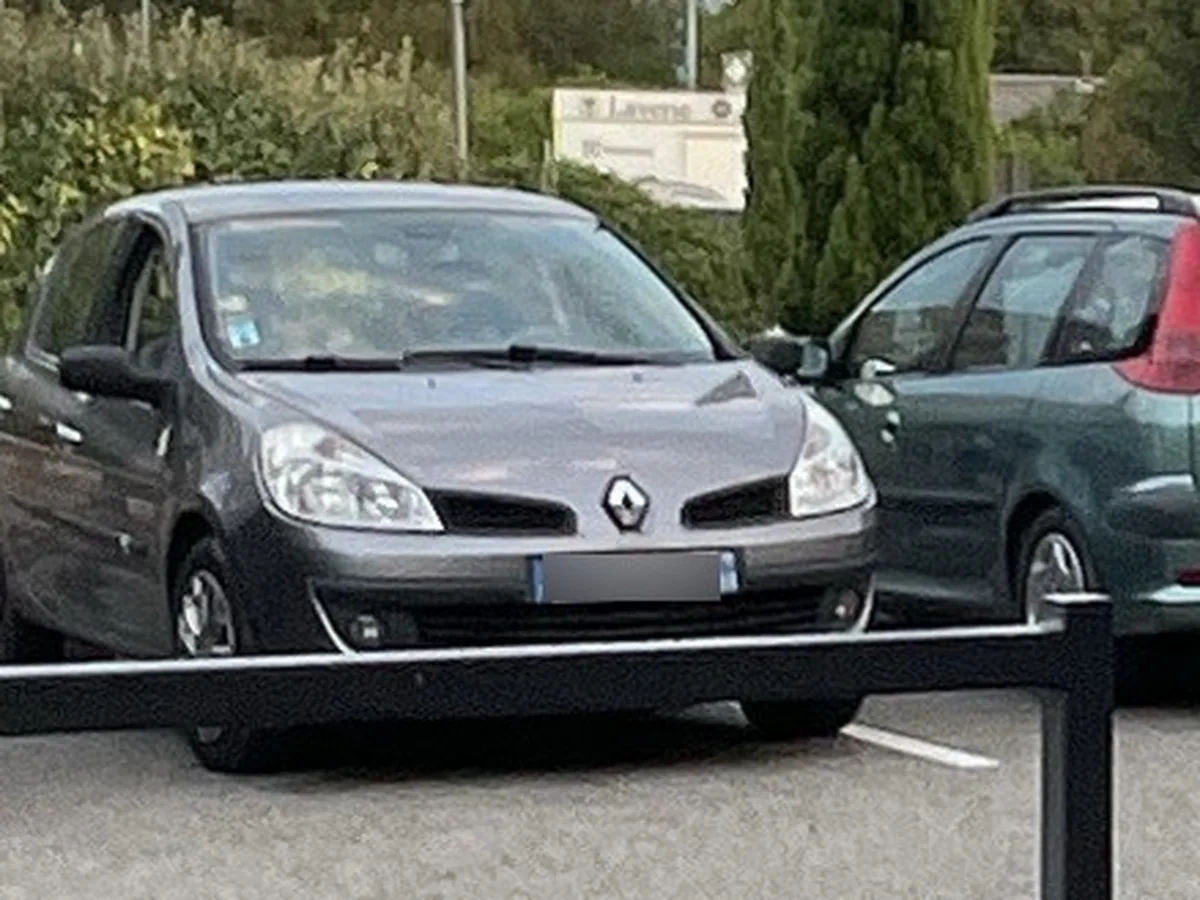
2006
2005
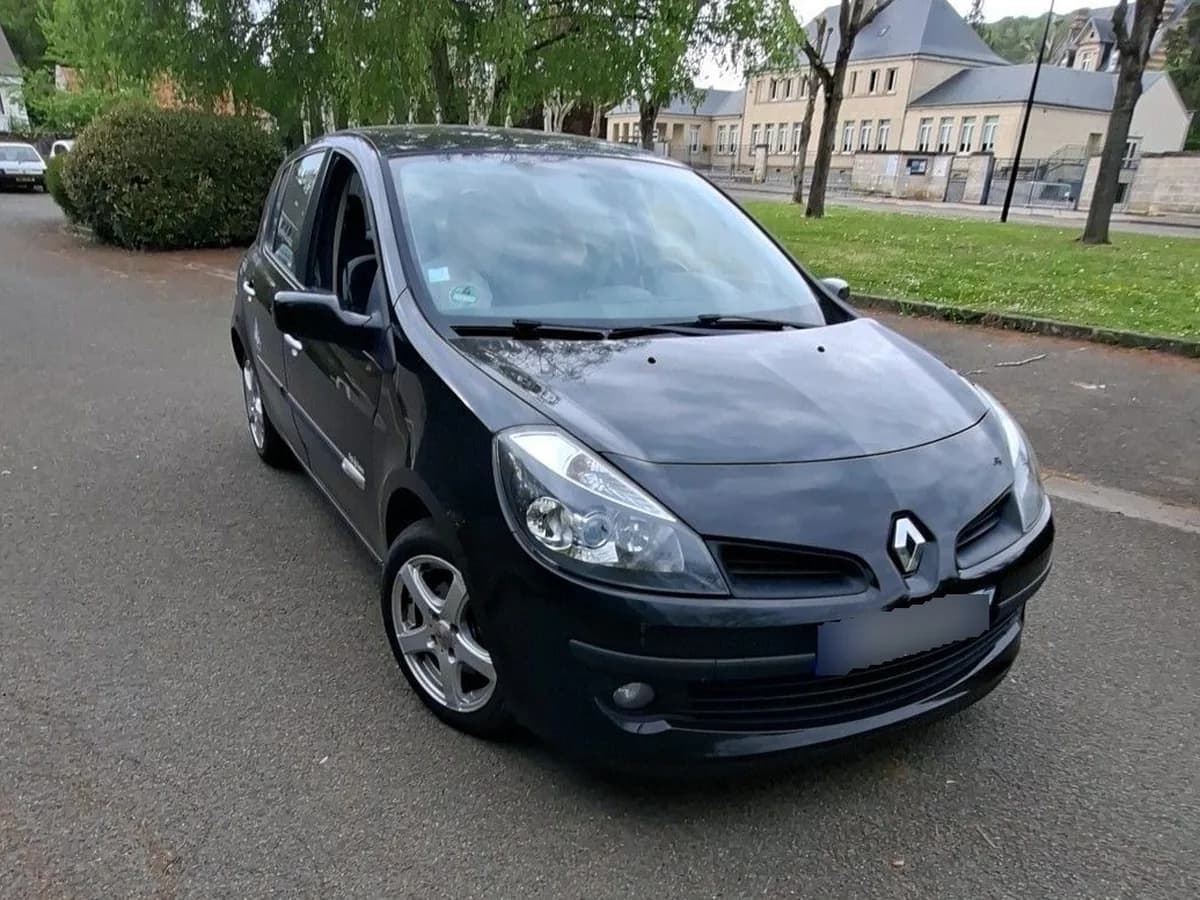
2003
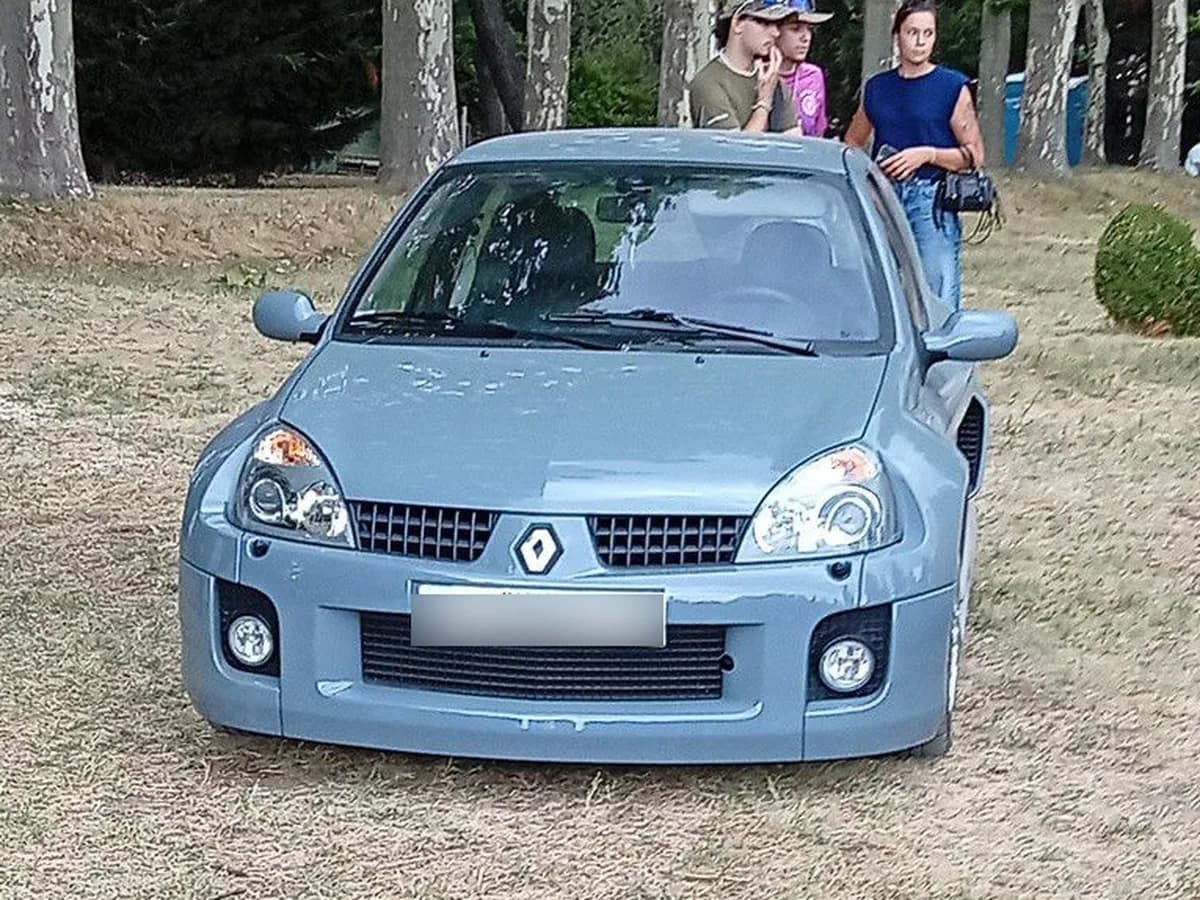
2002

2001
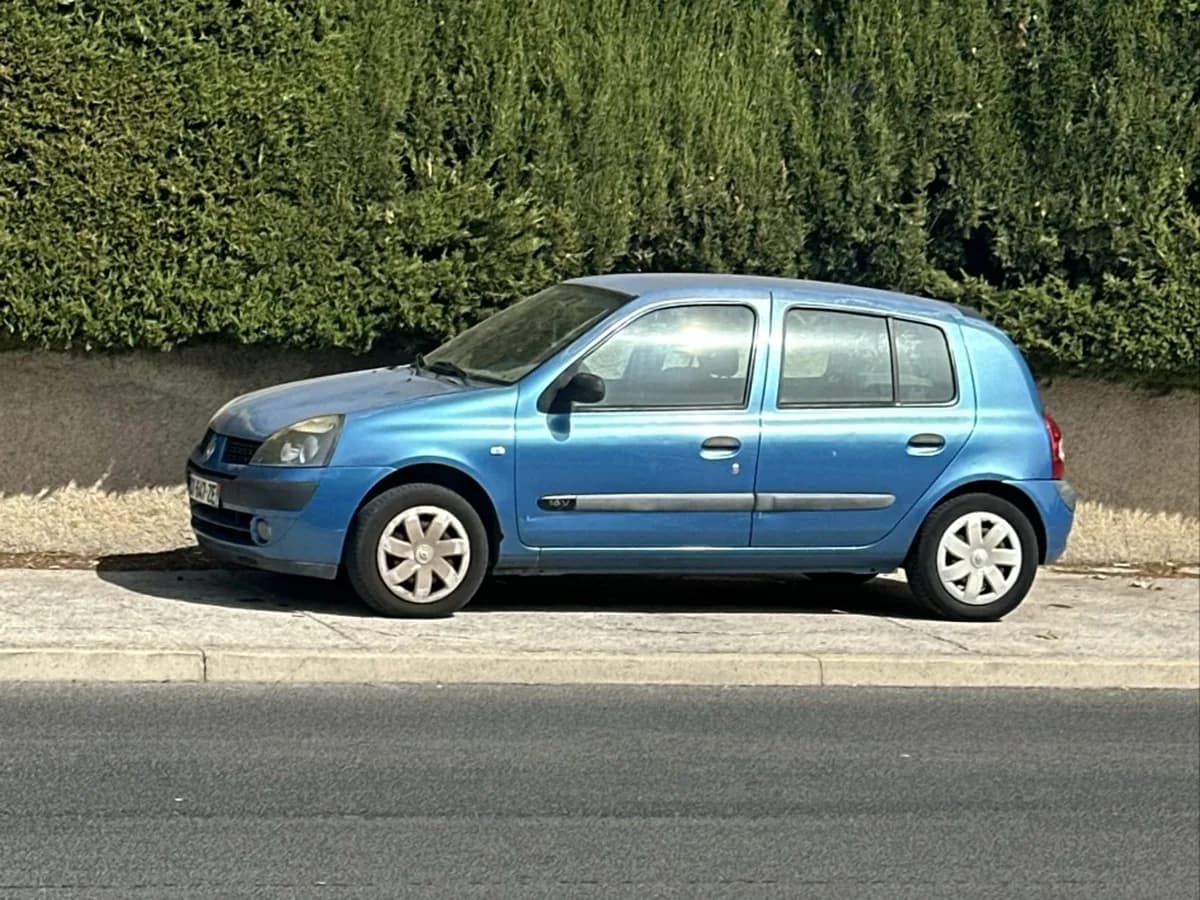
2000

1999
1998
1996
1993

1991

1990
Model summary
Data from the ScanRacer library, organized to compare versions quickly.
Model introduction
La Renault Clio was launched in 1990 as the successor to the Renault 5 and quickly became one of the defining cars in Europe’s supermini segment. Its name marked Renault’s move away from traditional numerical model names and refers to Clio, the Greek muse of history. From the beginning, the car combined compact dimensions with a broad range of body styles, engines, equipment levels, and performance variants. The Clio also helped bring features normally associated with larger vehicles into the small-car class, including more advanced safety equipment, comfort systems, and later connected technology. Across its successive generations, it has appeared as a three- or five-door hatchback, an estate, and, in selected markets, a saloon. The model line also produced distinctive performance derivatives, most notably the Clio Williams and the mid-engined Clio V6.
History
The first Clio appeared in 1990 with a demanding brief: replace the Renault 5 and Supercinq while giving Renault’s small-car range a more modern identity. Its rounded styling, three- and five-door body options, and Energy petrol engines established the basic formula. The Clio 16S and Williams then extended the range into the performance-car market, while the Baccara offered a more luxurious interpretation. The first-generation Clio won the 1991 European Car of the Year award. Introduced in 1998, the Clio II brought a softer shape, improved space, additional comfort equipment, and stronger safety credentials. It also began the Renault Sport performance lineage and later adopted Renault’s 1.5 dCi common-rail diesel engine. The Clio III arrived in 2005 with a larger cabin, five-star Euro NCAP protection, and an estate body introduced in 2007. It was named European Car of the Year for 2006. The Clio IV debuted in 2012, dropped the three-door hatchback, and introduced concealed rear door handles and styling influenced by the DeZir concept. The Clio V followed in 2019 on Renault’s CMF-B platform, combining a more upscale interior with petrol, diesel, and E‑TECH hybrid powertrains. A substantial 2023 facelift revised the front-end design, lighting, interior presentation, and equipment range.
Generations
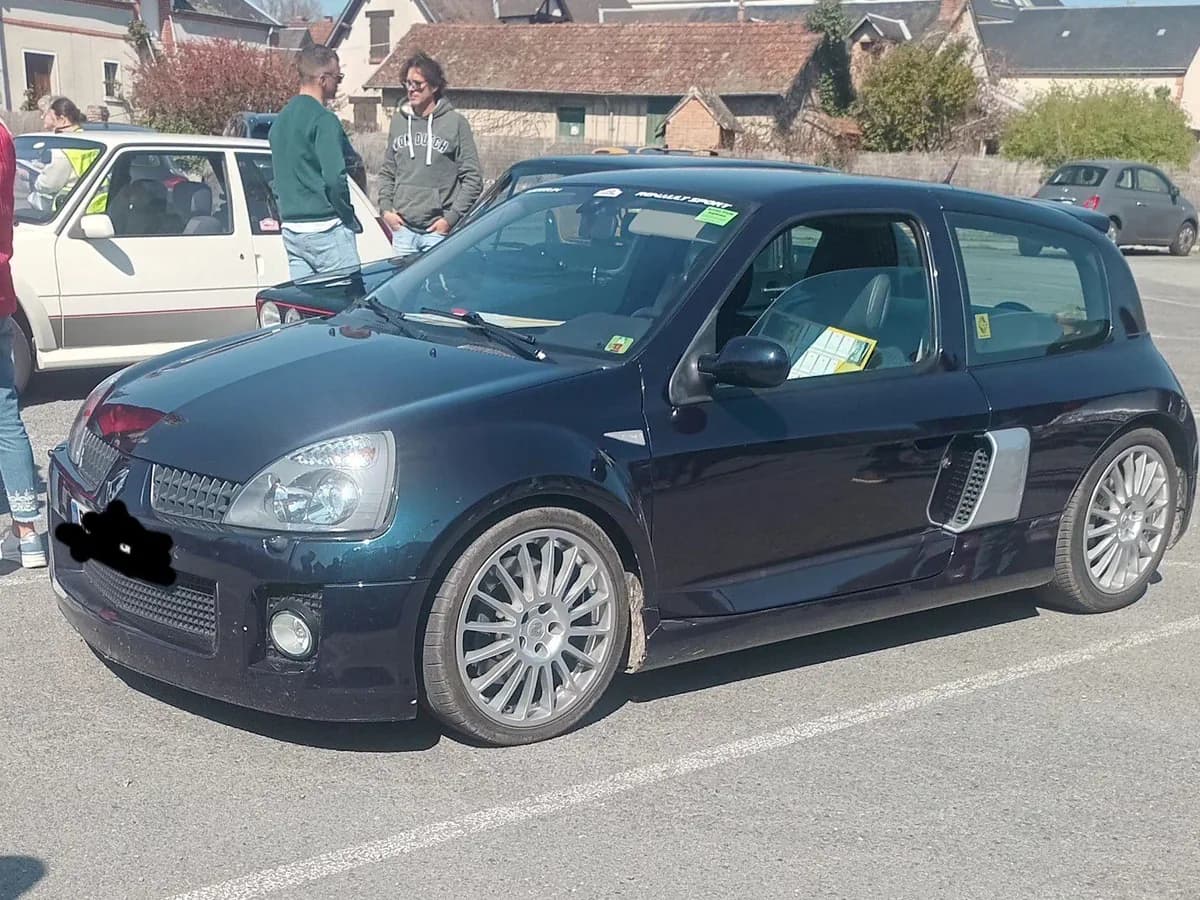
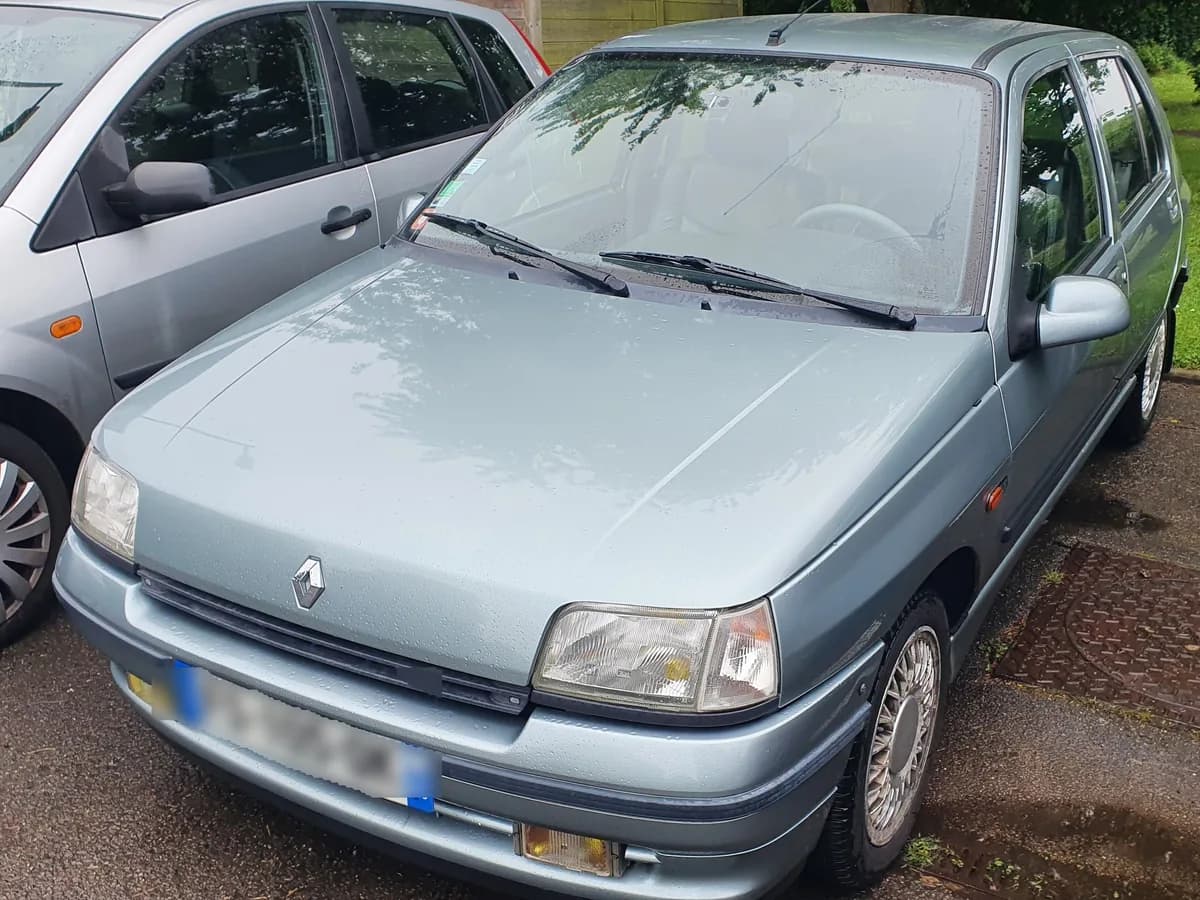
The Clio I, introduced in 1990, is identified by its rounded body, compact grille, and rear lamps visually linked by a dark trim element. Later phases changed the bumpers, lighting units, and trim details. The Williams belongs to this first generation, but its 2.0-litre engine, gold wheels, and distinctive blue paint make it easy to separate from a regular Clio I. The Clio II arrived in 1998 with a more organic exterior and a thoroughly modernised cabin. Its several phases are mainly distinguished by revised front ends, lamps, bumpers, and equipment. The V6 is a major exception: wide rear bodywork, side air intakes, and a mid-rear engine give it a very different appearance from an ordinary Clio II. The Clio III, launched in 2005, looks taller and more substantial. It was offered as a three- or five-door hatchback and later as an estate. The Clio IV, unveiled in 2012, was limited to five doors as a hatchback and used concealed rear door handles near the window line. The Clio V, introduced in 2019, brought C-shaped lighting signatures and a more digital dashboard. The 2023 facelift is especially easy to identify from its heavily redesigned nose, slimmer headlamps, and vertical daytime-running-light elements.
Key differences
The main differences between Clio generations can be seen in their body design, proportions, and engineering approach. The Clio I has the simplest visual treatment and was offered with three or five doors. The Clio II kept compact dimensions but adopted softer lines and introduced a broader range of comfort and safety equipment. The Clio III grew noticeably, provided more interior space, and added an estate body. The Clio IV moved to a five-door-only hatchback format, with more expressive styling and hidden rear door handles. The Clio V is based on Renault’s CMF-B platform and places greater emphasis on interior quality, connectivity, driver assistance, and multi-energy powertrains. The high-performance derivatives should not be treated as ordinary trim levels. The Williams is a substantially sportier version of the Clio I, while the V6 changes the Clio II concept with a mid-rear engine, widened bodywork, and a very different chassis layout. Sedan and Classic Sedan refer to three-box derivatives sold in selected markets rather than the conventional European hatchback. Grandtour Wagon identifies the estate body style.
Photo recognition
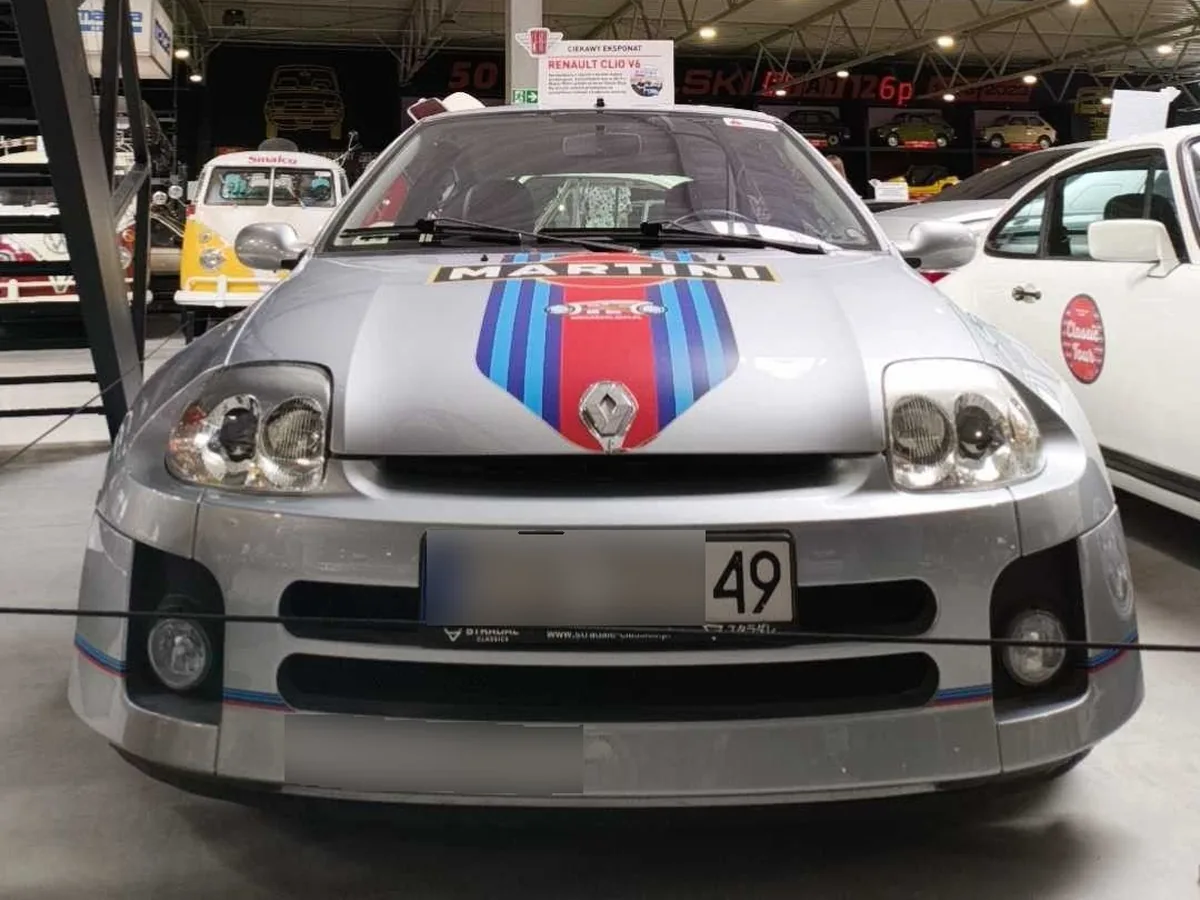
Start identification by checking the body shape and door count. A Clio I normally has a compact, relatively simple profile and an uncomplicated front end. The Williams is recognisable by its specific blue paint, gold alloy wheels, badges, and lower-looking sporting stance; early examples were individually numbered. A standard Clio II remains rounded in shape, but the V6 has dramatically wider rear arches, side air intakes, and a more prominent front opening. The Clio III looks taller and larger than its predecessor, while the estate version has a clearly extended rear section. The Clio IV can be identified by its rear door handles positioned close to the window line and its five-door-only hatchback body. The Clio V has C-shaped lighting signatures, a sharper shoulder line, and a more contemporary dashboard. Facelifted cars from 2023 onward are easiest to recognise from their radically revised front end and vertical daytime-running lights. For the saloon derivatives, look for a separate boot and a three-box profile rather than the usual hatchback tailgate.
Important versions
The Clio Williams is the most historically recognisable performance derivative of the first-generation car. Developed with Renault Sport and linked to the Williams name, it uses a 1,998 cm³ four-cylinder engine producing 150 hp. Its metallic blue paint, gold wheels, and rally-inspired character made it one of the defining small performance cars of the 1990s. The Clio V6, offered in the early 2000s, is even more unusual. Its V6 engine sits in a mid-rear position, while widened arches and dedicated air intakes distinguish its bodywork from a normal Clio II. The Grandtour Wagon is the practical estate interpretation associated with the Clio III and IV era, adding useful rear capacity. Sedan and Classic Sedan identify three-box derivatives developed for selected markets. In the supplied naming structure, Base refers to the recent-generation coverage and does not indicate a separate body style or performance model.
The name “Clio” follows Renault naming, with its rules and its exceptions. Decode a Renault name
References
- Renault Clio celebrates its 30th anniversaryRenault Group Press Office
- The Clio story: At 22, it's come of ageRenault Group
- História do Renault ClioRenault Group Portugal Press Office
- Reveal of the New Renault ClioRenault
- Clio WilliamsThe Originals Renault Museum
- https://www.autoencyclopedie.com/renault-clio-i-1990-1998autoencyclopedie.com
Technical specifications
Structured data available for versions linked to this model.
| Version | Power | Torque | Top speed | Drivetrain | Fuel |
|---|---|---|---|---|---|
| Base | 48 KW @ 4500 RPM65 HP @ 4500 RPM64 BHP @ 4500 RPM | 87 lb-ft @ 2250 RPM118 Nm @ 2250 RPM | 100 mph (161 km/h) | Front Wheel Drive / 5-speed manual | Diesel |
| Base | 66 KW @ 4000 RPM90 HP @ 4000 RPM89 BHP @ 4000 RPM | 162 lb-ft @ 1750 RPM220 Nm @ 1750 RPM | 112 mph (180 km/h) | Front Wheel Drive / 5-speed manual | Diesel |
| Base | 60 KW @ 4000 RPM82 HP @ 4000 RPM80 BHP @ 4000 RPM | 136 lb-ft @ 2000 RPM184 Nm @ 2000 RPM | 109 mph (175 km/h) | Front Wheel Drive / 5-speed manual | Diesel |
Frequently asked questions
- What years was the Renault Clio produced?
- ScanRacer's referenced versions cover 1990 - 2025.
- How many Renault Clio examples are documented on ScanRacer?
- 54 published scans from 41 members, with the latest photo added in September 2026.