
E-Klasse
The Mercedes-Benz E-Klasse traces its roots to the 1953 Type 180, known internally as the W 120 and distinguished by its self-supporting “Ponton” body. The E-Class name itself did not appear until 1993, when the 124 series adopted Mercedes-Benz’s new naming system. Between those two milestones, the lineage included the W 110, W 114/115 and W 123 families, establishing Mercedes-Benz’s mid-range executive car as a model built around comfort, durability and broad usability. Depending on the generation, the range included saloons, estates, coupés, convertibles, long-wheelbase versions, rolling chassis for special conversions and, more recently, the All-Terrain. In the ScanRacer catalogue, referenced E-Klasse variants span model years from 1953 through 2024.
Variants by year
2024
2023
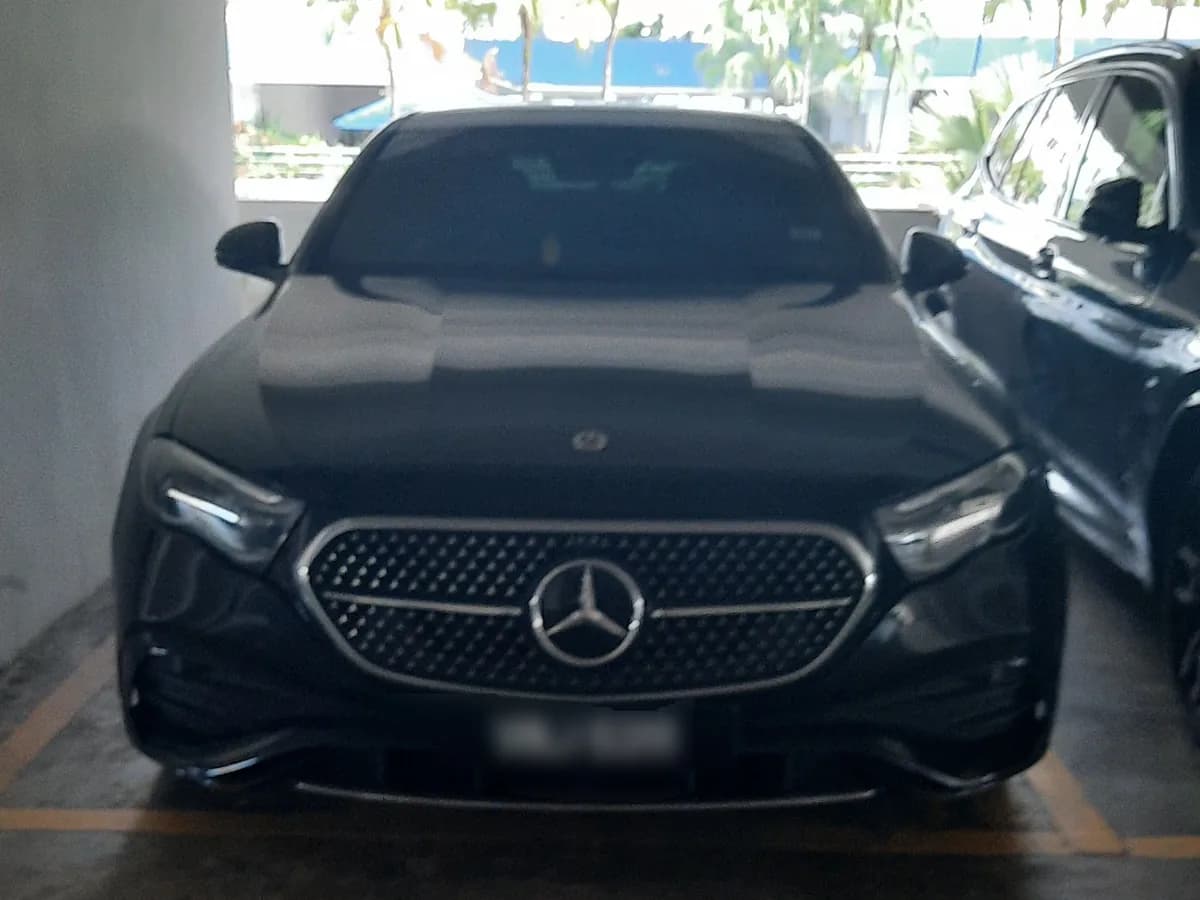 R
R2020
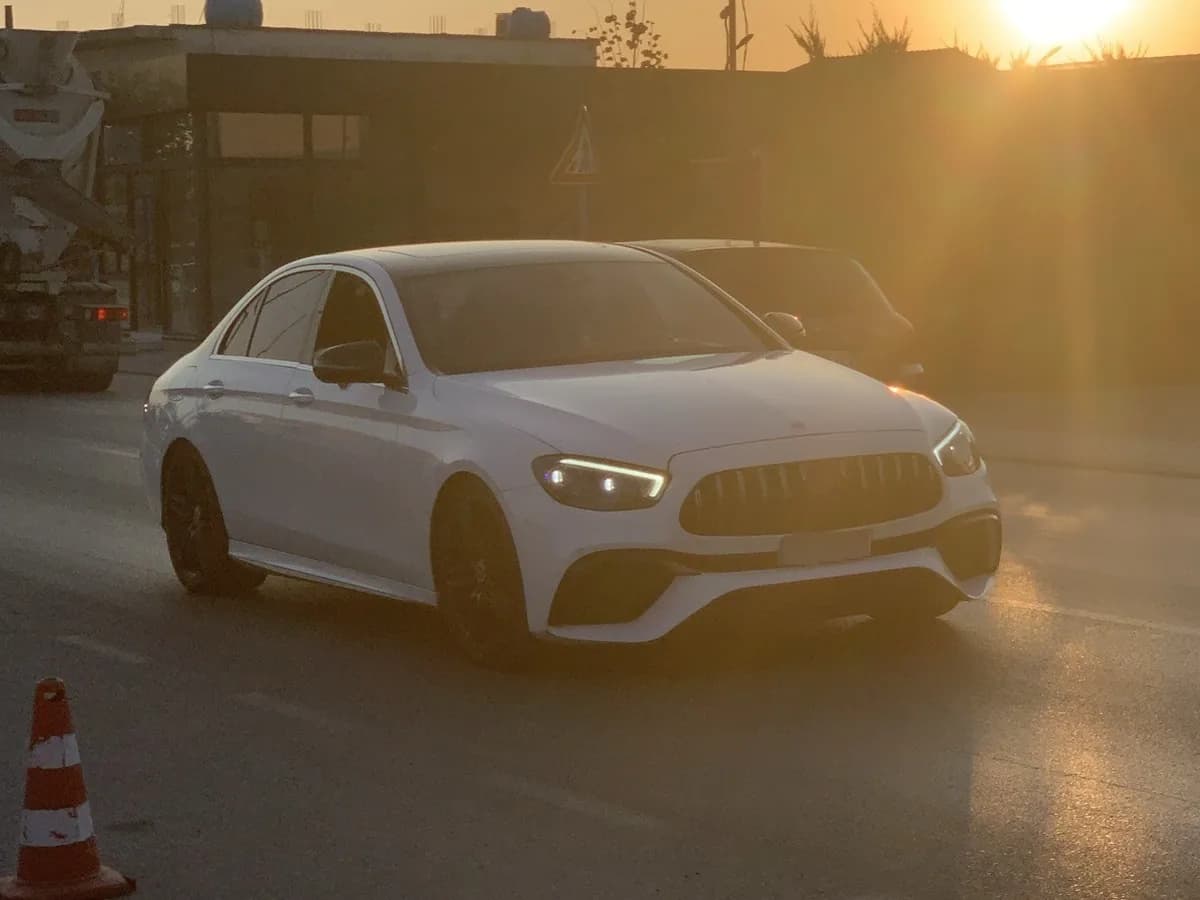
2017
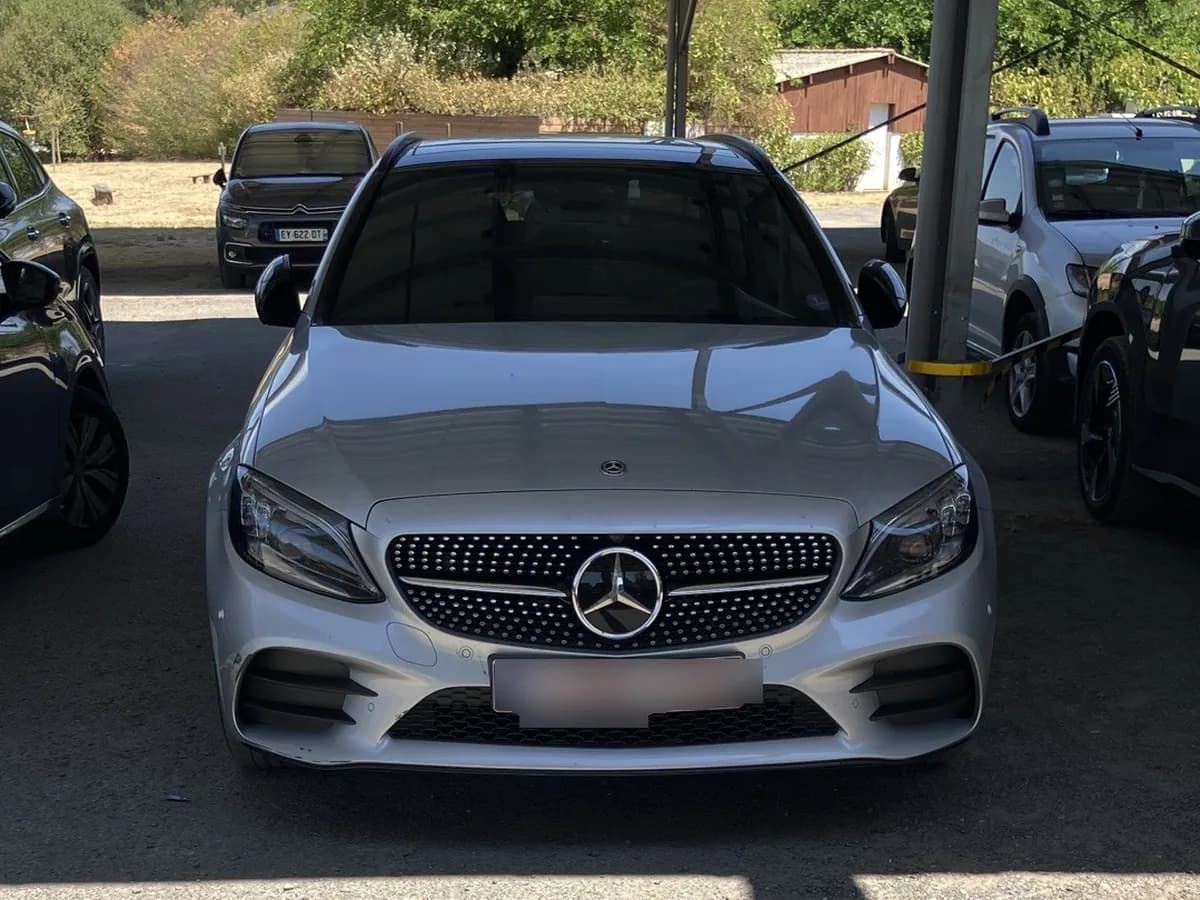 R
R2016
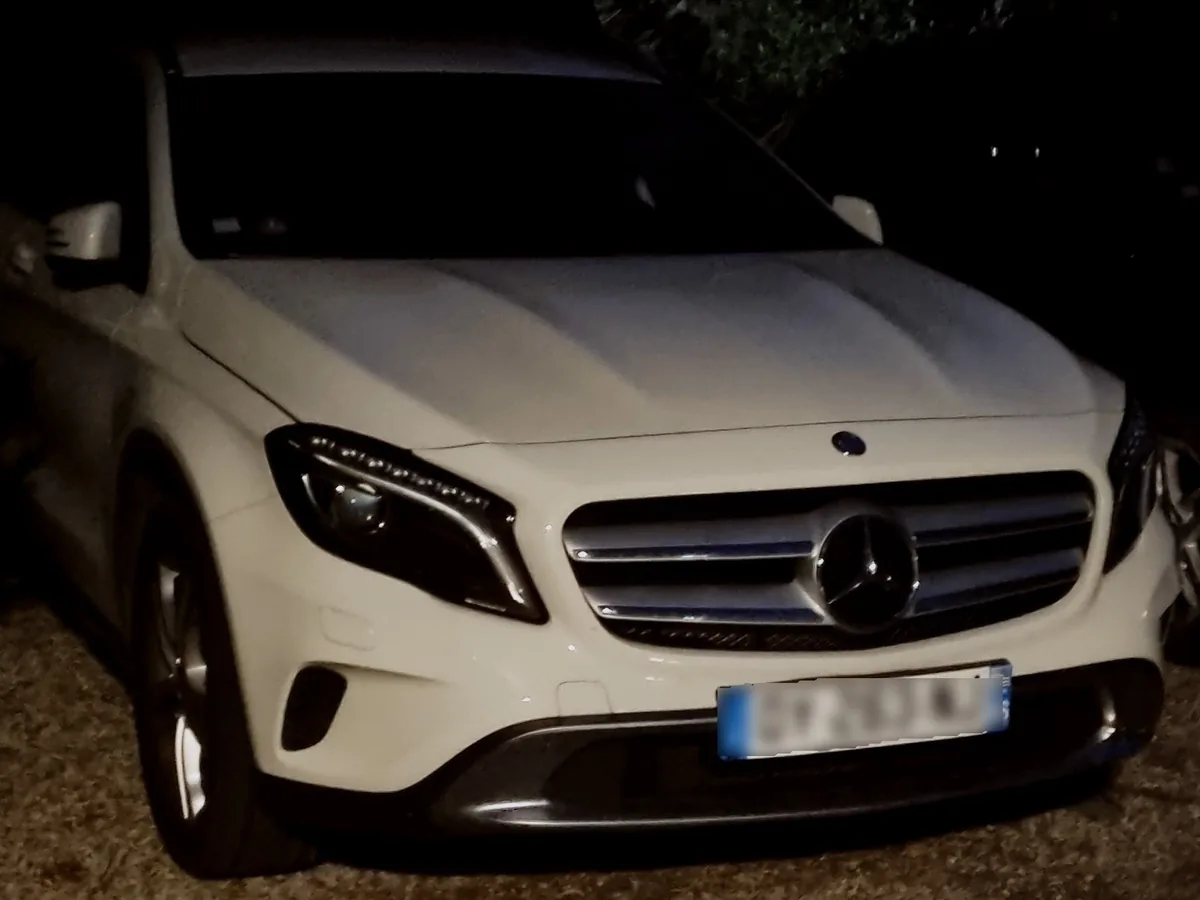
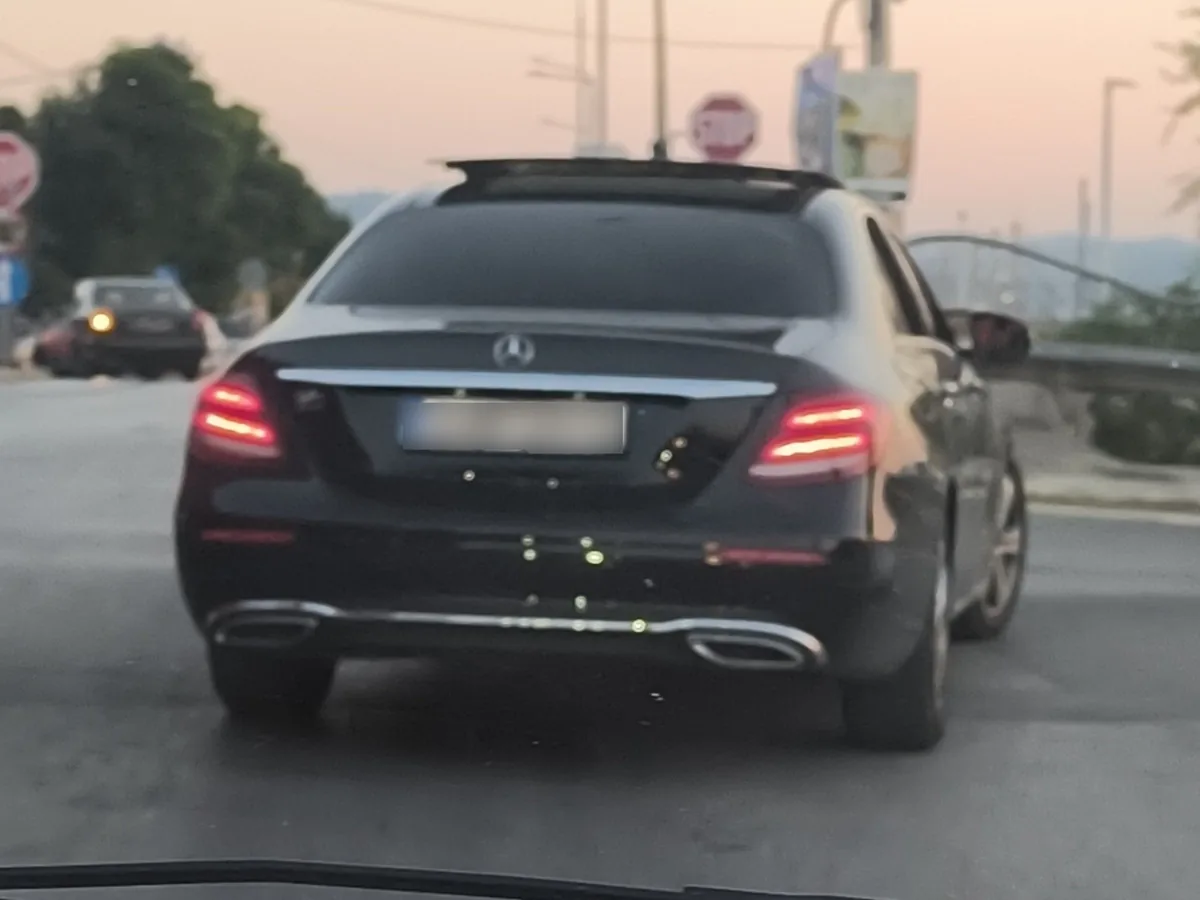
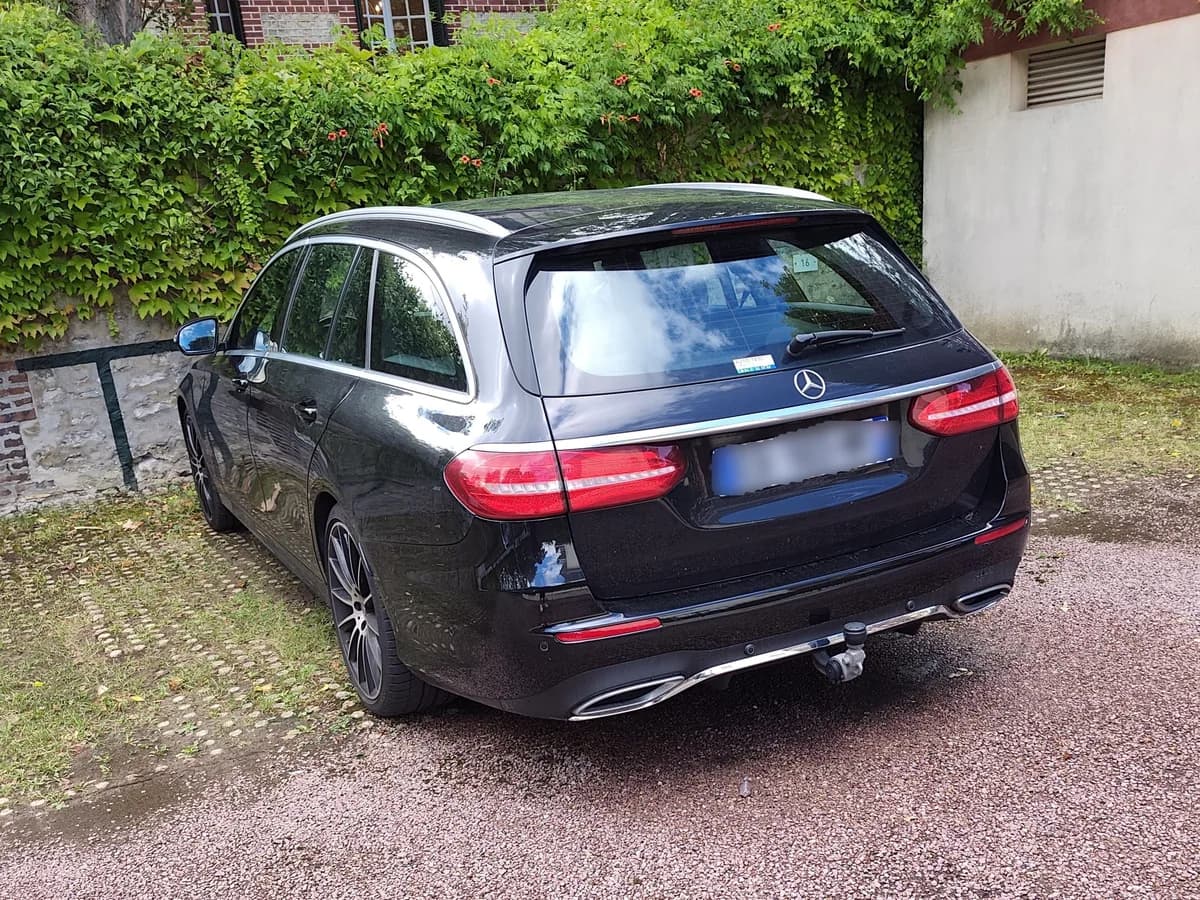
2013
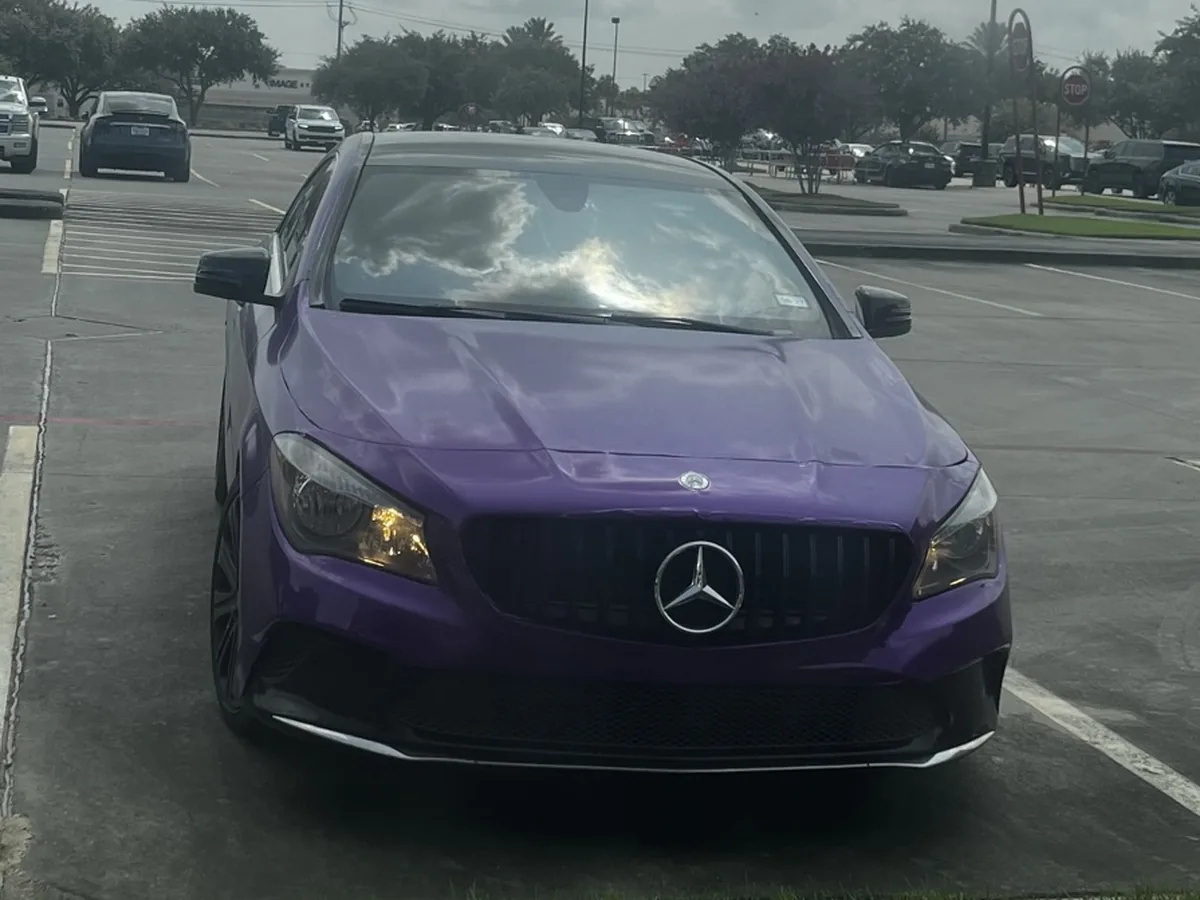 RR
RR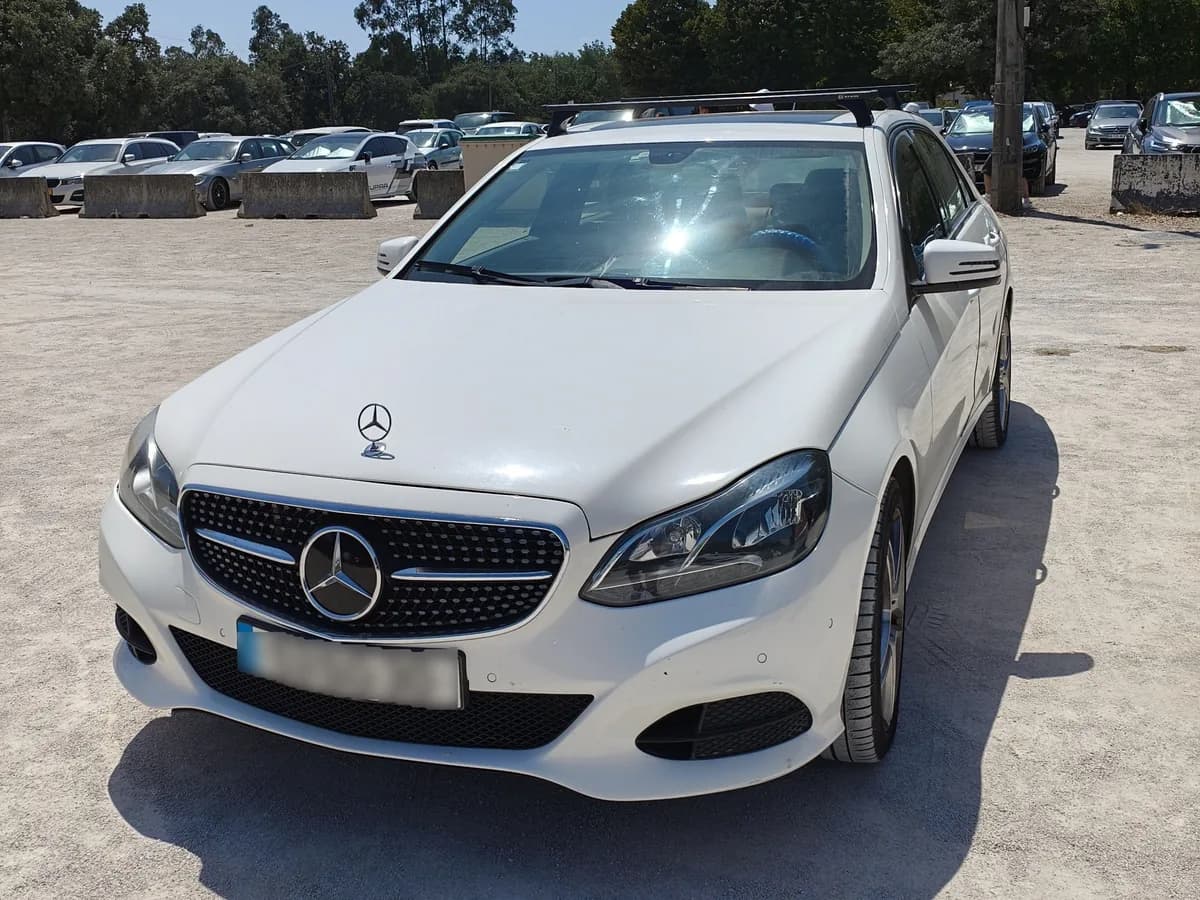 R
R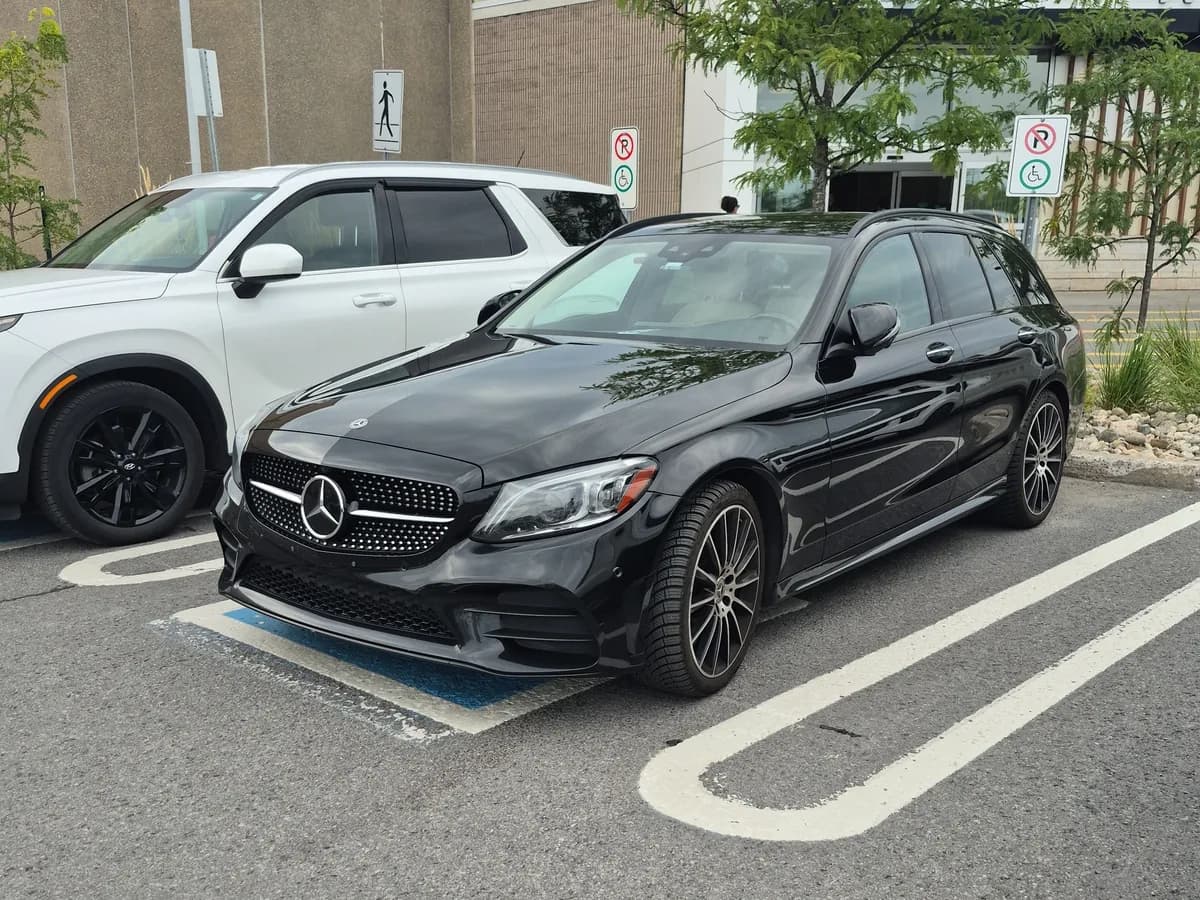 R
R2010
2009

2002
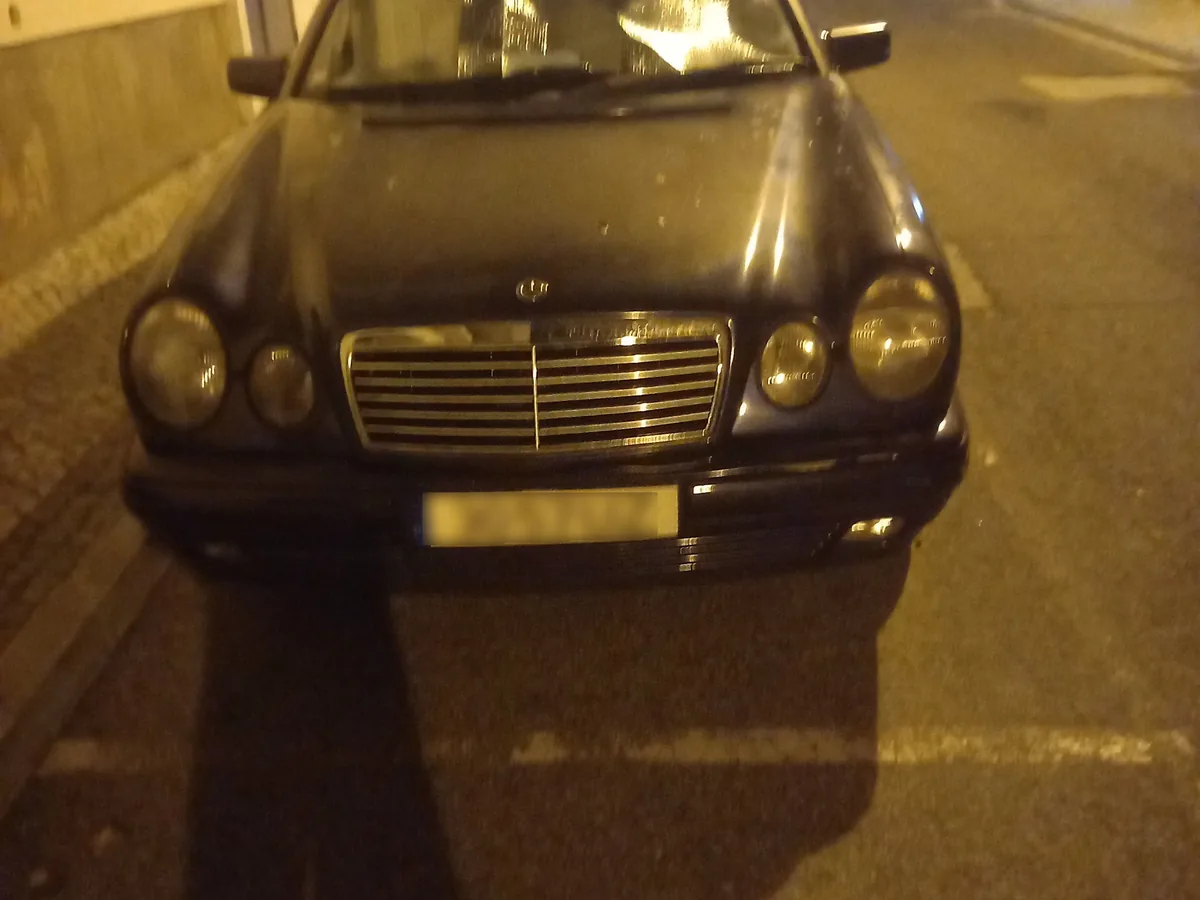
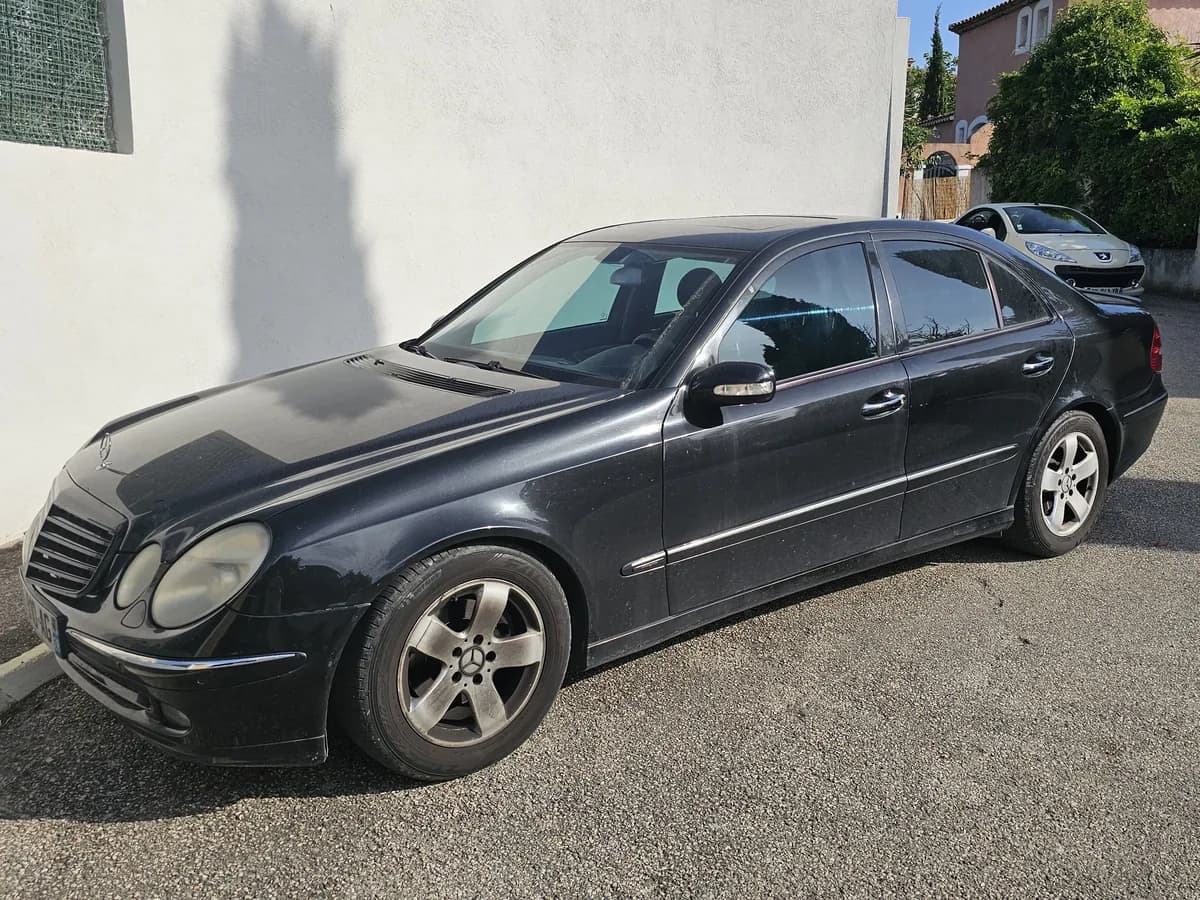
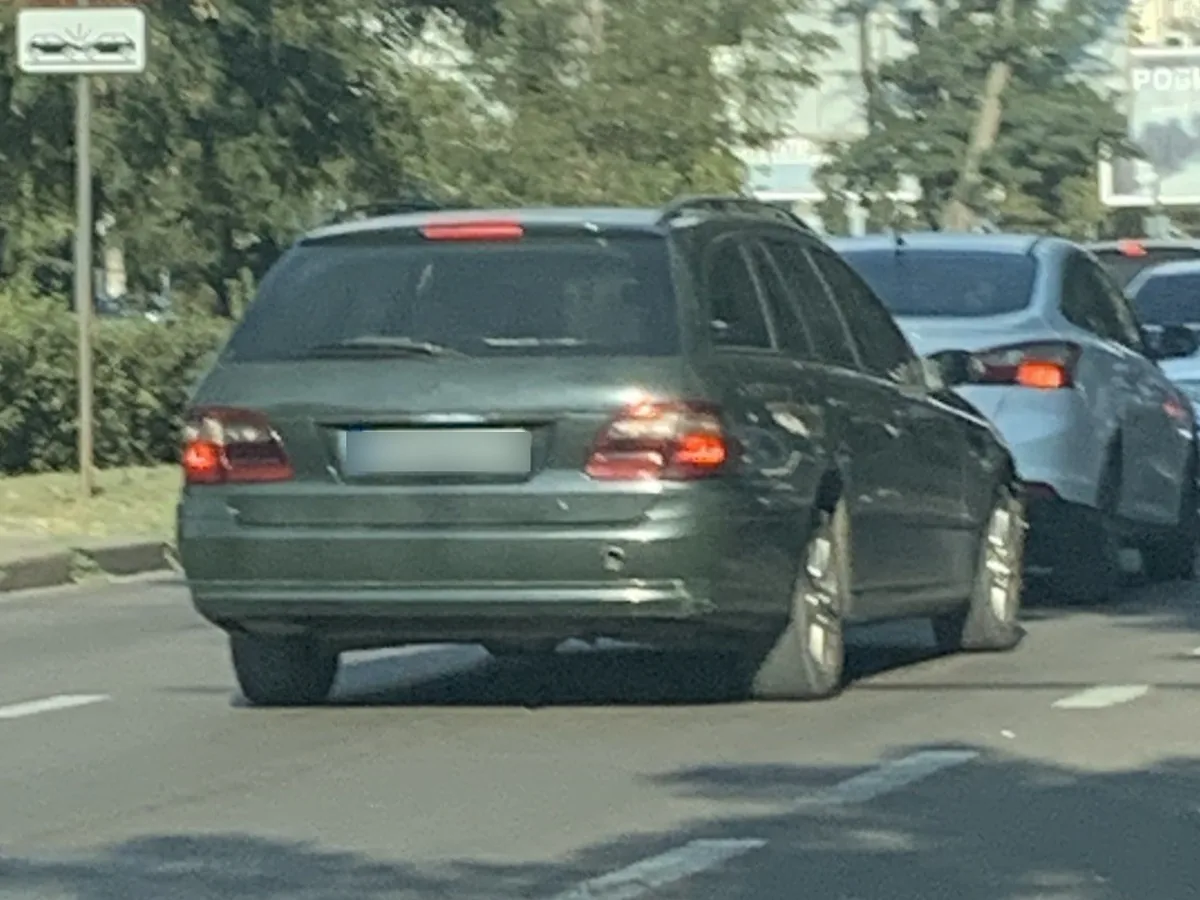
1996
1995
1992
1990
1987
1984
 R
R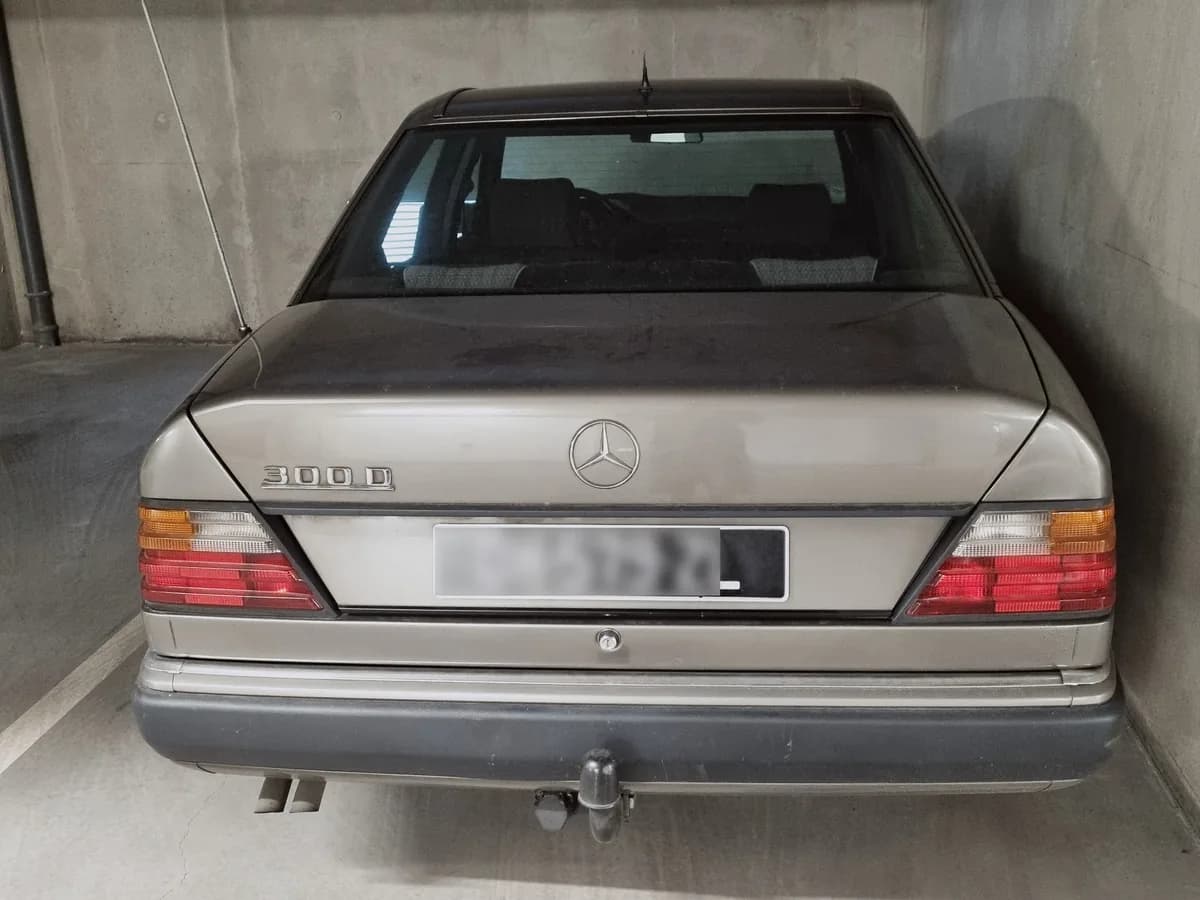 R
R1977
1975
 R
R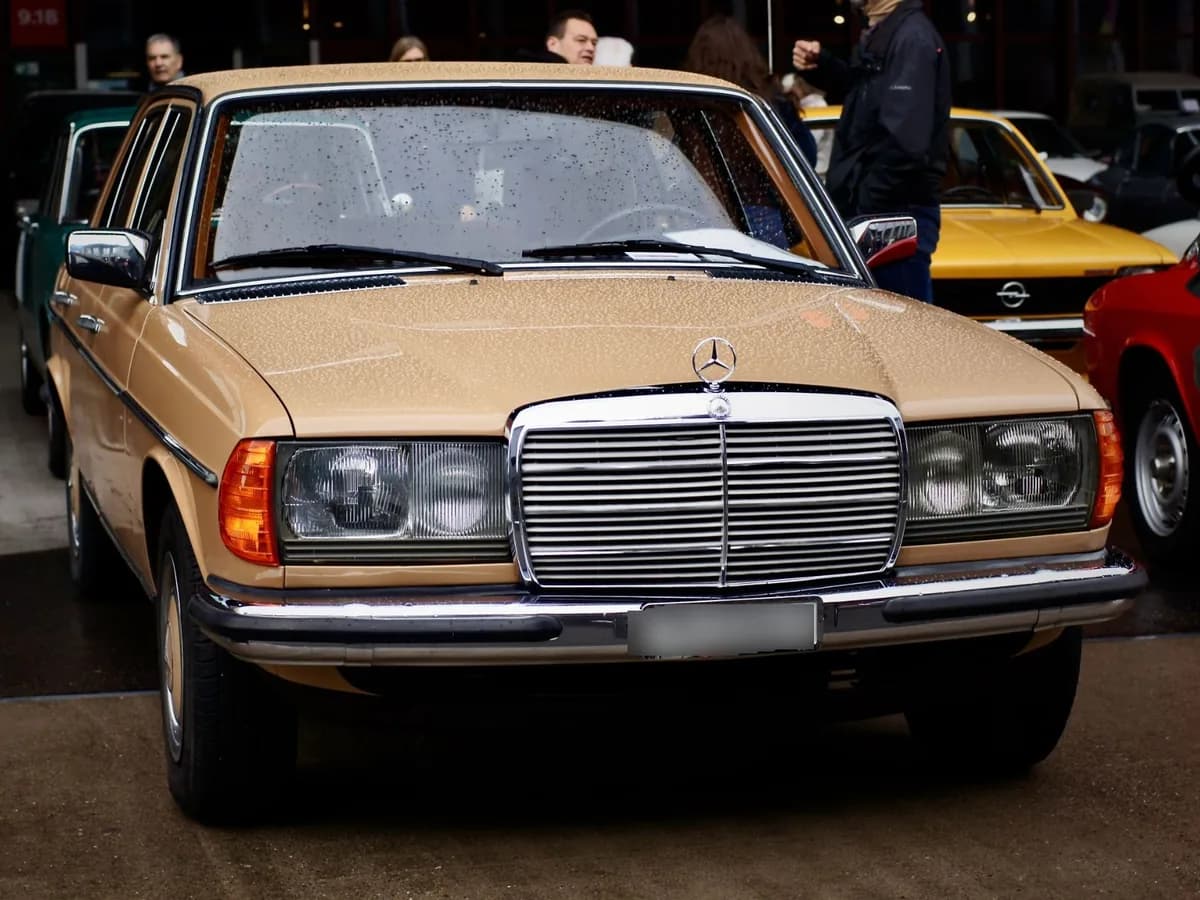 R
R1972
1967
1961
1955
1953
Model summary
Data from the ScanRacer library, organized to compare versions quickly.
Model introduction
The Mercedes-Benz E-Klasse traces its roots to the 1953 Type 180, known internally as the W 120 and distinguished by its self-supporting “Ponton” body. The E-Class name itself did not appear until 1993, when the 124 series adopted Mercedes-Benz’s new naming system. Between those two milestones, the lineage included the W 110, W 114/115 and W 123 families, establishing Mercedes-Benz’s mid-range executive car as a model built around comfort, durability and broad usability. Depending on the generation, the range included saloons, estates, coupés, convertibles, long-wheelbase versions, rolling chassis for special conversions and, more recently, the All-Terrain. In the ScanRacer catalogue, referenced E-Klasse variants span model years from 1953 through 2024.
History
The timeline begins in 1953 with the Type 180 W 120, the first Mercedes-Benz in this category to use a self-supporting Ponton-style body. In 1961, the four-cylinder W 110 models continued the concept and introduced the “Fintail” appearance, marked by projecting rear wings. The W 114/115 generation arrived in 1968 with a revised structure and a clearer distinction between four- and six-cylinder models. It was followed by the W 123 from 1975-1976. That family expanded the range with saloons, coupés, estates, long-wheelbase cars and rolling chassis, while strengthening the reputation of Mercedes-Benz petrol and diesel models for durability. The W 124, unveiled in 1984, brought a major technical and design change through improved aerodynamics, weight-conscious construction and the availability of 4MATIC all-wheel drive on selected versions. In 1993, it became the first series officially marketed as the E-Class. The 1995 W 210 introduced the distinctive four-elliptical-headlamp design, while the W 211, W 212 and W 213 continued the move toward greater electronic content, safety technology and electrification. The W 214, introduced in 2023, is the newest generation represented by the ScanRacer model-year range supplied here.
Generations
Mercedes-Benz internal series codes are often more precise than the commercial E-Class name. The principal predecessors include the 1953 W 120/W 121, the 1961 W 110 and the W 114 and W 115 series introduced in 1968. The W 123, launched from 1975, became a major milestone because of its unusually broad body-style range. Its successor, the W 124, appeared in 1984 and adopted the E-Class name in 1993. Its body styles used separate internal codes: W 124 for the saloon, S 124 for the estate, C 124 for the coupé and A 124 for the convertible. The W 210 arrived in 1995 with a more expressive design centred on four oval headlamps. It was followed by the W 211 in 2002, the W 212 in 2009 and the W 213 in 2016. The latter is especially significant for the modern range because it introduced the raised, multi-purpose All-Terrain derivative. The W 214 generation began in 2023 with a highly digitalised saloon and electrified powertrains depending on market. Exact production and sales years can differ by body style, country and version; the ScanRacer year boundaries should therefore be treated as catalogue coverage periods rather than a single worldwide production timeline.
Key differences
Generational differences are easiest to read through body design and technology. The W 120 and W 110 used Ponton and then Fintail styling, with simpler construction and more compact proportions than later cars. The W 114/115 and W 123 kept the conventional three-box saloon format, while the W 123 also offered an estate, coupé, long-wheelbase models and rolling chassis. The W 124 introduced smoother surfaces, more developed aerodynamics and integrated side protection mouldings. The W 210 made the most obvious visual break with its four oval headlamps. The W 211 and W 212 moved toward sharper surfacing and a larger electronic systems package. The W 213 expanded the range with plug-in hybrid options and the All-Terrain. The W 214 is marked by a highly digital cabin and a broader electrification strategy. A badge alone is not enough for reliable identification: engines, transmissions, equipment levels and trim details varied by market and model year.
Photo recognition
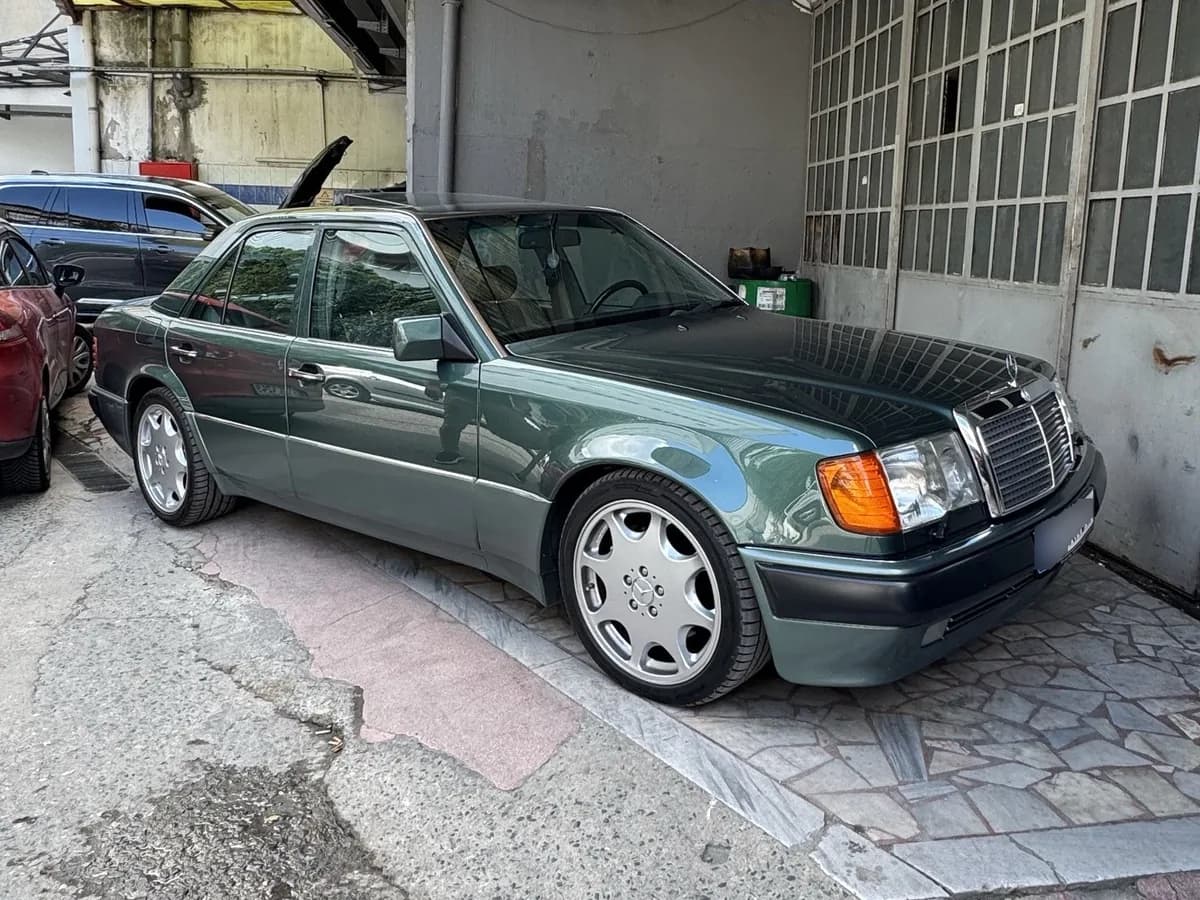
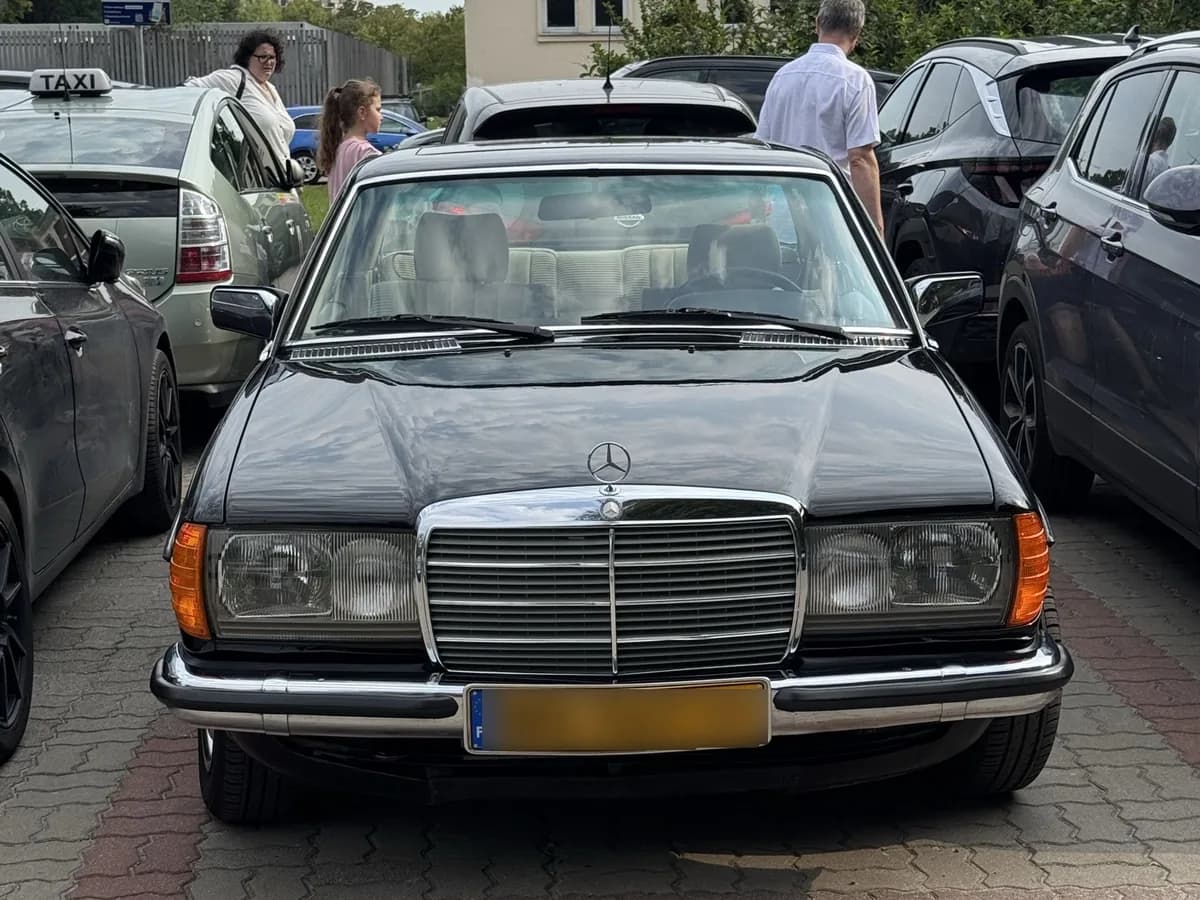
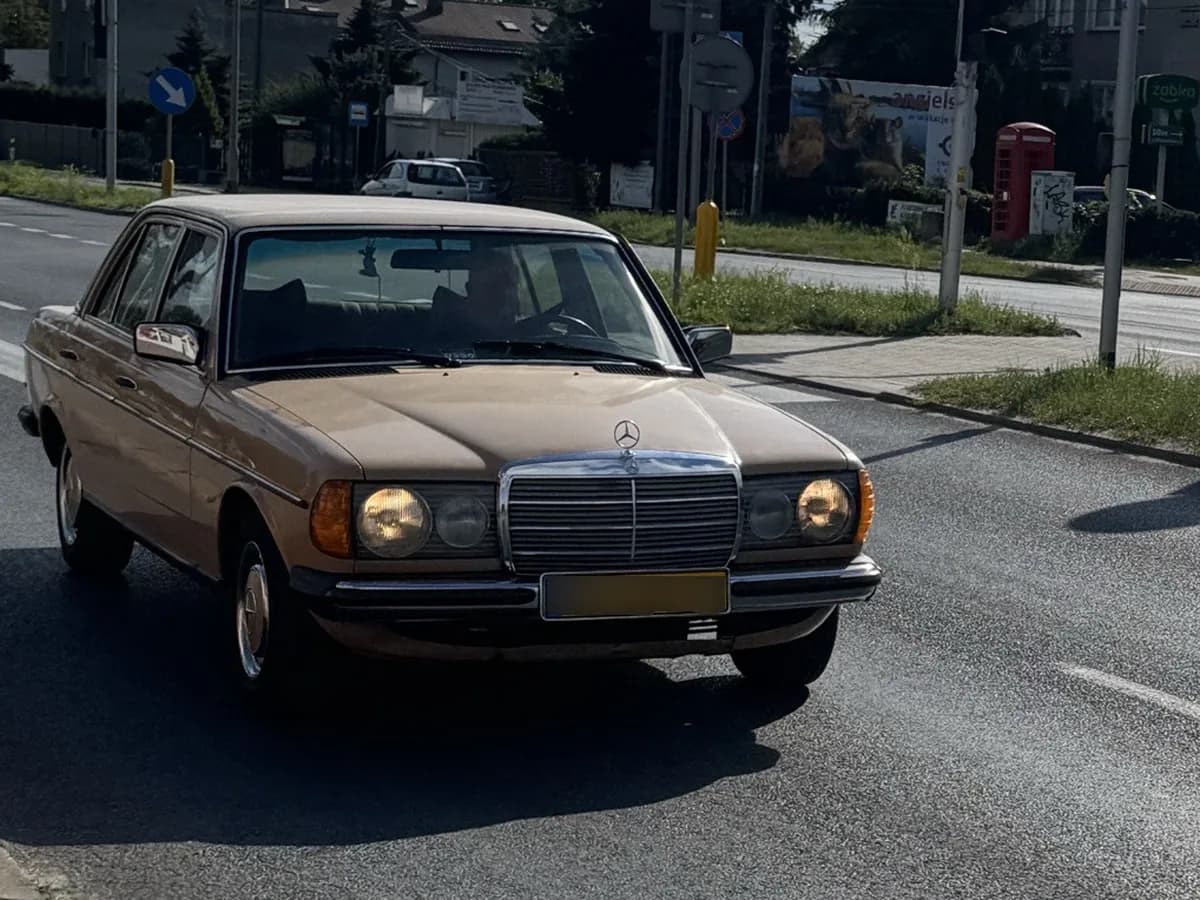
When identifying an older E-Class predecessor, begin with the overall shape and lighting. A 1953-1962 W 120 has a Ponton body with integrated rear wings, while the 1961-1968 W 110 displays more pronounced Fintail styling. The W 114/115 has a squarer profile and horizontal rear lamps; the W 123 retains a formal shape and is identifiable by its ribbed rear light lenses. The W 124 uses wrapped bumpers, broad side mouldings and diagonally ribbed rear lamps. The W 210 is immediately recognisable by its four oval headlamps. On the W 211, the lamps remain separated but become more angular. The W 212 returns to a more horizontal visual signature, while the W 213 has more sculpted bodywork and grille treatments that vary with trim level. The All-Terrain adds increased ride height, lower protective elements and a more crossover-oriented appearance. For a dependable identification, check the internal series code, factory plate or vehicle identification number rather than relying on the badge alone.
Important versions
Important milestones include the W 123, whose saloon, estate, coupé, long-wheelbase and rolling-chassis derivatives show the breadth of the range; the W 124, the first series officially marketed as the E-Class; and the 400 E/ E 500 and E 60 AMG, which placed the W 124 among the higher-performance Mercedes road cars of its period. The W 210 E 55 AMG is another notable version, powered by a 5.4-litre V8. In the modern range, the All-Terrain adds raised ride height and a more versatile body concept. These examples do not represent every market-specific version listed in national catalogues.
The name “E-Klasse” follows Mercedes-Benz naming, with its rules and its exceptions. Decode a Mercedes-Benz name
References
- Die neue E-Klasse: Intelligenz wird aufregendMercedes-Benz Media
- https://automuseum-stuttgart.de/historie-der-mercedes-benz-e-klasse-coupes-und-cabriolets-sportlich-elegante-zweituerer-mit-grossem-flair/automuseum-stuttgart.de
- https://media.mercedes-benz.nl/de-nieuwe-e-klasse-slaat-een-brug-tussen-traditie-en-digitalisering/media.mercedes-benz.nl
- https://mercedes-benz-publicarchive.com/marsClassic/en/instance/ko/210-series-E-Class-Saloons-1995---1999.xhtml?filename=E-Klasse-Limousinen-der-Baureihe-210-1995---1999&fromInfoTypeId=2245&fromOid=5309&oid=5309&relId=1001&resultInfoTypeId=172&rowCountsIndex=5&sortDefinition=manualsort-1&styleId=5009&thumbScaleIndex=1&viewType=gridmercedes-benz-publicarchive.com
- https://mercedes-benz-publicarchive.com/marsClassic/de/instance/ko/E-Klasse-Limousinen-der-Baureihe-210-1995---1999.xhtml?oid=5309mercedes-benz-publicarchive.com
Technical specifications
Structured data available for versions linked to this model.
| Version | Power | Torque | Top speed | Drivetrain | Fuel |
|---|---|---|---|---|---|
| — | 255 hp in the E 350; 362 hp in the E 450 | — | — | Rear-wheel drive or 4MATIC all-wheel drive, depending on version / Nine-speed automatic | — |
Frequently asked questions
- What years was the Mercedes-Benz E-Klasse produced?
- ScanRacer's referenced versions cover 1953 - 2024.
- How many Mercedes-Benz E-Klasse examples are documented on ScanRacer?
- 43 published scans from 37 members, with the latest photo added in September 2026.
- What is the power output of the Mercedes-Benz E-Klasse?
- The sourced technical data lists 255 hp in the E 350; 362 hp in the E 450.