Power
117.7 KW @ 6000 RPM160 HP @ 6000 RPM158 BHP @ 6000 RPM
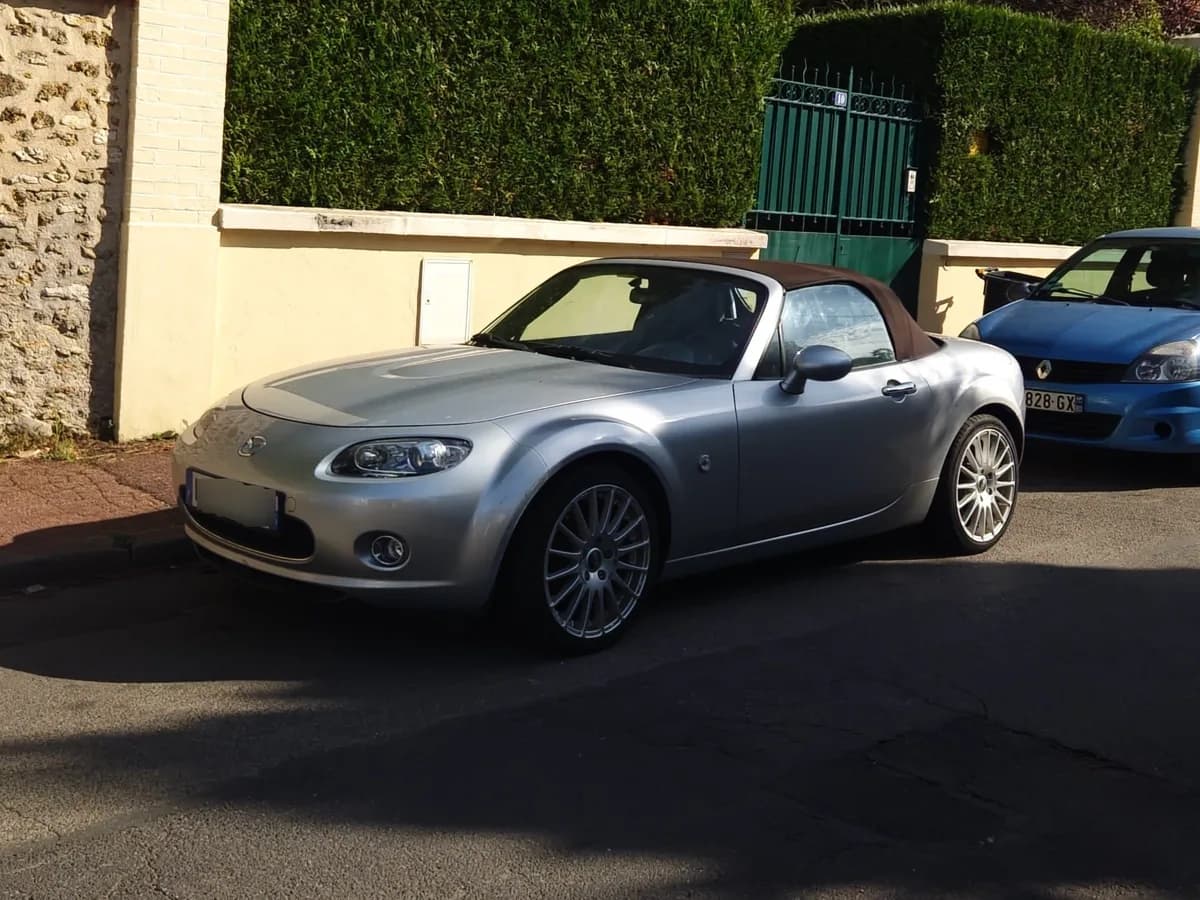
The 2015 Mazda MX-5 Miata Base is the entry-level Sport trim of the third-generation roadster on the U.S. market. It uses a traditional front-engine, rear-wheel-drive layout, seats two occupants, and comes with a manually operated cloth convertible top. Its 2.0-liter four-cylinder produces 167 horsepower with the standard manual transmission, while an optional six-speed automatic is rated at 158 horsepower. Sport equipment emphasizes simplicity: 16-inch alloy wheels, cloth upholstery, air conditioning, a leather-wrapped steering wheel, and a CD-based audio system. This model year represents the final development of the NC-generation Miata before the all-new fourth-generation car arrived as a 2016 model. In that sense, the 2015 Sport combines mature NC hardware with the straightforward character of the original entry trim.
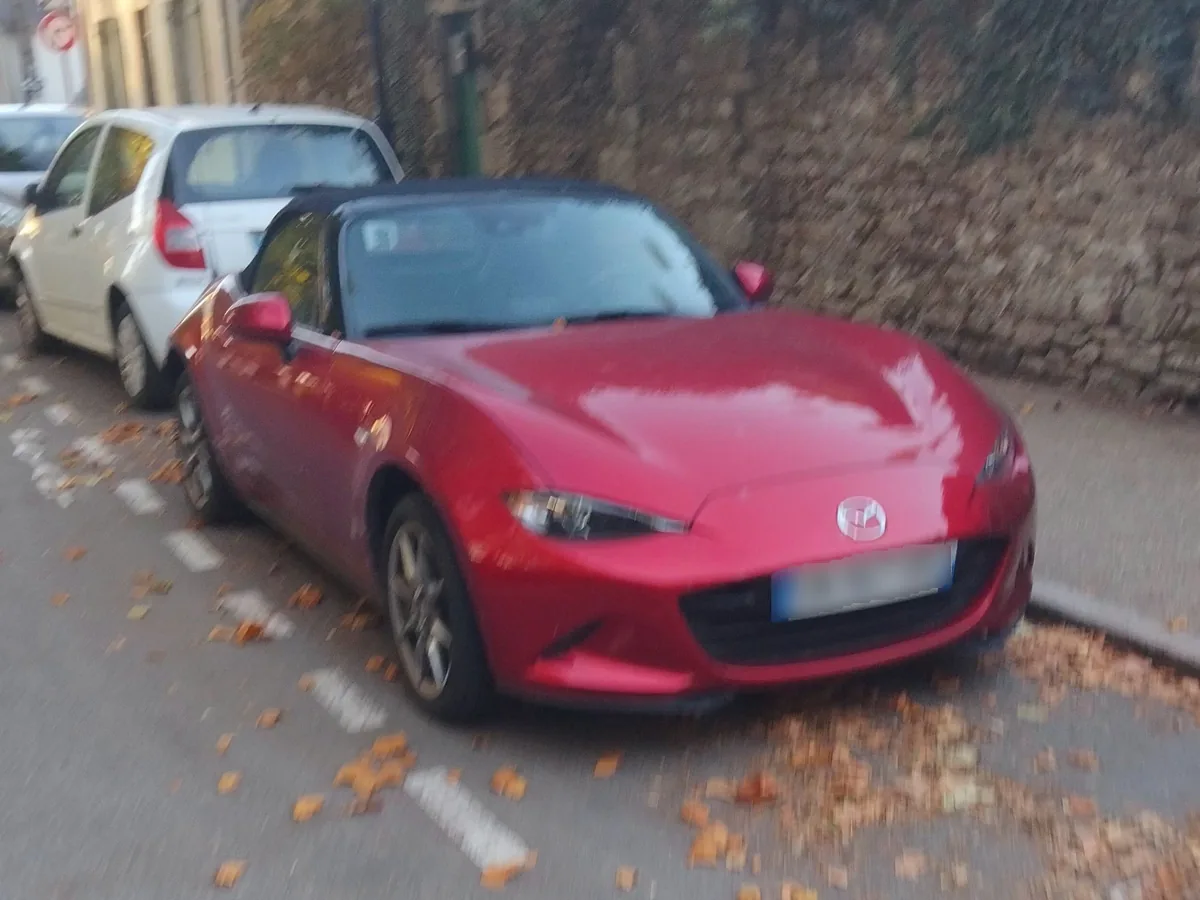
Mazda unveiled the fourth-generation MX-5 in September 2014 at simultaneous events in Japan, the United States, and Spain, with global sales planned for 2015. It followed the third-generation car introduced in 2005 while retaining the model’s central idea: a compact, relatively light, affordable roadster focused on involvement rather than outright power. Mazda linked the new generation to SKYACTIV engineering and its KODO design language, describing the development philosophy as a way to innovate while preserving the car’s essential character. Production of the new MX-5 began at Mazda’s Ujina Plant No. 1 in Hiroshima on March 5, 2015, initially for Japan before a staged overseas rollout. In the United States, the 2015 NC-generation lineup consisted of Sport, Club, Grand Touring, and 25th Anniversary Edition trims. The Base designation therefore identifies the U.S.-market Sport version of the outgoing generation, not the all-new ND sold as a 2016 model.
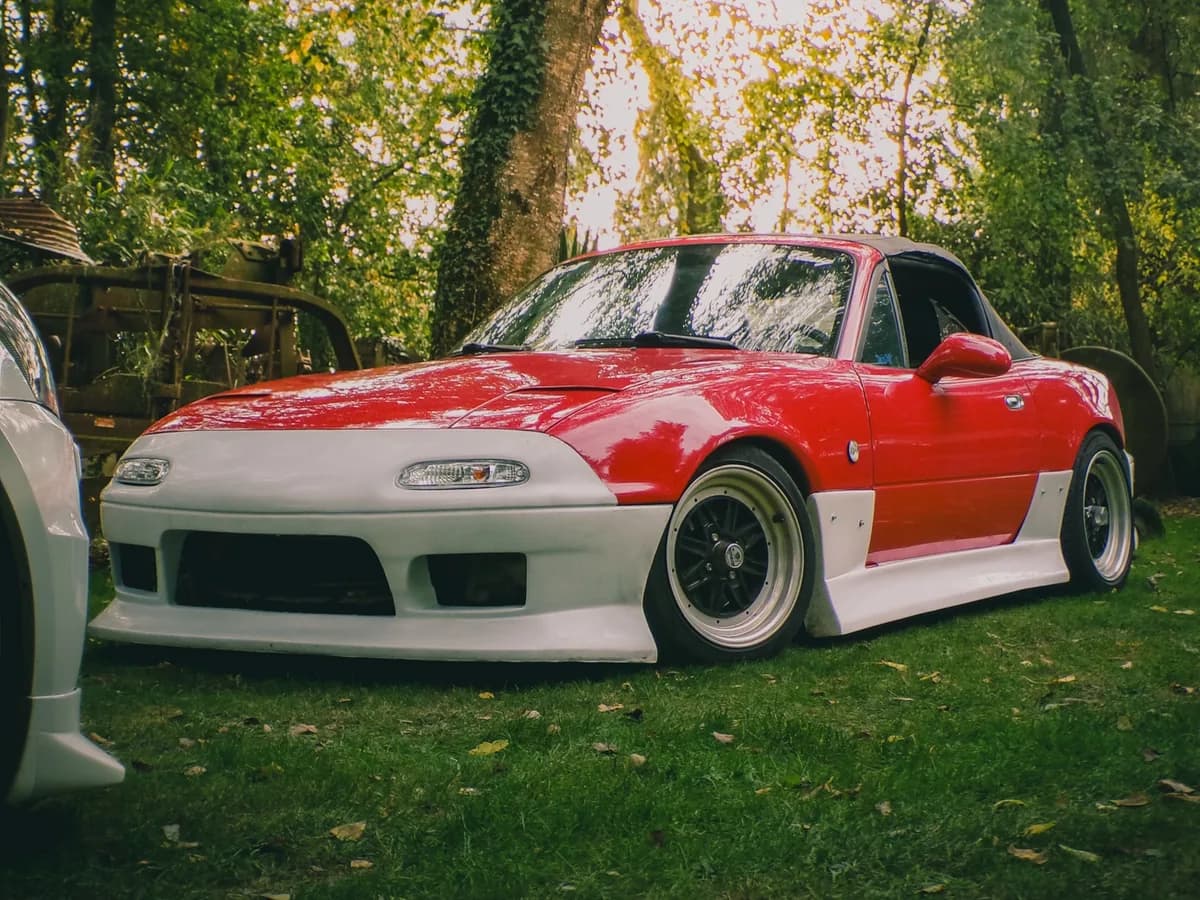
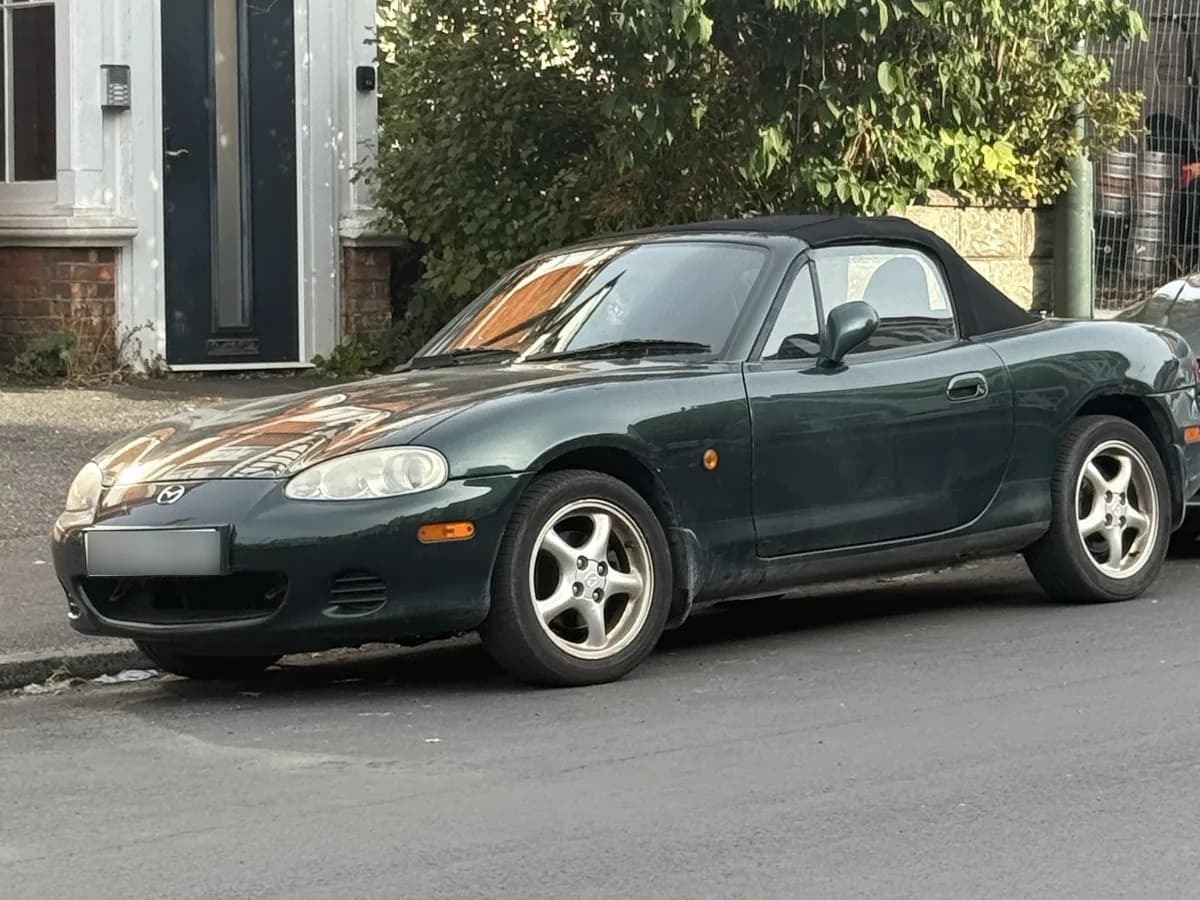
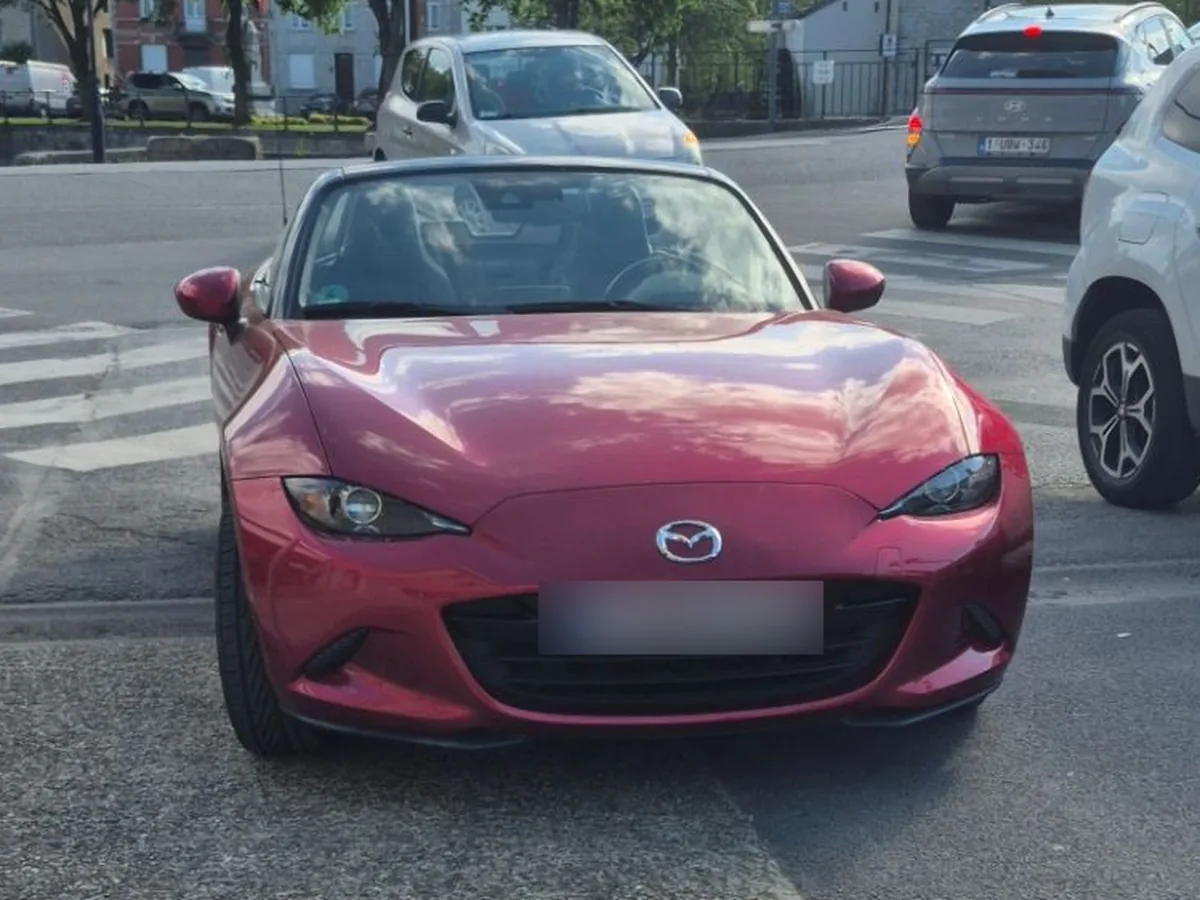
Photos added by the community for this page.
Source: autoevolution
Mazda marked the MX-5’s twenty-fifth anniversary with a special 25th Anniversary Edition in 2015. Mazda USA stated that the available cars sold out in less than ten minutes. That limited edition was not the Base Sport model, but the episode shows how strong the model’s following had become at the end of the NC generation.
Production of the new fourth-generation MX-5 began at Mazda’s Hiroshima plant on March 5, 2015. At that time, Mazda reported cumulative MX-5 production of more than 950,000 vehicles worldwide as of the end of January 2015, covering all generations and versions. No official production total specifically separating the 2015 Base Sport trim was identified in the consulted sources. A trim-specific figure should therefore not be assigned to this vehicle. The Base model belongs to the final commercial year of the NC generation, while ND production was beginning in parallel ahead of its international introduction as a 2016 model.
Automotive coverage of the 2015 Miata focused more on steering feel, chassis balance, and accessible fun than on straight-line speed. Edmunds praised its engaging road manners while noting predictable compromises, including a tight cabin, limited trunk space, and noticeable highway noise. The Sport trim embodies that uncomplicated approach because it avoids much of the luxury equipment found in Grand Touring models. The 2015 transition also brought major recognition for Mazda’s next-generation car: the fourth-generation Roadster won the 2015-2016 Car of the Year Japan award. That honor applies to the new generation rather than directly to the Base NC model, but it highlights the significance of Mazda’s redesign during the same calendar year.
For 2015, the Sport trim received a cloth folding top instead of the previous vinyl covering, along with a glass rear window and defroster. The mechanical package remained familiar at the end of the NC generation: a 2.0-liter four-cylinder, a standard five-speed manual transmission, and an available six-speed automatic. Club and Grand Touring versions could add more performance-oriented chassis equipment, but the Sport retained a simpler specification and did not include Bilstein dampers or a limited-slip differential as standard. The result is a transitional model year: the final NC-based Miata sold alongside Mazda’s introduction of the fourth-generation ND, which entered the U.S. market for 2016.
Supports the 2015 model overview, the 25th Anniversary Edition, and Mazda's reported worldwide sales milestone.
Supports the September 2014 unveiling, fourth-generation identity, SKYACTIV and KODO themes, and the lightweight development philosophy.
Supports the March 5, 2015 Hiroshima production start and cumulative MX-5 production exceeding 950,000 units.
Supports the Sport trim equipment, engine, power outputs, transmissions, rear-wheel drive, body type, and technical specifications.
Supports the U.S. Sport, Club, Grand Touring, and 25th Anniversary trim structure, model-year changes, and independent press assessment.
Supports the 2015-2016 Car of the Year Japan award for the fourth-generation Roadster.
Source found by OpenAI web search for this vehicle page.
Source found by OpenAI web search for this vehicle page.