
Mazda
Founded in Hiroshima in 1920 as Toyo Cork Kogyo, Mazda entered the automotive business with the Mazda-Go three-wheeled truck in 1931 and launched its first passenger car, the R360 Coupe, in 1960. The Japanese manufacturer later became known for pursuing unusual engineering solutions, most notably the series production of rotary-powered cars beginning with the Cosmo Sport in 1967. Mazda’s history includes compact cars such as the Familia, sedans such as the Capella and Luce, commercial vehicles such as the Bongo, and enthusiast models including the RX-7 and MX-5 roadster. Model names also varied by market and generation: the Familia was widely sold as the 323, while the Capella commonly appeared internationally as the 626. These naming links are essential when comparing Mazda vehicles across regions.
Models from A to Z
121

2
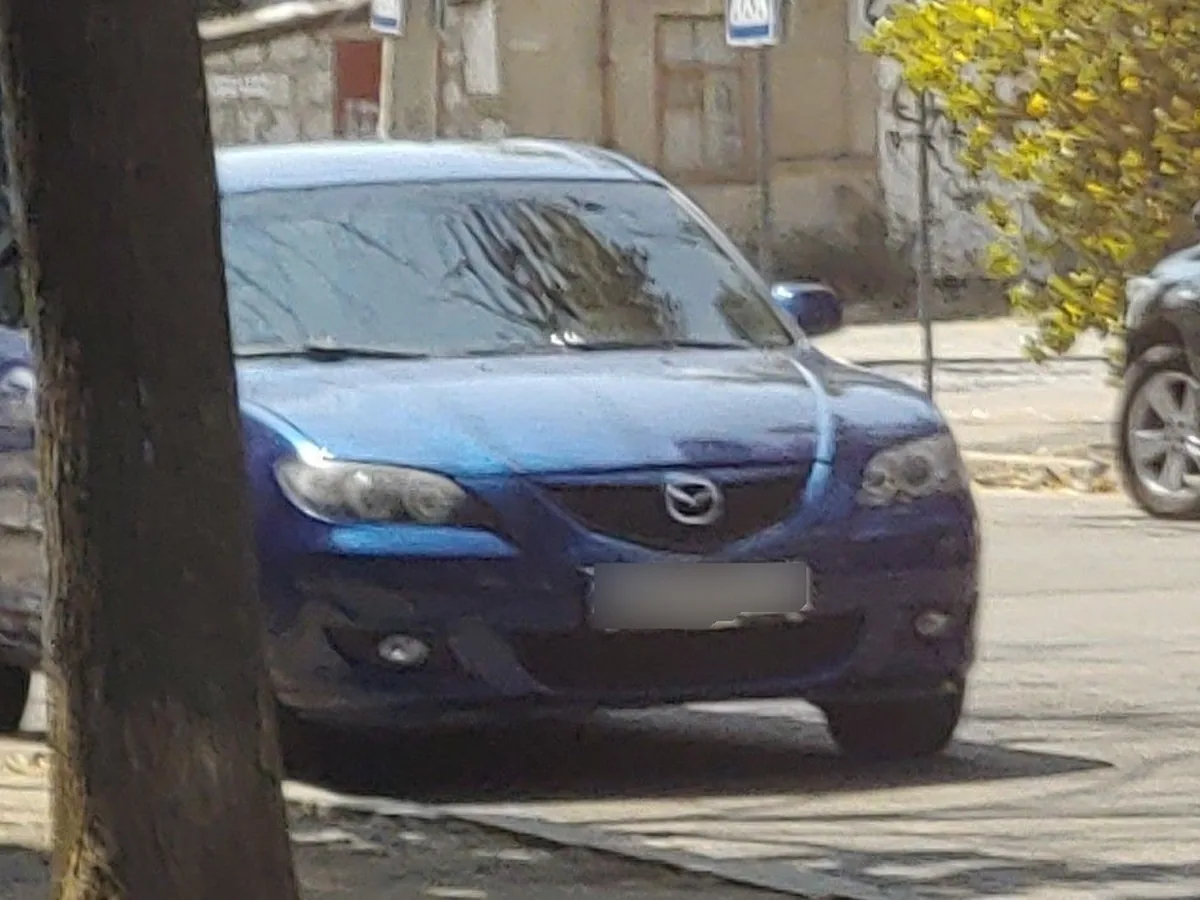
3

323
5

6
6 SW
6 wagon
616

626
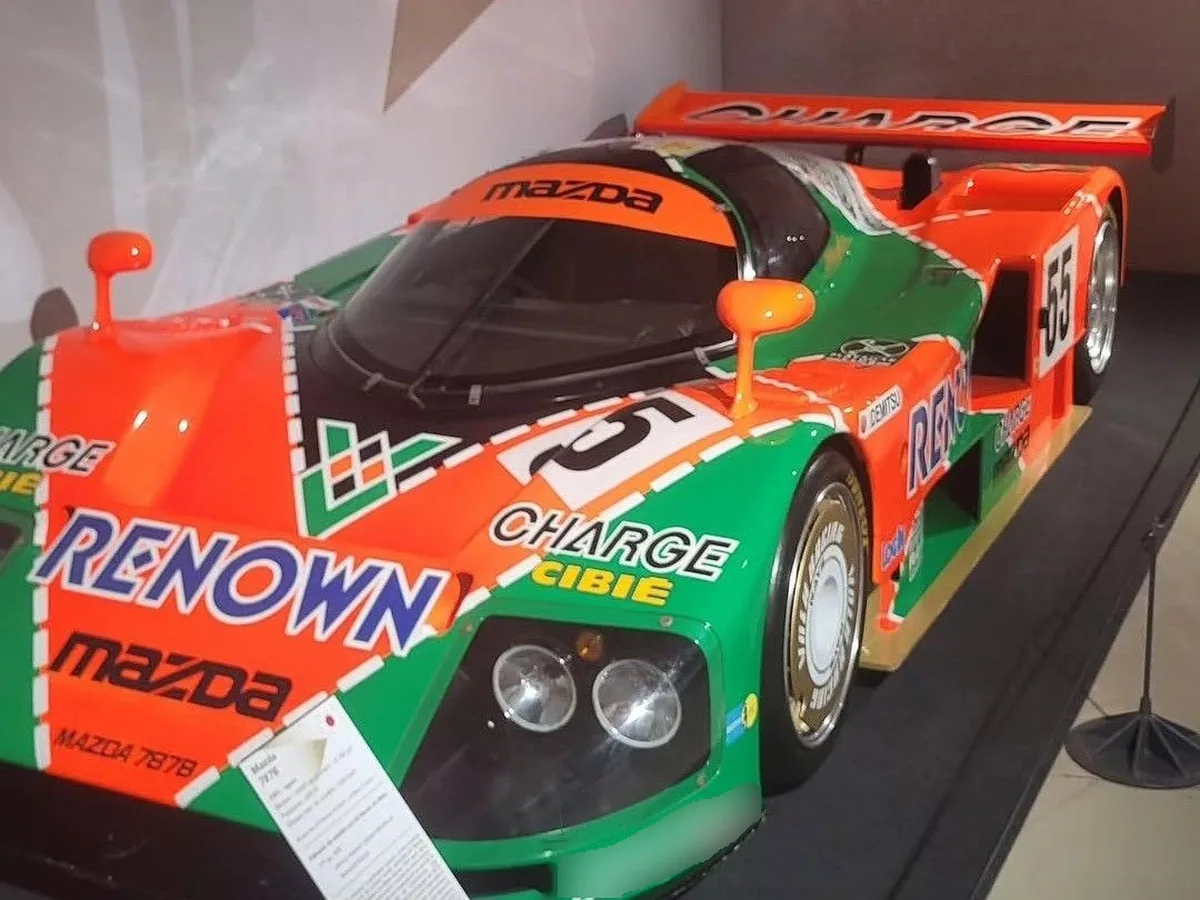
787B
8
818
929
Atenza
Axela
AZ-Offroad
AZ-Wagon
B-Series
Biante
Bongo
Bongo Friendee

BT-50
Capella
Carol
Cosmo
Cronos
CX-3
CX-30
CX-4
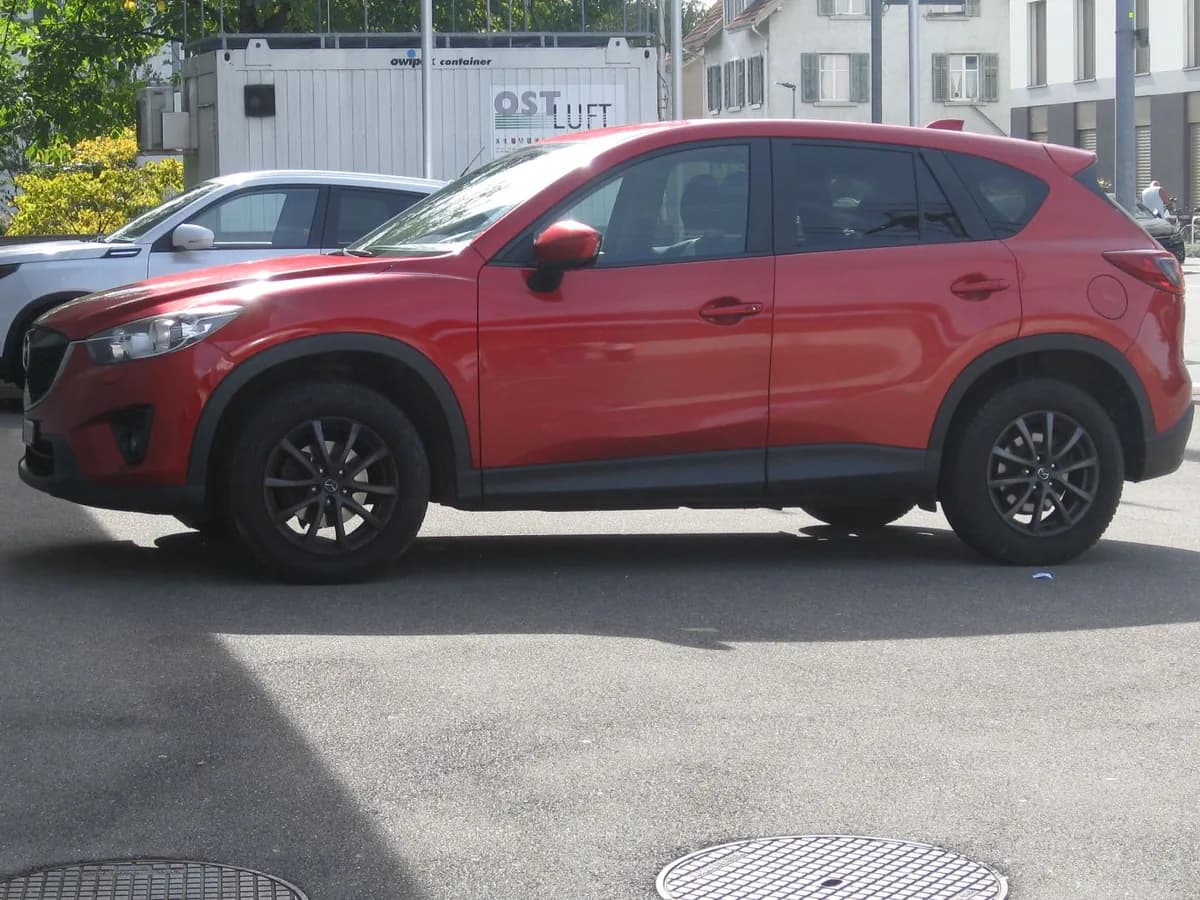
CX-5
CX-50
CX-60
CX-7
CX-70
CX-8
CX-80

CX-9
CX-90
Demio
Etude
EZ-6
EZ-60
Familia
Familia Van
Flair
Flair Crossover
Flairwagon
Lantis
Laputa
Luce
Millenia
MPV

MX-3
MX-30

MX-5

MX-5 Miata

MX-6
Navajo
Persona
Porter
Premacy
Proceed
Proceed Levante
Proceed Marvie
Protegé
R100
Revue
Roadpacer AP
Roadster
Rotary Pickup
RX-2
RX-3
RX-4
RX-5
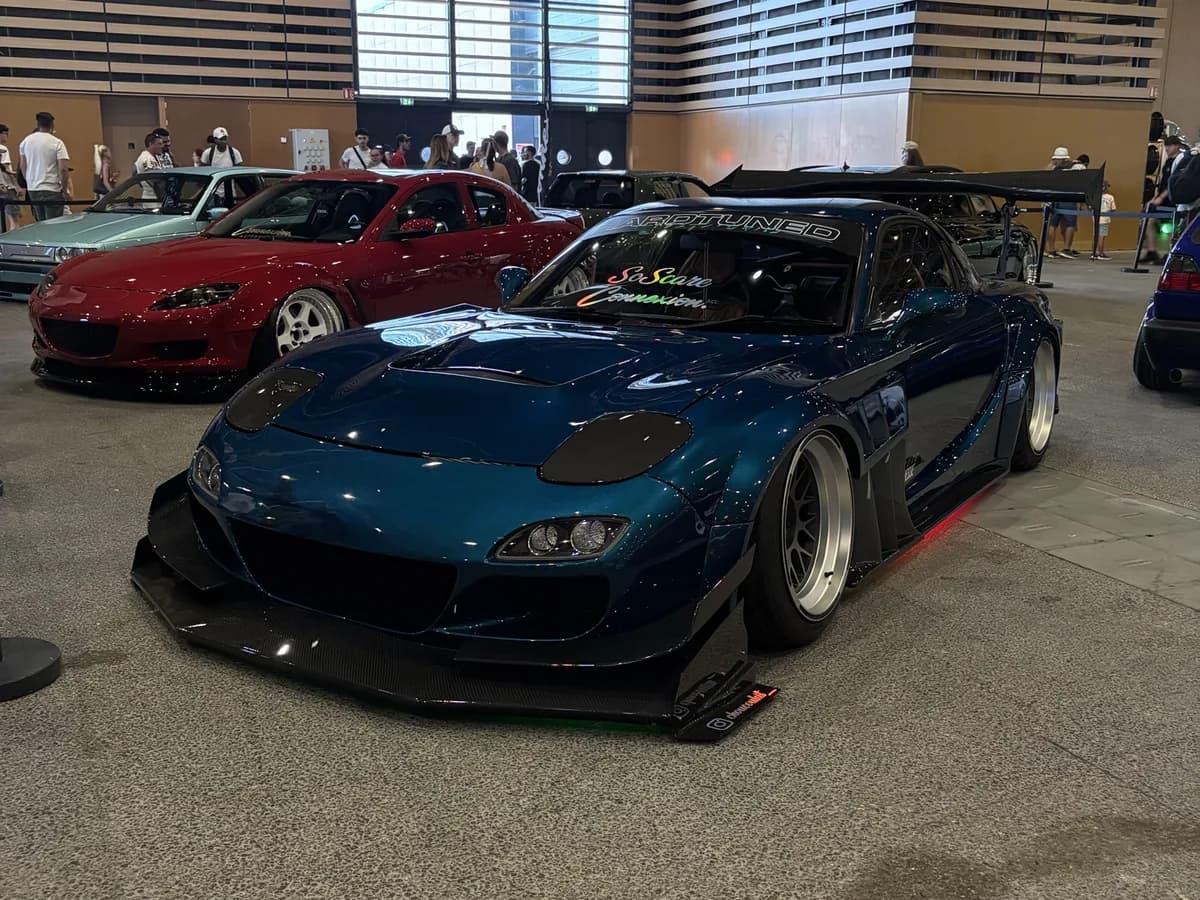
RX-7

RX-8
Scrum
Sentia
Spiano
Titan
Tribute
Vantrend
Verisa
VX-1
Xedos 6
Xedos 9
Mazda overview
Mazda history
Mazda’s story began in 1920, when Toyo Cork Kogyo was established. After starting with cork-related products, the company gradually moved toward machinery and changed its name to Toyo Kogyo in 1927. The Mazda-Go, introduced in 1931, marked its first automotive production. Mazda’s R360 Coupe became its first four-wheel passenger car in 1960, followed by the Carol and Familia. The Familia developed into one of the company’s most important compact-car lines and was sold under different names in export markets. Mazda began working on rotary-engine technology after entering a technical agreement with NSU and Wankel in 1961. The Cosmo Sport, launched in 1967, became Mazda’s first rotary-powered production car. Rotary versions followed in the Familia, Luce, Capella, Savanna and RX-7 ranges, while conventional front-wheel-drive models also became central to the business. Familia and Capella models received Japan Car of the Year recognition in the early 1980s. In 1991, the rotary-powered 787B won the 24 Hours of Le Mans, becoming the first Japanese car to take overall victory. From 1989 onward, the MX-5 helped revive international interest in compact, lightweight roadsters.
Mazda positioning
Mazda occupies an unusual position among Japanese car manufacturers. It produces mainstream vehicles, yet its identity has long been shaped by engineering, driving enjoyment and a willingness to explore alternatives. Rotary-engine development is the clearest example: Mazda continued refining the technology after most other manufacturers had left the field. That decision gives the Cosmo, RX-7 and 787B a distinctive place in the brand’s history. Mazda’s identity is not limited to sports cars. The Familia, 323, Capella, 626, Mazda2 and Mazda6 represent the company’s broader role in compact and family vehicles, including hatchbacks, sedans and wagons depending on the generation and market. The Bongo adds a commercial-vehicle and people-carrier dimension. Since the 2010s, Kodo design and Skyactiv technologies have reinforced an image built around restrained styling, efficiency and a direct driving experience. This is a cautious editorial interpretation based on Mazda’s documented engineering and design priorities, not a claim that every model or market followed exactly the same formula.
Recognizing a Mazda in a photo
Identifying a Mazda requires attention to market and model year because one vehicle may have several names. The Familia commonly corresponds to the 323, the Capella to the 626, the Luce to the 929 and the Demio to the 121 in different regions. RX badges often indicate rotary power, but the badge alone is not enough to determine the exact generation. Body style, drivetrain and proportions are more useful clues. Familia and 323 versions appeared as sedans, wagons and hatchbacks, while Capella and 626 lines included several generations of sedans, coupes and estate cars. Rotary versions of the Cosmo and Luce can help narrow identification, although engines and equipment varied by market. For newer Mazdas, grille shape, headlamps and body proportions are useful only when matched to a specific year range. A reliable identification should combine badges, body style, engine type, wheelbase, trim details and generation code rather than relying on a single visual feature.
Important Mazda models
The Familia and 323 form one of the central threads in Mazda’s history. This compact line accompanied the shift from rear-wheel drive to front-wheel drive and its 1980 generation received Japan Car of the Year recognition. The Capella, commonly sold as the 626, represented Mazda in the mid-size family-car class and also earned recognition in Japan. The Luce and 929 occupied a more upmarket position, appearing through several generations of sedans and coupes. The Cosmo is fundamental to understanding Mazda’s rotary-engine program, while the Bongo demonstrates the breadth of the company’s commercial and passenger-carrying vehicles. The Mazda6 continued Mazda’s family sedan and wagon tradition in the modern era, and the Mazda2 served as a contemporary small-car counterpart. Older models such as the 818 and 121 help explain Mazda’s international naming history, where the same basic vehicle could receive different badges, engines or body styles depending on the market.
References
- History of MazdaMazda Motor Corporation
- Historical HighlightsMazda Motor Corporation
- History 1920–1979Mazda Motor Corporation
- History 1980–1989Mazda Motor Corporation
- Mazda Rotary Engine Vehicle Total Production Volume Surpasses Two Million UnitsMazda Newsroom
- Mazda 787B: Winning Drivers & TeamMazda Motor Corporation
- MX-5 (1989–): From Prototype to the Showroom FloorMazda Motor Corporation
- Design: Introducing Mazda’s Kodo DesignMazda Motor Corporation