
RX-7
Launched in Japan in March 1978 as the Savanna RX-7, the Mazda RX-7 was a sports coupe built around a two-rotor rotary engine. Mazda positioned it as a compact, lightweight car focused on driving enjoyment, with the engine mounted in a front-midship layout to support balanced handling. The first generation is identified by its long hood, pop-up headlights, and glass hatchback. In 1985, the second-generation model, known by the FC chassis designation, introduced a larger and more refined design. It also brought turbocharged versions and, from 1987 in Japan, a factory-built convertible. The 1978-1992 scope therefore covers mainly the first-generation RX-7 and the FC-generation coupe and convertible. Exact equipment, engine output, and naming varied by market, so identification should always be matched to the car’s country of sale and production year.
Variants by year
1992
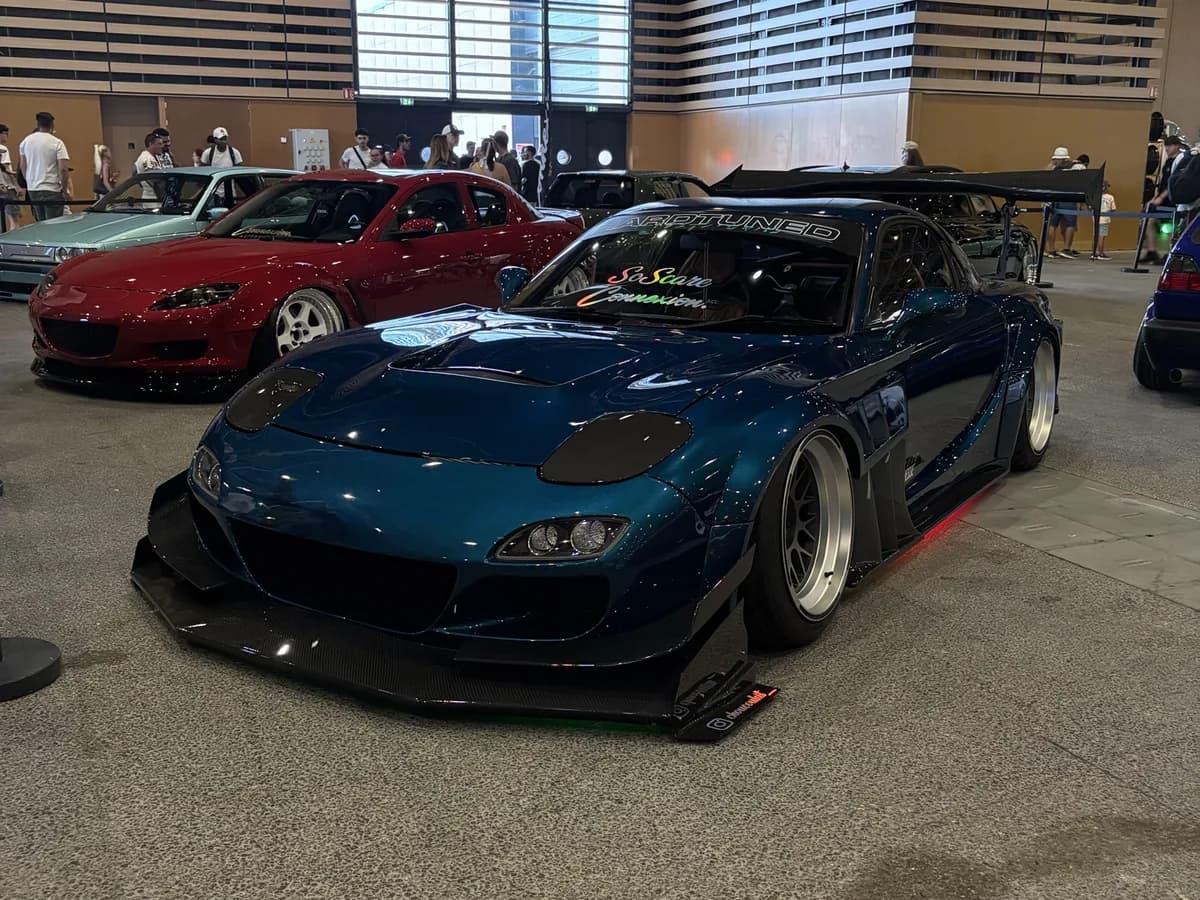
1987
1985
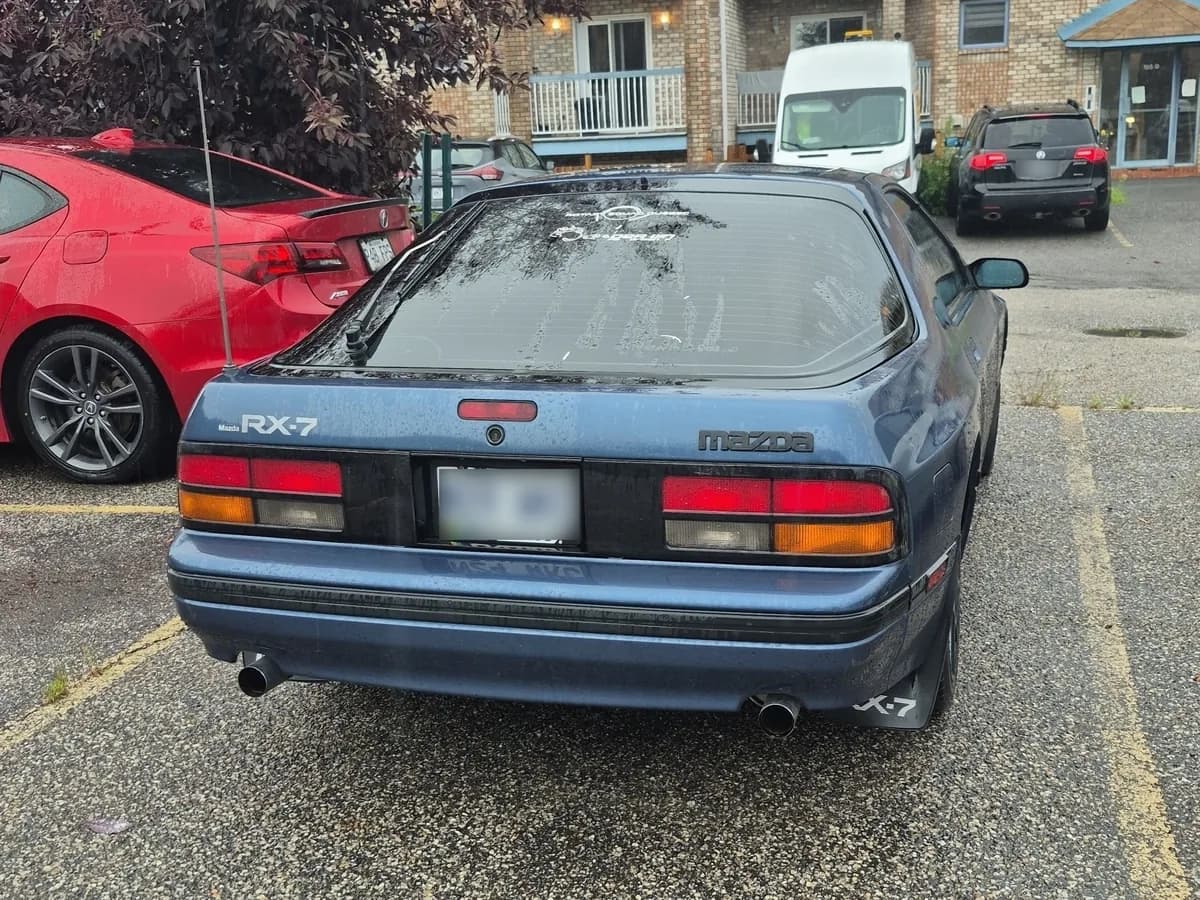
1978
Model summary
Data from the ScanRacer library, organized to compare versions quickly.
Model introduction
Launched in Japan in March 1978 as the Savanna RX-7, the Mazda RX-7 was a sports coupe built around a two-rotor rotary engine. Mazda positioned it as a compact, lightweight car focused on driving enjoyment, with the engine mounted in a front-midship layout to support balanced handling. The first generation is identified by its long hood, pop-up headlights, and glass hatchback. In 1985, the second-generation model, known by the FC chassis designation, introduced a larger and more refined design. It also brought turbocharged versions and, from 1987 in Japan, a factory-built convertible. The 1978-1992 scope therefore covers mainly the first-generation RX-7 and the FC-generation coupe and convertible. Exact equipment, engine output, and naming varied by market, so identification should always be matched to the car’s country of sale and production year.
History
The RX-7 emerged as Mazda sought to apply its rotary-engine experience to a more accessible sports car. The 1978 Savanna RX-7 replaced the earlier Savanna and used a 12A rotary engine in a front-midship layout. Mazda emphasized a compact powertrain, aerodynamic proportions, and stable cornering behavior. The glass hatchback and pop-up headlights quickly became defining features of the model. The car also developed a significant competition presence, particularly in the United States, where Mazda’s own historical material records numerous IMSA victories for the first-generation RX-7. In October 1985, Mazda introduced the second-generation Savanna RX-7, commonly identified as the FC. Its development placed greater emphasis on combining sports-car handling with improved comfort. The car became larger and more sophisticated, while the range expanded around 13B rotary engines and, depending on the market, turbocharged variants. In August 1987, Mazda added the Savanna RX-7 Cabriolet in Japan. The FC later received styling and engine-management revisions before leaving production during 1992. Model names, engine outputs, and sales dates varied between countries, so market-specific documentation remains important when assigning an exact specification.
Generations
The first generation covers RX-7 models introduced from 1978 through 1985. It is commonly associated with the SA22C and FB designations, although the use of those codes varies by market and production period. Its basic formula is a compact hatchback body with a long hood and pop-up headlights. Early versions used the 12A rotary engine. Near the end of the generation, selected versions received a fuel-injected 13B, but that development should not be applied to every first-generation car worldwide. The second generation was introduced in 1985 and belongs to the FC family, which remained in production through 1992. It brought a wider, more rounded body and a more contemporary interior. Its 13B rotary engines were offered in naturally aspirated or turbocharged form depending on the market. Mazda also added a convertible, identified as FC3C in specialist references and as the Savanna RX-7 Cabriolet in Japanese Mazda archives. Within the period covered here, the labels “Base,” “Coupé,” and “Convertible” describe body or equipment groupings; they should not be confused with the broader SA/FB and FC generation codes.
Key differences
The clearest distinction is between the first-generation SA/FB cars and the second-generation FC. The earlier model is smaller, more angular, and visually lighter. Its cabin and dashboard are also simpler. The FC appears wider and more developed, with rounded bodywork, more integrated bumpers, and a presentation closer to a larger contemporary sports coupe from the 1980s. Engine identification is useful but must be handled carefully. The 12A is primarily associated with early RX-7s, while the 13B appeared in selected later first-generation versions and became central to the FC range. Turbocharging was not standard across every market or trim level. The FC convertible is the easiest body-style distinction: it has a folding roof and dedicated rollover structure, while coupe models retain the glass hatchback. Equipment, transmissions, and engine specifications can still vary by country, so a visual match alone is not enough to establish a precise factory configuration.
Photo recognition
A first-generation RX-7 can usually be recognized by its low, long-hood profile, pop-up headlights, and large glass hatchback. Earlier cars have a relatively simple appearance, while later examples may use more substantial bumpers, side moldings, and revised trim details. The vehicle identification number or factory data plate is more dependable than styling alone, particularly because body panels and lighting components may have been replaced over time. The FC has broader proportions, smoother surfaces, and a more modern front-end treatment around its pop-up headlights. Turbocharged cars may carry identifying details, but these are not always reliable on restored or modified vehicles. The convertible, introduced in Japan from 1987, uses a folding roof and dedicated body structure that distinguish it from the fixed-roof coupe. An open body alone does not establish an exact year, however. Market, chassis code, production documentation, and original equipment should be checked together.
Important versions
Early 12A-powered RX-7s represent the original formula: a compact, lightweight, relatively simple coupe built around rotary power. Near the end of the first generation, the North American GSL-SE is especially notable for its fuel-injected 13B and more performance-oriented chassis equipment, although that specification should not be applied to every market. Within the FC range, naturally aspirated models formed the core of the lineup, while turbocharged versions occupied the sportier end of the range where offered. The Savanna RX-7 convertible, introduced in Japan in 1987, is an important factory variant and is structurally distinct from the fixed-roof coupe. The labels “Base,” “Coupé,” and “Convertible” are best understood as body-style or range categories; their exact equipment and engine combinations depend on market and model year.
References
- Savanna: First-generation Savanna to Savanna RX-7Mazda Motor Corporation
- FC3S / C Savanna RX-7 30th Anniversary MeetingMZ Racing / Mazda Motorsport
- History & Facts About the Mazda RX-7MotorTrend
- 1988 Mazda RX-7 Convertible: Don’t Call It a ComebackCar and Driver
- https://www.hagerty.com/valuation-tools/mazda/rx~7/1994/1994-mazda-rx~7hagerty.com
- https://www.jdmbuysell.com/learn/mazda/rx-7/jdmbuysell.com
- https://www.mazda.co.uk/why-mazda/news-and-events/mazda-news/articles/100-years-of-mazda--the-mazda-rx-7/mazda.co.uk
Frequently asked questions
- What years was the Mazda RX-7 produced?
- ScanRacer's referenced versions cover 1978 - 1992.
- How many Mazda RX-7 examples are documented on ScanRacer?
- 11 published scans from 9 members, with the latest photo added in September 2026.