
Maserati
Founded in Bologna on December 1, 1914, by Alfieri Maserati and his brothers, Maserati became one of the Italian marques most closely associated with grand touring cars and motor racing. The trident emblem, inspired by Bologna’s Fountain of Neptune, first appeared on the Tipo 26, which competed in the Targa Florio in 1926. Over the decades, Maserati has moved between racing cars, elegant coupes, sporting saloons, convertibles, and SUVs while maintaining a consistent emphasis on performance and refinement. Its model history therefore spans very different eras, from the Mistral and Bora to the Biturbo, 4200GT, GranTurismo, Grecale, and MC20. Together, these cars show how Italian design, engine technology, and the grand-touring formula developed across more than six decades.
Models from A to Z
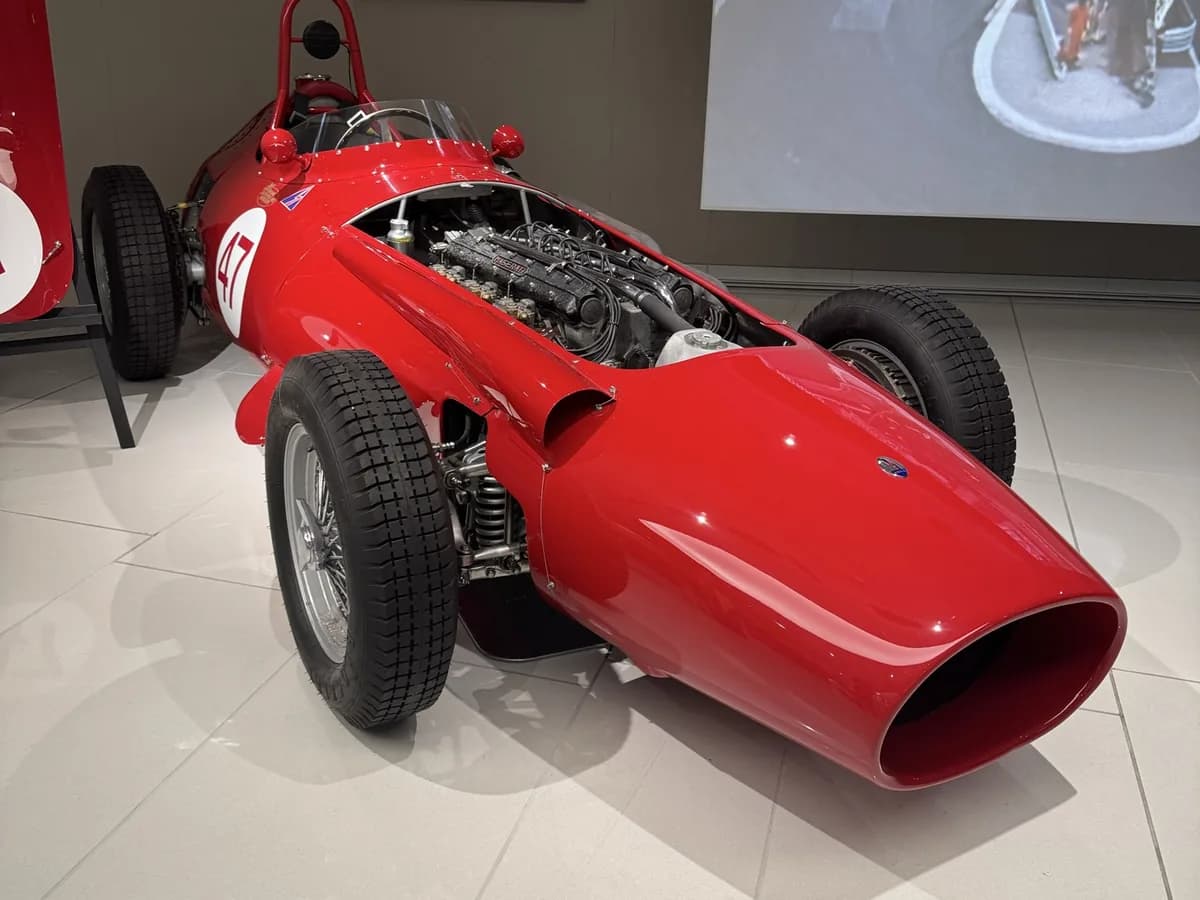
250F

4200GT
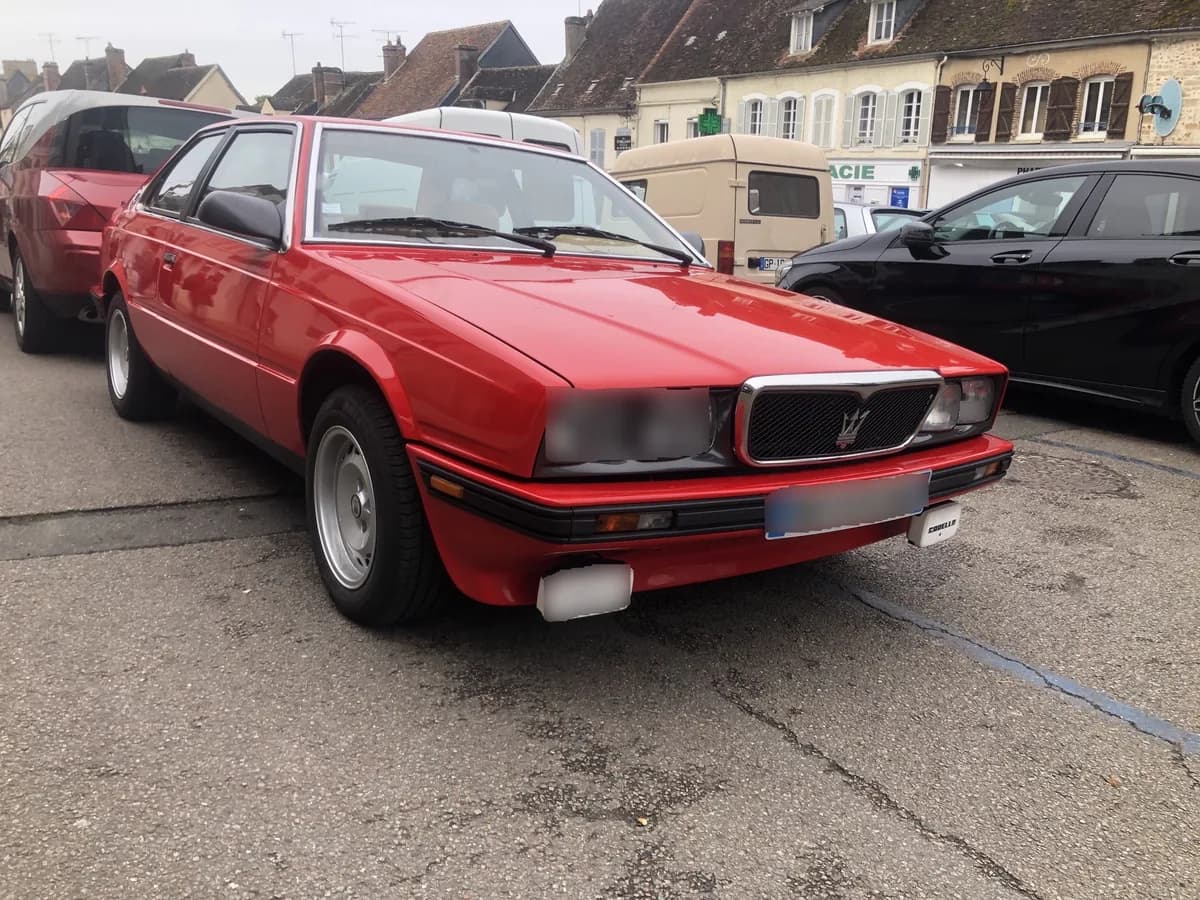
Biturbo
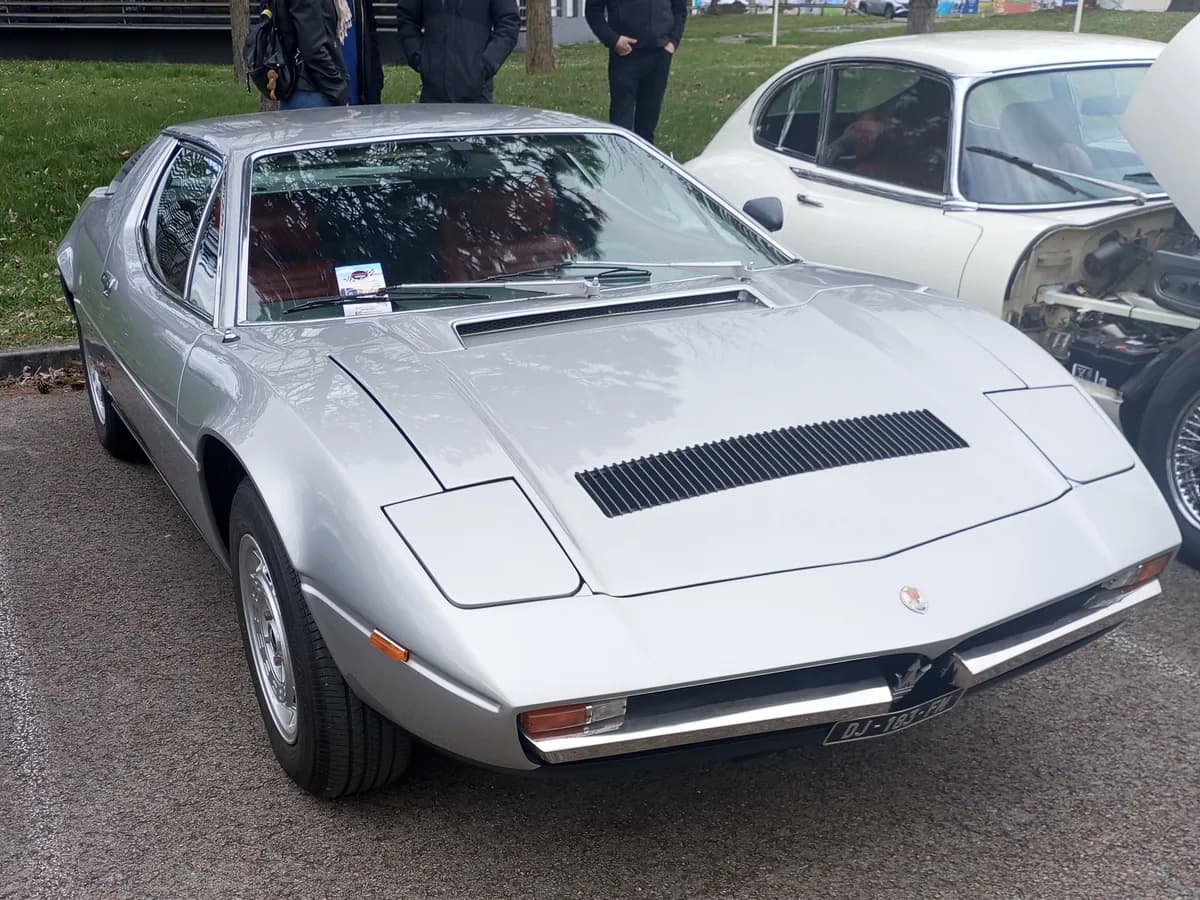
Bora
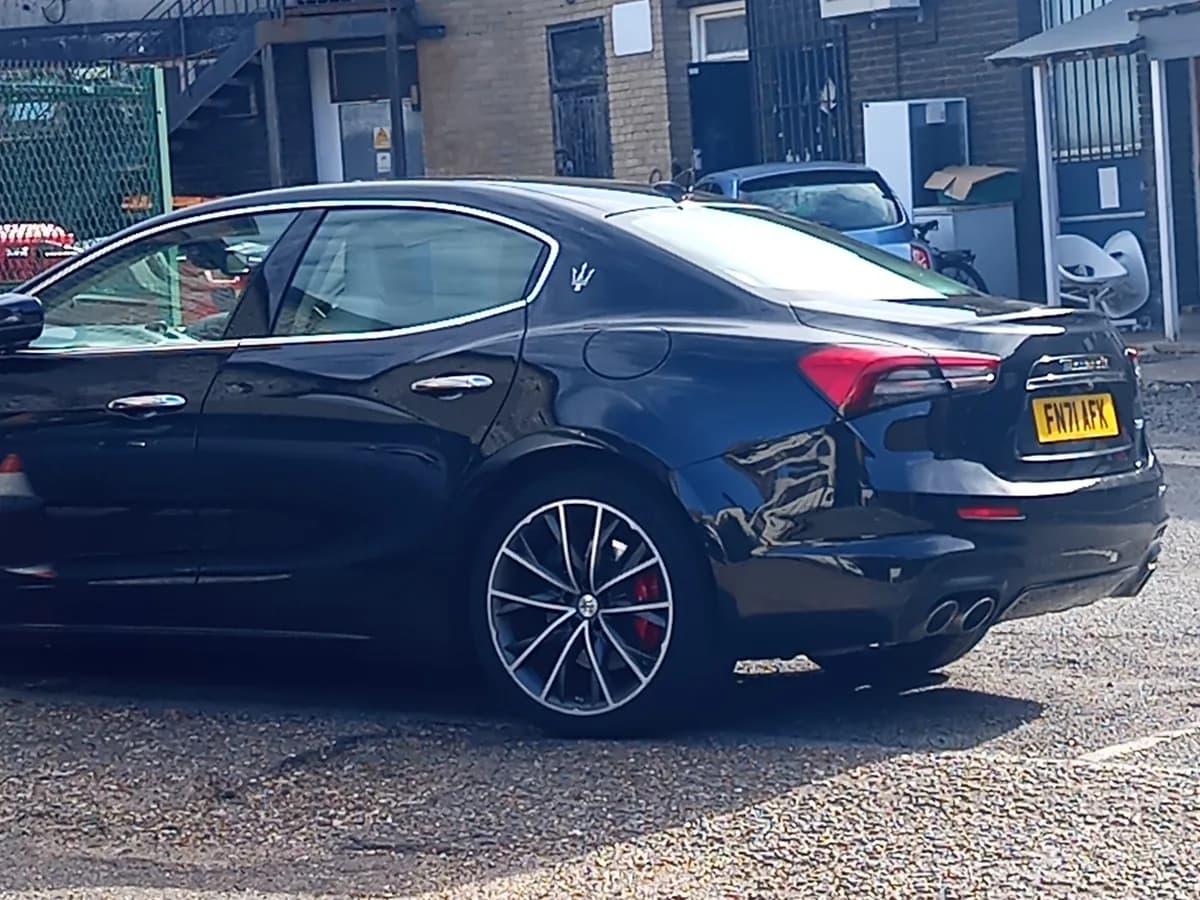
Ghibli
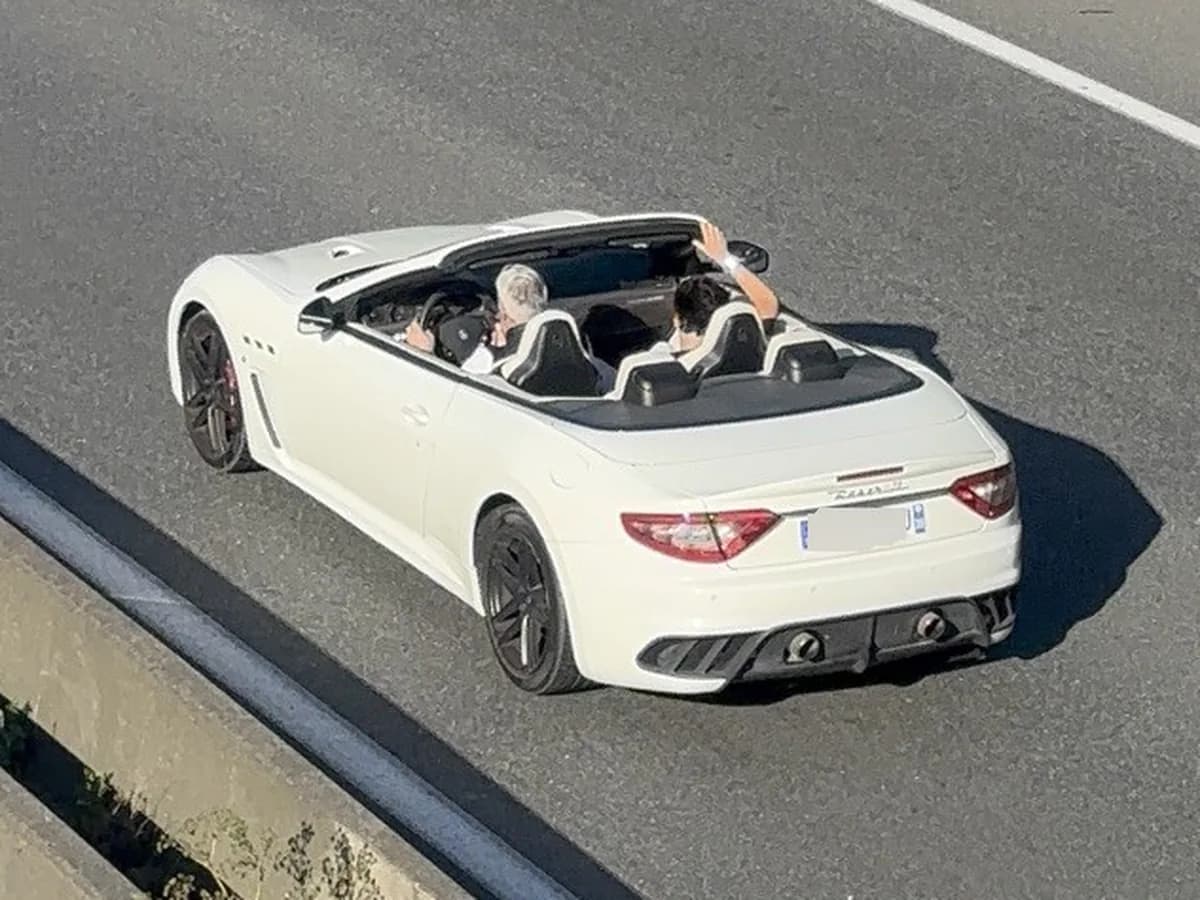
GranCabrio

GranTurismo
Grecale
Karif
Khamsin
Kyalami

Levante

MC12

MC20
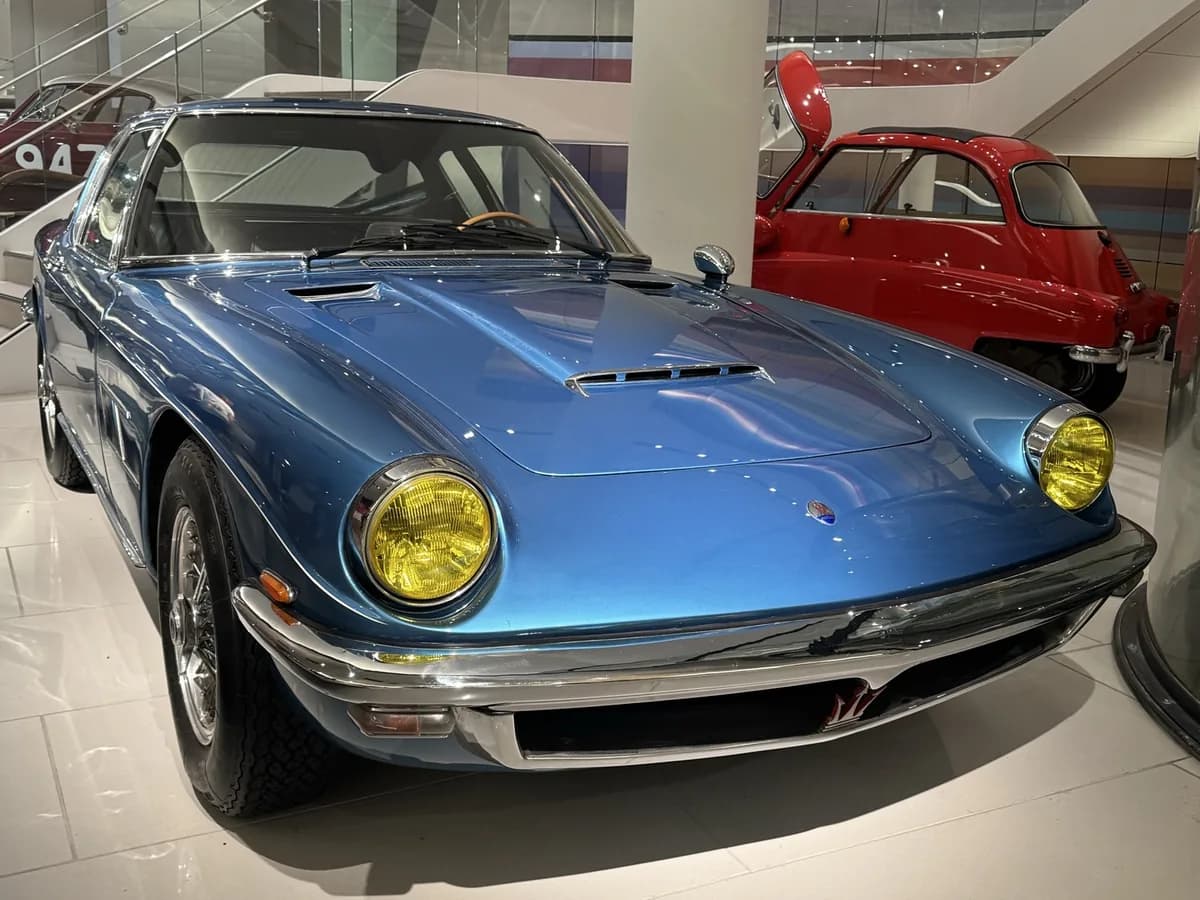
Mistral

Quattroporte
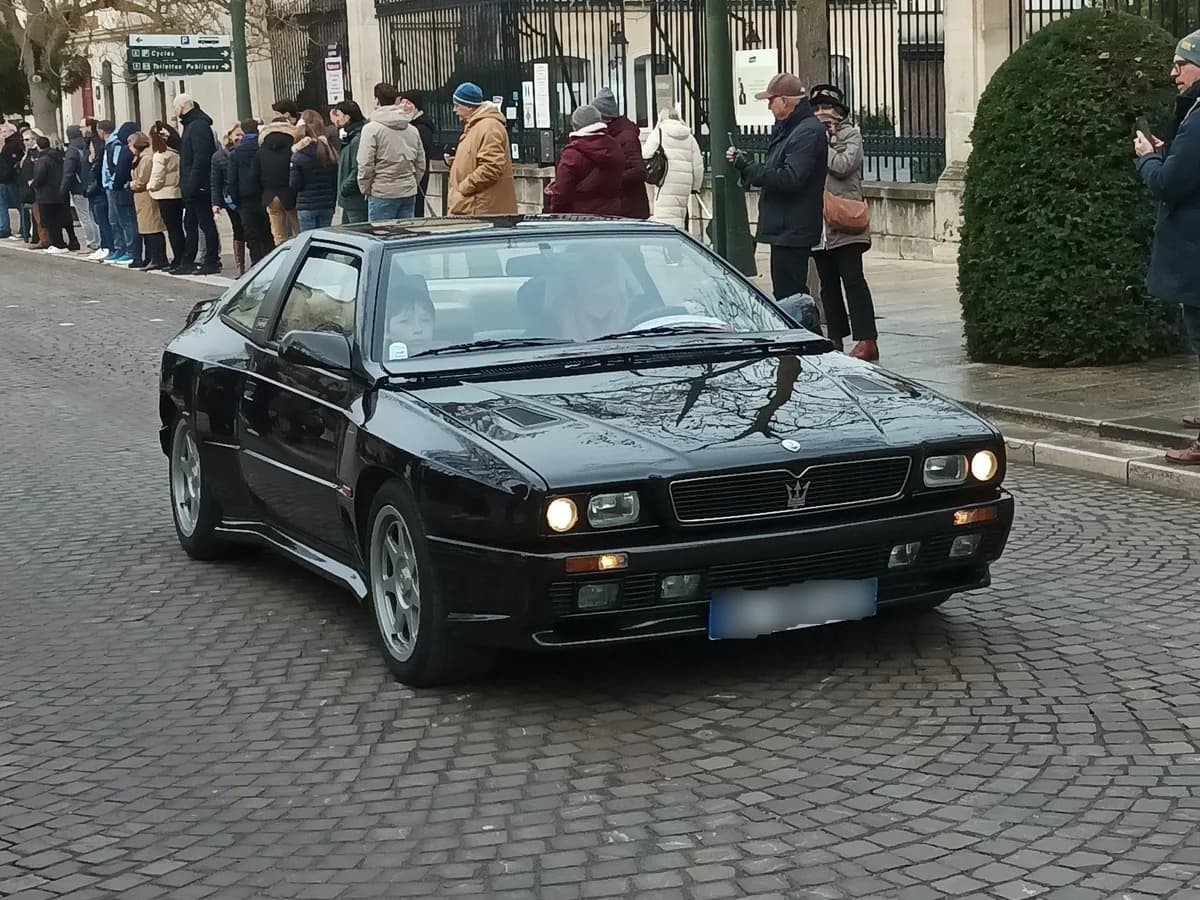
Shamal
Spyder
Maserati overview
Maserati history
Maserati began with the workshop opened in Bologna in 1914 by Alfieri, Ettore, and Ernesto Maserati. Designed by the brothers and introduced in 1926, the Tipo 26 was the first car to carry the Maserati name and trident emblem in its own right. Its class victory in the Targa Florio established the marque’s sporting identity. After the Second World War, Maserati increasingly focused on road cars, beginning with the A6 1500 in 1947 and followed by a series of important grand touring coupes and convertibles, including the 3500 GT. In 1963, the Quattroporte helped create the high-performance luxury-saloon segment, while the Mistral began Maserati’s tradition of naming cars after winds. The Bora, unveiled in 1971, represented a major technical departure with its mid-mounted V8. During the De Tomaso period, the Biturbo broadened Maserati’s reach after its 1981 launch with a compact twin-turbocharged V6. Following ownership changes in the 1990s, the 3200 GT, Spyder, 4200GT, and GranTurismo renewed the marque’s modern grand-touring appeal. The MC20, revealed in 2020, opened another chapter with the Nettuno engine and a mid-engine layout.
Maserati positioning
Maserati has historically occupied the space between the pure sports car and the luxury grand tourer. Its cars generally combine distinctive styling, strong performance, and the ability to cover long distances, rather than focusing solely on minimal weight or track efficiency. That approach can be seen in the 3500 GT, Mistral, and GranTurismo coupes as well as in the Quattroporte and Biturbo saloons. The marque later broadened its scope with the Levante and Grecale while retaining a performance-oriented identity. Recent models illustrate two complementary directions: the MC20 renews Maserati’s mid-engine sporting tradition with a 3.0-litre Nettuno V6, while the Grecale applies Maserati comfort, technology, and driving character to the SUV format. Maserati is therefore best understood as a luxury marque with a strong sporting and grand-touring focus, rather than as a manufacturer devoted exclusively to supercars.
Recognizing a Maserati in a photo
The trident is the first visual clue, but it is not enough to identify a Maserati because the marque’s styling has changed considerably over time. Classic models often feature a low grille with a central trident, long proportions, and bodywork shaped by a major Italian coachbuilder. The Mistral is recognizable by its long bonnet and coupe or spyder profile, while the Bora has a wedge-shaped silhouette and side air intakes associated with its mid-engine layout. Eighties Biturbos are more compact, with three-box bodies, angular surfaces, and, on certain versions, NACA ducts in the bonnet. The 4200GT stands out through its Giugiaro design, vertical rear lights, and 4.2-litre V8. The GranTurismo is a large Pininfarina-designed 2+2 coupe. The MC20 has butterfly doors, a very low body, and a mid-mounted engine. The Grecale is easier to distinguish as a compact SUV, with taller proportions and a more practical five-door format.
Important Maserati models
The Mistral, introduced in 1963, represents Maserati’s era of elegant front-engine grand tourers. The 1971 Bora is especially significant for its mid-mounted V8 and Giorgetto Giugiaro styling. Launched in 1981, the Biturbo played a major role in expanding Maserati’s customer base through its compact twin-turbocharged V6 and extensive family of derivatives. The 4200GT, sold in the early 2000s under the Coupé and Spyder names, marked the return of a modern grand tourer powered by a 4.2-litre V8. Introduced in 2007, the GranTurismo reaffirmed the high-performance four-seat coupe formula, followed by the GranCabrio in 2009. More recently, the Grecale extended Maserati’s range into the compact-SUV segment, while the MC20 returned the marque to a mid-engine sports-car layout with the Maserati-developed Nettuno engine. Together, these models show the brand’s movement between racing influence, luxury touring, and broader market segments.
References
- Maserati Celebrates Its 111th Anniversary: The Story of the TridentMaserati
- The Origin of the Maserati Trident LogoMaserati
- Maserati and Modena: 80 Years of History, Passion and CarsMaserati
- BiturboMaserati
- Maserati Bora Turns 50Maserati
- Convertible Sports Cars - Maserati Car ModelsMaserati
- Maserati GranTurismo: A New EraMaserati
- Maserati Presents Nettuno: The New 100% Maserati EngineMaserati