
Elise
Shown publicly at the Frankfurt Motor Show on September 12, 1995, and launched in 1996, the Lotus Elise placed low weight at the heart of the modern sports car. Its bonded and extruded aluminium chassis was covered by a composite body, allowing Lotus to achieve lively performance without relying on a large engine. The original Type 111 used a mid-mounted 1.8-litre engine producing 118 bhp, a five-speed manual gearbox and rear-wheel drive. Over its long development, the two-seat roadster gained revised engines, additional equipment and updated bodywork, while retaining its emphasis on steering feel, agility and mechanical simplicity. The Elise is commonly divided into Series 1, Series 2 and Series 3, although the individual engines, equipment levels and market specifications changed substantially within each broad series.
What about the car you photographed?
Upload a photo to get a suggested make, model and likely year.
No account needed for the result · Publish only if you choose
Variants by year
Make: Lotus · Model: Elise
3 / 3 versions shown
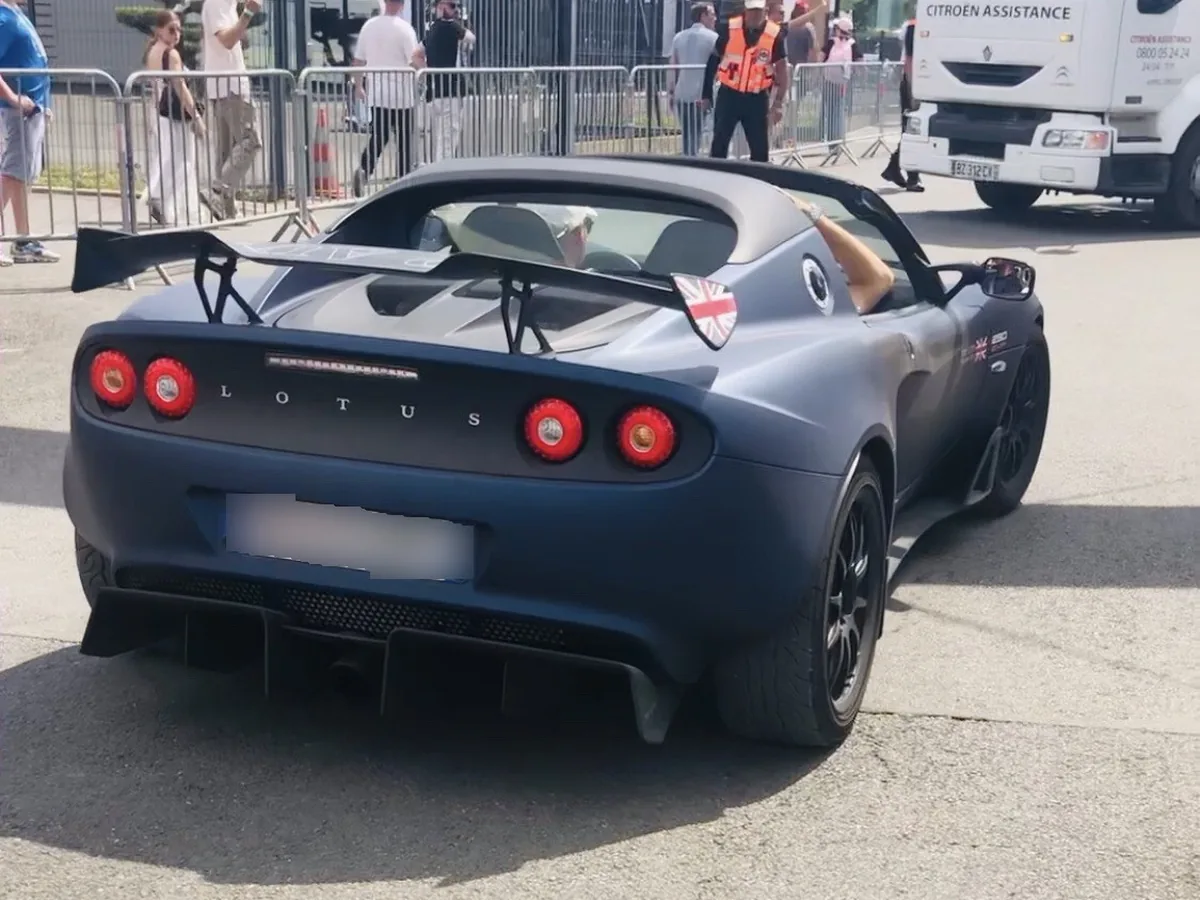
2011
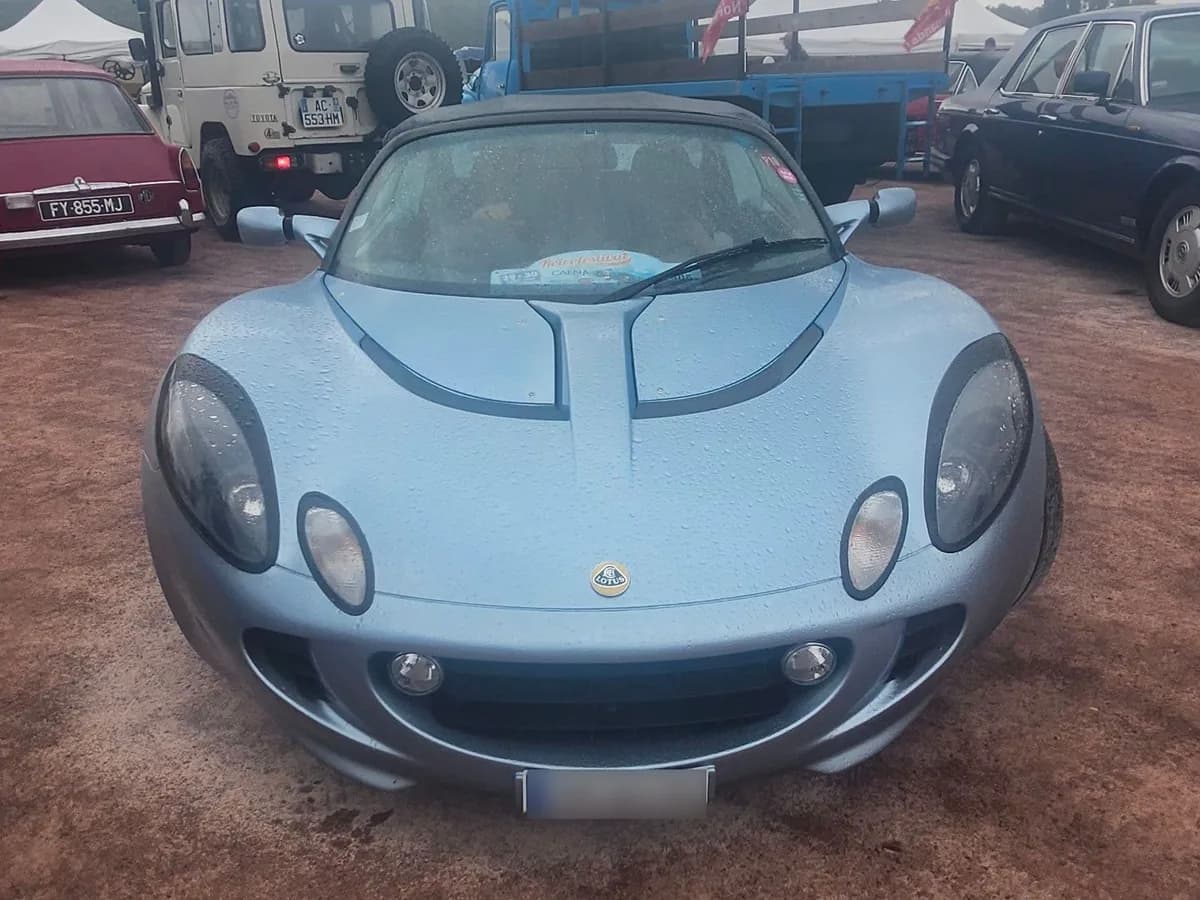
2001
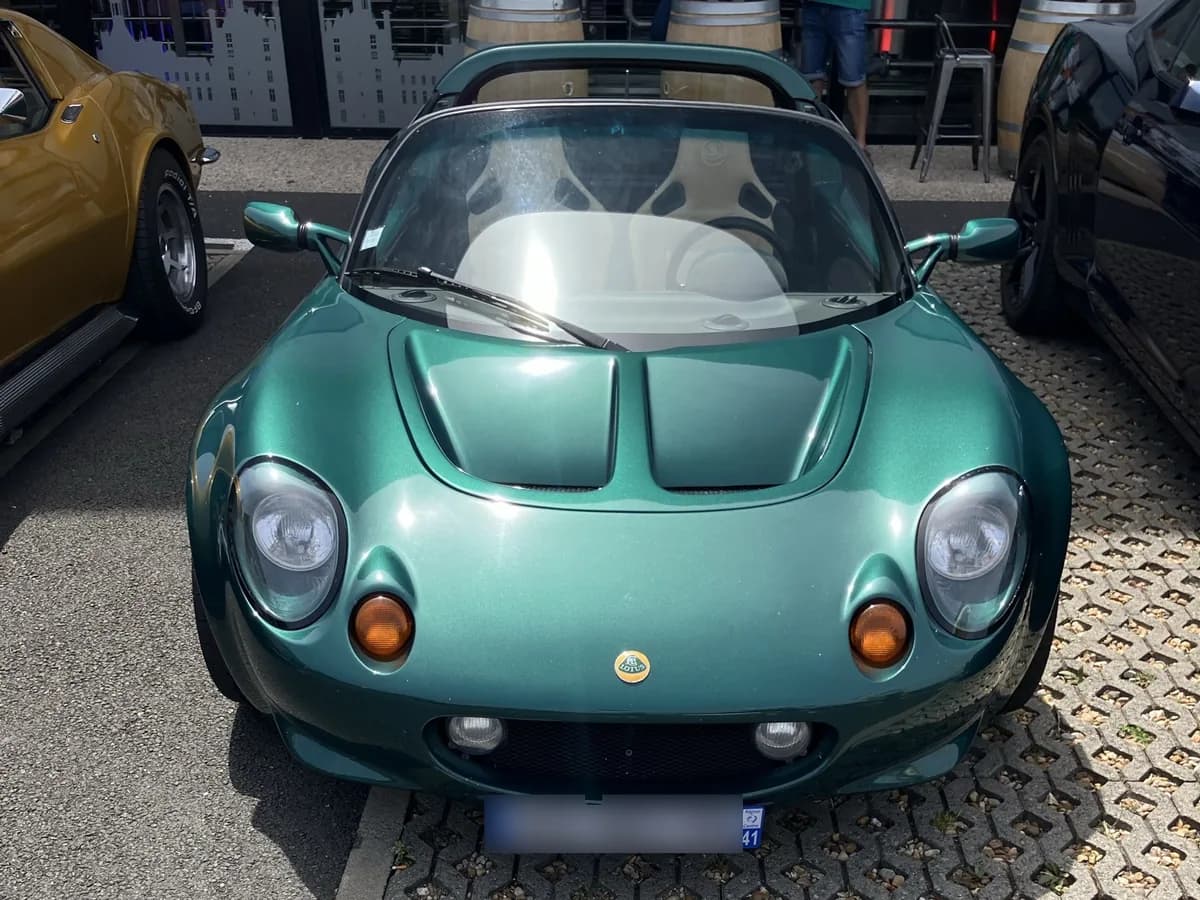
1996
Lotus Elise photos
Model summary
Data from the ScanRacer library, organized to compare versions quickly.
Model introduction
Shown publicly at the Frankfurt Motor Show on September 12, 1995, and launched in 1996, the Lotus Elise placed low weight at the heart of the modern sports car. Its bonded and extruded aluminium chassis was covered by a composite body, allowing Lotus to achieve lively performance without relying on a large engine. The original Type 111 used a mid-mounted 1.8-litre engine producing 118 bhp, a five-speed manual gearbox and rear-wheel drive. Over its long development, the two-seat roadster gained revised engines, additional equipment and updated bodywork, while retaining its emphasis on steering feel, agility and mechanical simplicity. The Elise is commonly divided into Series 1, Series 2 and Series 3, although the individual engines, equipment levels and market specifications changed substantially within each broad series.
History
The Elise began as Lotus Type 111, a project developed in the early 1990s as Lotus sought to return to a compact, relatively accessible sports car. Its 1995 unveiling represented a major step for the company: the central structure used bonded aluminium extrusions, while a lightweight composite body helped keep mass under control. Lotus also employed aluminium components in the suspension and, on early cars, metal-matrix composite brake discs. The name Elise refers to Elisa Artioli, the granddaughter of Romano Artioli, who was Lotus chairman when the car was introduced. Demand quickly exceeded Lotus's original expectations. The range expanded with derivatives such as the 111S and several Sport models, followed by a redesigned body for Series 2, unveiled in 2000 and sold from 2001. That change addressed evolving regulations and supported Lotus's international ambitions. Series 2 also provided the basis for the Opel Speedster and Vauxhall VX220, which shared selected structural elements with the Elise. In 2010, a substantial visual and technical update created Series 3. Within the model years represented here, Series 1 is associated with 1996, Series 2 with 2001 and Series 3 with 2011, although production and equipment changes continued beyond those reference years.
Generations
Series 1 is the original form of the Elise. It is identified by its very compact body, round headlamps set in separate housings and notably stripped-back approach. The launch car used Rover's 1.8-litre K-Series engine with 118 bhp. Low weight, unassisted steering on many examples and the bonded aluminium chassis gave it an unusually direct character. The 111S and several Sport derivatives later added power or a stronger track focus. Series 2 arrived from 2000-2001 depending on market and model year, bringing completely revised bodywork, distinctive lizard-eye headlamps, larger-diameter wheels and a more user-friendly cabin. The underlying structure remained closely related to the original concept, but suspension settings, engines and equipment developed over time. Early Series 2 cars retained the K-Series engine before Toyota powertrains appeared, including the 2ZZ-GE in higher-performance versions. Series 3 is best understood as a substantial update of Series 2, introduced for the 2010-2011 model years. Its newer front end, triangular headlamps and Toyota 1.6- or 1.8-litre engines helped the Elise meet changing emissions requirements and serve broader markets. The series classification is a useful first guide, but an accurate identification should also confirm the model year, engine, equipment and original market.
Key differences
The clearest distinction is between Series 1 and the later cars. The original Elise has a narrower appearance and round headlamps, while Series 2 introduced a more expressive front end, lizard-eye headlamps and revised bodywork. It was also generally easier to live with, benefiting from improvements to the sills, roof and interior, although added equipment could increase weight. The boundary between Series 2 and Series 3 is less obvious because Series 3 retained the earlier car's main structure and overall proportions. The redesigned front end and triangular headlamps are the most useful exterior clues. Engines and engine management also changed with the model year, so an Elise, S or R badge alone cannot establish the full specification. Names, power outputs and equipment varied by country as well. A precise comparison should therefore use the chassis number, original paperwork and the technical data for the relevant market rather than relying only on appearance or badge.
Photo recognition
To identify an Elise, start with its basic layout: it is a strict two-seat roadster with a mid-mounted engine, removable soft top and low composite body. Series 1 has the roundest and most compact appearance. Circular headlamps, simple flanks and a very sparse cabin are useful clues, although replacement panels or later modifications can make visual identification uncertain. Series 2 normally has lizard-eye headlamps, sharper body contours and integrated side air intakes. Series 3 keeps the same general structure but receives a more modern nose, including larger triangular headlamps on the relevant cars. The engine and gearbox can provide additional clues: early Series 2 examples may use the Rover K-Series, while later versions include Toyota engines and a six-speed gearbox. These details are only indicative because specifications varied by year and market. The chassis number, factory documentation and original build information remain the dependable ways to confirm a particular series and version.
Important versions
The 1996 Series 1 is the founding model: a 1.8-litre Rover engine producing 118 bhp, a five-speed manual gearbox and very low weight. The 111S, introduced in 1999, brought a more powerful development of the K-Series and a sportier specification. Sport 135 and Sport 160 further illustrate the track-oriented direction taken by selected derivatives. The 2001 Series 2 marked the major body redesign and supported a broader range. Versions such as the 111S, 111R, Elise R and SC show how engines and performance evolved during its life. The 2011 Series 3 represents the later facelift, with Toyota 1.6- and 1.8-litre engines depending on specification. The three reference model years available here — 1996, 2001 and 2011 — therefore cover the Elise's principal visual stages, while individual equipment and powertrains still need to be checked by year and market.
References
- Lotus Elise – Iconic Sports CarLotus Cars
- Lotus Elise is crowned Icon of Icons at Autocar Awards 2019Lotus Cars Media
- First and last: tracing the evolution of the Lotus EliseAutocar
- Lotus Elise reviewAutocar
- Lotus Elise S1 Used Car Buying GuideAutocar
- https://www.carcollectorinternational.com/research/buyers-guides/lotus/elise-s1carcollectorinternational.com
- https://www.simonandschuster.com/books/Lotus-Elise-and-Exige-1995-2020/John-Tipler/9781785008429simonandschuster.com
Technical specifications
Structured data available for versions linked to this model.
| Version | Power | Torque | Top speed | Drivetrain | Fuel |
|---|---|---|---|---|---|
| — | 136 PS for the standard Elise; 192 PS for the Elise R; 220 PS for the Elise SC | — | — | Rear-wheel drive / Six-speed close-ratio manual | — |
Frequently asked questions
- What years was the Lotus Elise produced?
- ScanRacer's referenced versions cover 1996 - 2011.
- How many Lotus Elise examples are documented on ScanRacer?
- 16 published scans from 13 members, with the latest photo added in October 2026.
- What is the power output of the Lotus Elise?
- The sourced technical data lists 136 PS for the standard Elise; 192 PS for the Elise R; 220 PS for the Elise SC.
What about the car you photographed?
Upload a photo to get a suggested make, model and likely year.
No account needed for the result · Publish only if you choose