
Lotus
Built around Colin Chapman’s engineering ideas, Lotus established its reputation by prioritising low weight, chassis rigidity and precise handling rather than relying on power alone. Early competition cars created that identity before the Elan, Europa, Elise and Exige brought it to the road. The Elise, introduced in the mid-1990s, helped popularise a bonded and extruded aluminium chassis, while the Emira carried that construction principle into a more modern sports car. Recent models have expanded Lotus well beyond its traditional two-seat sports cars, including the electric Evija hypercar, the Eletre SUV and the Emeya high-performance grand tourer. ScanRacer’s current Lotus library covers nine models, from the 1956 Eleven to the 2024 Emeya, with the largest concentration of listed variants belonging to the Elise and Exige families.
Models from A to Z
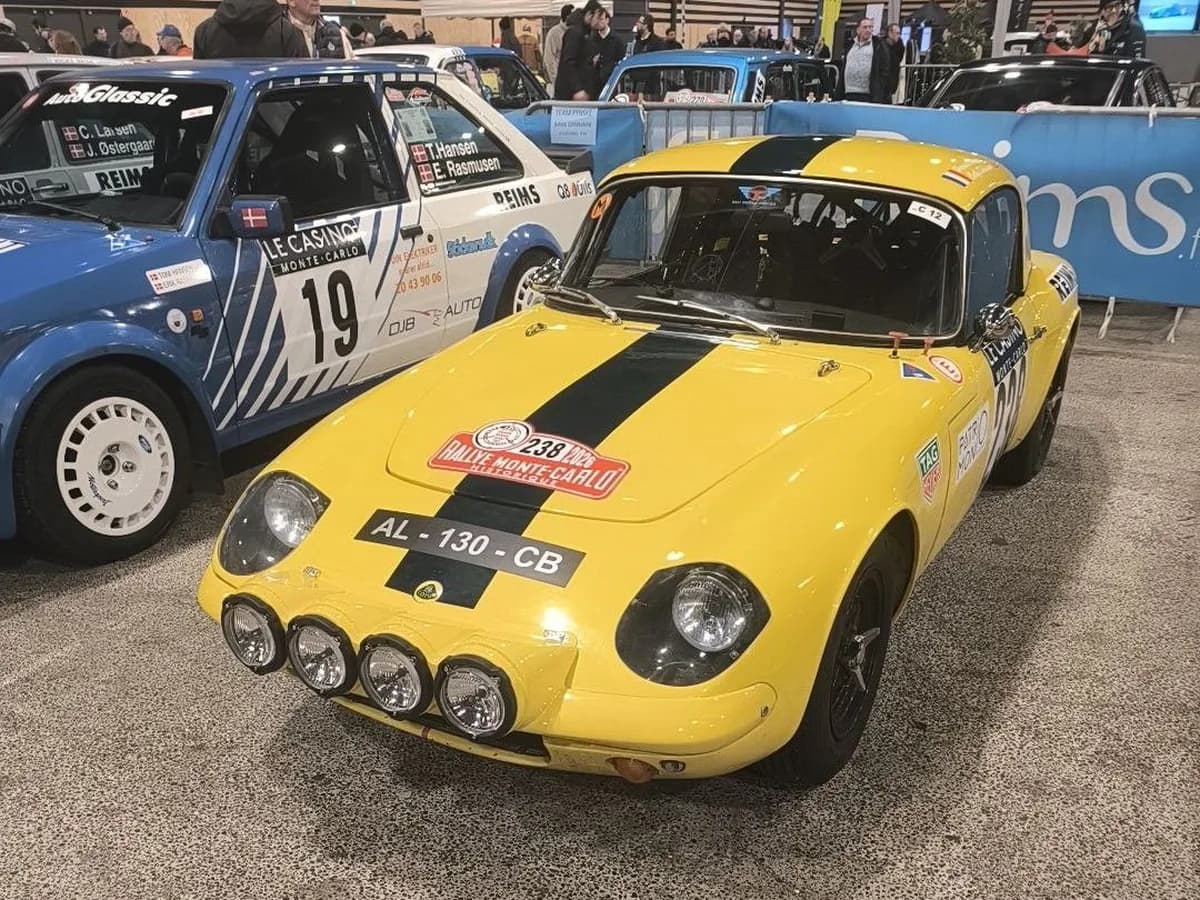
Elan

Eletre

Eleven
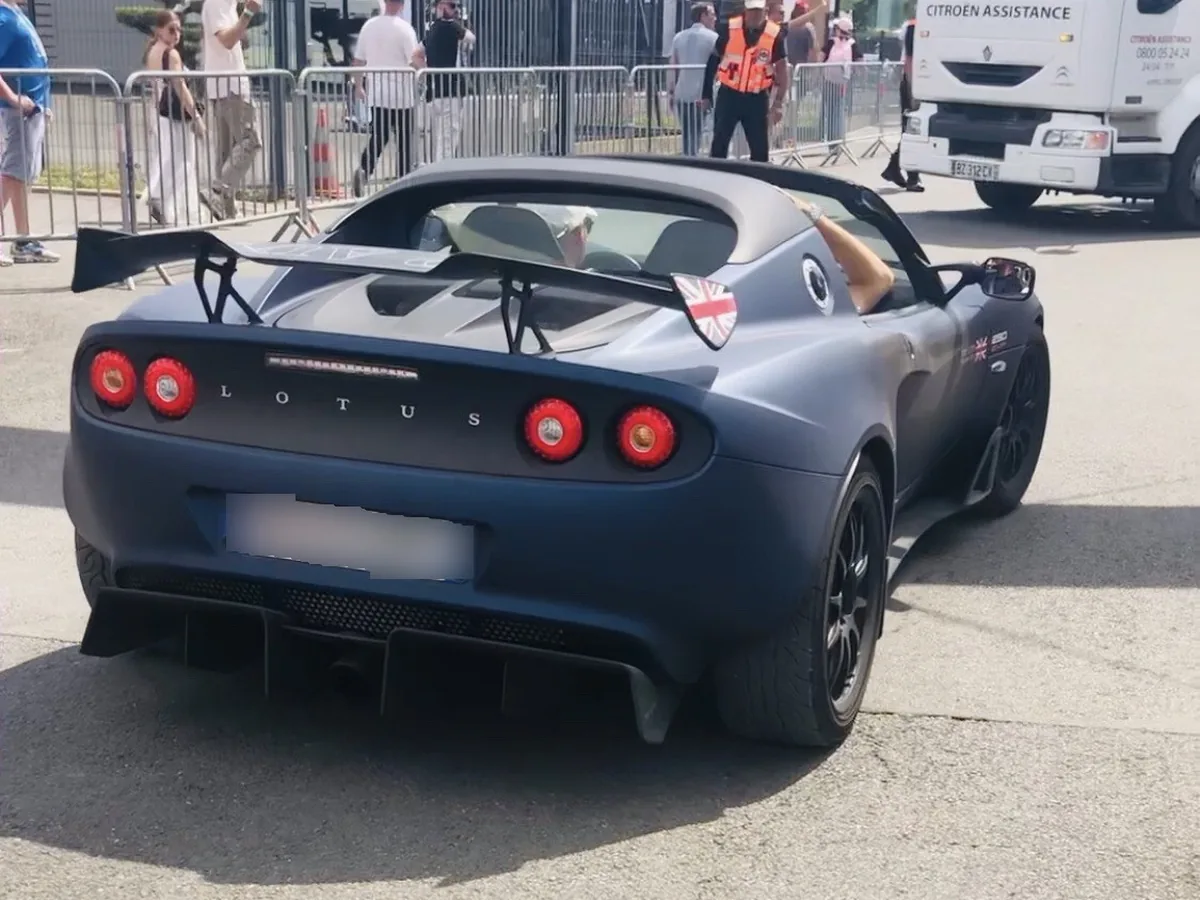
Elise
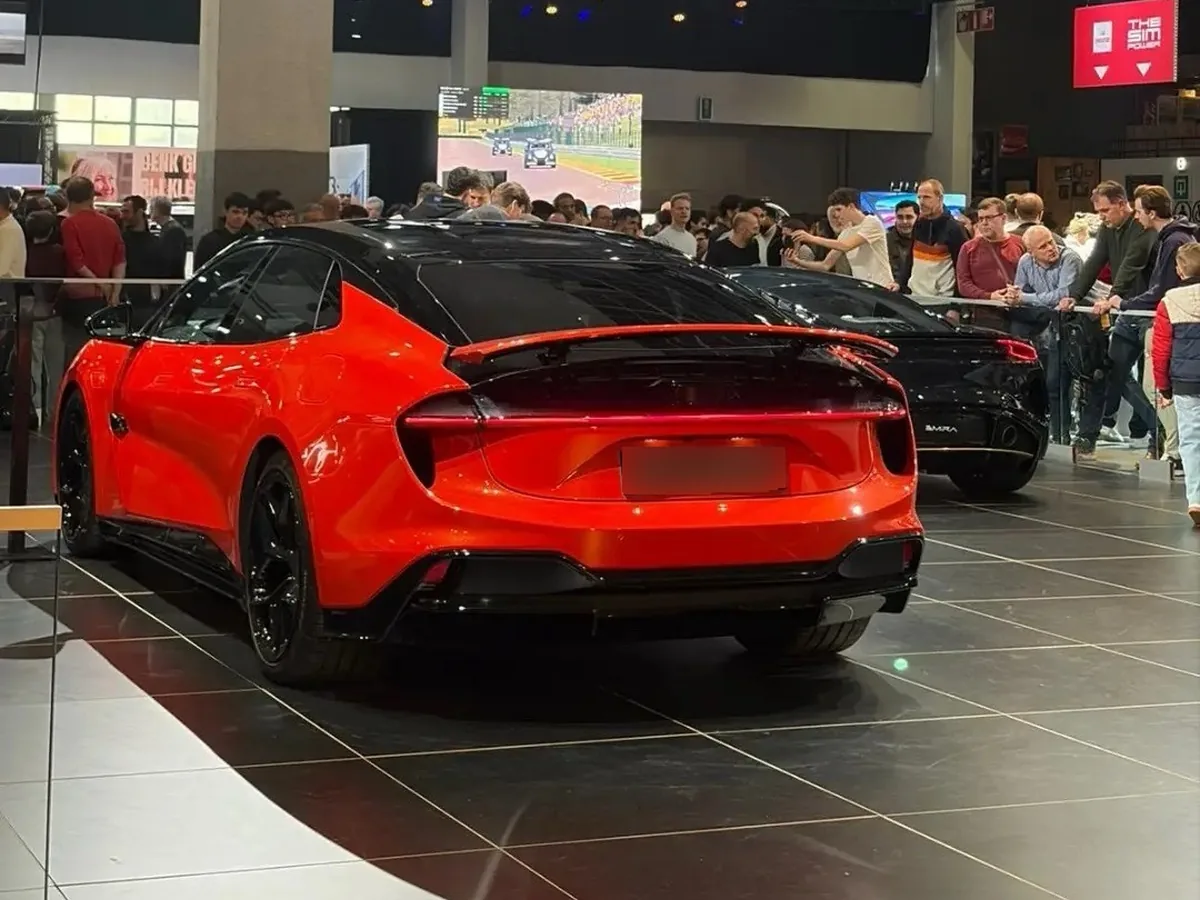
Emeya
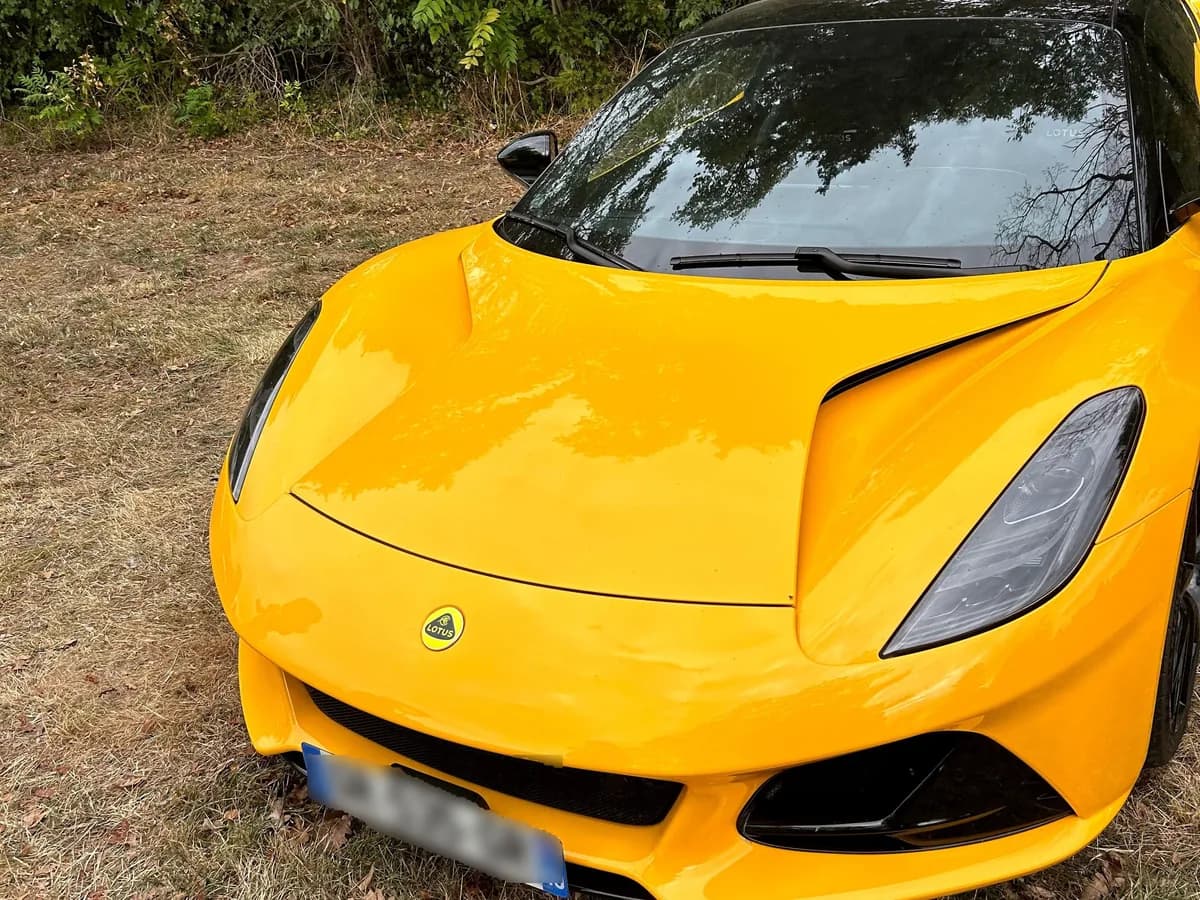
Emira
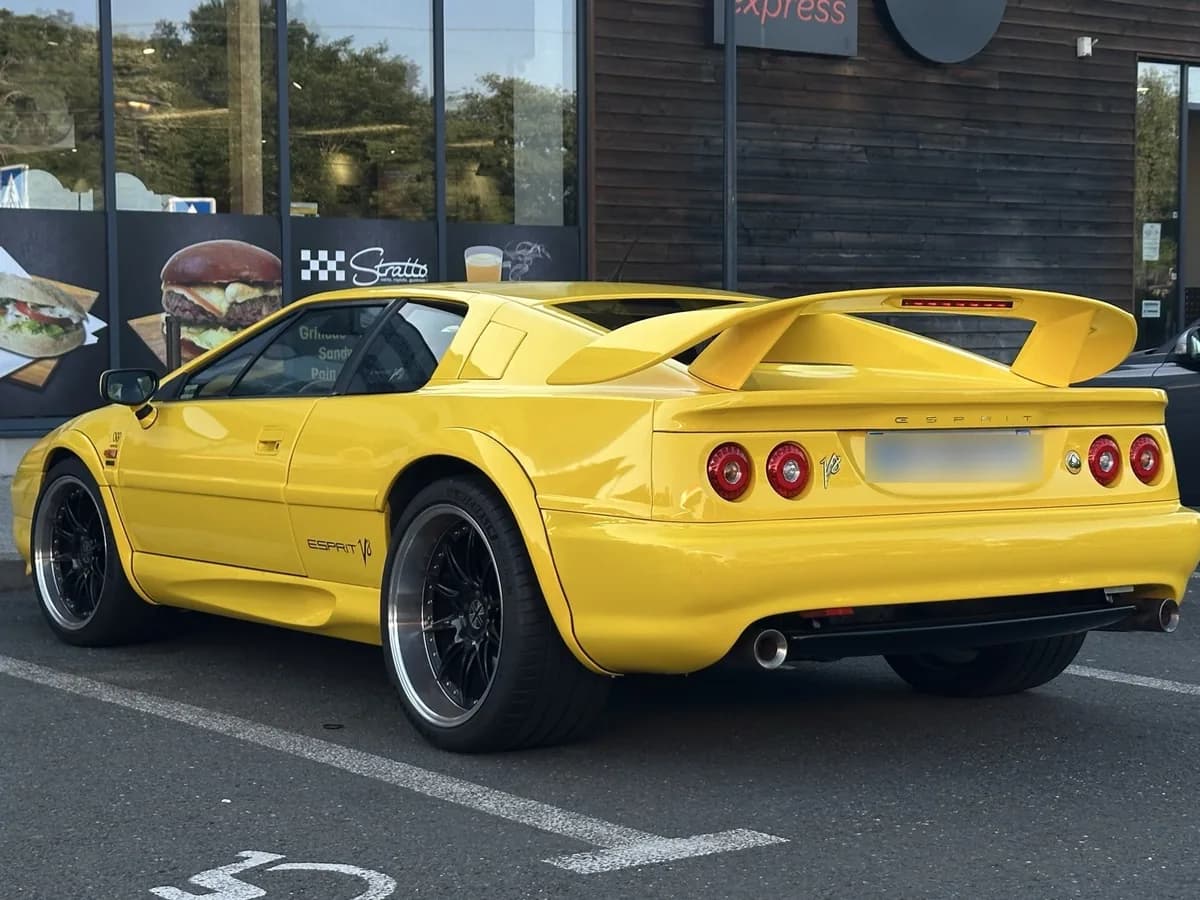
Esprit
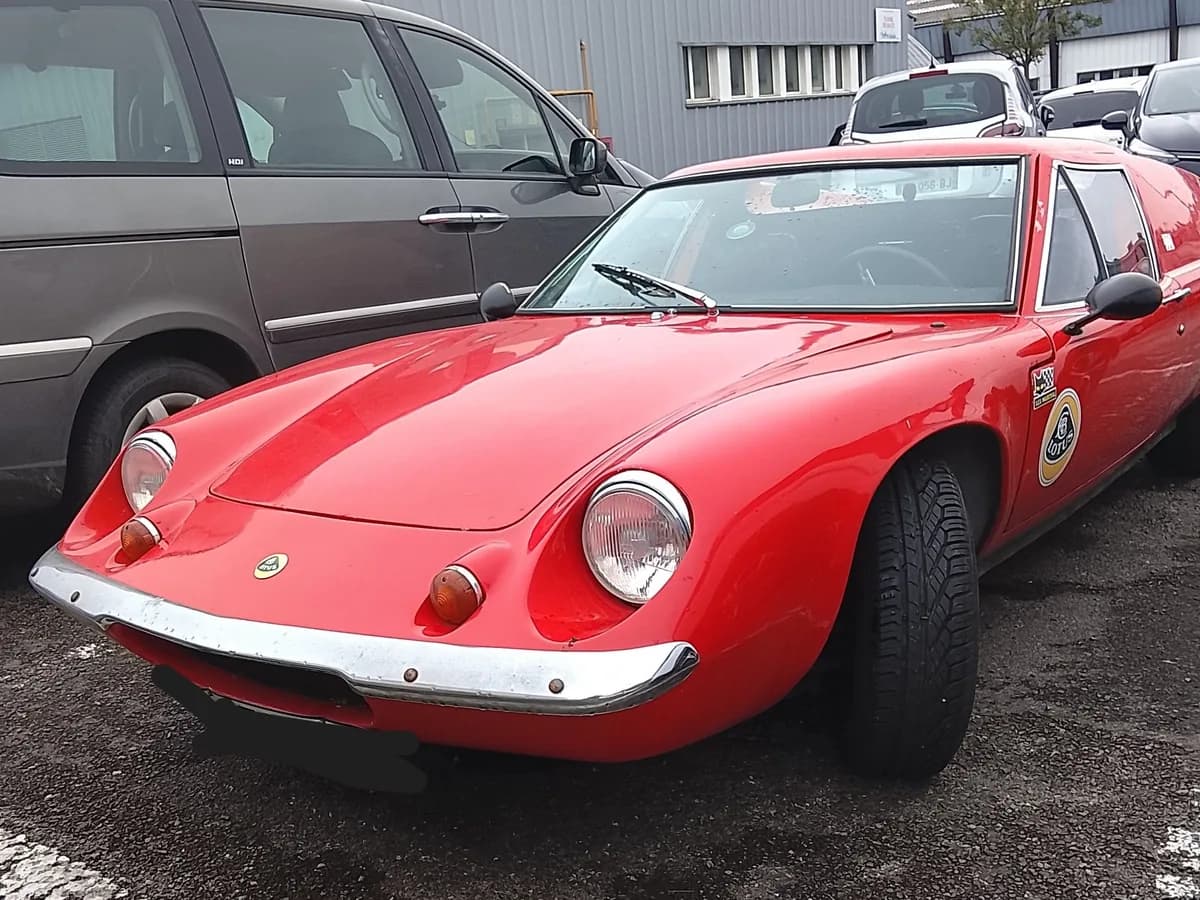
Europa
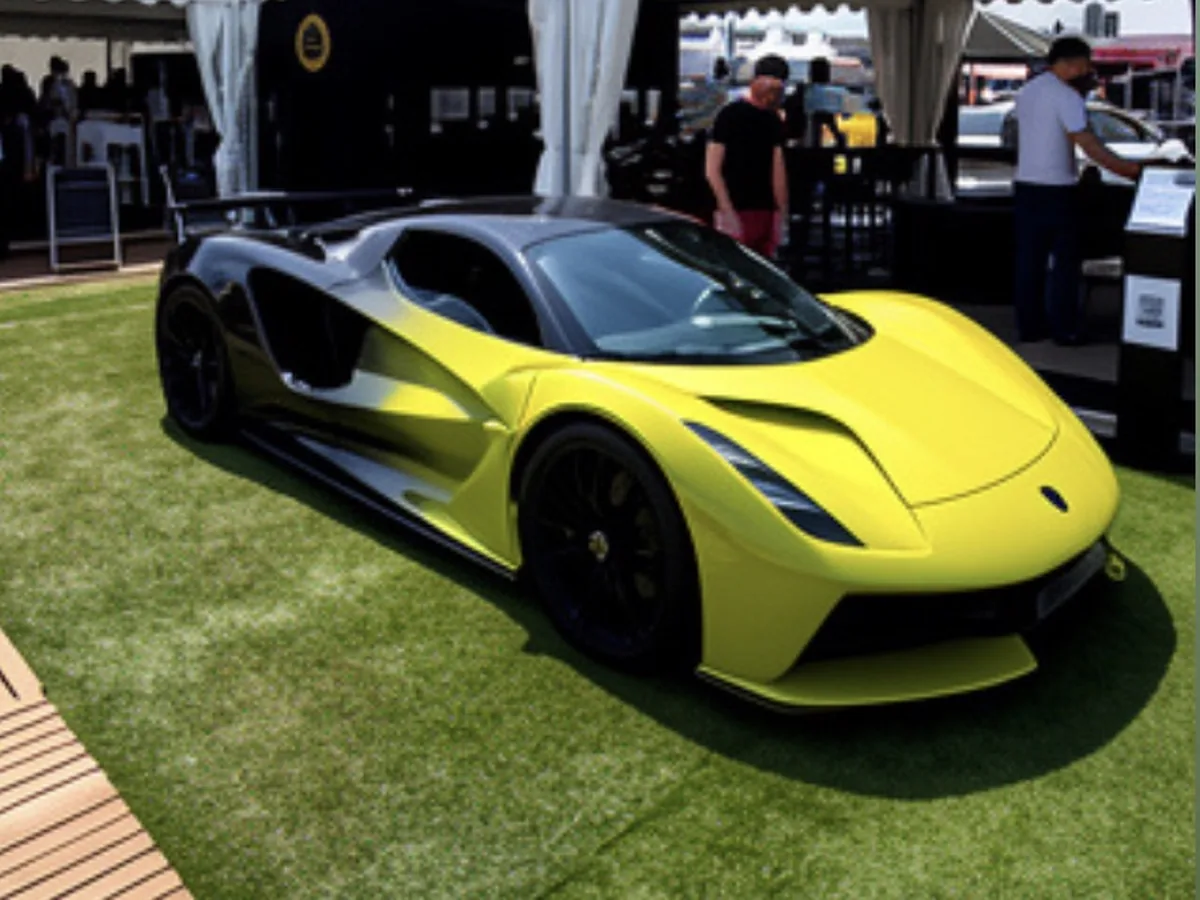
Evija
Exige
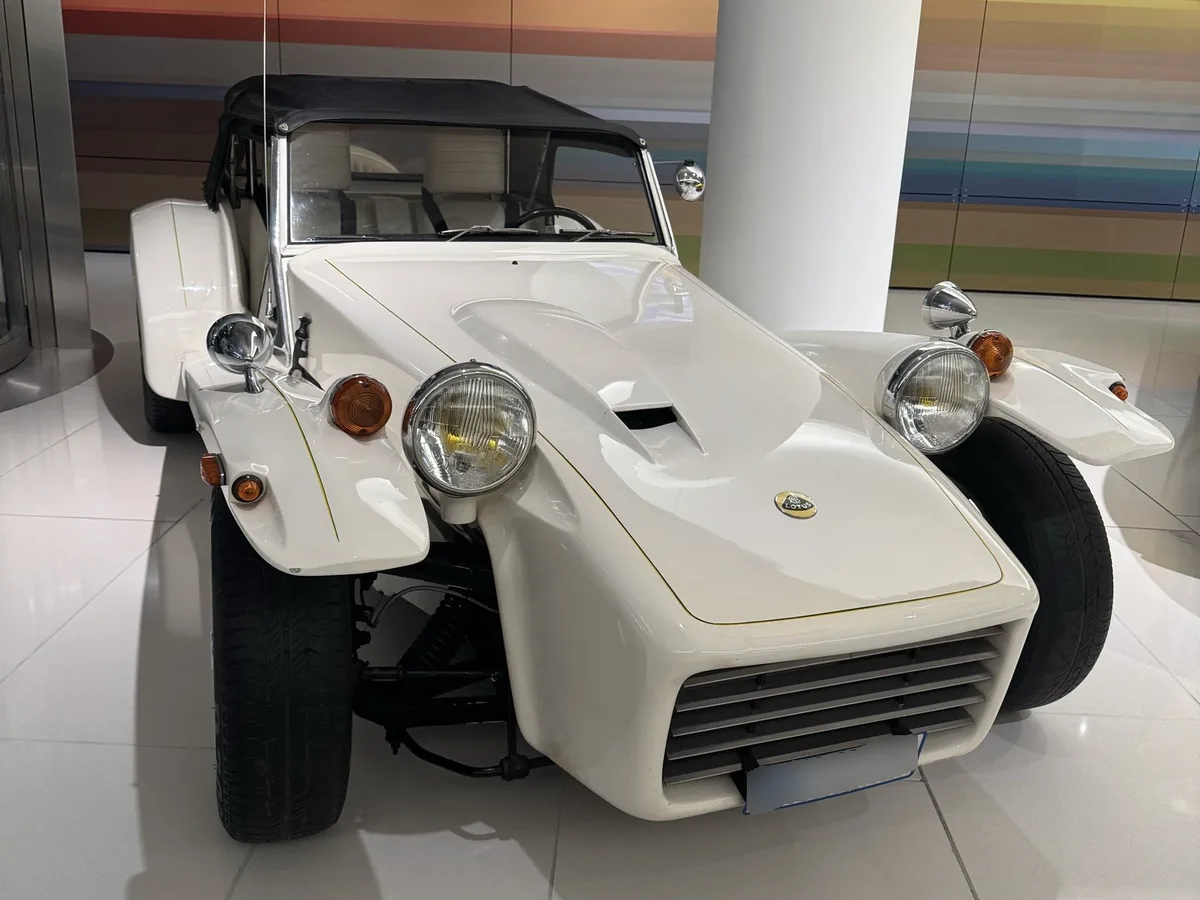
Seven
Lotus overview
Lotus history
Lotus began with cars built and raced by Colin and Hazel Chapman in British trials and club competition. The company was formally established in 1952, then quickly developed lightweight racing cars that strengthened its reputation for technical innovation. The Lotus Eleven, introduced in 1956, belongs to this formative period and began the company’s familiar tradition of “E” names for road cars. In Formula 1, Lotus later became an important engineering laboratory: Lotus Engineering highlights the fully stressed monocoque of the Type 25, the use of the engine as a structural member in the Type 43 and the adoption of aerodynamic wings on the Type 49. On the road, the 1962 Elan Type 26 and the 1966 Europa represent two different interpretations of Lotus thinking: a lightweight front-engined sports car in the case of the Elan, and a mid-engined layout in the case of the Europa. The modern era was defined by the Elise, unveiled in 1995, followed by the Exige, which grew from a competition project and appeared in road-going form in 2000. The Emira became the next-generation petrol sports car, while the Evija, Eletre and Emeya extended the Lotus identity into electric hypercar and high-performance electric vehicle territory.
Lotus positioning
Lotus has historically occupied a narrower position than mainstream performance manufacturers. For much of its road-car history, the company focused on compact, lightweight sports cars designed to maximise driver involvement without depending on high mass or large engines. The Elise and Exige express that role particularly clearly: the Elise combines simplicity, low weight and agility, while the Exige adopts a more uncompromising, track-influenced approach. That identity has not disappeared as the range has expanded. The Emira retains a mid-engined layout, hydraulic steering and a bonded aluminium chassis, but is intended to be more usable and broadly appealing. At the same time, the Evija, Eletre and Emeya point toward a wider performance strategy based on electric propulsion, high output, aerodynamics and premium equipment. Lotus is therefore best understood as a performance brand in transition. Its historical foundation remains lightweight construction and handling precision, while its newer vehicles add greater size, technology, luxury and electrification.
Recognizing a Lotus in a photo
Identifying an older Lotus is easier by studying its proportions and layout than by relying on the badge alone. The Elan Type 26 is a small, low sports car commonly associated with an open two-seat body, pop-up headlights and rounded styling. The Europa has an especially low profile, a forward-set cabin and a mid-mounted rear engine; early cars look notably sparse and purposeful. The modern Elise uses a compact two-seat shape with softer body surfaces and an aluminium structure beneath the skin. The Exige usually looks more aggressive, with a fixed roof, additional air intakes, wider arches and more prominent aerodynamic parts. The recent cars are much larger. The Evija is an extremely low hypercar with heavily sculpted volumes and pronounced aerodynamic channels. The Eletre is a tall, wide electric SUV, while the Emeya has the proportions of a large fastback or performance grand tourer. These visual cues are useful for an initial identification, but special editions, regional specifications and owner modifications can alter exterior details.
Important Lotus models
ScanRacer’s Lotus selection covers several important stages in the company’s development. The Eleven represents Lotus’s early lightweight competition cars and is listed here for 1956. The Elan and Europa show how the brand moved toward more developed road sports cars during the 1960s, using different front-engined and mid-engined concepts. The Elise became the cornerstone of the modern period through its bonded aluminium chassis and strong focus on low weight. The Exige used the same broad foundation in a more aggressive interpretation with clear links to track driving. The newer entries show how far Lotus has expanded. The Emira continues the mid-engined sports-car tradition with contemporary design and equipment. The Evija introduces a highly exclusive electric hypercar, while the Eletre and Emeya take the brand into electric SUV and large fastback territory. Within the available library, the Elise and Exige are the most extensively represented families, with three listed variants each.
References
- About LotusLotus Cars
- Lotus Engineering HistoryLotus Engineering
- Lotus ElanLotus Cars
- Lotus EuropaLotus Cars
- Lotus EliseLotus Cars
- Lotus ExigeLotus Cars
- Lotus EvijaLotus Cars Media
- Lotus Emira: the most accomplished Lotus ever madeLotus Cars Media