Power
136 PS for the standard Elise; 192 PS for the Elise R; 220 PS for the Elise SC
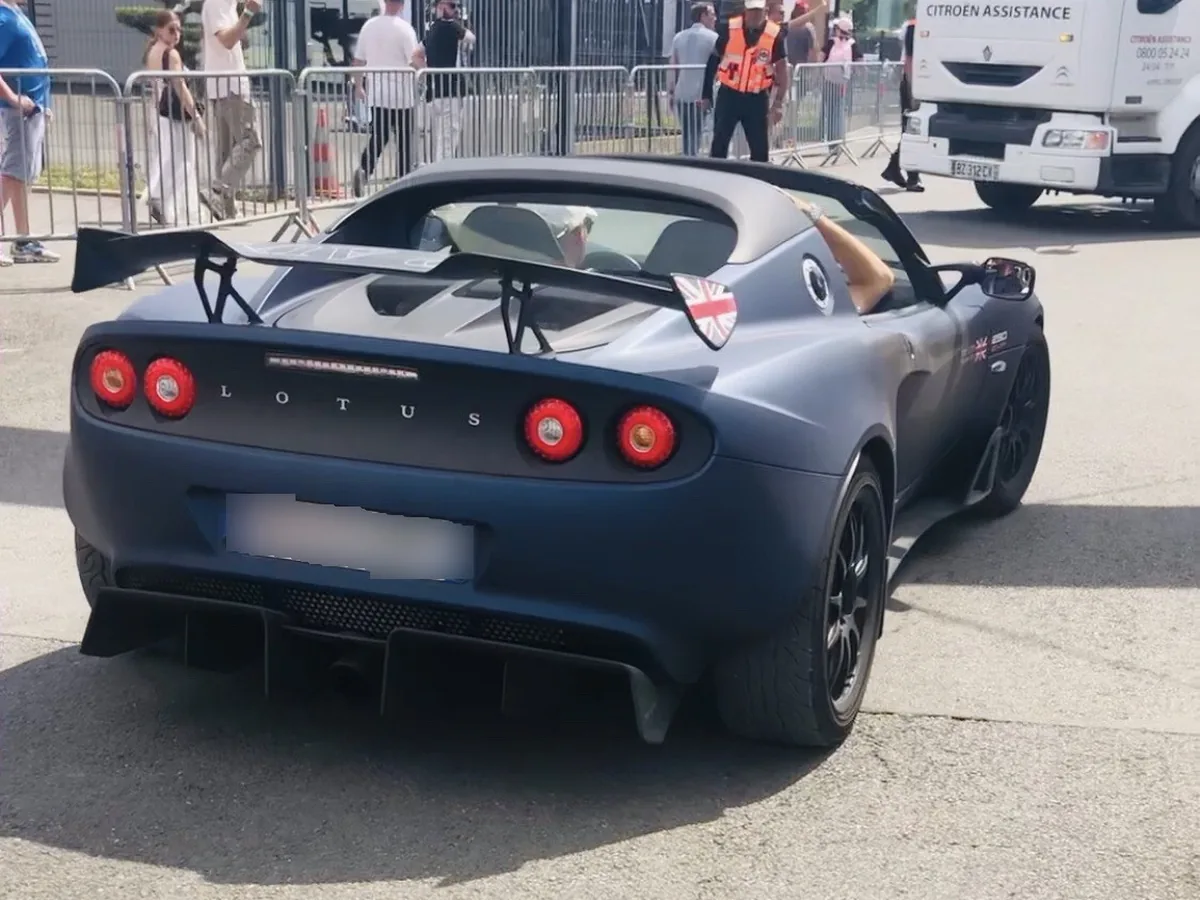
The Lotus Elise Series 3 arrived for the 2011 model year with substantially revised bodywork and an updated engine range. Unveiled at the 2010 Geneva Motor Show, it retained the Elise’s defining formula: a lightweight, mid-engined two-seat sports car focused on agility rather than convenience. The front end gained integrated headlights with LED daytime running lights, while the rear bumper and engine cover were redesigned. Depending on the market, the range included a 1.6-litre four-cylinder Elise, a 1.8-litre Elise R and a supercharged Elise SC. The result was an extensive facelift and technical update rather than a completely new car. Its appeal remained rooted in direct steering, compact dimensions and a low-mass chassis that placed driver involvement ahead of refinement. (lotuscars.com)
Curious about this car?
Explore Elise, then try your own photo.
No account needed for the result · Publish only if you choose
The Elise was introduced in 1996 as a modern expression of Lotus’s low-weight, simplified engineering philosophy. Its second generation, launched in the early 2000s, gradually adopted Toyota engines, an extruded aluminium chassis and several road and track-focused derivatives. For the 2011 model year, Lotus presented a substantial development of that platform at the Geneva Motor Show. The revised bodywork brought the Elise visually closer to the Evora, with a smoother front end, integrated lighting and a redesigned rear section. Lotus also introduced a more efficient 1.6-litre engine for the entry-level car. The Elise R and Elise SC retained 1.8-litre four-cylinder power, with the SC using a supercharger. This Series 3 designation therefore describes a significant facelift and technical update of the established Elise architecture rather than an entirely new platform. It became one of the model’s defining late-generation versions. (lotuscars.com)
Photos added by the community for this page.
Source: Lotus Cars
The 2011 Lotus Elise was revealed ahead of its public appearance at the 80th Geneva Motor Show in March 2010. Its styling was intended to bring the small sports car visually closer to the Evora while retaining the compact proportions associated with the Elise. The same period also saw the introduction of the Elise Club Racer, a more stripped-back version aimed at track-day driving. In the United States, the 2011 model year marked the Elise’s final year of sale, as increasingly demanding safety and homologation requirements made continued certification more difficult. (windingroad.com)
The Lotus Elise Series 3 was introduced for the 2011 model year, but the available sources do not establish a reliable production total for all markets or for each individual variant. Lotus announced a range including the Elise, Elise R and Elise SC, with engines and equipment varying by country. The Club Racer was a separate, lighter derivative with a stronger track-day emphasis. Production figures sometimes quoted for particular versions or markets are not sufficiently documented in accessible manufacturer archives to be treated as confirmed data. The safest conclusion is that the 2011 range consisted of several distinct configurations and that the Elise’s US availability ended after this model year, without assigning an unverified numerical total to the Series 3. (elises.co.uk)
Contemporary automotive coverage generally praised the 2011 Lotus Elise for its agility, precise steering and unusually involving character. Reviews also emphasized the compromises created by its lightweight design: a tight cabin, difficult access, firm ride and limited refinement. US-market versions were portrayed as especially uncompromising compared with more practical sports cars. The Series 3 also attracted attention for its updated bodywork and the arrival of the 1.6-litre engine, which improved efficiency while preserving the Elise’s low-weight philosophy. Lotus further reported strong media interest and a favorable reader vote from Sport Auto in the open sports-car category. The broad reception was therefore positive on driving dynamics, but more qualified when judged as an everyday road car. (edmunds.com)
Supports the Elise history, 2011 model-year revisions, engine range and relationship between the Series 3 update and the earlier Elise.
Supports the 2011 Geneva debut, engine outputs, revised bodywork, aerodynamic changes, six-speed gearbox and efficiency claims.
Supports the US-market 2011 range, driving impressions, standard and SC variants, equipment and practical compromises.
Supports the two-seat roadster format, rear-wheel drive and contemporary assessment of the Elise’s driving character.
Reproduces and documents the Lotus press release for the lighter, track-focused Elise Club Racer.
Supports the 2011 facelift and introduction of the 1.6-litre engine, with archived Lotus press imagery.
Supports contemporary reporting concerning the 2011 US model year and the end of the relevant Elise and Exige production arrangements.
Source found by OpenAI web search for this vehicle page.