
Land Rover
The first Land Rover was unveiled at the Amsterdam Motor Show on April 30, 1948. Developed by Rover as a four-wheel-drive utility vehicle for agricultural and working use, it combined straightforward engineering, an aluminium body and an unusual ability to cross difficult terrain. That foundation led to the Series I, II and III, followed by the Defender, while the 1970 Range Rover expanded the marque into a more comfortable and versatile form of four-wheel-drive travel. The Discovery, introduced in 1989, later filled the space between the rugged utility vehicle and the luxury 4x4. The Land Rover models represented here span historic and modern vehicles, from the 1948 Series I to Range Rover and Defender examples from the 2020s.
Models from A to Z
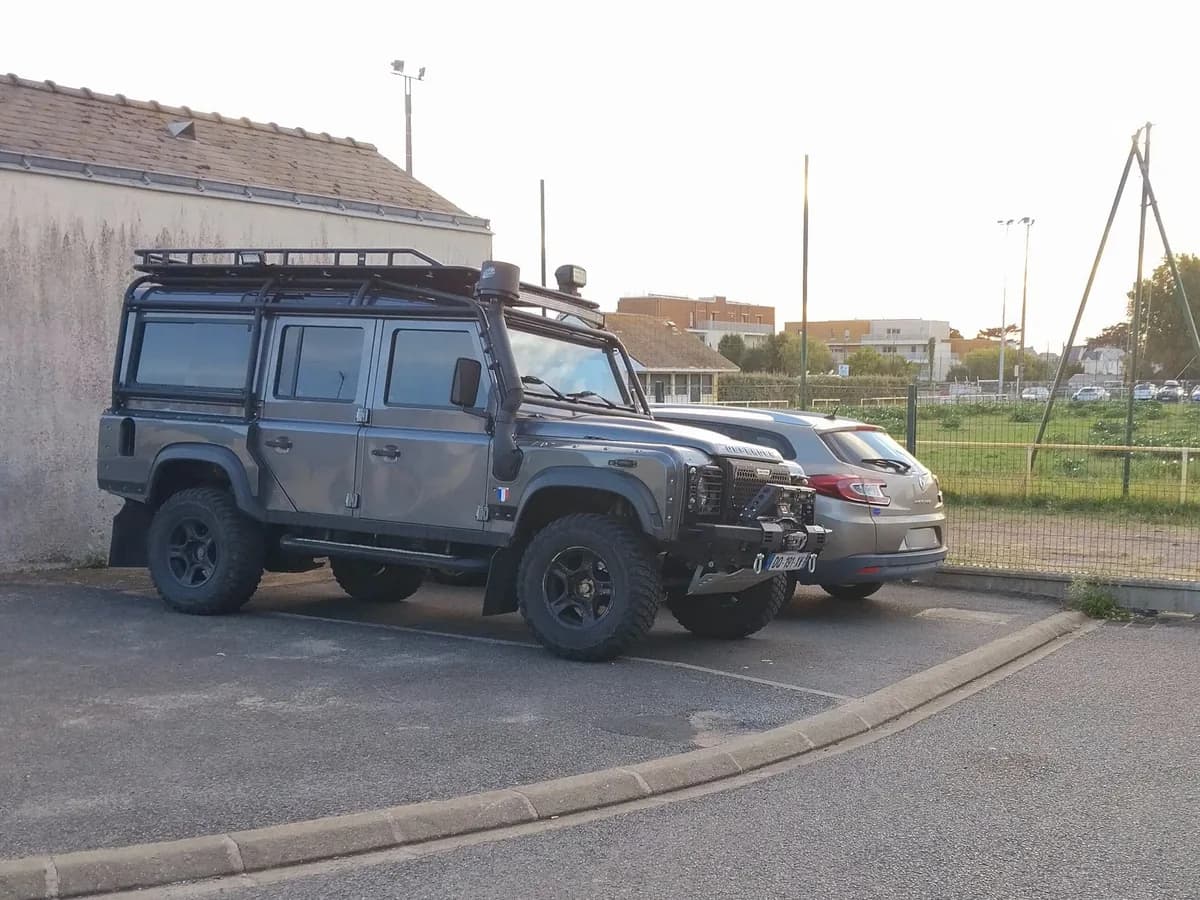
Defender
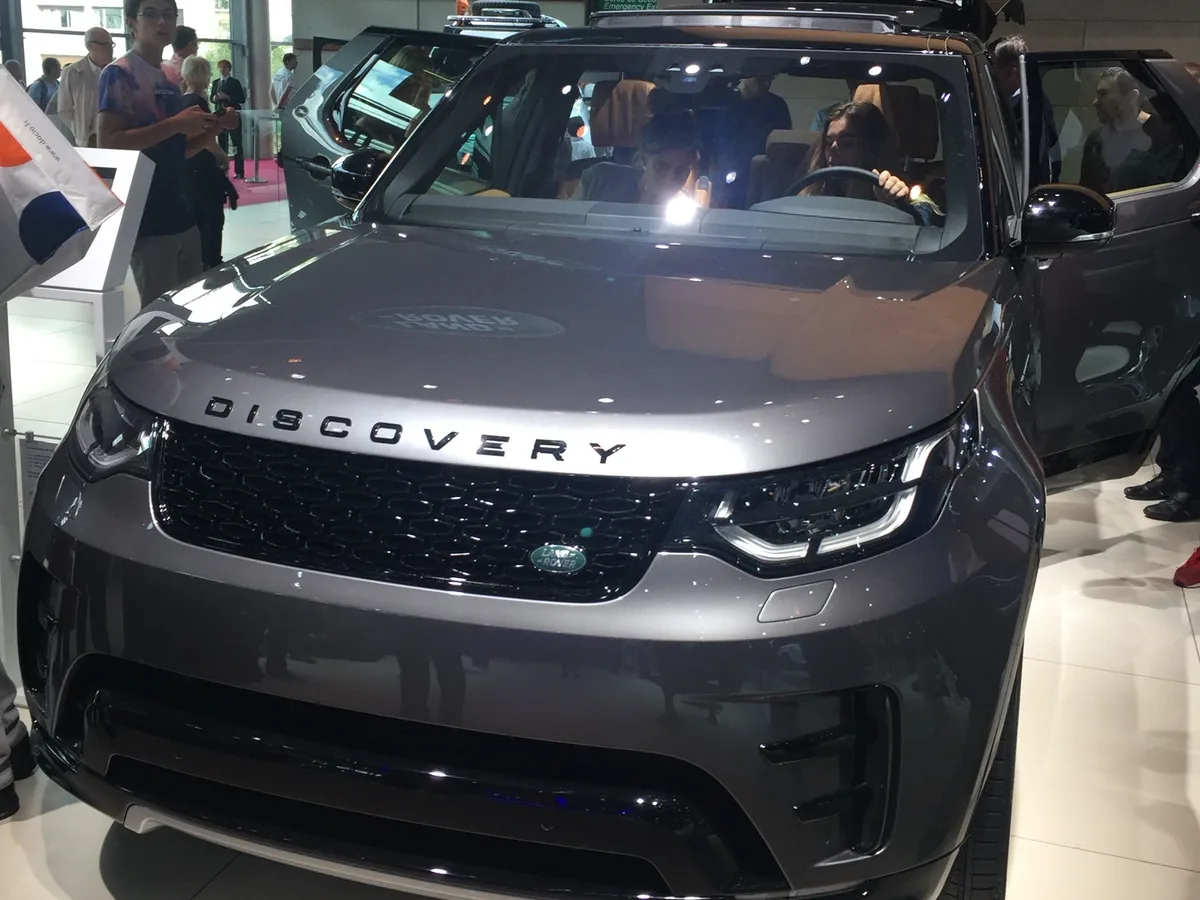
Discovery

Discovery Sport
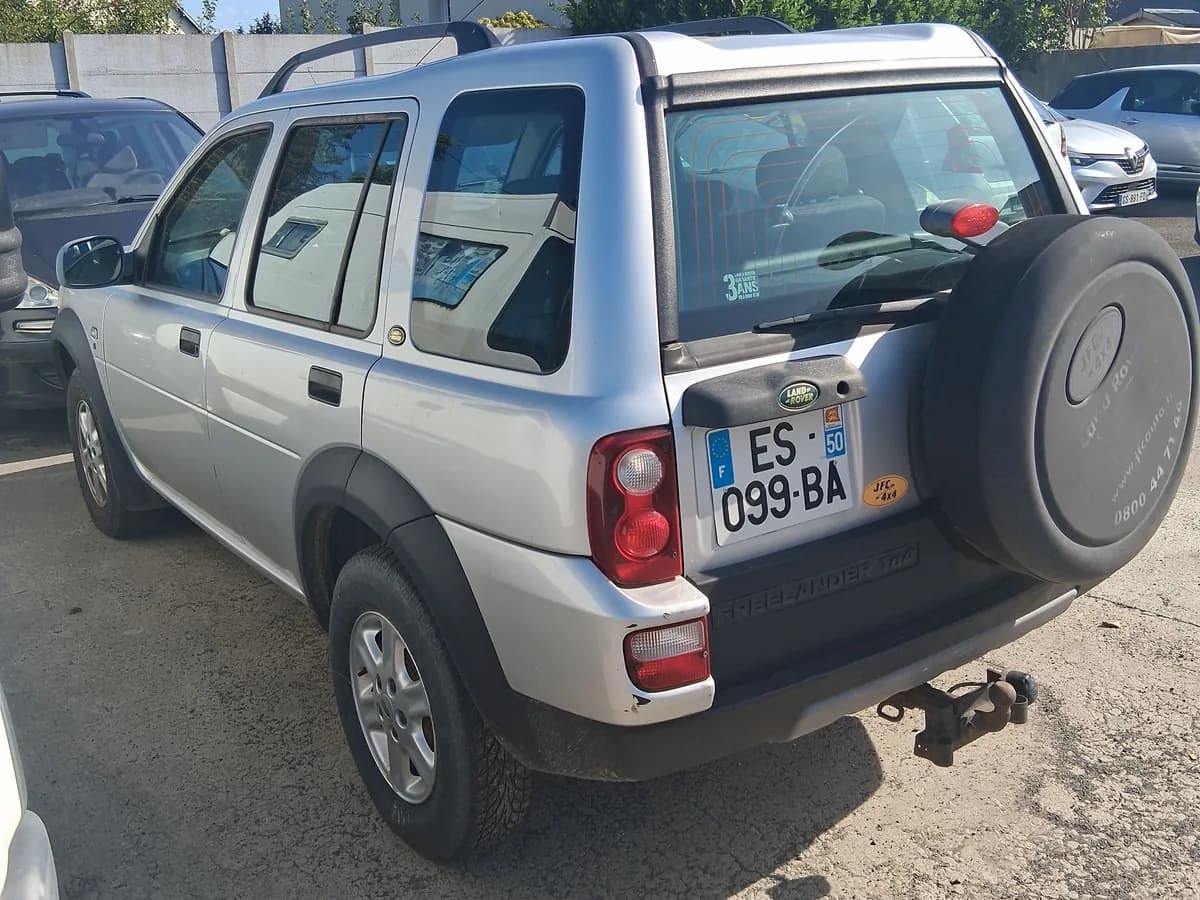
Freelander
Lightweight
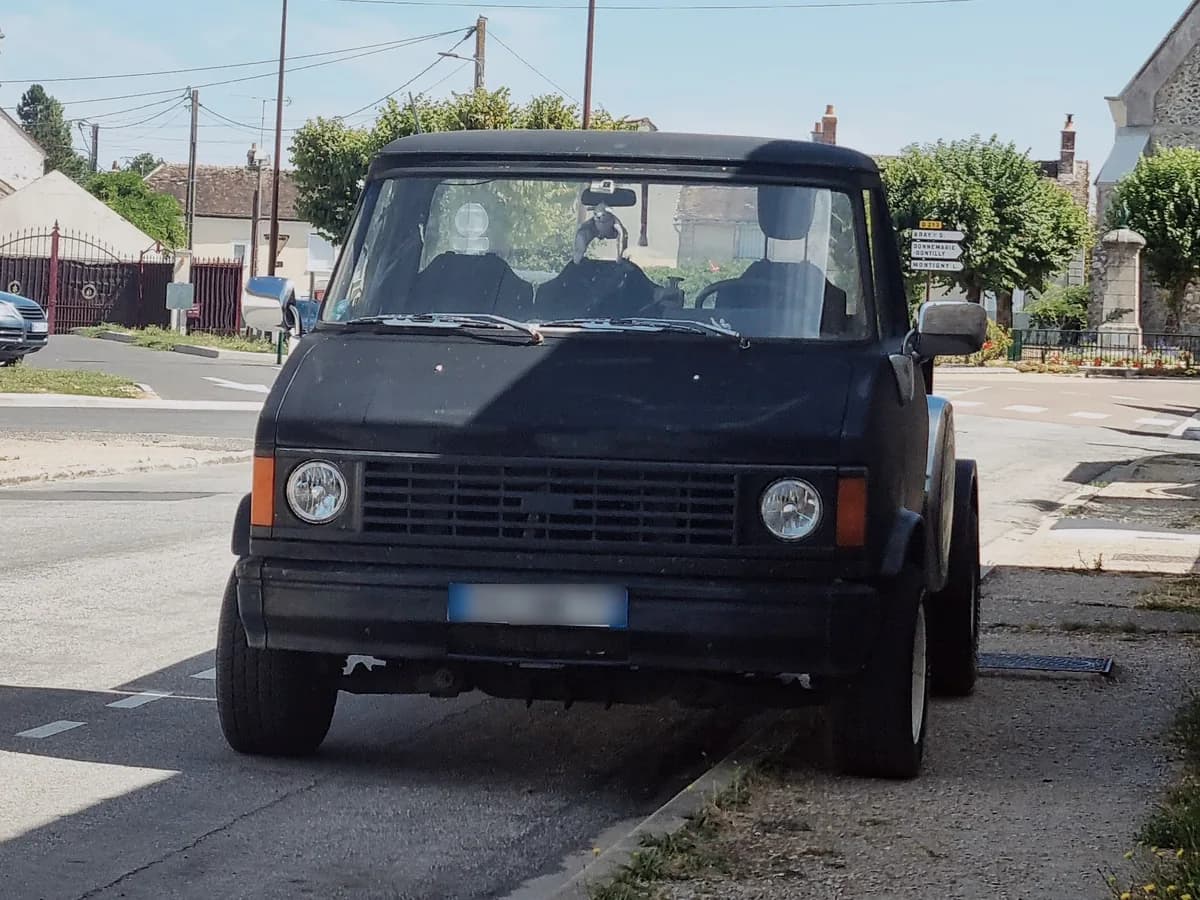
Range Rover

Range Rover Evoque

Range Rover Sport
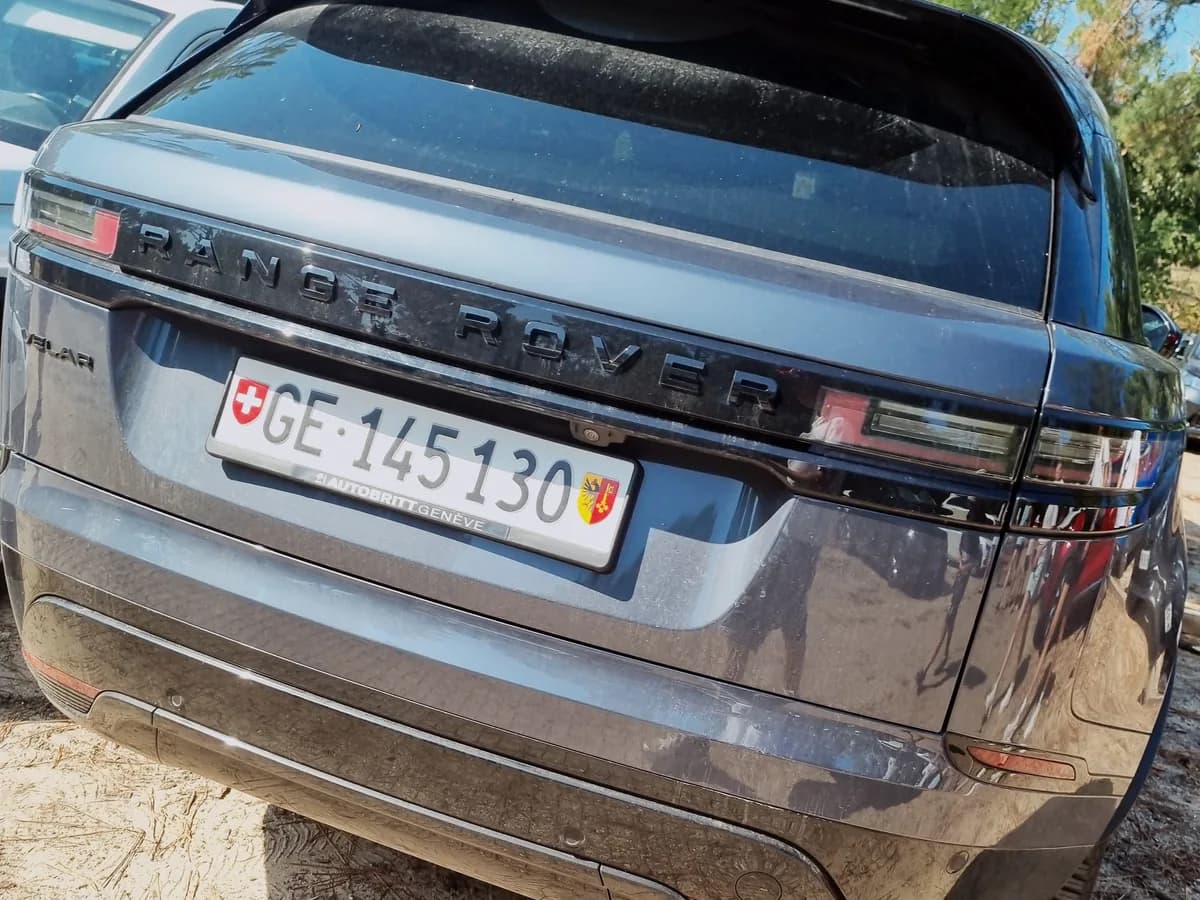
Range Rover Velar
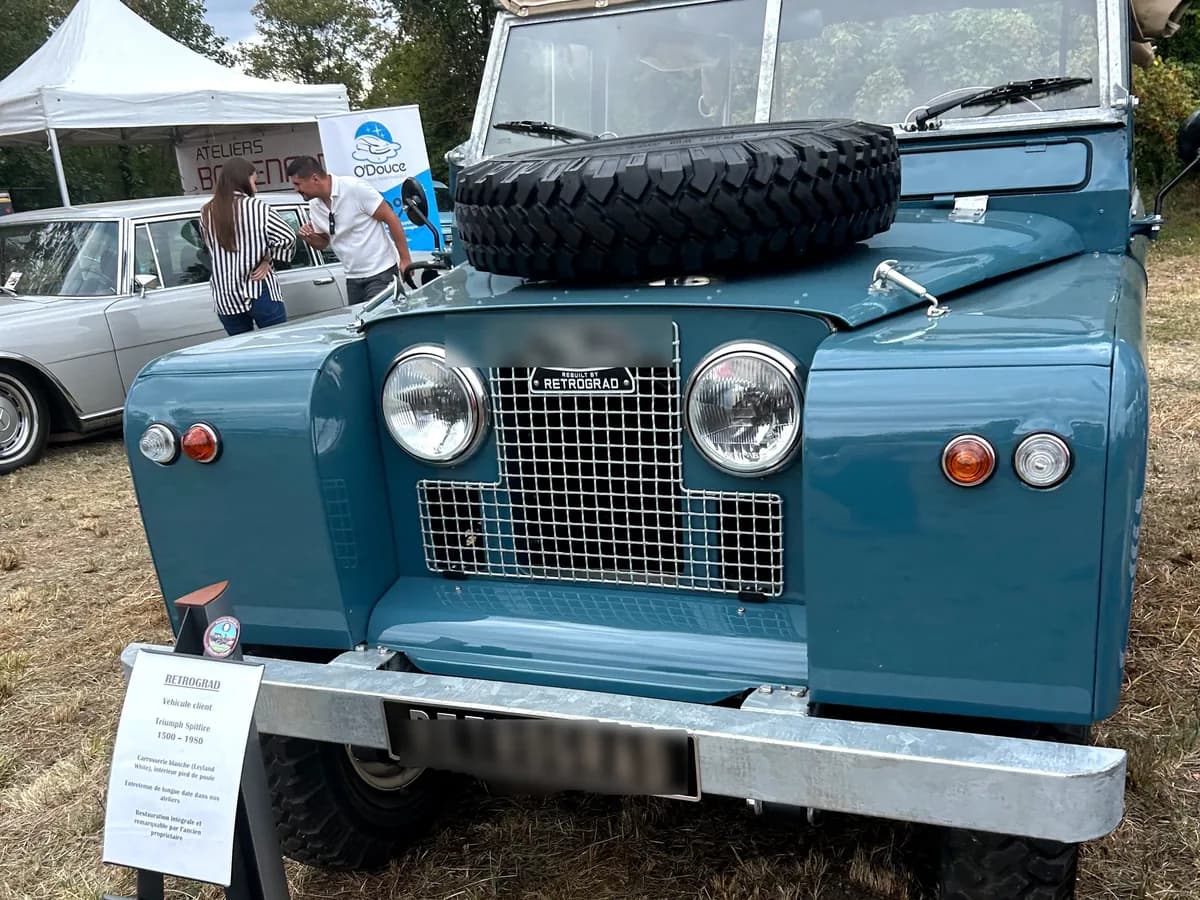
Series I
Series II
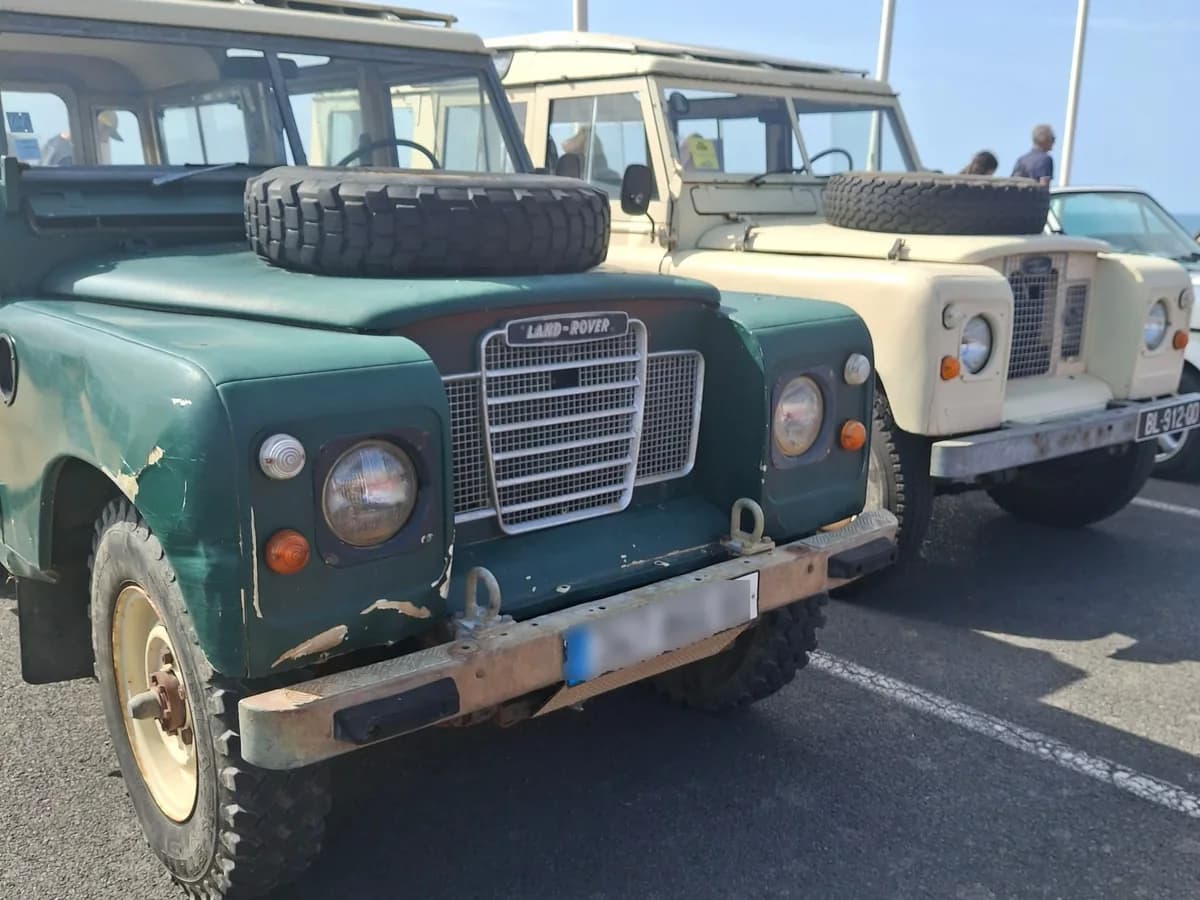
Series III
Land Rover overview
Land Rover history
Land Rover’s history begins within Rover after the Second World War. Chief engineer Maurice Wilks and managing director Spencer Wilks developed a versatile vehicle influenced in part by the military Jeep. The 1947 prototype led to the public debut in Amsterdam in April 1948 and subsequent production at Solihull. Britain’s post-war steel shortage encouraged the use of aluminium-alloy body panels, a feature that became closely associated with early Land Rovers. The Series II arrived in 1958 with revised bodywork and mechanical updates, followed by the Series III in 1971. In 1970, the Range Rover introduced a different interpretation of four-wheel drive: more spacious and refined, yet still engineered for serious off-road use. The Discovery followed in 1989, targeting family buyers with a combination of interior space, versatility and four-wheel-drive ability. In 1990, the Defender name was adopted to distinguish the historic utility line. Land Rover later expanded into several model families, including Freelander, Range Rover Sport, Range Rover Evoque, Discovery Sport and Range Rover Velar, gradually extending its reach from specialist utility vehicles into the premium SUV market.
Land Rover positioning
Land Rover has been built around a relatively uncommon combination: genuine off-road ability and an increasingly polished presentation. The Series models and Defender represent the marque’s utility side, with functional bodies, multiple wheelbase options and engineering intended for access to remote or difficult terrain. The Range Rover introduced a more luxurious interpretation of four-wheel drive in 1970, combining road comfort, permanent four-wheel drive and serious off-road capability. Discovery developed a more family-oriented proposition, placing greater emphasis on passenger space and versatility. Newer models such as the Evoque, Velar and Discovery Sport address more urban and road-focused uses while retaining visual and technical cues associated with Land Rover. Each family nevertheless has a distinct role: a Defender is not simply a cheaper Range Rover, and an Evoque does not pursue exactly the same priorities as a Series model.
Recognizing a Land Rover in a photo
To identify an older Land Rover, start with the overall shape, wheelbase and placement of the body panels. Series I, II and III vehicles have a square profile, separate front wings and a very upright cabin. The Series II introduced a more rounded waistline, while the Series III retained the classic architecture with detail and interior revisions. The Defender continued that basic silhouette, but its 90, 110 and 130 designations refer to different wheelbase and body-length configurations. The Range Rover Classic is identifiable by its lower bonnet, wider body and distinctive roofline; the earliest versions were two-door models. The Discovery adopted a more family-oriented body, with early examples distinguished by their raised rear roof section. Reliable identification requires several clues to be checked together, including badges, grille shape, hinges, lamps and wheelbase, because equipment and body conversions can make individual vehicles look different from their original specification.
Important Land Rover models
The Series I is the starting point of the lineage: introduced in 1948, it established the idea of a simple, robust and versatile Land Rover vehicle. The Series II and III continued that formula with revisions to bodywork, engines and equipment. The Defender is the direct heir to this utility architecture and remains one of the models most closely associated with the marque. The Range Rover occupies a different position. Launched in 1970, it combined comfort, a more upmarket presentation and off-road ability, later developing into a family that includes Range Rover Sport, Evoque and Velar. The Discovery, introduced in 1989, added a family-focused and versatile alternative. Freelander represented a more compact approach, while Discovery Sport continued that idea in a newer generation. Lightweight models and the earliest Series vehicles also reflect the specialist and military uses connected with Land Rover’s origins.
References
- History of the Defender: Series One to Present DayLand Rover UK
- 70 Years of Land RoverLand Rover Media
- Range Rover Celebrates 45 Years of Luxury, Design and InnovationLand Rover Media
- Land-Rover R04National Motor Museum Trust
- Weltpremiere am 19.9.1989: Heute vor genau 35 Jahren debütierte der DiscoveryLand Rover Media
- https://lr-mad.co.uk/land-rover-history/lr-mad.co.uk
- https://www.history.com/this-day-in-history/April-30/original-land-rover-debuts-at-auto-showhistory.com