
Range Rover Sport
Launched in 2005, the Land Rover Range Rover Sport introduced a more dynamic and slightly more compact direction within the Range Rover family. The 2004 Range Stormer concept previewed that formula, combining a sportier silhouette and elevated driving position with the all-terrain ability associated with Land Rover. The first generation, commonly identified by the L320 code, offered a supercharged V8, a naturally aspirated V8 and a V6 diesel, depending on the market. A new L494 generation arrived in 2013 with an aluminium-intensive architecture and a more contemporary design. It later introduced Land Rover’s first SVR-badged vehicle and a plug-in hybrid powertrain. The Range Rover Sport name therefore represents a significant evolution between 2005 and 2022: from a substantial, off-road-focused luxury SUV to a lighter, more advanced model with a stronger emphasis on road performance. (media.landrover.com)
What about the car you photographed?
Upload a photo to get a suggested make, model and likely year.
No account needed for the result · Publish only if you choose
Variants by year
Make: Land Rover · Model: Range Rover Sport
5 / 5 versions shown
2024

2022

2017
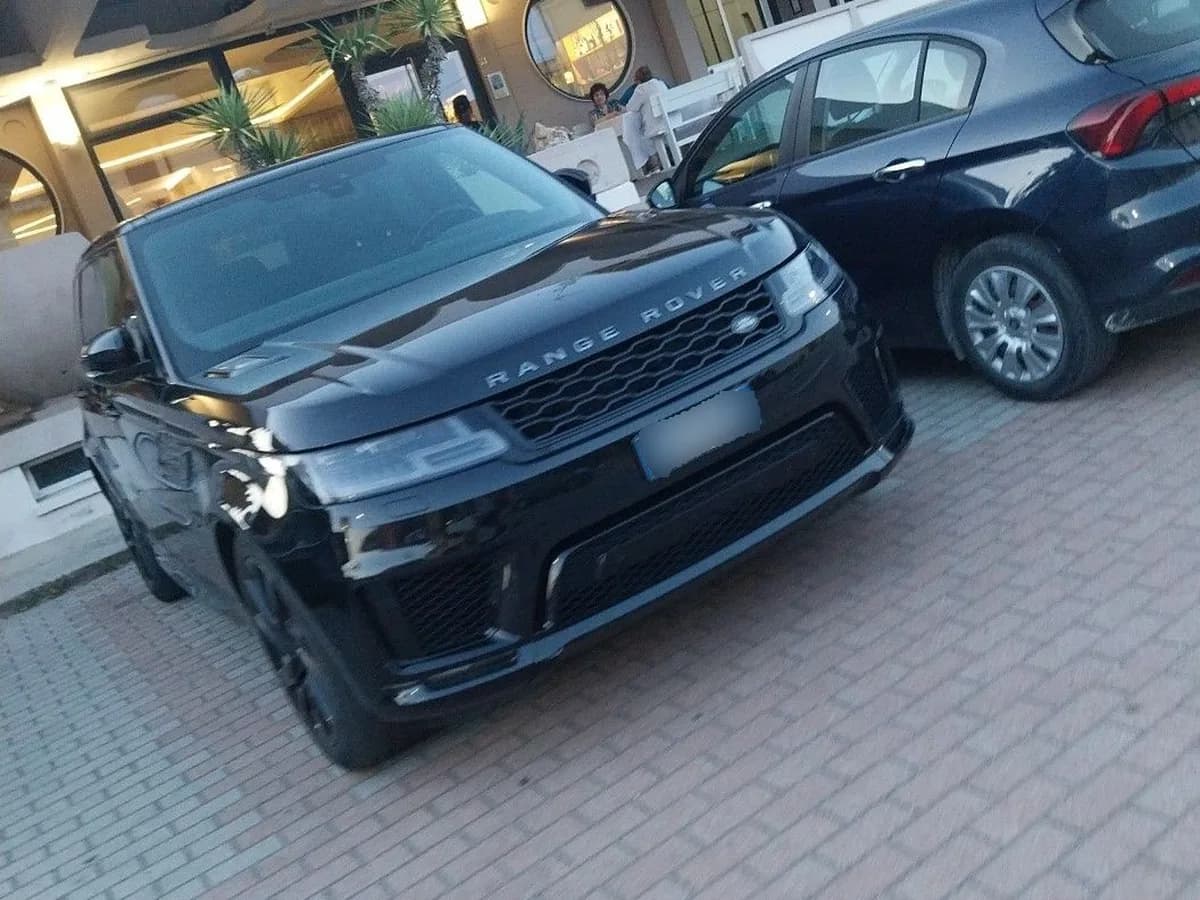
2013

2005
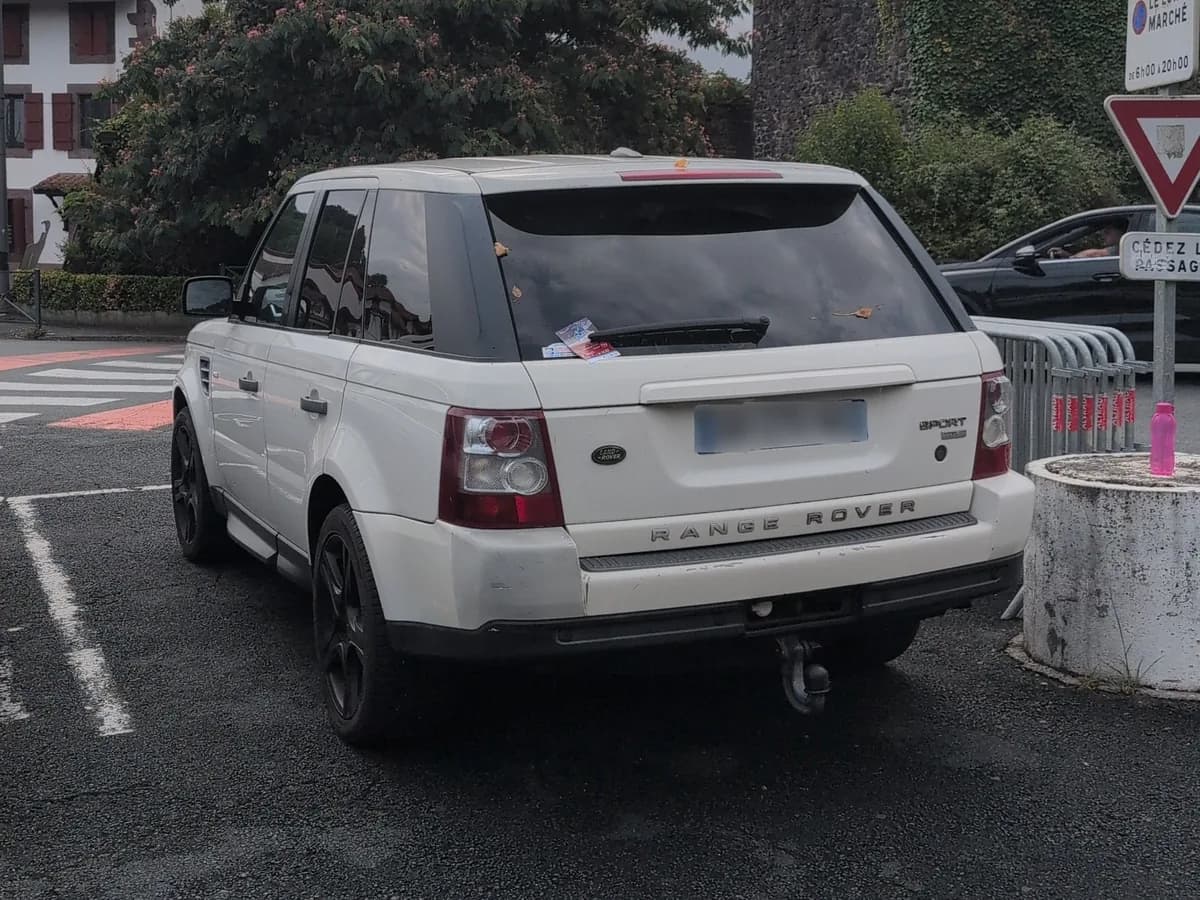
Land Rover Range Rover Sport photos
Model summary
Data from the ScanRacer library, organized to compare versions quickly.
Model introduction
Launched in 2005, the Land Rover Range Rover Sport introduced a more dynamic and slightly more compact direction within the Range Rover family. The 2004 Range Stormer concept previewed that formula, combining a sportier silhouette and elevated driving position with the all-terrain ability associated with Land Rover. The first generation, commonly identified by the L320 code, offered a supercharged V8, a naturally aspirated V8 and a V6 diesel, depending on the market. A new L494 generation arrived in 2013 with an aluminium-intensive architecture and a more contemporary design. It later introduced Land Rover’s first SVR-badged vehicle and a plug-in hybrid powertrain. The Range Rover Sport name therefore represents a significant evolution between 2005 and 2022: from a substantial, off-road-focused luxury SUV to a lighter, more advanced model with a stronger emphasis on road performance. (media.landrover.com)
History
The Range Rover Sport originated with the Range Stormer concept shown in 2004. The production model was revealed ahead of its public debut at the Detroit show in January 2005, with sales beginning from the middle of that year in Europe and North America. Land Rover positioned it between the Discovery and the Range Rover, giving it a five-door body, a sportier presentation and chassis tuning intended to improve agility on the road without sacrificing off-road capability. The first-generation L320 shared part of its technical foundation with the Discovery 3, while using its own Range Rover Sport exterior identity and cabin design. Equipment included systems such as Dynamic Response suspension and Terrain Response. A major change arrived for 2013 with the L494 generation. Its aluminium-intensive construction reduced weight and increased stiffness, helping to improve handling, comfort and efficiency. In 2014, the Range Rover Sport became the first Land Rover model to receive the SVR badge. The range also gained a plug-in hybrid variant in 2017. The third generation was introduced in 2022, marking the end of the period covered here for the referenced vehicles. (media.landrover.com)
Generations
The first generation, known by the L320 code, covers the model launched in 2005 and produced until the arrival of its successor in 2013. It can be recognized by its tall, square-sided body, relatively generous glass area and dashboard design influenced by the Range Rover of the period. Its engineering emphasized durability, ground clearance and off-road ability. Engine availability varied by country and included V6 and V8 petrol units alongside a V6 diesel. The second generation, identified as L494, was introduced in 2013. It has a smoother profile, slimmer pillars and a visually lower body. The more extensive use of aluminium is one of its main technical differences from the L320. This generation also expanded the role of chassis technology, driver assistance systems and electrified powertrains. It produced the SVR performance models and the P400e plug-in hybrid. The third generation, revealed in 2022 under the L461 code, adopted a cleaner interpretation of Range Rover Sport design and a newer electronic architecture. For historical identification within the 2005-2022 period, the L320/L494 split is the most useful reference point, while 2022 should be treated as a transition year because production and model-year timing can vary by market. (jlrnewsroom.media)
Key differences
The clearest distinction is between the L320 and L494 generations. The first looks taller and more upright, with a more traditional interior presentation. The second uses a sharper design, an aluminium-intensive structure and chassis tuning aimed more strongly at road precision. Engines and transmissions cannot be identified from the generation code alone, however, because availability changed by market, model year and trim level. Performance versions provide another useful distinction. The SVR badge appeared during the second generation and marked a much more overtly sporting specification than the regular models. The P400e is identifiable by its plug-in hybrid powertrain, introduced in 2017. Styling revisions within a single generation can also make identification difficult, particularly on facelifted vehicles. Comparing two examples therefore requires several clues: body shape, lighting design, dashboard layout, trim badges and the vehicle identification information. A single grille, wheel or bumper detail is rarely sufficient to establish the exact year or specification. (jlrnewsroom.media)
Photo recognition
An L320 Range Rover Sport generally has a tall body, a relatively upright roof and a substantial front end. Early examples use a more angular design, while later cars received revised bumpers and lighting. The overall shape remains squarer than the L494. The second generation is identified by lower, more elongated proportions, more sculpted sides and slimmer-looking glass areas. Door handles, headlamps and rear lights changed during the production run, so they can help distinguish a facelift but may not establish the exact year by themselves. The SVR badge, more aggressive exterior treatment and dedicated exhaust outlets indicate a high-performance version, although they do not independently confirm the model year. The most reliable approach is to compare several clues at once: side profile, lamp shape, dashboard design, wheels, exterior lettering and the vehicle identification code. Equipment differed between markets, and optional styling packages can imitate elements from higher trims. A single photograph or grille detail should therefore be treated as suggestive rather than conclusive. (media.landrover.com)
Important versions
The Base trim is one of the versions referenced across the 2005-2022 period. Historically, the most significant specifications include the first-generation Range Rover Sport Supercharged, which placed a supercharged V8 at the top of the original range, and the SVR introduced in 2014 as the first Land Rover model to carry that high-performance badge. The P400e, launched in 2017, marked another important step with its plug-in hybrid system. HSE, Autobiography and HST names were also used, depending on country and model year, but their exact equipment and engine combinations varied by market. They should therefore be treated as trim or commercial designations rather than universal mechanical specifications. (media.landrover.com)
References
- The Range Rover Sport – First ViewLand Rover Media Newsroom
- Notes to Editors: Range Rover Sport HeritageJaguar Land Rover Newsroom
- New Range Rover Sport Press Kit – Design ChapterLand Rover Media Newsroom
- Introducing the New Range Rover SportLand Rover Media Newsroom
- Land Rover Range Rover Sport: Models, Specs, and Buyer’s GuideCar & Classic
- 2015 Range Rover Sport SVRLand Rover Media Newsroom
- https://www.consumerreports.org/cars/land-rover/range-rover-sport/consumerreports.org
- https://www.cars.com/research/land_rover-range_rover_sport/cars.com
Technical specifications
Structured data available for versions linked to this model.
| Version | Power | Torque | Top speed | Drivetrain | Fuel |
|---|---|---|---|---|---|
| Base | 230 KW @ 4000 RPM313 HP @ 4000 RPM308 BHP @ 4000 RPM | 516 lb-ft @ 1500-3000 RPM700 Nm @ 1500-3000 RPM | 124 mph (200 km/h) | All Wheel Drive / 8-speed automatic transmission | Diesel |
Frequently asked questions
- What years was the Land Rover Range Rover Sport produced?
- ScanRacer's referenced versions cover 2005 - 2024.
- How many Land Rover Range Rover Sport examples are documented on ScanRacer?
- 9 published scans from 9 members, with the latest photo added in August 2026.
- What is the power output of the Land Rover Range Rover Sport?
- The sourced technical data lists 230 KW @ 4000 RPM313 HP @ 4000 RPM308 BHP @ 4000 RPM.
What about the car you photographed?
Upload a photo to get a suggested make, model and likely year.
No account needed for the result · Publish only if you choose