
Defender
The Land Rover Defender traces its roots to the all-terrain vehicles launched by Land Rover after 1948, but its modern story begins with the 1983 One Ten and the 1984 Ninety. These models introduced coil-sprung suspension and established the shape associated with the classic Defender. The Defender name arrived in 1990, when the 90, 110 and 127/130 designations were brought together under one identity. Production of the historic model ended in 2016, before Land Rover introduced a substantially re-engineered Defender for the 2020 model year. The new vehicle retained the 90 and 110 names and later added the 130, while adopting a different platform, more advanced electronics and a more modern cabin. The Defender therefore combines a long-running design tradition with a clear technical break between the classic utility vehicle and its contemporary successor. (landrover.com)
What about the car you photographed?
Upload a photo to get a suggested make, model and likely year.
No account needed for the result · Publish only if you choose
Variants by year
Make: Land Rover · Model: Defender
13 / 13 versions shown
2022
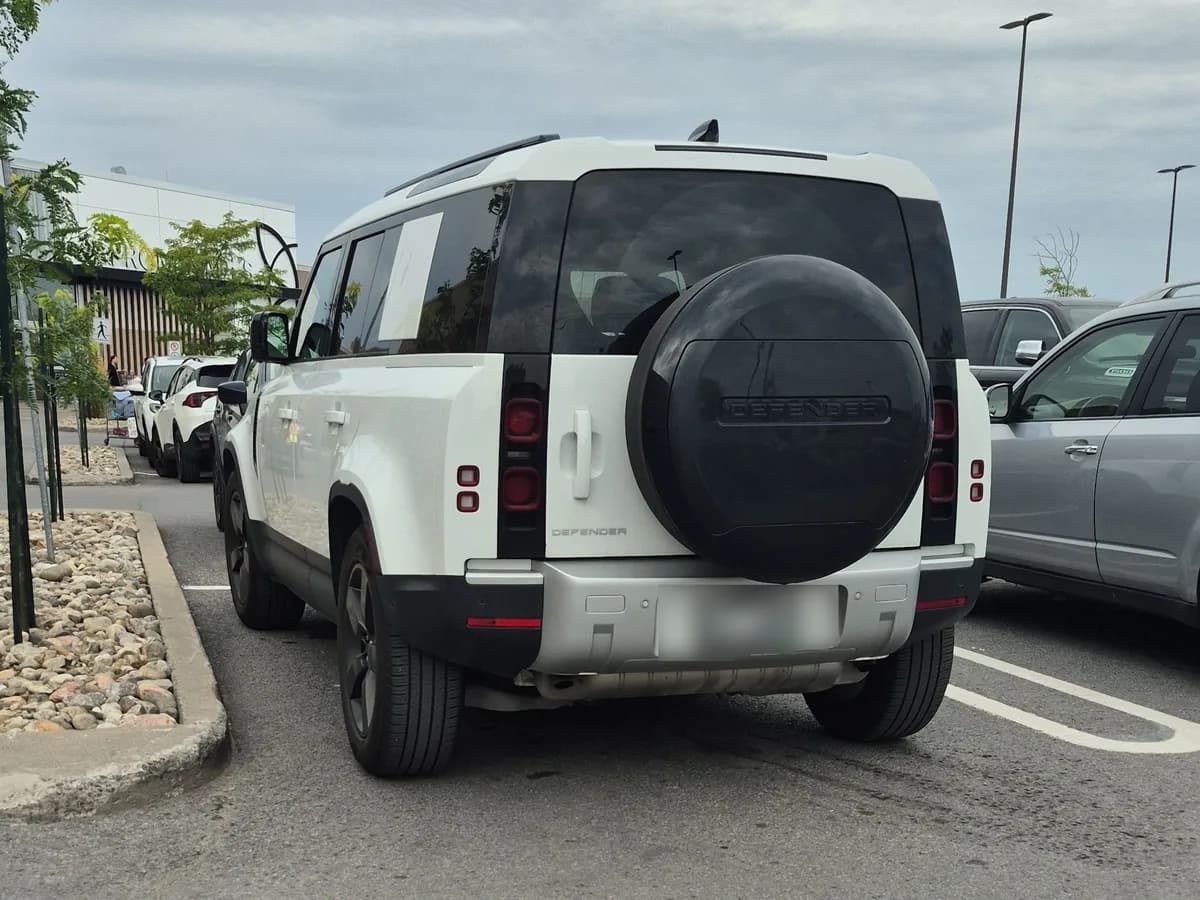
2021

2020
1985

1984
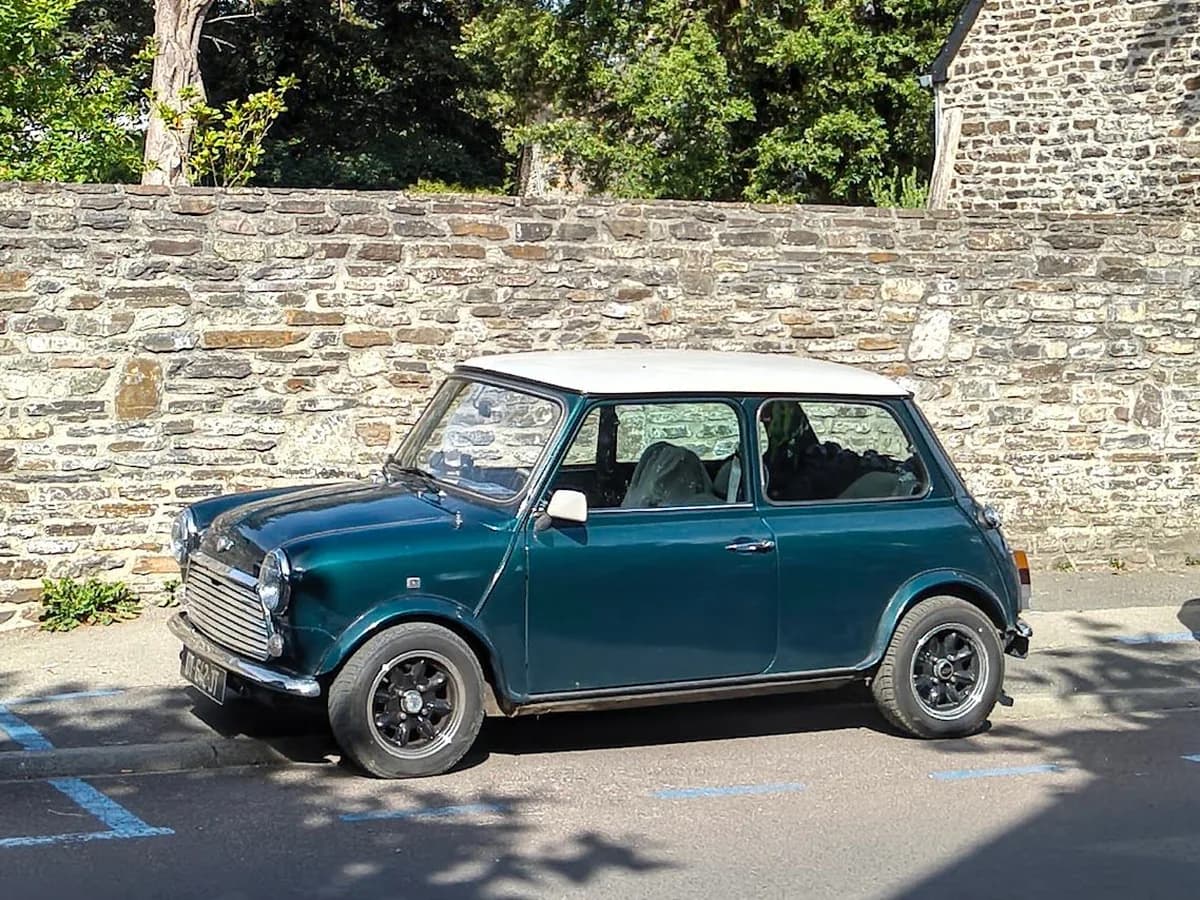
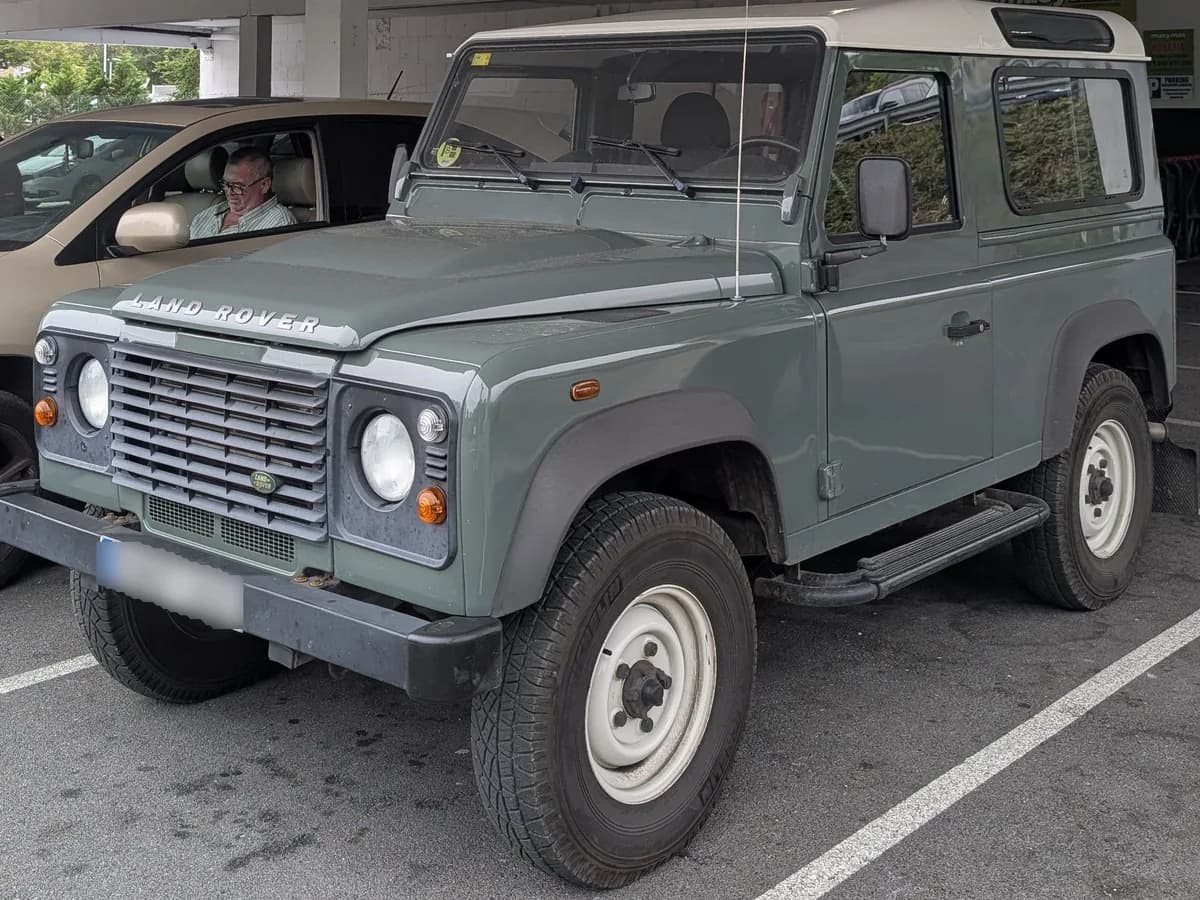
1983
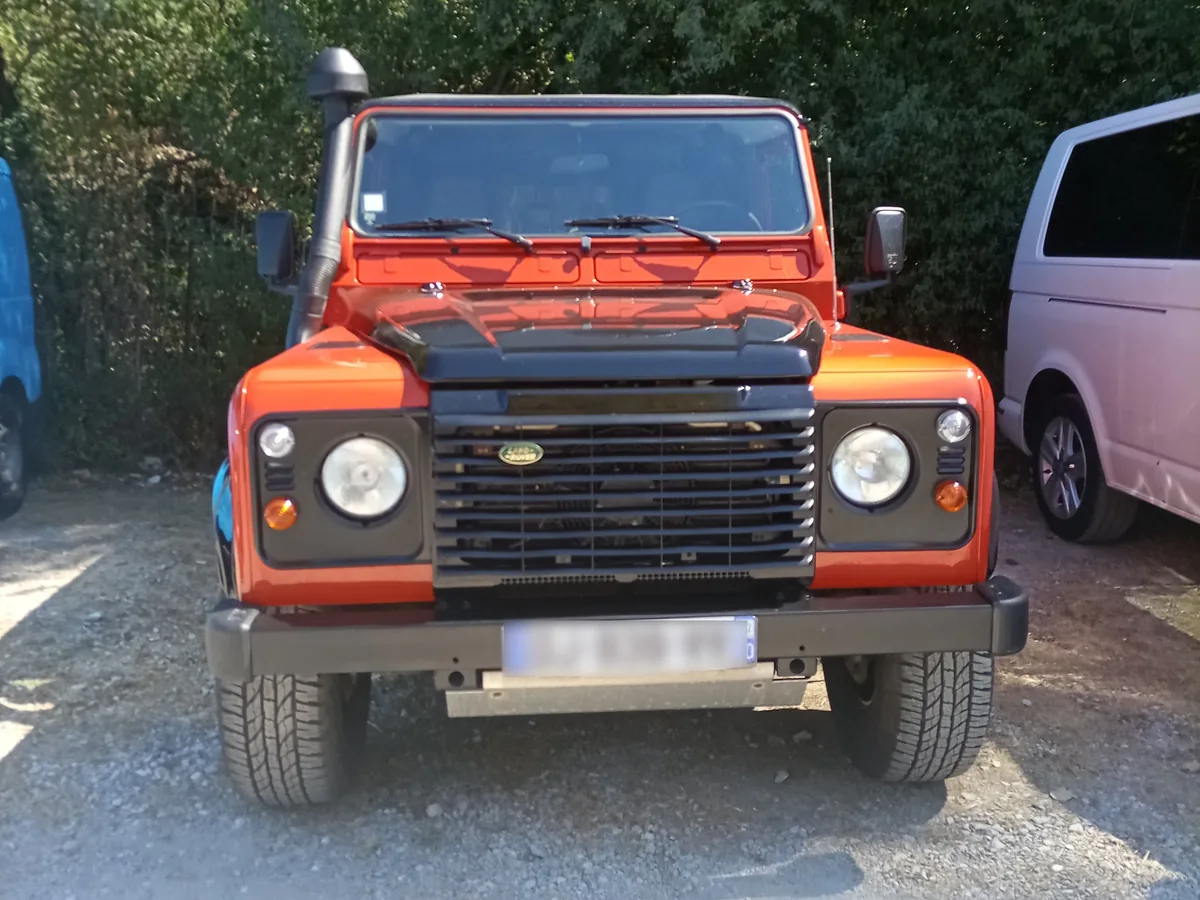
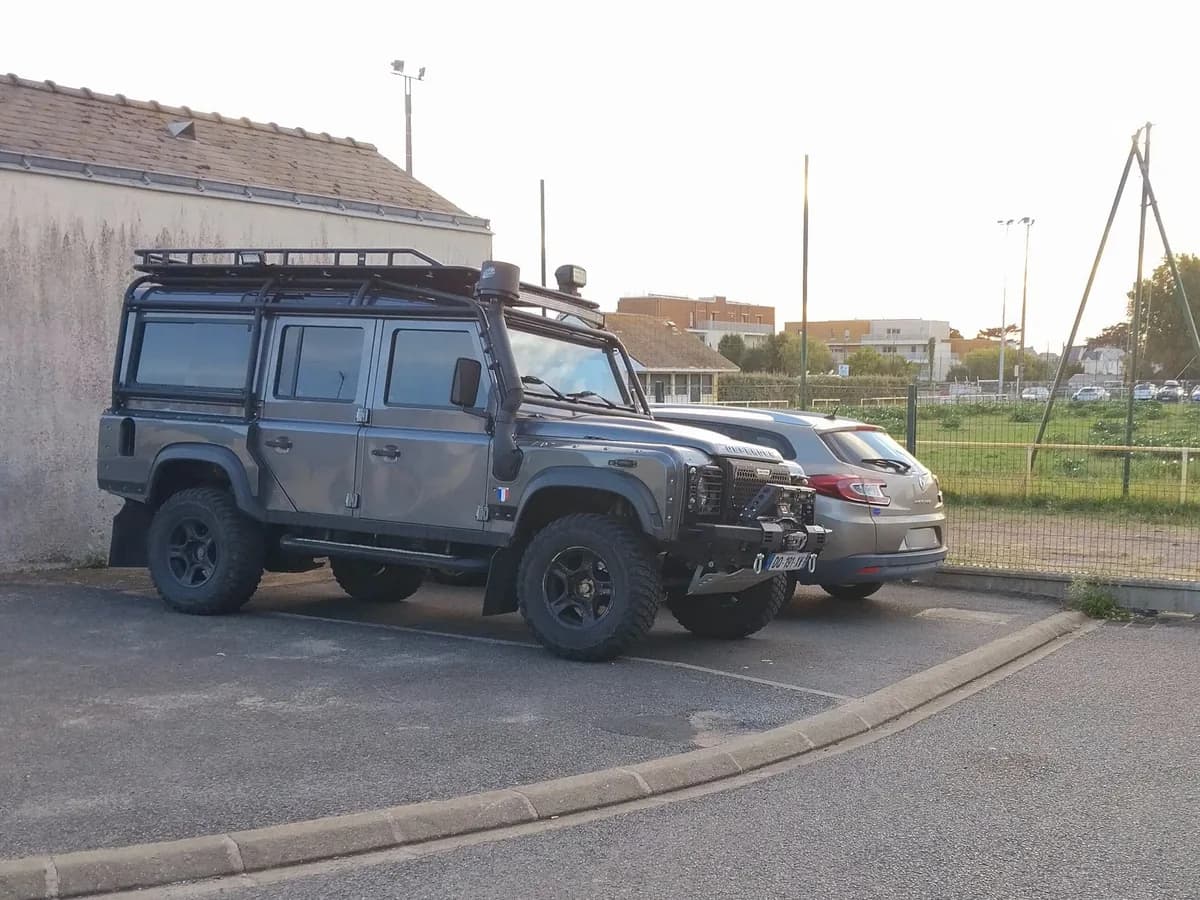
Land Rover Defender photos
Model summary
Data from the ScanRacer library, organized to compare versions quickly.
Model introduction
The Land Rover Defender traces its roots to the all-terrain vehicles launched by Land Rover after 1948, but its modern story begins with the 1983 One Ten and the 1984 Ninety. These models introduced coil-sprung suspension and established the shape associated with the classic Defender. The Defender name arrived in 1990, when the 90, 110 and 127/130 designations were brought together under one identity. Production of the historic model ended in 2016, before Land Rover introduced a substantially re-engineered Defender for the 2020 model year. The new vehicle retained the 90 and 110 names and later added the 130, while adopting a different platform, more advanced electronics and a more modern cabin. The Defender therefore combines a long-running design tradition with a clear technical break between the classic utility vehicle and its contemporary successor. (landrover.com)
History
The Defender belongs to the same broad lineage as the first Land Rover, introduced in 1948. In 1983, the One Ten brought a modernized chassis, coil-sprung suspension and the exterior design language that would remain recognizable for more than three decades. The Ninety followed in 1984. The numbers initially referred broadly to wheelbase measurements in inches and helped distinguish short- and long-wheelbase vehicles. In 1990, Land Rover formally adopted the Defender name and applied it to the Defender 90, 110 and 130. Development thereafter was evolutionary rather than revolutionary: the square, functional body remained, while engines, transmissions and equipment changed according to model year and market. Utility bodies, pickups, soft tops, hardtops and chassis-cab configurations made the vehicle useful for commercial, military, agricultural and recreational roles. The final classic Defender was built in 2016. Land Rover revealed an extensively re-engineered replacement in 2019 for the 2020 model year. It kept the familiar 90 and 110 designations but used the D7x architecture, a more rigid body structure and significantly more advanced electronic off-road systems. (landrover.com)
Generations
The Defender can be divided into two broad phases, although not every mechanical update should be treated as a separate generation. The first is the classic Defender, developed from the 1983 One Ten and 1984 Ninety. It is defined by a highly upright body, a separate chassis, live axles, a utilitarian cabin and a wide range of body configurations. The Defender name appeared in 1990, but this was primarily a commercial renaming and rationalization of the 90, 110 and 130 designations rather than a complete engineering break. Later improvements focused on engines, gearboxes, refinement and equipment. The second phase began with the vehicle revealed in 2019 for the 2020 model year. This was a new design based on the D7x architecture, initially offered in 90 and 110 body styles. It added a much stiffer structure, modern connectivity, configurable Terrain Response and a more adaptable interior. The 130 subsequently extended the range with a longer body. Correct identification therefore requires attention to year, body style and market, since equipment and powertrains changed considerably across the classic and modern eras. (landrover.com)
Key differences
The most obvious differences concern body size. The Defender 90 is the short-wheelbase model, generally associated with a more compact footprint and greater visual agility. The 110 provides additional length and interior capacity, making it more suitable for passengers, equipment or mixed use. Where offered, the 130 extends that idea with a longer body and greater carrying potential. The number alone is not enough to establish a complete specification, however: engines, transmissions, door layouts, equipment and body types varied by year and market. The divide between classic and modern Defenders is more substantial. The classic vehicle uses a rugged, utility-focused design with live axles and a separate chassis, while the modern Defender uses the D7x architecture, more extensive electronic assistance and a significantly more sophisticated cabin. As a result, the 90, 110 and 130 labels do not represent exactly the same engineering concept across both eras. (media.landrover.com)
Photo recognition
A classic Defender is identified by its boxy profile, flat hood, upright glazing and usually externally mounted spare wheel. Vehicles descended from the One Ten and Ninety share a distinctive front-end treatment, while soft tops, pickups, hardtops and chassis-cab versions can make the rear body look very different. The 90, 110 or 130 number provides a useful clue to size, but it does not establish the exact model year. The Defender name on the body generally points to the period after 1990, whereas the One Ten and Ninety used their own names before that change. The modern Defender is broader and more contemporary, with short overhangs, an external spare wheel and modern lighting signatures. Its cabin is easily recognized by a more structured dashboard, central display and more developed trim. Reliable identification requires several clues together: year, body style, badges, wheelbase designation and original market. Accessories and conversions can also disguise the factory configuration, particularly on older utility vehicles. (landrover.com)
Important versions
The most representative versions begin with the 1983 One Ten and 1984 Ninety, which established the foundations of the classic Defender. The Defender 90 is the short-wheelbase format, while the 110 and 130 address greater passenger, cargo or utility requirements. The 90 and 110 were also available in pickup, soft-top, hardtop and chassis configurations intended for conversion. The modern Defender arrived first as a 110 for the 2020 model year, followed by the 90 and later the 130. Special editions, including commemorative models, may have additional historical or collector interest, but their equipment and availability depend on the market. When comparing examples, the body style and production period are often more informative than the badge alone, since the same numerical designation was used across two technically different eras. (media.landrover.com)
References
- The Defender StoryLand Rover
- Land Rover Launches a Year of Defender CelebrationsLand Rover Media
- Land Rover Announces 70th Anniversary CelebrationsLand Rover Media
- Introducing the New 2020 Land Rover DefenderLand Rover Media
- Land Rover Reveals New 2020 Defender in the U.S.Land Rover Media
- New Defender Honors Its Lineage with 75th Limited EditionLand Rover Media
- We Drive Every Generation of Land Rover DefenderCar and Driver
- https://media.landrover.com/en-gb/news/2015/01/land-rover-launches-year-defender-celebrations-giant-1km-sand-drawing-and-trio-limitedmedia.landrover.com
Technical specifications
Structured data available for versions linked to this model.
| Version | Power | Torque | Top speed | Drivetrain | Fuel |
|---|---|---|---|---|---|
| — | Jusqu'à 400 CV | — | — | Transmission intégrale permanente / Boîte automatique à huit rapports | — |
Frequently asked questions
- What years was the Land Rover Defender produced?
- ScanRacer's referenced versions cover 1983 - 2022.
- How many Land Rover Defender examples are documented on ScanRacer?
- 18 published scans from 16 members, with the latest photo added in September 2026.
- What is the power output of the Land Rover Defender?
- The sourced technical data lists Jusqu'à 400 CV.
What about the car you photographed?
Upload a photo to get a suggested make, model and likely year.
No account needed for the result · Publish only if you choose