
Discovery
Introduced in 1989, the Land Rover Discovery was developed as a more attainable family-oriented 4x4 than the Range Rover while retaining the brand’s off-road capability. The original design combined a boxy body, a raised rear roof and distinctive side glazing, with more practical passenger and luggage space than a traditional Defender. Through 2017, the nameplate progressed through four established generations before an all-new fifth-generation model arrived for the 2017 model year. Early Discoverys emphasized straightforward mechanical hardware and utility, while the Discovery 3 and Discovery 4 moved toward a more refined SUV concept with electronically controlled independent air suspension. Naming also varied by market: the third and fourth generations were sold as the LR3 and LR4 in North America and some other regions. The period covered here therefore spans a major transition from classic ladder-frame 4x4 design to lightweight aluminum construction.
What about the car you photographed?
Upload a photo to get a suggested make, model and likely year.
No account needed for the result · Publish only if you choose
Variants by year
Make: Land Rover · Model: Discovery
5 / 5 versions shown
2017
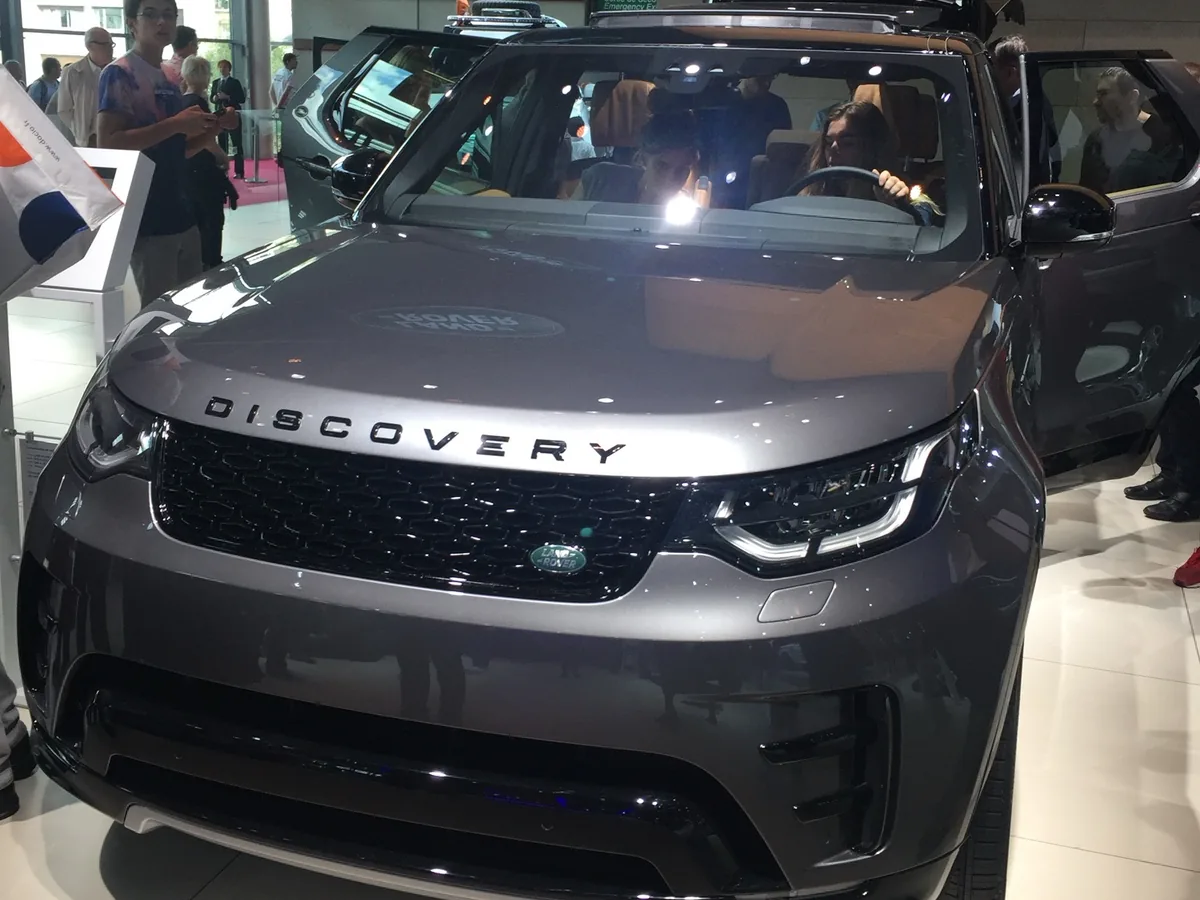
2009

2004
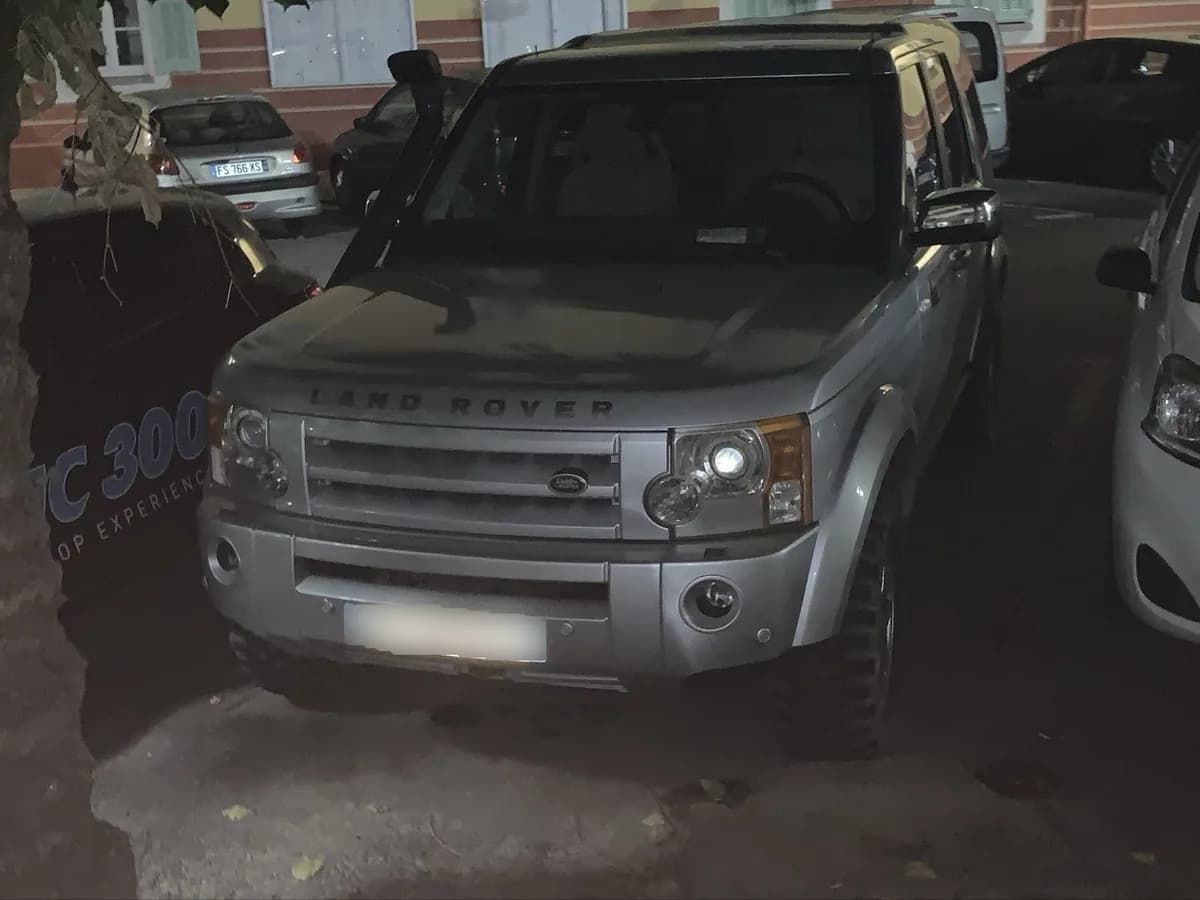
1998
1989
Land Rover Discovery photos
Model summary
Data from the ScanRacer library, organized to compare versions quickly.
Model introduction
Introduced in 1989, the Land Rover Discovery was developed as a more attainable family-oriented 4x4 than the Range Rover while retaining the brand’s off-road capability. The original design combined a boxy body, a raised rear roof and distinctive side glazing, with more practical passenger and luggage space than a traditional Defender. Through 2017, the nameplate progressed through four established generations before an all-new fifth-generation model arrived for the 2017 model year. Early Discoverys emphasized straightforward mechanical hardware and utility, while the Discovery 3 and Discovery 4 moved toward a more refined SUV concept with electronically controlled independent air suspension. Naming also varied by market: the third and fourth generations were sold as the LR3 and LR4 in North America and some other regions. The period covered here therefore spans a major transition from classic ladder-frame 4x4 design to lightweight aluminum construction.
History
The Discovery was unveiled at the 1989 Frankfurt Motor Show, when Land Rover was seeking a position between the utilitarian Defender and the increasingly upmarket Range Rover. The first model drew on Range Rover engineering but presented it in a more practical, family-oriented package. It launched as a three-door vehicle, followed by a five-door version in 1990. Early examples are particularly identifiable by their side graphics, stepped roofline and small upper rear windows, features intended to improve light and visibility for occupants in the rear seats. The second generation arrived in 1999. It retained the concept of a durable family 4x4 while introducing updated bodywork, equipment and electronic control systems. The 2004 Discovery 3 represented a more substantial change, emphasizing road comfort, interior flexibility and electronically controlled independent air suspension. Introduced for 2009, the Discovery 4 was a heavily revised development of that platform, with updated styling, increased refinement and different engine selections depending on the market. Land Rover revealed the fifth generation in 2016, with sales beginning for the 2017 model year. It moved to extensive aluminum construction, a smoother exterior design and seating for up to seven adults. As a result, the 2017 transition year can include both late Discovery 4/LR4 vehicles and the new Discovery 5, depending on market and production timing.
Generations
The first generation, commonly known as Discovery 1 or Series I, is generally dated from 1989 to 1999 in Land Rover’s historical material. It used engineering derived from the Range Rover, including a ladder-frame layout, beam axles and coil springs, beneath a body distinguished by its raised rear roof. Three- and five-door versions were offered during the early part of its career, with the five-door configuration becoming the main family-oriented format. Discovery 2 arrived in 1999 and remained conceptually close to the original vehicle while receiving revised bodywork and additional electronic systems. It retained beam axles and coil springs, although some higher-specification versions used rear self-leveling air springs. The Discovery 3, introduced in 2004, brought a more significant technical shift with electronically controlled independent air suspension, a more modern structure and a flexible multi-row interior. In North America, it was marketed as the LR3. The Discovery 4 appeared for 2009 and developed the Discovery 3 formula rather than replacing it with a completely unrelated design. It introduced revised front-end styling, upgraded equipment and updated engine choices that varied by market. It was sold as the LR4 in several regions, including North America. The fifth-generation Discovery followed for 2017, adopting extensive aluminum construction, a smoother body shape and a more technology-focused interpretation of the full-size seven-seat SUV.
Key differences
The main differences between generations concern chassis design, refinement and the way off-road ability is integrated into the vehicle. Discovery 1 and Discovery 2 remain closest to the traditional 4x4 formula, with beam axles, coil springs, boxy styling and a more mechanical driving environment. The Discovery 3 introduced a major technical change through electronically controlled independent air suspension, improving both road manners and control of ride height away from paved roads. The Discovery 4 retained that basic architecture but added a more polished cabin, improved refinement and revised exterior styling. The move to the Discovery 5 for 2017 is more obvious from the outside. Its body is smoother and its aluminum-intensive structure was reported by Land Rover to cut approximately 1,000 pounds compared with the outgoing LR4 in the North American specification. Terrain Response systems, towing assistance and flexible seating for up to seven adults were presented as part of a more premium family-SUV package. Market naming is another useful distinction: the third and fourth generations were sold as the LR3 and LR4 in several regions, while the 2017 model restored the Discovery name in North America. Engine availability and trim names should always be checked against the vehicle’s market and model year.
Photo recognition
A Discovery 1 is easiest to identify by its upright body, stepped rear roof, upper rear side windows and, on many early examples, prominent side graphics. Early three-door vehicles look visibly shorter behind the front doors, while the five-door version has a longer and more practical side profile. Discovery 2 kept a similar overall shape but received revised bumpers, lamps and body details. Distinguishing the first two generations from a single photograph can be difficult, so the build year, badging and equipment are often more dependable than the general silhouette alone. The Discovery 3 has a squarer but more contemporary body, thick pillars and a distinctive side-door access arrangement for the third row. Its North American equivalent is badged LR3. Discovery 4 can usually be recognized by its redesigned front end, updated lamps and smoother presentation; it was sold as the LR4 in several markets. The 2017 Discovery 5 is much more rounded, with a flowing roof, sculpted flanks, a slimmer-looking grille and a more integrated rear design. Because naming differed between regions, the market-specific badge is important when identifying a vehicle. Trim names, engine badges and wheel designs can also vary, so they should be treated as supporting clues rather than universal identifiers.
Important versions
The original three-door Discovery launched in 1989 is historically significant because it preceded the five-door model introduced in 1990. Vehicles fitted with Tdi engines, followed by Discovery 2 models using the Td5 diesel, reflect the importance of diesel power in the European range. Camel Trophy-related editions are also notable because they connect the production model with the support vehicles used during 1990s expeditions, although equipment and naming differed between countries. The Discovery 3/LR3 and Discovery 4/LR4 represent the most developed versions of the model’s first major modern architecture. The Discovery 4 also introduced the 3.0-liter V6 diesel on some markets, replacing or supplementing earlier engine choices depending on the year. For 2017, the fifth-generation Discovery introduced a new lightweight platform and, in North America, was offered in grades including SE, HSE, HSE Luxury and First Edition. These trim names are market-specific and should not be assumed for vehicles sold elsewhere. Exact equipment, engines and body configurations depend on model year and regional specification.
References
- Discovery Series 1-4: Used, Parts & ServicingLand Rover
- Land Rover Discovery: 20 FactsLand Rover
- The Land Rover Discovery: History, Generations, SpecificationsMotorTrend
- New Land Rover Discovery 5 vs 4, 3, 2 and 1Auto Express
- https://www.iseecars.com/car/land-rover-discovery/generationsiseecars.com
- https://www.classic.com/m/land-rover/discovery?page=1classic.com
- https://www.cars.com/research/land_rover-discovery/cars.com
Technical specifications
Structured data available for versions linked to this model.
| Version | Power | Torque | Top speed | Drivetrain | Fuel |
|---|---|---|---|---|---|
| — | 340 horsepower (gasoline) or 254 horsepower (diesel) | — | — | Four-wheel drive / ZF 8-speed automatic transmission | — |
Frequently asked questions
- What years was the Land Rover Discovery produced?
- ScanRacer's referenced versions cover 1989 - 2017.
- How many Land Rover Discovery examples are documented on ScanRacer?
- 7 published scans from 6 members, with the latest photo added in September 2026.
- What is the power output of the Land Rover Discovery?
- The sourced technical data lists 340 horsepower (gasoline) or 254 horsepower (diesel).
What about the car you photographed?
Upload a photo to get a suggested make, model and likely year.
No account needed for the result · Publish only if you choose