
Range Rover
Introduced in 1970, the Land Rover Range Rover combined genuine off-road ability with a level of comfort that was unusual for a four-wheel-drive vehicle. Its original two-door shape, clamshell bonnet, floating-roof impression and split tailgate established design cues that remained recognizable for more than five decades. Originally conceived as a versatile vehicle with permanent four-wheel drive, the Range Rover gradually gained greater refinement, equipment and performance while retaining its all-terrain character. The Classic, P38a, L322 and L405 generations each represented a major step in that development, followed by the fifth-generation model unveiled in October 2021 for the 2022 model year. The Range Rover’s history therefore charts the transformation of an innovative family 4x4 into a globally positioned luxury SUV, without completely separating road-going comfort from Land Rover’s traditional engineering priorities.
What about the car you photographed?
Upload a photo to get a suggested make, model and likely year.
No account needed for the result · Publish only if you choose
Variants by year
Make: Land Rover · Model: Range Rover
6 / 6 versions shown
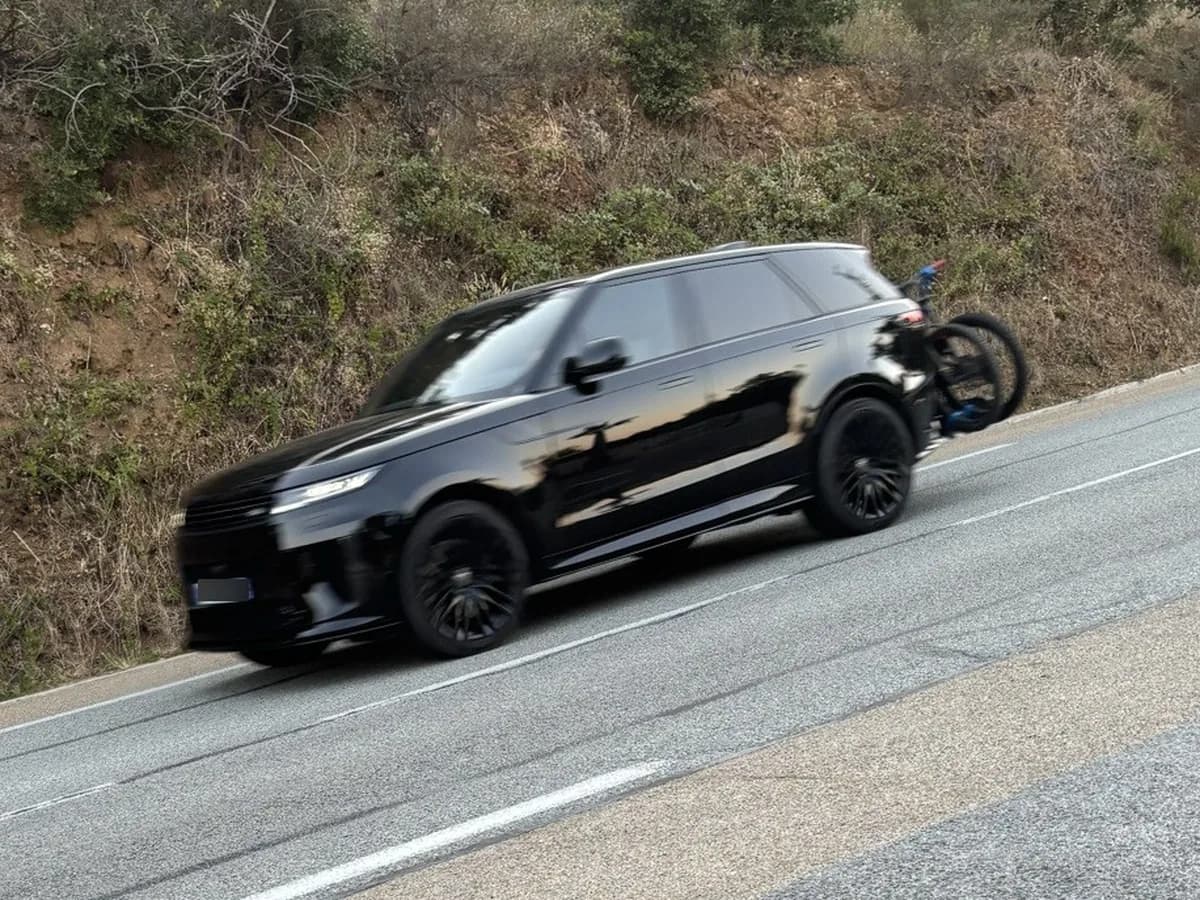
2022
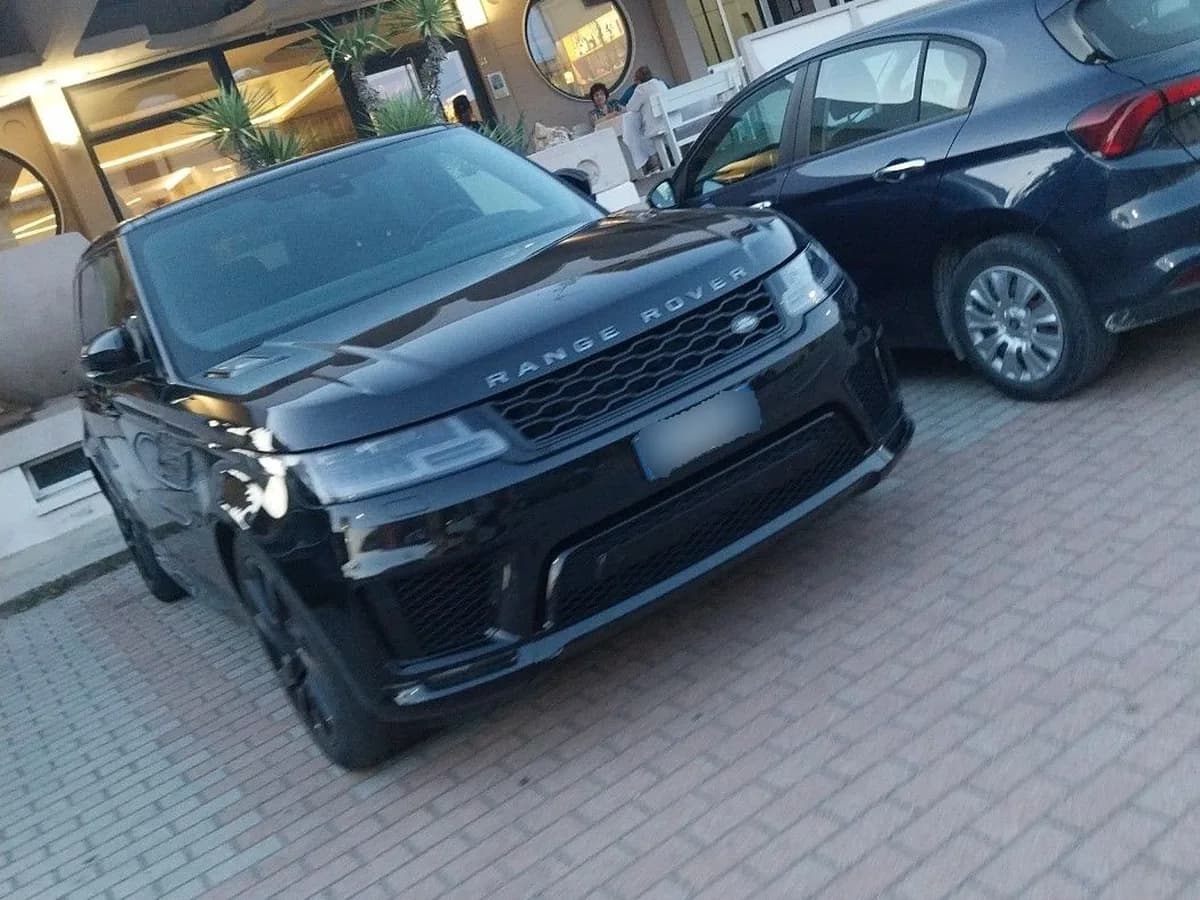
2017
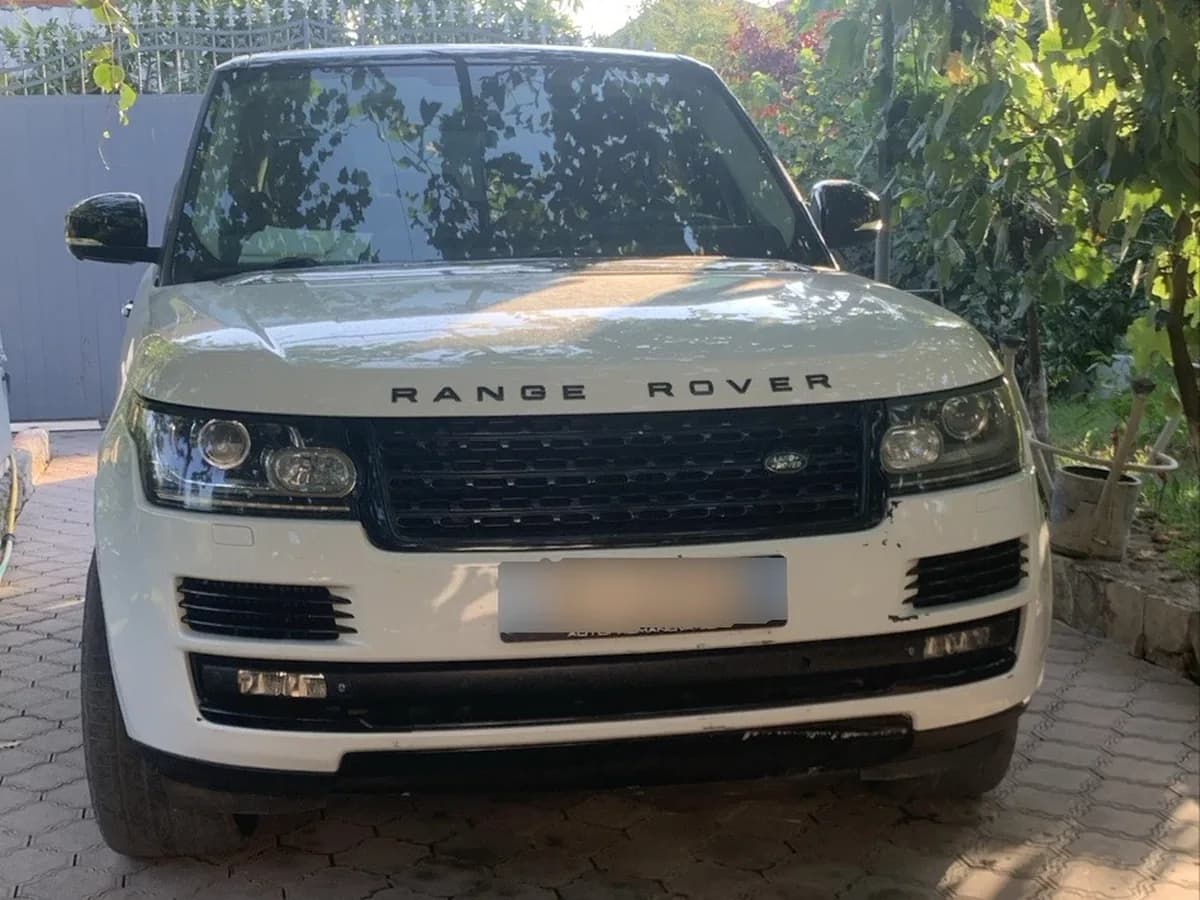
 R
R2012
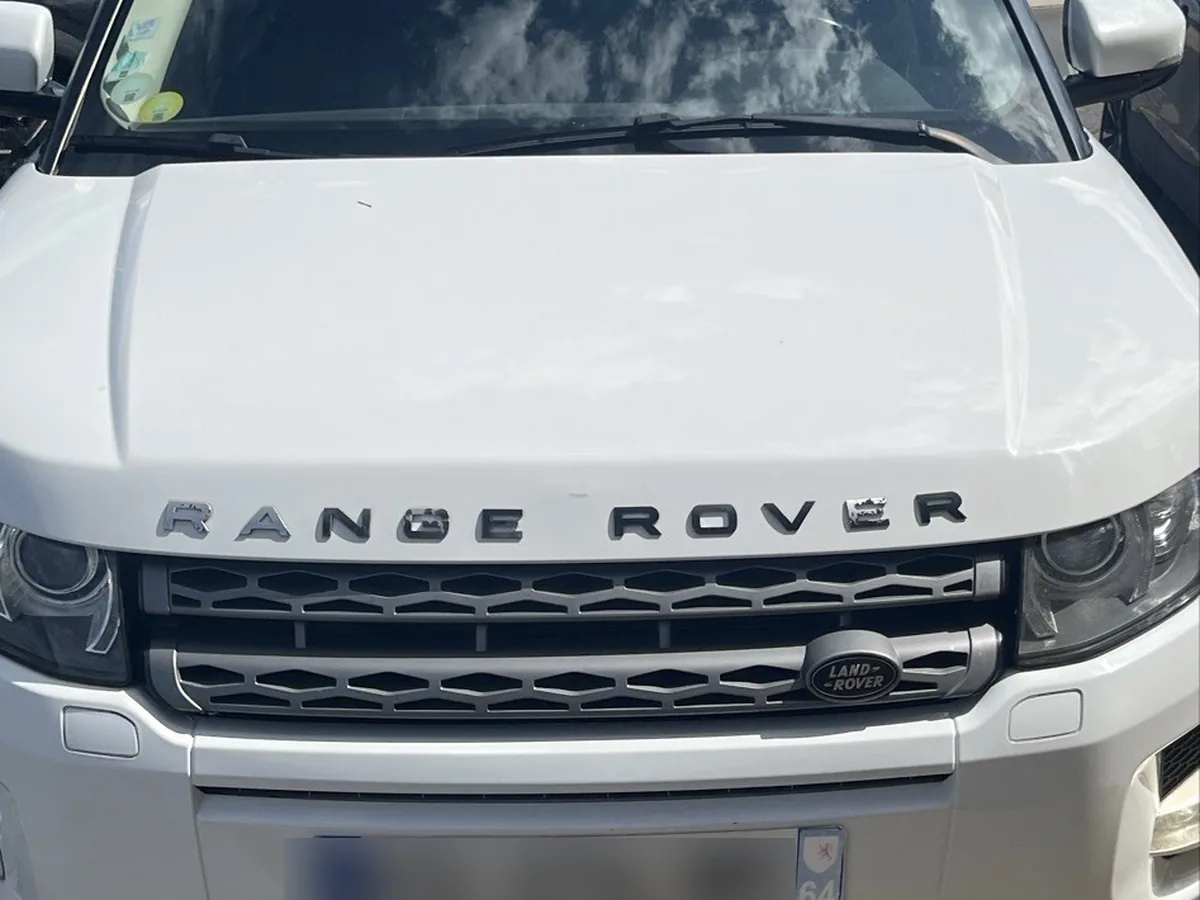
2002
1994
1970
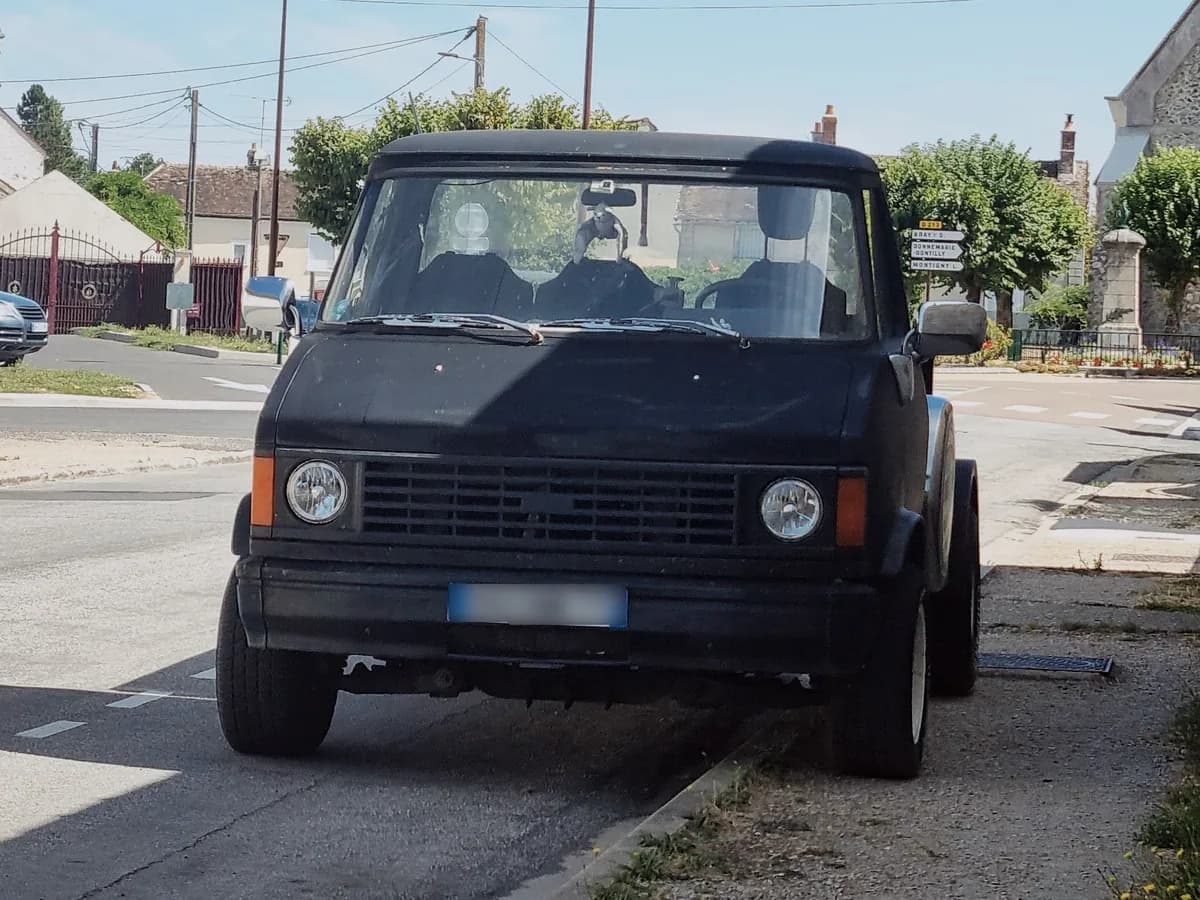
Land Rover Range Rover photos
Model summary
Data from the ScanRacer library, organized to compare versions quickly.
Model introduction
Introduced in 1970, the Land Rover Range Rover combined genuine off-road ability with a level of comfort that was unusual for a four-wheel-drive vehicle. Its original two-door shape, clamshell bonnet, floating-roof impression and split tailgate established design cues that remained recognizable for more than five decades. Originally conceived as a versatile vehicle with permanent four-wheel drive, the Range Rover gradually gained greater refinement, equipment and performance while retaining its all-terrain character. The Classic, P38a, L322 and L405 generations each represented a major step in that development, followed by the fifth-generation model unveiled in October 2021 for the 2022 model year. The Range Rover’s history therefore charts the transformation of an innovative family 4x4 into a globally positioned luxury SUV, without completely separating road-going comfort from Land Rover’s traditional engineering priorities.
History
The Range Rover project dates back to the mid-1960s, when Land Rover sought to create a vehicle that was more comfortable on the road than its utility models while preserving genuine off-road capability. The Velar prototype name helped conceal the programme before the production vehicle was introduced on June 17, 1970. The first Range Rover used a three-door body and a V8 engine, with a relatively simple specification but an ambitious engineering brief. Permanent four-wheel drive, coil-spring suspension and a split tailgate helped distinguish it from conventional utility 4x4s. A five-door version arrived in 1981, making the model more practical for family use. The second generation, commonly identified by the P38a code, followed in 1994 with a more luxurious cabin and broader equipment. The L322 launched in 2001 brought greater size, refinement and powertrain variety. In 2012, the L405 introduced a predominantly aluminium monocoque structure and achieved a major weight reduction compared with the previous model. The fifth generation was unveiled on October 26, 2021, offering standard- and long-wheelbase forms alongside a stronger emphasis on electrified powertrains.
Generations
The first generation, generally known as the Range Rover Classic, began in 1970 and remained in production for an unusually long period. It is identified by its upright body, early three-door layout and more functional presentation. The arrival of the five-door body in 1981 was a major practical development, while later updates progressively changed exterior details, engines and interior equipment. The P38a, introduced in 1994, retained the familiar profile but adopted more modern proportions, rectangular headlamps and a more upscale cabin. The L322, launched in 2001, looked larger and brought a substantial increase in interior sophistication. Its successive updates changed the engine range, instrumentation and infotainment systems over time. The L405, introduced in 2012, represented a major technical change through its aluminium monocoque structure while preserving the established Range Rover outline. The fifth generation, unveiled in 2021 for the 2022 model year, uses smoother surfaces, more advanced chassis systems and both standard- and long-wheelbase bodies. It also introduced a seven-seat configuration to the main Range Rover line for the first time. Generation codes are generally more useful for identification than trim names alone, since equipment and badges varied between markets and model years.
Key differences
Generational differences involve styling, structure and cabin technology. The Classic has a distinctly square shape, generous glass area and a comparatively simple interior. The P38a adds a more formal appearance, rectangular headlamps and a greater reliance on electronic systems. The L322 is larger and more imposing, with a much more elaborate dashboard and a significant move upmarket, particularly after its facelifts. The L405 is identified by more sculpted sides and an aluminium body structure that reduced weight compared with the L322. It also presented a smoother interpretation of the traditional Range Rover profile. The fifth-generation model introduced a cleaner front end, flush door handles and rear lamps that are largely hidden when not illuminated. These clues are helpful, but they are not always conclusive: model-year revisions, regional specifications and trim packages can change bumpers, wheels, lamps and equipment. Accurate identification is therefore best based on several factors together, including the year, body style, generation code and visible design details.
Photo recognition
To identify a Range Rover Classic, look for the upright silhouette, flat bonnet, slim pillars and, on early examples, the three-door body. Five-door models introduced in the early 1980s retain a similar roofline but have a more practical rear access arrangement. The P38a can often be recognized by its rectangular headlamps, softer body surfaces and more upmarket interior. The L322 appears wider and more substantial. Its lamps, grille and bumpers changed across model years, but the overall design has a noticeably heavier presence than the P38a. The L405 uses a visually lower body, tighter side surfacing and slimmer headlamps, giving it a less upright appearance. The fifth-generation model is marked by flush door handles, very clean body panels and vertical rear lamps that are difficult to see when switched off. Badges such as Vogue, Autobiography and SVAutobiography identify trims or special versions rather than generations. They should therefore be treated carefully, particularly when examining imported vehicles, facelifted cars or examples that have received replacement body parts.
Important versions
The 1970 three-door Range Rover is the foundational version, establishing the idea of a comfortable all-terrain vehicle with permanent four-wheel drive. The five-door body introduced in 1981 is significant because it broadened the model’s family and long-distance usability. The P38a then delivered the first complete redesign and strengthened the Range Rover’s luxury positioning. Within the L322 generation, supercharged models and high-end trims demonstrate the move toward greater performance and grand-touring ability. The L405 represents a major technical milestone through its aluminium structure, while Autobiography, SVAutobiography and long-wheelbase variants illustrate the expansion of the range. For 2022, plug-in hybrid versions and the new seven-seat body point toward a more electrified and flexible product strategy. Exact engines, trim names and equipment were not identical in every country, so version comparisons should always be tied to a specific market and model year.
References
- 48 Years of Range Rover: Peerless Design and Engineering Innovation Through Every GenerationLand Rover Media Newsroom
- Notes to Editors: Range Rover HeritageJaguar Land Rover Media
- The All-New Range RoverLand Rover Media Newsroom
- New Range Rover World Premiere - Breathtaking Modernity, Peerless Refinement and Unmatched CapabilityLand Rover Media Newsroom
- https://automobilisto.de/en/archive/land-rover/range-roverautomobilisto.de
- https://www.classic.com/m/land-rover/range-rover/classic.com
- https://www.topgear.com/car-reviews/land-rover/range-rover-2012-2022topgear.com
- https://classics.honestjohn.co.uk/reviews/land-rover/range-rover/classics.honestjohn.co.uk
Technical specifications
Structured data available for versions linked to this model.
| Version | Power | Torque | Top speed | Drivetrain | Fuel |
|---|---|---|---|---|---|
| Base | 230 KW @ 4000 RPM313 HP @ 4000 RPM308 BHP @ 4000 RPM | 516 lb-ft @ 1500-3000 RPM700 Nm @ 1500-3000 RPM | 124 mph (200 km/h) | All Wheel Drive / 8-speed automatic transmission | Diesel |
Frequently asked questions
- What years was the Land Rover Range Rover produced?
- ScanRacer's referenced versions cover 1970 - 2022.
- How many Land Rover Range Rover examples are documented on ScanRacer?
- 7 published scans from 7 members, with the latest photo added in September 2026.
- What is the power output of the Land Rover Range Rover?
- The sourced technical data lists 230 KW @ 4000 RPM313 HP @ 4000 RPM308 BHP @ 4000 RPM.
What about the car you photographed?
Upload a photo to get a suggested make, model and likely year.
No account needed for the result · Publish only if you choose