
Jeep
Born from a lightweight military vehicle developed for the U.S. Army in 1940, Jeep turned an off-road reconnaissance solution into one of the world’s most recognizable automotive brands. The Willys MB, produced from 1941 with contributions from several manufacturers, established many of the brand’s technical and visual foundations. After the war, the 1945 CJ-2A adapted that concept for civilian use, while the 1963 Wagoneer brought four-wheel drive closer to passenger-car comfort. Over the following decades, Jeep expanded from open, utilitarian vehicles into family SUVs, premium models, and pickup trucks. Its model history includes the CJ, Cherokee, Wrangler, Grand Cherokee, Grand Wagoneer, Comanche, and Gladiator families, each representing a distinct stage in the brand’s development and a different balance between everyday usability and off-road capability.
Models from A to Z

Avenger
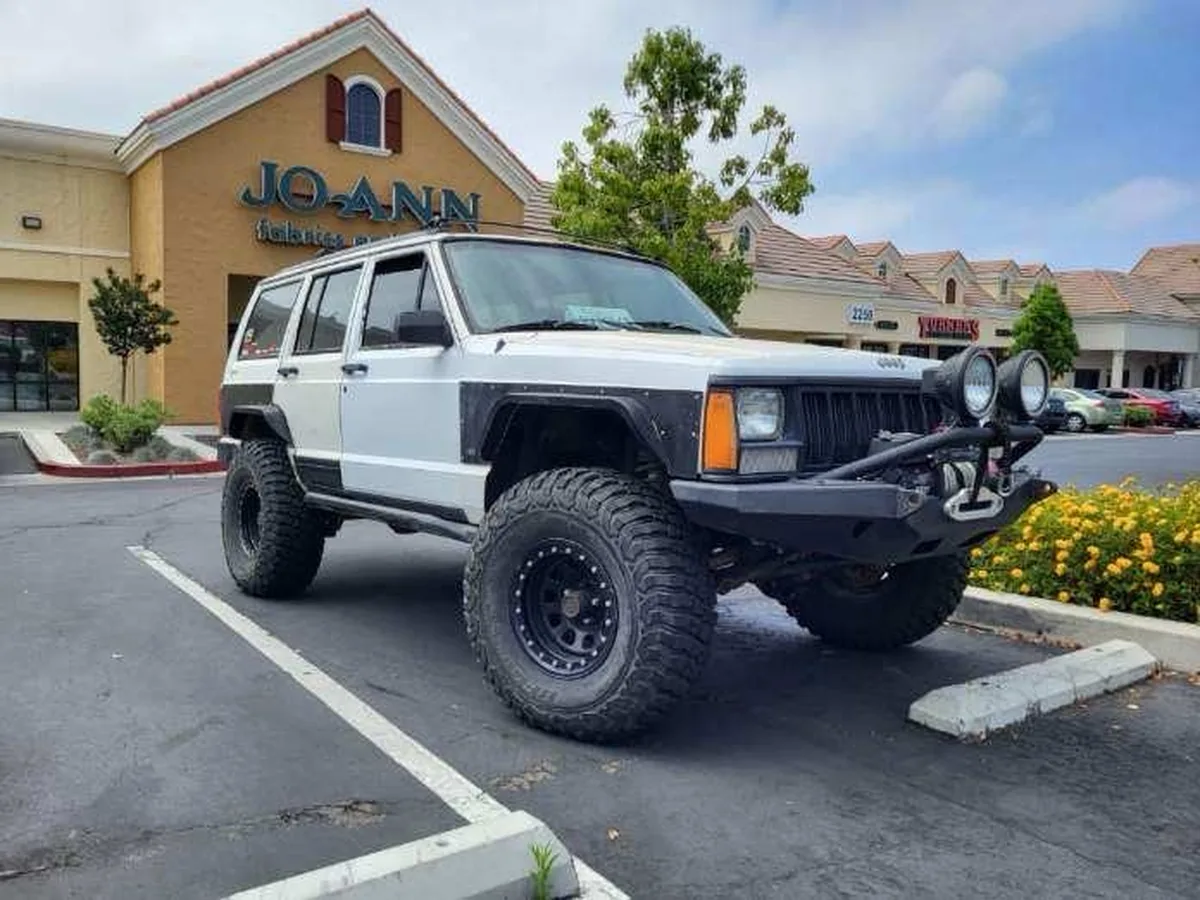
Cherokee

CJ-Series
Comanche
Commander
Commando
Compass
Gladiator
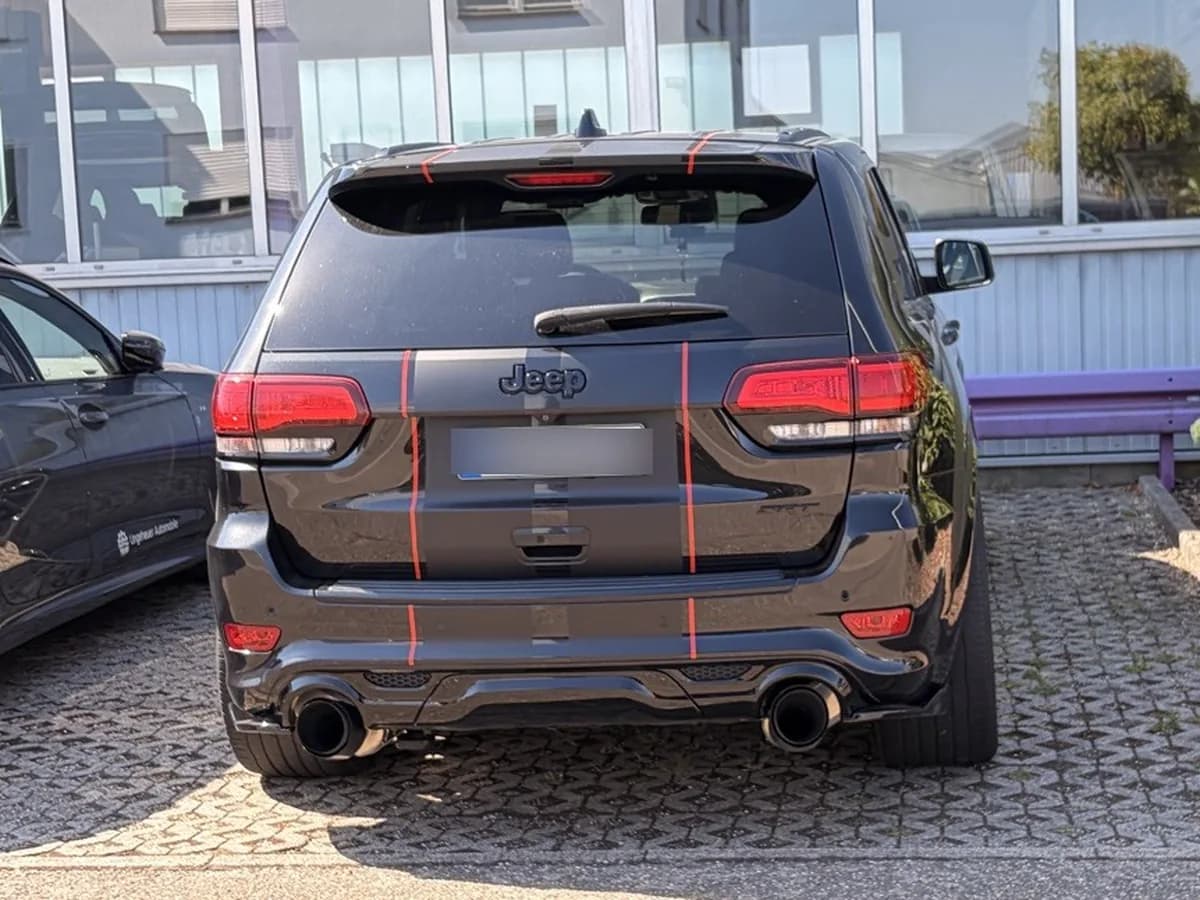
Grand Cherokee
Grand Wagoneer
J-Series
J8
Jeepster Commando
Liberty
Patriot
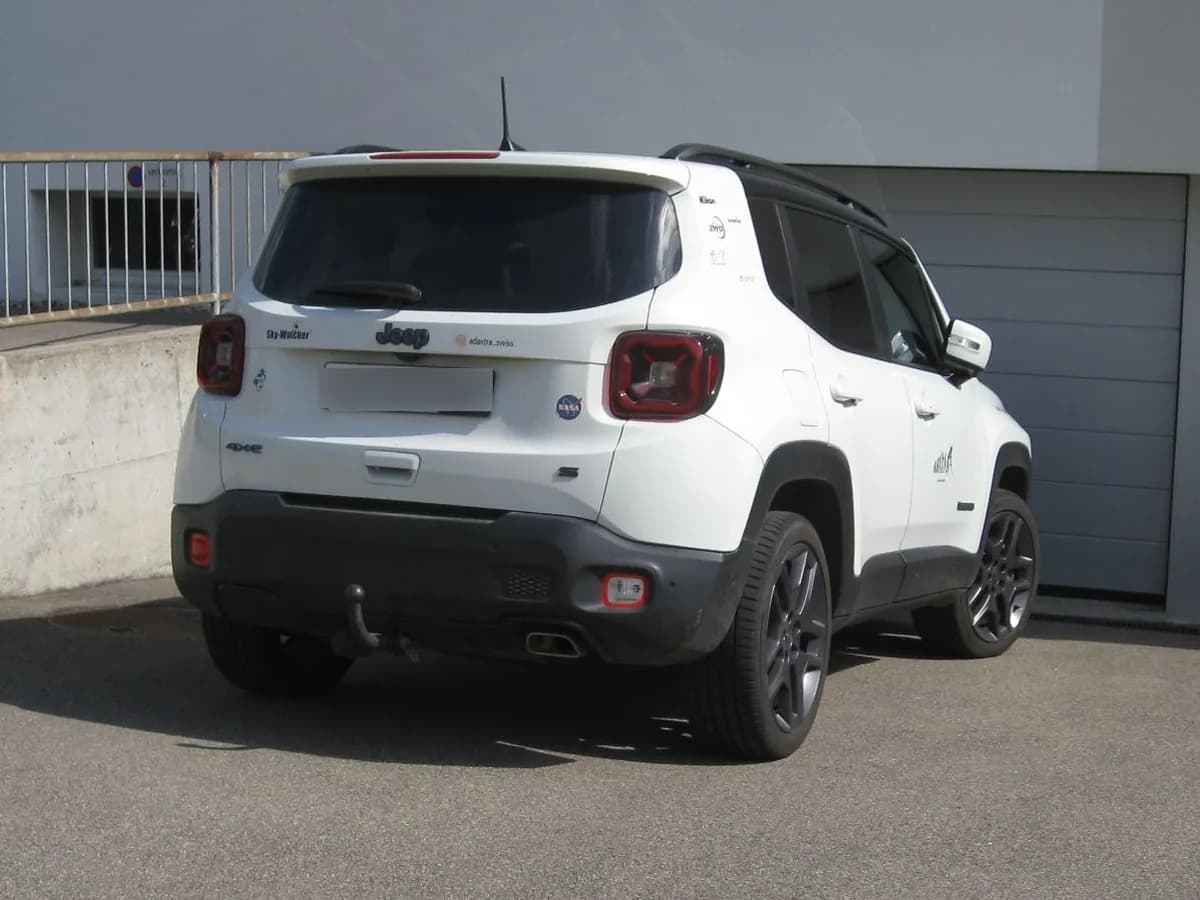
Renegade
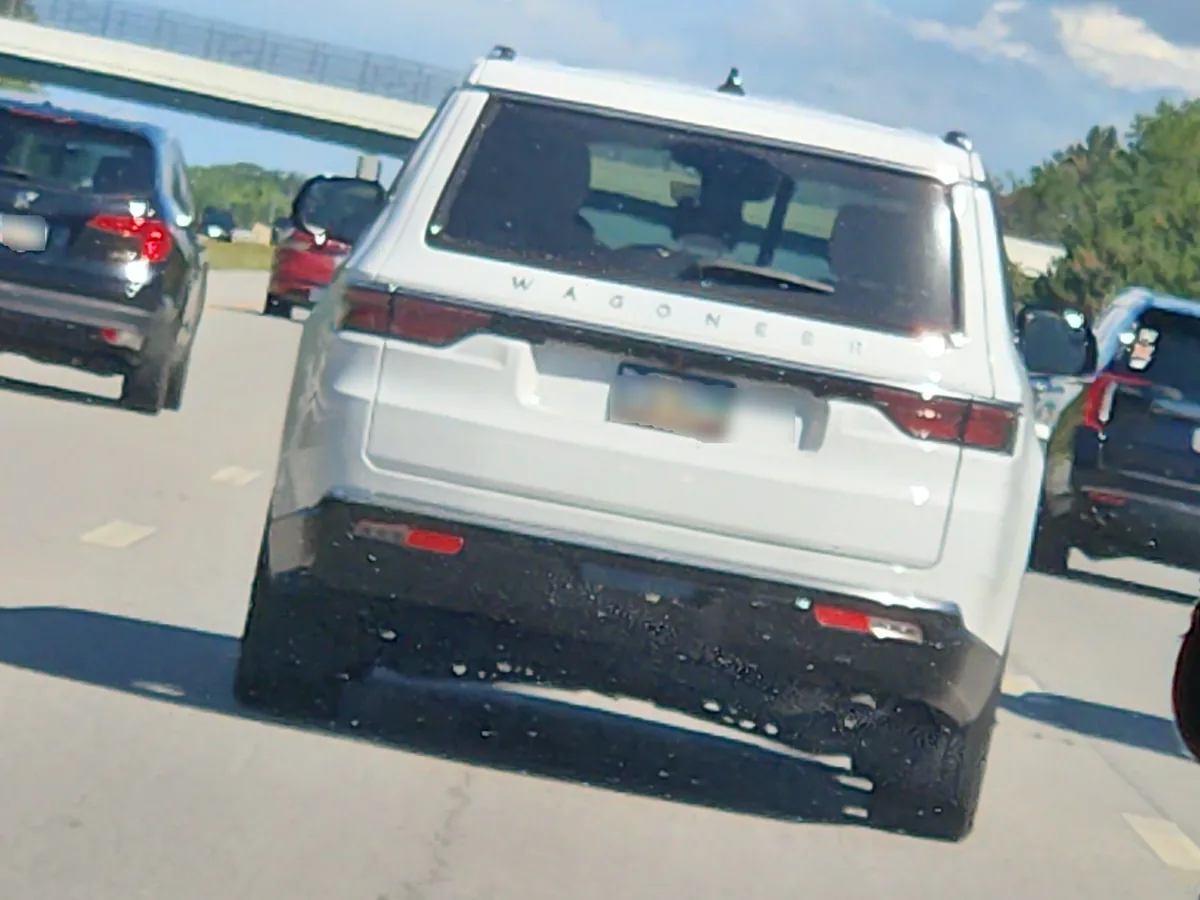
Wagoneer
Wagoneer S
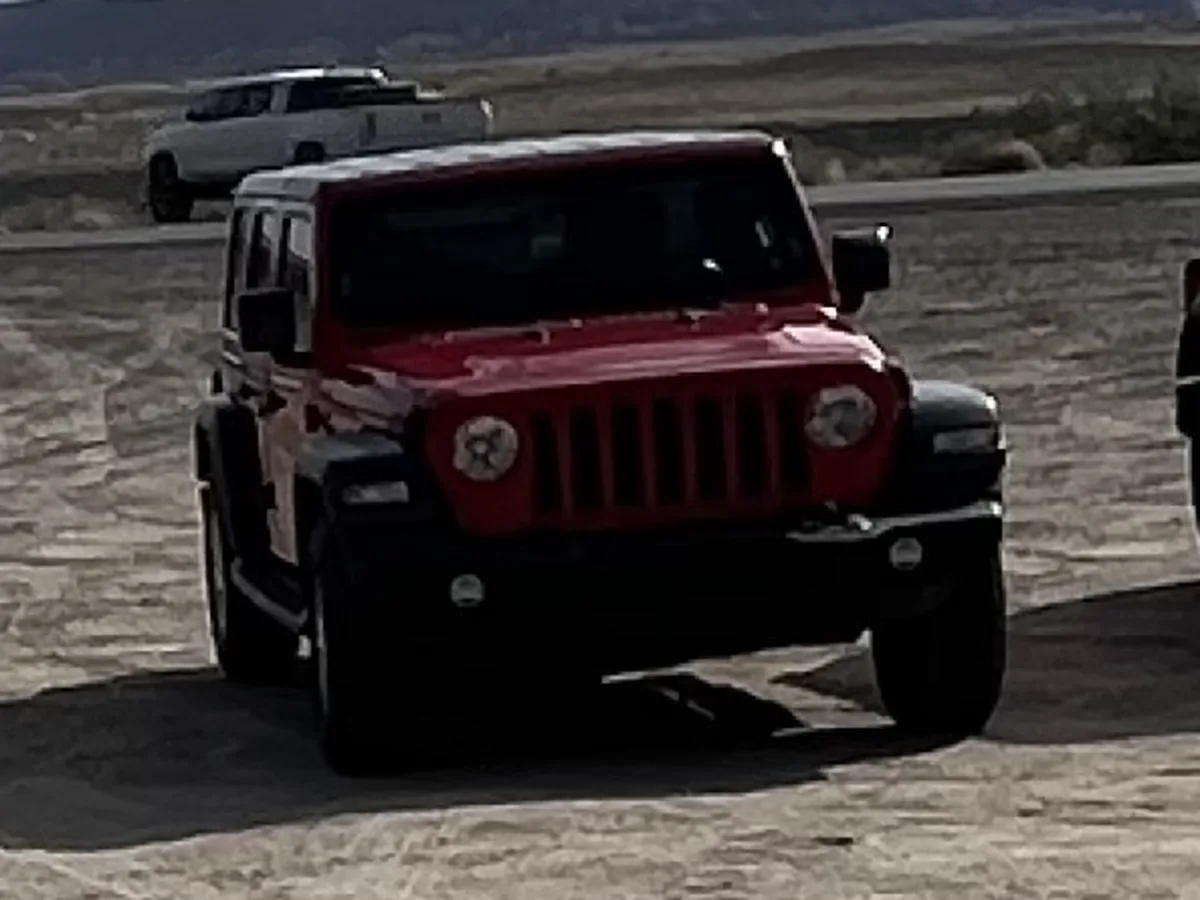
Wrangler
Jeep overview
Jeep history
Jeep’s history began with a U.S. Army request in June 1940 for a lightweight four-wheel-drive reconnaissance vehicle. Willys-Overland, Ford, and American Bantam all contributed to development and wartime production; the Willys MB later became the version most closely associated with the Jeep name. The first civilian model, the CJ-2A, arrived in 1945. It retained the military vehicle’s simple, durable layout while adding equipment suited to farming, utility work, and everyday transportation. (jeep.com) During the postwar period, the Willys Wagon and Truck demonstrated that four-wheel drive could serve family and commercial transportation as well as military duties. The 1963 Wagoneer was another major step, combining four-wheel drive with a closed body, an available automatic transmission, and a more sophisticated level of equipment. The 1974 Cherokee SJ then offered a sportier and more compact interpretation of the Jeep formula. (media.stellantis.com) The AMC era produced the Cherokee XJ and Wrangler YJ. The XJ helped establish the compact SUV as a mainstream category, while the Wrangler replaced the CJ line in 1987. The Grand Cherokee, introduced in 1992-1993 depending on market and historical reference, added a more refined and premium direction. When Chrysler acquired American Motors in 1987, Jeep became part of Chrysler’s Jeep/Eagle organization, beginning another phase of corporate development. (media.stellantis.com)
Jeep positioning
Jeep was built around a clear technical promise: the ability to leave ordinary roads without making everyday use impossible. That direction first appeared in the open and durable CJ family and continued with the Wrangler, whose removable doors, convertible body, and off-road hardware preserve a direct connection with Jeep’s original concept. (mideast.jeep.com) The brand also broadened its role. The Cherokee XJ made the formula lighter, smaller, and more suitable for family use, while the Grand Cherokee and Grand Wagoneer added greater comfort, space, and equipment. The Comanche and Gladiator explored the pickup format, while Compass and Commander addressed more general-purpose SUV needs. As a result, Jeep can refer to an open recreational 4x4, a family-oriented SUV, or a premium vehicle, depending on the model and generation. Stellantis currently describes Jeep as offering internal-combustion, hybrid, and all-electric drivetrains, indicating a gradual adaptation of its off-road heritage to changing market expectations. (stellantis.com)
Recognizing a Jeep in a photo
When identifying an older Jeep, begin with the body shape and basic construction. Military Willys MB vehicles and related versions have a notably stripped-down body, separate fenders, and a fold-down windshield. Civilian CJ models retain the open-body layout, but fender profiles, grilles, hood details, and trim vary across generations. (jeep.com) The 1987 Wrangler YJ is particularly easy to identify because it used rectangular headlamps; later generations returned to round lamps. Modern Wrangler generations also feature removable doors, exposed hinges, a fold-down windshield, and the familiar seven-slot grille. (media.stellantis.com) The Cherokee XJ has a compact, boxy profile with upright sides and either two- or four-door body styles. The Grand Wagoneer stands out through its larger proportions and woodgrain-style side panels, while the Comanche and Gladiator are identifiable by their separate rear cargo beds. Badging, lamp design, grille details, and door count are still necessary to distinguish closely related model years.
Important Jeep models
The CJ series forms the direct link between the postwar military vehicle and civilian Jeep models. It leads naturally to the Wrangler, introduced in 1987 to replace the CJ line and eventually becoming the main expression of Jeep’s open-body 4x4 tradition. (media.stellantis.com) Cherokee is the other major historical family. The 1974 Cherokee SJ broadened the idea of a family-oriented recreational vehicle, while the 1984 Cherokee XJ helped popularize the compact SUV through a lighter and more space-efficient design. (media.stellantis.com) The Grand Cherokee introduced a more premium direction in the early 1990s, while the Grand Wagoneer represents the combination of four-wheel drive, comfort, and luxury equipment. The J-Series and Comanche document Jeep’s presence in the pickup market. Gladiator, a name already used in Jeep’s 1960s history, revived that format for the modern era. Compass, Commander, and Avenger show how the brand later extended into more versatile SUVs and different market categories.
References
- Jeep HistoryStellantis Media
- Jeep Brand History: 1940sJeep
- Jeep History and MilestonesStellantis Media
- Jeep Cherokee: 44 Years of Unique ModelsStellantis Media
- Jeep BrandStellantis
- The Jeep in World War IIStudebaker National Museum
- https://www.jeep.com/assets/pdf/jeep_70th_anniversary_brochure.pdfjeep.com
- https://www.jeep.com/history/1940s.html?msockid=25f821e944d6613826b4377a452d60f7jeep.com