
Wrangler
Introduced at the 1986 Chicago Auto Show, the Jeep Wrangler continued Jeep’s open-bodied, four-wheel-drive tradition while adding more comfort and stability than the outgoing CJ line. Across the period covered here, the model developed through three main families commonly identified by their internal codes: YJ, TJ, and JK. The YJ is distinguished by its rectangular headlights, the TJ returned to round lamps and adopted coil-spring suspension, while the JK grew substantially and introduced the four-door Wrangler Unlimited. The 1986-2018 span also includes a transition year: the new JL arrived as a 2018 model while some JK versions continued to be sold. The available range therefore runs from the compact two-door Wrangler of the early years to the larger SUV configurations of the final phase.
What about the car you photographed?
Upload a photo to get a suggested make, model and likely year.
No account needed for the result · Publish only if you choose
Variants by year
Make: Jeep · Model: Wrangler
5 / 5 versions shown
2018
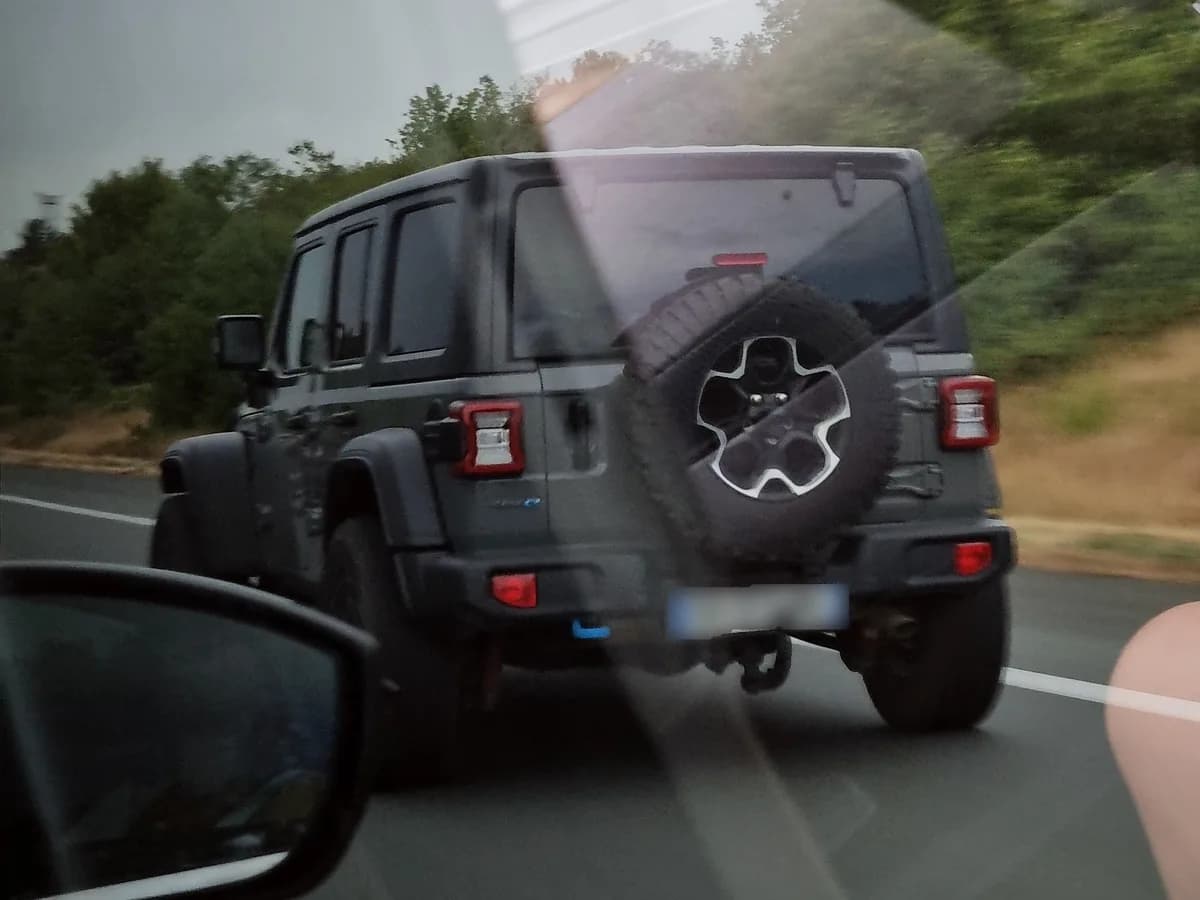
2006
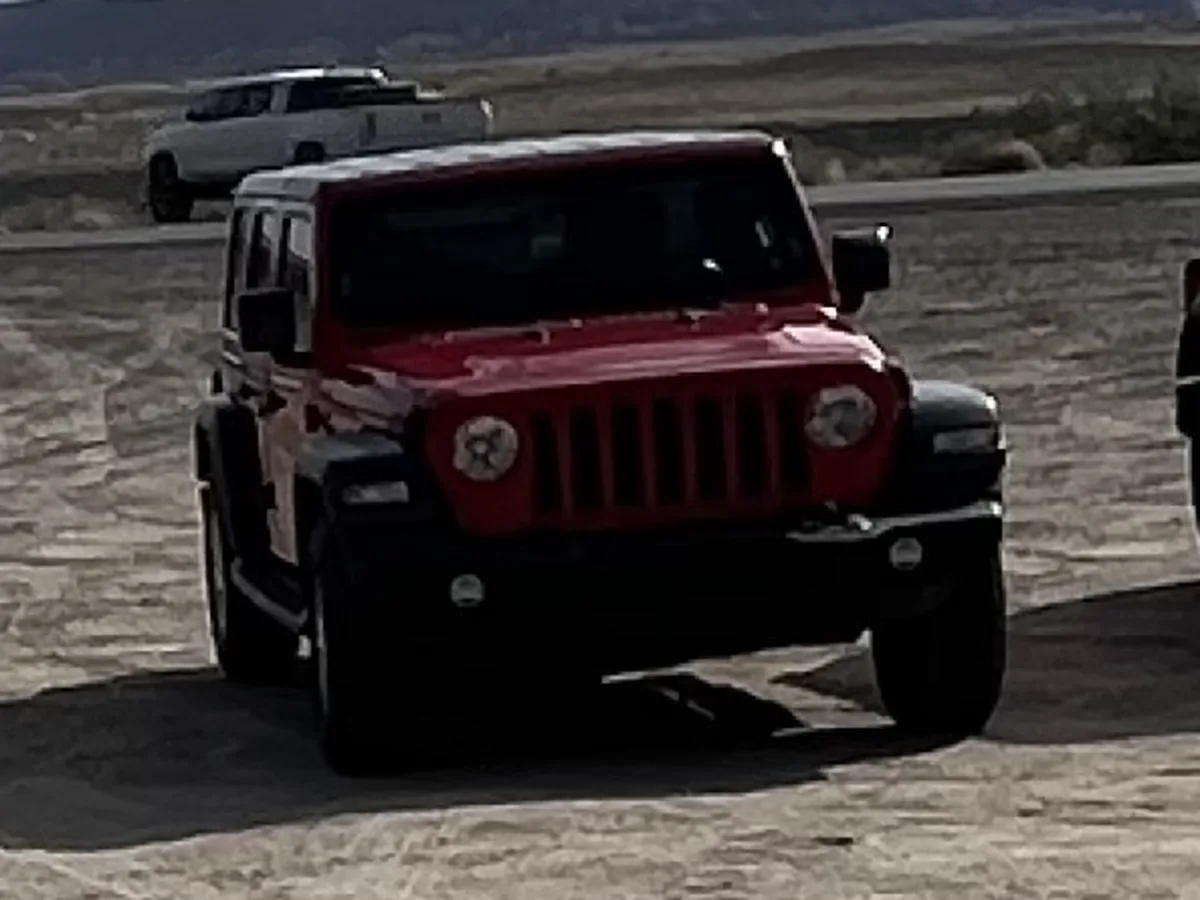
2005
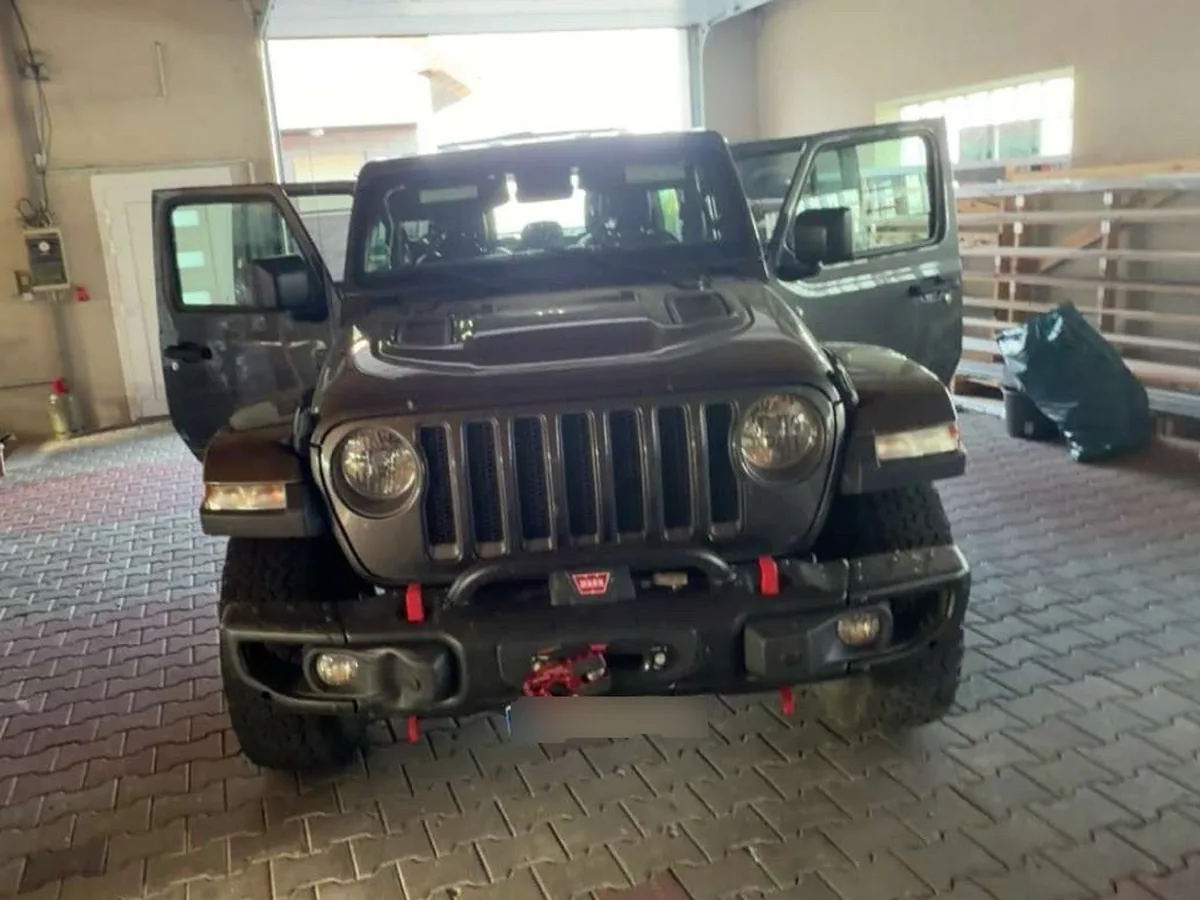
1996
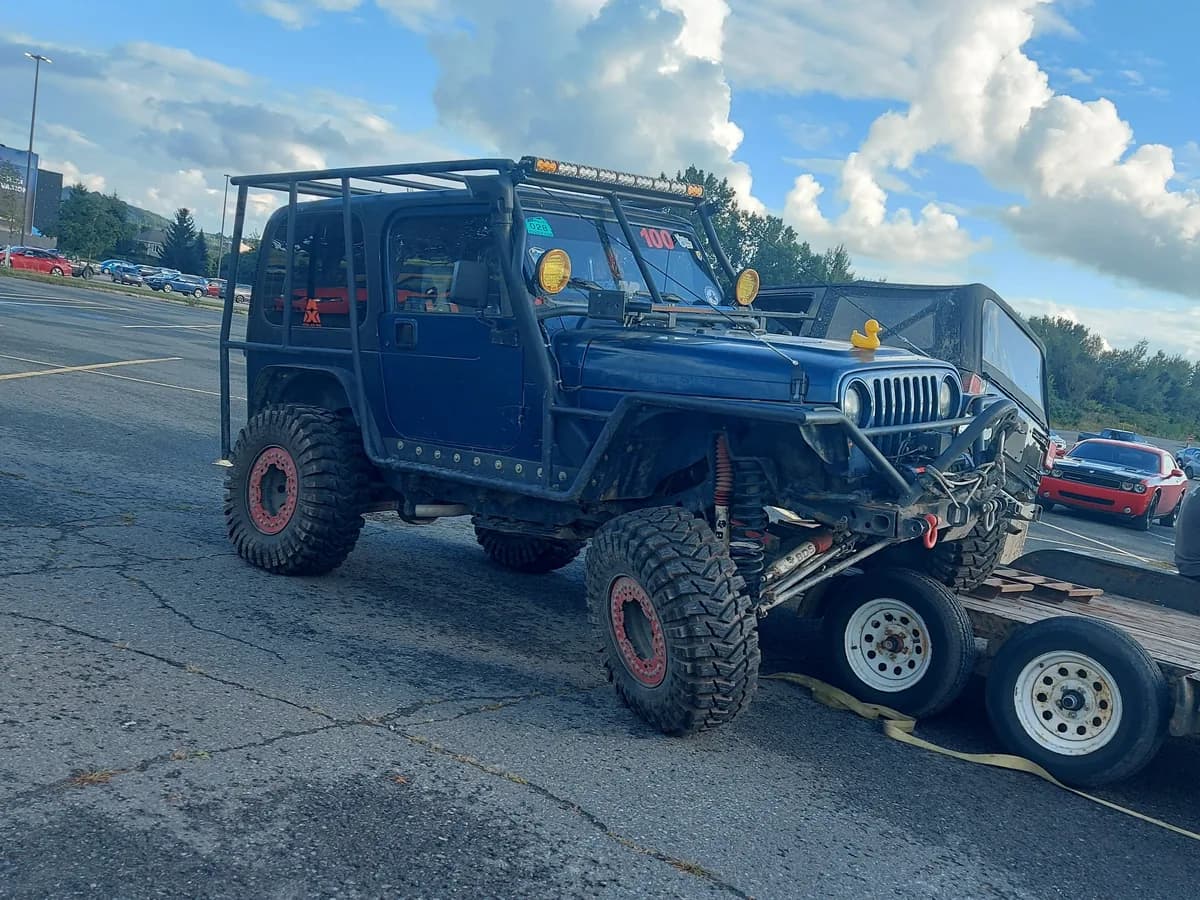
1986
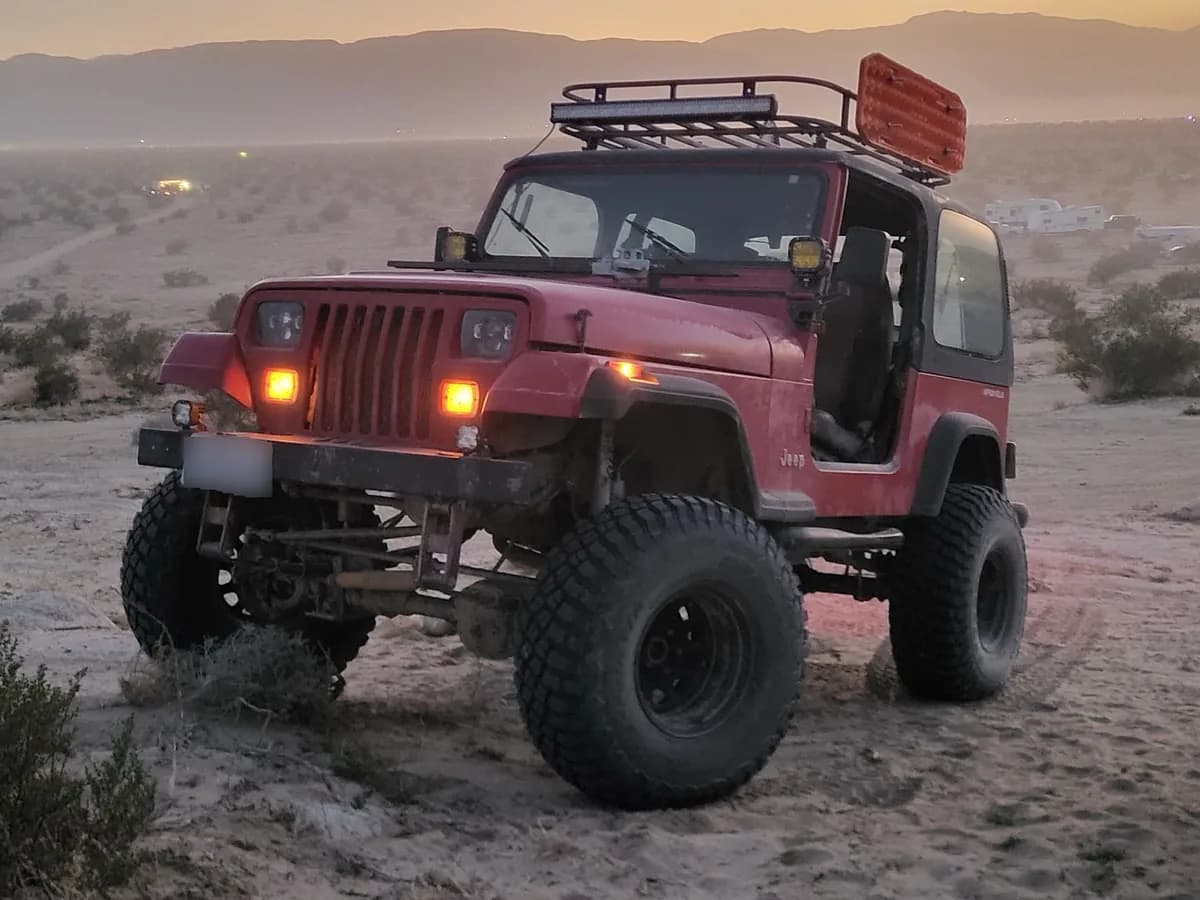
Jeep Wrangler photos
Model summary
Data from the ScanRacer library, organized to compare versions quickly.
Model introduction
Introduced at the 1986 Chicago Auto Show, the Jeep Wrangler continued Jeep’s open-bodied, four-wheel-drive tradition while adding more comfort and stability than the outgoing CJ line. Across the period covered here, the model developed through three main families commonly identified by their internal codes: YJ, TJ, and JK. The YJ is distinguished by its rectangular headlights, the TJ returned to round lamps and adopted coil-spring suspension, while the JK grew substantially and introduced the four-door Wrangler Unlimited. The 1986-2018 span also includes a transition year: the new JL arrived as a 2018 model while some JK versions continued to be sold. The available range therefore runs from the compact two-door Wrangler of the early years to the larger SUV configurations of the final phase.
History
The Wrangler appeared in 1986 as a new chapter in the history of Jeep civilian vehicles, following decades of CJ models. Jeep retained the core ingredients of the concept: a separate frame, solid axles, an open-style body, and removable top and doors. The first model, known by the YJ code, was nevertheless designed to be more manageable on the road. Its wider track, slightly lower stance, and revised leaf springs improved stability and comfort compared with the CJ. Its rectangular headlights became the most recognizable—and most debated—visual feature. The TJ was introduced in 1996 for the 1997 model year. It restored round headlights and significantly changed the vehicle’s road and trail behavior through coil-spring suspension. This generation later gained an extended-wheelbase Unlimited version, although it remained a two-door body style. In 2006, the JK brought a new body, frame, and suspension. For the first time, buyers could choose a four-door Wrangler Unlimited, greatly expanding its usefulness as a family and daily vehicle. The JL was then unveiled in 2017 for the 2018 model year. Because JK and JL vehicles can both be associated with 2018, that year should be checked carefully against the vehicle’s body, identification data, and documentation.
Generations
The first family is the YJ, produced through 1995. It remains visually related to the CJ-7, but its structure and tuning were adapted for greater stability on the road. Rectangular headlights, solid axles, and leaf-spring suspension make it easy to recognize. Mechanical updates during the run, including the arrival of the 4.0-liter six-cylinder in 1991, mean that later examples differ from the earliest vehicles. The TJ covers mainly the 1997-2006 model years. Its most important engineering change was the replacement of leaf springs with coil springs, improving ride comfort and suspension articulation. The return to round headlights brought its styling closer to the CJ heritage. The TJ Unlimited, introduced in the early 2000s, added a longer wheelbase but did not yet use a four-door body. The JK arrived from 2006-2007 depending on market and model-year convention. It was wider and larger, with a completely redesigned body and the first four-door Wrangler Unlimited. Rubicon models placed greater emphasis on trail capability through dedicated hardware and equipment. In 2018, the JL introduced a new generation. It retained the familiar Wrangler silhouette while bringing extensive changes to the body, aerodynamics, powertrains, and available technology. Since some JK vehicles are also associated with 2018, body details and vehicle documentation remain important for identification.
Key differences
The differences between generations are visible enough to support an initial identification. A YJ almost always has the rectangular headlights that set it apart from every other Wrangler. The TJ returned to round headlights and introduced coil-spring suspension; its proportions remained compact and traditionally two-door, apart from the longer-wheelbase Unlimited. The JK is noticeably larger. Its front indicators are integrated into the fenders, its door hinges are arranged horizontally, and the Unlimited version uses four doors. The 2018 JL can resemble the JK from a distance, but its grille, lamps, body details, and interior were revised. The possible overlap between JK and JL vehicles associated with the 2018 model year means that the year alone is not conclusive. The labels Base and SUV should also be understood as catalog categories rather than complete descriptions of every trim level, market specification, or engine choice.
Photo recognition
When identifying a Wrangler, start with the front end. Rectangular headlights normally indicate a YJ and are the quickest visual clue. On a TJ, the headlights return to a round shape, while the front indicators remain mounted on the fenders. The body is generally short and two-door, although the TJ Unlimited uses a longer wheelbase. The JK can be identified by its larger dimensions, horizontal door hinges, push-button door handles, and fender-mounted indicators integrated into the front design. A JK Wrangler Unlimited is immediately recognizable by its four doors and extended wheelbase. For a 2018 vehicle, inspect the grille, headlights, taillamps, dashboard, and body information carefully: a late JK and an early JL may be associated with the same model year. Rubicon, Sahara, and Unlimited badges are useful clues, but they should not replace verification through the vehicle identification number and original documentation.
Important versions
Several versions became especially significant in Wrangler history. Sahara appeared on the YJ in the late 1980s, combining a more highly equipped presentation with distinctive trim and later becoming a recurring name in the range. The YJ Renegade, sold in the early 1990s, is notable for its unusually wide body cladding and distinctive appearance. The TJ Rubicon, launched in 2003, added equipment aimed specifically at serious trail driving and became a benchmark within the off-road range. The JK expanded the lineup further with the four-door Wrangler Unlimited while continuing Sahara and Rubicon variants. Because exact equipment varied by year and market, a badge alone cannot establish the vehicle’s complete specification.
References
- The Long History Of The Jeep WranglerJeep Canada
- Introducing the all-new, next-generation 2018 Jeep WranglerJeep / Stellantis Media
- How To Identify Jeep Wranglers And Wrangler Editions: YJ vs. TJ vs. JKExtremeTerrain
- 1987-1995 Jeep Wrangler YJHemmings
- https://www.extremeterrain.com/jeep-wrangler-identification-tech-guide.htmlextremeterrain.com
Technical specifications
Structured data available for versions linked to this model.
| Version | Power | Torque | Top speed | Drivetrain | Fuel |
|---|---|---|---|---|---|
| Base | 142 KW @ 4600 RPM193 HP @ 4600 RPM190 BHP @ 4600 RPM | 253 lb-ft @ 3200 RPM343 Nm @ 3200 RPM | 110 mph (177 km/h) | All Wheel Drive / 6-speed manual | Gasoline |
Frequently asked questions
- What years was the Jeep Wrangler produced?
- ScanRacer's referenced versions cover 1986 - 2018.
- How many Jeep Wrangler examples are documented on ScanRacer?
- 11 published scans from 9 members, with the latest photo added in September 2026.
- What is the power output of the Jeep Wrangler?
- The sourced technical data lists 142 KW @ 4600 RPM193 HP @ 4600 RPM190 BHP @ 4600 RPM.
What about the car you photographed?
Upload a photo to get a suggested make, model and likely year.
No account needed for the result · Publish only if you choose