
CJ-Series
The Jeep CJ series, standing for "Civilian Jeep," was introduced in 1945 with the CJ-2A model, marking Jeep's first civilian production. Over the decades, this series evolved, offering versatile and rugged off-road vehicles. Iconic models like the CJ-5, produced from 1955 to 1983, and the CJ-7, from 1976 to 1986, solidified Jeep's reputation in the utility vehicle sector. The total production of the CJ series exceeds 1.5 million units, reflecting its success and longevity. (carsandracingstuff.com)
What about the car you photographed?
Upload a photo to get a suggested make, model and likely year.
No account needed for the result · Publish only if you choose
Variants by year
Make: Jeep · Model: CJ-Series
7 / 7 versions shown
1981
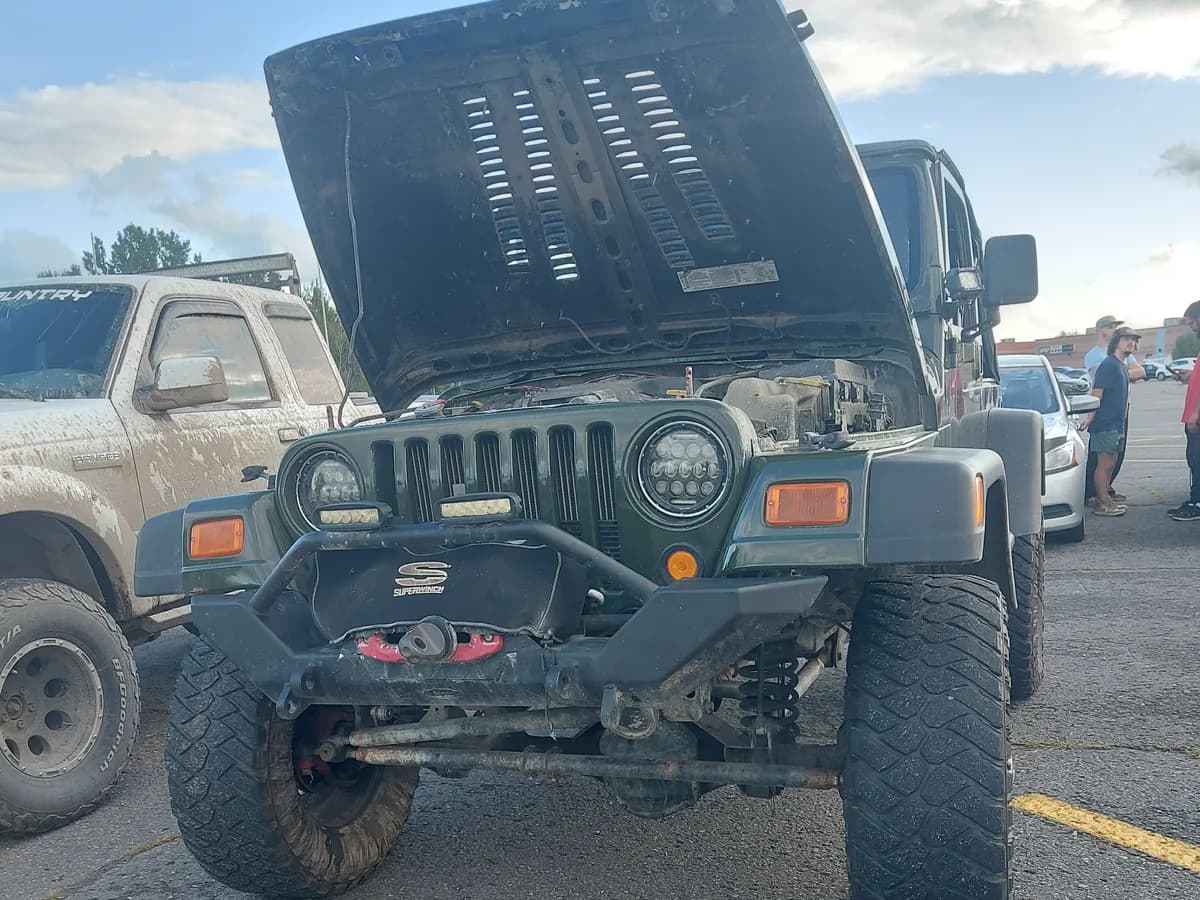
1976
1956
1955
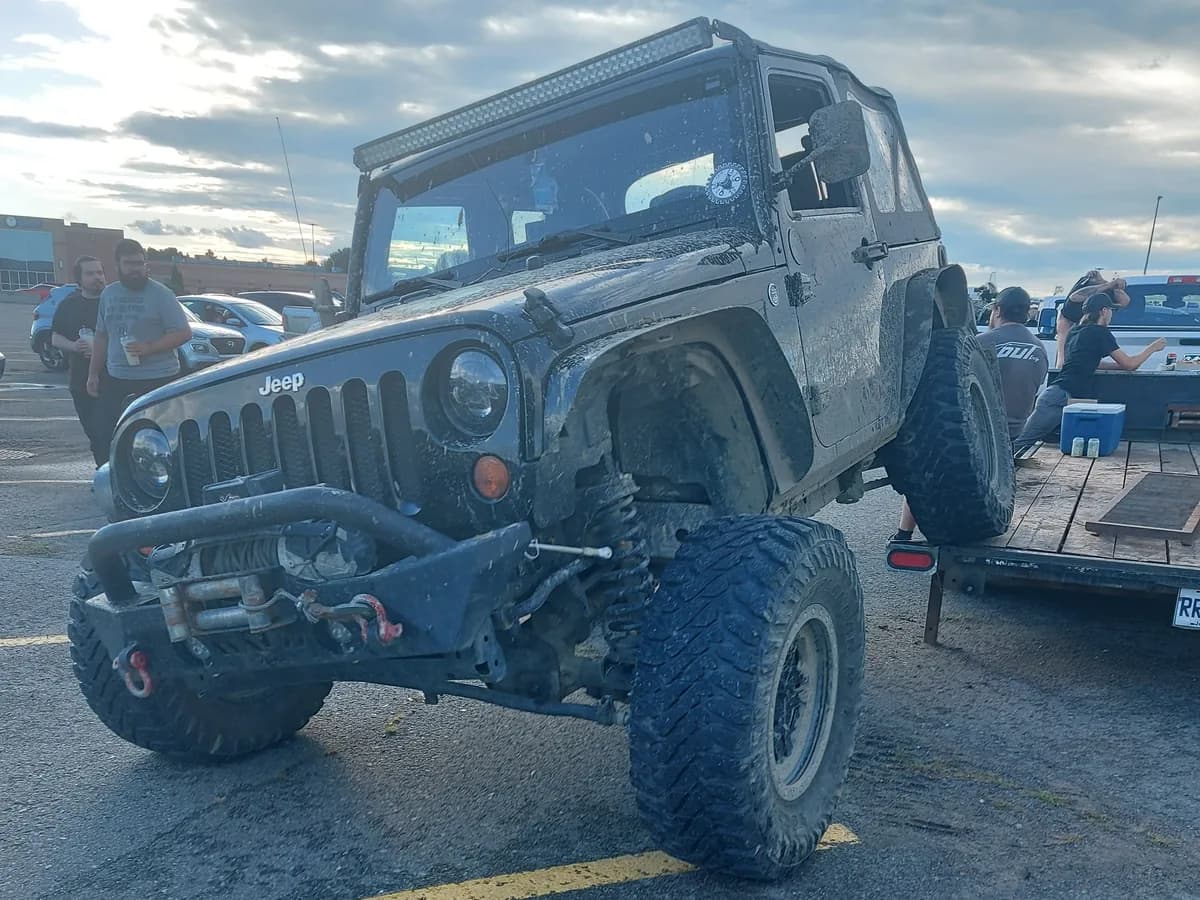
1953
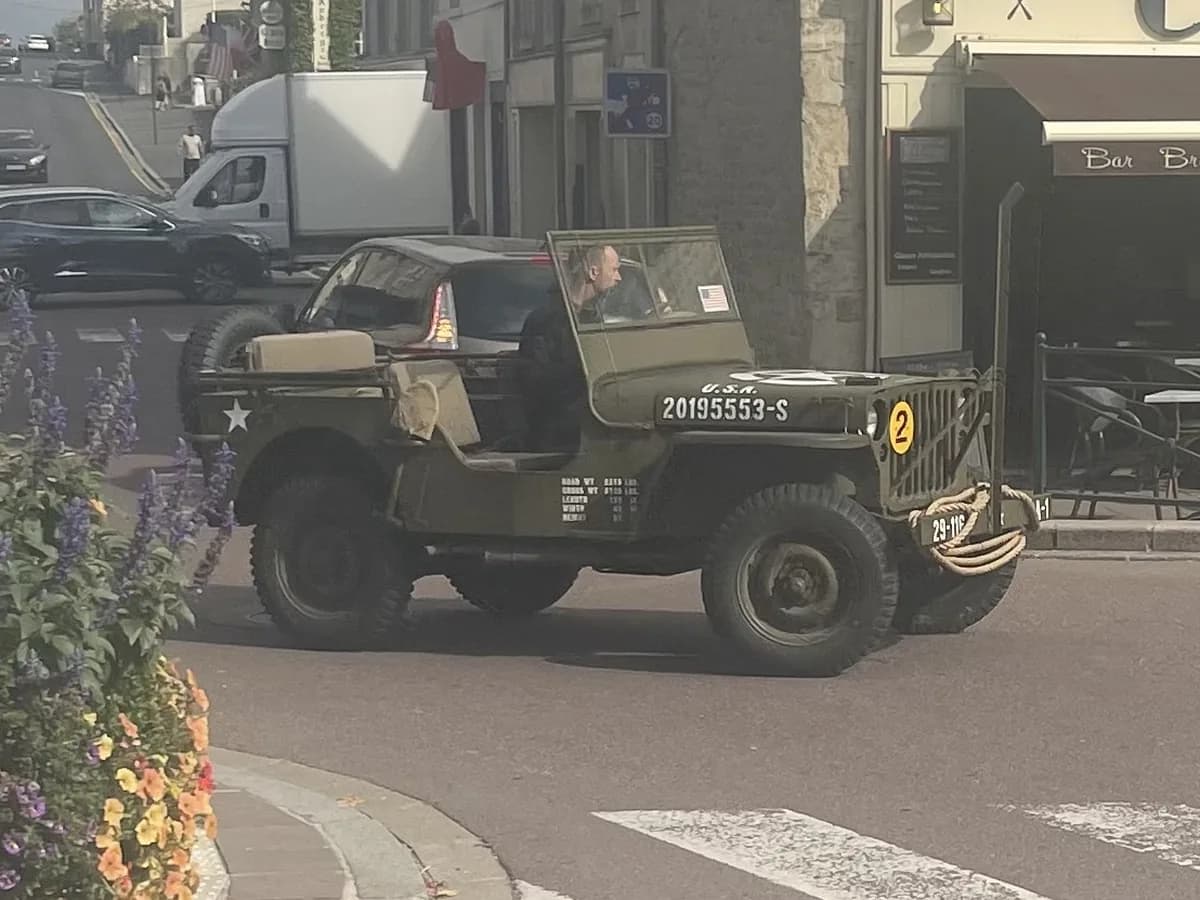
Jeep CJ-Series photos
Model summary
Data from the ScanRacer library, organized to compare versions quickly.
Model introduction
The Jeep CJ series, standing for "Civilian Jeep," was introduced in 1945 with the CJ-2A model, marking Jeep's first civilian production. Over the decades, this series evolved, offering versatile and rugged off-road vehicles. Iconic models like the CJ-5, produced from 1955 to 1983, and the CJ-7, from 1976 to 1986, solidified Jeep's reputation in the utility vehicle sector. The total production of the CJ series exceeds 1.5 million units, reflecting its success and longevity. (carsandracingstuff.com)
History
The Jeep CJ series was launched in 1945 with the CJ-2A model, Jeep's first civilian vehicle. This model was followed by the CJ-3A in 1949, which introduced a one-piece windshield. In 1953, the CJ-3B was introduced, characterized by a higher hood to accommodate the Hurricane engine. The CJ-5, introduced in 1955, brought significant improvements, including a rounded hood and a more robust body, inspired by the military M38A1 model. This model had an extended production of nearly 30 years, with over 600,000 units produced. In 1976, the CJ-7 was launched, offering a longer base to accommodate an automatic transmission and options for hard or soft tops. The production of the CJ series ended in 1986, with the CJ-7 being replaced by the Jeep Wrangler. (carsandracingstuff.com)
Generations
The Jeep CJ series evolved over the decades, offering versatile and rugged off-road vehicles. Iconic models like the CJ-5, produced from 1955 to 1983, and the CJ-7, from 1976 to 1986, solidified Jeep's reputation in the utility vehicle sector. The total production of the CJ series exceeds 1.5 million units, reflecting its success and longevity. (carsandracingstuff.com)
Key differences
The Jeep CJ series underwent several major changes over the years. The transition from the CJ-3A to the CJ-3B in 1953 introduced a higher hood to accommodate the Hurricane engine. The CJ-5, launched in 1955, brought significant improvements, including a rounded hood and a more robust body, inspired by the military M38A1 model. In 1976, the CJ-7 was launched, offering a longer base to accommodate an automatic transmission and options for hard or soft tops. These changes enhanced the versatility and ruggedness of the CJ series. (carsandracingstuff.com)
Photo recognition
To identify a Jeep CJ, look for a separate body-on-frame design with flat front fenders, a fold-down windshield, and a seven-slot grille. Older models, like the CJ-2A, have round headlights and a tailgate. Later models, such as the CJ-5 and CJ-7, feature larger headlights and more rounded body lines. CJ-7 models also have a longer wheelbase, allowing for the installation of an automatic transmission. (carsandracingstuff.com)
Important versions
The CJ-5, produced from 1955 to 1983, is one of the most iconic models of the CJ series, with over 600,000 units produced. The CJ-7, produced from 1976 to 1986, introduced significant improvements, including a longer wheelbase to accommodate an automatic transmission and options for hard or soft tops. These models solidified Jeep's reputation in the utility vehicle sector. (carsandracingstuff.com)
Frequently asked questions
- What years was the Jeep CJ-Series produced?
- ScanRacer's referenced versions cover 1953 - 1981.
- How many Jeep CJ-Series examples are documented on ScanRacer?
- 5 published scans from 4 members, with the latest photo added in August 2026.
What about the car you photographed?
Upload a photo to get a suggested make, model and likely year.
No account needed for the result · Publish only if you choose