Power
158.1 kw (215 hp)
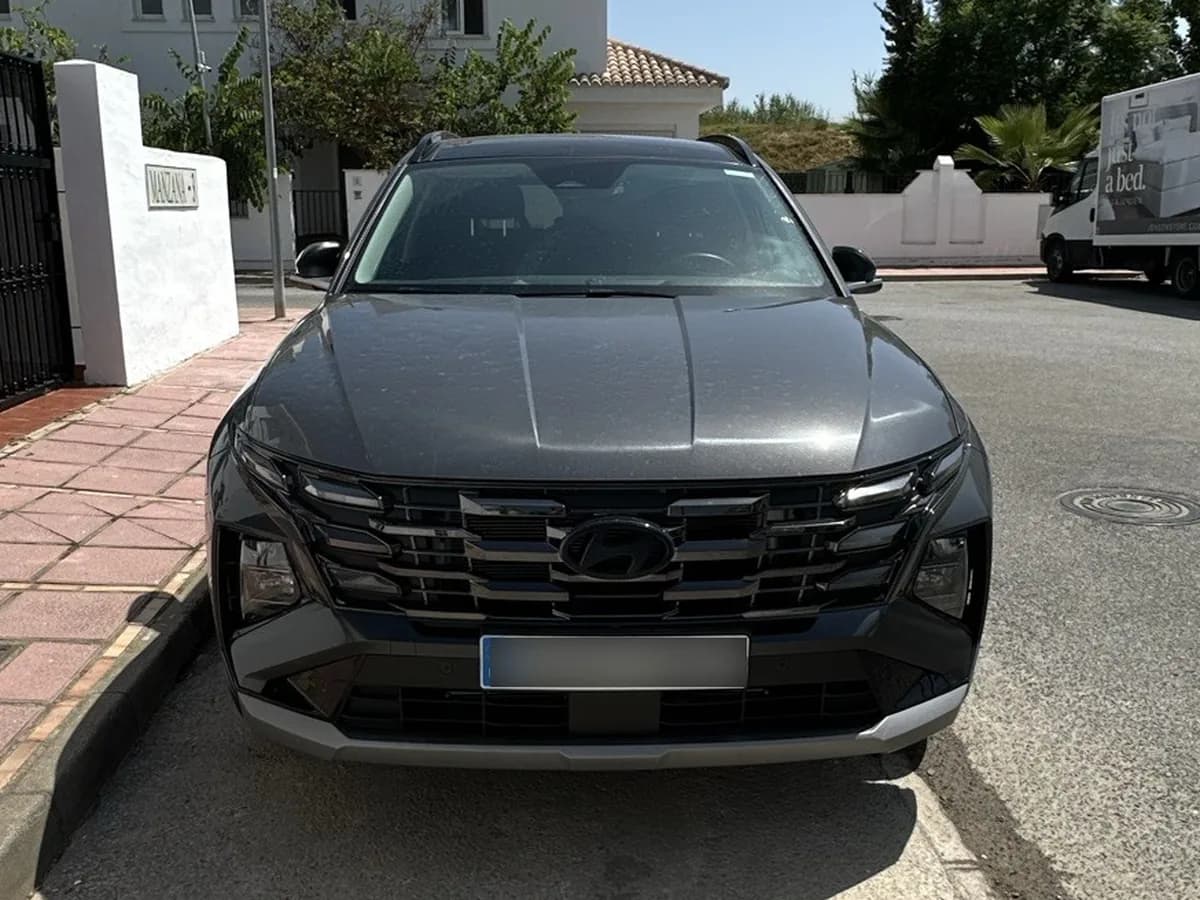
The 2015 Hyundai Tucson Base belongs to the model’s third generation, unveiled for Europe at the Geneva Motor Show in March 2015. Its design brought a more assertive appearance, a hexagonal grille and proportions intended to improve cabin space. Hyundai announced a European range covering petrol and diesel engines, manual and automatic transmissions, and all-wheel drive on selected versions. The Base designation should nevertheless be treated carefully because trim names and equipment levels differed between countries. In Hyundai’s European launch material, the entry powertrain was the 1.6-litre GDI petrol engine with 132 PS, a six-speed manual gearbox and front-wheel drive. That combination describes the European launch range rather than every market-specific vehicle sold under a Base label. (s3-eu-west-1.amazonaws.com)
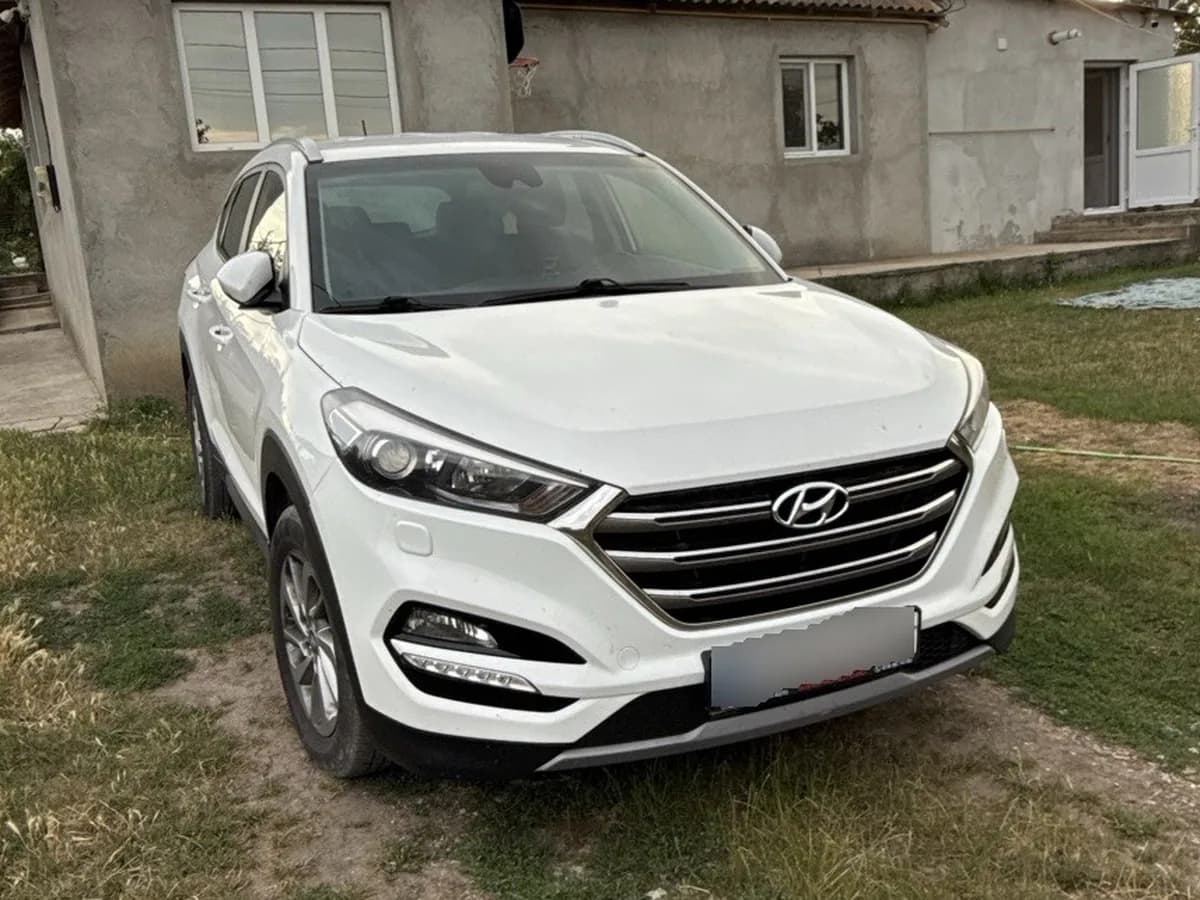
The Tucson first appeared in 2004 as a compact SUV designed to strengthen Hyundai’s position in the growing sport-utility market. The second generation arrived in 2009 and was sold as the ix35 in many markets outside South Korea and North America. In 2015, Hyundai returned to the Tucson name with a new generation intended to give the model a more consistent global identity. The European version was shown at Geneva before going on sale during the second half of 2015. Hyundai described it as a new-platform vehicle with a 2,670 mm wheelbase and a claimed 513-litre luggage capacity with the rear seats upright. The manufacturer also highlighted European development work, chassis tuning and testing aimed at balancing ride comfort with handling stability. (s3-eu-west-1.amazonaws.com)
Photos added by the community for this page.
Source: autoevolution
The Tucson name refers to the city of Tucson, Arizona. Another notable detail of the 2015 European launch was Hyundai’s plan to build all Tucson models sold in European markets in the Czech Republic. Production of the third-generation vehicle began at the Nošovice plant in mid-June 2015, shortly before the model’s commercial rollout across Europe. (hyundai.news)
No sufficiently precise public figure was found for worldwide production of the 2015 Hyundai Tucson Base or for one specific trim level. Hyundai did state that Tucson vehicles sold in Europe were to be built at Hyundai Motor Manufacturing Czech in Nošovice. The company reports that third-generation production began there in mid-June 2015 and that 1,180,445 units of that generation were manufactured over more than five years. This figure applies to the third generation produced at Nošovice, not specifically to the Base trim and not necessarily to all Tucson production worldwide. (s3-eu-west-1.amazonaws.com)
Automotive reviewers generally highlighted the 2015 Tucson’s styling, comfortable ride and manageable dimensions. Edmunds found the cabin appealing and the suspension composed, but described the base engine’s acceleration as leisurely and noted that rear-seat and cargo space were limited compared with some competitors. Cars.com likewise praised the presentation and agile road manners while pointing out that its carrying capacity trailed several rivals. From a safety perspective, the European Tucson received a five-star Euro NCAP rating in results published in October 2015. That achievement was significant for the model’s introduction, although the tested specification and available equipment should not automatically be treated as identical to every Base vehicle sold in every market. (edmunds.com)
Compared with the ix35 it replaced in many European markets, the 2015 Tucson represented a clear change in styling and cabin architecture. Hyundai increased the vehicle’s dimensions and revised the interior layout while adding connectivity and driver-assistance features according to trim level. The European launch range included a 132 PS 1.6-litre GDI petrol engine, a 175 PS 1.6-litre T-GDI unit, and 1.7- and 2.0-litre diesel engines. All-wheel drive was available with the more powerful petrol and diesel configurations, while the entry 1.6 GDI was listed with a six-speed manual transmission and front-wheel drive. Exact equipment and engine availability varied by national market and model grade. (s3-eu-west-1.amazonaws.com)
Supports the European launch date, design, dimensions, luggage capacity, engine range, transmissions, drivetrains and European production plan.
Supports Nošovice production, the mid-June 2015 start of third-generation production and the reported 1,180,445-unit production total.
Supports the Tucson model history, the ix35 naming period and the 2015 third-generation evolution.
Supports U.S.-market engine, trim, transmission and drivetrain details, along with contemporary review comments.
Supports U.S.-market variant information and independent comments on styling, handling, space and practicality.
Supports the five-star Euro NCAP result published for the new-generation Hyundai Tucson in October 2015.
Source found by OpenAI web search for this vehicle page.
Source found by OpenAI web search for this vehicle page.