
Hyundai
Founded in 1967, Hyundai Motor Company introduced the Pony in 1975, the manufacturer’s first independent passenger-car model and South Korea’s first mass-produced passenger car. That compact car established the basis for Hyundai’s international expansion, which accelerated with the Pony Excel, Excel, and early generations of the Sonata, Elantra, and Accent. Over the following decades, Hyundai broadened its range from city cars and family sedans to recreational vehicles and electrified models. The Elantra, launched in 1990 and known as Avante in some markets, became one of the company’s longest-running nameplates. In 2016, Ioniq combined hybrid, plug-in hybrid, and battery-electric powertrains before evolving into a dedicated electric-vehicle brand. Hyundai’s history can therefore be followed through practical vehicles, changing design priorities, regional naming differences, and a steadily stronger emphasis on electrification.
Models from A to Z
Accent
Alcazar
Amica
Aslan

Atos
Atoz
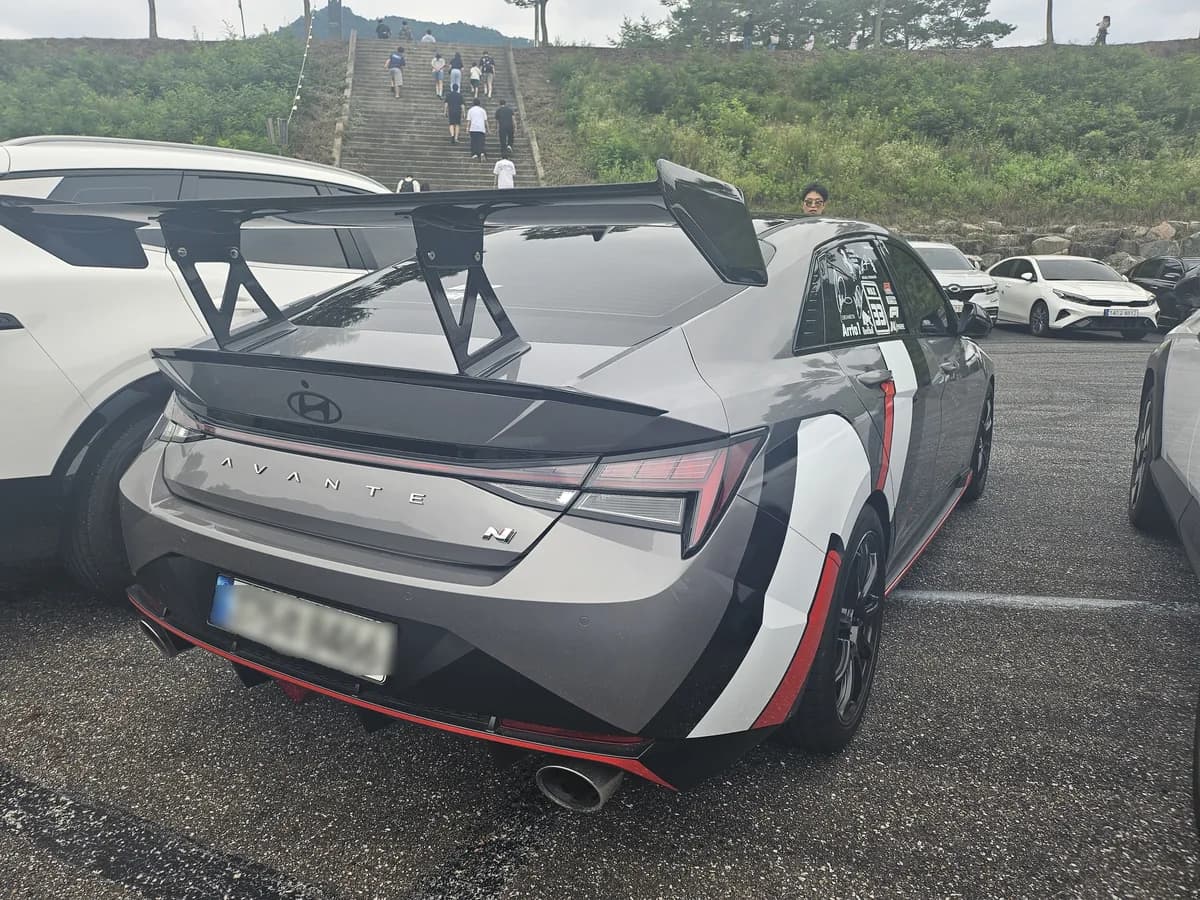
Avante
Avega
Azera
Bayon
Casper
Celesta
Centennial
Click

Coupé
Creta
Custo

Dynasty
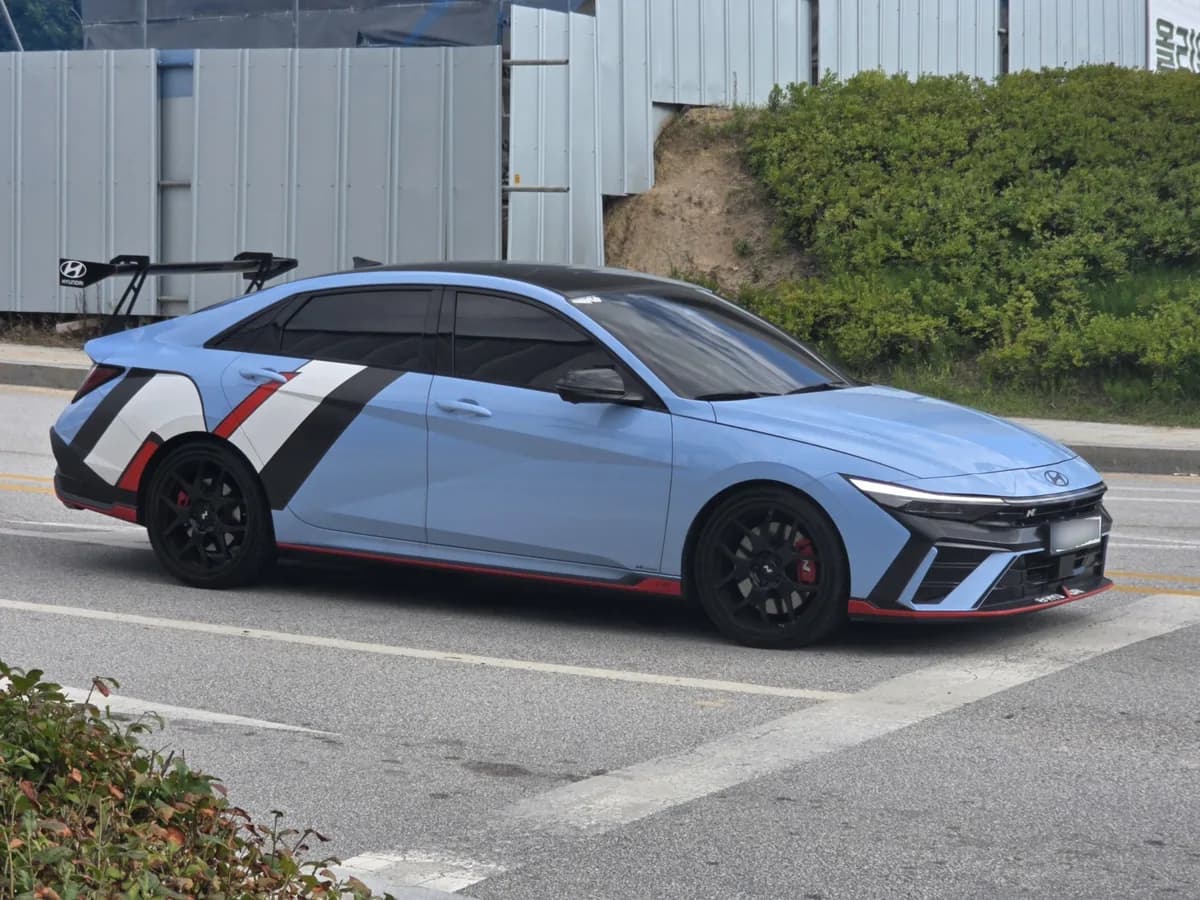
Elantra
Encino
Entourage
Eon
Equus
Excel

Galloper
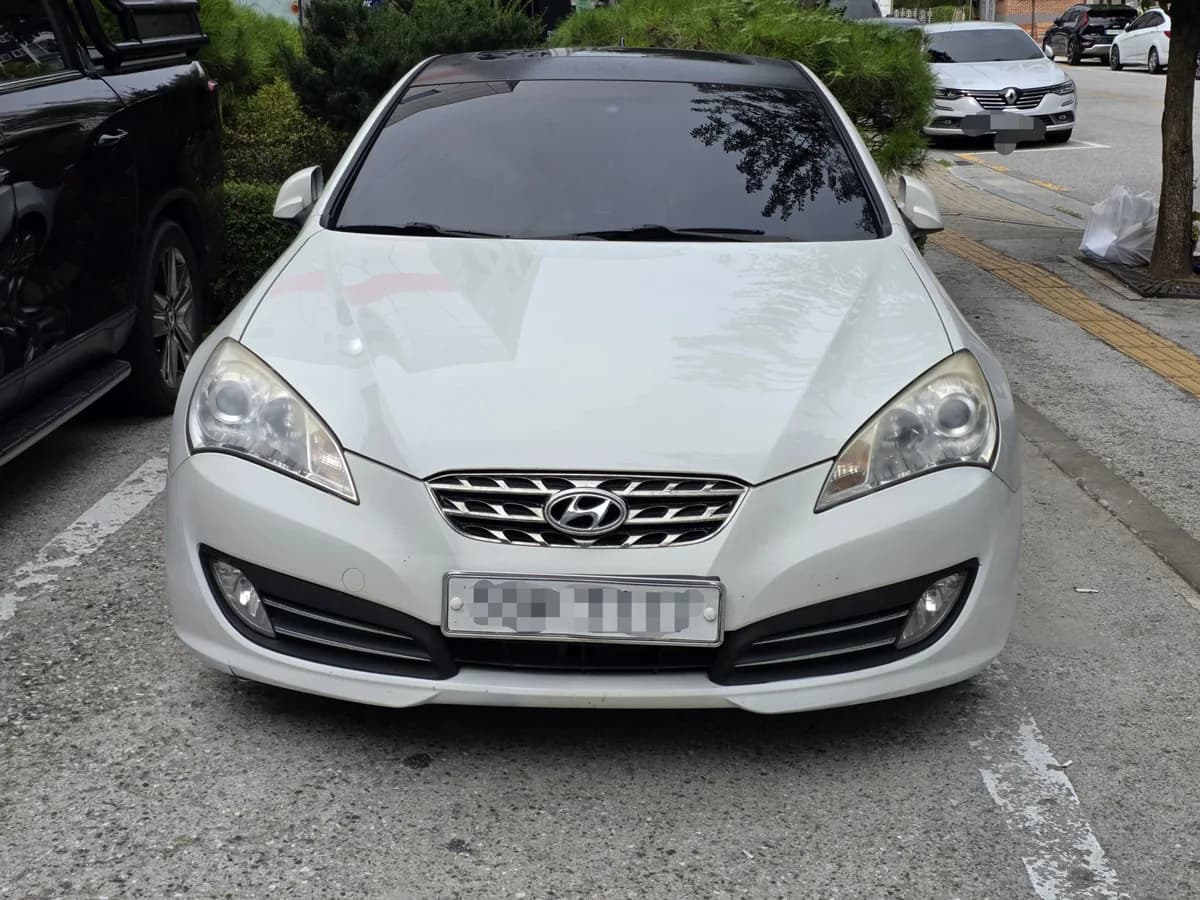
Genesis
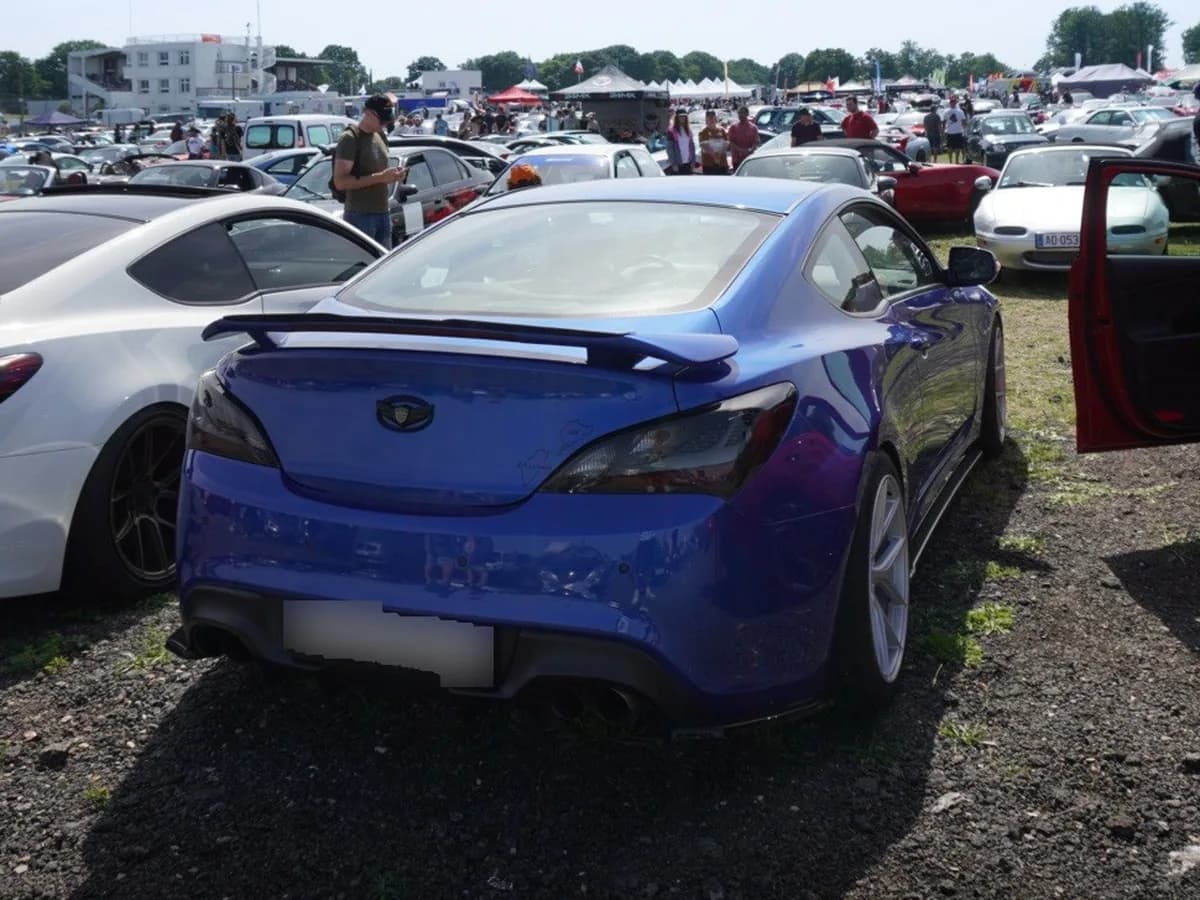
Genesis coupé
Getz
Grace
Grand Starex
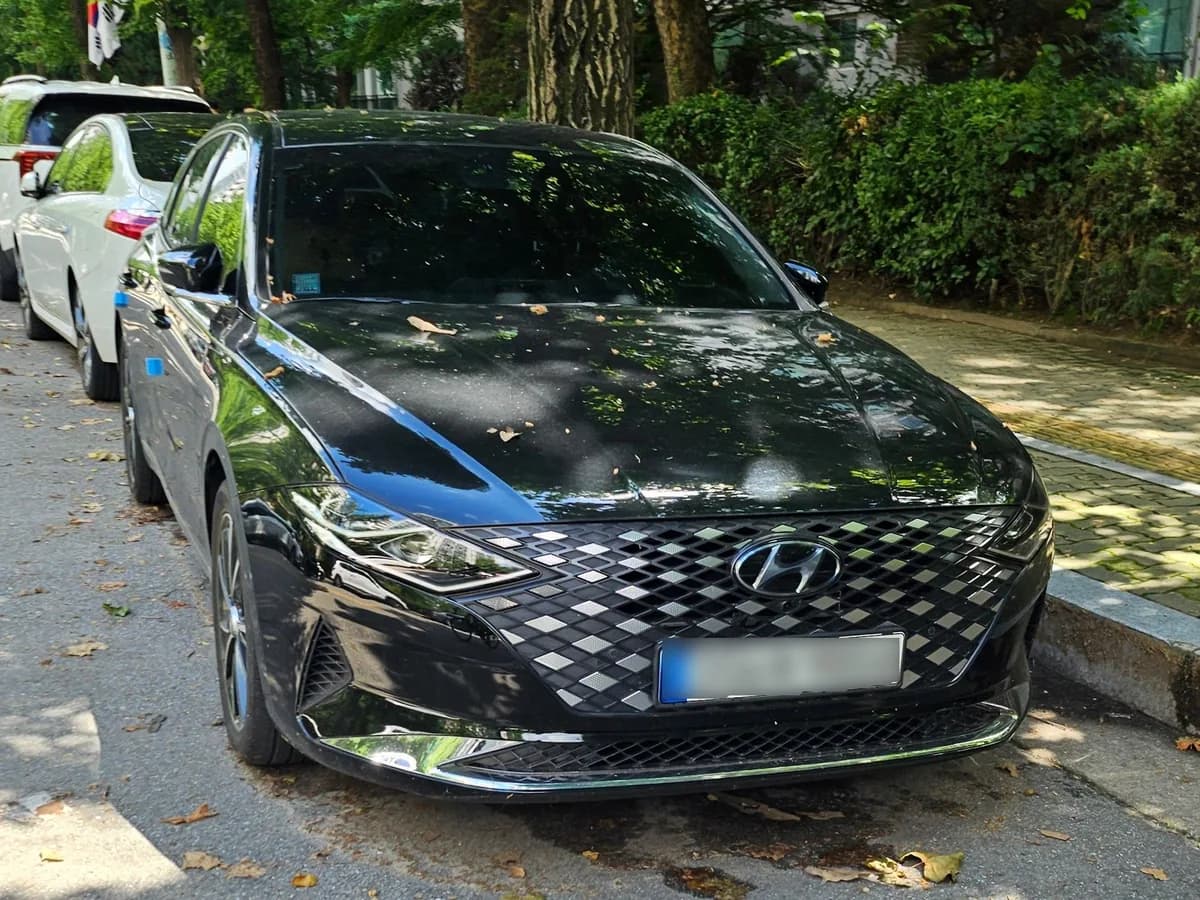
Grandeur
HB20
Highway Van
i10
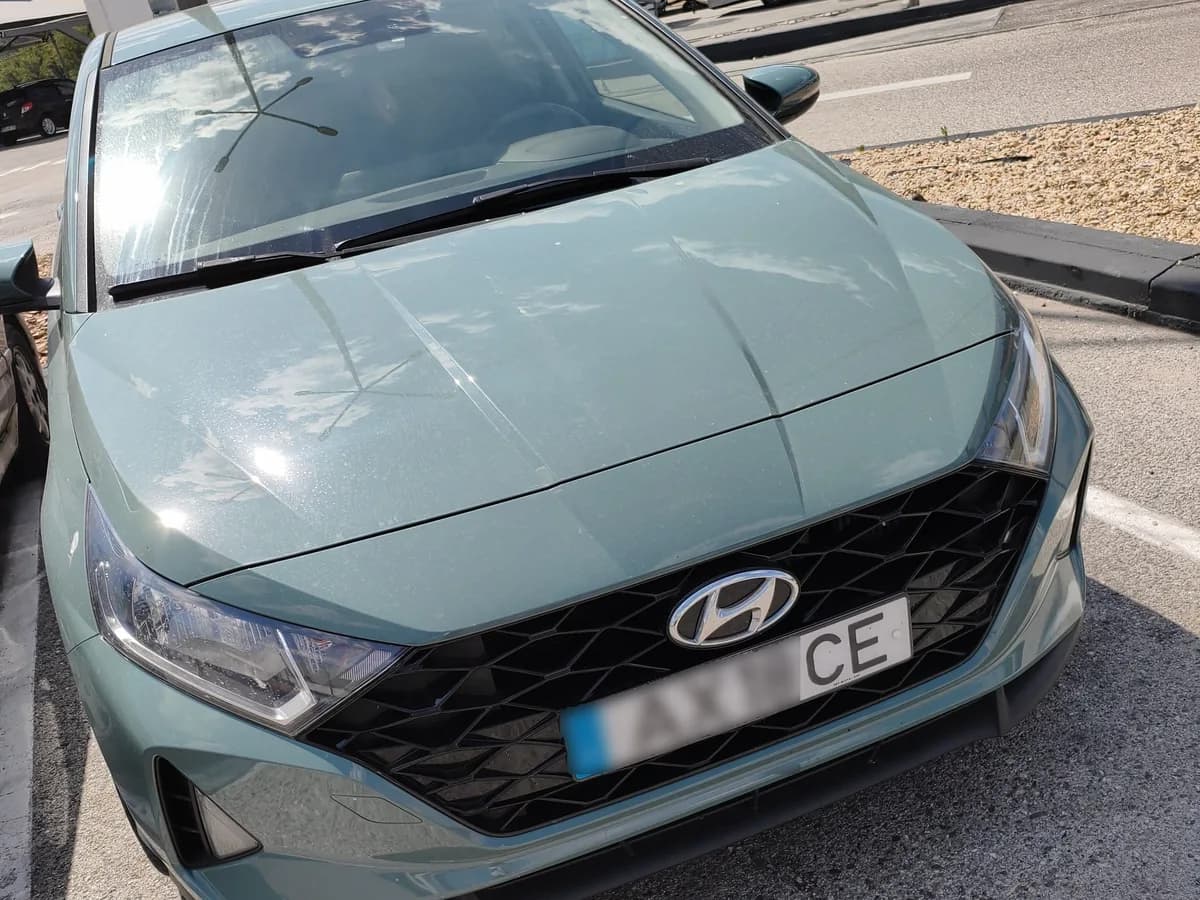
i20

i30
i40
i45
i800
iLoad
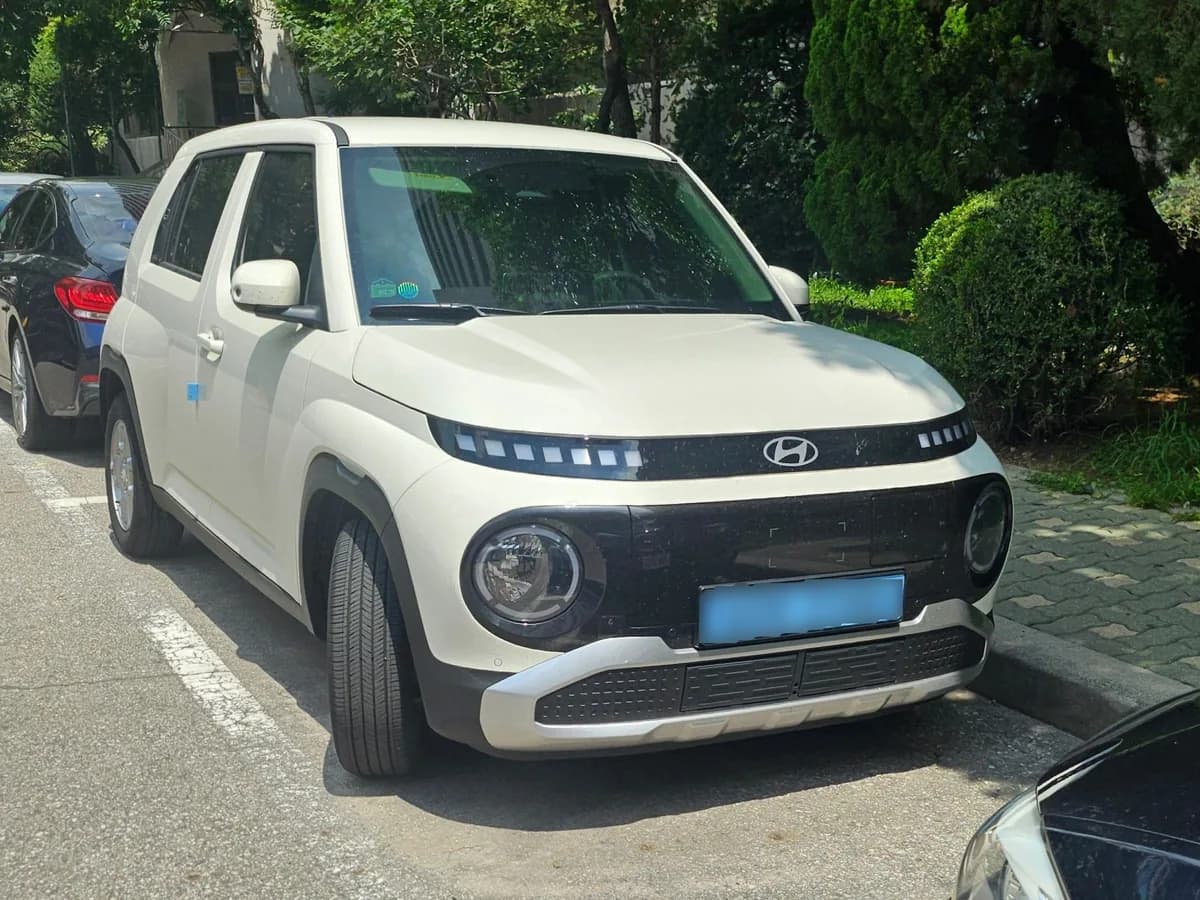
Inster
Ioniq
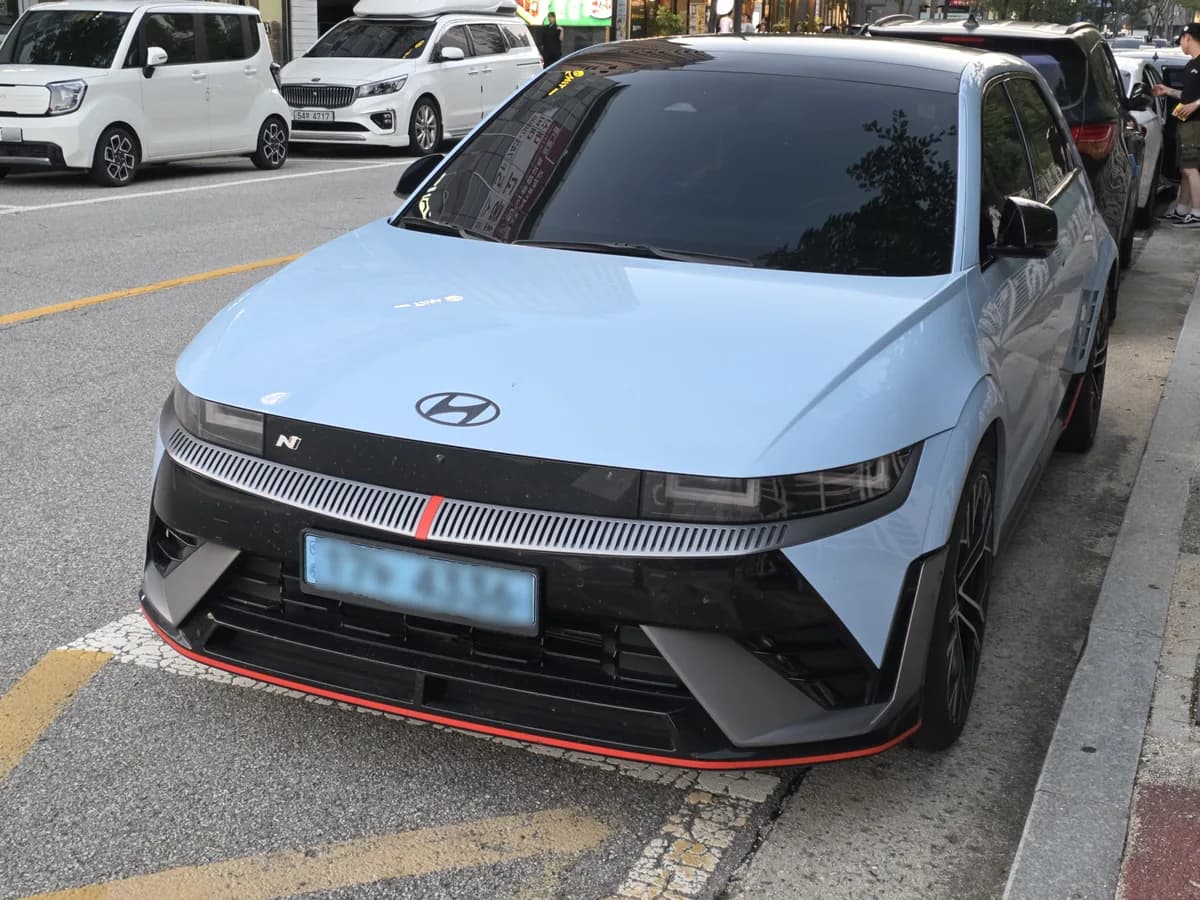
Ioniq 5
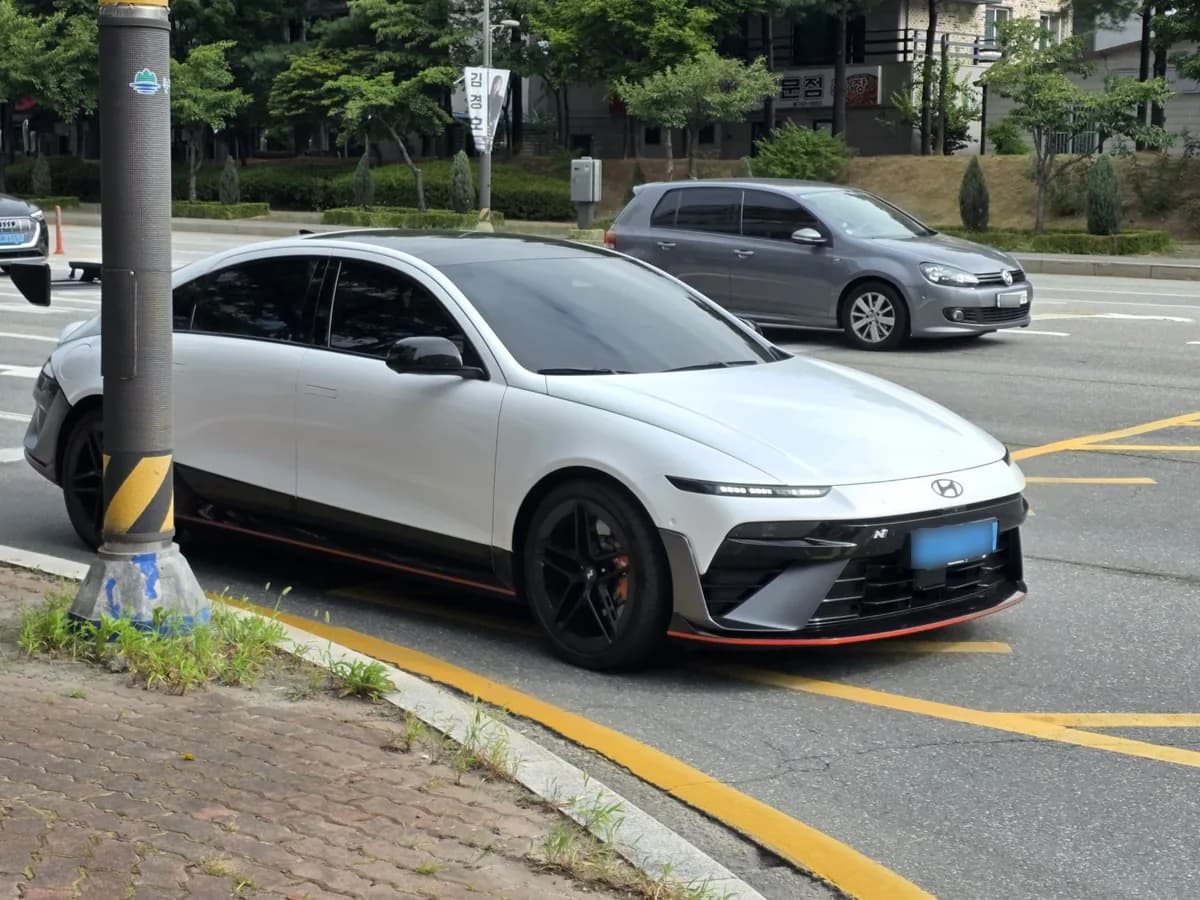
Ioniq 6
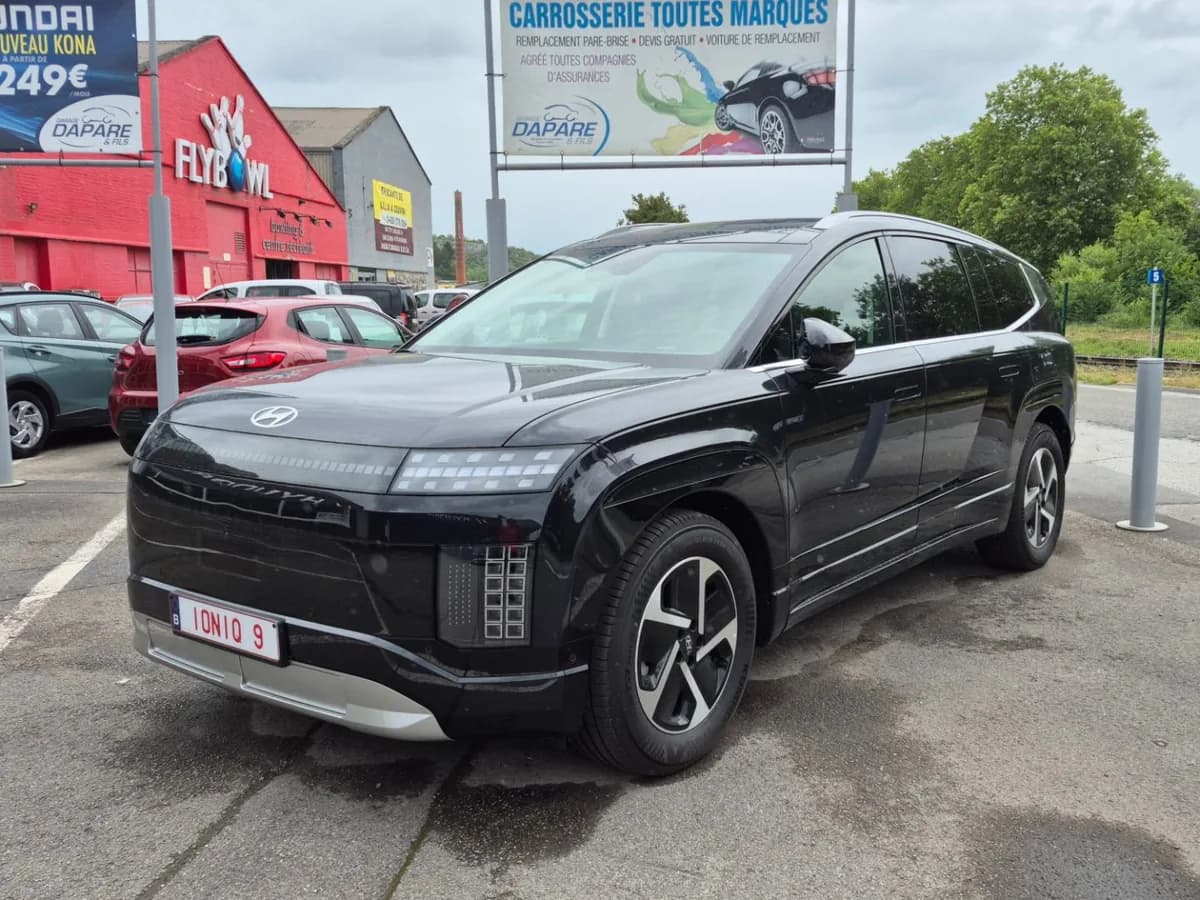
Ioniq 9
ix20
ix25
ix35
ix55
Kauai
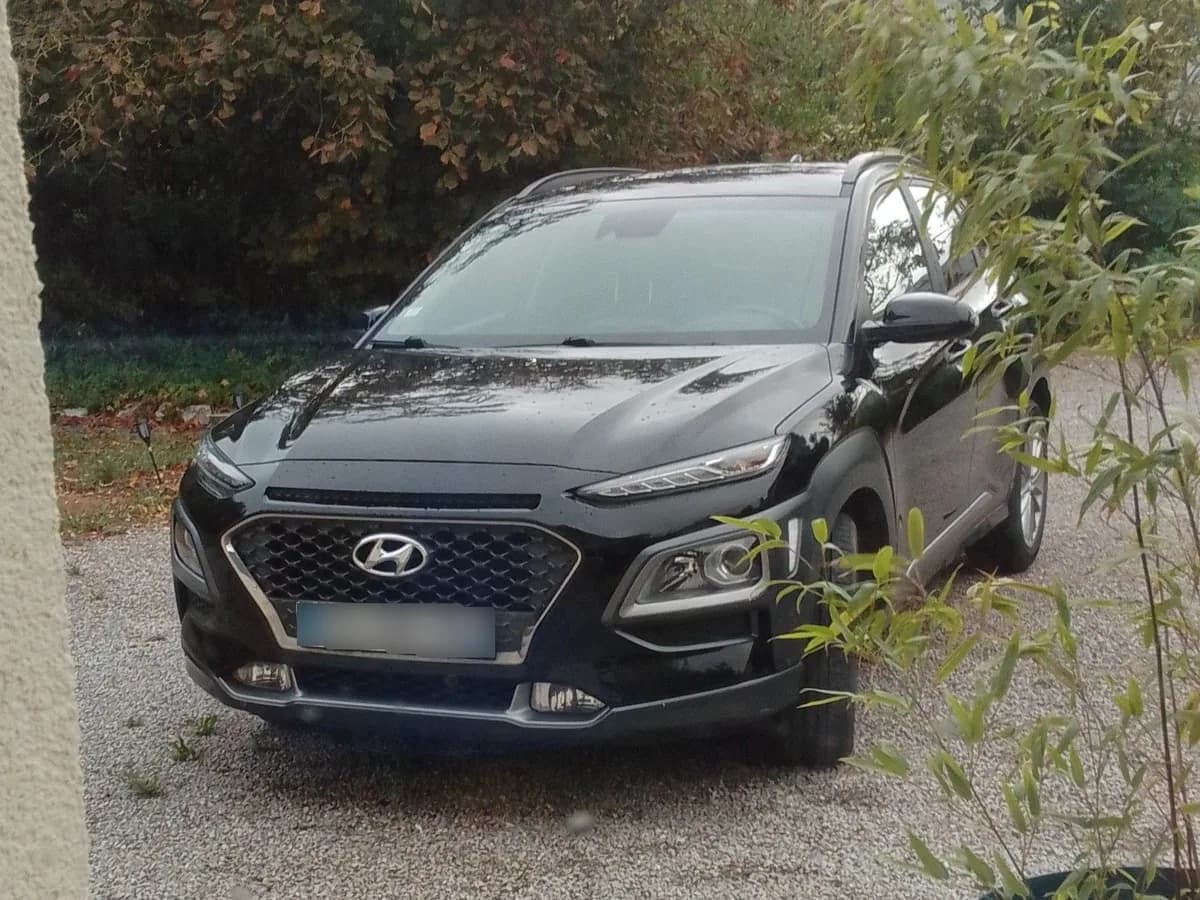
Kona
Lafesta
Lantra
Lavita
Marcia
Matrix
Maxcruz
Mistra
Moinca
Mufasa
Nexo
NF
Palisade
Pony
Porter
Presto
Reina
Rohens
Rohens Coupe
S-Coupe
Santa Cruz
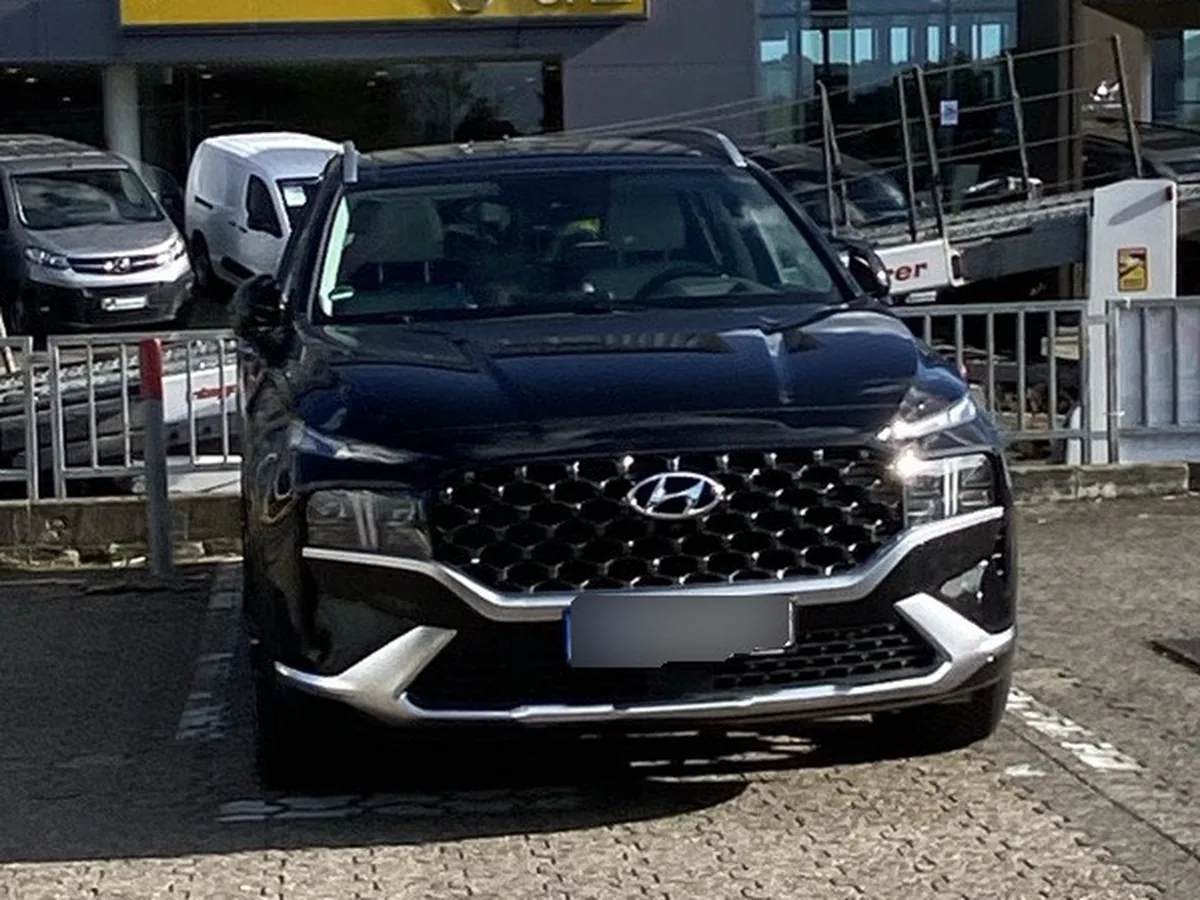
Santa Fe
Satellite
Solaris

Sonata
Sonica
Starex
Stargazer

Staria
Stellar
TB
Terracan
Tiburon
Trajet
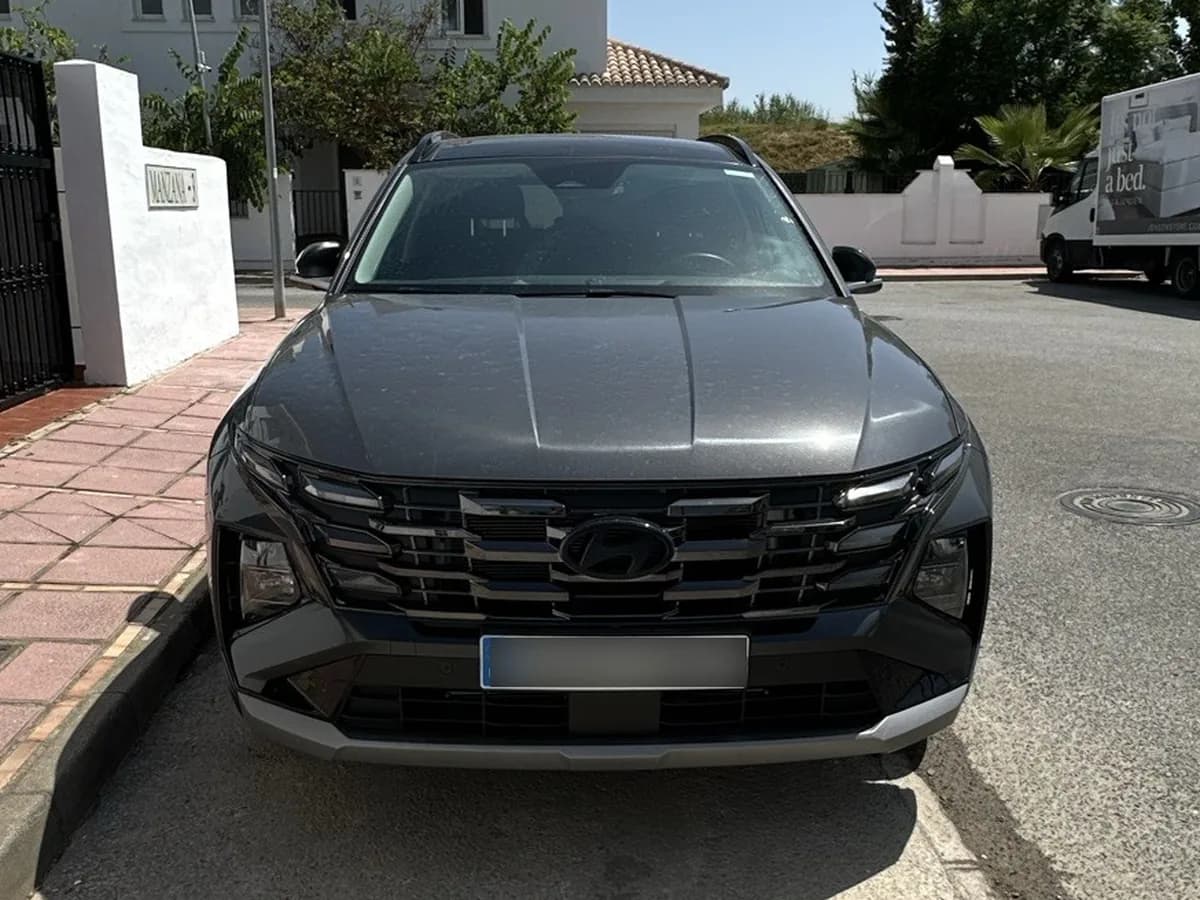
Tucson

Tuscani
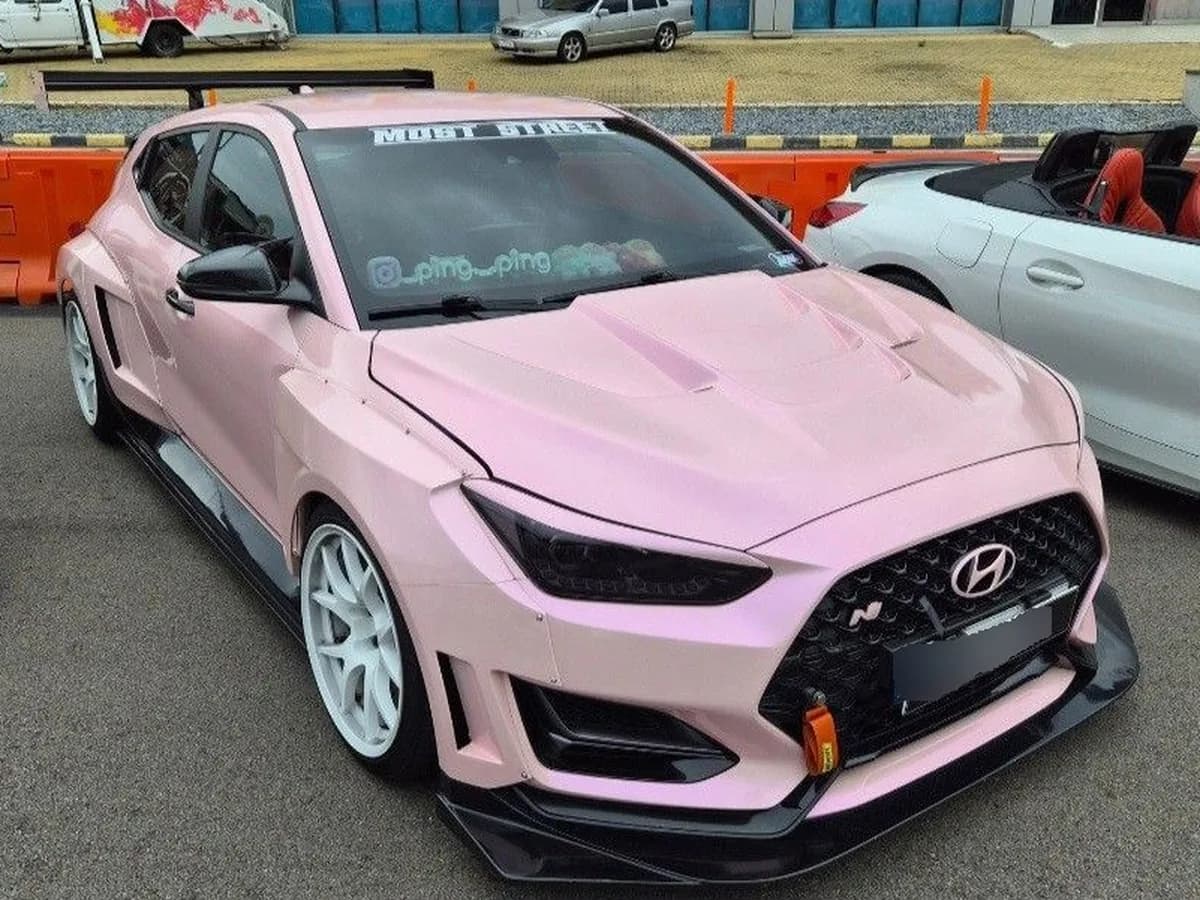
Veloster
Venue
Veracruz
Verna
Xcent
XG
Hyundai overview
Hyundai history
Hyundai Motor Company was established in 1967 and initially built licensed vehicles, including the Ford Cortina from 1968. The decisive step came with the Pony. Previewed as a concept at the 1974 Turin Motor Show and designed by Giorgetto Giugiaro, it entered production from 1975 and became Hyundai’s first independent model. Hyundai began exporting the Pony to Ecuador in 1976. The Pony Excel, introduced in 1985, marked another important stage: it reached the United States in 1986 and quickly became a notable success among imported cars. Hyundai then expanded its range with vehicles such as the Sonata, Grandeur, Excel, Scoupe, and Elantra. The Elantra arrived in 1990, followed by the Accent in 1994. During the 2000s, Hyundai strengthened its small-car offering with models including the Atos and i10 while developing products for different regional markets. In 2016, the company launched Ioniq with hybrid, plug-in hybrid, and battery-electric powertrains. Hyundai later announced Ioniq as a dedicated electric-vehicle brand and adopted the “Sensuous Sportiness” design direction from 2018 onward.
Hyundai positioning
Hyundai has long built its identity around passenger cars intended to provide broad access to contemporary equipment and technology. That approach is visible in the history of the Excel and Elantra, two compact nameplates associated with international distribution and practical value. Hyundai’s model range also includes city cars such as the Atos, i10, and Casper; compact hatchbacks such as the i20, i30, and HB20; and larger sedans and family-oriented vehicles. The range differs by market, and the same basic model may use different names, as with Elantra and Avante. Electrification became increasingly prominent during the second half of the 2010s through the Ioniq model, followed by the Ioniq brand dedicated to electric vehicles. Hyundai is therefore best understood as a global mainstream manufacturer whose positioning has developed from accessible, practical vehicles toward a broad portfolio combining combustion, hybrid, and battery-electric powertrains.
Recognizing a Hyundai in a photo
Identifying an older Hyundai requires attention to the original market and production period because names, body styles, and equipment can vary between countries. The Pony is generally recognizable by its compact proportions and angular 1970s and 1980s styling. The Pony Excel and Excel represent a more modern generation of small cars, commonly seen with hatchback or three-box sedan silhouettes and straighter body surfaces. On 1990s vehicles, Elantra, Avante, and Accent may refer to related families depending on the region. The Atos and i10 are short, tall city cars, while the i20 and i30 have dimensions and proportions closer to European-style compact hatchbacks. Ioniq requires a further distinction: the 2016 model was offered as a hybrid, plug-in hybrid, and battery-electric car, whereas later Ioniq vehicles belong to Hyundai’s dedicated electric-vehicle line. Badges, grille design, lamp shapes, wheelbase, and rear-body configuration are useful clues, but should be checked against the market and year.
Important Hyundai models
The Pony is the foundation of Hyundai’s independent model range and covers the earliest represented years, from 1975 to 1994. The Excel, introduced in 1985, reflects Hyundai’s international expansion and its successful entry into the United States. The Elantra, represented from 1990 to 2023 in the supplied data, is one of Hyundai’s most consistent nameplates; in some markets it is known as Avante. The Accent extended Hyundai’s presence in the small-sedan and compact-car segments from 1994 onward. Atos, i10, and Casper demonstrate the importance of city cars, while the i20, i30, and HB20 represent compact models developed for different regional markets. The 2016 Ioniq marks a significant technical transition by offering three electrified powertrain types in one model line. Taken together, these vehicles trace Hyundai’s development from early compact cars and export-oriented models to a broader global portfolio increasingly shaped by electrification.
References
- History 1967-2000Hyundai Motor Company
- Vehicle History: Hyundai PonyHyundai Motor Company
- Hyundai Motor Showcases Heritage Series PonyHyundai Motor Company Newsroom
- Vehicle History: Pony ExcelHyundai Motor Company
- Vehicle History: ElantraHyundai Motor Company
- ElectrificationHyundai Motor Company
- Design Philosophy: Sensuous SportinessHyundai Motor Company
- i10 HighlightsHyundai Motor Company