
Bugatti
Founded by Ettore Bugatti in Molsheim, Alsace, Bugatti produced its first automobile bearing the founder’s name in 1910. The marque soon became known for combining elegant proportions, unusual engineering solutions and serious racing ambitions. The Type 35, introduced in 1924, became its most celebrated competition car, while the Type 41 Royale and Type 57 strengthened Bugatti’s reputation for prestige automobiles. After a lengthy interruption, the brand returned to the automotive scene in the late 1990s and regained international attention with the Veyron, followed by the Chiron and its derivatives. The models represented in the library therefore span several distinct eras: early Type 13 and Type 23 cars, 1920s racing machines, pre-war grand tourers and modern hyper sports cars. More recent limited-production projects include the Bolide and Centodieci. Together, these names show how Bugatti moved from lightweight racing engineering to highly exclusive performance cars without abandoning its emphasis on design and craftsmanship. (newsroom.bugatti.com)
Models from A to Z
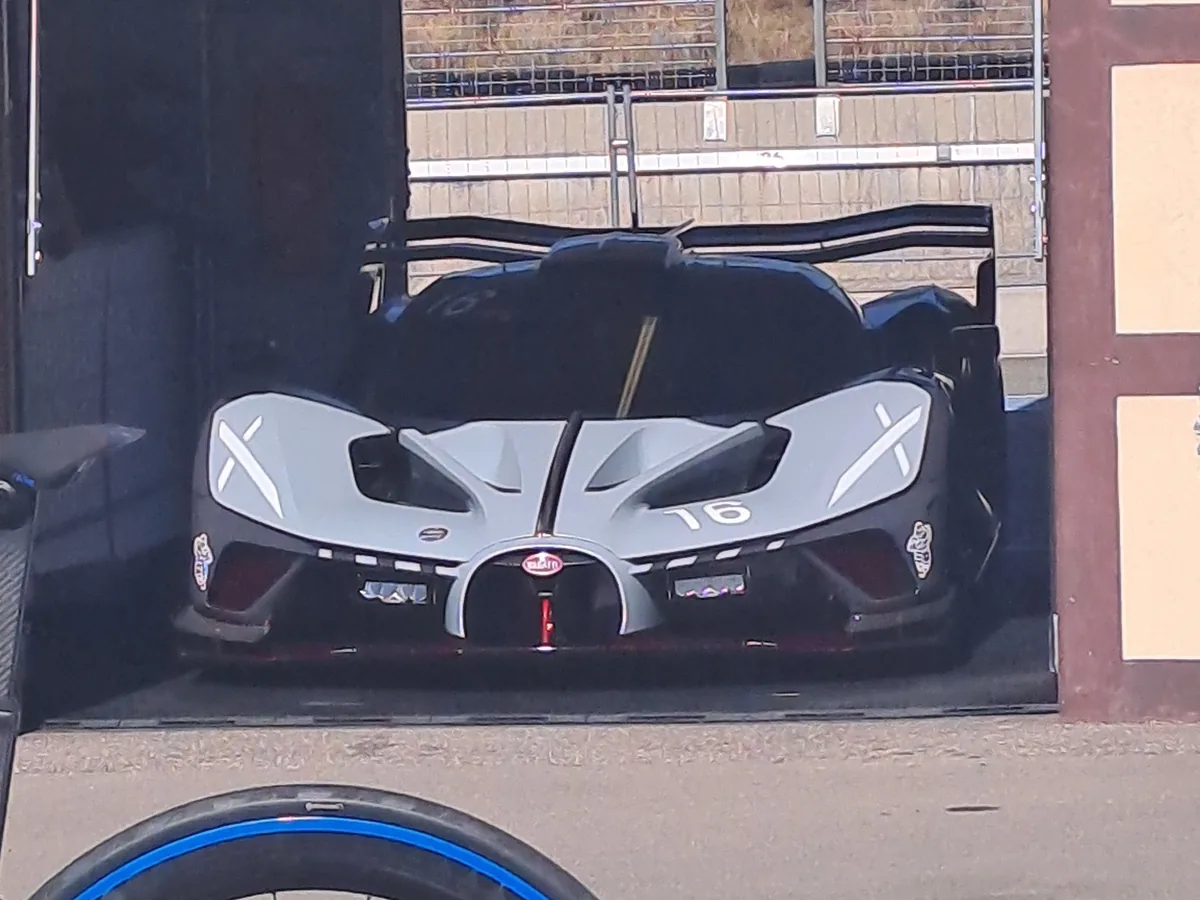
Bolide
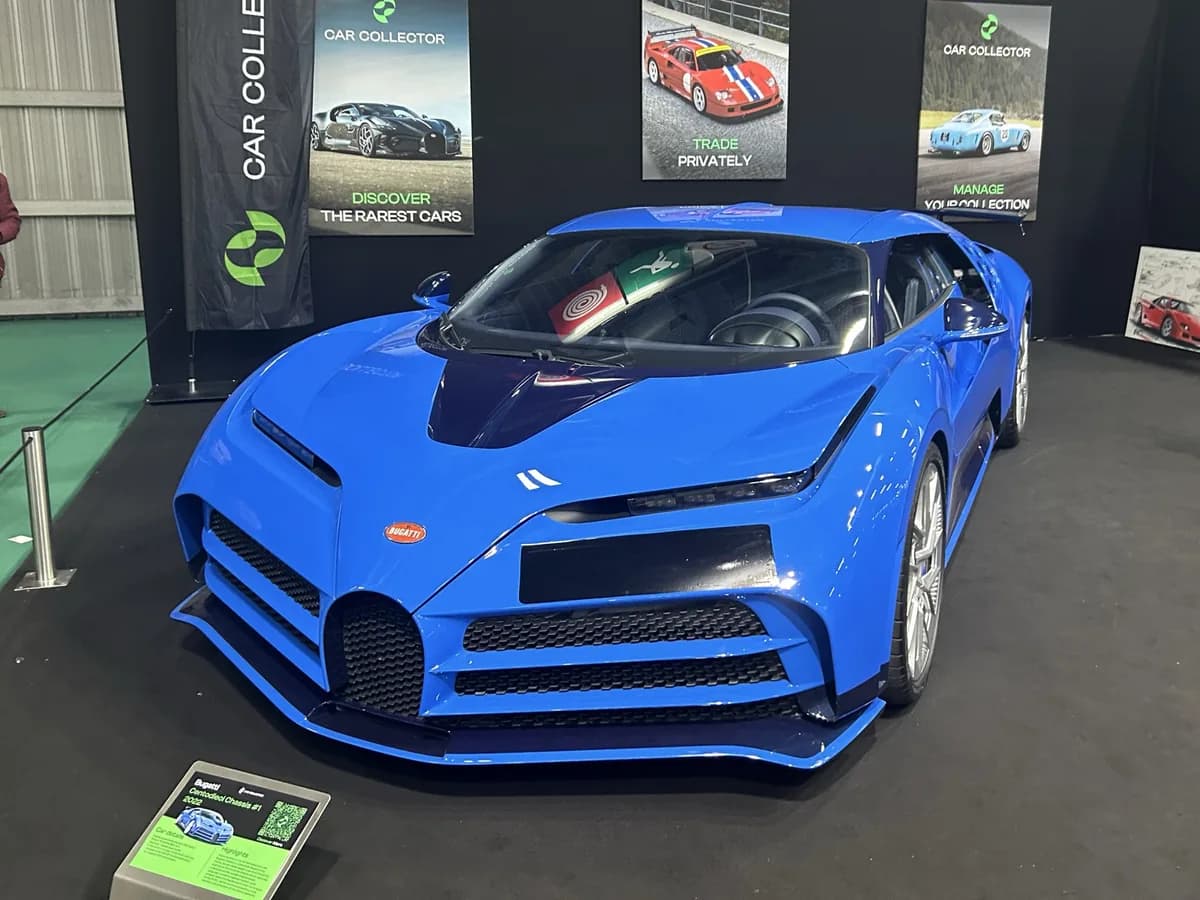
Centodieci
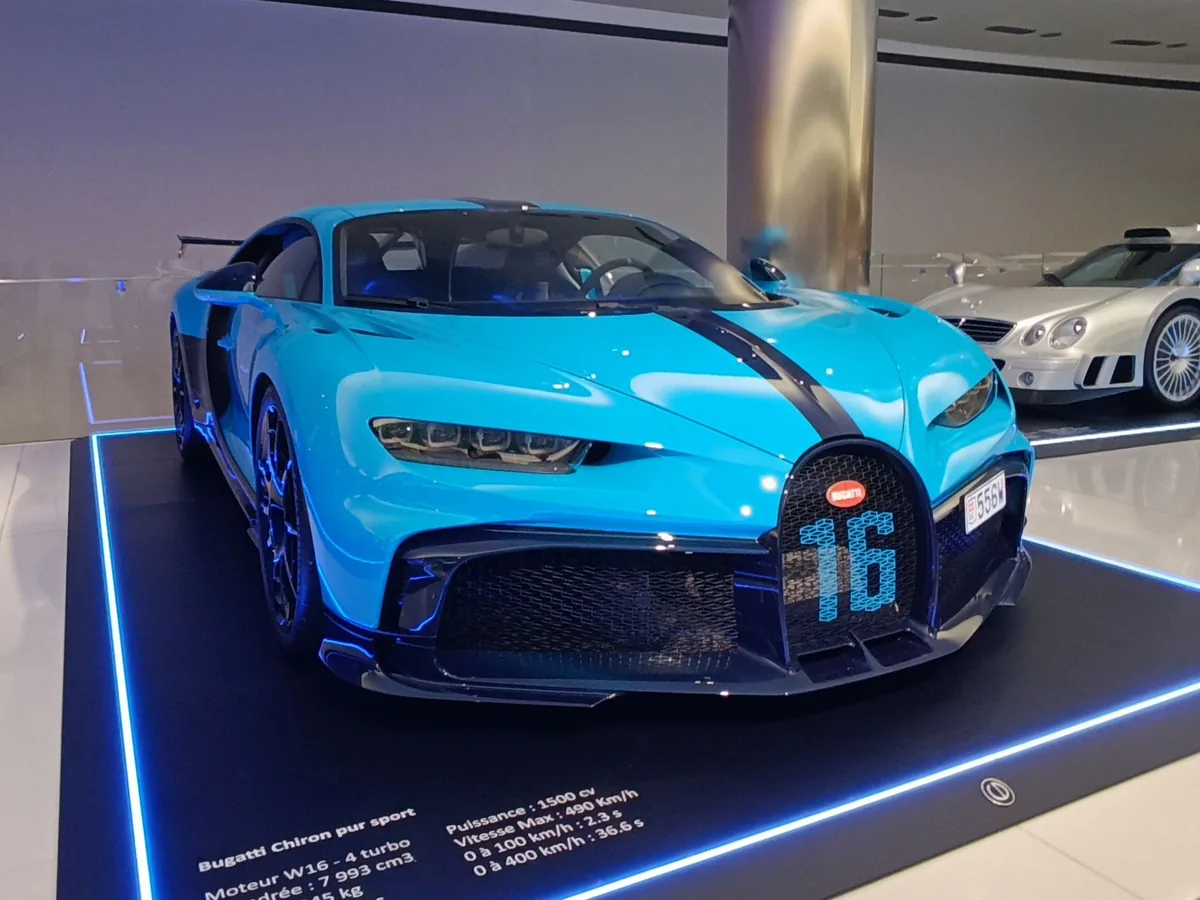
Chiron
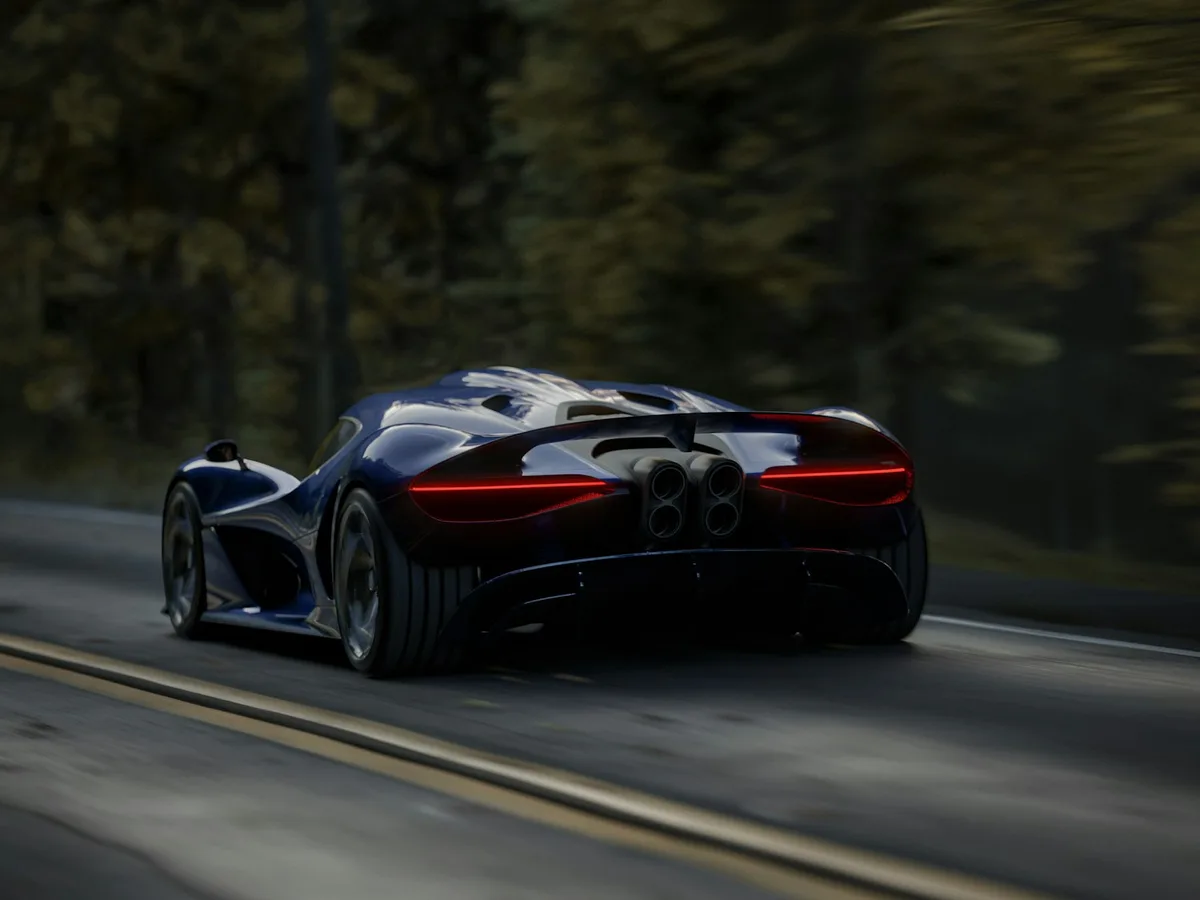
Destrier
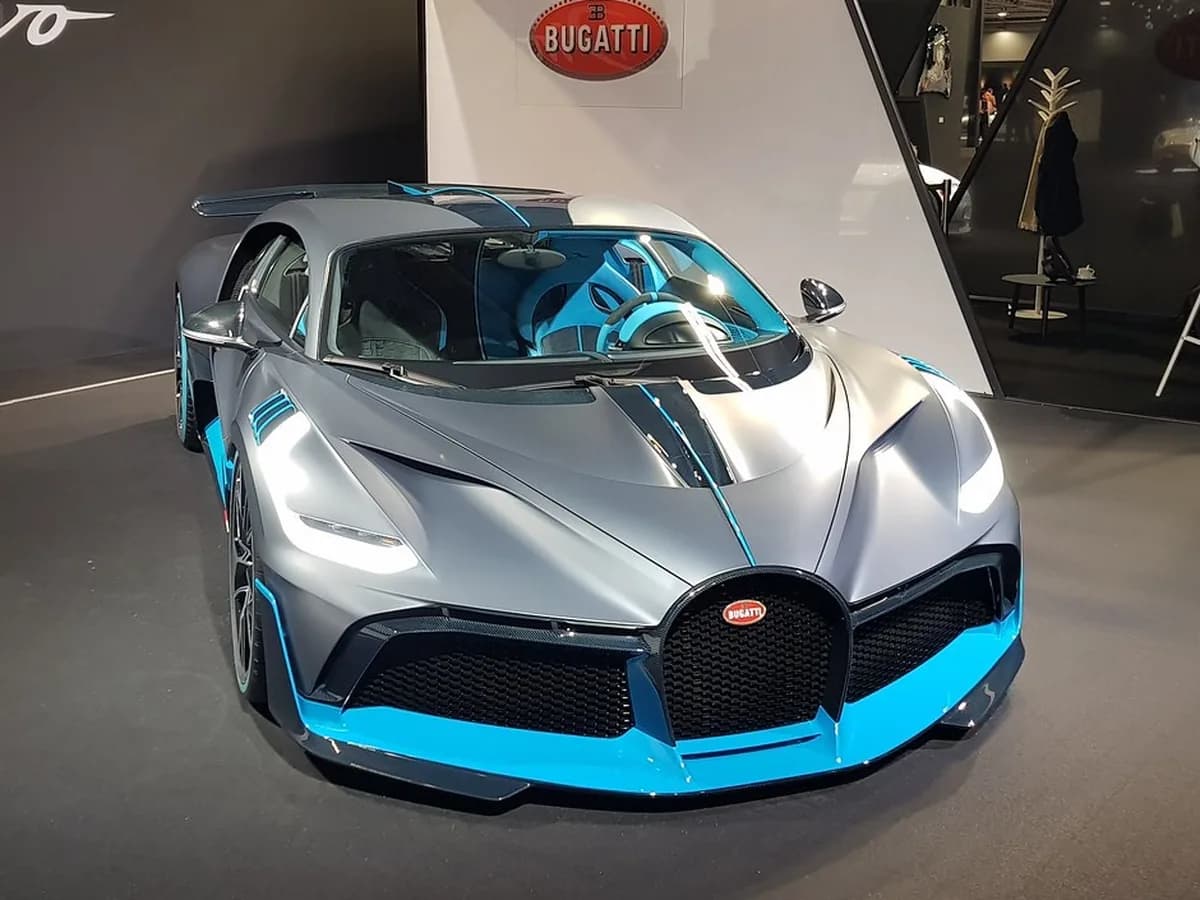
Divo
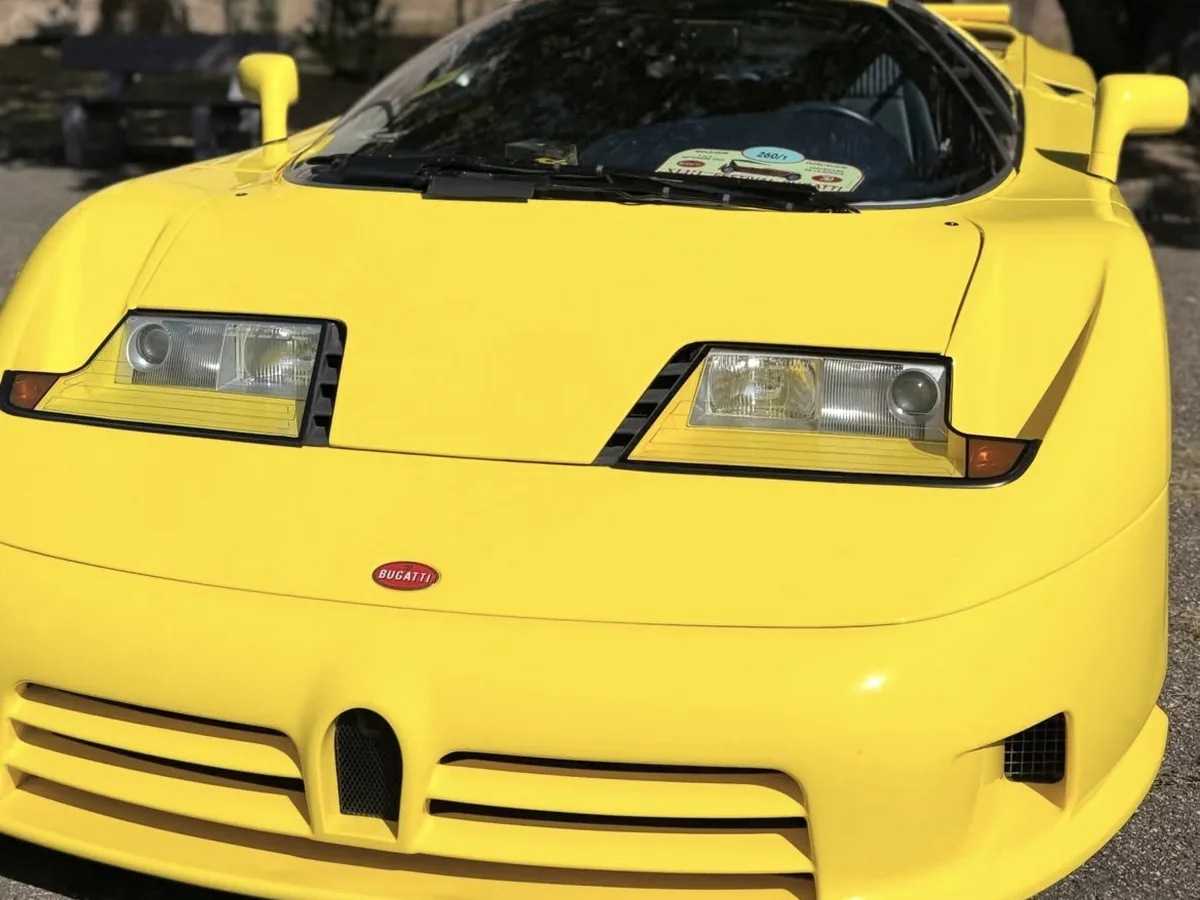
EB110
EB112
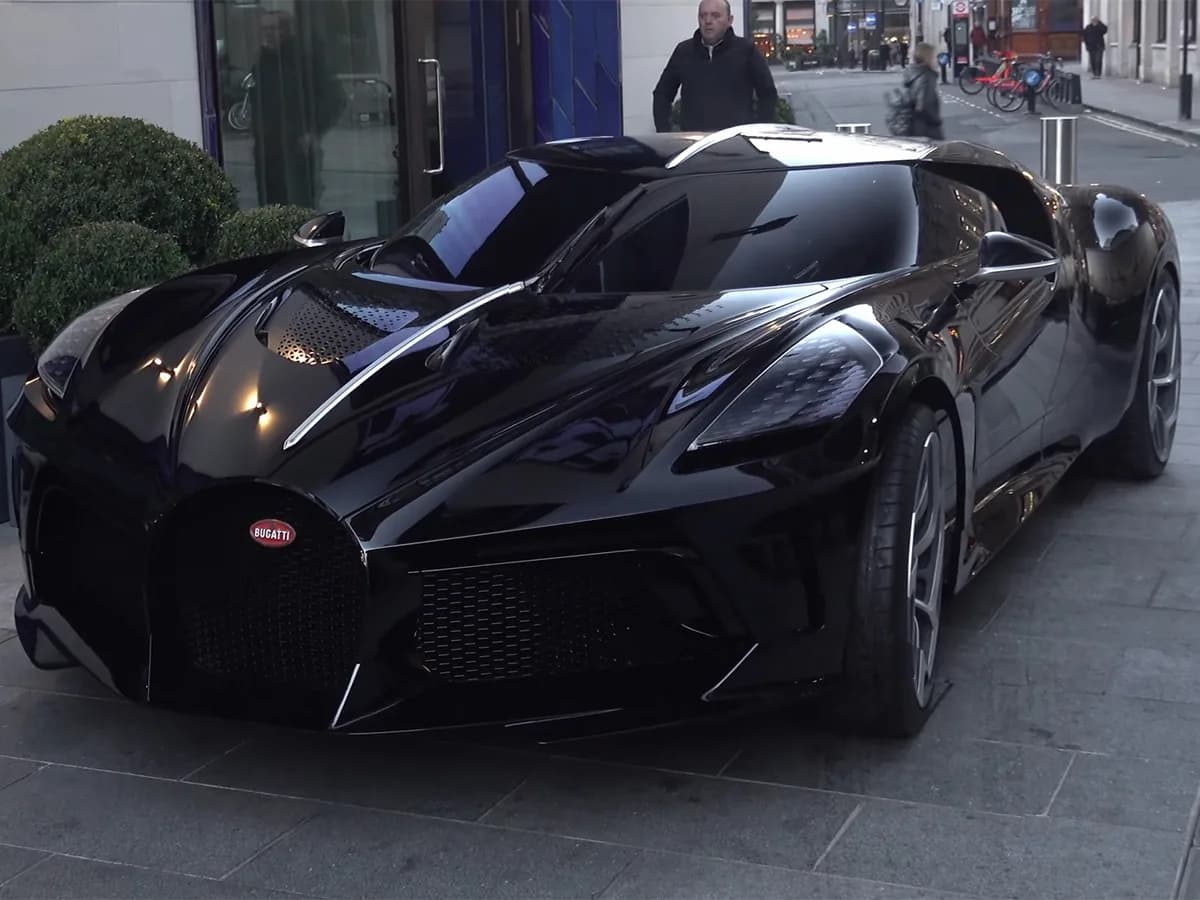
La Voiture Noire
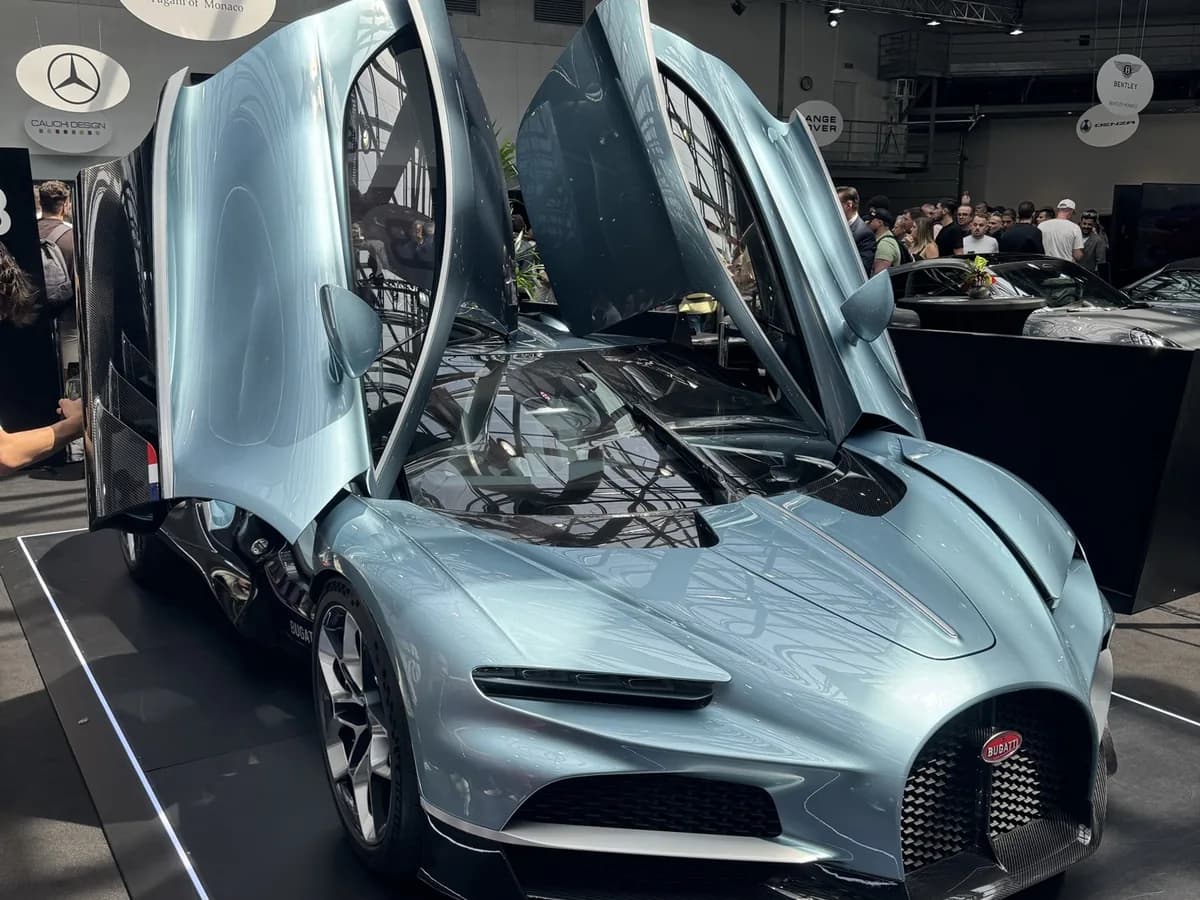
Tourbillon
Type 101
Type 13
Type 15
Type 18
Type 23
Type 252
Type 27
Type 30
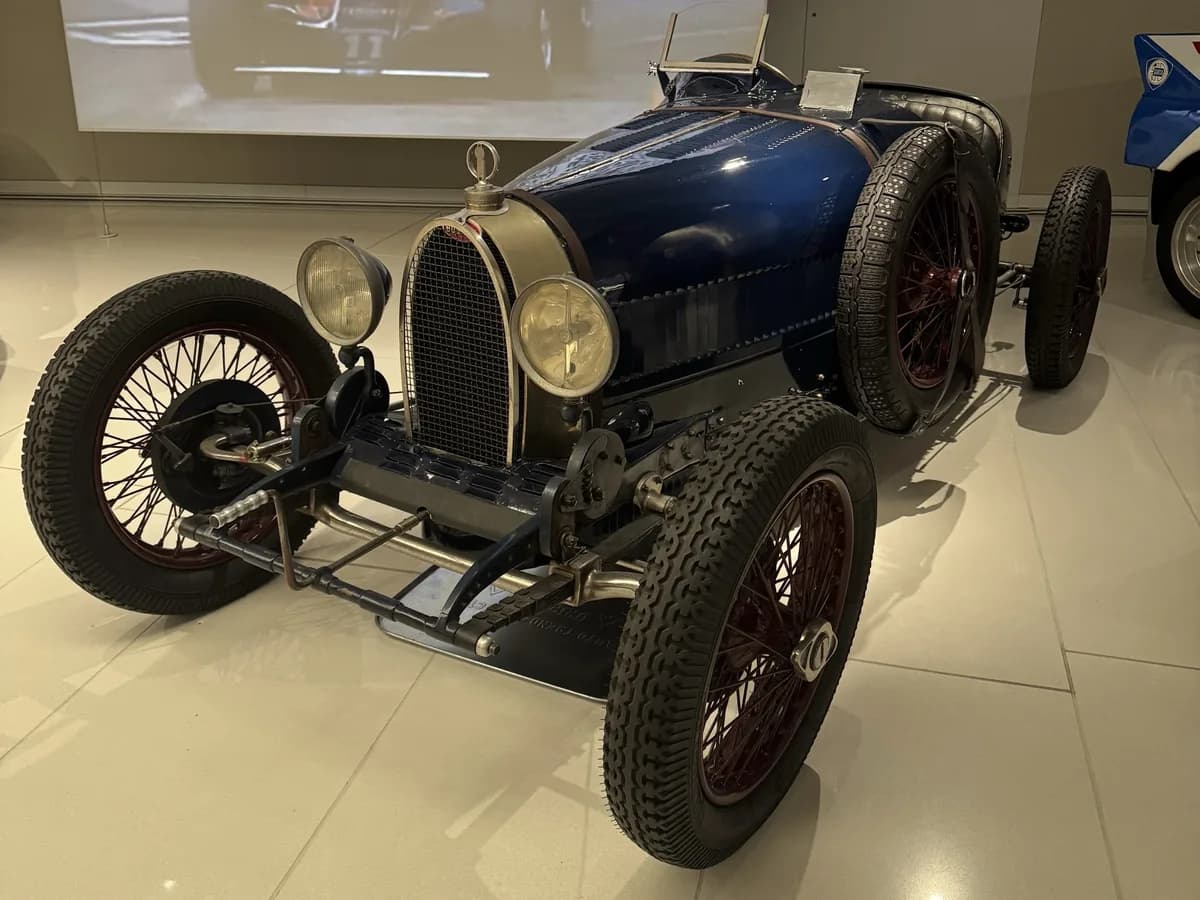
Type 35
Type 37
Type 38
Type 39
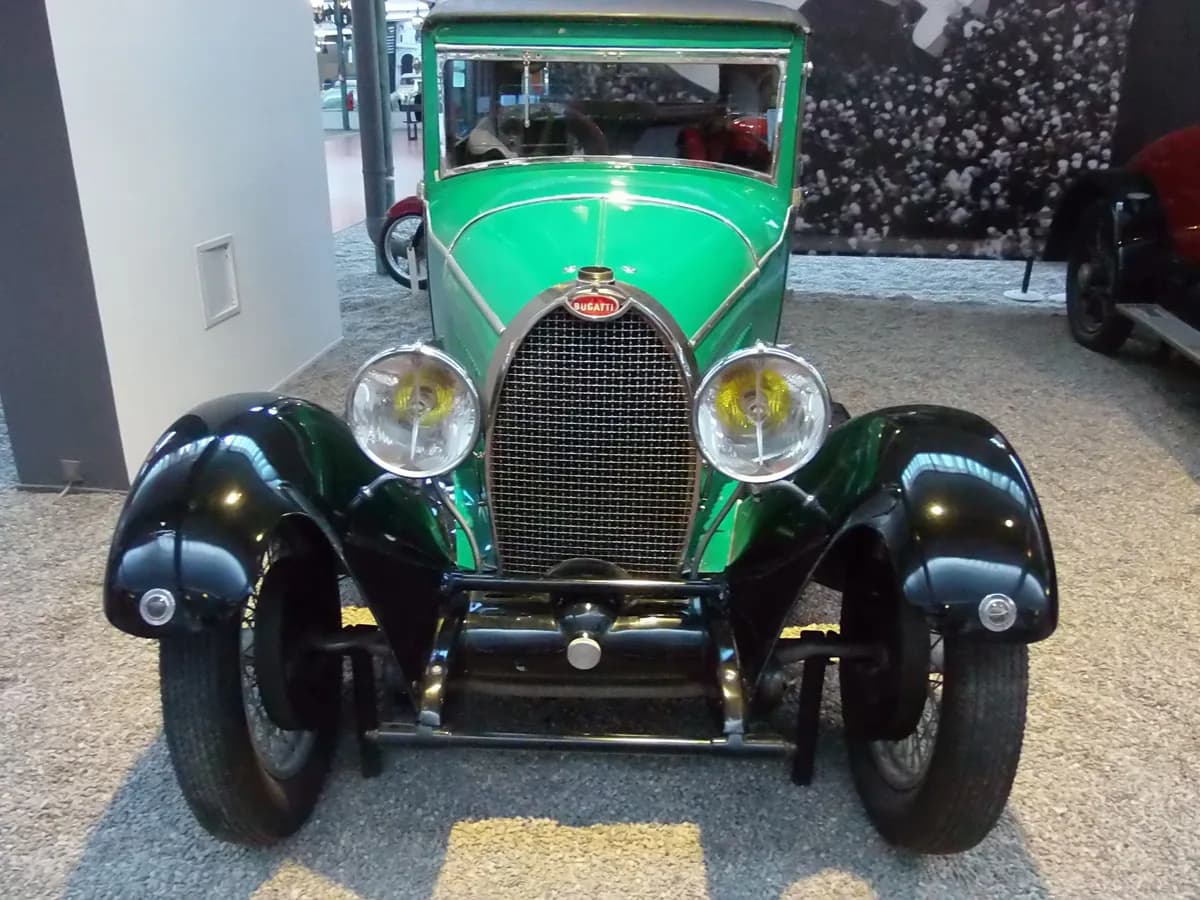
Type 40
Type 41
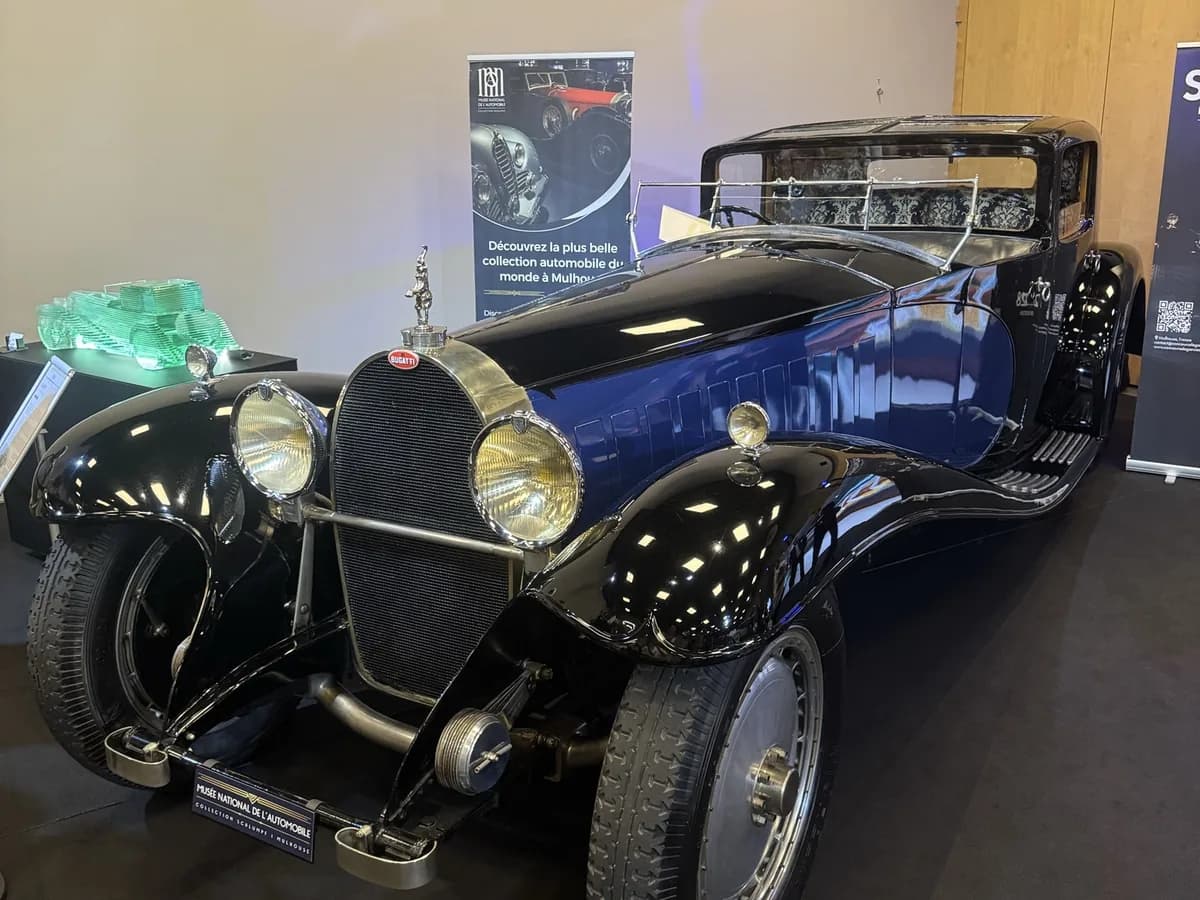
Type 41 Royale
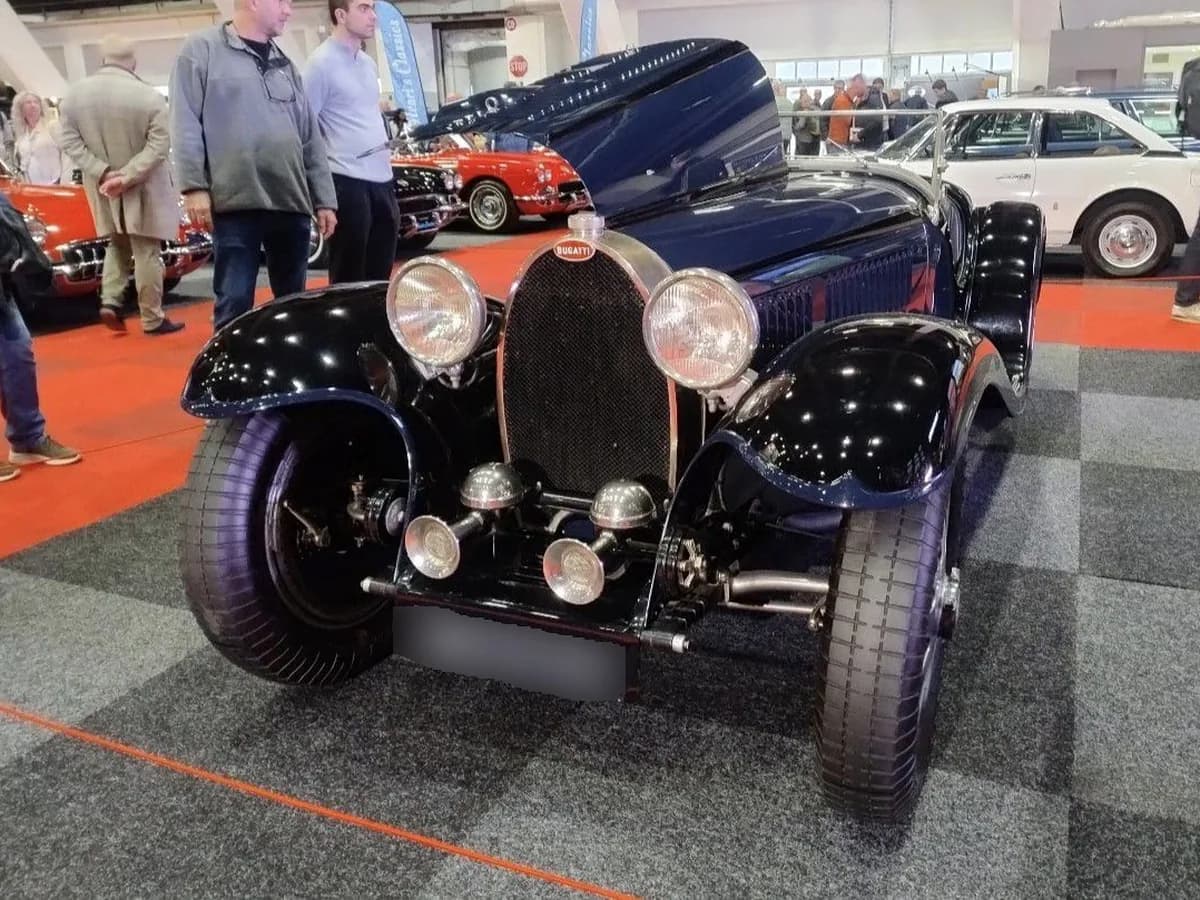
Type 43
Type 44
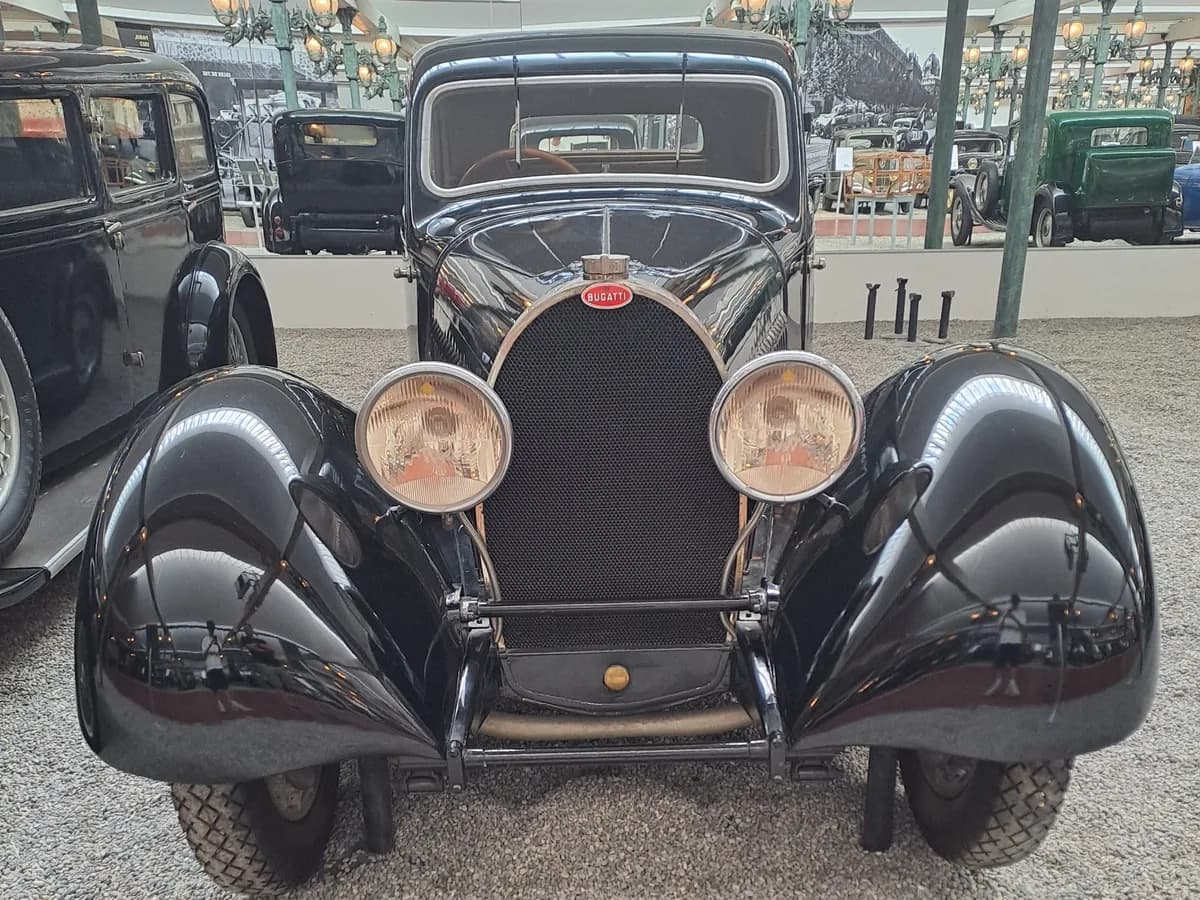
Type 46
Type 49
Type 50
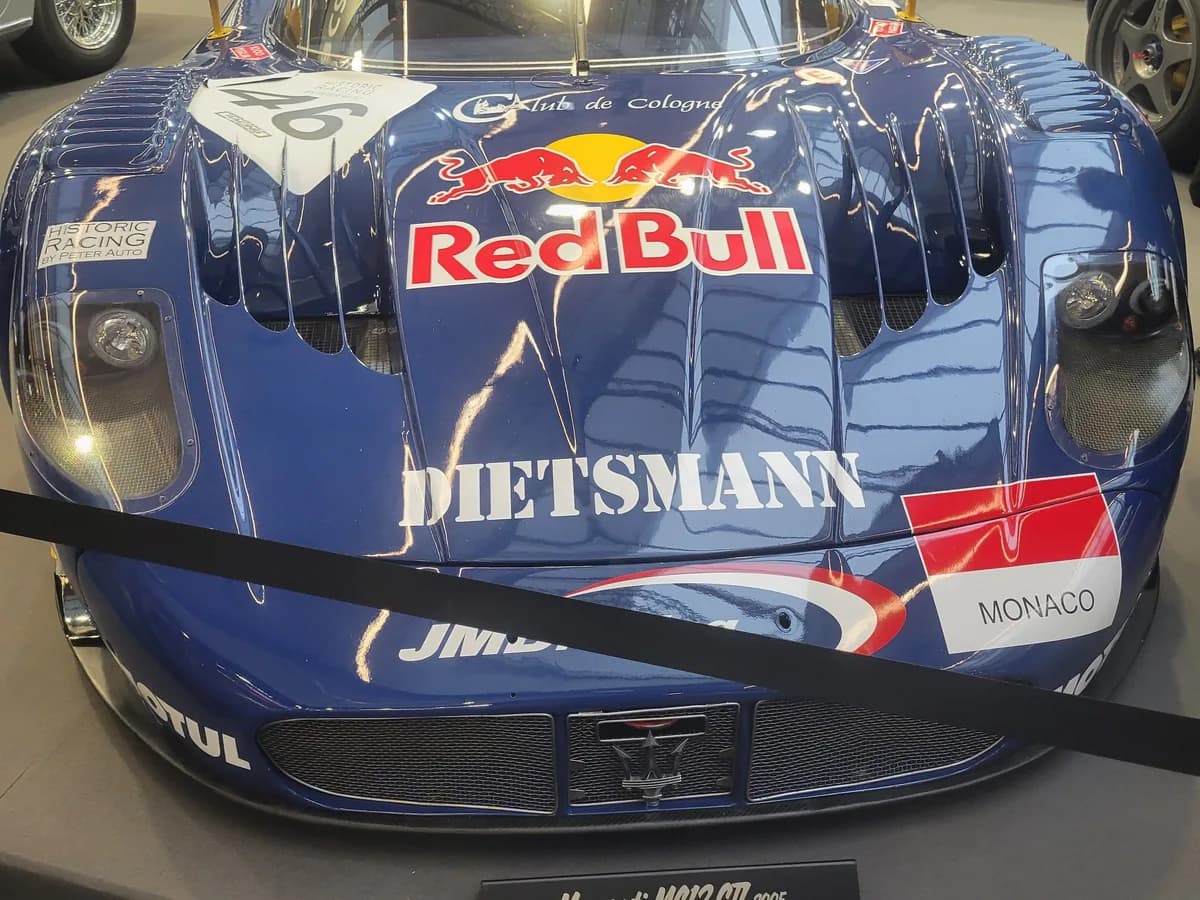
Type 51
Type 54

Type 55

Type 57
Type 59
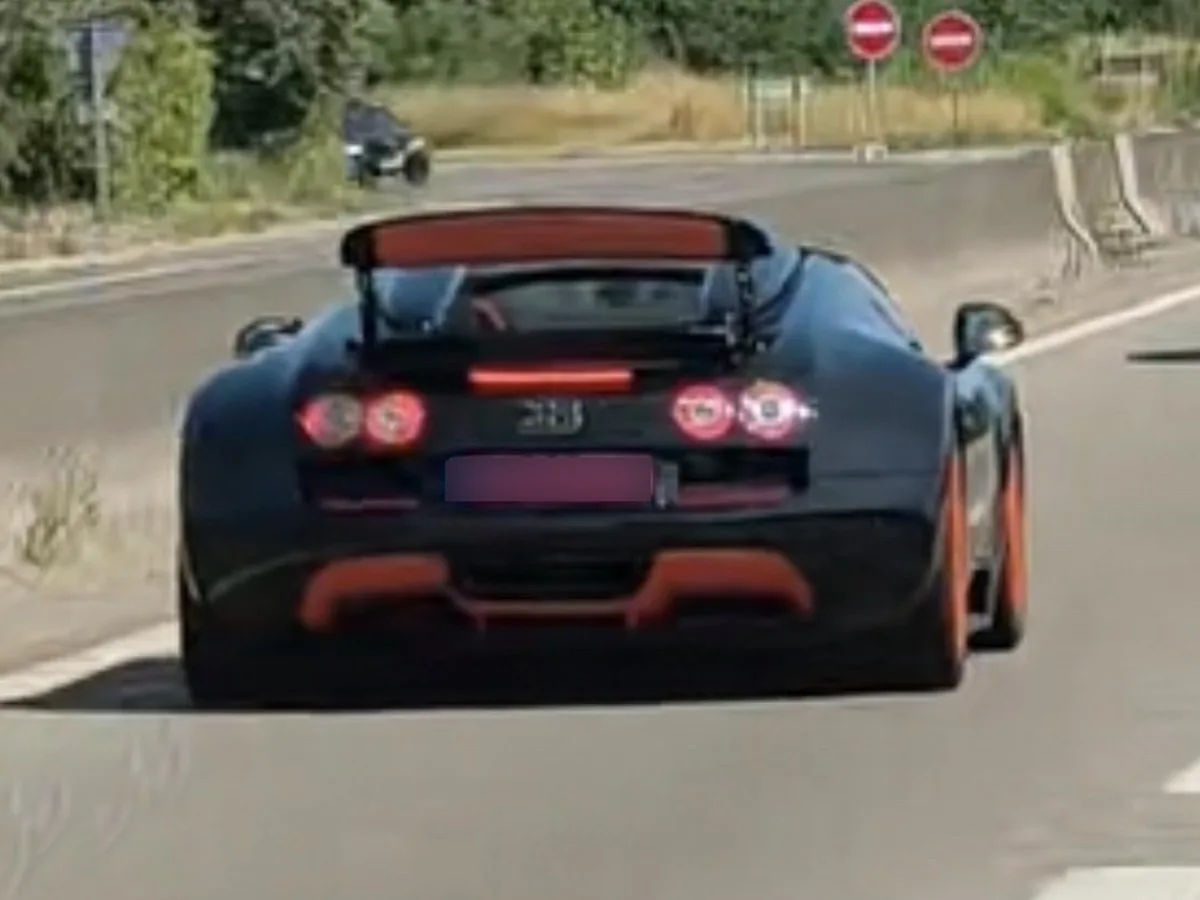
Veyron
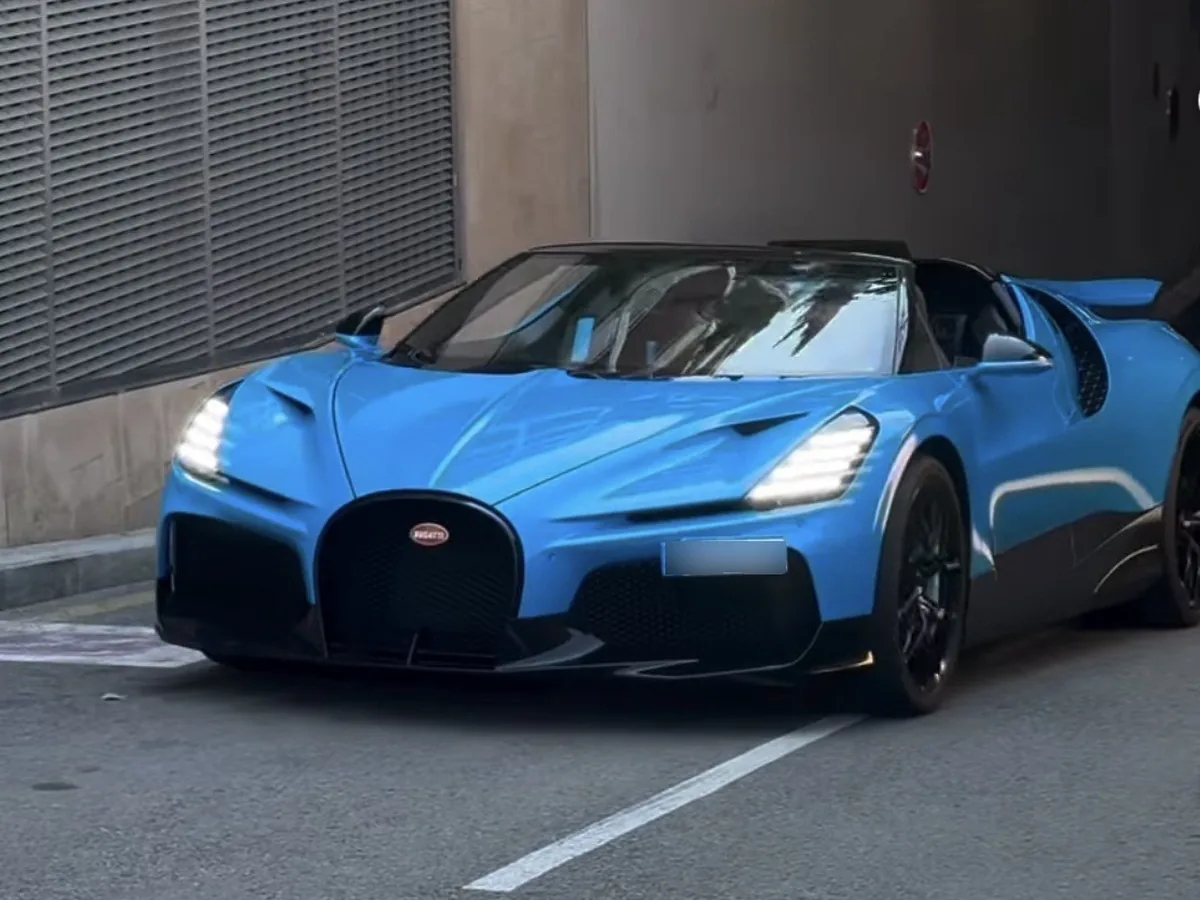
W16 Mistral
Bugatti overview
Bugatti history
Ettore Bugatti moved to Molsheim in 1909 and established his company in buildings formerly used by a dye works. The first automobile carrying his name was produced there in 1910. The early Type 13 established the marque’s foundations, combining lightweight construction with an approach that could be adapted to competition. During the 1920s, the Type 35 became Bugatti’s defining racing car. Introduced in 1924, it paired a low body with cast-alloy wheels and an inline eight-cylinder engine. Bugatti credits the Type 35 with more than 2,500 racing victories during its active career, although historical totals depend on how victories and related results are counted. (newsroom.bugatti.com) By the end of the 1920s and throughout the 1930s, Bugatti expanded into grand touring and ultra-luxury automobiles. The Type 41 Royale represented Ettore Bugatti’s most ambitious luxury project, while the Type 57, developed with a major contribution from his son Jean, combined performance with sophisticated coachwork. Jean assumed increasing responsibility before his death in 1939. Ettore died in 1947, and the company’s automobile production ultimately ended in the mid-1950s. Volkswagen acquired the brand rights in 1998, creating the conditions for Bugatti’s revival in Molsheim and the development of the Veyron. The Chiron continued that modern chapter from 2016, before the Tourbillon introduced a new powertrain and product cycle. (newsroom.bugatti.com)
Bugatti positioning
Bugatti occupies a distinctive position within prestige motoring: its cars are not defined by outright speed alone, but by the combination of performance, luxury, design and low-volume craftsmanship. That approach was already visible in the historic range. The Type 35 was an advanced racing machine, yet its proportions and details were treated with unusual care. The Type 57 brought sporting ability closer to grand touring, while the Royale expressed an ambition for exceptional limousine-level luxury. (newsroom.bugatti.com) In the modern era, the Veyron and Chiron placed Bugatti among the most exclusive hypercar manufacturers, with very high power outputs and limited production. The brand presents its philosophy through the values “Art, Forme, Technique,” while its designers emphasize that visible elements should also have an aerodynamic or mechanical purpose. The Bolide and Centodieci represent two more specialized interpretations: the former takes a radical, track-focused direction, while the latter references the EB110 and Bugatti’s modern revival. It is therefore more accurate to describe Bugatti as a maker of hand-finished hypercars and collectible performance automobiles than as a conventional sports-car brand. (newsroom.bugatti.com)
Recognizing a Bugatti in a photo
Historic Bugattis can often be recognized by their horseshoe grille, low-slung bodies and carefully balanced proportions. An authentic Type 35 is an open two-seat racing car with a tapered body, cast-alloy wheels and prominently displayed mechanical components. The Type 13, Type 23 and Type 37 belong broadly to the same early era, but their dimensions, engines and intended uses differ, so the grille shape alone is not enough for a reliable identification. (newsroom.bugatti.com) Among the grand tourers, the Type 57 generally has a longer, more enclosed body. Atlantic versions are associated with distinctive roof proportions and a riveted central body seam, while the Royale is substantially larger and more formal in appearance. In the modern range, the Veyron has a rounder and more compact silhouette than the Chiron. The Chiron is identifiable by its prominent C-shaped side line, tighter surfacing and more sculpted bodywork. Badges, air intakes, wheels and exhaust arrangements can change between derivatives, so dependable identification should combine the overall body shape with the production period and visible mechanical details. Limited editions such as the Centodieci may deliberately reinterpret earlier Bugatti themes, making model badges and documented provenance especially useful. (newsroom.bugatti.com)
Important Bugatti models
The library’s featured models cover several defining stages of Bugatti history. The Type 13 and Type 23 represent the marque’s early automobiles and its initial focus on lightweight, sporting cars. The Type 35 is the essential 1920s competition model, with a lasting influence on Bugatti’s identity. The Type 37 and Type 43 extend that era through different balances of racing ability and road use. The Type 46, Type 50 and Type 57 then illustrate Bugatti’s move toward more sophisticated grand touring cars during the 1930s, combining stronger road performance with greater attention to comfort and coachbuilt design. (newsroom.bugatti.com) In the modern era, the Veyron represents Bugatti’s revival, using a quad-turbocharged W16 and an announced output of 1,001 hp. The Chiron developed the same broad performance concept while raising power, refinement and technical ambition. The Bolide presents a more extreme track-oriented interpretation, while the Centodieci connects the modern marque with the EB110 and Bugatti’s late-20th-century revival. These models do not represent every important Bugatti, but together they show the brand’s main transitions: lightweight sports car, racing machine, grand tourer, hypercar and limited-series collector automobile. (newsroom.bugatti.com)
References
- Bugatti Type 35: celebrating a century of design, engineering and racing geniusBugatti Newsroom
- The Genius of Ettore BugattiBugatti Newsroom
- Bugatti and its facility manager: the soul of MolsheimBugatti Newsroom
- Pebble Beach: Bugatti celebrates the world première of the final Legend “Ettore Bugatti”Bugatti Newsroom
- Bugatti in the modern era – 15th anniversary of the Atelier in MolsheimBugatti Newsroom
- From vision to Veyron: the evolution of a Bugatti iconBugatti Newsroom
- The Bugatti Tourbillon: an automotive icon ‘Pour l’éternité’Bugatti Newsroom
- The Design DNA of the Bugatti Hyper Sports CarsBugatti Newsroom