Volvo 850 Sedan 1994
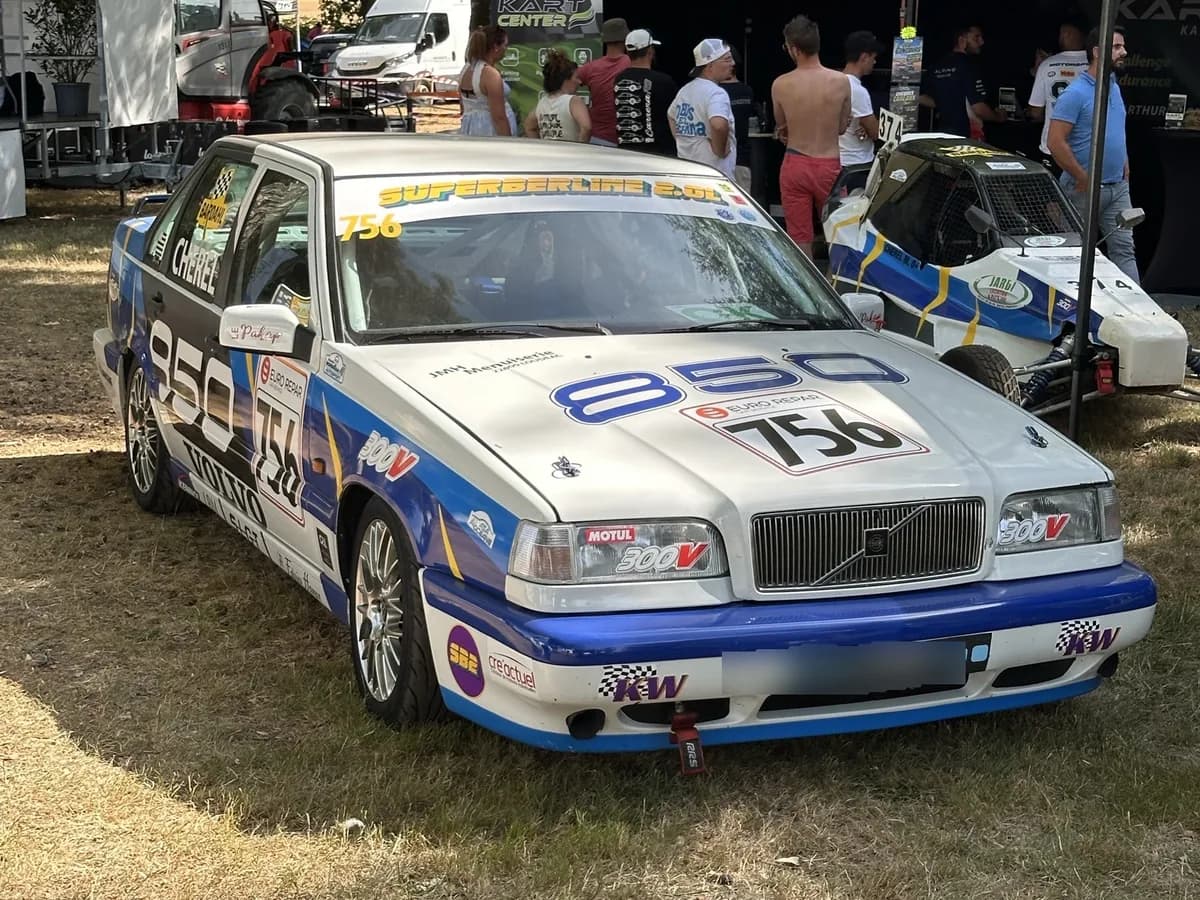
The 1994 Volvo 850 Sedan belongs to a model generation that significantly reshaped Volvo’s range during the early 1990s. First introduced in 1991 as the 850 GLT, it used a transversely mounted five-cylinder engine and front-wheel drive, an unusual layout for Volvo at the time. Its chassis also featured a Delta-link rear axle and the SIPS side-impact protection system. For the 1994 model year, the body received subtle revisions while the range expanded with turbocharged versions. The sedan combined restrained Scandinavian styling with a spacious cabin and a strong emphasis on occupant protection. Depending on market and trim, buyers could choose naturally aspirated engines, a turbocharged petrol unit, manual transmission or automatic transmission.
History
Development of the Volvo 850 formed part of Project Galaxy, a major programme intended to create new products and technologies for Volvo. The 850 GLT was unveiled in Stockholm on June 11, 1991, initially as a four-door sedan. It represented a major technical departure from Volvo’s larger rear-wheel-drive cars of the period: its five-cylinder engine was mounted transversely and drove the front wheels. Volvo highlighted four major innovations, namely the five-cylinder engine, the Delta-link rear axle, integrated SIPS side-impact protection and self-adjusting front seat-belt reels. The range later expanded with lower-output engines, a five-door estate introduced in 1993 and turbocharged variants. For the 1994 model year, the 850 Turbo joined the range with 225 hp in Volvo’s historical material, while styling and safety equipment were updated. SIPS side airbags were introduced in autumn 1994. The 850 was ultimately replaced by the S70 for the 1997 model year.
Latest scans
Photos added by the community for this page.
Anecdotes
The 850 is linked to a memorable motorsport episode. In 1994, Volvo and Tom Walkinshaw Racing entered 850 Estates in the British Touring Car Championship. The sedan followed in competition the next year and achieved notable results. The same period saw the debut of the T-5R at the 1994 Geneva Motor Show, a limited high-performance derivative with more aggressive equipment. Volvo also presented the 850 as the world’s first production car offered with side-impact airbags, introduced in autumn 1994.
Production
Volvo’s historical material gives total 850 production as 716,903 vehicles. A Volvo specification sheet for the sedan lists 390,835 examples for the four-door body style, with production presented as running from 1991 to 1996. These figures cover the sedan across markets and engine versions rather than a single trim such as the GLT, SE or Turbo. The 850 was also produced as an estate, for which Volvo cites a separate total of 326,100 vehicles built between 1992 and 1997. Detailed production figures broken down consistently by model year, country, engine or trim are not established by the available sources, so more precise claims would require a specific market archive.
Press reception
Contemporary and historical Volvo material presents the 850 as a model that received numerous international awards for design, safety and road-holding during its early years. Automotive publications also recognized the smoothness of the five-cylinder engine and the strength of the Turbo version. In a Car and Driver sedan comparison, the Turbo was praised for its strong passing performance and forceful acceleration without an overly harsh delivery. The same road test raised concerns about fit and finish, mentioning some squeaks, rattles and imperfect door alignment. The mixed assessment reflects a technically ambitious car that delivered distinctive performance and safety features, while assembly quality could vary between individual examples.
Evolution
Variants
References
- Volvo 850 heritage model informationVolvo Cars
Supports the 850 Sedan body style, total production, model replacement, safety history, engine range and transmission information.
- Volvo 850 with four world-firsts turns 20Volvo Cars
Supports the 1991 launch, four technical innovations, 1994 facelift, 850 Turbo output and range expansion.
- Volvo Model Year 1994 Press KitVolvo Cars press material archive
Supports 1994 engine codes, capacities, configurations and outputs for SE, GLT and Turbo versions.
- Volvo History 1924 to 2003Volvo historical archive
Supports the 850 launch, 1994 safety developments, awards, T-5R history and BTCC involvement.
- From the Archive: 1994 $32K Sedans Comparison TestCar and Driver
Supports contemporary press comments about Turbo performance, cabin character and fit-and-finish concerns.
- Volvo 850 Estate history and productionVolvo Cars UK
Supports the 850’s technical concept, awards, BTCC exposure and separate estate production figure.
- https://en.wikipedia.org/wiki/Volvo_850en.wikipedia.org
Source found by OpenAI web search for this vehicle page.
- https://www.edmunds.com/volvo/850/1994/sedan/st-6263/features-specs/edmunds.com
Source found by OpenAI web search for this vehicle page.