
Volvo
Volvo’s first series-produced car, the ÖV4, left the factory in Gothenburg on April 14, 1927. From that Swedish beginning, the name has come to cover passenger cars, commercial vehicles and heavy trucks, with durability, safety and everyday usability recurring throughout its development. Volvo’s car history includes the post-war PV444 and PV544, the Amazon, the 140 and 240 families, the 700 and 800 series, the C70 and later SUVs. The ScanRacer library covers Volvo models from 1947 to 2026, including the PV-Series, Amazon, 240-Series, C70, 740 and 850, together with truck ranges such as the L and VN series. That breadth makes it possible to follow Volvo’s changing body styles, engineering choices and visual identity across almost eight decades.
Models from A to Z
140-Series
164
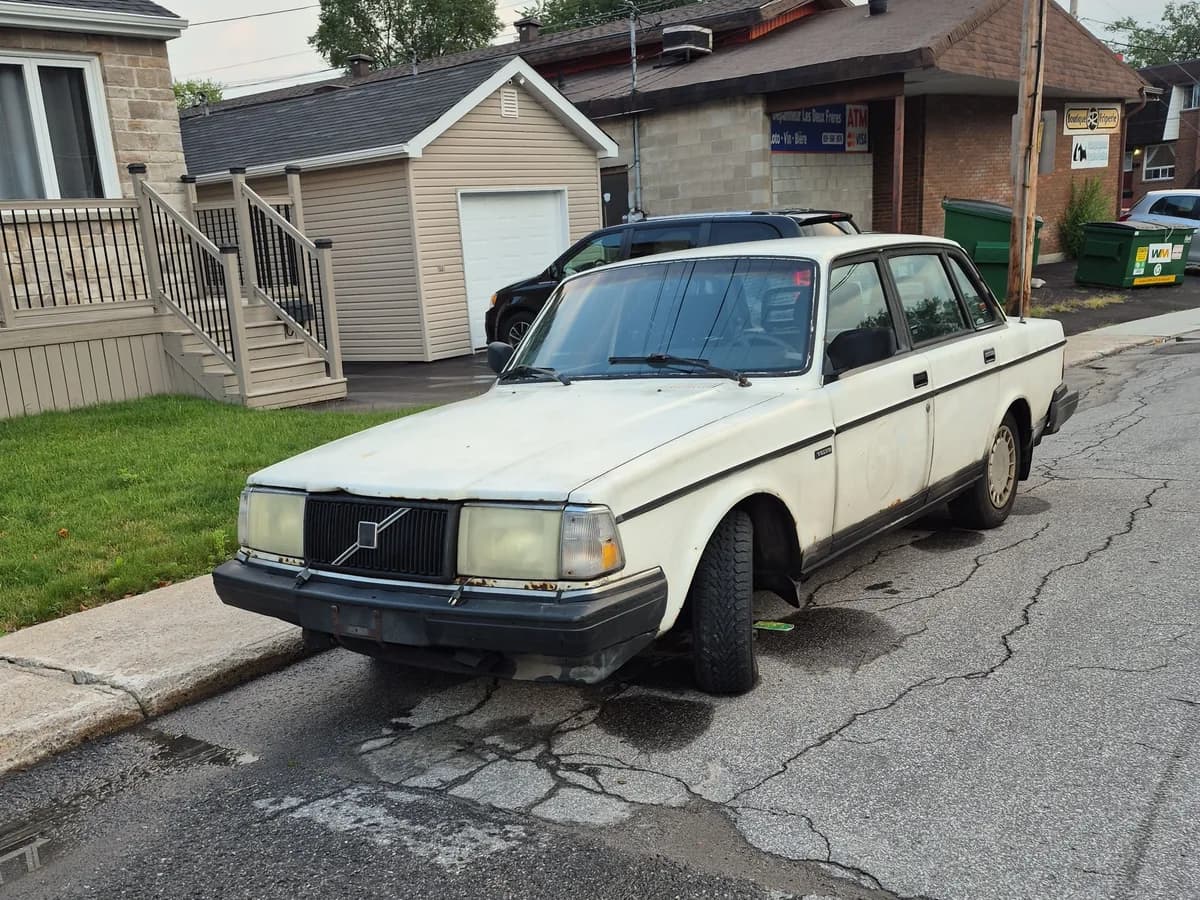
240-Series
260-Series
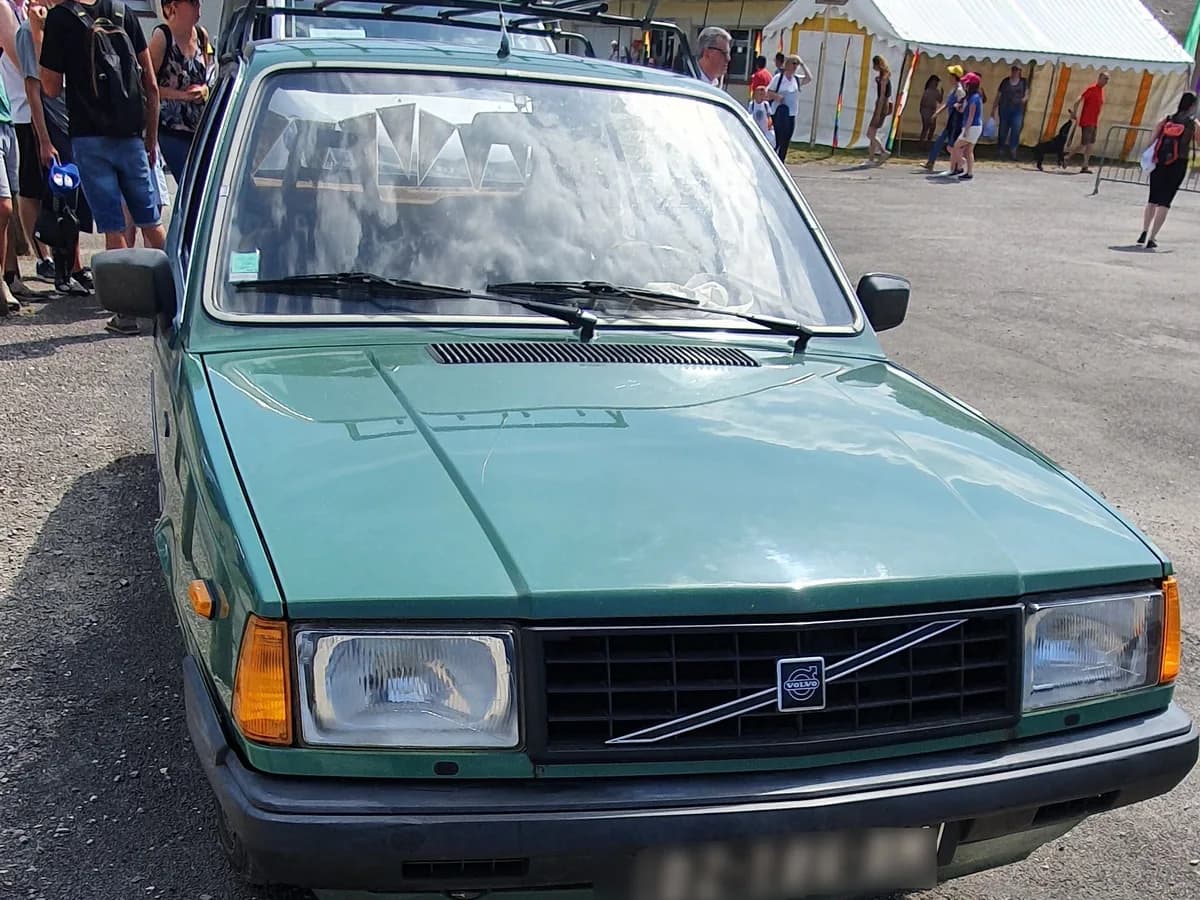
340-Series
360
440
460
480
66

740
760
780
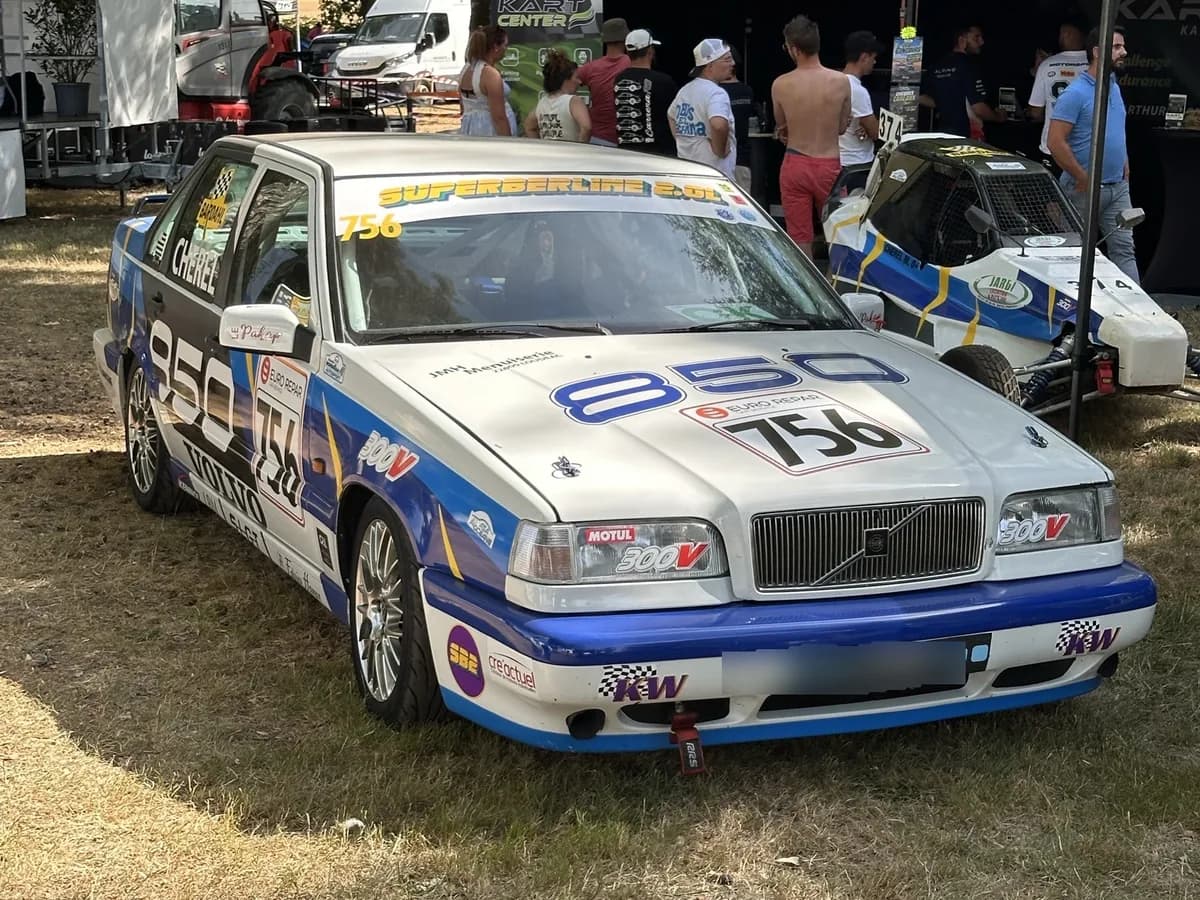
850
940
960
Amazon
C30
C40 - EC40
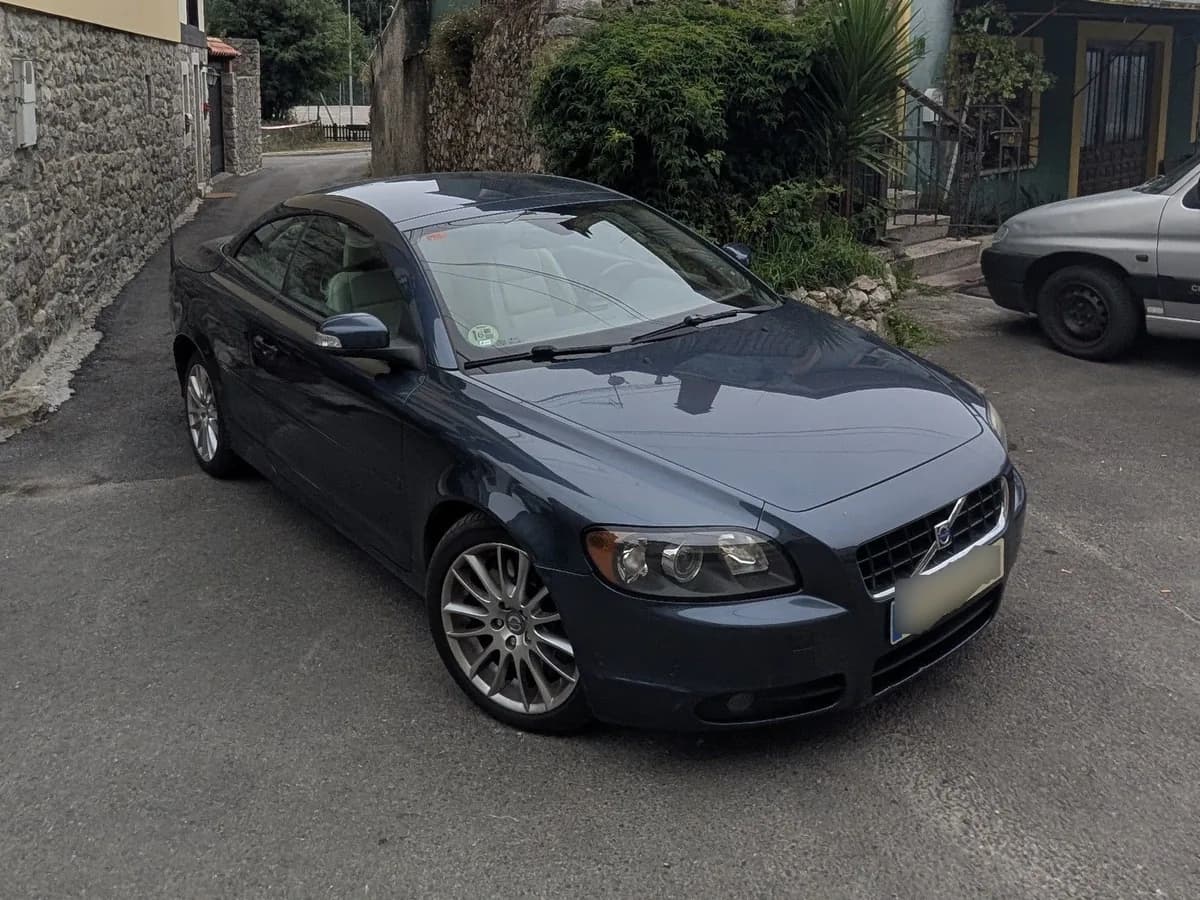
C70
EM90
ES90
EX30
EX60
EX90
FH
L N-Series
P1800
PV-Series

S40
S60
S70
S80
S90
TP21
V40
V50

V60
V70
V70XC
V90

VN Series
XC Classic
XC40 - EX40
XC60
XC70
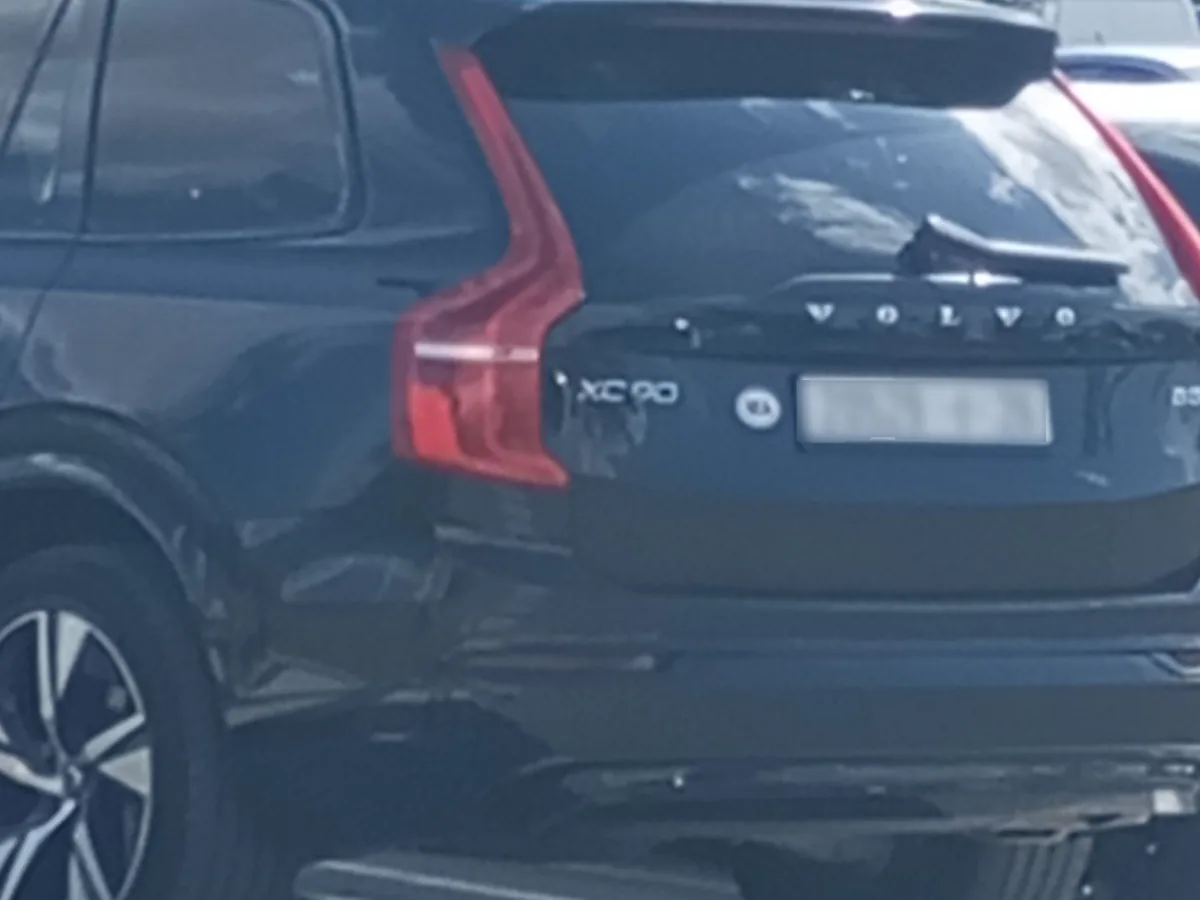
XC90
Volvo overview
Volvo history
Volvo was established in Gothenburg, and its first car, the open ÖV4, was produced in 1927. The company soon added the enclosed PV4, a more practical answer to Sweden’s climate, and expanded into commercial transport with its first Volvo truck in 1928. After the Second World War, the PV444 became central to Volvo’s international growth. It was followed by the PV544, which introduced updated styling while helping establish Volvo in markets including North America. The Amazon, launched in 1956, brought a more formal design and became one of the brand’s defining passenger cars. In 1959, engineer Nils Bohlin developed the three-point safety belt adopted as standard equipment in Volvo cars, and Volvo made the patent available so that other manufacturers could use the design. The 140, 240 and 260 series continued that safety-focused approach with squared-off bodies, durable mechanical layouts and long production careers. Introduced in 1991, the 850 represented a major technical shift through its transverse five-cylinder engine, front-wheel drive and integrated side-impact protection system. The C70 extended the range into coupé and convertible territory, while the XC90, launched in 2002, gave Volvo a strong position in the large family SUV segment. Alongside passenger cars, Volvo Group developed a separate and substantial history in trucks and buses.
Volvo positioning
Volvo developed around a straightforward idea: a vehicle should suit the people using it and the conditions in which it operates. That outlook helps explain the company’s emphasis on strong body structures, visibility, ergonomics and occupant protection. It does not, however, describe the whole brand. The Amazon, 240 and 850 also demonstrate a concern for versatility, comfort and efficient long-distance travel, while estates such as the Duett and 850 Estate helped make Volvo closely associated with practical family motoring. Volvo design traditionally favoured clear proportions, restrained surfaces and interiors that were easy to use. That restraint could coexist with more expressive derivatives, including the 850 T5-R and 850 R, or with the more stylish C70 coupé and convertible. In commercial vehicles, ranges such as the L and VN series served different professional roles, from regional distribution to North American long-haul transport. Volvo is therefore best understood through a combination of functionality, safety and durability rather than through one body shape or one market category. The brand’s history spans everyday family cars, distinctive performance variants and heavy-duty working vehicles.
Recognizing a Volvo in a photo
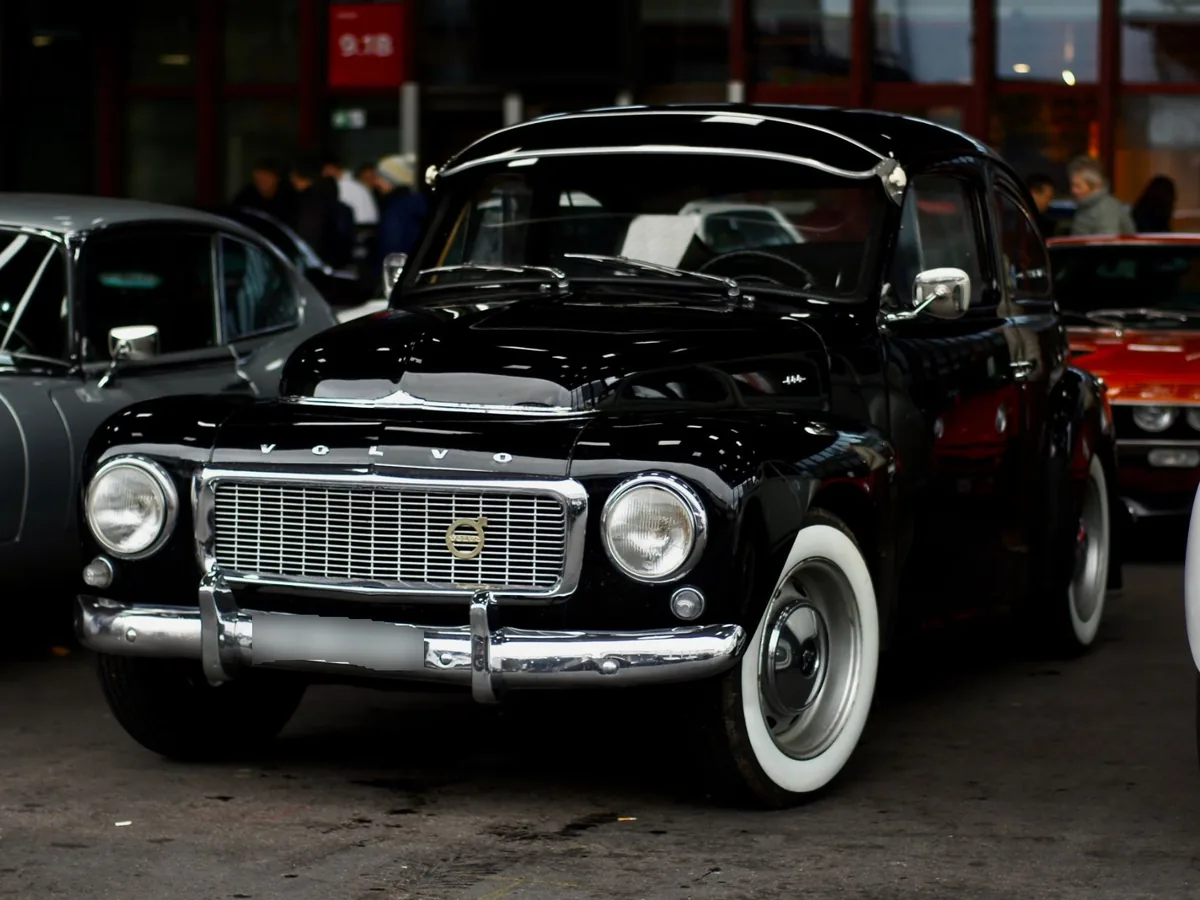
When identifying an older Volvo, begin with the body shape and the production period. PV-Series cars are known for their compact fastback profile, narrow grille and rounded post-war styling. The Amazon uses more formal proportions, a horizontal grille and clearly defined rear fenders. The 140, 240 and 260 series are more rectilinear, with large bumpers and, on many versions, a notably upright passenger cell. The 740 follows that visual language in a longer, more modern package. The 850 has a more aerodynamic profile, a transverse five-cylinder layout and, in estate form, tall rear lamps running up the rear pillars. The C70 is identifiable by its low coupé or convertible body, while VN trucks use a North American long-haul cab design with a broad, aerodynamic front end. Badges, lamps, grille details and door counts can change according to market and model year. Reliable identification should therefore combine exterior details with the vehicle’s generation, body style and intended use. A Volvo’s overall shape is useful evidence, but it is rarely sufficient on its own.
Important Volvo models
The ScanRacer selection highlights several important stages in Volvo’s development. The PV-Series represents the rebuilding of the passenger-car range after the Second World War and Volvo’s expansion into international markets. Introduced in 1956, the Amazon became one of the models that defined the company’s passenger-car identity. The 140, 240 and 260 series continued the idea of a durable family sedan, with the 240 achieving an especially long production life. The 740 and 360 show how Volvo broadened its range during the 1970s and 1980s through different layouts and market positions. The C70 stands apart by bringing coupé and convertible body styles into the range. The 850 is significant for its move to front-wheel drive, transverse five-cylinder power and advanced safety engineering. The L and VN series also show that Volvo’s history extends beyond passenger cars: the first Volvo truck appeared in 1928, while the VN was developed for North American road transport. Together, these model families trace a clear path from post-war passenger cars to long-haul commercial vehicles, while preserving recurring Volvo themes of practicality, structural strength and safety.
Volvo model names follow a precise logic — with a few exceptions. Decode a Volvo name
References
- Celebrating Volvo in the United StatesVolvo Cars
- Our heritageVolvo Cars
- Volvo Cars Safety HeritageVolvo Cars
- Looking back – stories from the archiveVolvo Group
- Heritage - Volvo 850Volvo Cars USA Newsroom
- Volvo 244 Sedan: The Heritage Volvo 244 ModelVolvo Cars USA
- All-new Volvo XC90 – The next-generation SUVVolvo Cars USA Newsroom
- Volvo Trucks launch new modelsVolvo Group