
240-Series
The Volvo 240-Series, produced from 1974 to 1993, is a Swedish icon renowned for its safety and durability. Developed from the 140 series, it introduced major innovations, including crumple zones and large bumpers, inspired by the 1972 VESC safety concept. Available in sedan, wagon, and coupe versions, the 240-Series left a significant mark on automotive history with over 2.8 million units produced. (volvocars.com)
What about the car you photographed?
Upload a photo to get a suggested make, model and likely year.
No account needed for the result · Publish only if you choose
Variants by year
Make: Volvo · Model: 240-Series
4 / 4 versions shown
1978
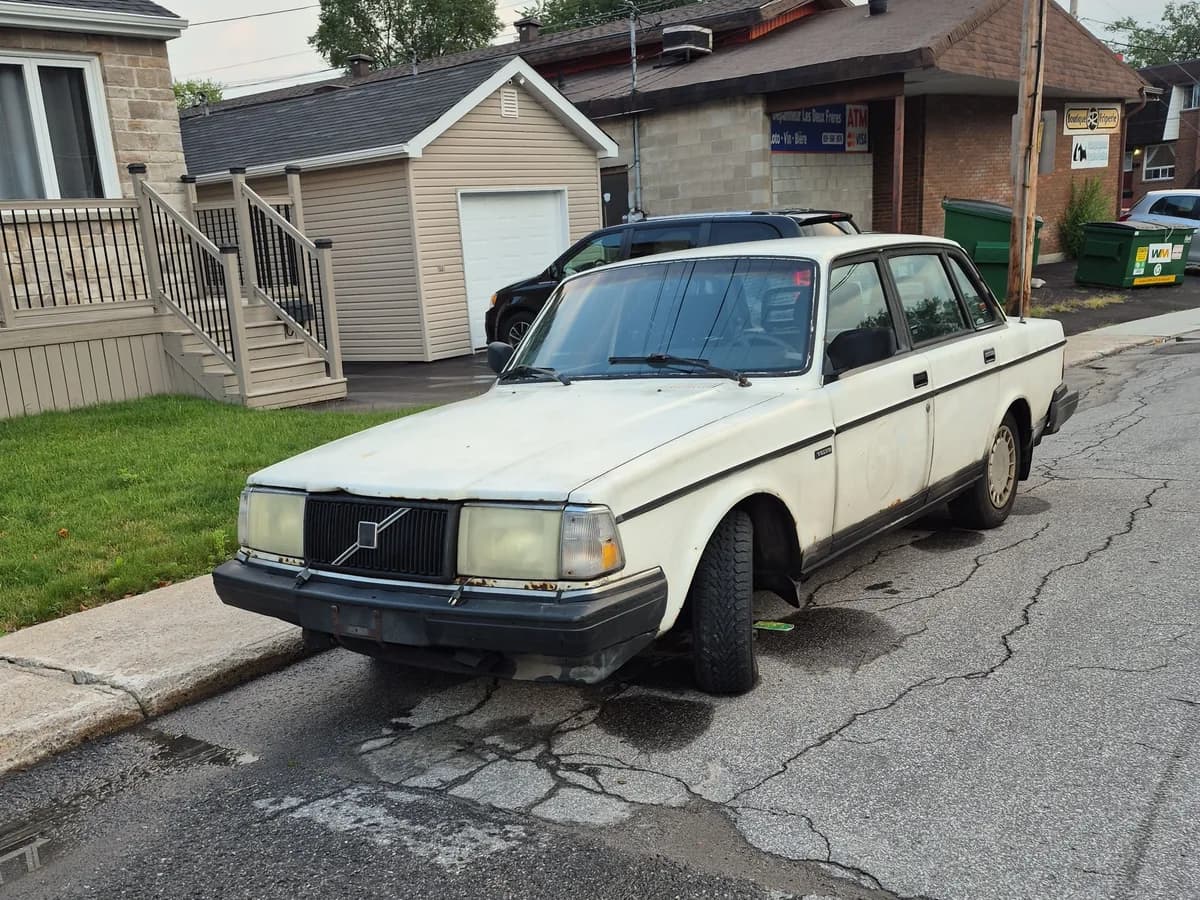
1974
Volvo 240-Series photos
Model summary
Data from the ScanRacer library, organized to compare versions quickly.
Model introduction
The Volvo 240-Series, produced from 1974 to 1993, is a Swedish icon renowned for its safety and durability. Developed from the 140 series, it introduced major innovations, including crumple zones and large bumpers, inspired by the 1972 VESC safety concept. Available in sedan, wagon, and coupe versions, the 240-Series left a significant mark on automotive history with over 2.8 million units produced. (volvocars.com)
History
In August 1974, Volvo introduced the 240-Series, successor to the 140 series. This new generation introduced major safety innovations, including crumple zones and large bumpers, inspired by the 1972 VESC safety concept. The 240-Series was available in sedan, wagon, and coupe versions, offering versatility appreciated by drivers. Over the years, Volvo improved the 240 to meet changing customer needs and technological advancements, solidifying its reputation as a safety and durability-focused manufacturer. (volvocars.com)
Generations
The Volvo 240-Series underwent several major updates during its production. In 1981, a first facelift introduced aesthetic and technical improvements, enhancing its appeal. In 1986, a second facelift further modernized the model, with design adjustments and performance enhancements. These updates allowed the 240-Series to remain competitive in the market and meet drivers' expectations for safety and comfort. (media.volvocars.com)
Key differences
The Volvo 240-Series was offered with various engine options during its production. Initially, it was equipped with inline four-cylinder engines, with both carbureted and fuel-injected versions. In 1978, Volvo introduced the first inline six-cylinder diesel engine in a passenger car, providing a popular alternative in certain markets. These engines evolved over the years, with the addition of turbocharged versions and five-cylinder engines, catering to diverse driver needs. (media.volvocars.com)
Photo recognition
To identify a Volvo 240-Series, look for a body with characteristic angular lines, featuring a long hood and prominent rear. Sedan models have four doors, while wagons have five. The less common coupe versions have two doors and a lower roofline. The large bumpers and large side windows are also distinctive features. Rear badges typically indicate the specific model, such as 244 for the four-door sedan or 245 for the five-door wagon. (volvocars.com)
Important versions
Among the notable versions of the Volvo 240-Series, the 242 GT from the 1970s and the 240 Turbo from the 1980s stand out for their exceptional performance. These models reinforced the 240-Series' reputation as a vehicle combining safety, durability, and driving pleasure. (volvocars.com.cn)
The name “240-Series” follows Volvo naming, with its rules and its exceptions. Decode a Volvo name
References
- Volvo 240 Series: a key milestone in automotive historyVolvo Cars
- Volvo 240 Series (1974–1993)Motor car History
Frequently asked questions
- What years was the Volvo 240-Series produced?
- ScanRacer's referenced versions cover 1974 - 1978.
- How many Volvo 240-Series examples are documented on ScanRacer?
- 1 published scan from 1 member, with the latest photo added in August 2026.
What about the car you photographed?
Upload a photo to get a suggested make, model and likely year.
No account needed for the result · Publish only if you choose