Volvo 240-Series Wagon 1978
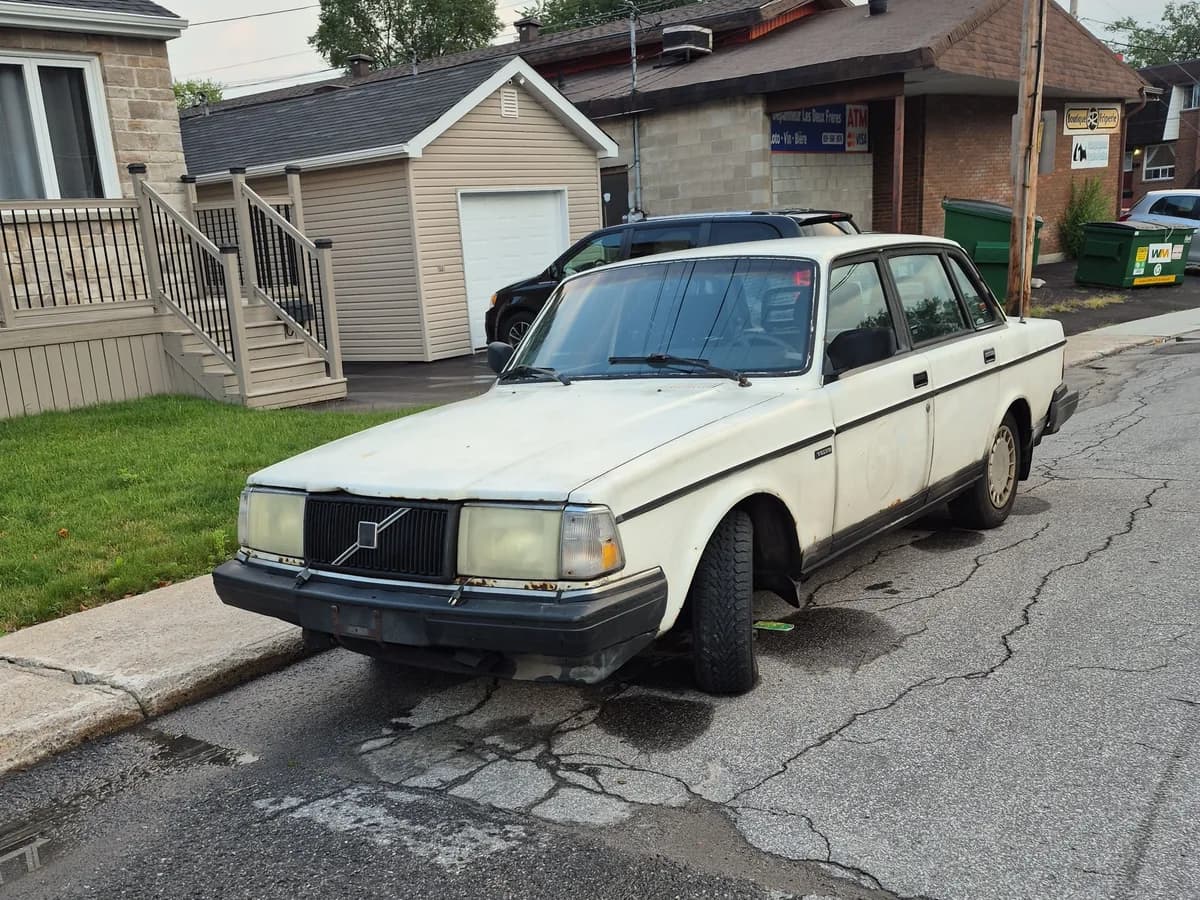
The 1978 Volvo 240-Series Wagon belongs to the generation Volvo introduced in August 1974 as the successor to the 140 series. In wagon form, the 240 emphasizes the practicality that helped define the range, while retaining the safety-first thinking built into the model from the start. Its angular bodywork, long hood, pronounced rear section, and substantial bumpers make it easy to recognize. For 1978, the 240 line also gained special significance because Volvo introduced the first six-cylinder inline diesel engine in a passenger car on some markets. Without adding market-specific details, the 240 wagon from this year stands as a sturdy, versatile Volvo shaped by safety, durability, and everyday usefulness.
Curious about this car?
Explore 240-Series, then try your own photo.
No account needed for the result · Publish only if you choose
History
The 240-Series arrived in 1974 as the direct replacement for the 140 series, and it was developed around a clear focus on occupant protection. Volvo built in crumple zones and large bumpers, drawing inspiration from the VESC safety concept shown in 1972. Within the range, the wagon played an important role because it combined the model’s robust structure with a more versatile everyday character than the sedan. By 1978, the series had already established its unmistakable identity: very angular styling, generous side glazing, and an exterior presence that was easy to recognize. That same year also marked an important mechanical step for the broader 240 line, with Volvo introducing a six-cylinder inline diesel engine in a passenger car on some markets. For the wagon, this reinforces the image of a vehicle designed to suit varied needs while preserving the 240’s core reputation for safety and durability.
Latest scans
Photos added by the community for this page.
Anecdotes
The 240 wagon is often associated with the image of a very square, instantly recognizable Volvo. Its large side windows and substantial bumpers reinforce that visual identity. In 1978, the range also gained a notable mechanical milestone with the first six-cylinder inline diesel engine fitted to a passenger car, underlining the importance of that year for the 240 series.
Evolution
Variants
References
- Volvo 240 Series: a key milestone in automotive historyVolvo Cars
Article highlighting the significance of the Volvo 240 in automotive history.
- Volvo 240 Series (1974–1993)Motor car History
Video overview of the Volvo 240 Series from 1974 to 1993.