Toyota RAV4 2018
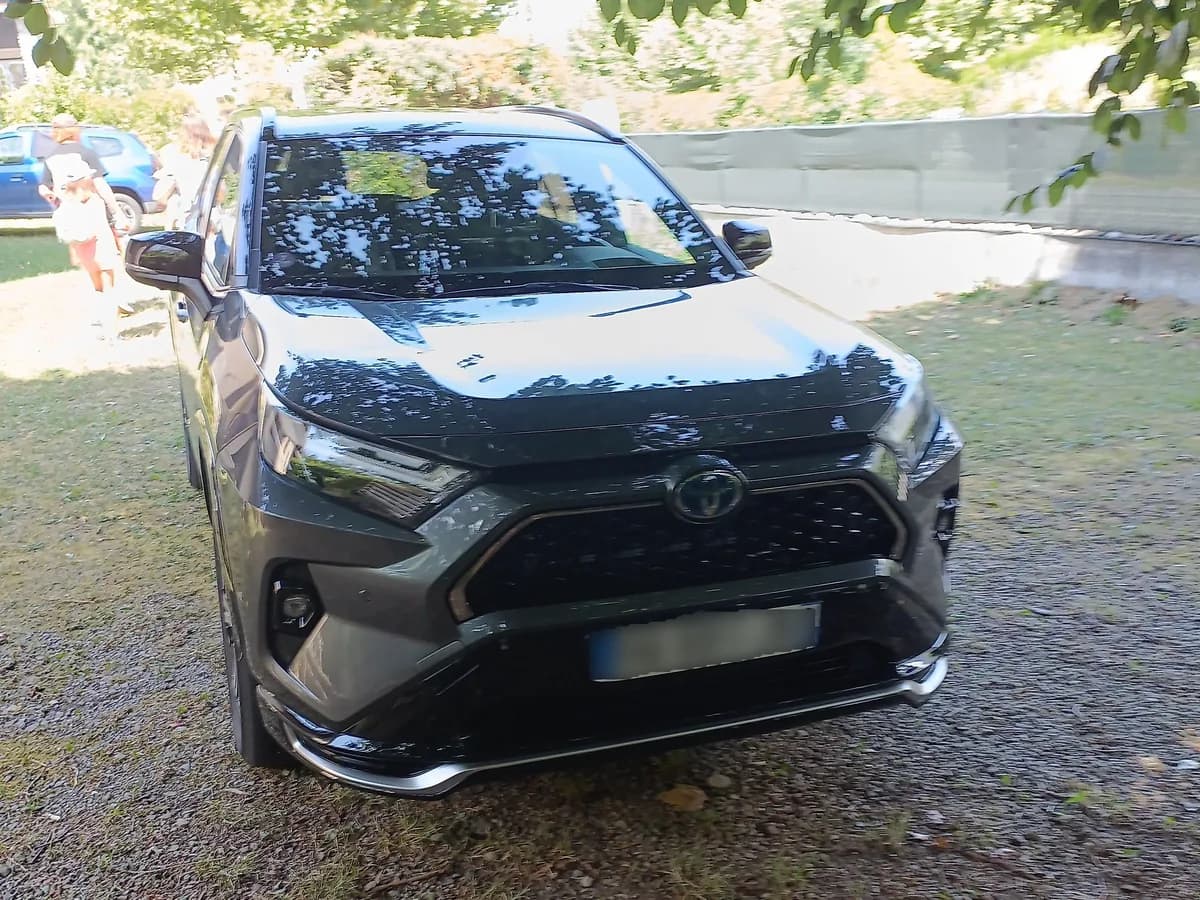
The 2018 Toyota RAV4 belongs to the model’s fourth generation, introduced for the 2013 model year. In the United States, the entry-level gasoline version was sold as the LE trim, using a 2.5-liter four-cylinder engine, a six-speed automatic transmission and standard front-wheel drive. All-wheel drive was available as an option. This compact crossover emphasized interior space, everyday versatility and a comfortable ride rather than sporty handling. Toyota also made Toyota Safety Sense P standard across the 2018 range. The package included a pre-collision system with pedestrian detection, lane-departure alert with steering assist, automatic high beams and dynamic radar cruise control. The result was a practical, safety-focused family vehicle at the end of the fourth-generation cycle.
History
The RAV4 made its debut at the Geneva Motor Show in March 1994, introducing an unusual combination of raised ride height, available four-wheel drive and car-like road manners. Toyota states that sales began in Japan in May 1994 before expanding to Europe, Africa, Australia and Latin America. The North American launch followed in January 1996. Across successive generations, the model grew from a relatively small three-door recreational vehicle into a larger five-door family crossover. The fourth generation arrived for 2013 and adopted a common wheelbase for global markets, while also gaining a longer body and more sophisticated all-wheel-drive technology. Toyota introduced the first RAV4 Hybrid in 2016. The 2018 model year therefore represents a mature, late-cycle version of the fourth generation in North America. A new fifth-generation RAV4 was revealed in 2018 and reached European markets from 2019.
Latest scans
Photos added by the community for this page.
Anecdotes
The RAV4 name comes from “Recreational Active Vehicle with 4-wheel drive.” Toyota had previewed the concept with the RAV-FOUR study at the 1989 Tokyo Motor Show. According to Toyota Europe, the project initially faced internal hesitation because it targeted a vehicle category that had not yet been clearly established. The market response was stronger than expected: Toyota reports that roughly 8,000 orders arrived during the first month of sales, prompting the company to increase its initial production plans.
Production
No sufficiently precise public figure was identified for the worldwide production of the individual 2018 Toyota RAV4 Base version. The vehicle belonged to a global range whose engines, trim levels and assembly locations could differ by region. Toyota Europe states that the RAV4 became a worldwide model from its first generation and that it was among the world’s best-selling SUVs in 2018 and 2019. Those figures refer to the RAV4 model line as a whole, not to the Base or LE trim. Assigning a specific production total to this version would therefore be unreliable without an official breakdown by market, powertrain and grade.
Press reception
Automotive coverage generally characterized the 2018 RAV4 as a practical, comfortable compact crossover with a strong standard safety package. Edmunds praised its roomy cabin, useful cargo area and broad availability of driver-assistance features. The same review criticized its modest acceleration, utilitarian interior design and less engaging handling compared with several newer competitors. The model’s appeal therefore depended heavily on priorities. Buyers seeking everyday versatility, straightforward controls and a well-established reputation for durability could find the RAV4 convincing. Those looking for sharper performance, richer cabin materials or newer smartphone technology were more likely to prefer rivals that had undergone more recent redesigns.
Evolution
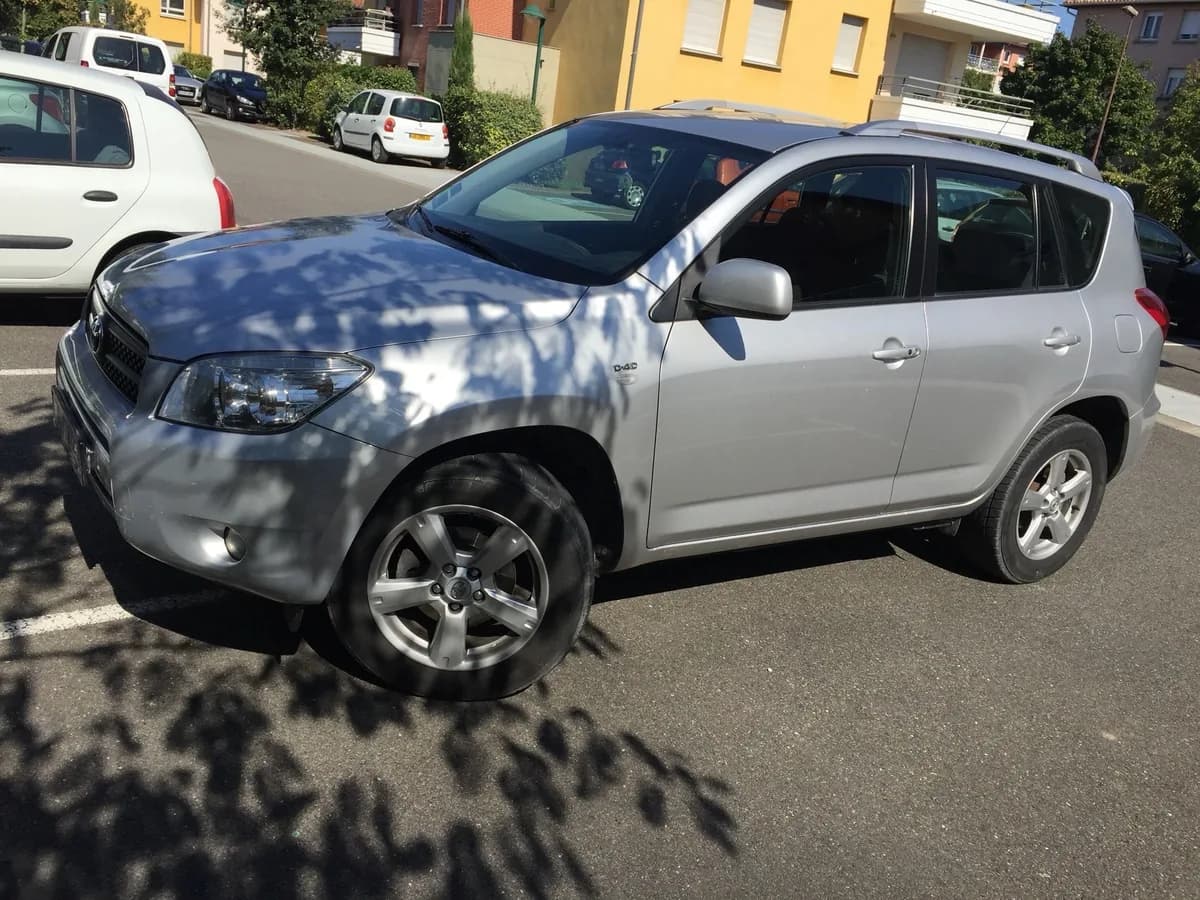
For 2018, Toyota retained the basic architecture of the fourth-generation RAV4 while broadening the lineup. The major addition was the Adventure trim, which received distinctive exterior details, a raised 6.5-inch ground clearance and equipment aimed at more versatile travel. The hybrid powertrain also became available with the LE grade. The entry-level gasoline model remained deliberately straightforward, with a functional presentation and equipment focused on everyday use. Toyota nevertheless fitted Toyota Safety Sense P across the entire range. The 2018 RAV4 was therefore not a major mechanical redesign; its evolution came mainly through a wider choice of grades, a more lifestyle-oriented Adventure version and the expansion of standard driver-assistance technology.

Variants
References
- 2018 Toyota RAV4 Ready for More Action with New Adventure and LE Hybrid GradesToyota USA Newsroom
Supports the 2018 trim range, Toyota Safety Sense P standard equipment, the Adventure grade, hybrid LE availability and selected drivetrain details.
- 2018 Toyota RAV4 Review & RatingsEdmunds
Supports the U.S. base LE identification, body style, engine output, transmission, drivetrain choices, standard equipment and press evaluation.
- Toyota RAV4: From world first to world's bestToyota Europe Newsroom
Supports the model’s origin, launch chronology, name explanation, fourth-generation history, hybrid introduction and global sales context.
- RAV4 – ArchiveToyota UK Media Site
Supports the RAV4 generation overview and the model’s long-running compact SUV positioning.
- 2018 Toyota RAV4 Review, Pricing, and SpecsCar and Driver
Provides independent automotive context for the 2018 range and the availability of the hybrid powertrain with the LE grade.
- https://www.edmunds.com/toyota/rav4/2018/review/?msockid=06bd918d0716690433968732063568c1edmunds.com
Source found by OpenAI web search for this vehicle page.
- https://pressroom.toyota.com/presskit/toyota-rav4-2018/pressroom.toyota.com
Source found by OpenAI web search for this vehicle page.
- https://www.caranddriver.com/features/g64828301/history-of-the-toyota-rav4/caranddriver.com
Source found by OpenAI web search for this vehicle page.