Tesla Model 3 2017
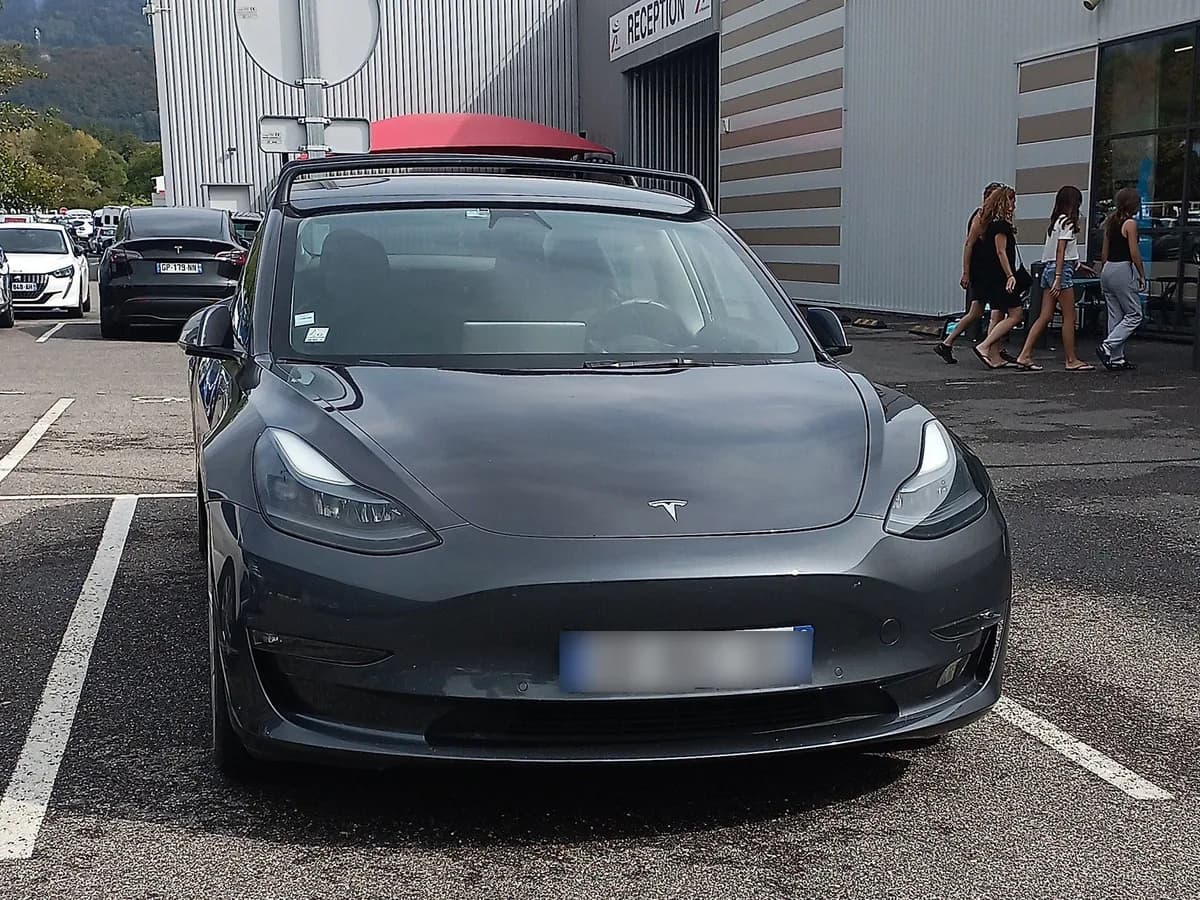
The Tesla Model 3 Base 2017 marks the entry point to Tesla’s compact electric sedan, created to reach a broader audience than the Model S and Model X. Arriving as the model entered industrial production, it belongs to the first design phase of the Model 3, the one that established the car’s familiar look with a smooth front end, a fastback silhouette, and a very stripped-down cabin. The “Base” label should be read as a catalog category: by itself, it does not identify a specific mechanical setup, range figure, or market assignment.
History
The Model 3 was unveiled in March 2016 as Tesla’s third-generation car, designed to be more affordable and produced in much higher volume than the company’s earlier models. The goal was clearly a more accessible electric sedan positioned below the Model S and Model X. At the time, Tesla said production and deliveries would begin in 2017, with ramp-up tied to Fremont and the Nevada Gigafactory.
For the 2017 Base version, that places it at the very beginning of the model’s life cycle. It belongs to the first batch of production cars from that initial design phase. Production started in July 2017, and the first deliveries represented a significant milestone for Tesla. The early months were also marked by manufacturing difficulties and bottlenecks in the production ramp, which Tesla mentioned in its 2017 communications. Later, the Model 3 range expanded further, but the 2017 Base remains linked to the model’s commercial launch.
Latest scans
Photos added by the community for this page.
Production
Production of the Model 3 began in July 2017, with Fremont at the center of assembly and a ramp-up also tied to the Nevada Gigafactory in Tesla’s original plans. The 2017 Base therefore belongs to the very first production examples. Those early months were followed by industrial difficulties and production bottlenecks that Tesla itself mentioned during 2017.
Later, production was extended to Shanghai, but that belongs to the wider history of the model. For a 2017 Base car, the key point is its connection to the opening phase of manufacturing and to the first deliveries that established the Model 3 within Tesla’s range.
Evolution
The 2017 Base belongs to the first Model 3 design phase, recognizable by its smooth front end without a traditional grille, horizontal headlamps, fastback roofline, and a cabin centered around a single display. In this original configuration, the visual identity is deliberately simple and very different from conventional combustion sedans.
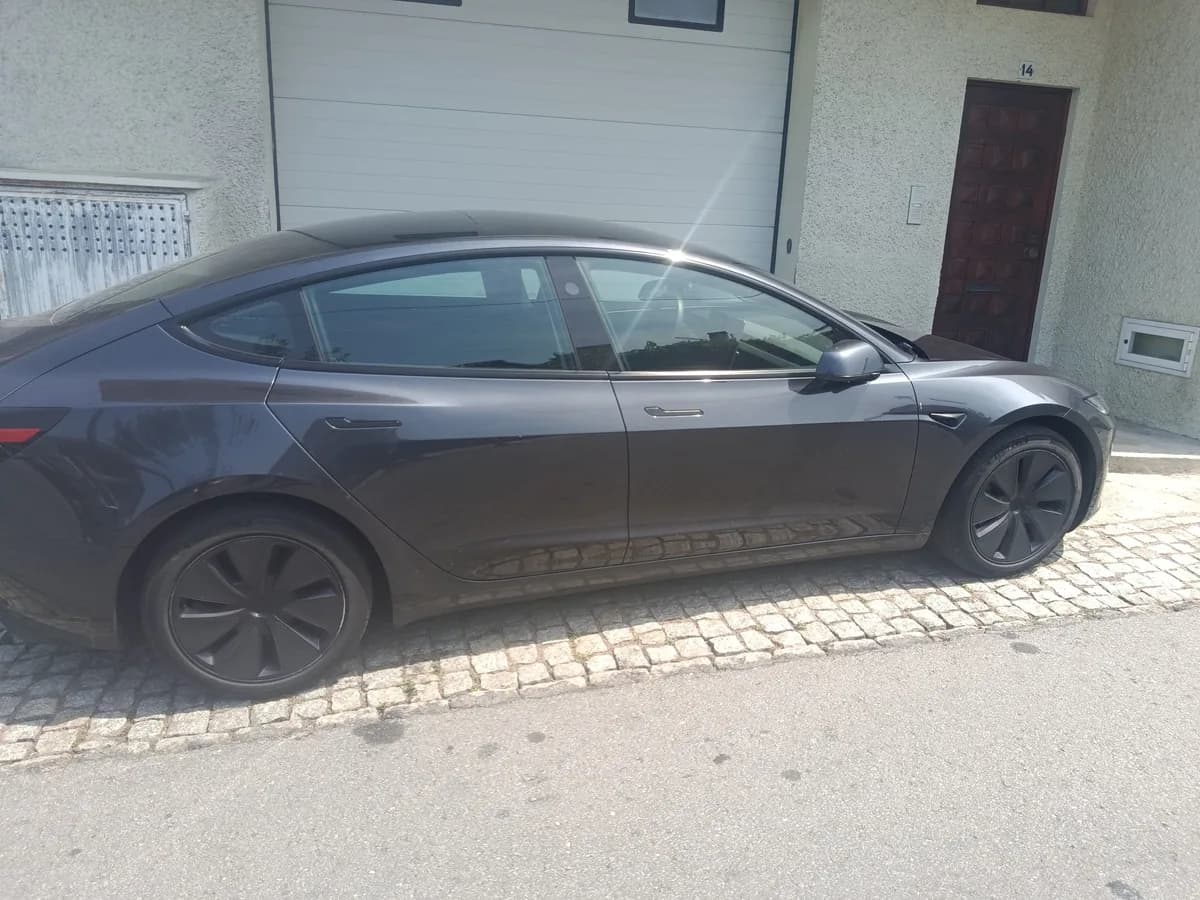
Like other Model 3 variants, it was later affected by gradual changes that were often not obvious from the outside. Tesla updated batteries, computers, motors, trim, and certain equipment over time without necessarily changing the commercial name. That means a Model 3 Base from 2017 should not automatically be assumed to match another car carrying the same label, because production date and market matter. The modernized 2023 Model 3 belongs to a different design phase.
Variants
References
- Model 3 Owner’s Manual, 2017-2023Tesla
Supports the 2017-2023 vehicle coverage, central vehicle systems and model-specific identification context.
- Model 3 DimensionsTesla
Supports the sedan’s exterior dimensions, wheelbase, ground clearance and front, rear and total cargo measurements.
- Upgraded Model 3 Debuts in Hong KongTesla Events
Supports the 2023 updated Model 3’s revised exterior and interior, upgraded wheels and tires, improved noise claims and regional launch timing.
- Meet Your Model 3Tesla Support
Supports Tesla’s distinction between Model 3 vehicles produced in 2017-2023 and vehicles produced after 2023.
- https://www.tesla.com/blog/introducing-new-model-3-performance?s=09tesla.com
Source found by OpenAI web search for this model page.
- https://www.tesla.com/event/tesla-upgraded-model-3-110tesla.com
Source found by OpenAI web search for this model page.
- https://www.tesla.com/support/meet-your-tesla/model-3tesla.com
Source found by OpenAI web search for this model page.
- https://www.tesla.com/sites/default/files/downloads/Model_3_Emergency_Response_Sheet_en.pdftesla.com
Source found by OpenAI web search for this model page.