
Model 3
Introduced in 2017, the Tesla Model 3 is a four-door electric sedan designed to broaden access to Tesla ownership compared with the Model S and Model X. Its layout combines a battery mounted beneath the floor, an electric drivetrain and a three-box body with separate front and rear cargo areas. The Model 3 is also recognizable for its minimalist cabin, with many vehicle functions organized through a central touchscreen. During its production run, Tesla offered different combinations of drivetrain, battery, range and performance depending on the market. The 2017-2023 period covers the first mass-produced cars as well as the revised design introduced in 2023 in selected regions. Commercial names and equipment can vary by model year, production plant and country, so a vehicle’s exact specification should be checked against its build date and original market.
Variants by year
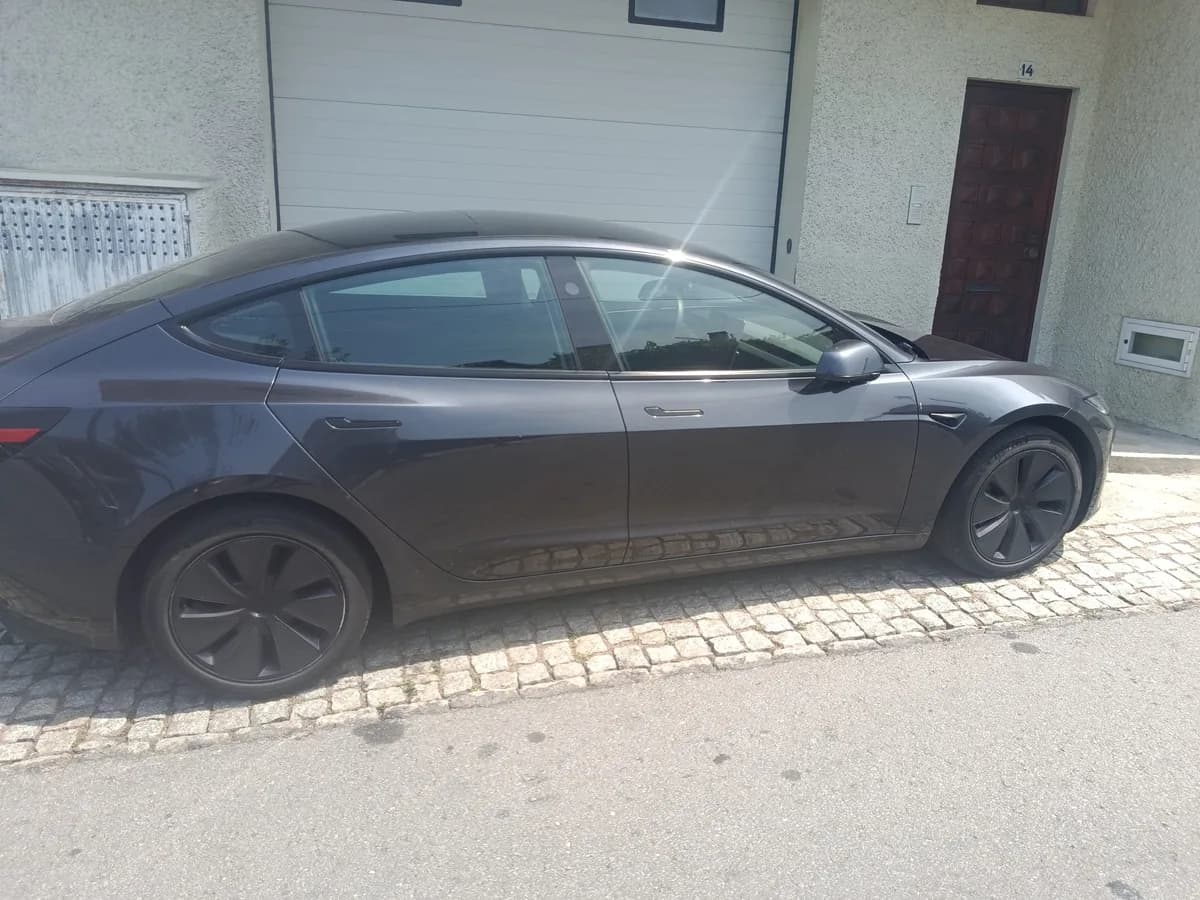
2023
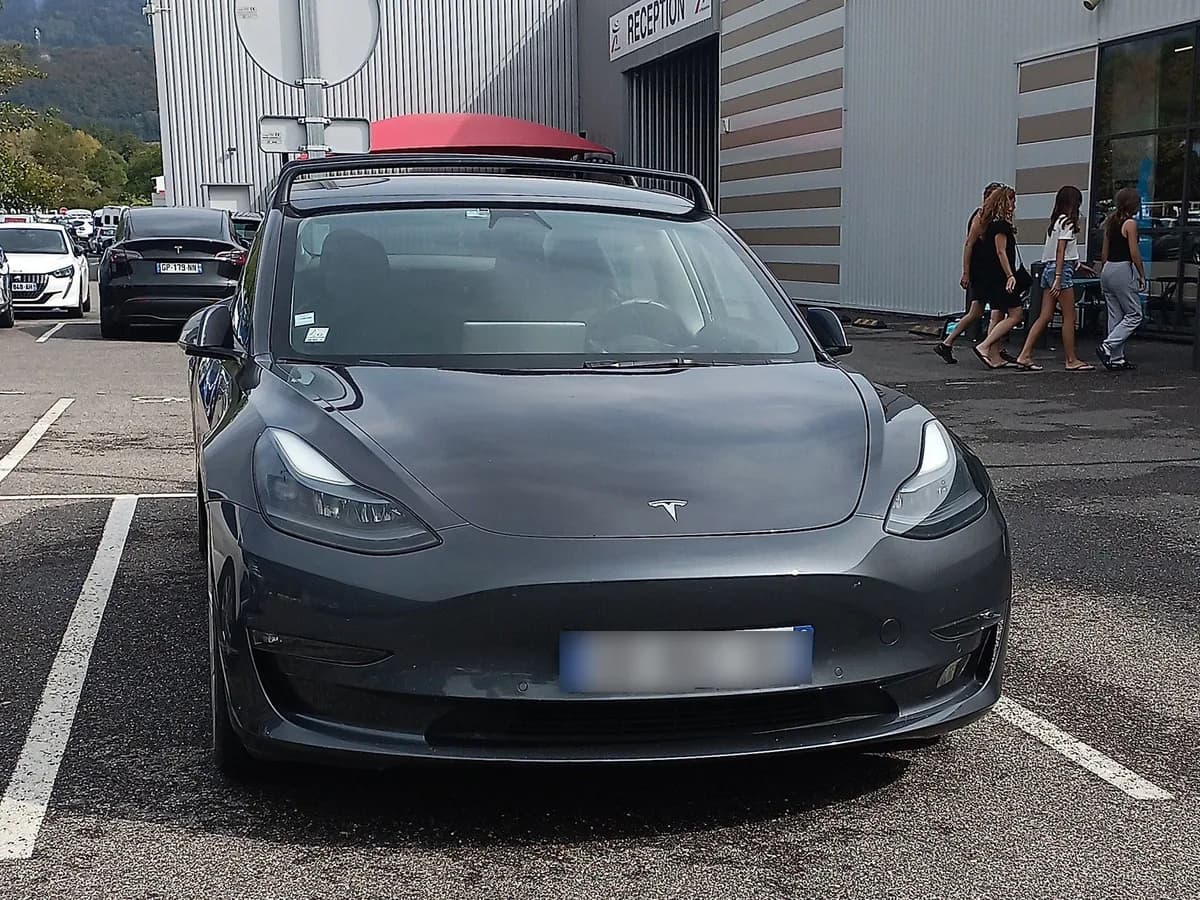
2017
Model summary
Data from the ScanRacer library, organized to compare versions quickly.
Model introduction
Introduced in 2017, the Tesla Model 3 is a four-door electric sedan designed to broaden access to Tesla ownership compared with the Model S and Model X. Its layout combines a battery mounted beneath the floor, an electric drivetrain and a three-box body with separate front and rear cargo areas. The Model 3 is also recognizable for its minimalist cabin, with many vehicle functions organized through a central touchscreen. During its production run, Tesla offered different combinations of drivetrain, battery, range and performance depending on the market. The 2017-2023 period covers the first mass-produced cars as well as the revised design introduced in 2023 in selected regions. Commercial names and equipment can vary by model year, production plant and country, so a vehicle’s exact specification should be checked against its build date and original market.
History
Tesla unveiled the Model 3 in March 2016 as its third-generation electric vehicle, positioned below the Model S and Model X. The stated aim was to create a more accessible sedan that could be produced in substantially higher volumes than Tesla’s earlier vehicles. At the time, Tesla planned to begin production and deliveries in 2017, with manufacturing capacity tied to the Fremont Factory and the Nevada Gigafactory. Production started in July 2017, and the first deliveries represented a major step in Tesla’s expansion. The launch was accompanied by manufacturing bottlenecks and production challenges, which the company documented in its 2017 investor communications. The range later grew to include rear-wheel-drive versions, dual-motor all-wheel-drive configurations and a Performance model, depending on the market. Model 3 production also expanded to Gigafactory Shanghai, alongside Fremont, supporting broader international distribution. In 2023, Tesla introduced an extensively revised Model 3 in several regions. The updated car received redesigned front and rear styling, a revised cabin and claimed improvements in noise insulation, aerodynamics and comfort. It is best understood as a major facelift or product update rather than a formally named new generation, because Tesla has not officially established a separate generation designation for it.
Generations
Tesla does not provide an official numbered-generation system for the Model 3. For cars from the 2017-2023 period, the most accurate approach is to separate two broad design phases. The first phase is the original design launched in 2017. It can be identified by its smooth front end without a conventional grille, horizontal headlamps, fastback roofline and cabin centered on a wide horizontal touchscreen. This phase received many running changes involving batteries, electronic control units, drive units, trim and equipment. As a result, two Model 3 vehicles from the same calendar year may differ depending on their production date, factory and original market. The second phase appeared in 2023 with the extensively updated Model 3. It is sometimes described informally by a project name, but that term is not an official Tesla generation designation. Exterior revisions include changes to the bumpers and lighting signatures. The cabin was also reworked, with additional equipment depending on the market, while Tesla stated that the update improved noise isolation and aerodynamic efficiency. This two-phase distinction is useful when organizing vehicles, but it should not replace identification by vehicle identification number, production date and original market. Tesla’s continuous software and hardware changes make those details especially important.
Key differences
Differences between Model 3 cars do not always follow a simple model-year pattern. Tesla gradually changed batteries, drive units, electronic controllers, glazing, trim and equipment without necessarily changing the vehicle’s commercial name. Drivetrain is one useful starting point: some versions use rear-wheel drive, while dual-motor variants provide all-wheel drive. Performance versions generally add a sportier specification, but their exact hardware and equipment depend on the market and production period. The body is a clearer way to separate early cars from the vehicles updated in 2023. The later design has revised front and rear styling and a reworked cabin. Dimensions can also vary slightly with configuration, wheel choice and trim level. Published range figures should not be compared without checking the test cycle, battery configuration, wheels and country of sale. Software capability is another variable, but software features may change after delivery and should not be treated as a permanent indicator of the original version.
Photo recognition
The Model 3 is first identified by its fastback sedan profile, closed electric-vehicle front end and glass roof flowing toward the rear. Early examples have elongated headlamps and a very clean dashboard dominated by a single central touchscreen. Flush door handles and a front trunk are additional characteristic details. To identify the revised design introduced in 2023, examine the ends of the body. The front and rear bumpers and lighting signatures were redesigned, giving the car a slimmer and more angular appearance. The cabin may feature ambient lighting, different control arrangements and, depending on the market, a display for rear passengers. These visual clues are useful but not conclusive, because equipment and components can vary by factory and region. The manufacturing date and vehicle identification number remain the most reliable ways to establish the exact specification. Wheel design alone should not be used as a definitive identifier.
Important versions
The Model 3 has been sold under several commercial descriptions, including rear-wheel-drive, Long Range, all-wheel-drive and Performance versions, depending on the market and production period. The main differences concern motor count, drivetrain, battery, certified range, acceleration and equipment. Performance models occupy the sportier end of the range and may include specific chassis tuning, brakes and wheels. Within the period represented by the ScanRacer data, the “Base” variant is listed from 2017 through 2023. That label should be treated as a library category rather than proof of a particular battery, output, range figure or market specification. A precise identification requires the original vehicle configuration and production date. Tesla’s frequent running changes mean that trim names alone are not always sufficient to establish the hardware fitted to an individual car.
References
- Model 3 Owner’s Manual, 2017-2023Tesla
- Model 3 DimensionsTesla
- Upgraded Model 3 Debuts in Hong KongTesla Events
- Meet Your Model 3Tesla Support
- https://www.tesla.com/blog/introducing-new-model-3-performance?s=09tesla.com
- https://www.tesla.com/event/tesla-upgraded-model-3-110tesla.com
- https://www.tesla.com/support/meet-your-tesla/model-3tesla.com
- https://www.tesla.com/sites/default/files/downloads/Model_3_Emergency_Response_Sheet_en.pdftesla.com
Frequently asked questions
- What years was the Tesla Model 3 produced?
- ScanRacer's referenced versions cover 2017 - 2023.
- How many Tesla Model 3 examples are documented on ScanRacer?
- 9 published scans from 8 members, with the latest photo added in September 2026.