
Tesla
Founded in California in 2003, Tesla built its identity around an idea that was still unusual at the time: combining electric propulsion with cars that were desirable, quick and technologically advanced. The first step was the Roadster, introduced in 2008 as an electric sports car. Model S, delivered from 2012, extended that approach into a large sedan designed from the outset around an electric architecture. Model X added an SUV body in 2015, before Model 3 and Model Y moved the brand toward higher production volumes. Cybertruck, with first deliveries in November 2023, opened a very different chapter through its angular pickup design. Together, these vehicles form a recognizable family shaped by restrained styling, large digital interfaces and a strong emphasis on range, charging and software updates. (ir.tesla.com)
Models from A to Z
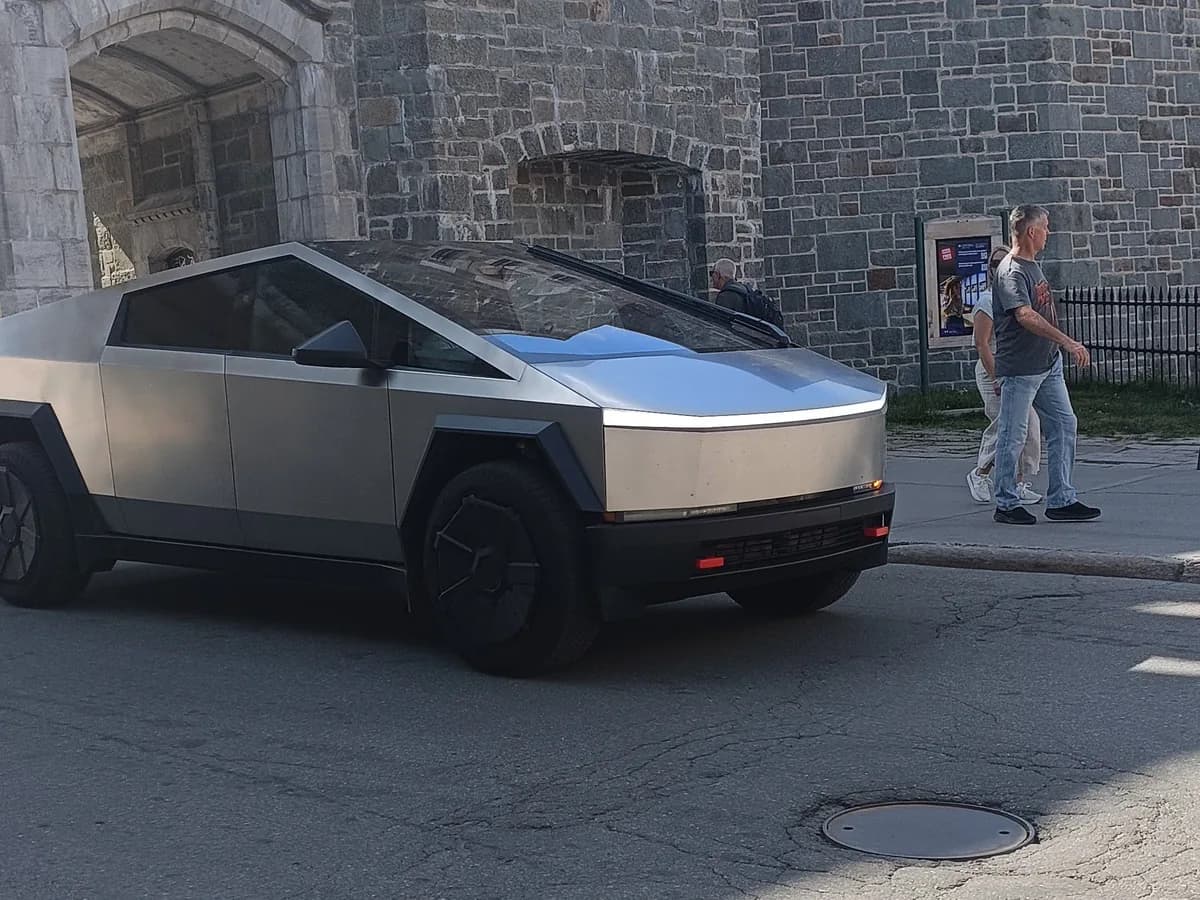
Cybertruck
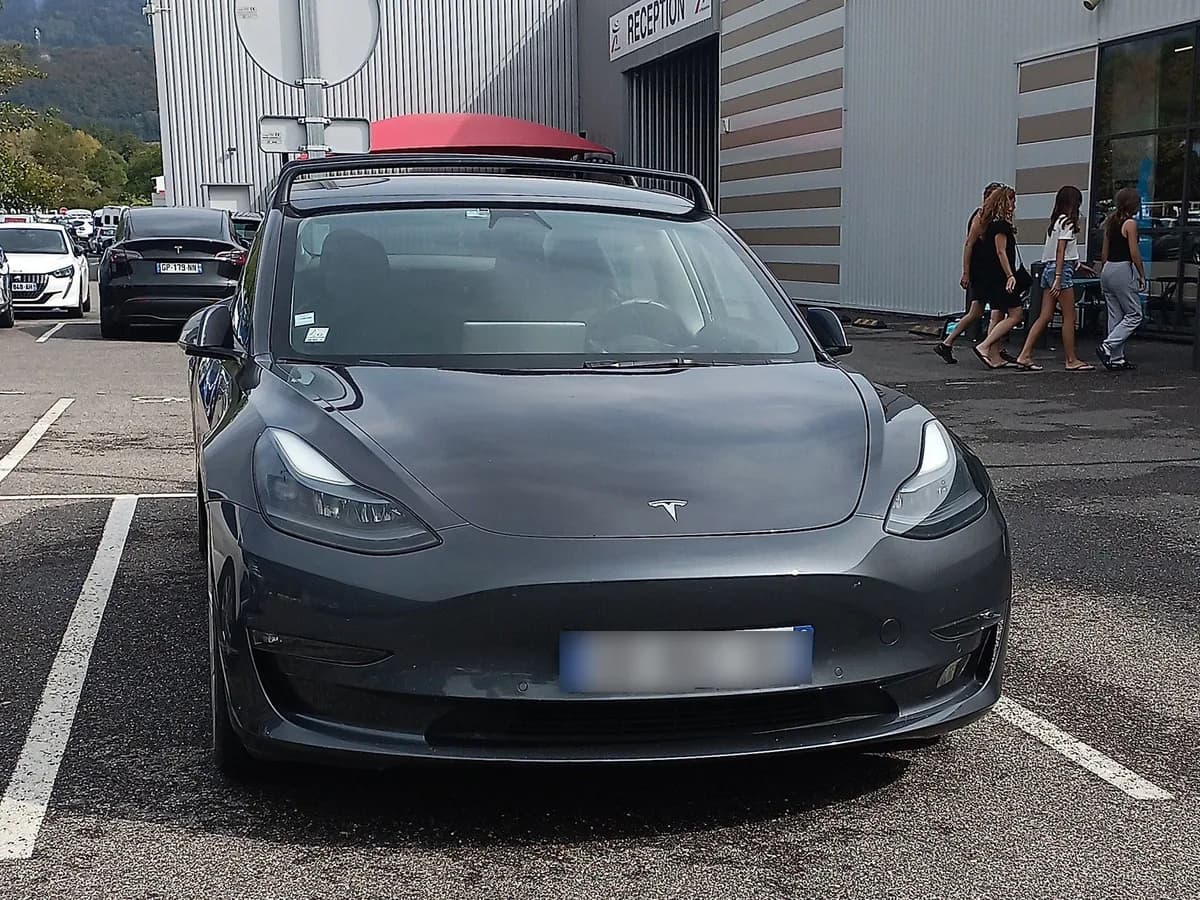
Model 3
Model S
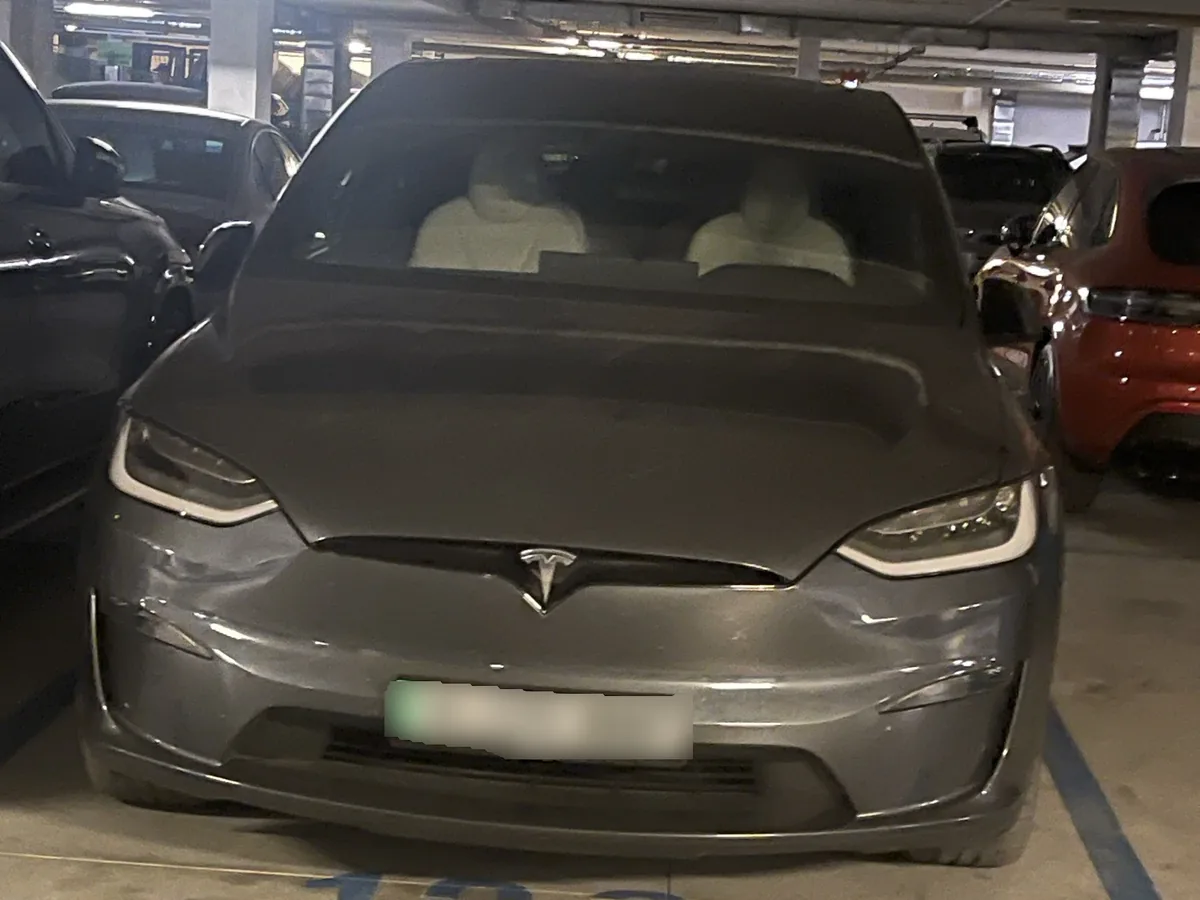
Model X
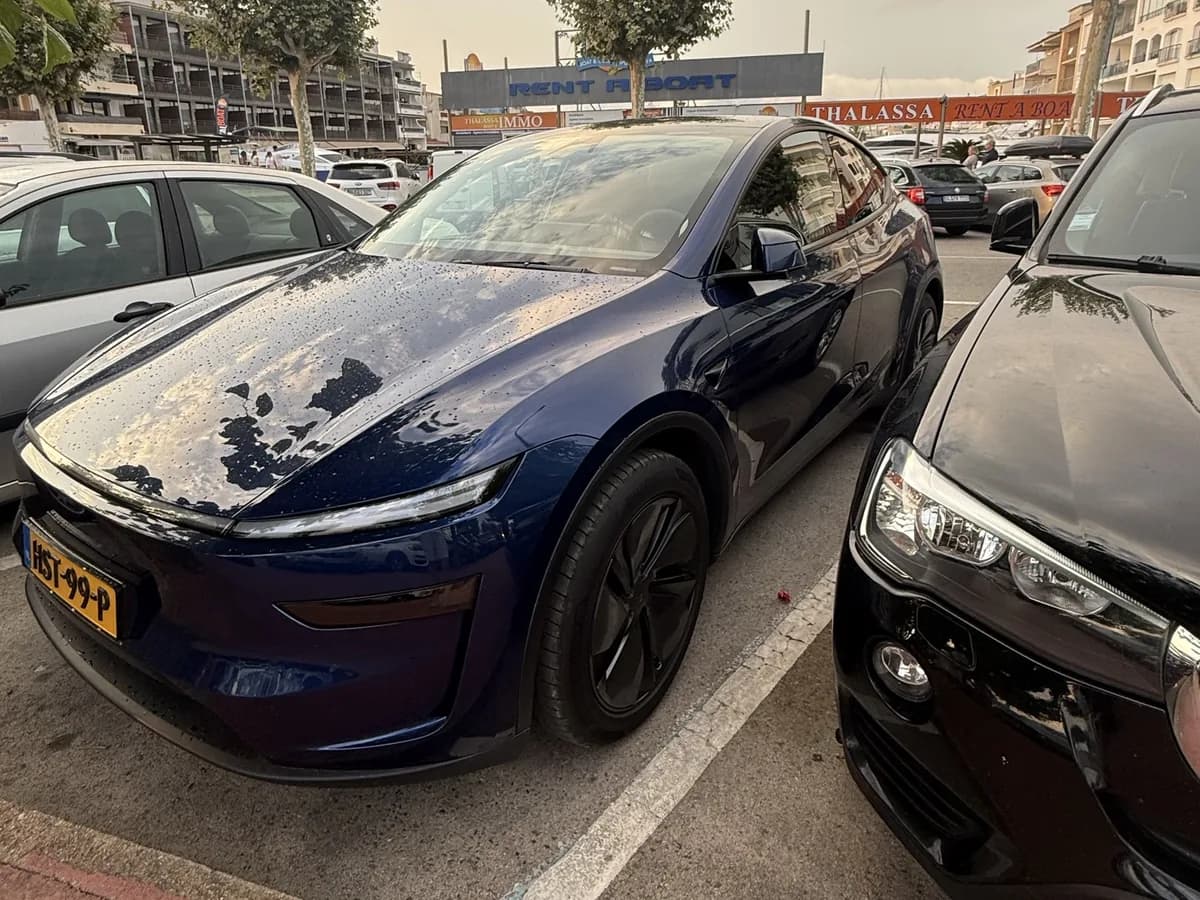
Model Y
Roadster
Tesla overview
Tesla history
Tesla Motors was incorporated in Delaware on July 1, 2003. Its first automotive program was the Roadster, with regular production beginning in March 2008. This two-seat sports car acted as a technological statement: it demonstrated that an electric vehicle could pursue both performance and efficiency while helping prepare the company for a more practical sedan. (ir.tesla.com) Model S marked that second step, with first customer deliveries in June 2012. Its dedicated design, battery integrated into the floor and large central touchscreen gave Tesla a new position in the premium sedan market. Model X followed in 2015 as a crossover with available seating for seven and distinctive upward-opening rear doors. (ir.tesla.com) Model 3, first delivered in July 2017, was developed around a lower price point and higher production volumes than Model S and Model X. Model Y extended the same broader strategy into a crossover body; production began in January 2020 and deliveries started in March of that year. Cybertruck, whose first deliveries were celebrated on November 30, 2023, expanded the range into the electric pickup segment. (ir.tesla.com)
Tesla positioning
Tesla is primarily positioned as a manufacturer of electric vehicles integrated into a broader digital and energy ecosystem. The brand’s proposition extends beyond the powertrain to charging, remote software updates, driver-assistance functions and, more broadly, energy-storage products. Tesla presents this direction as an interconnected system involving electric vehicles, batteries and solar generation. (tesla.com) Within the automotive range, the categories are diverse: sports car with Roadster, premium sedan with Model S, SUV with Model X and Model Y, more accessible sedan with Model 3, and pickup with Cybertruck. This classification is useful, but it should be treated carefully because equipment, batteries, performance and availability vary by model year, market and variant. A model name alone is therefore not always enough to identify an exact specification.
Recognizing a Tesla in a photo
To identify a Tesla, begin with the body style and the features associated with each model. The first-generation Roadster is a low, two-seat sports car with an open body, making it very different from later Teslas. Model S is recognizable as a large liftback sedan, while Model X has SUV proportions and may feature distinctive vertically opening rear doors. Model 3 is a more compact sedan with a very smooth front end and a dashboard centered around a single large touchscreen. Model Y carries much of that visual identity into a taller and more practical crossover body. Cybertruck is immediately recognizable through its flat panels, sharp edges and pickup-truck shape. For year-to-year identification, inspect the wheels, door handles, lighting, center-console design, steering wheel and screen layout. Tesla revisions are often gradual and may be introduced during a model year, so a photograph alone cannot always establish the precise variant or production date.
Important Tesla models
Roadster is the historical starting point: regular production began in 2008 and demonstrated Tesla’s original sporting ambition. Model S, delivered from 2012, established the brand in the premium electric-car market. Model X added a more family-oriented and versatile direction in 2015, with SUV proportions and a seven-seat layout described by Tesla. (ir.tesla.com) Model 3 is essential to understanding Tesla’s move toward greater scale: deliveries began in July 2017, and the company presented it as a lower-priced vehicle intended for higher volumes. Model Y transferred that strategy to a crossover body, with deliveries beginning in March 2020. Cybertruck represents a major stylistic and functional departure, with first deliveries in November 2023. These vehicles are complementary rather than interchangeable: each reflects a different stage in Tesla’s development, from an experimental sports car to electric vehicles produced for broader markets. (ir.tesla.com)
References
- Tesla Motors Begins Regular Production of 2008 Tesla RoadsterTesla Investor Relations
- Tesla Motors to Begin Customer Deliveries of Model S on June 22ndTesla Investor Relations
- Tesla Q4 2017 Vehicle Production and DeliveriesTesla Investor Relations
- Tesla Q1 2020 Vehicle Production & DeliveriesTesla Investor Relations
- Cybertruck Delivery EventTesla
- About UsTesla
- Tesla, Inc. Annual Report for the Year Ended December 31, 2024U.S. Securities and Exchange Commission
- https://www.tesla.com/ownersmanual/tesla.com