
Subaru
Subaru began its automotive history in 1958 with the Subaru 360, a small car developed for Japan’s post-war mobility needs. The brand later became known for engineering choices that remained unusual in the industry, including horizontally opposed engines, all-wheel drive, and layouts designed around a low center of gravity. The 1966 Subaru 1000 introduced the Boxer engine in a mass-produced compact car, while the Leone helped bring four-wheel drive into the family-car market from 1972 onward. Over the following decades, the Legacy, Outback, Impreza, and WRX STI expanded Subaru’s identity across long-distance touring, family versatility, and rally-influenced performance. Subaru’s wider catalogue also includes Japanese kei cars such as the Rex, Vivio, Pleo, and 360, giving the marque a broader history than its modern SUV and sports-car image might suggest.
Models from A to Z
1000
360
Alcyone
Ascent
Baja
BRAT 284 Brumby

BRZ
Chiffon
Crosstrek
Dex
Dias
Domingo
Evoltis
Exiga
FF-1

Forester
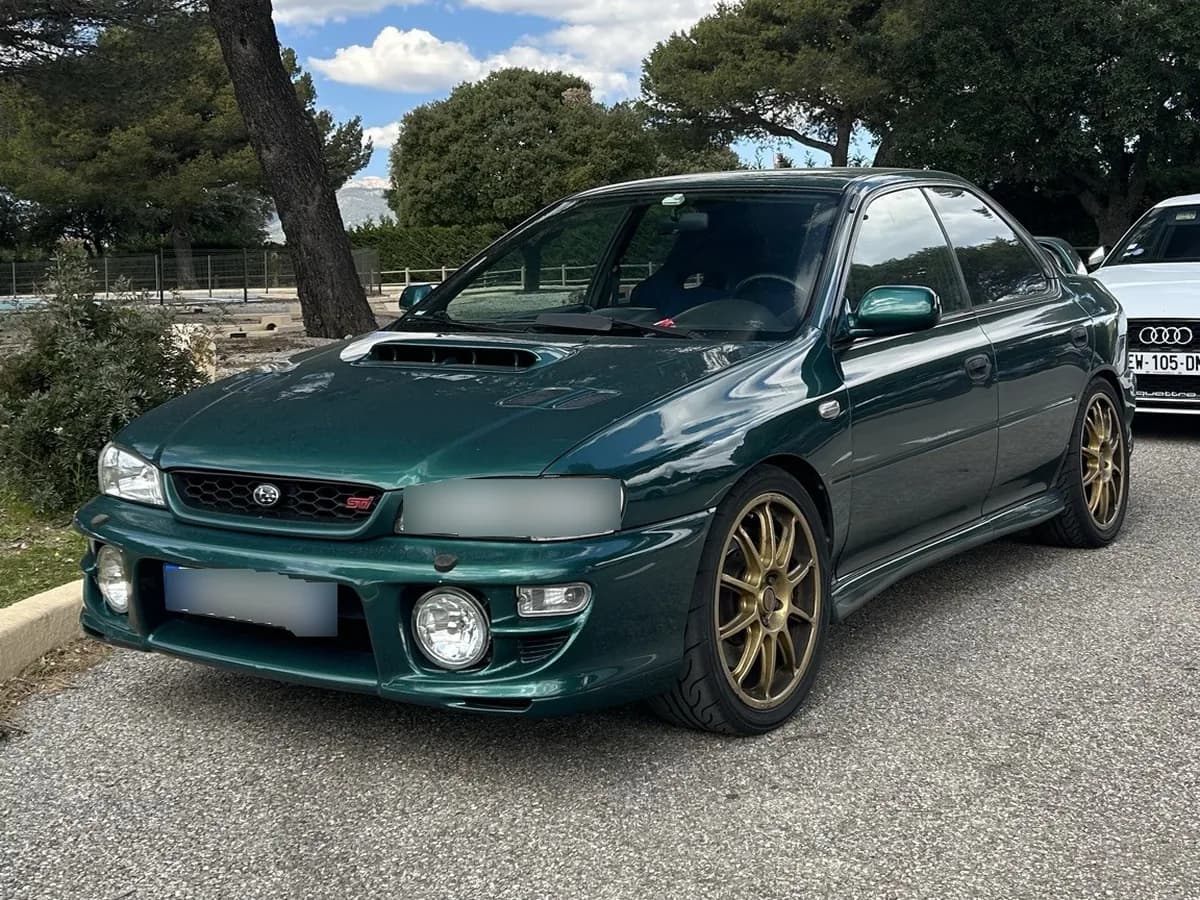
Impreza
Impreza Outback

Impreza WRX STi
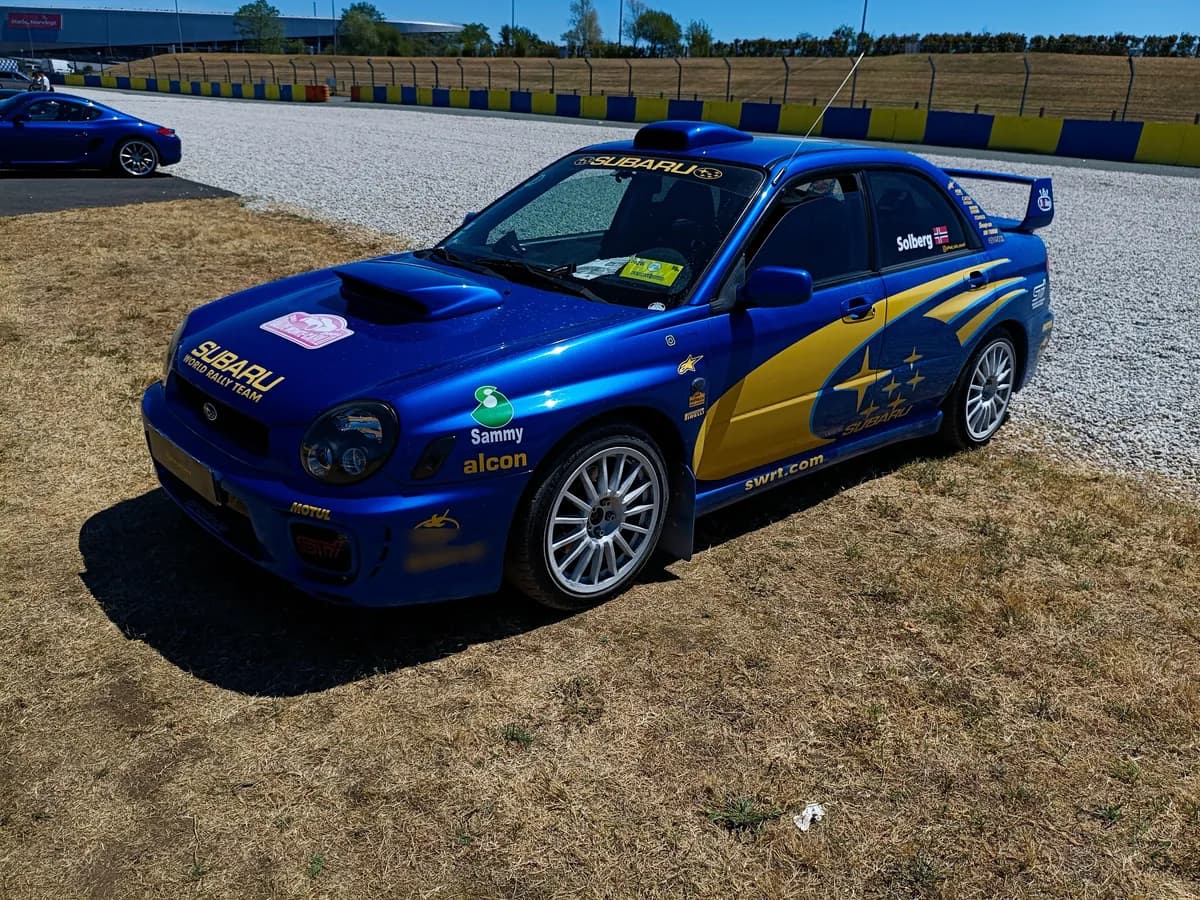
Impreza WRX STi sedan
Impreza XV
Justy
Legacy
Leone
Levorg
Libero
Liberty
Lucra
M80
Mini Jumbo
Outback
Pleo
R1
R2
Rex
Sambar
Solterra
Stella
Sumo
SVX
Trailseeker
Traviq
Trezia
Tribeca
Uncharted
Vivio

WRX
XT
XV
Subaru overview
Subaru history
Subaru’s automotive history is connected to Fuji Heavy Industries, a Japanese group with roots in the aircraft industry that later became Subaru Corporation. Automotive production began in 1958 with the Subaru 360, a four-seat kei car powered by a 360cc engine. In 1966, the Subaru 1000 introduced a front-mounted Boxer engine and front-wheel drive; this engineering layout became one of the brand’s defining foundations. In 1972, the Leone Estate Van 4WD marked another important step when Subaru introduced what the company describes as Japan’s first mass-produced passenger car with four-wheel drive. Compact models such as the Justy continued that technical direction during the 1980s. The Legacy, launched in 1989, was central to Subaru’s development as a maker of family and grand-touring cars. Its Touring Wagon derivative later provided the basis for the Outback, combining practical estate-car packaging with increased ground clearance and a more rugged presentation. The Impreza, introduced in the early 1990s, strengthened Subaru’s sporting reputation through the WRX and WRX STI. Those models helped Subaru win three consecutive World Rally Championship manufacturers’ titles from 1995 to 1997. Alongside its performance programme, Subaru continued to develop safety technologies, including the EyeSight driver-assistance system.
Subaru positioning
Subaru occupies a distinctive position among Japanese mainstream manufacturers. Its historical range is defined less by a single body style than by a recurring technical combination: the Boxer engine, all-wheel drive, and a layout intended to promote stable handling. Subaru presents this architecture as a way to achieve a low center of gravity and balanced drivetrain packaging, although these features do not describe every model, particularly the older kei cars and selected two-wheel-drive versions. The brand’s identity has developed around two broad product families. Legacy, Outback, and related models focus on everyday usability, family transport, and added versatility on rougher roads. In parallel, the Impreza WRX, WRX STI, and competition derivatives connected Subaru with turbocharged performance and rally engineering. This split helps explain the breadth of Subaru’s catalogue, which extends from small cars such as the Rex, Vivio, and Pleo to wagons, sedans, and crossover-oriented vehicles. Safety, outward visibility, and driver-assistance technology have also remained important development themes, adding a practical dimension to the brand’s performance image.
Recognizing a Subaru in a photo
Identifying an older Subaru is easier when the body shape and production period are considered together rather than relying only on the badge. The 360 is a small, rounded kei car and looks very different from later export-oriented models. The Rex, Vivio, and Pleo are also compact Japanese city cars, generally narrower and taller than Subaru’s larger sedans and wagons. The Leone usually has the proportions of a compact family car or estate, with four-wheel-drive details appearing on some versions. The Legacy is associated with grand-touring sedans and wagons, while the Outback typically adds a tougher appearance, increased ground clearance, and protective body cladding. The Impreza appeared as a sedan, wagon, or hatchback depending on generation and market. WRX and WRX STI versions may feature widened fenders, bonnet air intakes, prominent spoilers, sport wheels, and dedicated instrumentation, although equipment varies by market and trim level. The names Liberty and Legacy can also refer to closely related vehicles sold under different regional naming systems, so badges and local specifications should be checked before assigning a generation.
Important Subaru models
The Subaru 360 marks the beginning of the brand’s automotive production in 1958. The Leone is crucial to understanding Subaru’s technical direction: its 1972 Estate Van 4WD helped establish all-wheel drive in the Japanese family-car market. The Legacy, introduced in 1989, then became the foundation for Subaru’s grand-touring sedans and wagons, while the Outback developed that platform into a more versatile vehicle positioned between an estate car and a crossover. The Impreza is one of Subaru’s best-known nameplates. Its WRX and WRX STI derivatives combined all-wheel drive, turbocharged engines, and rally experience, contributing to Subaru’s three consecutive WRC manufacturers’ championships from 1995 to 1997. WRX later became a separate model designation in some generations and markets. Subaru’s historical catalogue also includes the Justy, the Liberty name used for the Legacy in certain markets, and compact kei cars such as the Rex, Vivio, and Pleo. Together, these models show the breadth of Subaru’s range, from small urban cars to family vehicles and motorsport-influenced performance models.
References
- Business Overview: Automotive Business UnitSubaru Corporation
- SUBARU’s History of Value CreationSubaru Corporation
- 50th Anniversary of Subaru Horizontally-Opposed Boxer EngineSubaru Corporation
- Subaru Commemorates the 40th Anniversary of Its AWD VehiclesSubaru Corporation
- All-New Legacy Series Debut in JapanSubaru Corporation
- Subaru Introduces All-New Outback at New York International Auto ShowSubaru Corporation
- All-New Subaru Impreza WRX STISubaru Corporation
- What Subaru has createdSubaru Corporation