
BRZ
Launched in Japan on March 28, 2012, the Subaru BRZ is a front-engine, rear-wheel-drive sports coupe powered by a naturally aspirated horizontally opposed four-cylinder engine. It was developed jointly by Subaru and Toyota, with the engine mounted unusually low to support a low center of gravity and predictable responses. The first generation used a 2.0-liter engine paired with either a six-speed manual or automatic transmission, depending on market and specification. For 2022, the BRZ entered a second generation with a 2.4-liter Boxer engine producing 228 horsepower in U.S. specification, while retaining rear-wheel drive and its compact, driver-focused coupe format. The supplied ScanRacer coverage spans the 2013–2021 model years and includes a Base variant.
What about the car you photographed?
Upload a photo to get a suggested make, model and likely year.
No account needed for the result · Publish only if you choose
Variants by year
Make: Subaru · Model: BRZ
2 / 2 versions shown
2021

2013
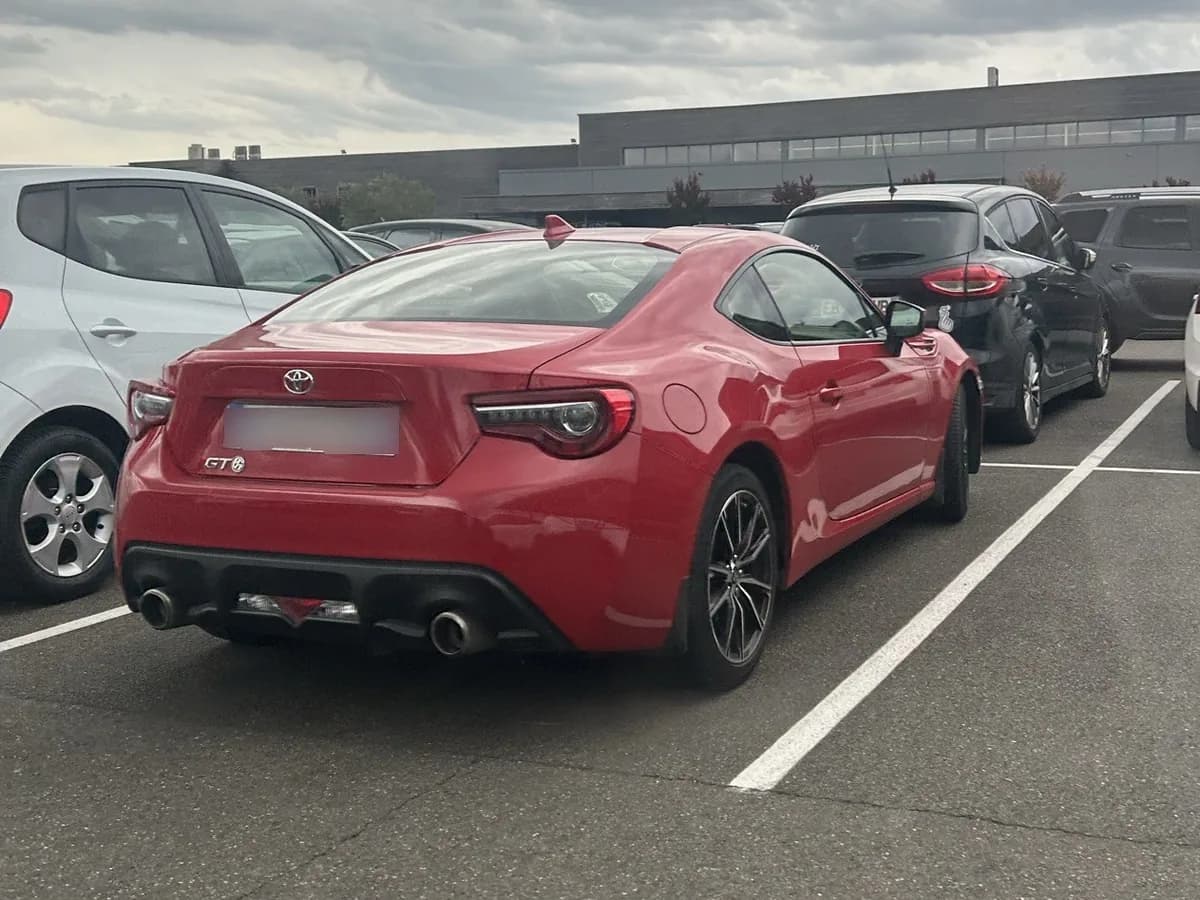
Subaru BRZ photos
Model summary
Data from the ScanRacer library, organized to compare versions quickly.
Model introduction
Launched in Japan on March 28, 2012, the Subaru BRZ is a front-engine, rear-wheel-drive sports coupe powered by a naturally aspirated horizontally opposed four-cylinder engine. It was developed jointly by Subaru and Toyota, with the engine mounted unusually low to support a low center of gravity and predictable responses. The first generation used a 2.0-liter engine paired with either a six-speed manual or automatic transmission, depending on market and specification. For 2022, the BRZ entered a second generation with a 2.4-liter Boxer engine producing 228 horsepower in U.S. specification, while retaining rear-wheel drive and its compact, driver-focused coupe format. The supplied ScanRacer coverage spans the 2013–2021 model years and includes a Base variant.
History
The BRZ project first appeared publicly in 2011 as a sports-car architecture built around a Boxer engine and rear-wheel drive. Subaru and Toyota jointly developed the coupe family, with Toyota contributing expertise in direct-injection technology and rear-drive sports cars. The BRZ name refers to Boxer engine, rear-wheel drive and “Zenith.” The production model was shown at the 2011 Tokyo Motor Show before its Japanese launch on March 28, 2012. The first generation centered on a naturally aspirated 2.0-liter Boxer engine, a six-speed manual or automatic transmission, and a chassis tuned around balance rather than outright power. Updates were introduced during the model’s run. For the 2017 model year, Subaru announced suspension revisions, sharper steering, a Track Mode and updated exterior detailing. In Japan, the range also gained an STI Sport version in 2017, positioned as the local flagship. The second generation was unveiled on November 18, 2020, as the U.S.-specification 2022 BRZ, with sales scheduled for fall 2021. It retained the Boxer-engine and rear-drive layout but adopted a larger 2.4-liter engine and a substantially stiffer body structure. Those changes marked a clear technical evolution without abandoning the original compact sports-coupe formula.
Generations
The first generation covers BRZ models launched from 2012 and is commonly associated with the ZC6 chassis code in specialist references and catalogs. It is identified by a naturally aspirated 2.0-liter Boxer engine, rear-wheel drive, a low hood and a compact four-seat coupe body. In early U.S. specification, the engine produced 200 horsepower and could be paired with either a six-speed manual or automatic transmission. Trim names, equipment and calibration details varied by market. The 2017 model year was a significant update within the first generation rather than a new platform. Subaru introduced suspension revisions, revised steering, updated aerodynamic details and a Track Mode. As a result, exterior features and driving hardware can differ between an earlier BRZ and a facelifted example. The second generation was introduced for the 2022 model year. It brought a stiffer body structure, revised suspension and a larger 2.4-liter Boxer engine. In U.S. specification, output was rated at 228 horsepower with 184 lb-ft of torque. The styling changed substantially, but the essential layout remained familiar: front engine, rear-wheel drive, an available manual transmission and a Torsen-type limited-slip rear differential on applicable trims.
Key differences
The clearest distinction is between generations. A first-generation BRZ uses a naturally aspirated 2.0-liter Boxer engine and generally has a slimmer visual treatment, while the second generation adopts a 2.4-liter engine, a stiffer structure and a completely redesigned front end. Within the first generation, the 2017 update can be identified through revised bumpers, updated lighting details and chassis improvements. Trim levels should not be compared across markets without checking the original specification. A U.S. Base model does not necessarily match an entry-level Japanese or European version. Transmissions, safety equipment, wheels and tires can change with the market and model year. Correct identification therefore depends on combining the model year, sales region, transmission, wheel design and body details instead of relying on the trim badge alone.
Photo recognition
A first-generation BRZ has a compact two-door shape, a long hood, a set-back cabin and a short rear deck. Dual exhaust outlets and the car’s low-slung proportions are useful clues, although aftermarket parts can alter both details. The Boxer engine is not always identifiable without opening the hood, so several features should be checked together. To separate pre-2017 cars from facelifted examples, inspect the front bumper, headlamp design and wheel patterns. Cars equipped with performance packages or market-specific sport trims may have different brakes, dampers, wheels or seats. In Japan, the 2017 BRZ STI Sport received distinctive equipment and styling, but some of its visual details can be reproduced with later modifications. A second-generation BRZ is recognizable by its broader-looking front end, functional-looking openings around the front fenders, horizontal rear lamps and more sculpted body sides. The 2.4-liter engine and 228-horsepower rating apply to the U.S.-specification 2022 model and should not automatically be assigned to every BRZ sold worldwide.
Important versions
The Base variant is a useful reference point for the supplied coverage, which spans the 2013–2021 model years. Its exact equipment depends on the market and model year. In the model’s history, the 2017 update is particularly significant for its chassis revisions, Track Mode and revised equipment. In Japan, the BRZ STI Sport introduced in October 2017 served as a higher-grade first-generation model with specific handling and appearance-focused equipment. Names such as tS, Performance Package, Limited and Premium should not be treated as interchangeable because their content and availability varied by country and model year.
References
- Subaru Introduces SUBARU BRZ in JapanSubaru Corporation
- Subaru Unveils SUBARU BRZSubaru Corporation
- Subaru BRZ Offers Enhanced Performance and Updated Styling and Features for 2017Subaru of America
- STI Sport Released as Top Model of the Subaru BRZ Lineup in JapanSubaru Corporation
- World Premier of All-New Subaru BRZSubaru Corporation
- 2022 BRZ BrochureSubaru of America
- https://www.subaru.com/services/vehicles/pdf/trimComparison/2022/BRZsubaru.com
- https://www.subaru.com/owners/vehicle-resources.html?model=2022-BRZ-NZEsubaru.com
Frequently asked questions
- What years was the Subaru BRZ produced?
- ScanRacer's referenced versions cover 2013 - 2021.
- How many Subaru BRZ examples are documented on ScanRacer?
- 13 published scans from 13 members, with the latest photo added in September 2026.
What about the car you photographed?
Upload a photo to get a suggested make, model and likely year.
No account needed for the result · Publish only if you choose