Power
338.3 KW @ 5350 RPM 460 HP @ 5350 RPM 454 BHP @ 5350 RPM
Unveiled in 2017, the Rolls-Royce Phantom VIII introduced a new generation of four-door luxury saloon and became the first Rolls-Royce built on the company’s Architecture of Luxury. Its 6.75-liter twin-turbocharged V12 produces 563 horsepower and drives the rear wheels through an eight-speed automatic transmission. The Phantom retains the marque’s familiar proportions: a long bonnet, upright grille, set-back passenger compartment and rear-hinged coach doors. The Base version refers to the standard-wheelbase body, rather than the longer Phantom Extended Wheelbase. Like other modern Phantoms, it places exceptional emphasis on passenger comfort, acoustic isolation and extensive factory-backed personalization. Its design is evolutionary in appearance, but its platform, engine and technology represented a substantial change from the outgoing Phantom VII.
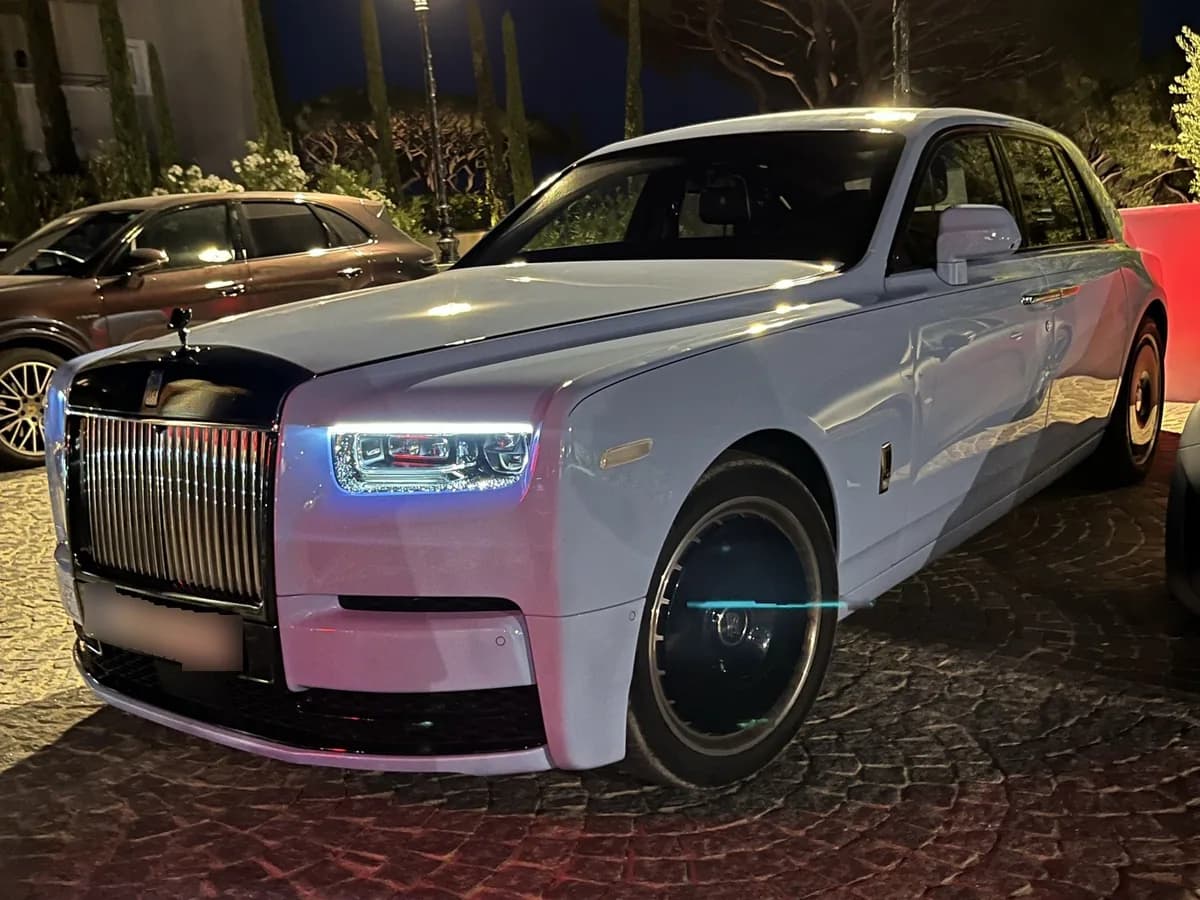
The Phantom name dates back to 1925, but the model discussed here belongs to a new chapter in Rolls-Royce history. Revealed in 2017, the Phantom VIII replaced the Phantom VII, introduced in 2003 during the BMW ownership era. Engineers retained the model’s recognizable visual identity while creating a completely new aluminium structure known as the Architecture of Luxury. The platform was designed to support later Rolls-Royce products as well. The new car also brought upgraded air suspension, more sophisticated electronic systems and extensive measures to reduce cabin noise. Rolls-Royce positioned the Phantom as both its flagship product and its principal canvas for Bespoke commissions. One of its most distinctive interior features is the Gallery, a glass-covered section spanning the dashboard and allowing a commissioned artwork or decorative installation to be displayed. Assembly continued by hand at Goodwood in West Sussex, emphasizing craftsmanship and individual specification rather than high-volume production.
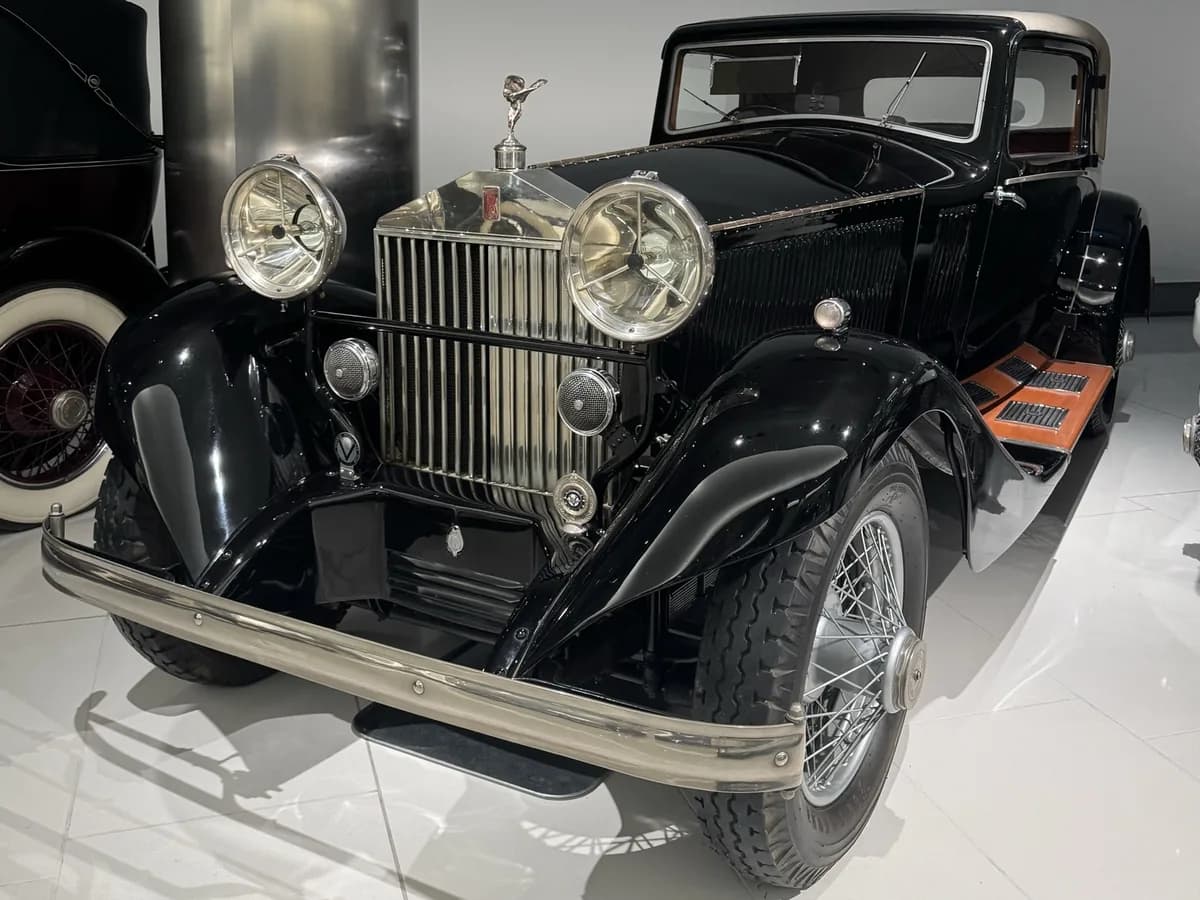
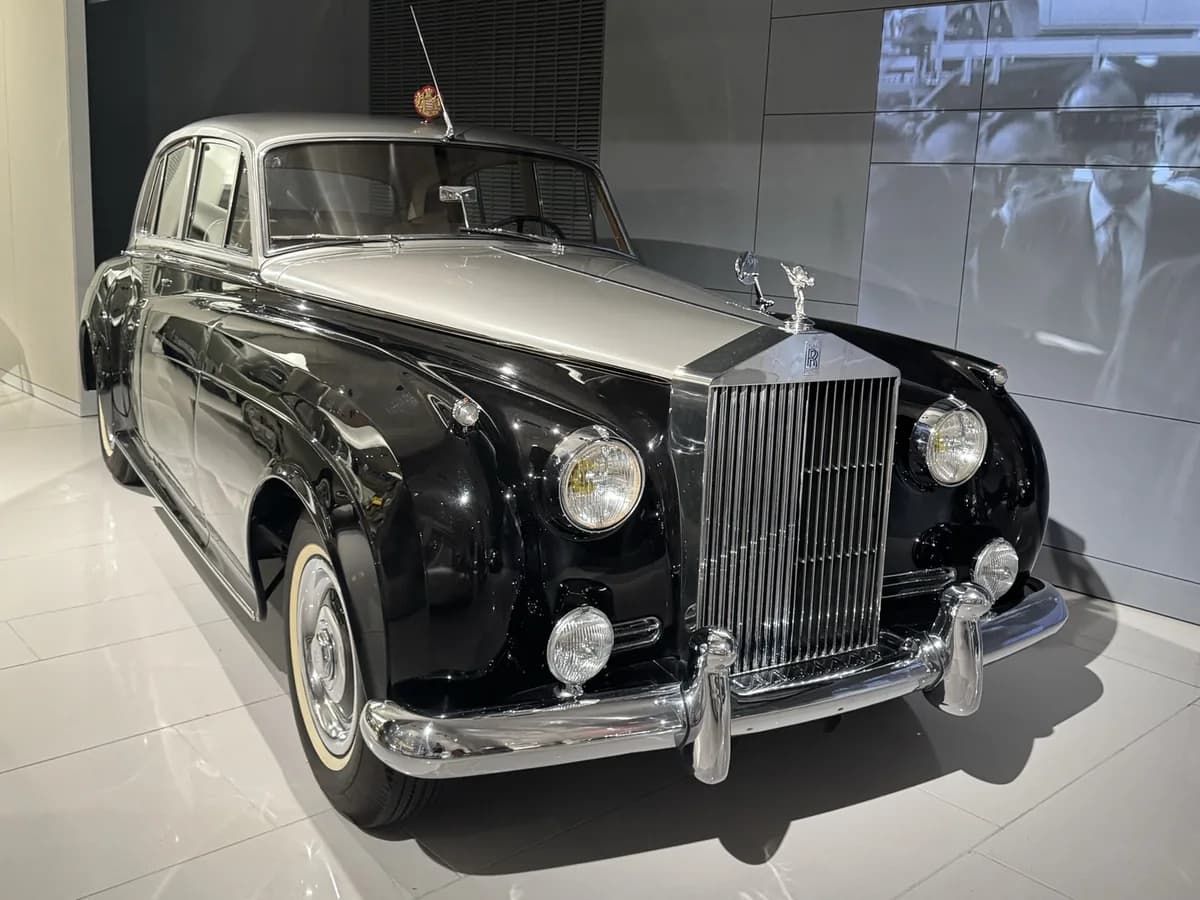
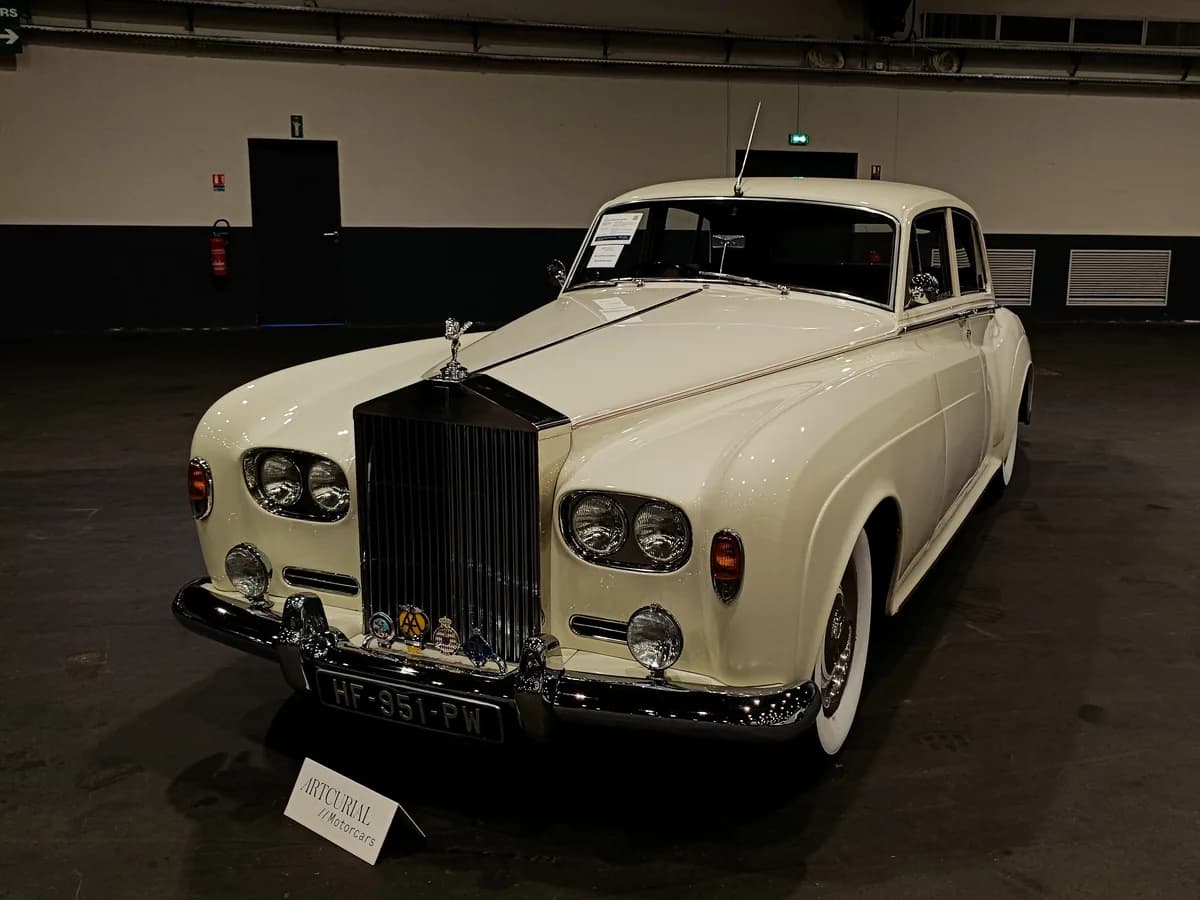
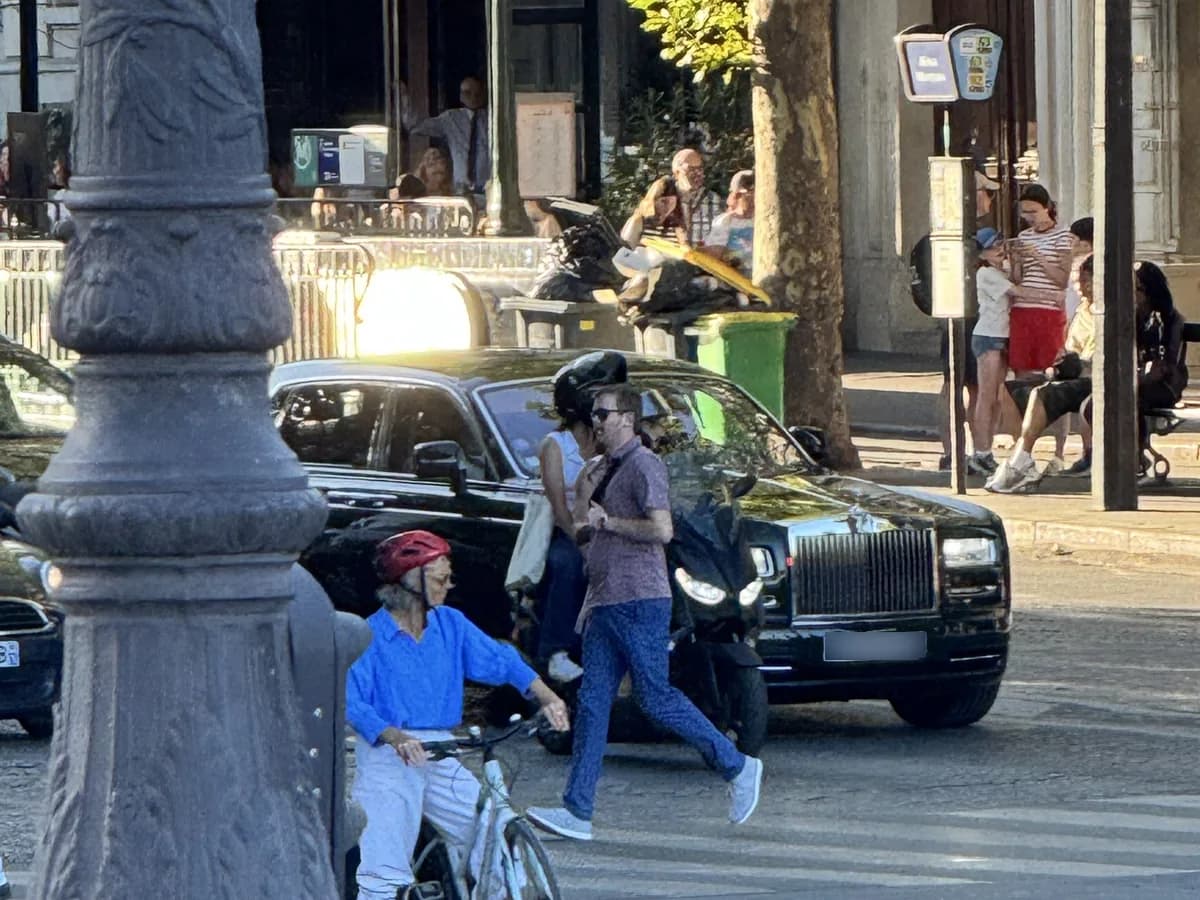
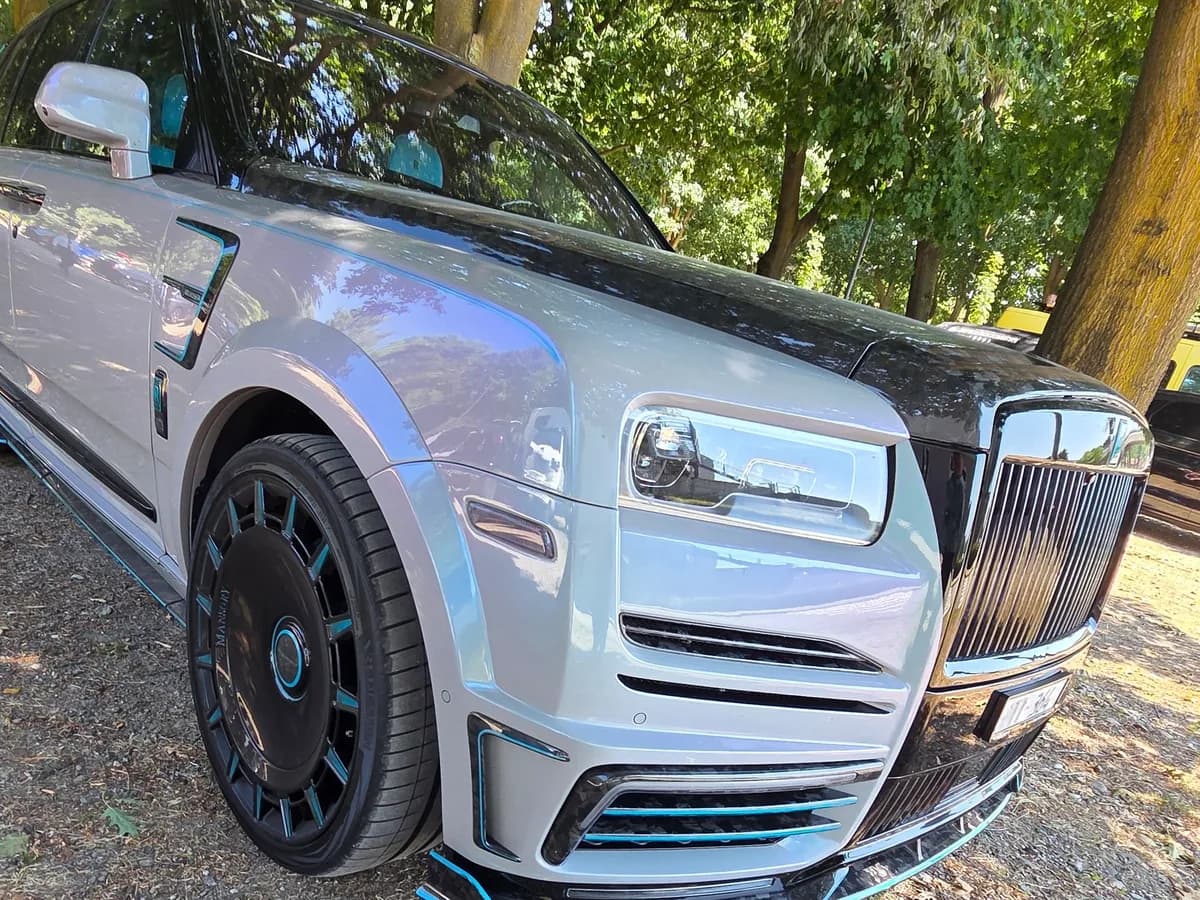
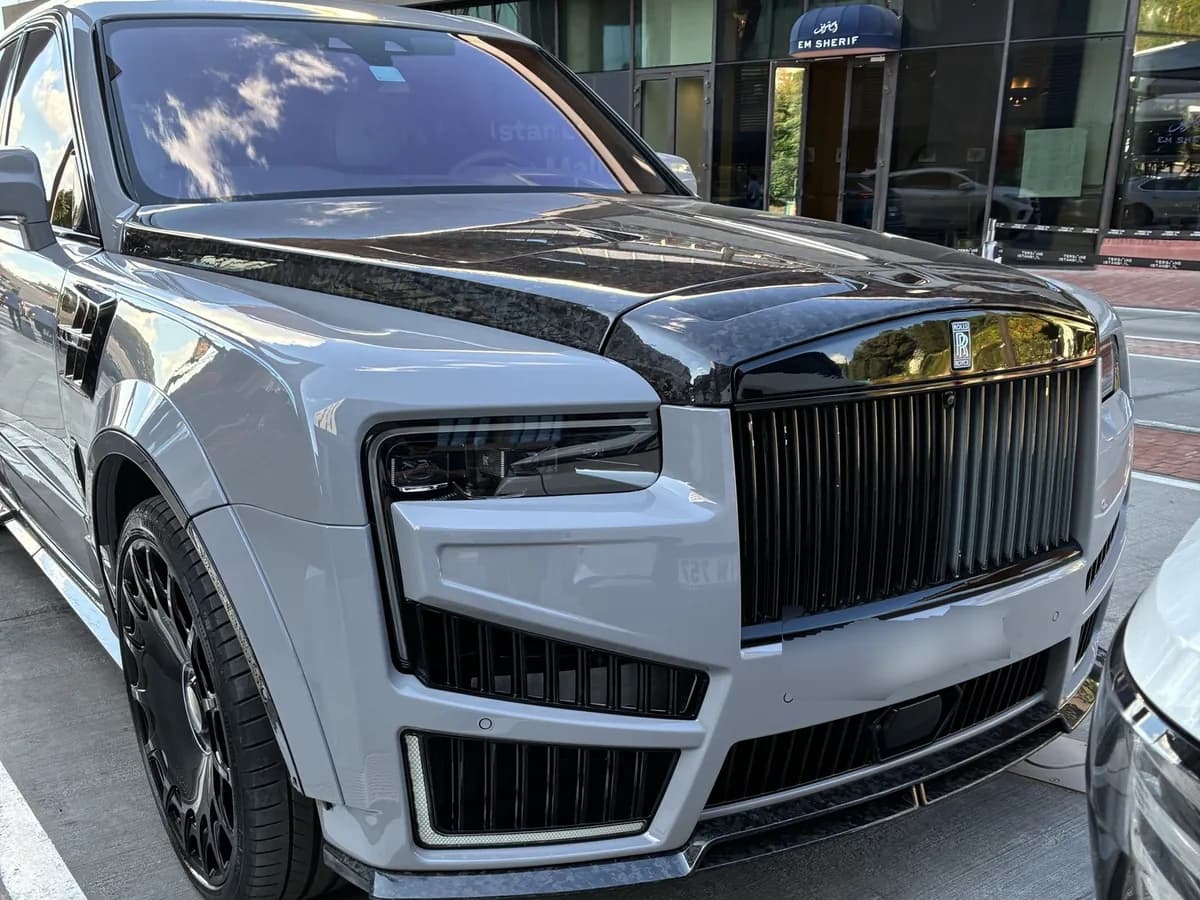
Photos added by the community for this page.
Source: autoevolution
The Gallery is one of the Phantom VIII’s most distinctive features. Behind a broad glass panel integrated into the dashboard, the owner can commission an artwork created specifically for the car. Rolls-Royce demonstrated several interpretations using paint, textiles, porcelain and natural materials. The concept reflects the company’s intention to treat the Phantom as a personalized design object rather than merely a mass-produced automobile.
The Phantom VIII was hand-assembled by Rolls-Royce Motor Cars at Goodwood in the United Kingdom. The company developed the model as a foundation for Bespoke commissions, allowing customers to alter paint, interior materials, decorative elements and rear-passenger equipment. The sources consulted confirm the hand-built process and the Goodwood production site, but they do not provide an official total specifically for 2017 Base Phantom cars. A precise production figure for this version should therefore not be stated. Phantom manufacturing is organized around individual commissions and highly specified vehicles rather than the high-volume production methods used for conventional luxury sedans.
Early reviews published in 2017 generally praised the Phantom VIII for its quiet operation, ride comfort and exceptionally finished interior. Auto Express awarded it a maximum score and concluded that Rolls-Royce had modernized the model without erasing its identity. MotorTrend highlighted the new twin-turbocharged V12, the Architecture of Luxury, improved acoustic isolation and the Gallery. Reviewers also noted the car’s considerable size, very high price and focus on serenity and personalization rather than outright sporting ability. The overall response was strongly positive, although the Phantom’s cost, dimensions and chauffeur-oriented character were recognized as important limitations for ordinary daily use.
Compared with the Phantom VII, the Phantom VIII keeps an immediately recognizable silhouette while adopting more integrated and contemporary surfacing. The grille is visually connected to the surrounding bodywork, and the headlamps and side panels use sharper geometric themes. The most important changes are beneath the skin: a new aluminium architecture improves structural rigidity and establishes the technical basis for future models. The previous generation’s naturally aspirated V12 was replaced by a 6.75-liter twin-turbocharged V12 with substantially greater torque. The cabin also gained updated multimedia technology, more extensive sound insulation and the Gallery, an unusual dashboard feature introduced with the 2017 car.
Supports the Phantom lineage, the 2017 introduction of Phantom VIII, the Architecture of Luxury, Goodwood hand assembly and the Gallery.
Supports the design and purpose of the Gallery and its use for commissioned artwork.
Supports the 6.75-liter twin-turbocharged V12, 563 hp output, eight-speed automatic transmission, Architecture of Luxury, acoustic improvements and major design changes.
Supports the Phantom VIII’s replacement of Phantom VII, rear-wheel-drive four-door layout, eight-speed automatic transmission and standard versus extended-wheelbase positioning.
Supports the 6.7-liter V12 listing, 563 hp, rear-wheel drive and eight-speed automatic specification for the standard Phantom.
Supports contemporary press reception, the eighth-generation launch, comfort, quietness, personalization and design observations.
Source found by OpenAI web search for this vehicle page.
Source found by OpenAI web search for this vehicle page.