
Phantom
Introduced in 1925 as the New Phantom, the Rolls-Royce Phantom replaced the 40/50 H.P. Silver Ghost at the top of the British marque’s range. Its 7.7-litre six-cylinder engine used overhead valves, while the chassis was generally supplied to an independent coachbuilder for a body tailored to the customer. This arrangement explains the striking variety of early Phantoms, which were often commissioned automobiles rather than standardized production cars. Across eight generations, the Phantom name remained associated with Rolls-Royce’s most prestigious limousine. The period covered here ends in 2017, the final year of Phantom VII production within the ScanRacer context, before the introduction of Phantom VIII. Earlier cars therefore need to be identified through their chassis, coachwork, period details and documented history rather than by body style alone.
Variants by year
2017
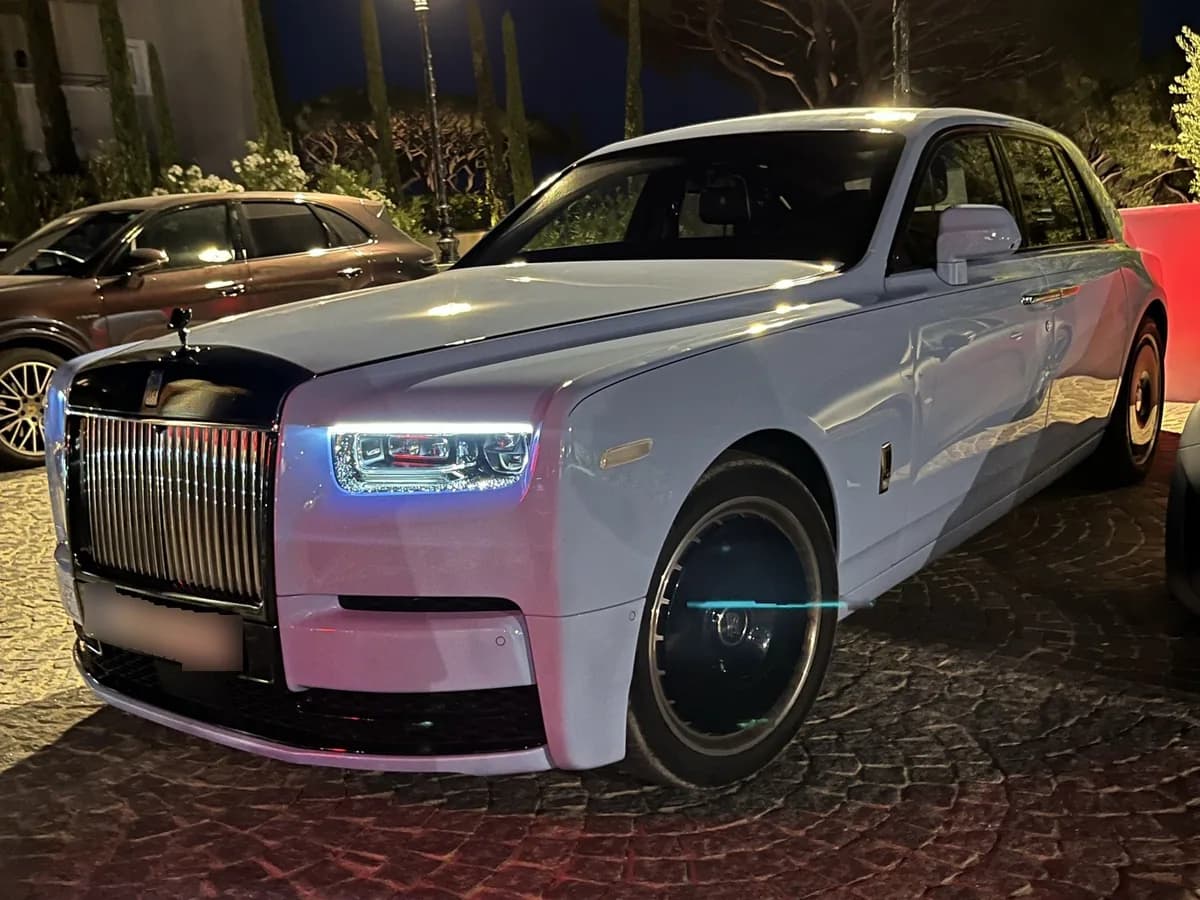
2012
2003
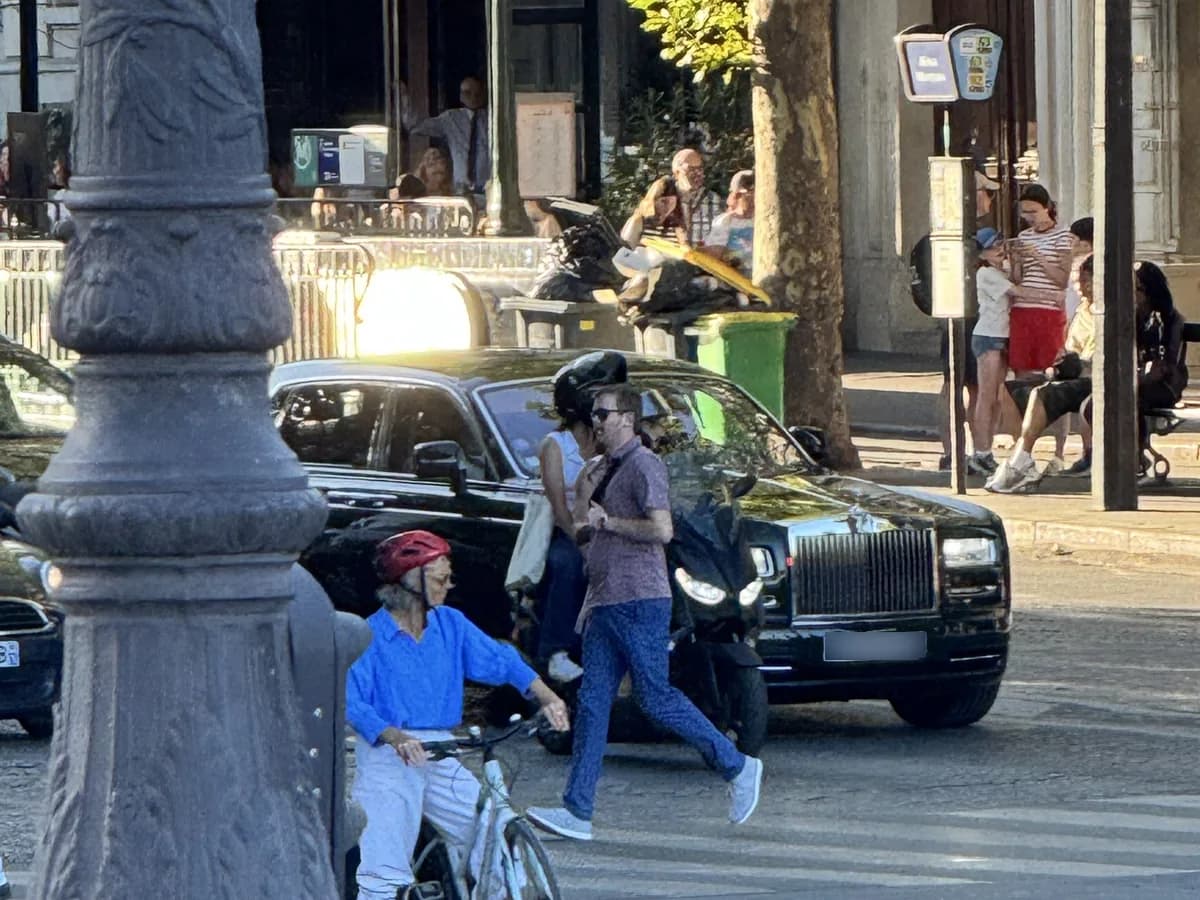
1968
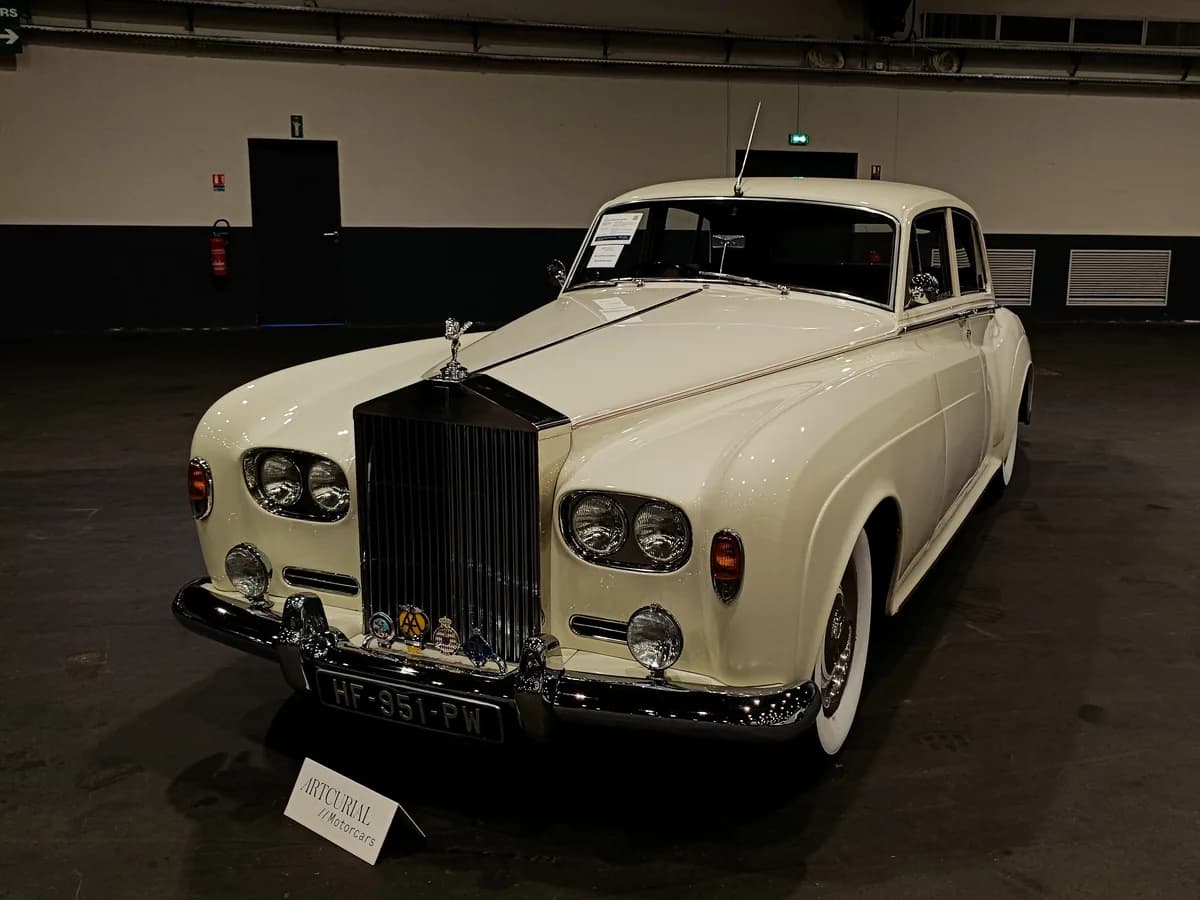
1959
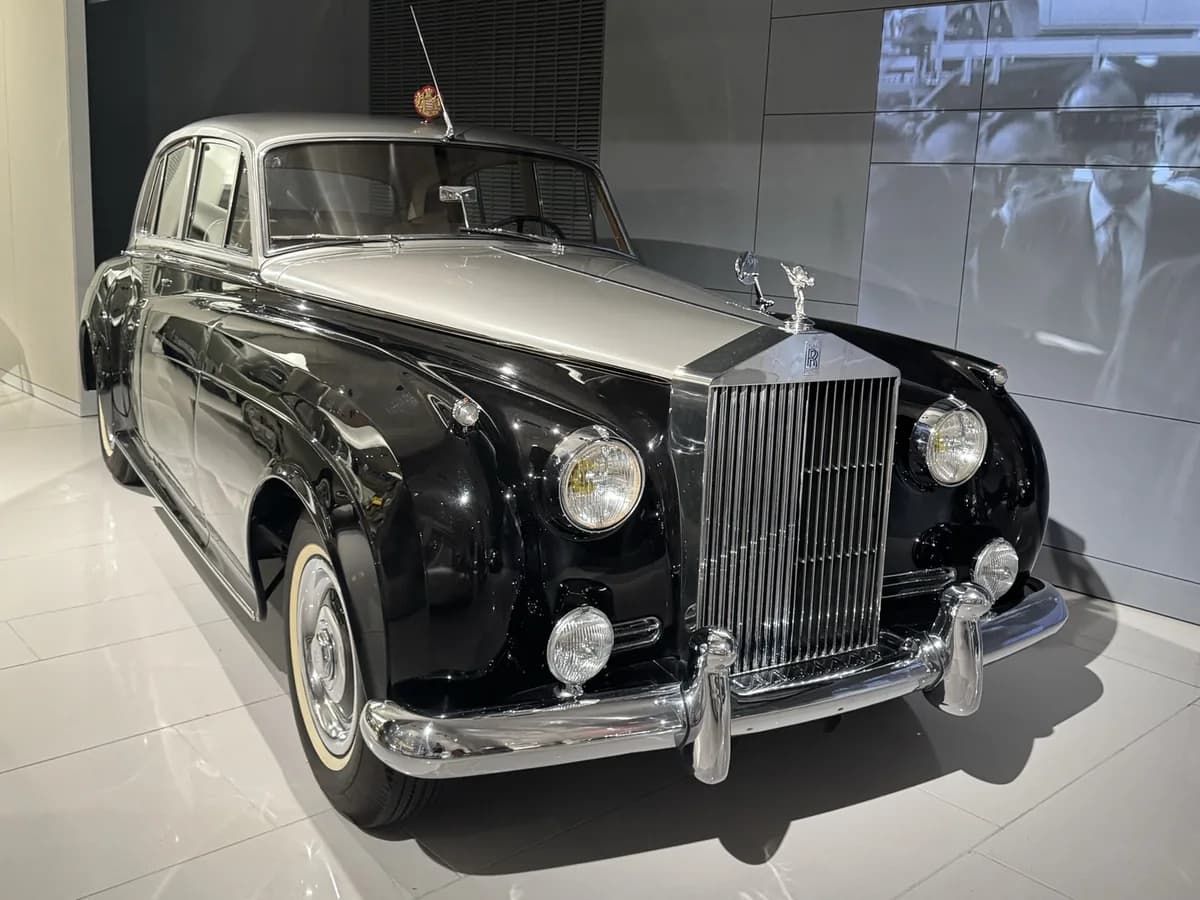
1950
1936
1929
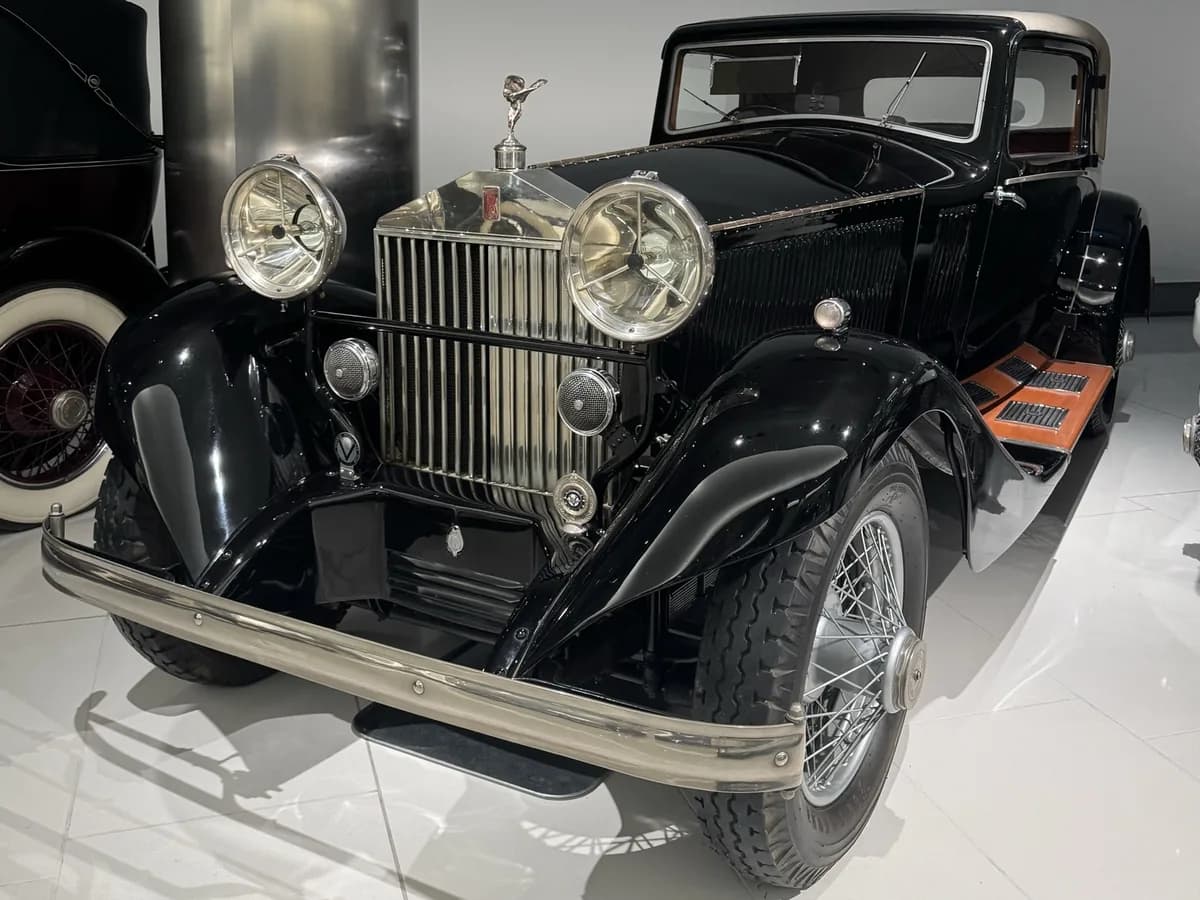
1925
Model summary
Data from the ScanRacer library, organized to compare versions quickly.
Model introduction
Introduced in 1925 as the New Phantom, the Rolls-Royce Phantom replaced the 40/50 H.P. Silver Ghost at the top of the British marque’s range. Its 7.7-litre six-cylinder engine used overhead valves, while the chassis was generally supplied to an independent coachbuilder for a body tailored to the customer. This arrangement explains the striking variety of early Phantoms, which were often commissioned automobiles rather than standardized production cars. Across eight generations, the Phantom name remained associated with Rolls-Royce’s most prestigious limousine. The period covered here ends in 2017, the final year of Phantom VII production within the ScanRacer context, before the introduction of Phantom VIII. Earlier cars therefore need to be identified through their chassis, coachwork, period details and documented history rather than by body style alone.
History
The first Phantom appeared in 1925 as an evolution of the Silver Ghost, preserving the marque’s emphasis on quietness and durability while introducing important mechanical changes. The Phantom II, launched in 1929, brought a completely new chassis and continued the engineering development associated with Henry Royce. The Phantom III of 1936 represented a major technical departure, using a V12 engine and independent front suspension, both significant milestones for Rolls-Royce. After the Second World War, Phantom IV was reserved for an exceptionally select clientele, including the British royal family and several heads of state. Phantom V and Phantom VI returned to the role of formal, chauffeur-driven limousine, with bodies supplied by prestigious coachbuilders. The Phantom VI, introduced in 1968, became the final Rolls-Royce to use the traditional separate-chassis and coachbuilt-body formula. After a lengthy gap, the name returned in 2003 with Phantom VII, the first Rolls-Royce built at Goodwood. It combined hand-built production, an aluminium spaceframe and an unusually broad scope for individual commissioning. Phantom VII remained the marque’s flagship until 2017, when it was replaced by the eighth generation.
Generations
The first six generations belong to Rolls-Royce’s classic era. The 1925 New Phantom, later referred to retrospectively as Phantom I, was derived directly from the 40/50 H.P. Silver Ghost. Phantom II, introduced in 1929, is chiefly distinguished by its redesigned chassis. Phantom III arrived in 1936 with a V12 engine and became the last major pre-war Rolls-Royce model. Produced in very small numbers after the war, Phantom IV emphasized exclusivity and royal commissions. Phantom V and Phantom VI adopted more modern presentation while retaining the separate chassis and prestigious coachbuilt bodywork associated with formal limousines. Phantom VII, launched at Goodwood in 2003, changed the manufacturing approach: its aluminium structure and single-design body were produced in-house, while assembly remained hand-crafted. This generation also produced the extended-wheelbase Phantom, the open Phantom Drophead Coupé and the two-door Phantom Coupé. Phantom VIII arrived in 2017 on Rolls-Royce’s Architecture of Luxury. It falls outside the chronological range supplied for this library, but it is the direct continuation of the Phantom line.
Key differences
Differences between Phantom generations are not limited to model years. On cars built from 1925 to 1939, the engine, chassis and body could follow separate development paths: one generation may therefore appear in several silhouettes depending on the coachbuilder and the original commission. Phantom III offers a strong mechanical identifier through its V12 engine, while Phantom IV is defined primarily by its exceptionally limited production. Phantom V and Phantom VI are formal limousines built around a separate chassis, commonly with a spacious rear passenger compartment. Phantom VII breaks with that tradition through its aluminium structure and in-house body production at Goodwood. Its modern derivatives are mainly separated by length, door count and roof design: Extended versions prioritize rear legroom, Drophead Coupé models use a convertible roof, and Coupé models have a fixed roof and two doors. Market names, special coachwork and later conversions should be checked individually rather than inferred from appearance alone.
Photo recognition
When identifying an early Phantom, begin with context rather than the radiator grille. Cars from the 1920s and 1930s could receive very different bodies, so chassis proportions, wing shapes, lamp placement, running boards and rear-compartment details are often more useful than the overall silhouette. An original document, chassis number or museum provenance is more reliable than dating a car from paint colour or body style alone. The V12 is a major clue for Phantom III, although the engine may not be visible in photographs. Phantom IV cars are exceptionally rare, making documented history especially important. Phantom V and Phantom VI generally appear as large formal limousines, often with a division between chauffeur and passengers. Phantom VII is characterized by imposing proportions, large wheels, a tall upright grille, a long bonnet and a rising lower body line. The Extended, Drophead Coupé and Coupé derivatives can then be separated by wheelbase or body architecture. Restorations and coachbuilt conversions should always be treated cautiously.
Important versions
Among the most significant versions are the 1925 New Phantom, which introduced the name, and the Phantom II Continental 26EX, a sporting experimental car developed for Henry Royce. Phantom III is historically important for its V12 engine, while Phantom IV remains one of the marque’s most exclusive series, with Rolls-Royce recording only 18 examples. Phantom V made the pinnacle limousine somewhat more widely available than its predecessor, and Phantom VI continued the formula until becoming the final Phantom built on a separate chassis. In the modern era, the 2003 Phantom VII is central to Rolls-Royce’s revival at Goodwood. Its Extended, Phantom Drophead Coupé and Phantom Coupé derivatives demonstrate how the same foundation could serve chauffeur-driven travel, open grand touring or two-door luxury motoring. Individual coachbuilt commissions remain especially important when assessing early cars.
References
- Rolls-Royce Phantom: 100 Years of PerfectionRolls-Royce Motor Cars PressClub
- Models of the Marque – The 2000s: The Rolls-Royce Phantom VIIRolls-Royce Motor Cars PressClub
- 1925 Rolls-Royce New PhantomNational Motor Museum
Technical specifications
Structured data available for versions linked to this model.
| Version | Power | Torque | Top speed | Drivetrain | Fuel |
|---|---|---|---|---|---|
| Base | 338.3 KW @ 5350 RPM 460 HP @ 5350 RPM 454 BHP @ 5350 RPM | 531 lb-ft @ 3500 RPM 720 Nm @ 3500 RPM | 149 mph (240 km/h) | Rear Wheel Drive / 6-speed automatic | Gasoline |
Frequently asked questions
- What years was the Rolls-Royce Phantom produced?
- ScanRacer's referenced versions cover 1925 - 2017.
- How many Rolls-Royce Phantom examples are documented on ScanRacer?
- 18 published scans from 11 members, with the latest photo added in September 2026.
- What is the power output of the Rolls-Royce Phantom?
- The sourced technical data lists 338.3 KW @ 5350 RPM 460 HP @ 5350 RPM 454 BHP @ 5350 RPM.