
Rolls-Royce
Built around the meeting of Charles Rolls and Henry Royce in 1904, Rolls-Royce became one of the defining names in high-luxury motoring. The 40/50 H.P., better known as the Silver Ghost, established much of that reputation after its 1906 introduction through its reliability and exceptionally smooth operation. Launched in 1925, Phantom then served as the marque’s pinnacle model for a full century. Rolls-Royce history also includes coachbuilt bodies, influential saloons such as Silver Cloud and Silver Shadow, and the Goodwood revival that began under BMW responsibility in 2003. Modern model families broadened the range without abandoning its traditional priorities, adding Ghost, Wraith, Dawn, Cullinan and Spectre, the first fully electric Rolls-Royce.
Models from A to Z
Camargue
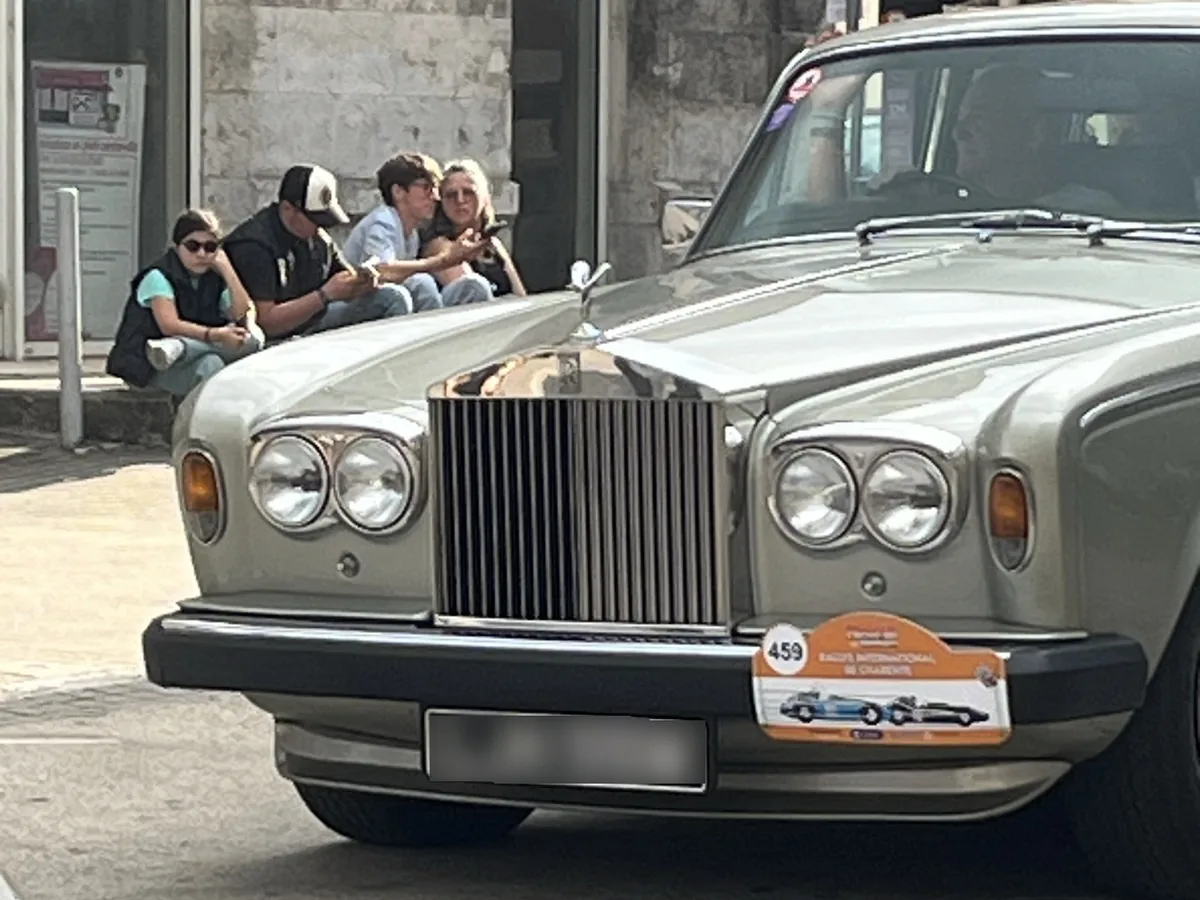
Corniche
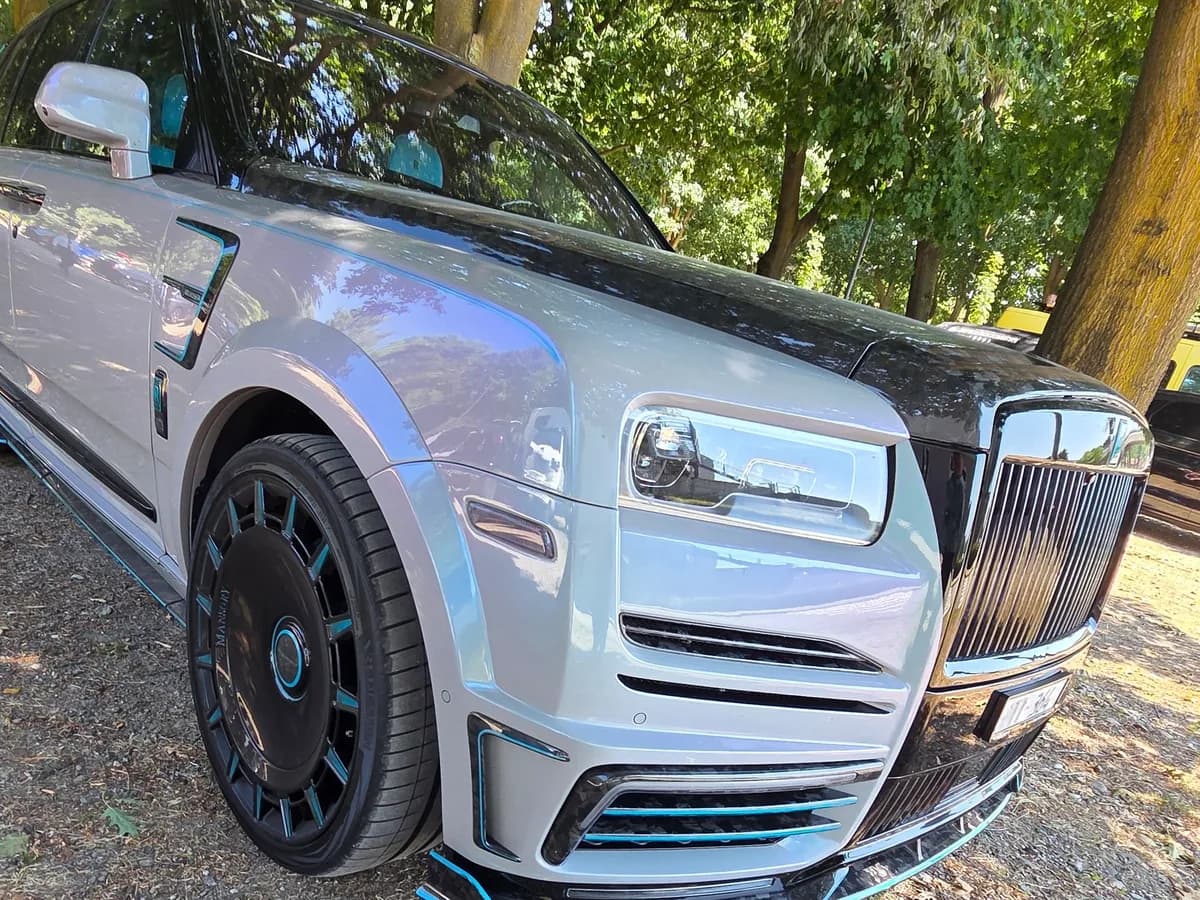
Cullinan
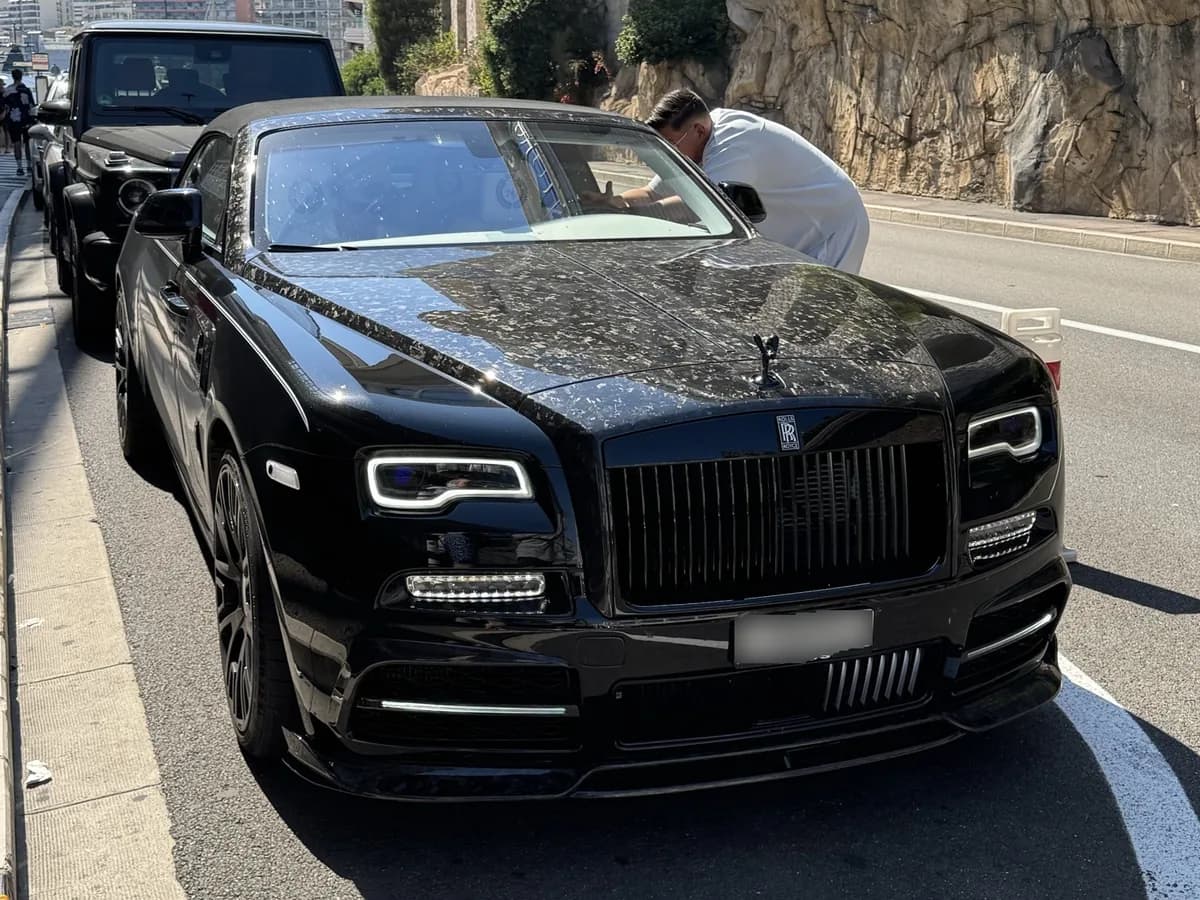
Dawn
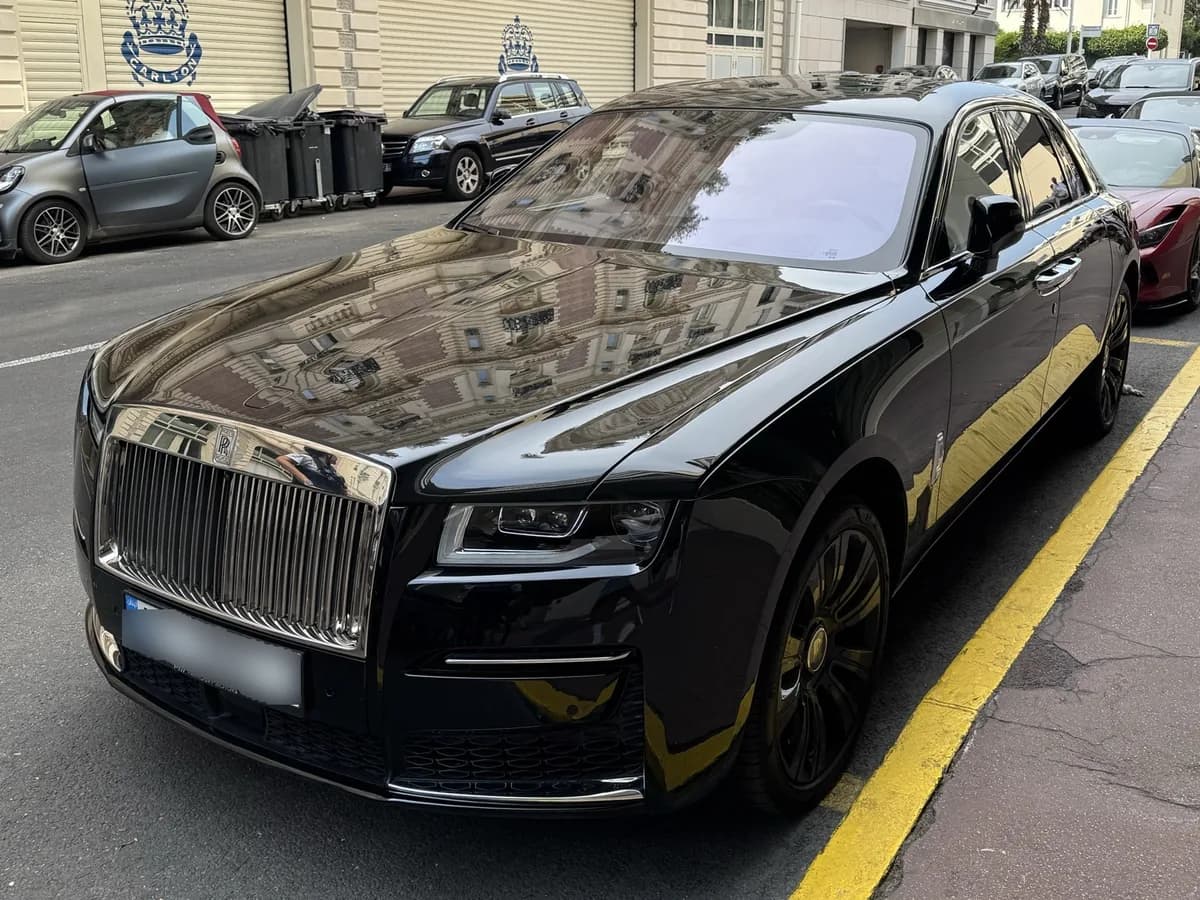
Ghost
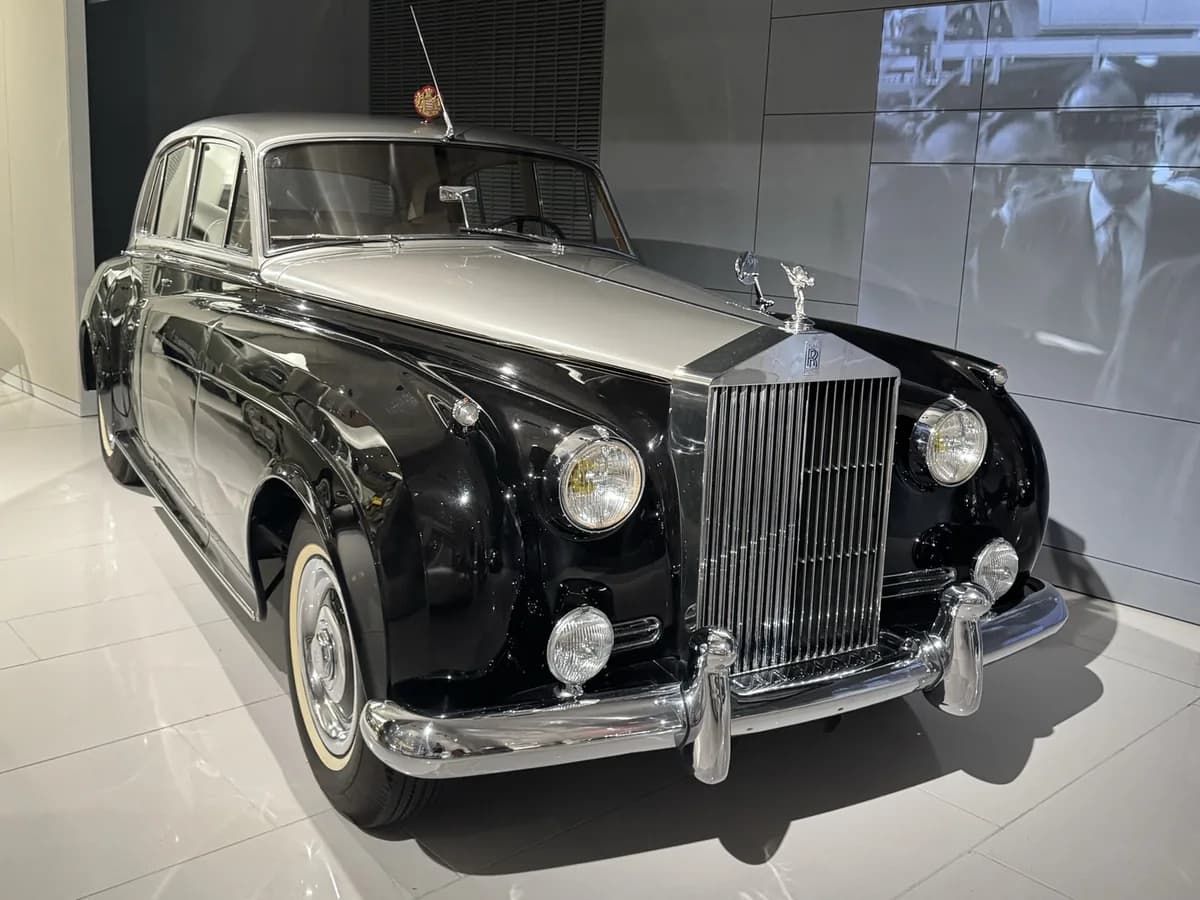
Phantom
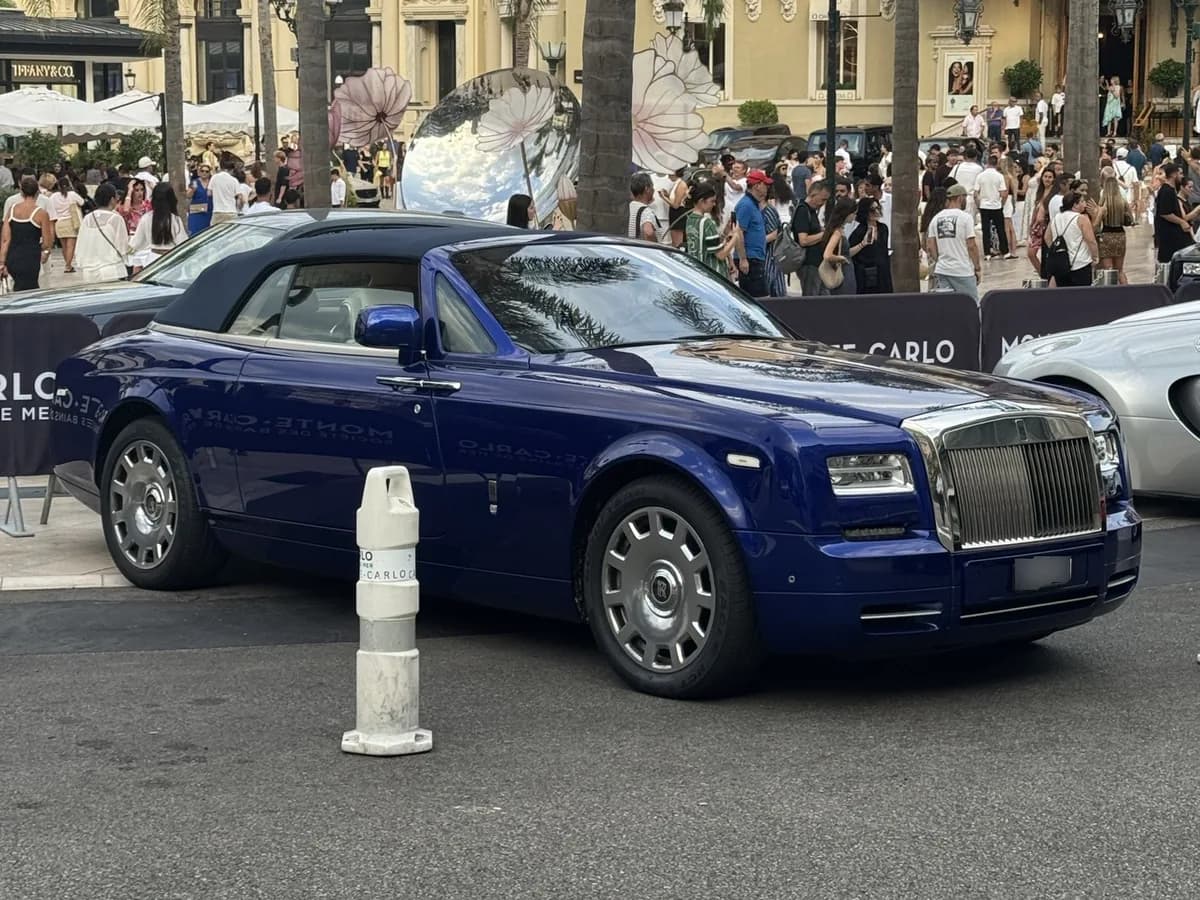
Phantom Coupé
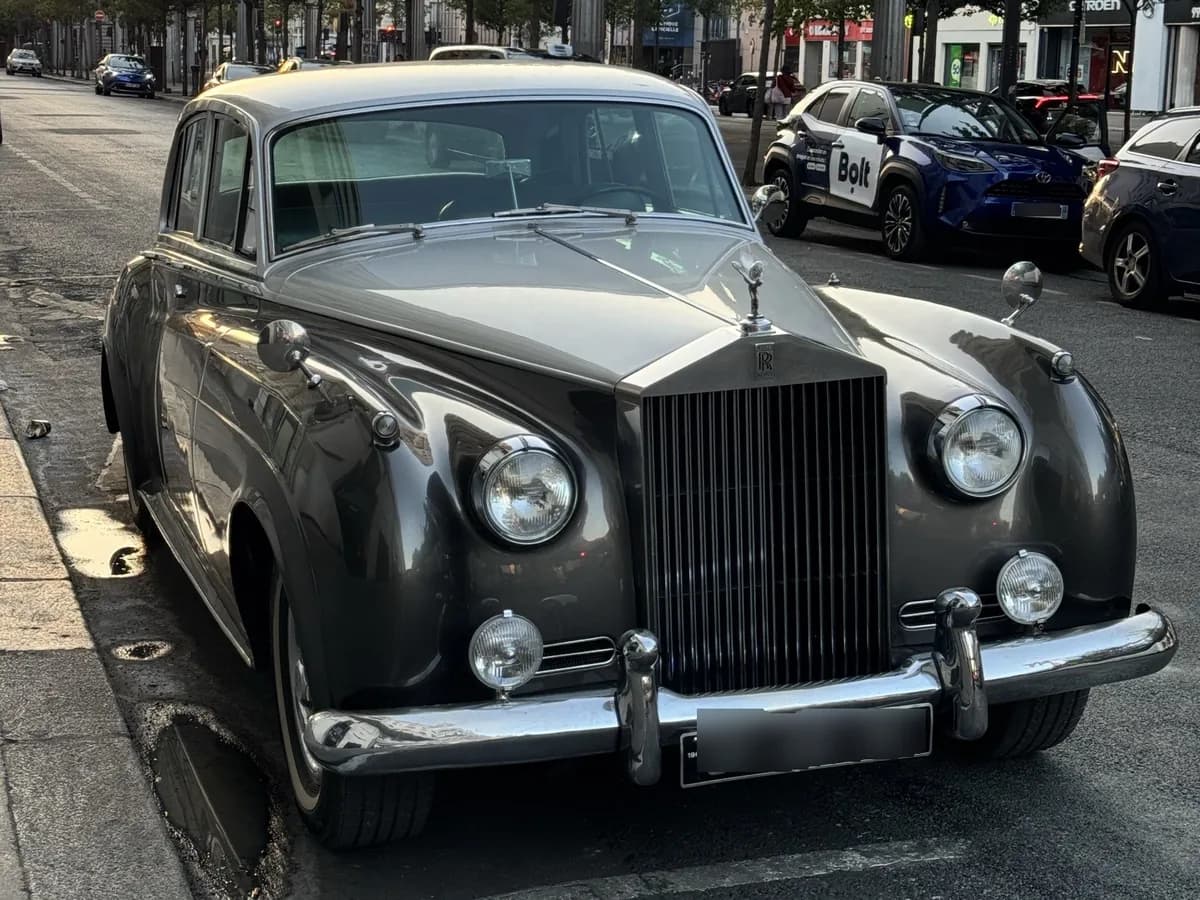
Silver Cloud
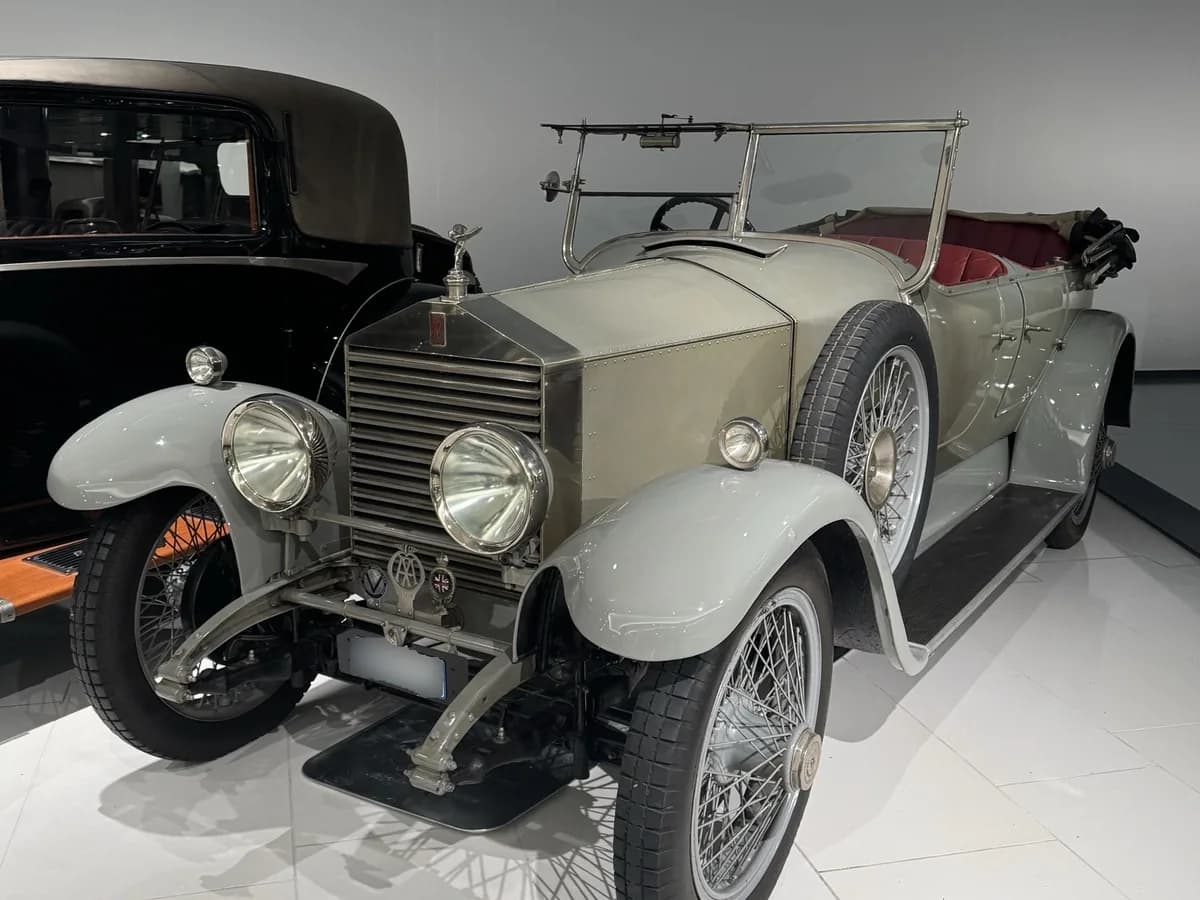
Silver Ghost

Silver Shadow
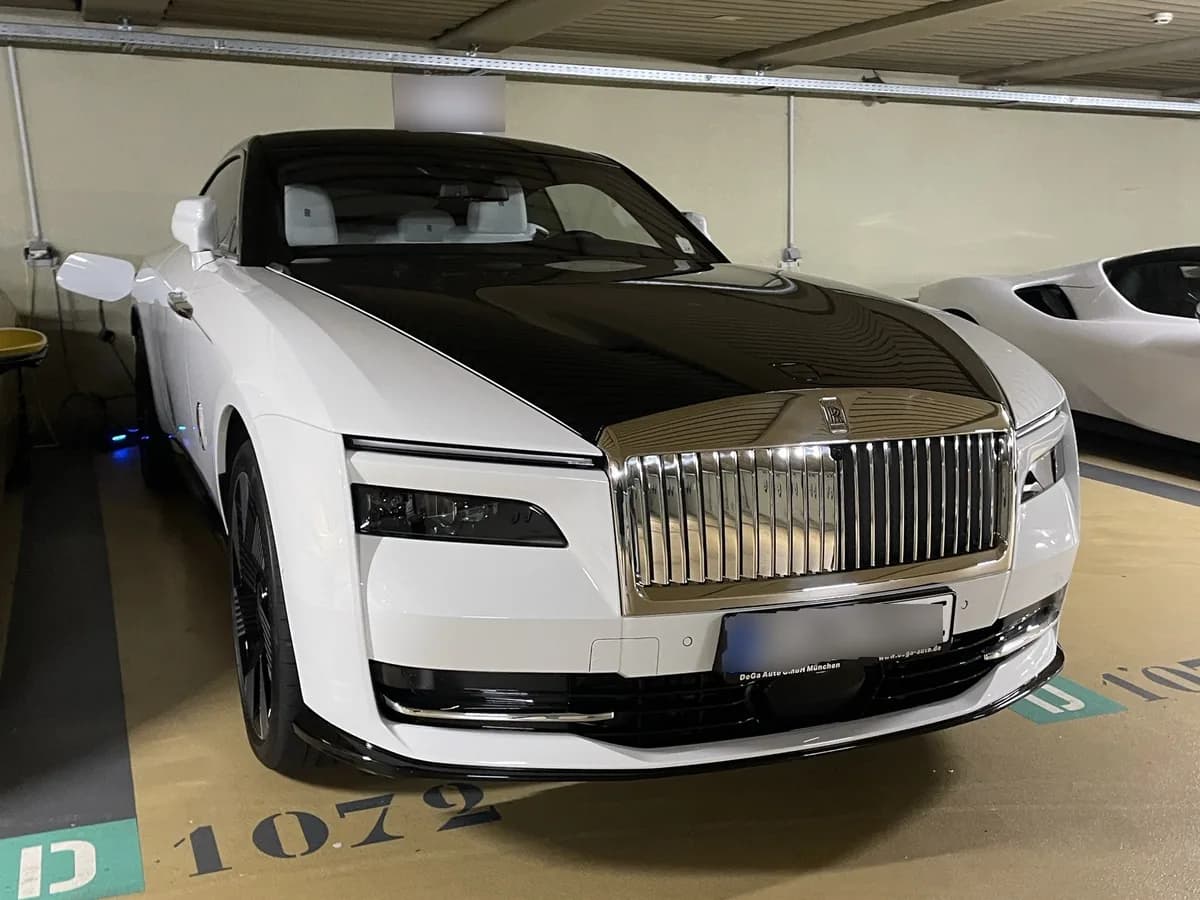
Spectre
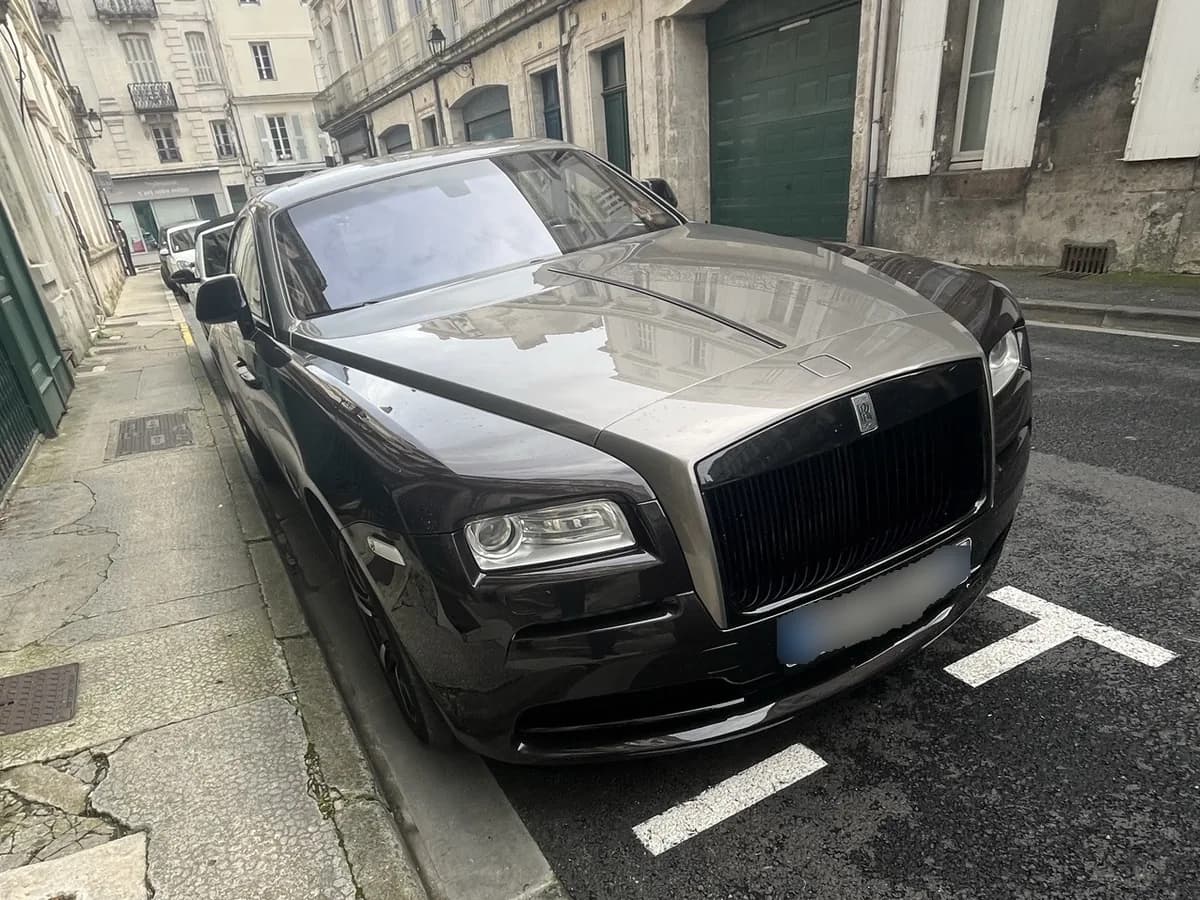
Wraith
Rolls-Royce overview
Rolls-Royce history
Charles Rolls and Henry Royce met on 4 May 1904, and their venture was formally incorporated as Rolls-Royce Limited on 15 March 1906. The 40/50 H.P., introduced in 1906 and soon known as the Silver Ghost, became an early expression of the marque’s emphasis on reliability, refinement and quiet running. In 1925, Rolls-Royce replaced it with the New Phantom, the first car to use the Phantom name. The name was subsequently reserved for the highest-ranking model in the range. After the Second World War, the company rationalised its products with the Silver Wraith, then introduced the Silver Dawn in 1949 as its first complete motor car rather than a rolling chassis. The Silver Cloud followed in 1955 with a more traditional construction, while the Silver Shadow, launched in 1965, adopted unitary construction and represented a major technical change. The era of large coachbuilt Rolls-Royce cars effectively ended with the Phantom VI, produced until 1993. BMW assumed responsibility for Rolls-Royce Motor Cars in 2003 and opened the Goodwood facility with the Phantom VII. Ghost followed in 2009, Wraith in 2013, Cullinan in 2018 and Spectre in 2023. Spectre began the marque’s move towards an all-electric portfolio, a transition Rolls-Royce has stated it intends to complete by 2030.
Rolls-Royce positioning
Rolls-Royce occupies the uppermost end of the luxury-car market, placing greater emphasis on comfort, presence and personalisation than on high production volume. The company describes itself as a luxury house rather than a volume-driven manufacturer, with its Bespoke programme allowing clients to specify highly individual vehicles. Phantom serves as the formal flagship and pinnacle model, while Ghost presents a more contemporary and less ceremonious interpretation of the marque’s established values. Cullinan extends the formula into the luxury SUV segment. Wraith and Dawn expressed it through two-door models, and Spectre carries the same priorities into an electric coupé. Across these different formats, Rolls-Royce maintains a consistent focus on a quiet driving experience, substantial materials, handcraft and extensive customisation.
Recognizing a Rolls-Royce in a photo
A Rolls-Royce is most easily identified by its tall grille, inspired by Rome’s Pantheon, together with the Spirit of Ecstasy mascot. The proportions are usually long and formal, with a prominent bonnet, a high front end and a strong emphasis on visual presence. On modern large saloons such as Phantom and Ghost, rear-hinged rear doors are a useful clue, although this feature is not shared by every model. The two-door cars are easier to separate by body style: Wraith, Dawn and Spectre use coupé or convertible layouts, while Cullinan has the taller profile of a luxury SUV. For older cars, period recognition is especially important. Silver Cloud belongs to the rounded 1950s era, Corniche covers the large coupé and convertible tradition of the late twentieth century, and Camargue stands out as a rarer, more angular design.
Important Rolls-Royce models
Phantom is the central model in Rolls-Royce history. Introduced in 1925, it has traditionally represented the top of the range and now spans eight generations. The Silver Ghost established the marque’s early reputation for reliability, while Silver Cloud and Silver Shadow illustrate two important stages in post-war design and engineering. Corniche and Camargue represent the company’s tradition of large two-door cars. In the modern era, Ghost broadened the range with a more informal interpretation of the luxury saloon. Cullinan introduced an SUV to the family in 2018. Wraith and Dawn continued the coupé and convertible tradition, while Spectre, launched in 2023, became the first fully electric Rolls-Royce. Together, these models show how the marque expanded its formats while retaining a consistent luxury identity.
References
- Rolls-Royce Heritage: From 1904 to Today – and BeyondRolls-Royce Motor Cars PressClub
- Rolls-Royce Phantom: 100 Years of PerfectionRolls-Royce Motor Cars PressClub
- BMW Group HistoryBMW Group
- 20 Cars for 20 Years: The Evolution of Rolls-Royce, 2003–2023Rolls-Royce Motor Cars PressClub
- Rolls-Royce Spectre Unveiled: The Marque’s First Fully-Electric Motor CarRolls-Royce Motor Cars PressClub
- Chapter Thirty-Two: Upper Echelon – BMW Group Revives Rolls-Royce Motor Cars for the Modern EraBMW Group PressClub USA
- Chapter 4: The Lexicon of Rolls-RoyceRolls-Royce Motor Cars
- https://www.press.rolls-roycemotorcars.com/rolls-royce-motor-cars-pressclub/article/detail/T0449926EN/a-century-of-power-and-influence%3A-the-rolls-royce-phantom-at-100press.rolls-roycemotorcars.com