
Mégane
Launched in 1995 as the successor to the Renault 19, the Mégane became one of Renault’s longest-running compact-car nameplates. Its career was defined by an unusually broad body-style range, including three- and five-door hatchbacks, a coupé, a conventional saloon, estate versions, a hardtop coupé-cabriolet and, depending on the market, family and performance derivatives. Renault states that the Mégane and Scénic family has exceeded 10 million vehicles since 1995, underlining its importance in the European C-segment market. (renaultgroup.com) Over time, the Mégane changed direction several times: a versatile compact in the 1990s, a more technology-focused model in the early 2000s, a comfort- and design-led car during the 2010s, and finally a compact electric crossover with the Mégane E-Tech electric, introduced in 2022. (renaultgroup.com)
Variants by year
2026
2022
2020

2018

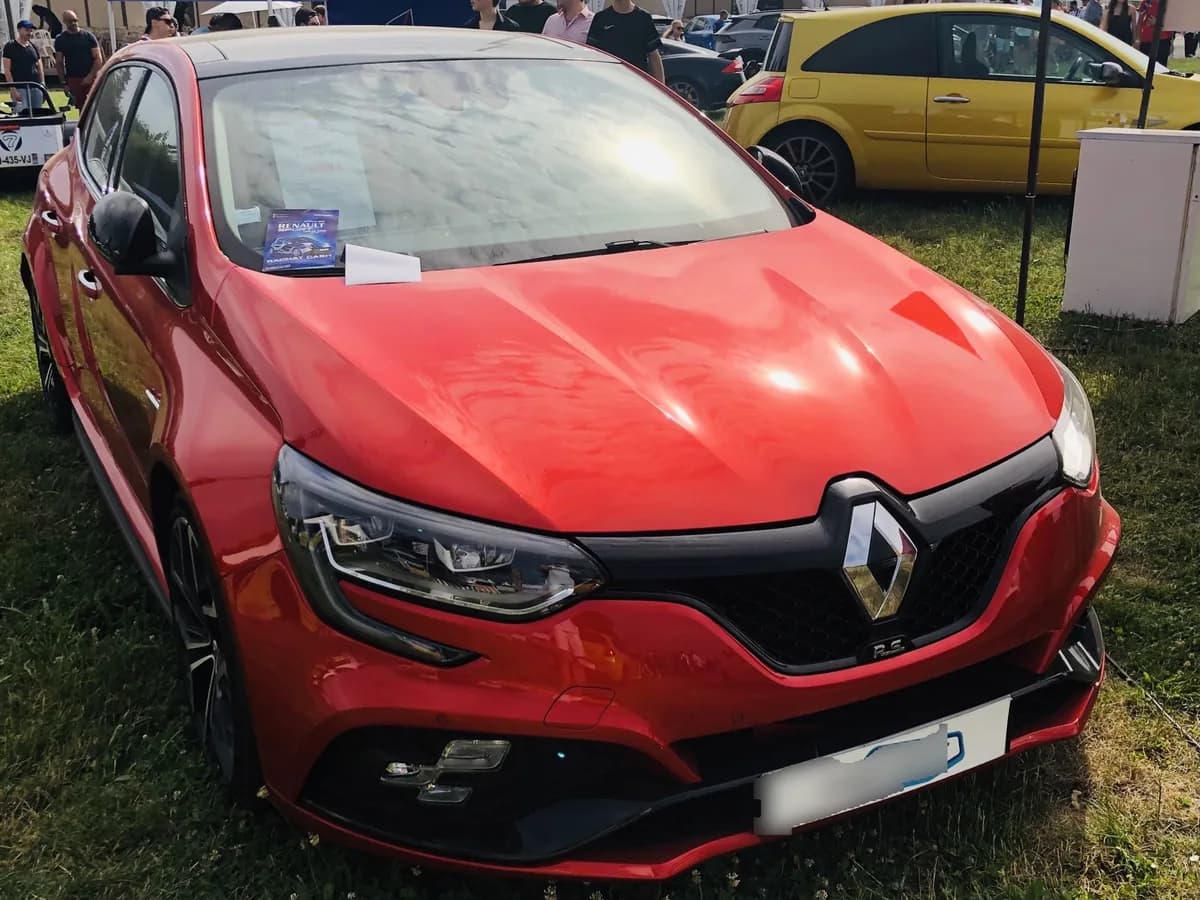
2016
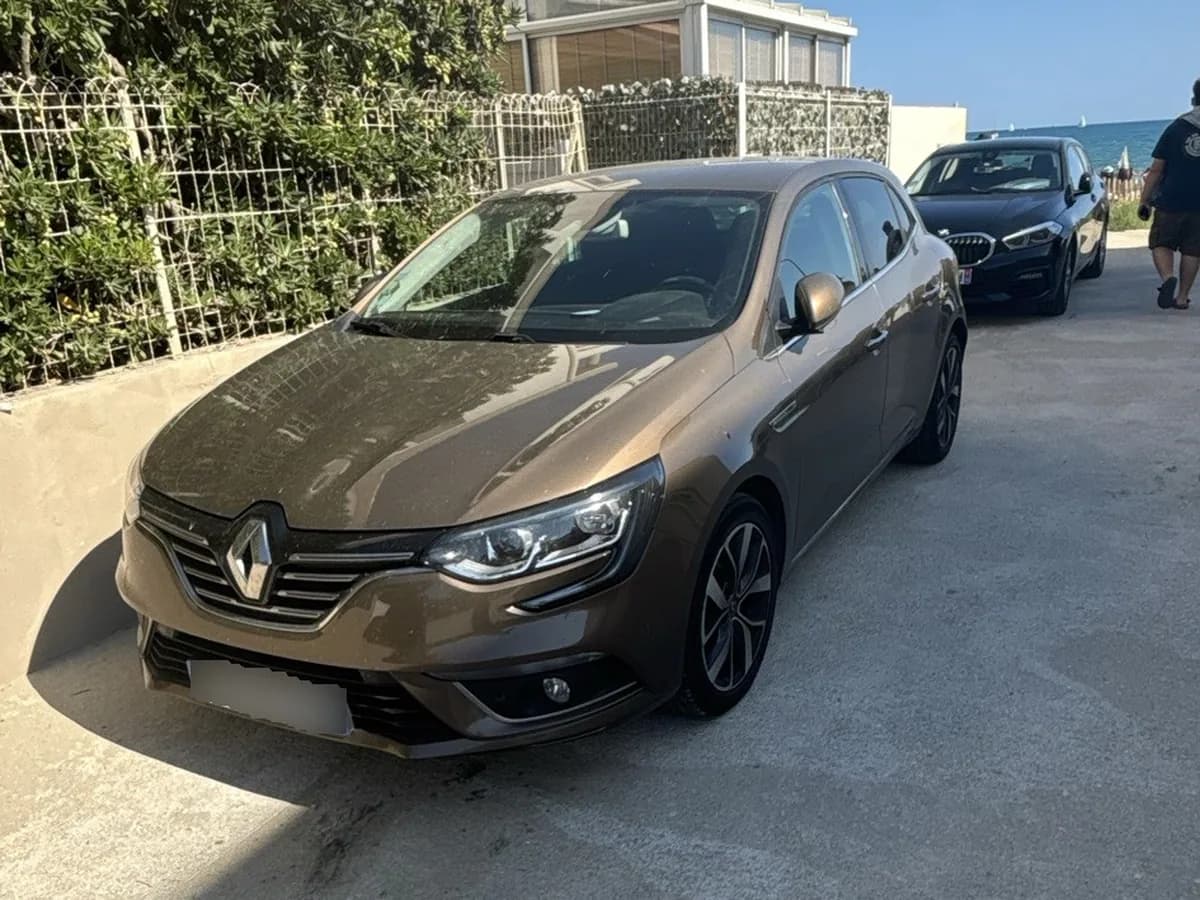
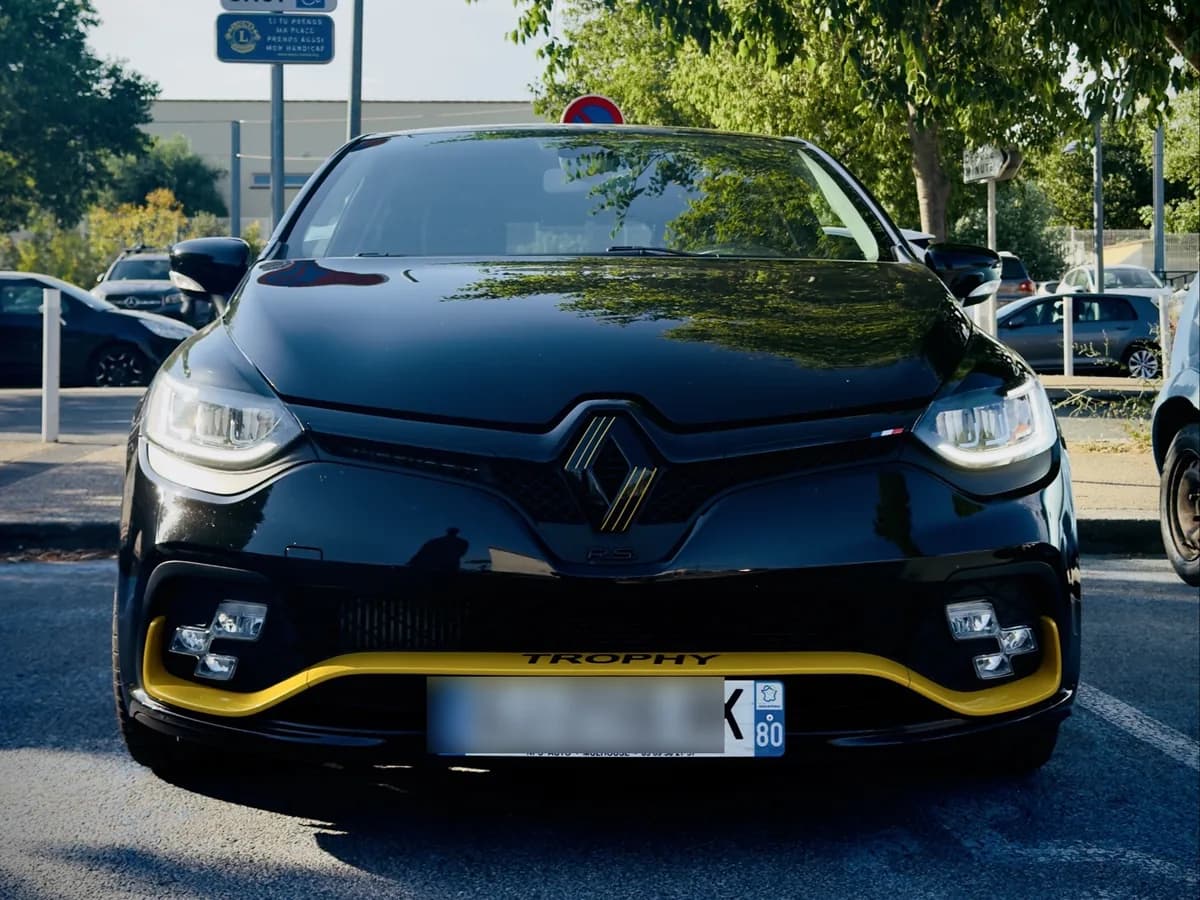
2010
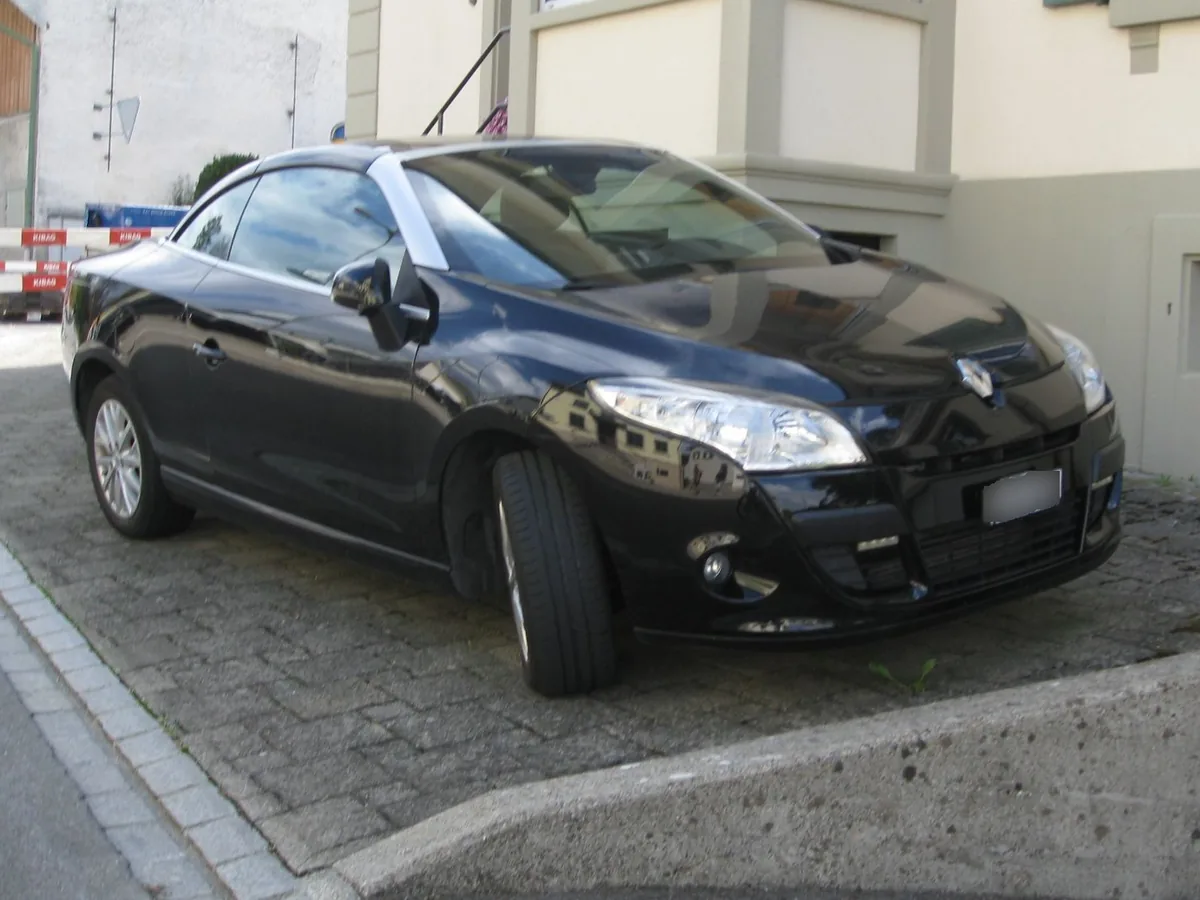
2009
 R
R2008
2003
 RR
RR2002


1999
1998
1997
1996
Model summary
Data from the ScanRacer library, organized to compare versions quickly.
Model introduction
Launched in 1995 as the successor to the Renault 19, the Mégane became one of Renault’s longest-running compact-car nameplates. Its career was defined by an unusually broad body-style range, including three- and five-door hatchbacks, a coupé, a conventional saloon, estate versions, a hardtop coupé-cabriolet and, depending on the market, family and performance derivatives. Renault states that the Mégane and Scénic family has exceeded 10 million vehicles since 1995, underlining its importance in the European C-segment market. (renaultgroup.com) Over time, the Mégane changed direction several times: a versatile compact in the 1990s, a more technology-focused model in the early 2000s, a comfort- and design-led car during the 2010s, and finally a compact electric crossover with the Mégane E-Tech electric, introduced in 2022. (renaultgroup.com)
History
The first Mégane appeared in 1995 as the successor to the Renault 19. Renault quickly developed it into a broad model family, with several body styles sharing a common technical foundation. The first period included hatchback, coupé, Classic saloon, convertible and estate forms, corresponding with the Hatch, Coupé, Classic Sedan, Cabriolet and Break Wagon variants recorded in the ScanRacer library. The Mégane Scénic arrived in 1996 as part of the same wider range, although it later became a separate model using the Scénic name alone. Renault describes it as Europe’s first compact MPV and notes its European Car of the Year award in 1997. (renaultgroup.com) The second generation, introduced in the early 2000s, brought a clear visual break from its predecessor. It expanded the range with forms such as a saloon, estate and CC coupé-cabriolet. The third generation followed from 2008 with a more consistent design and retained hatchback, coupé and estate derivatives. The Mégane R.S. added a strong performance identity, with several Trophy and Trophy-R editions. Renault Sport recorded Nürburgring achievements with Mégane R.S. generations in 2008, 2011, 2014 and 2019. (renaultgroup.com) The fourth generation arrived in the mid-2010s. From 2022, Renault redirected the Mégane name toward the Mégane E-Tech electric, based on the CMF-EV electric platform. (renaultgroup.com)
Generations
The first generation is defined by rounded styling and an unusually ambitious body-style strategy. It was offered as a five-door hatchback, three-door coupé, Classic saloon, convertible and estate. This variety explains why two contemporary Mégane models can have very different proportions and purposes while still belonging to the same family. The second generation, introduced in 2002, adopted a sharper design and a more modern structure. The five-door hatchback became the core model, while the coupé, three-box saloon, estate and CC occupied separate roles. The Mégane II is also associated with a significant expansion of equipment and safety technology, although specifications differed by market and model year. The third generation, launched from 2008, moved back toward more conventional styling. It retained hatchback and Estate body styles and provided the basis for the Mégane R.S. performance models. The fourth generation was shown in 2015 and reached the market from 2016, with a five-door profile and styling aligned more closely with Renault’s wider range at the time. The Mégane E-Tech electric then changed the visual formula: its raised stance and fully electric powertrain give it a compact-crossover character. Renault identifies it as a model based on the CMF-EV platform. (renaultgroup.com)
Key differences
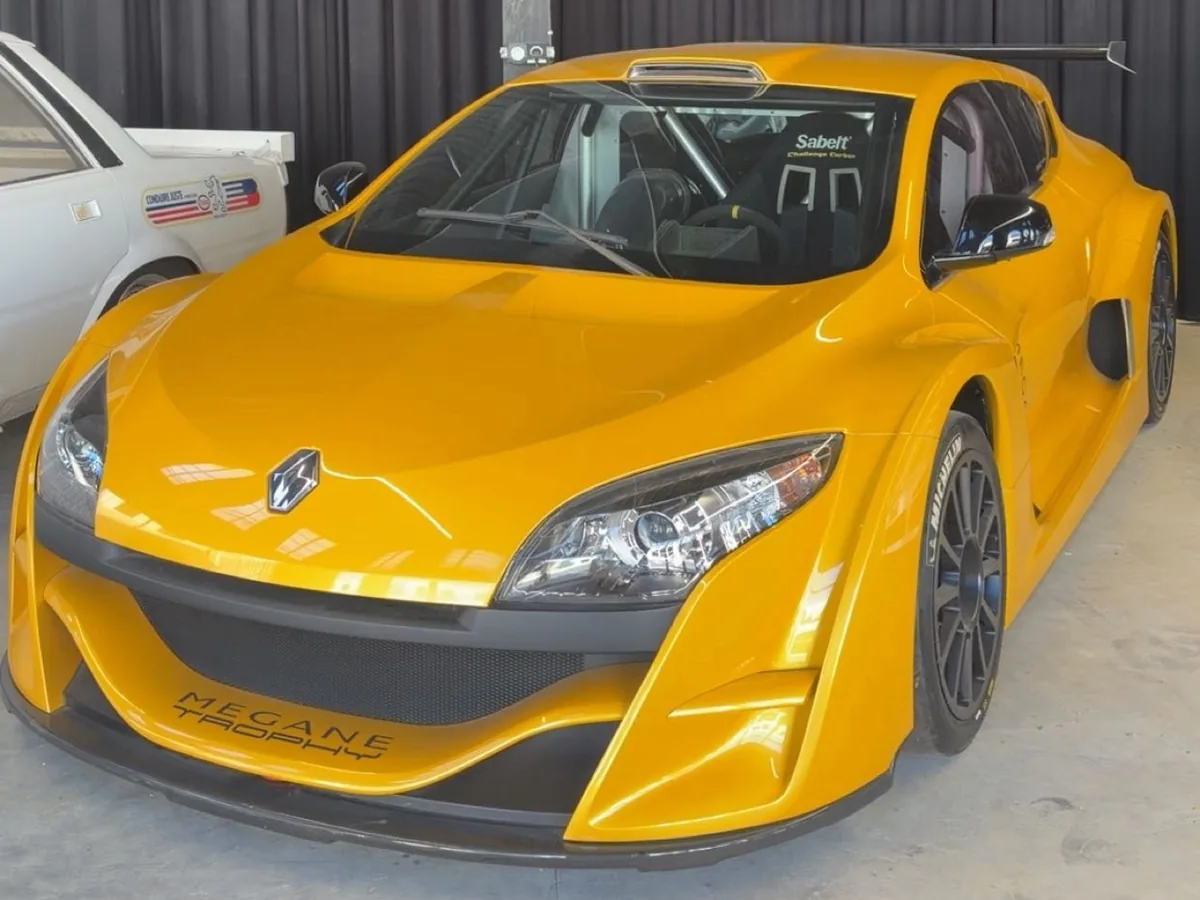
The main differences between Mégane models are found in their body styles. A five-door Hatch focuses on everyday versatility, while a Coupé or Coupé Hatch presents a sportier alternative. Sedan, Classic Sedan and GrandCoupé Sedan versions serve family-oriented uses or markets where a three-box body remains important. Estate, Estate Wagon and Break Wagon models place greater emphasis on rear capacity and practicality. The CC Cabriolet adds a retractable hardtop, while the Cabriolet and Coupé names refer to earlier configurations. The Mégane R.S. represents a separate performance branch of the range, with chassis and suspension development aimed at spirited driving. Trophy and Trophy-R versions intensify that focus through their chassis hardware, weight reduction and running-gear calibration. Renault states that the 2019 Trophy-R shared the Trophy’s 300 hp engine but achieved its gains primarily through lower mass, revised aerodynamics and more radical suspension work. (be.media.renaultgroup.com) The Mégane E-Tech electric should also be separated from the combustion-engine and plug-in hybrid cars: it uses a dedicated electric architecture. (renaultgroup.com)
Photo recognition
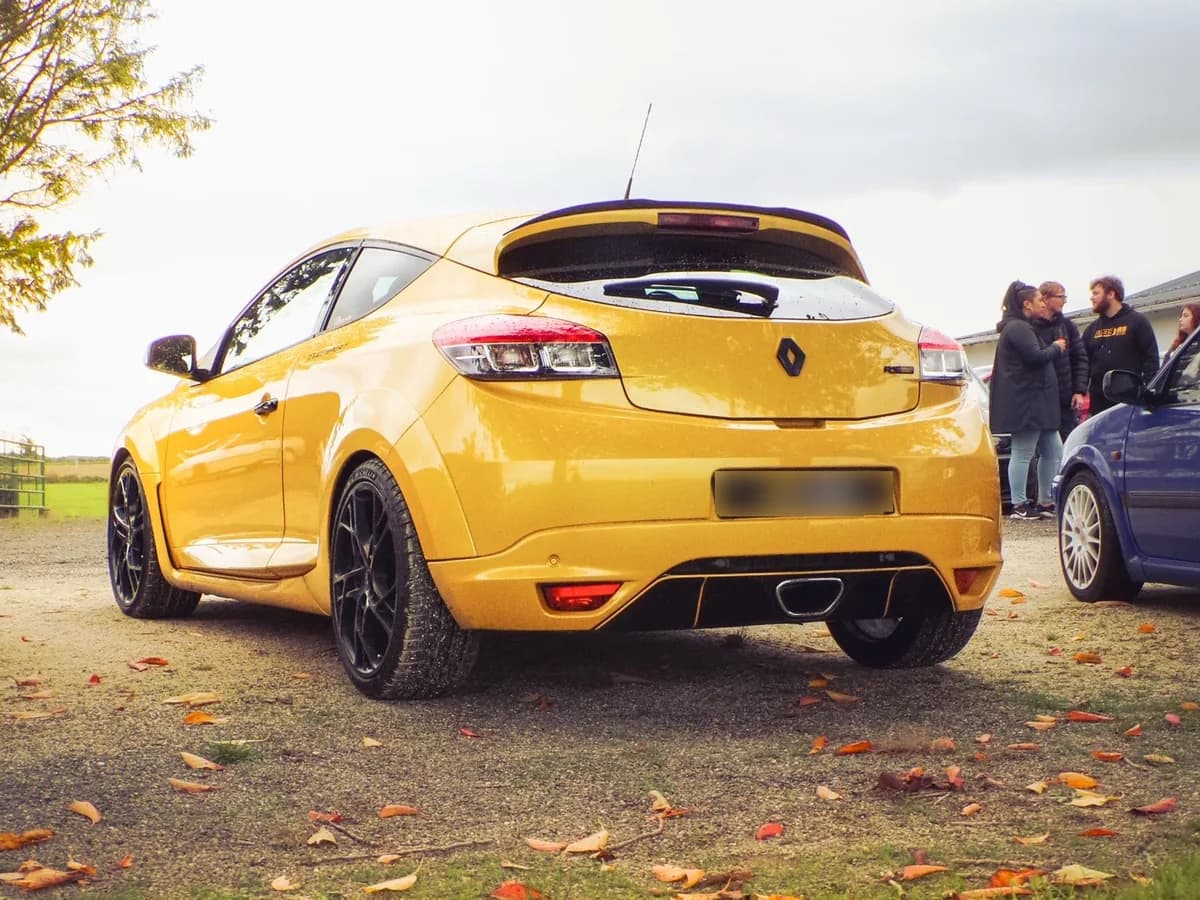
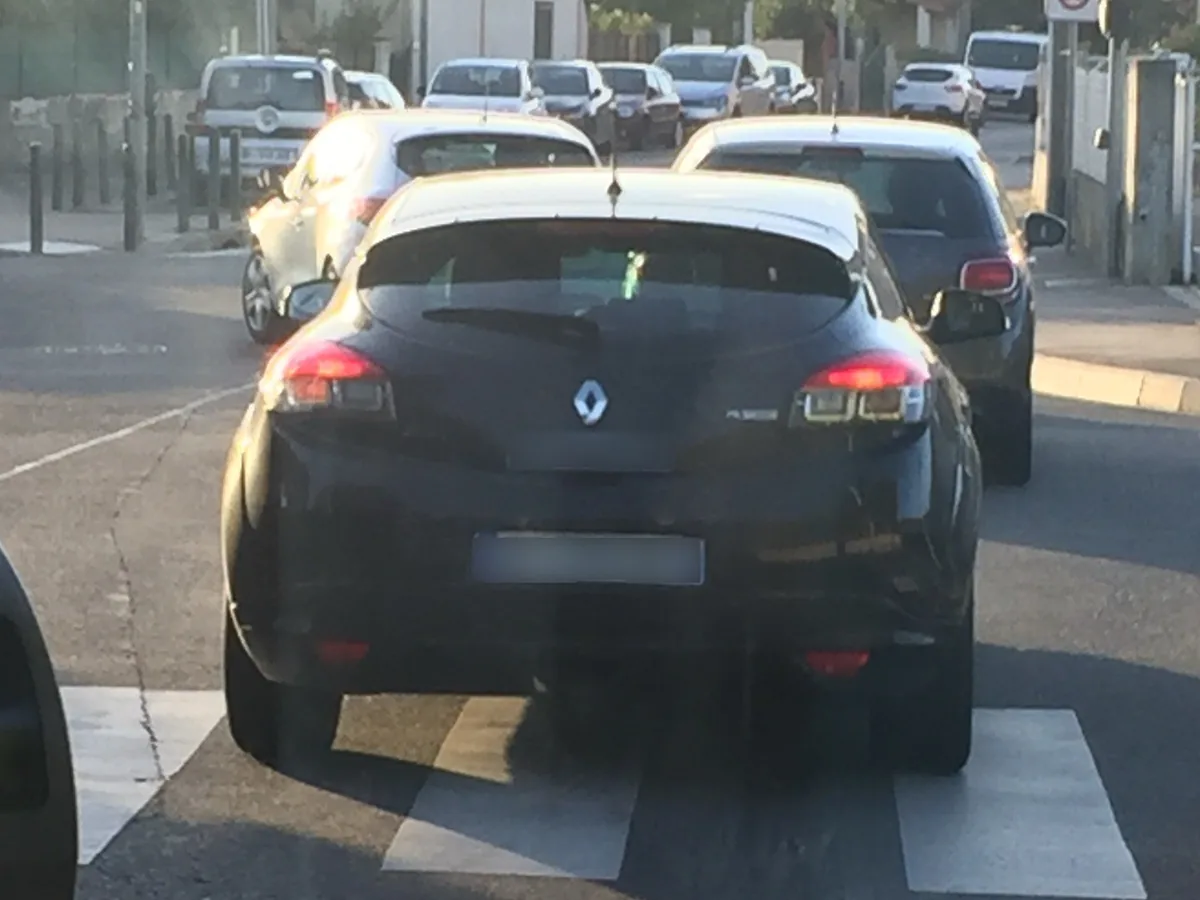
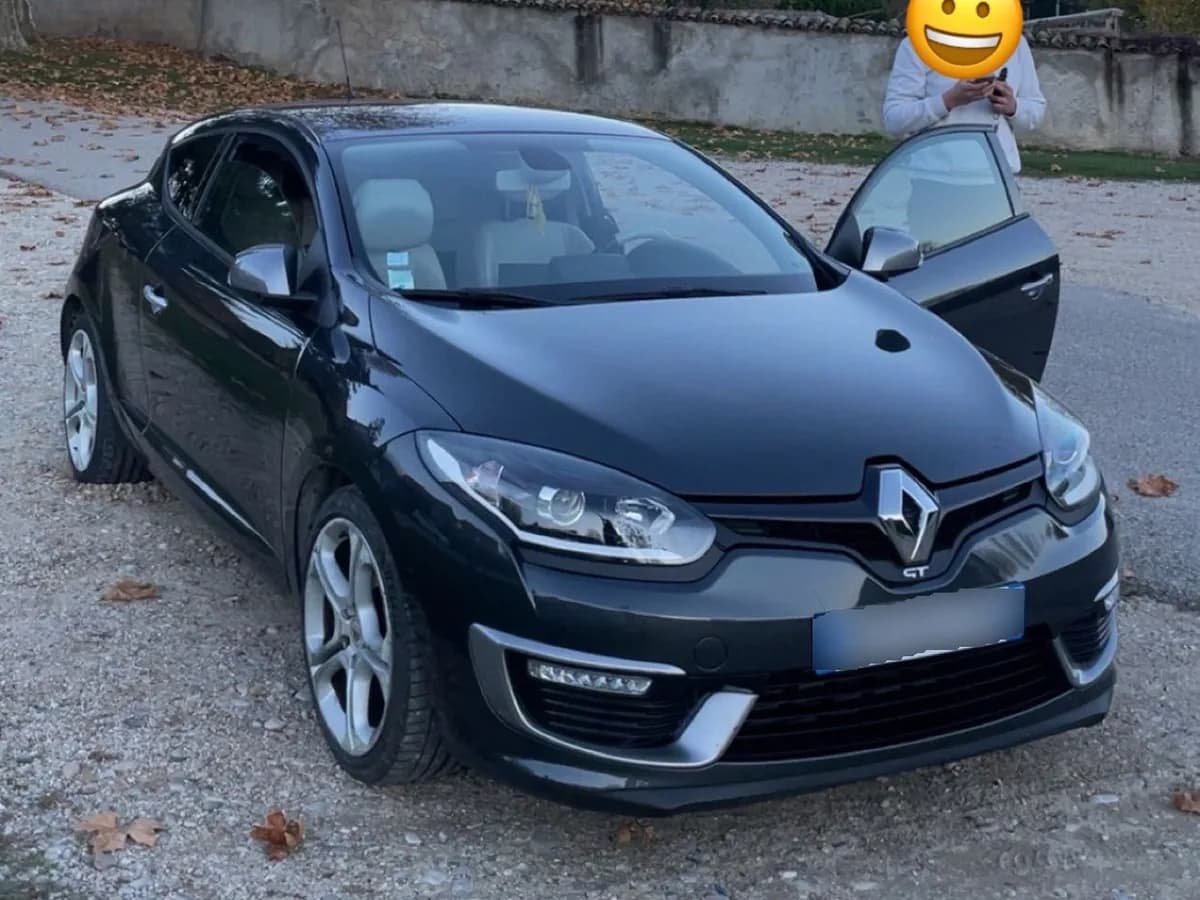
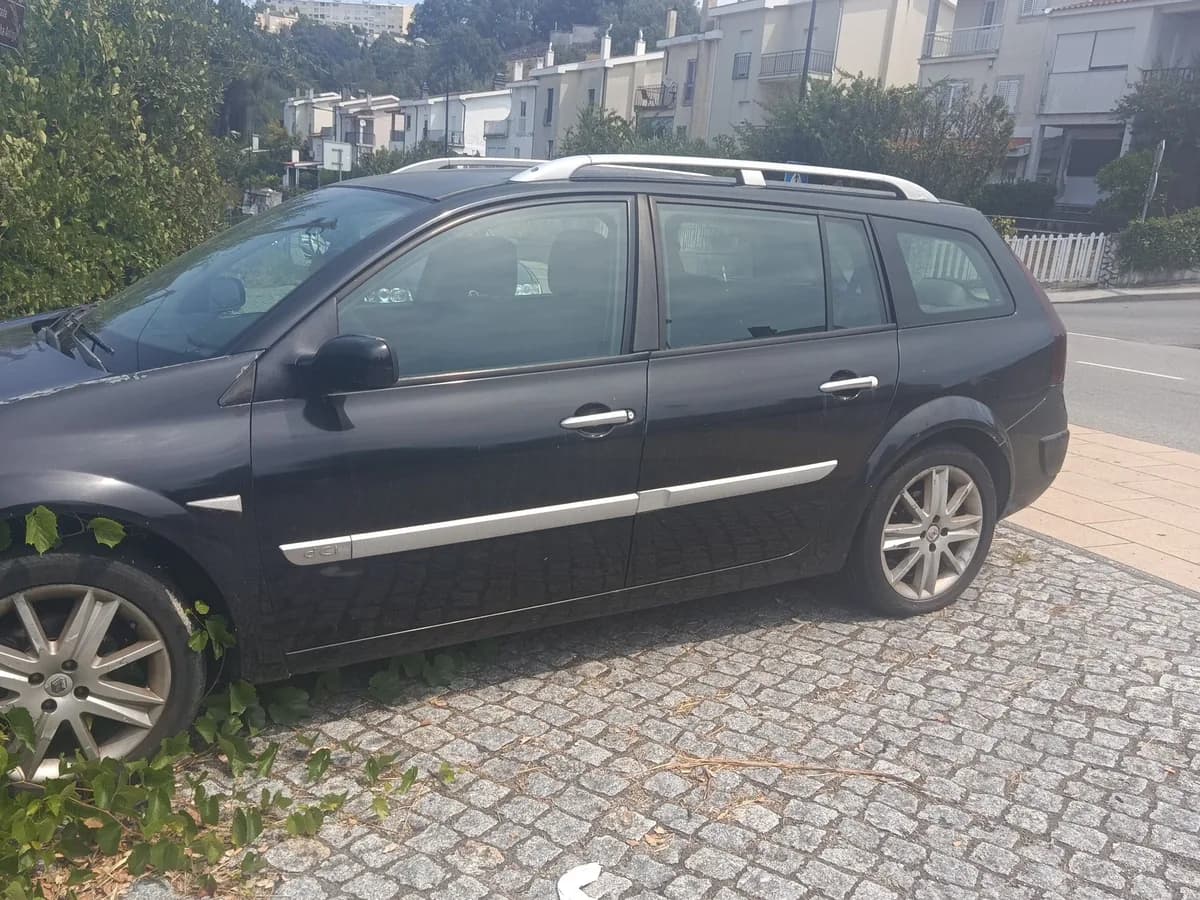
To identify a Mégane, start with the overall body shape rather than the badge. Early generations generally have softer, rounded forms, while the Mégane II is usually recognized by sharper surfaces and a steeply styled rear end. The Mégane III has more restrained proportions, and its Estate version uses a clearly extended rear body. The Mégane IV adopts styling closer to Renault’s wider line-up of the mid-to-late 2010s, with a broader front end and a more formal five-door profile. The side view helps separate the different families. A three-door coupé has longer doors and a shorter roofline. A CC can be identified by its folding metal roof and lower profile compared with a conventional convertible. R.S. versions typically use wider-looking bodywork, dedicated bumpers, distinctive exhaust details or specific chassis hardware, but the exact features vary by generation. Trophy and Trophy-R badges alone may therefore be insufficient to establish the precise model year. The Mégane E-Tech electric is the easiest version to distinguish. It has a raised stance, short overhangs and a closed-off front treatment associated with its electric design. (renaultgroup.com)
Important versions
Among the most significant versions, the Mégane Hatch represents the historic core of the range. The Coupé and Coupé Hatch show Renault’s effort to give the compact a sportier identity, while the Sedan, Classic Sedan and GrandCoupé Sedan demonstrate how the model was adapted for different markets. Estate and Estate Wagon versions addressed family practicality, and the CC Cabriolet added a retractable hardtop derivative. The Mégane R.S. occupies a special position. Trophy and Trophy-R versions helped associate the Mégane name with front-wheel-drive performance cars and circuit development. Renault highlights the Nürburgring achievements of the R26.R, Trophy and Trophy-R models across different generations. (renaultgroup.com) The Mégane E-Tech electric represents the largest change in direction: introduced in 2022, it recast the Mégane name as a new-generation electric vehicle. (renaultgroup.com)
The name “Mégane” follows Renault naming, with its rules and its exceptions. Decode a Renault name
References
- The New Mégane E-Tech Plug-in: extending the Renault range of hybridsRenault Group
- Mégane eVisionRenault Group
- New Megane E-Tech electric: more than just a faceliftRenault Group
- Renault Mégane. L’histoire de la compacte au losange depuis 1995L’Argus
- Nouvelle Mégane R.S. Trophy-R: record au NürburgringRenault Group Media
- https://www.largus.fr/renault_megane.htmllargus.fr
- https://www.reddit.com/r/regularcarreviews/comments/1t65mz6/renault_megane_the_official_car_of/reddit.com
Technical specifications
Structured data available for versions linked to this model.
| Version | Power | Torque | Top speed | Drivetrain | Fuel |
|---|---|---|---|---|---|
| Base | 103 KW @ 5500 RPM140 HP @ 5500 RPM138 BHP @ 5500 RPM | 148 lb-ft @ 4250 RPM200 Nm @ 4250 RPM | 130.5 mph (210 km/h) | Front Wheel Drive / 5-Speed manual | Gasoline |
| Base | 72 KW @ 4000 RPM100 HP @ 4000 RPM97 BHP @ 4000 RPM | 148 lb-ft @ 2000 RPM200 Nm @ 2000 RPM | 116.2 mph (187 km/h) | Front Wheel Drive / 5-Speed manual | Diesel |
| Base | 95.6 KW @ 4000 RPM130 HP @ 4000 RPM128 BHP @ 4000 RPM | 236 lb-ft @ 1750 RPM320 Nm @ 1750 RPM | 125 mph (201 km/h) | Front Wheel Drive / 6-speed manual | Diesel |
| Base | 59 KW @ 4000 RPM80 HP @ 4000 RPM79 BHP @ 4000 RPM | 118 lb-ft @ 2000 RPM160 Nm @ 2000 RPM | 106.3 mph (171 km/h) | Front Wheel Drive / 5-Speed manual | Diesel |
Frequently asked questions
- What years was the Renault Mégane produced?
- ScanRacer's referenced versions cover 1996 - 2026.
- How many Renault Mégane examples are documented on ScanRacer?
- 25 published scans from 23 members, with the latest photo added in September 2026.