
Cayenne
Launched in 2002, the Porsche Cayenne became the brand’s first production SUV and its third model line after the 911 and Boxster. Developed through the “Colorado” project with Volkswagen, it combined all-wheel drive, off-road ability, and high-speed road performance from the outset. The first-generation E1 arrived with the V8-powered Cayenne S and Turbo, followed by the GTS, Turbo S, Diesel, and Porsche’s early hybrid applications. The second-generation E2 appeared in 2010, and the third-generation E3 followed in 2017. Porsche added the Cayenne Coupé body style in 2019. For 2026, the Cayenne Electric and Cayenne Turbo Electric introduce fully electric powertrains. Confirmed Porsche material states that these electric models continue alongside combustion-engine and plug-in-hybrid versions, making electrification an expansion of the range rather than an immediate replacement of every existing drivetrain.
Variants by year
2026
2025
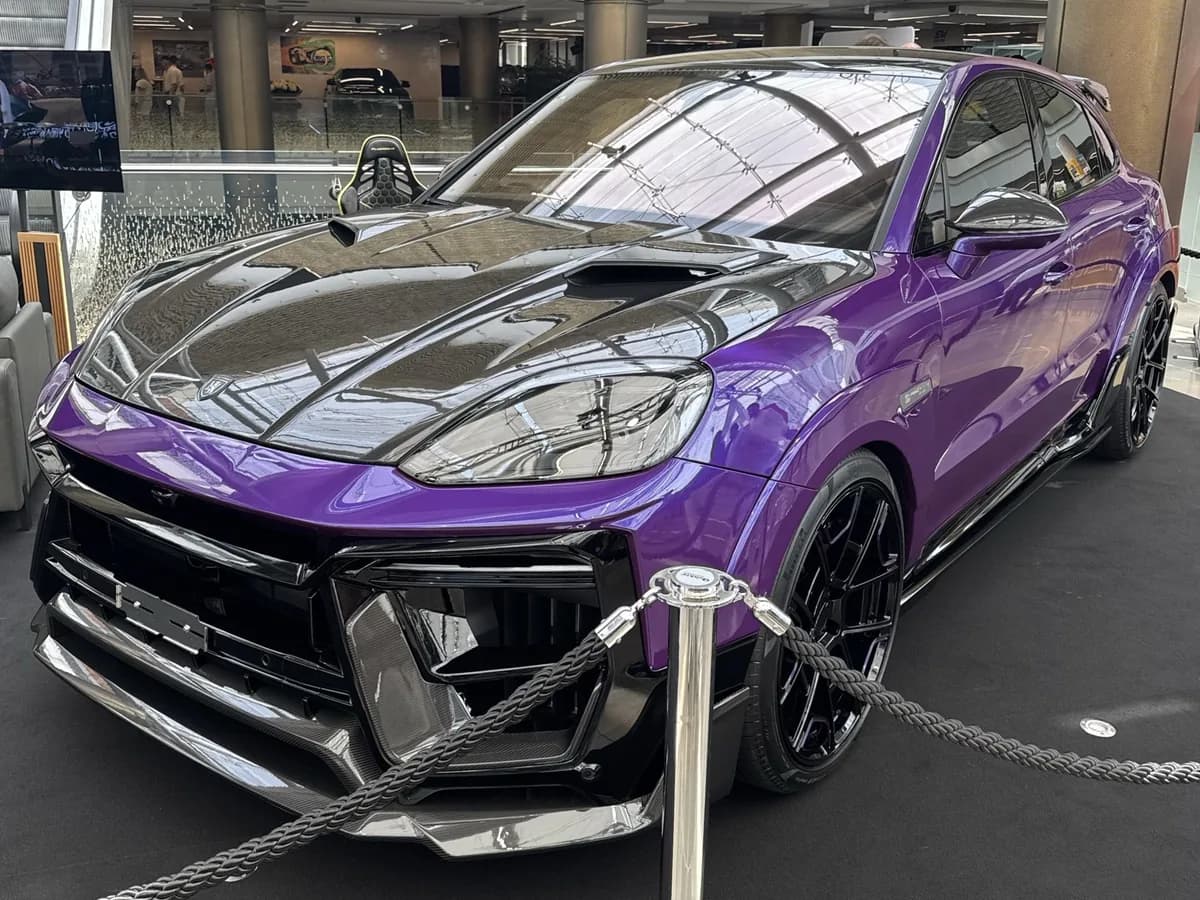 AT
AT2023
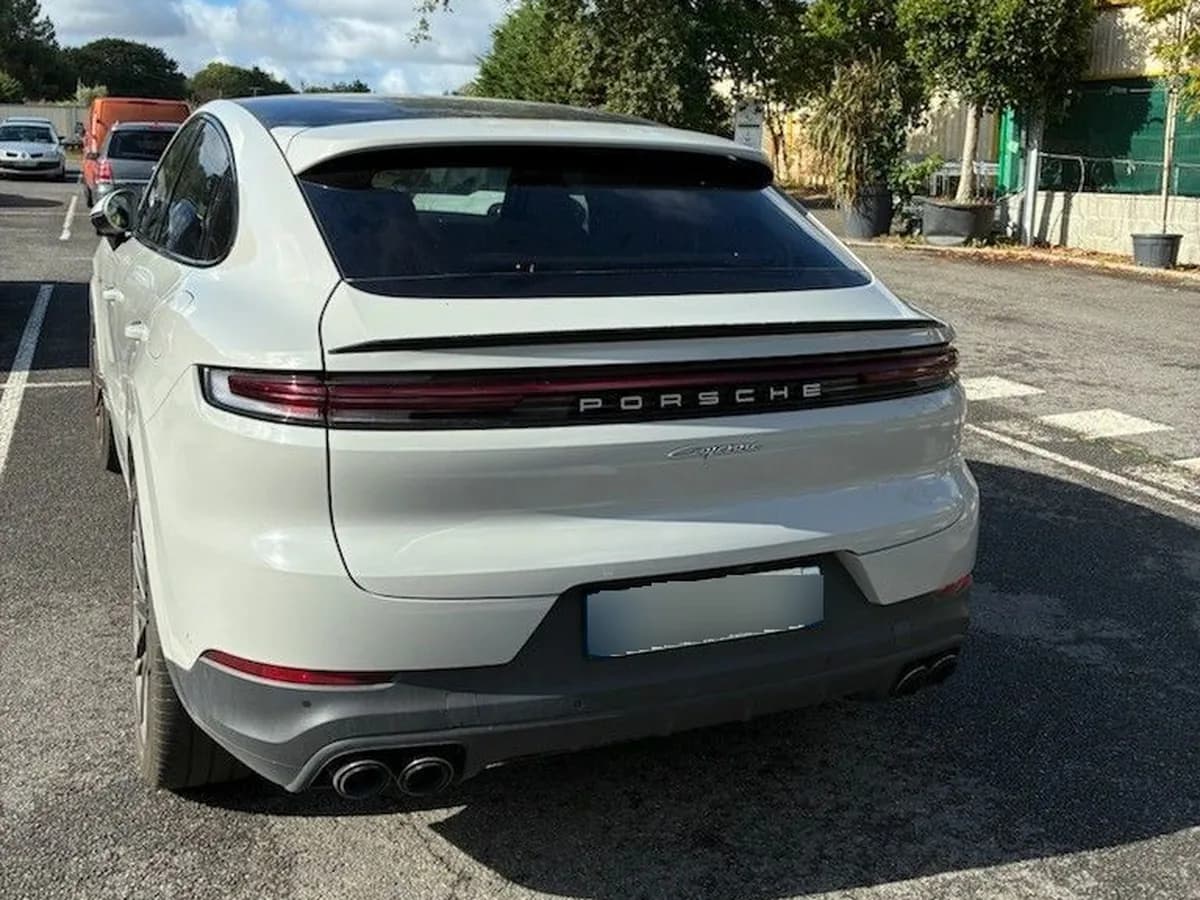
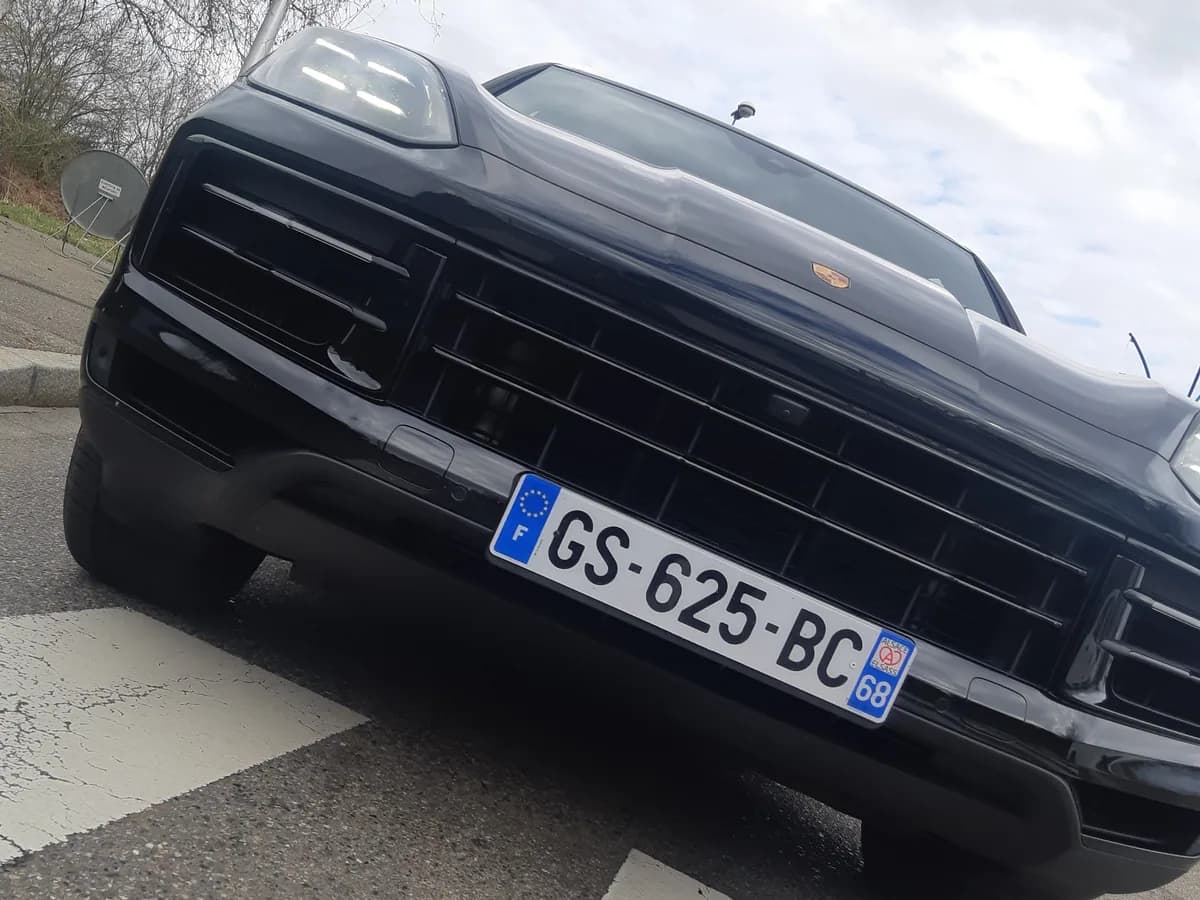
2021
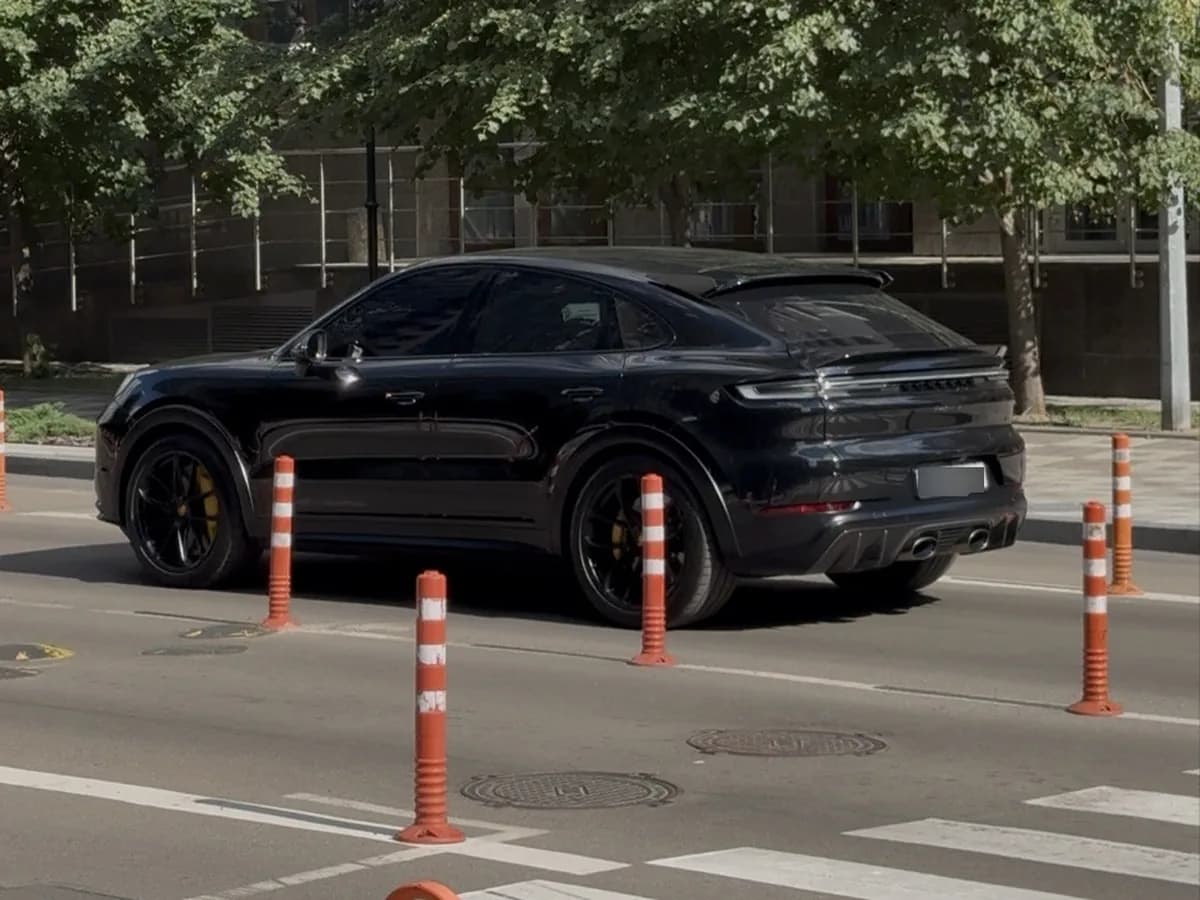
2019

2017
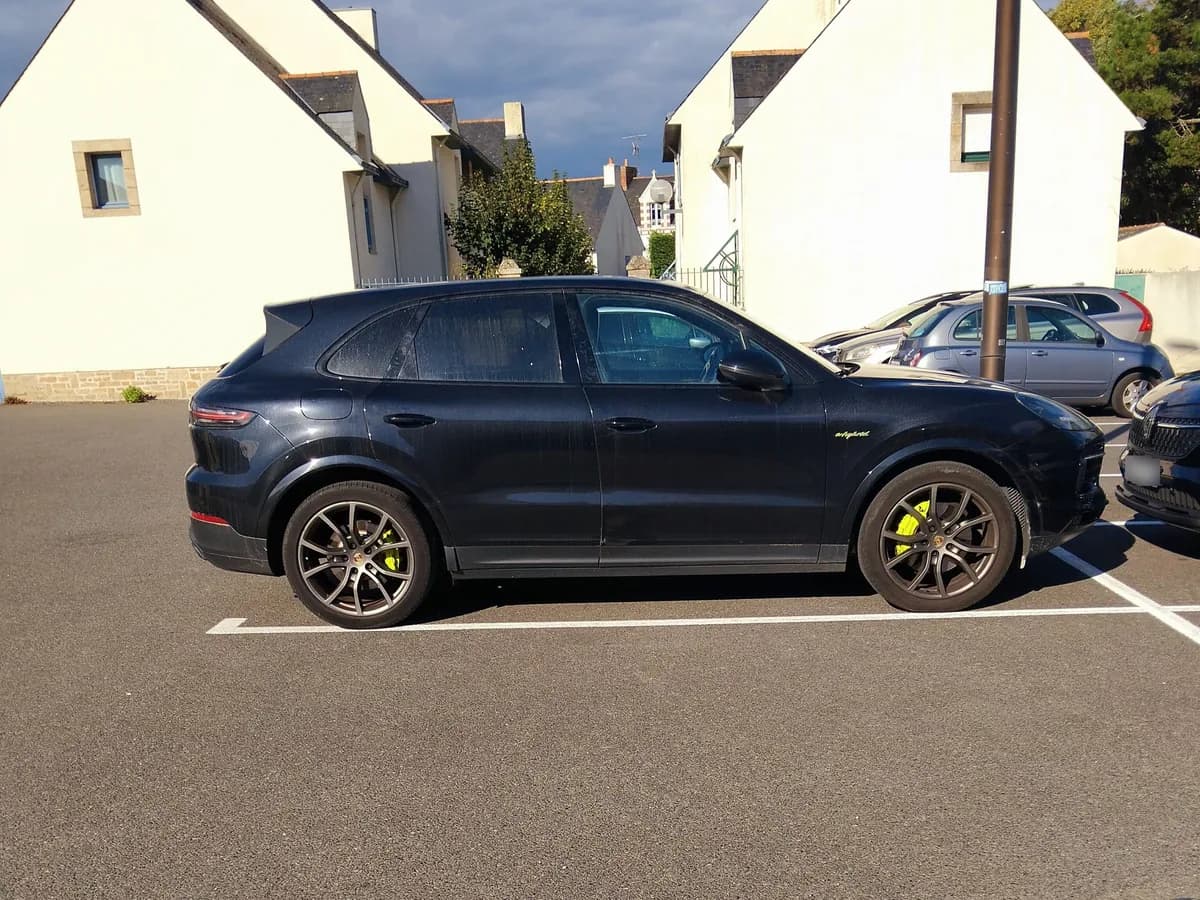
2014
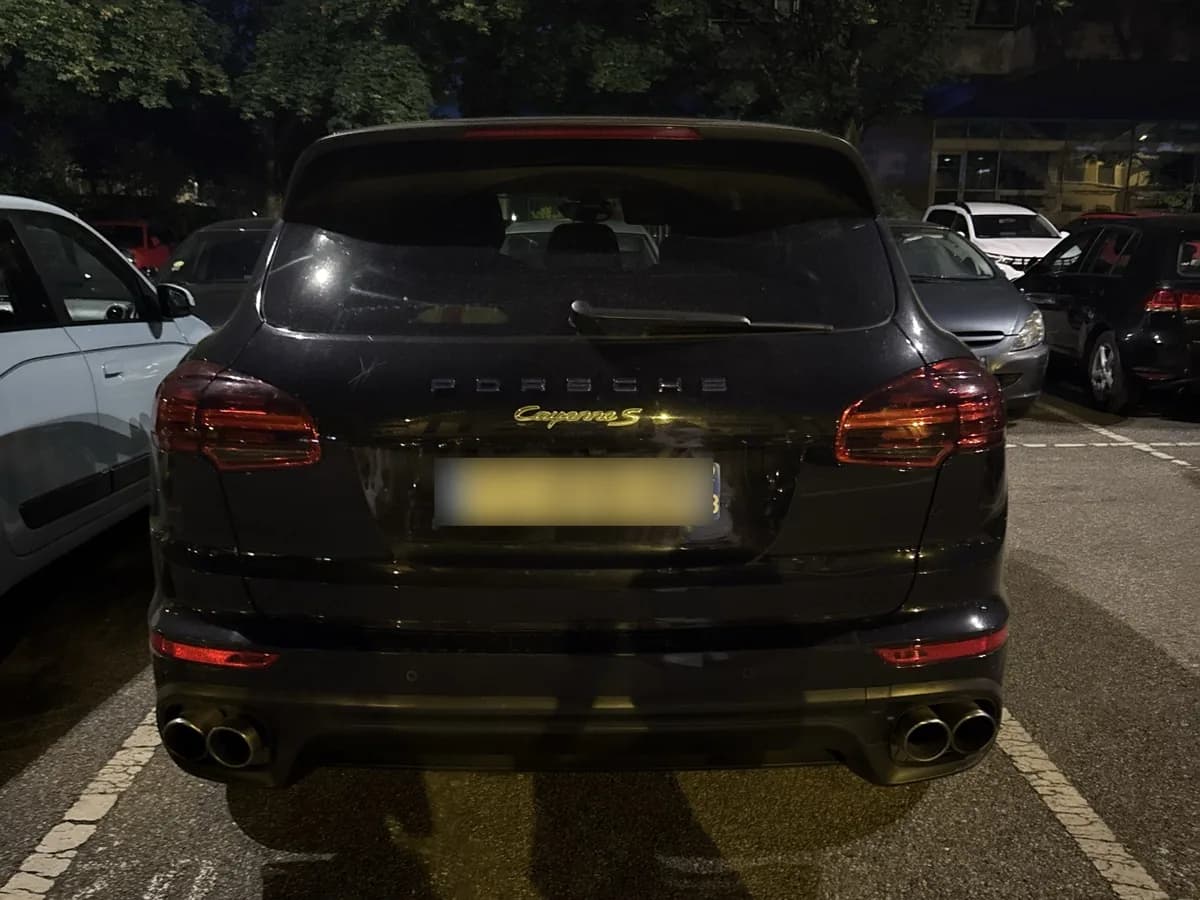
2010
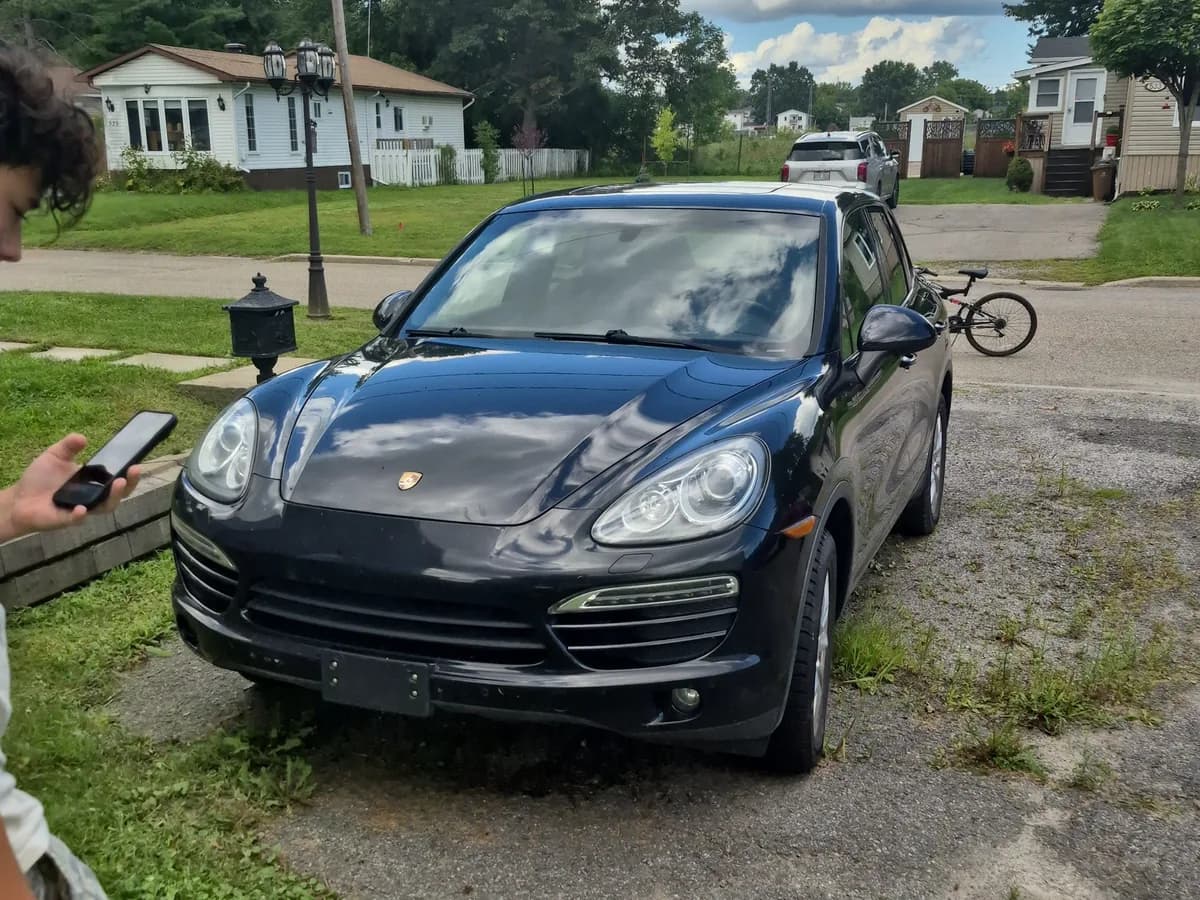
2007
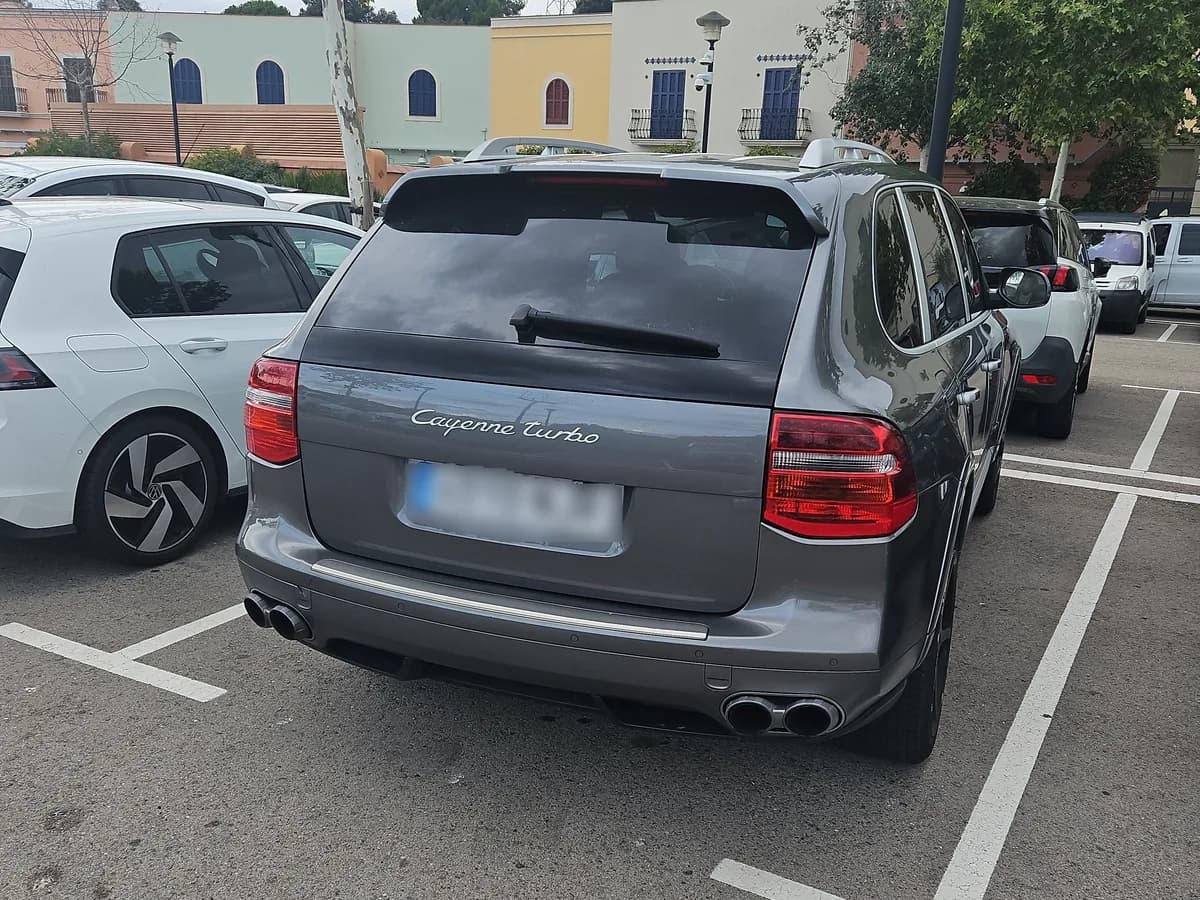
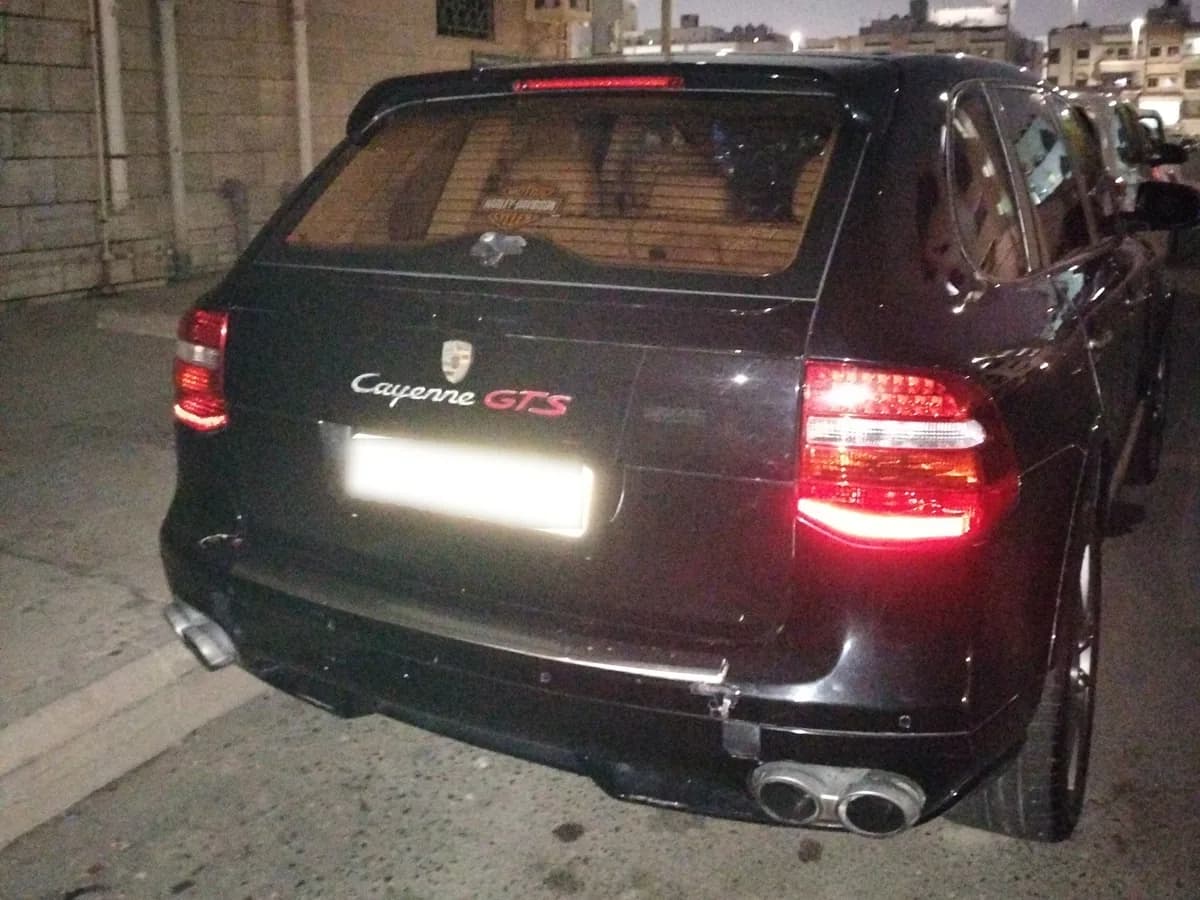
2002
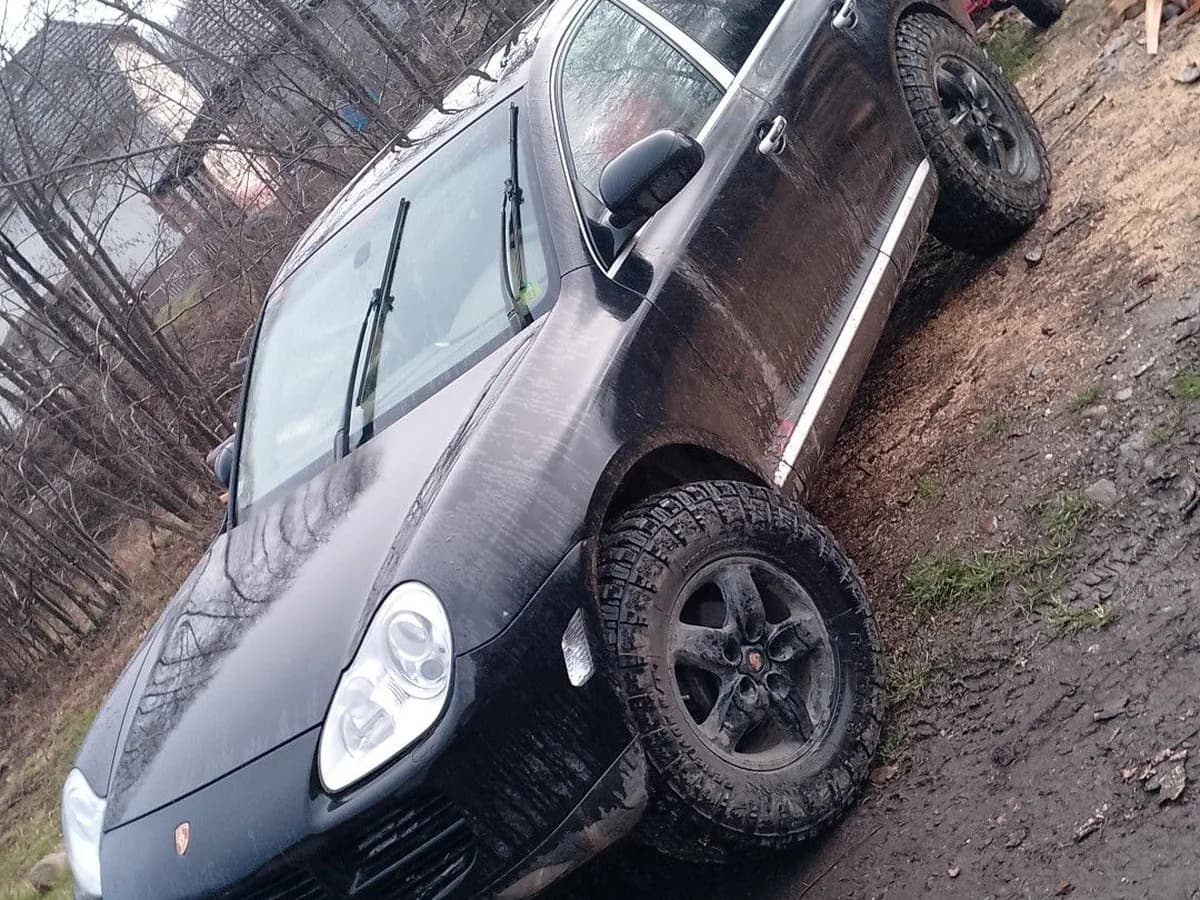
Model summary
Data from the ScanRacer library, organized to compare versions quickly.
Model introduction
Launched in 2002, the Porsche Cayenne became the brand’s first production SUV and its third model line after the 911 and Boxster. Developed through the “Colorado” project with Volkswagen, it combined all-wheel drive, off-road ability, and high-speed road performance from the outset. The first-generation E1 arrived with the V8-powered Cayenne S and Turbo, followed by the GTS, Turbo S, Diesel, and Porsche’s early hybrid applications. The second-generation E2 appeared in 2010, and the third-generation E3 followed in 2017. Porsche added the Cayenne Coupé body style in 2019. For 2026, the Cayenne Electric and Cayenne Turbo Electric introduce fully electric powertrains. Confirmed Porsche material states that these electric models continue alongside combustion-engine and plug-in-hybrid versions, making electrification an expansion of the range rather than an immediate replacement of every existing drivetrain.
History
Porsche announced its sports SUV project on June 3, 1998, and confirmed the construction of a Leipzig plant in September 1999. Production began on August 20, 2002, and the Cayenne made its public debut at the Paris Motor Show later that year. The model was intended to broaden Porsche’s customer base without abandoning the brand’s performance character. More than 276,000 first-generation E1 vehicles were produced between 2002 and 2010. A significant update arrived in 2007, bringing revised exterior details and direct fuel injection to selected engines. In 2009, the Cayenne became the first Porsche production model offered with a diesel engine. The E2 generation launched in 2010 with the Cayenne S Hybrid, Porsche’s first series-production hybrid. The plug-in-hybrid Cayenne S E-Hybrid followed in 2014. Porsche unveiled the E3 generation in 2017 and added the Coupé body style in 2019. The Cayenne Electric and Cayenne Turbo Electric then expanded the line for 2026. Cautious interpretation: the model’s history is best understood as a continuous broadening of powertrains and body styles, not simply as a shift from one fuel type to another.
Generations
The first generation, known internally as E1, covers the Cayenne’s commercial debut in 2002 through the arrival of the E2 in 2010. It has a relatively upright body, pronounced wheel-arch volumes, and an interior characteristic of Porsche design in the early 2000s. The S and Turbo established the initial range, while the 2007 update brought visible revisions to the headlamps, rear lamps, bumpers, side surfaces, and rear spoiler. The second-generation E2 appeared in 2010. Porsche described it as lighter and more efficient, while expanding the range with hybrid and later plug-in-hybrid variants. The third-generation E3 was unveiled in 2017. It introduced sharper exterior surfacing, wider use of aluminum, a revised control concept, and a redesigned chassis. Porsche added the Cayenne Coupé in 2019 as an E3 derivative, identifiable by its sloping roof and distinct rear bodywork. The 2026 electric models represent a major technical development, but the Porsche sources reviewed here do not label them as a numbered fourth generation. That distinction is important when comparing model years with engineering generations.
Key differences
The main differences between generations are structural and technological. The E1 emphasized a robust design, a high-riding stance, and V8 power at launch. Its 2007 facelift introduced revised bodywork and direct fuel injection on selected versions. The E2, launched in 2010, pursued a better balance between weight, efficiency, comfort, and performance while adding a series-production hybrid and later a plug-in hybrid. The 2017 E3 brought a substantially revised chassis and body structure, greater use of aluminum, and a more modern digital control interface. The Coupé is not a separate generation; it is an E3 body derivative with a lower roofline, unique rear section, and different proportions. The 2026 Electric models are distinguished by fully electric powertrains and high-power charging technology. Cautious interpretation: labels such as “SUV,” “Coupé,” “Base,” “EV,” and “Electric Coupé” may be catalog groupings rather than universal Porsche market names. Year coverage can also vary by market, so a ScanRacer year range should not automatically be treated as a global production period.
Photo recognition
An E1 Cayenne can usually be identified by its tall, substantial body, relatively upright front lighting, and dashboard dominated by multiple round gauges. Facelifted examples from 2007 feature revised headlamps and rear lamps, along with updated bumpers and exterior trim. The 2010 E2 generally looks smoother and visually lower, with less abrupt side surfacing and a more prominent center console. The 2017 E3 has sharper body lines, a wide horizontal rear-light signature, and a newer dashboard centered around an integrated display. The Coupé is the easiest derivative to recognize: its roof drops more steeply toward the rear, the windshield is more heavily raked, and the rear bodywork is unique. An active rear spoiler is part of the Coupé design concept. The 2026 Cayenne Electric models add details associated with an electric powertrain, although equipment varies by body style and trim. Reliable identification should combine the model year, body shape, lamps, tailgate design, wheels, and badge rather than relying on a single visual cue.
Important versions
The original Cayenne S and Cayenne Turbo are central to the model’s identity because they combined a large SUV body with high performance and V8 power. The Cayenne GTS and Turbo S later strengthened the sporting character of the E1 range. The Diesel was historically significant as Porsche’s first production model with a diesel engine. With the E2 generation, the S Hybrid and then the S E-Hybrid brought electrification into the model line; Porsche introduced the latter in 2014 as the first plug-in hybrid in the premium SUV segment. The Cayenne Coupé, launched in 2019, added a sportier roofline without becoming a separate generation. For 2026, the Cayenne Electric and Cayenne Turbo Electric open the fully electric chapter of the nameplate. Within the supplied ScanRacer context, the labels include Base, SUV, Coupé, EV, and Electric Coupé. These should be treated as version-and-year groupings, not necessarily as universal global trim names, because market availability and naming conventions can differ.
The name “Cayenne” follows Porsche naming, with its rules and its exceptions. Decode a Porsche name
References
- The ‘third Porsche’ – an extraordinary success storyPorsche Newsroom
- The Cayenne journey – courage, secrets and world recordsPorsche Newsroom
- World premiere of the new Cayenne in ZuffenhausenPorsche Newsroom
- Porsche presents the Cayenne CoupéPorsche Newsroom
- Trio of powertrains: Porsche launches 2026 Cayenne Electric SUVPorsche Newsroom USA
- Cayenne ElectricPorsche USA
- https://newsroom.porsche.com/en_US/2022/products/porsche-cayenne-anniversary-20-years-success-story-28517.htmlnewsroom.porsche.com
- https://newsroom.porsche.com/en/press-kits/Innovation-in-rhythm--the-road-to-the-electric-Cayenne-Cayenne-workshop/The-factory.htmlnewsroom.porsche.com
Technical specifications
Structured data available for versions linked to this model.
| Version | Power | Torque | Top speed | Drivetrain | Fuel |
|---|---|---|---|---|---|
| Base | 180 KW @ 4000-4400 RPM245 HP @ 4000-4400 RPM241 BHP @ 4000-4400 RPM | 406 lb-ft @ 1750 - 2750 RPM550 Nm @ 1750 - 2750 RPM | 137 mph (220 km/h) | All Wheel Drive / 8-speed automatic (Tiptronic S) | Diesel |
Frequently asked questions
- What years was the Porsche Cayenne produced?
- ScanRacer's referenced versions cover 2002 - 2026.
- How many Porsche Cayenne examples are documented on ScanRacer?
- 60 published scans from 39 members, with the latest photo added in September 2026.
- What is the power output of the Porsche Cayenne?
- The sourced technical data lists 180 KW @ 4000-4400 RPM245 HP @ 4000-4400 RPM241 BHP @ 4000-4400 RPM.