
207
Launched in France in April 2006, the Peugeot 207 succeeded the 206 in the supermini class. It was a larger and more ambitious small car, initially offered as a three- or five-door hatchback before the 207 CC coupe-cabriolet and 207 SW estate joined the range. The model combined petrol and HDi diesel engines with more focused performance versions using the 1.6 THP engine developed with BMW. The 207 quickly became a major European seller: Peugeot reported 521,000 units sold during its first full year on the market. A 2009 facelift updated the front-end styling, lighting, interior presentation and selected equipment. ScanRacer's model chronology covers the 2006 to 2012 period and includes several body-style records, from the standard hatchback to estate, convertible and market-specific derivatives.
What about the car you photographed?
Upload a photo to get a suggested make, model and likely year.
No account needed for the result · Publish only if you choose
Variants by year
Make: Peugeot · Model: 207
12 / 12 versions shown
2012
2008
2007
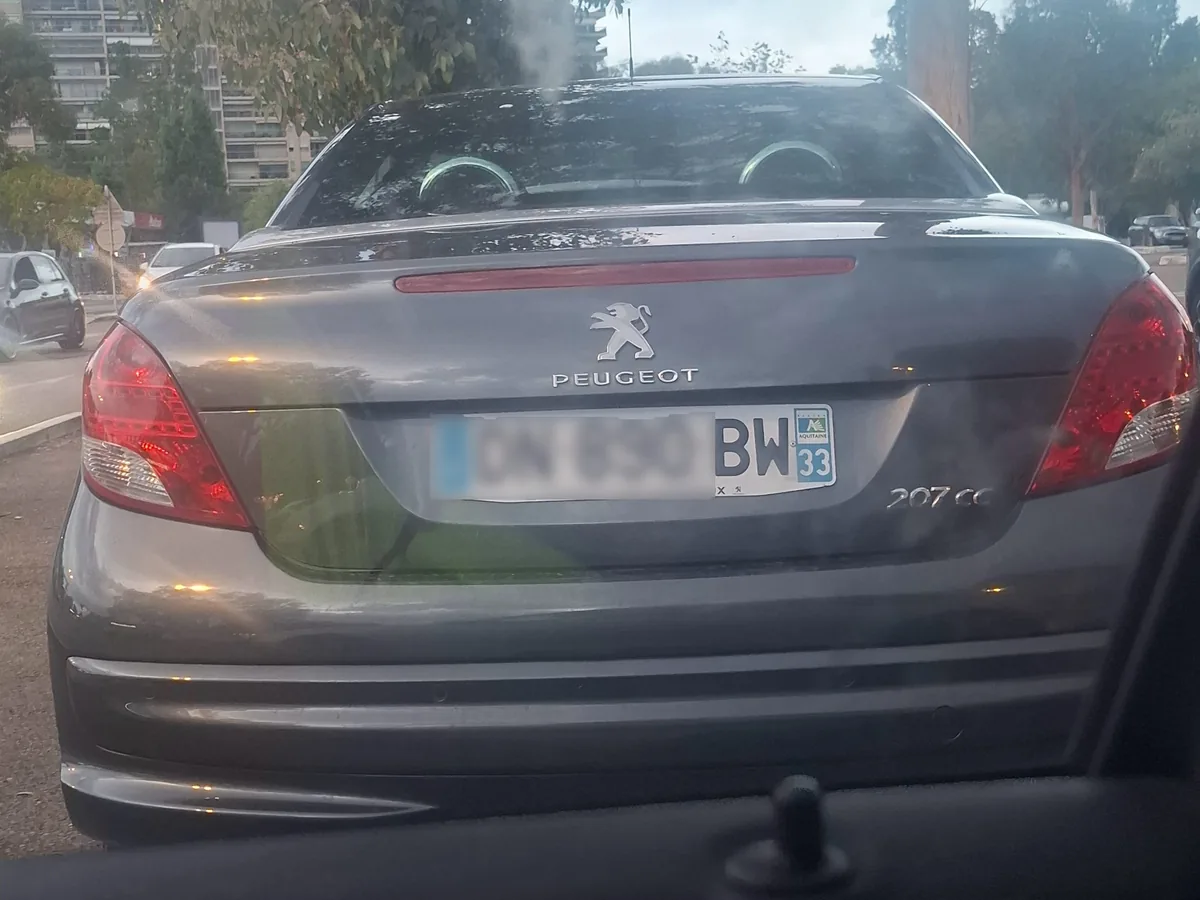
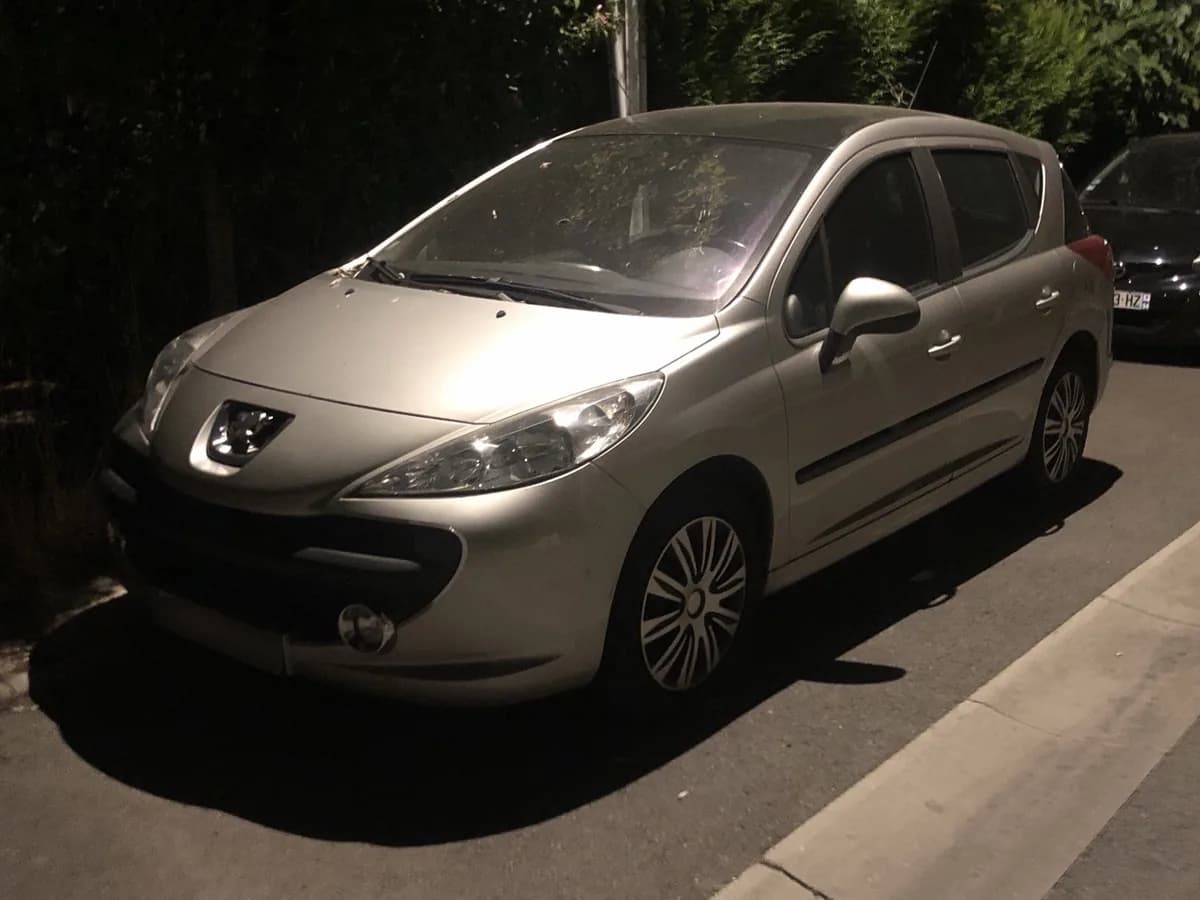
2006
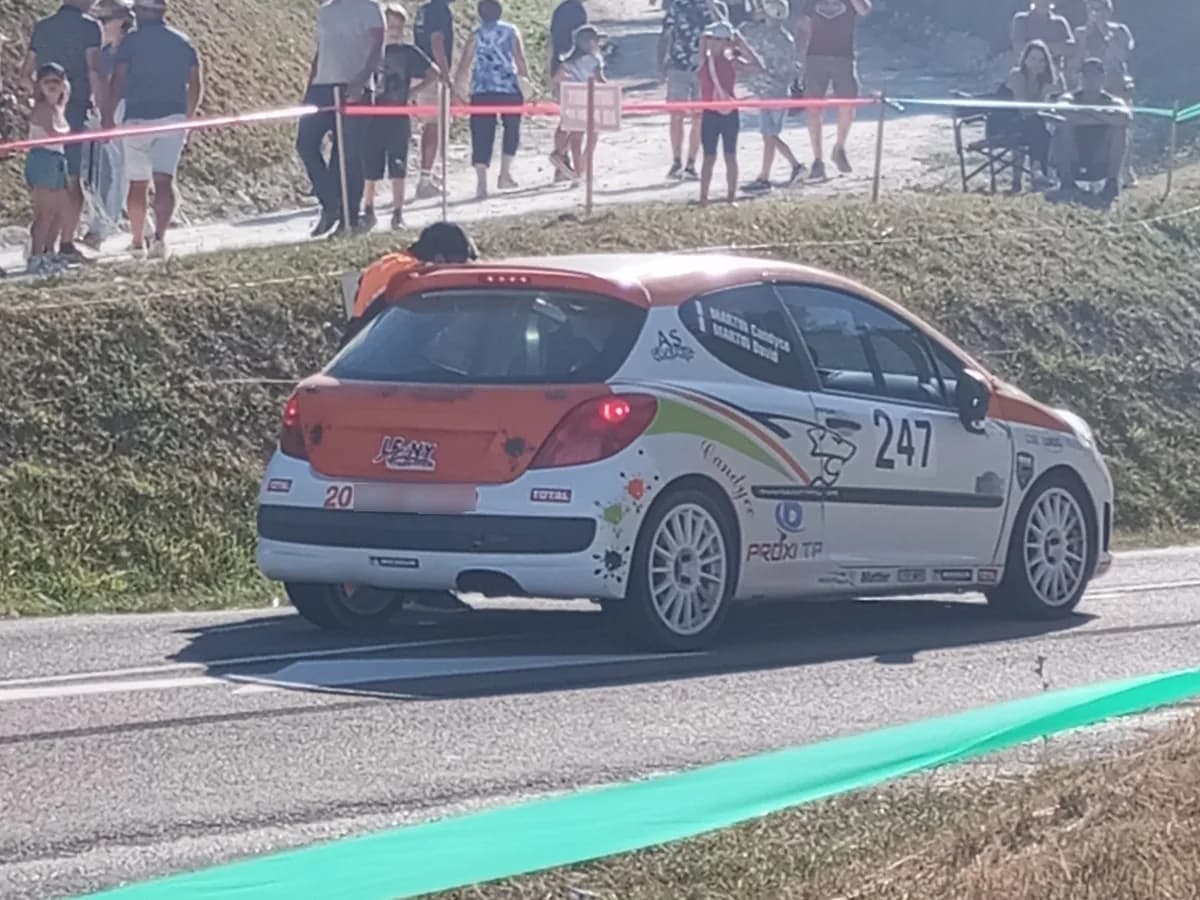
Peugeot 207 photos
Model summary
Data from the ScanRacer library, organized to compare versions quickly.
Model introduction
Launched in France in April 2006, the Peugeot 207 succeeded the 206 in the supermini class. It was a larger and more ambitious small car, initially offered as a three- or five-door hatchback before the 207 CC coupe-cabriolet and 207 SW estate joined the range. The model combined petrol and HDi diesel engines with more focused performance versions using the 1.6 THP engine developed with BMW. The 207 quickly became a major European seller: Peugeot reported 521,000 units sold during its first full year on the market. A 2009 facelift updated the front-end styling, lighting, interior presentation and selected equipment. ScanRacer's model chronology covers the 2006 to 2012 period and includes several body-style records, from the standard hatchback to estate, convertible and market-specific derivatives.
History
The Peugeot 207 was developed as Peugeot's new supermini after the commercial success of the 206. It reached the French market in April 2006 and then spread to other European markets. From launch, the range included three- and five-door hatchbacks, with a more substantial presentation and larger overall proportions than the 206. Peugeot therefore positioned the 207 as a broader-use small car rather than a simple continuation of its predecessor. The family expanded quickly. The 207 CC arrived in spring 2007 with a retractable metal roof, creating a coupe-cabriolet version within the supermini range. Peugeot also introduced the 207 SW that year, giving the model a compact estate body aimed at buyers who wanted extra practicality. The SW Outdoor added a more rugged visual treatment, increased ground clearance, exterior protective cladding and dedicated trim. Sport-oriented models also joined the range, including the 207 RC, which used the 175 hp 1.6 THP engine in selected markets. A substantial mid-cycle update arrived in 2009. Peugeot described changes to the exterior design, comfort, safety equipment and efficiency, including lower emissions for certain powertrains. The 207 continued during the transition toward the 208, which became Peugeot's successor in the supermini class. Exact launch dates, equipment levels and model names varied by country, so individual cars should be identified using market-specific documentation.
Generations
The Peugeot 207 is not officially divided into several separate generations in the manufacturer sources reviewed. A more accurate classification is a first phase introduced in 2006, followed by a mid-cycle update launched in 2009. This distinction helps identify cars without incorrectly treating the facelift as a second generation. The first phase has the original front-end design, characterized by a large lower air intake, elongated headlamps and a rounded dashboard treatment. It was sold as a three- or five-door hatchback and later expanded with CC and SW body styles. The engine range covered several petrol and HDi diesel outputs. Cars fitted with VTi and THP engines belonged to a newer powertrain family developed with BMW, although availability depended on country, trim and model year. The 2009 model update is the main visual dividing line. It introduced a redesigned front end, revised lighting details, interior changes and updated equipment. The CC and SW received corresponding revisions but remained body-style derivatives rather than separate generations. For reliable identification, the year, body style, engine, trim and original market should be considered together; the 207 name alone does not establish the exact specification.
Key differences
The main differences within the 207 family are body-related. The three- or five-door hatchback is the core model. The 207 SW uses an estate body, giving it greater length and a more practical focus. The 207 CC is a coupe-cabriolet with a folding metal roof, so its doors, rear profile and roof mechanism clearly separate it from the hatchback. The SW Outdoor adds body protection, dedicated trim and, in some markets, a stated 20 mm increase in ground clearance. Mechanical differences depend heavily on country and model year. Naturally aspirated petrol engines, VTi and THP units, and HDi diesels offer different performance, equipment and ownership considerations. Sport-focused 207 RC or GTi versions are identified by their turbocharged engines, specific styling and chassis tuning. The 2009 facelift also changed the exterior appearance and selected equipment, but it did not create a fundamentally new model. Market-specific brochures remain essential when comparing individual variants.
Photo recognition
Start identification with the body style. The hatchback has a short tailgate body and was available with three or five doors. The SW is recognizable by its extended roofline, larger rear side windows and upright estate tail. The CC has two doors and a retractable metal roof; with the roof closed it looks like a coupe, while the roof mechanism reduces the space behind the seats. The 2009 facelift is the most useful chronological clue. Look for a revised front end, updated lighting details and changes to the interior presentation. Sport versions generally add distinctive wheels, bumpers, seats, badges and chassis settings, although these parts may have been changed or retrofitted during the car's life. Final identification should be checked against the vehicle identification number, manufacturer plate, engine code and documentation for the original market. Names such as Sedan, Van, Escapade, Outdoor and Cross Hatch were not necessarily offered in every country and should not be inferred from appearance alone. Registration year can also differ from the actual model year.
Important versions
The most significant versions are the hatchback, 207 SW and 207 CC. The hatchback forms the core of the range and was offered with three or five doors. The SW adds an estate body and a stronger family-oriented focus. The SW Outdoor stands apart through its tougher styling and features intended for light off-road use, although it is not a true off-road vehicle. The CC is the most distinctive derivative, using a retractable metal roof. Sport-focused 207 RC or GTi models sit at the performance end of the range, notably with the 1.6 THP engine. Trim levels, outputs and names varied between countries, so Sedan, Van, Escapade and Cross Hatch should be treated as market- or catalogue-specific derivatives rather than universal specifications.
The name “207” follows Peugeot naming, with its rules and its exceptions. Decode a Peugeot name
References
- Peugeot 207: Produktionsrekord innerhalb von nur zwei Jahren erreichtStellantis Media
- Abrundung der 207 SW-Palette nach oben: Jetzt stellt sich der Outdoor vorStellantis Media
- Modellpflege für den Bestseller 207Stellantis Media
- Peugeot 207 CC: Erstes Kleinwagen-Cabrio mit fünf Sternen bei EuroNCAPStellantis Media
- https://www.honestjohn.co.uk/peugeot/207/honestjohn.co.uk
- https://www.autoexpress.co.uk/peugeot/207/66026/used-buyers-guide-peugeot-207autoexpress.co.uk
- https://www.rac.co.uk/drive/car-reviews/peugeot/207/207-2006-2009/rac.co.uk
Frequently asked questions
- What years was the Peugeot 207 produced?
- ScanRacer's referenced versions cover 2006 - 2012.
- How many Peugeot 207 examples are documented on ScanRacer?
- 6 published scans from 6 members, with the latest photo added in August 2026.
What about the car you photographed?
Upload a photo to get a suggested make, model and likely year.
No account needed for the result · Publish only if you choose