
Huayra
Introduced in 2011 as the successor to the Zonda, the Pagani Huayra is a mid-engined two-seat hypercar combining a Mercedes-AMG twin-turbo V12, advanced composite construction and active aerodynamics. Its name refers to Huayra Tata, a wind deity in the culture of Andean peoples. The Huayra is particularly recognizable for its four movable aerodynamic flaps, carbo-titanium chassis and gull-wing doors on the coupé. During its career, Pagani developed several highly exclusive interpretations, including the Huayra BC dedicated to Benny Caiola, the Roadster, Roadster BC, Imola and Tricolore. Names such as L'Ultimo, Pearl and La Monza Lisa refer to especially bespoke cars or configurations rather than clearly defined mainstream production grades.
What about the car you photographed?
Upload a photo to get a suggested make, model and likely year.
No account needed for the result · Publish only if you choose
Variants by year
Make: Pagani · Model: Huayra
18 / 18 versions shown
2020
2019
2018
2017
2016
2015
2014
2012
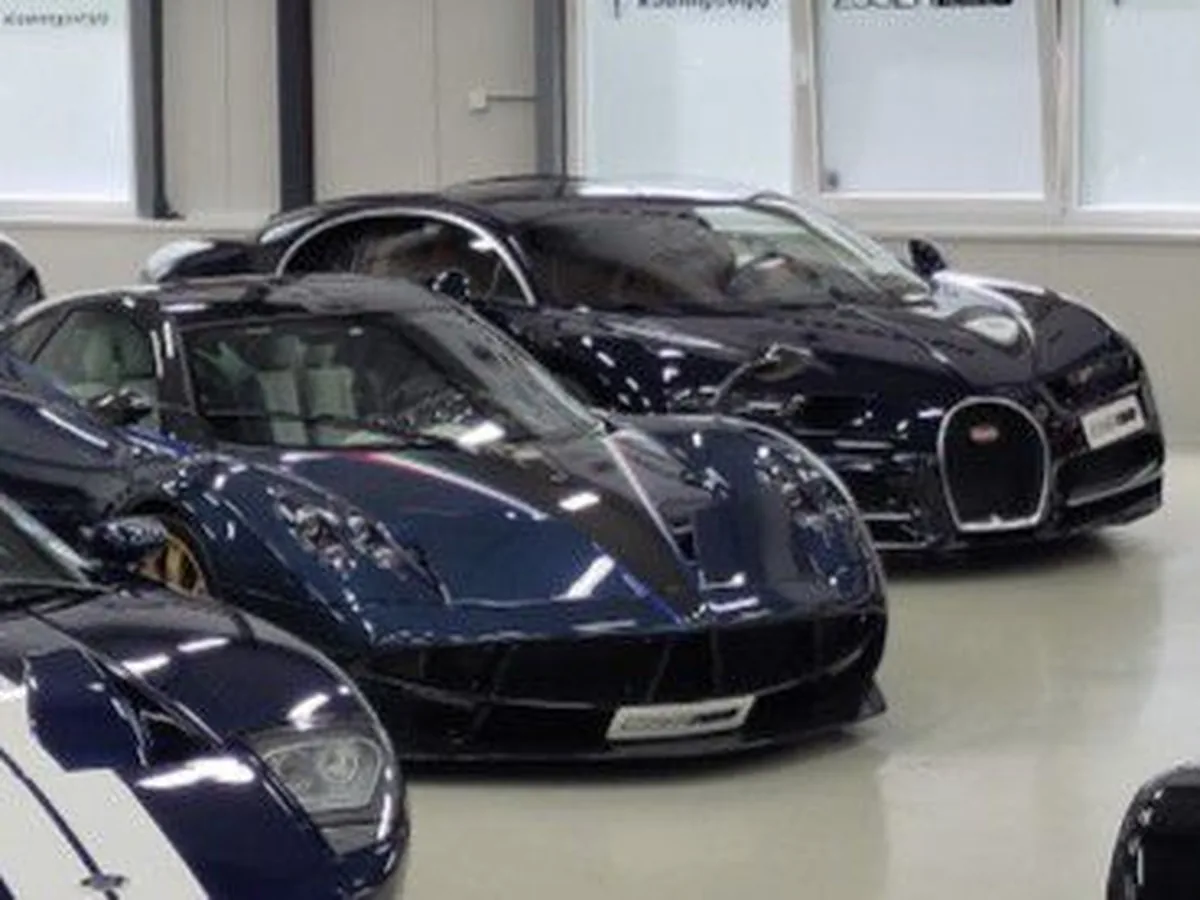
2011
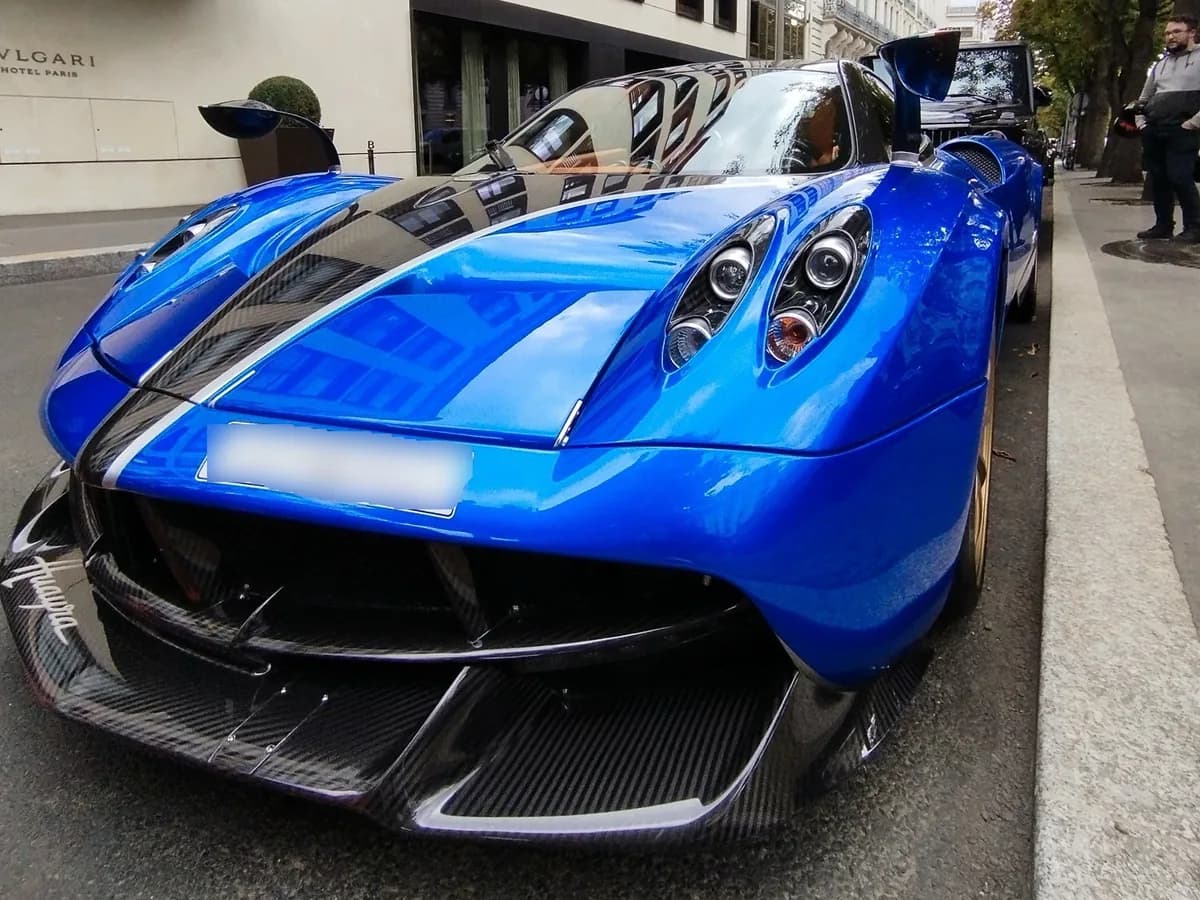
Pagani Huayra photos
Model summary
Data from the ScanRacer library, organized to compare versions quickly.
Model introduction
Introduced in 2011 as the successor to the Zonda, the Pagani Huayra is a mid-engined two-seat hypercar combining a Mercedes-AMG twin-turbo V12, advanced composite construction and active aerodynamics. Its name refers to Huayra Tata, a wind deity in the culture of Andean peoples. The Huayra is particularly recognizable for its four movable aerodynamic flaps, carbo-titanium chassis and gull-wing doors on the coupé. During its career, Pagani developed several highly exclusive interpretations, including the Huayra BC dedicated to Benny Caiola, the Roadster, Roadster BC, Imola and Tricolore. Names such as L'Ultimo, Pearl and La Monza Lisa refer to especially bespoke cars or configurations rather than clearly defined mainstream production grades.
History
The Huayra project began in 2003, when Horacio Pagani was looking to replace a Zonda whose design dated back to the early 1990s. Pagani states that eight years of research and development preceded the car's presentation in 2011. The Huayra retained a Mercedes-AMG V12 mounted in a rear-mid-engine layout, but adopted a completely new approach to styling and aerodynamics. Air became the guiding theme of the project, influencing everything from the car's name to its body surfaces and active aerodynamic devices. The original version was a road-legal coupé powered by a 5,980 cc V12 and paired with a seven-speed Xtrac automated manual transmission. Early figures released by Pagani quoted approximately 700 hp and a 1,350 kg weight. In 2016, the Huayra BC introduced a lighter, more performance-focused evolution named in tribute to Benny Caiola, Pagani's first customer. The Huayra Roadster followed in 2017, with the Roadster BC and Imola arriving in 2019. In 2020, the Tricolore celebrated the sixtieth anniversary of the Frecce Tricolori with a production run limited to three examples.
Generations
The Huayra is not divided into conventional generations. It is more accurate to describe several technical configurations and special series built around a common architecture. The first Huayra was the production coupé introduced in 2011. It established the model's defining elements: a Mercedes-AMG twin-turbo V12, rear-wheel drive, an automated sequential gearbox and four-flap active aerodynamics. The Huayra BC, presented in 2016, was a substantially more focused evolution of the coupé. Pagani revised weight distribution, composite materials, the exhaust system, suspension components and aerodynamic efficiency. The 2017 Roadster was more than a simple open-top derivative. It received a extensively revised structure and became, according to Pagani, the first roadster to be lighter than the coupé from which it was derived. Production was limited to 100 cars. The Roadster BC, revealed in 2019, combined an open body with an even stronger emphasis on aerodynamic load and sporting use. The Imola was a road-legal hypercar developed through intensive circuit validation and limited to five examples. Finally, the 2020 Tricolore followed a philosophy close to that of the Roadster BC while adding bodywork, graphics and interior details inspired by the aircraft of the Frecce Tricolori.
Key differences
The main differences between Huayra versions concern structure, weight, aerodynamics and the degree of personalization. The base coupé emphasizes the enclosed body, gull-wing doors and a relatively restrained road-going specification by the standards of the range. The BC adds a more focused performance character, with dedicated work on composites, weight reduction and aerodynamic load. The Roadster is identified by its open body and extensively redesigned structure, so it is not simply a coupé with the roof removed. The Roadster BC goes further with a dedicated chassis and aerodynamic package, higher output than the original Huayra and production limited to 40 cars. The Imola places greater emphasis on circuit validation and aerodynamic efficiency, while the Tricolore combines highly developed mechanical hardware with an explicit aviation theme and a three-car production run. Names such as Pearl, The King, La Monza Lisa, L'Ultimo and BC Kingtasma should be treated cautiously. They may identify individual commissions, customer specifications or very small special series rather than distinct technical grades with fully separate factory architectures.
Photo recognition
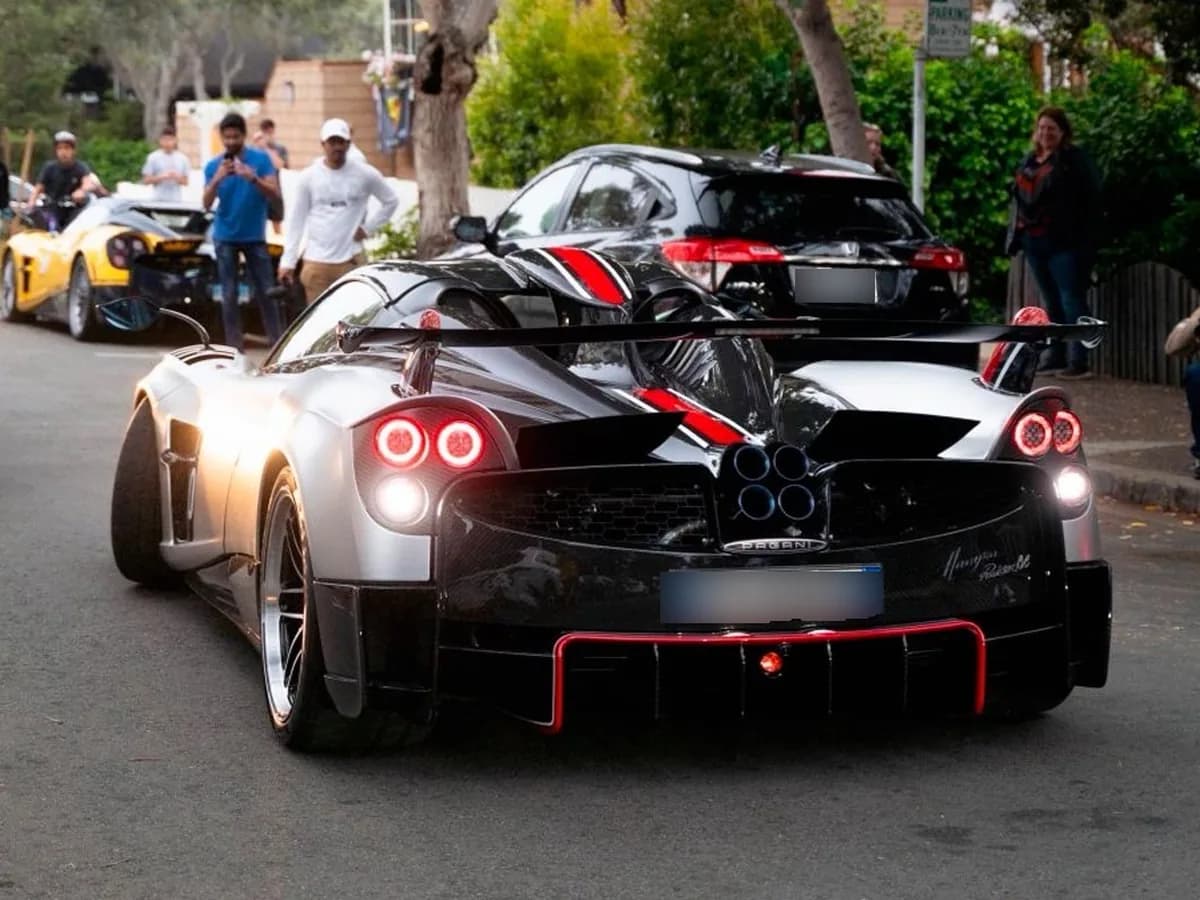
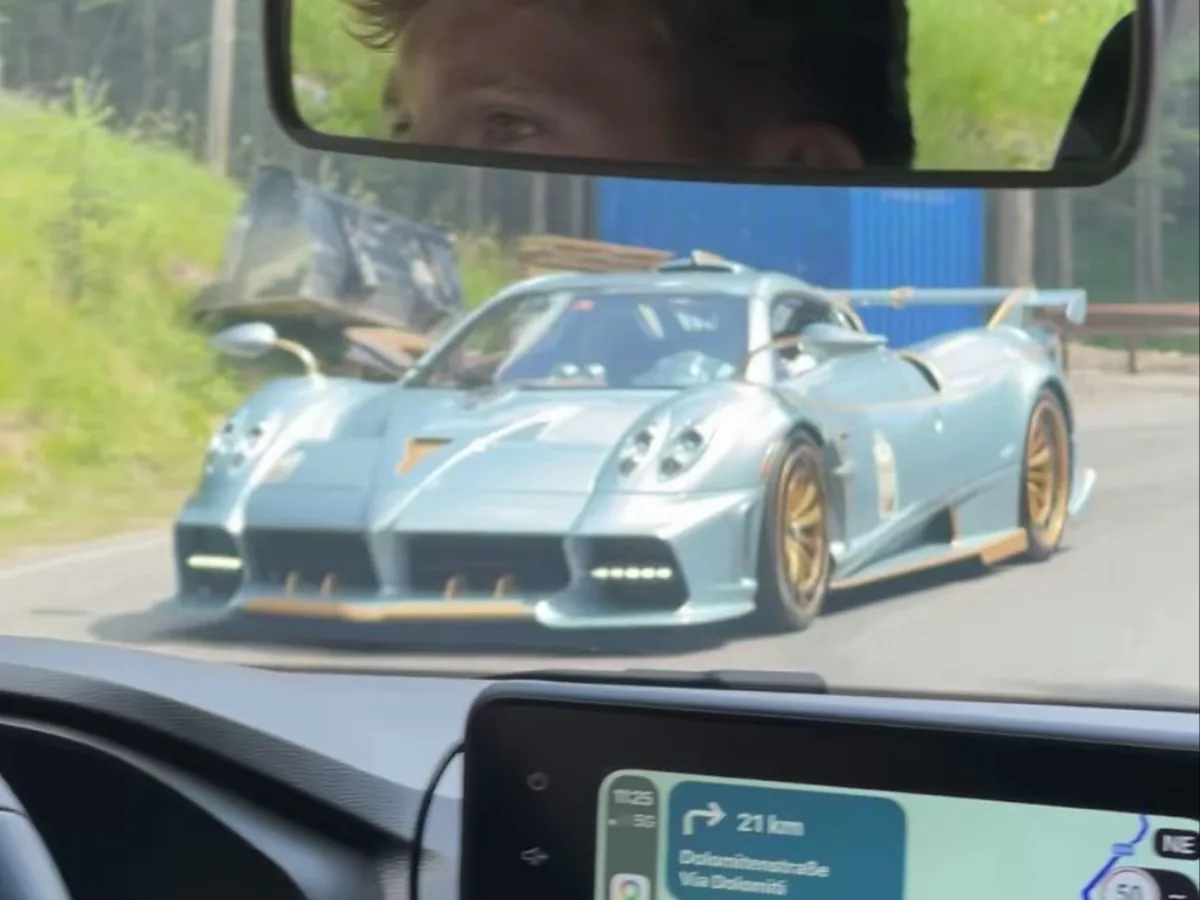
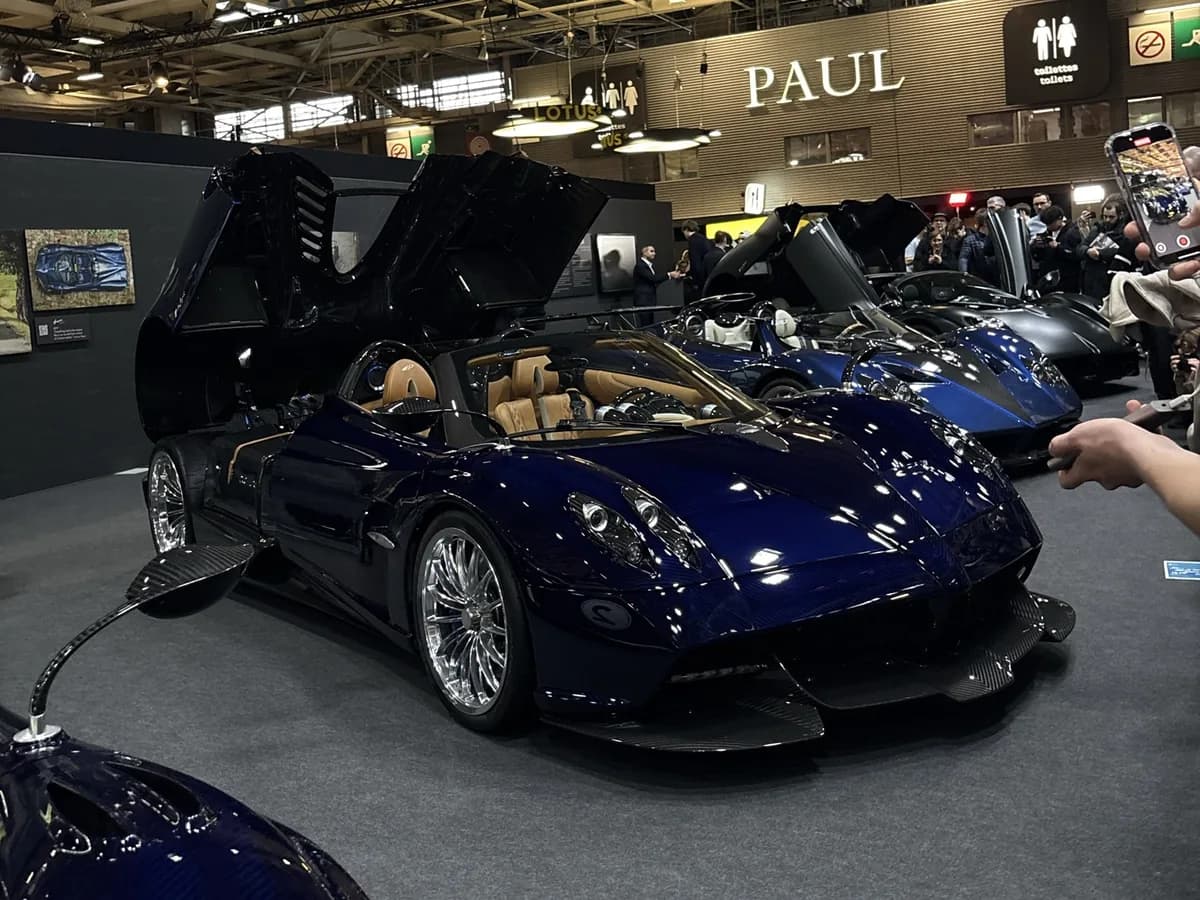
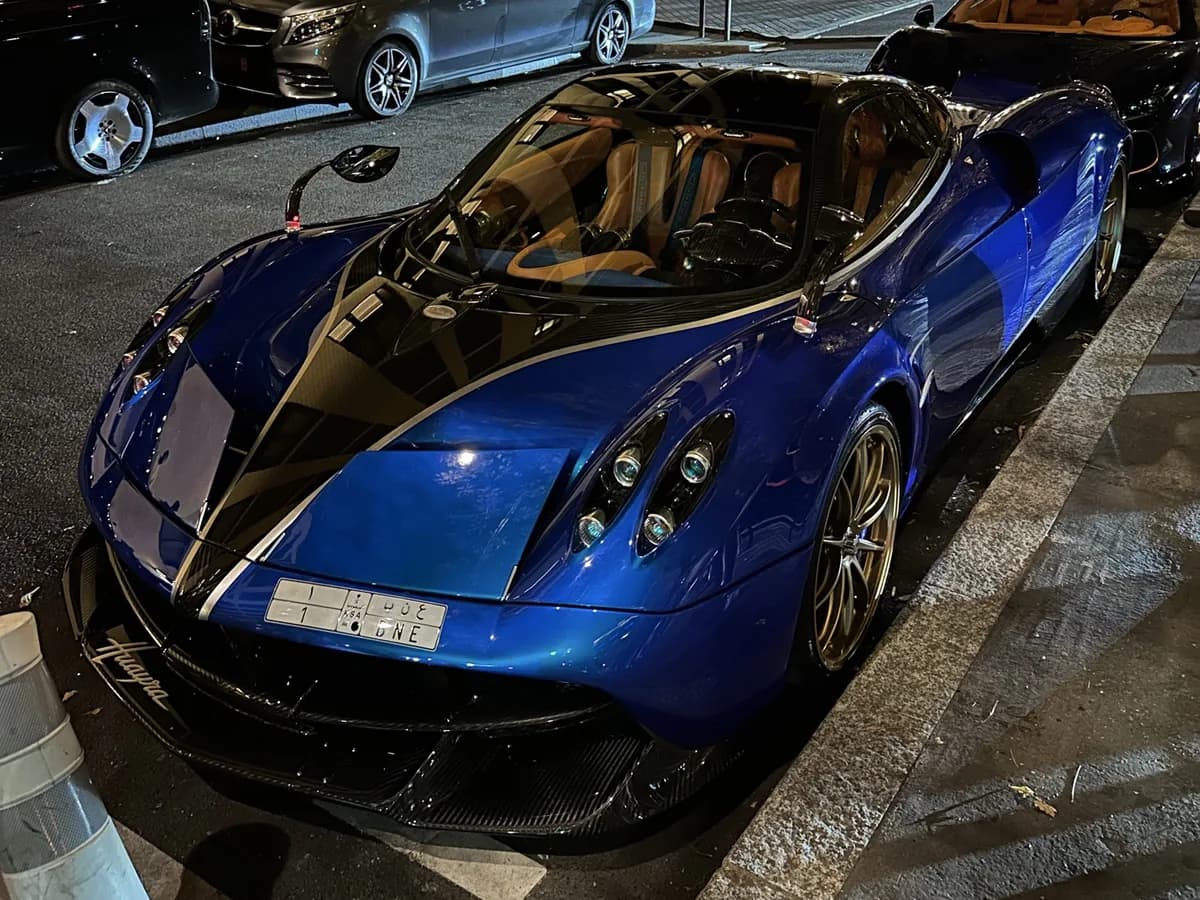
The Huayra coupé is first identified by its gull-wing doors, forward-set cabin and four movable aerodynamic flaps integrated into the body. Its stacked front lighting units, central quad exhaust outlets and smooth side air-intake shapes are also distinctive. The glazed rear engine cover visually exposes the V12 and reinforces the car's mechanical character. The Huayra Roadster has an open silhouette, conventional doors and a rear section adapted to its convertible structure. It also uses unique wheels and several dedicated body components. The BC can generally be recognized by more pronounced aerodynamic appendages, a more technical appearance and, depending on the car, extensive exposed carbon fiber. The Roadster BC adds a prominent fixed rear wing and a more aggressive treatment around the rear fenders and diffuser. The Imola features highly developed aerodynamic surfaces and an often more competition-inspired appearance. The Tricolore is the easiest special version to identify through its translucent blue carbon finish, green-white-red stripes, central Pitot tube and details inspired by the Aermacchi MB-339 aircraft used by the Frecce Tricolori.
Important versions
The key versions include the original Huayra coupé, which established the model's technical identity, and the 2016 Huayra BC, a tribute to Benny Caiola and a lighter, more performance-oriented evolution. The 2017 Roadster is central to the model's history: Pagani described it as the first roadster lighter than its corresponding coupé, with production announced at 100 cars. The 2019 Roadster BC represents an even stronger focus on aerodynamics and sporting use, with production limited to 40 cars. The Imola, also introduced in 2019, is a five-car road-legal series developed through an extensive circuit testing program. The 2020 Tricolore celebrates the Frecce Tricolori and is limited to three examples. Cars such as Pearl, La Monza Lisa and L'Ultimo primarily demonstrate the importance of bespoke commissioning within the Pagani world.
References
- Pagani Huayra: history re-writing itselfPagani Automobili
- HuayraPagani Automobili
- The New Huayra BCPagani Automobili
- Huayra RoadsterPagani Automobili
- Huayra Roadster BCPagani Automobili
- The Pagani Huayra TricolorePagani Automobili
- https://www.pagani.com/news/huayra-shown-for-first-time-in-us/pagani.com
Technical specifications
Structured data available for versions linked to this model.
| Version | Power | Torque | Top speed | Drivetrain | Fuel |
|---|---|---|---|---|---|
| Base | 537 KW @ 5800 RPM 730 HP @ 5800 RPM 720 BHP @ 5800 RPM | 738 lb-ft @ 2250-4500 RPM 1001 Nm @ 2250-4500 RPM | 224 mph (360 km/h) | Rear Wheel Drive / 7-speed automatic | Gasoline |
| Base | 590 KW @ 5900 RPM 802.2 HP @ 5900 RPM 791 BHP @ 5900 RPM | 774 lb-ft @ 2000-5600 RPM 1050 Nm @ 2000-5600 RPM | — | Rear Wheel Drive / 7-speed automatic | Gasoline |
Frequently asked questions
- What years was the Pagani Huayra produced?
- ScanRacer's referenced versions cover 2011 - 2020.
- How many Pagani Huayra examples are documented on ScanRacer?
- 15 published scans from 11 members, with the latest photo added in September 2026.
What about the car you photographed?
Upload a photo to get a suggested make, model and likely year.
No account needed for the result · Publish only if you choose