
Mitsubishi
Mitsubishi’s automotive story reaches back to the Model A, introduced in 1917 and described by the manufacturer as Japan’s first mass-produced passenger car. Mitsubishi Motors Corporation itself was established in 1970, when Mitsubishi Heavy Industries separated its automotive business. (mitsubishi-motors.com) The brand subsequently built a broad portfolio spanning Colt Galant, Galant and Lancer passenger cars, Pajero and Delica four-wheel-drive vehicles, and compact nameplates such as Mirage and eK. Its identity has been shaped by all-wheel-drive engineering, rally competition and early electrification work. Pajero achieved twelve Dakar victories, while the i-MiEV and Outlander PHEV became important milestones in Mitsubishi’s electric-vehicle development. (mitsubishi-motors.com)
Models from A to Z
3000GT
380
500
Airtrek
Aspire

ASX
Attrage
Bravo
Canter
Carisma
Celeste
Challenger
Chariot
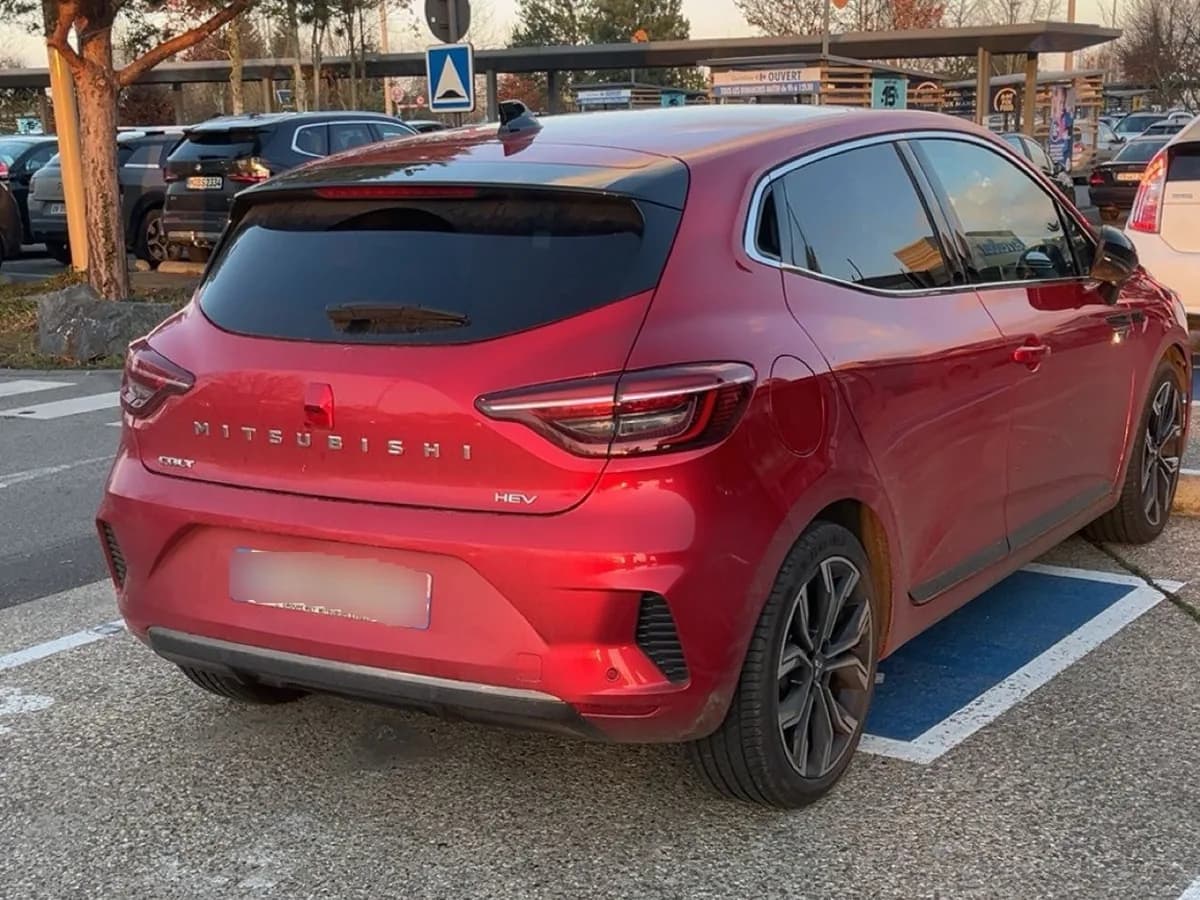
Colt
Cordia
Debonair
Delica
Delica-mini
Destinator
Diamante
Dignity
Dion
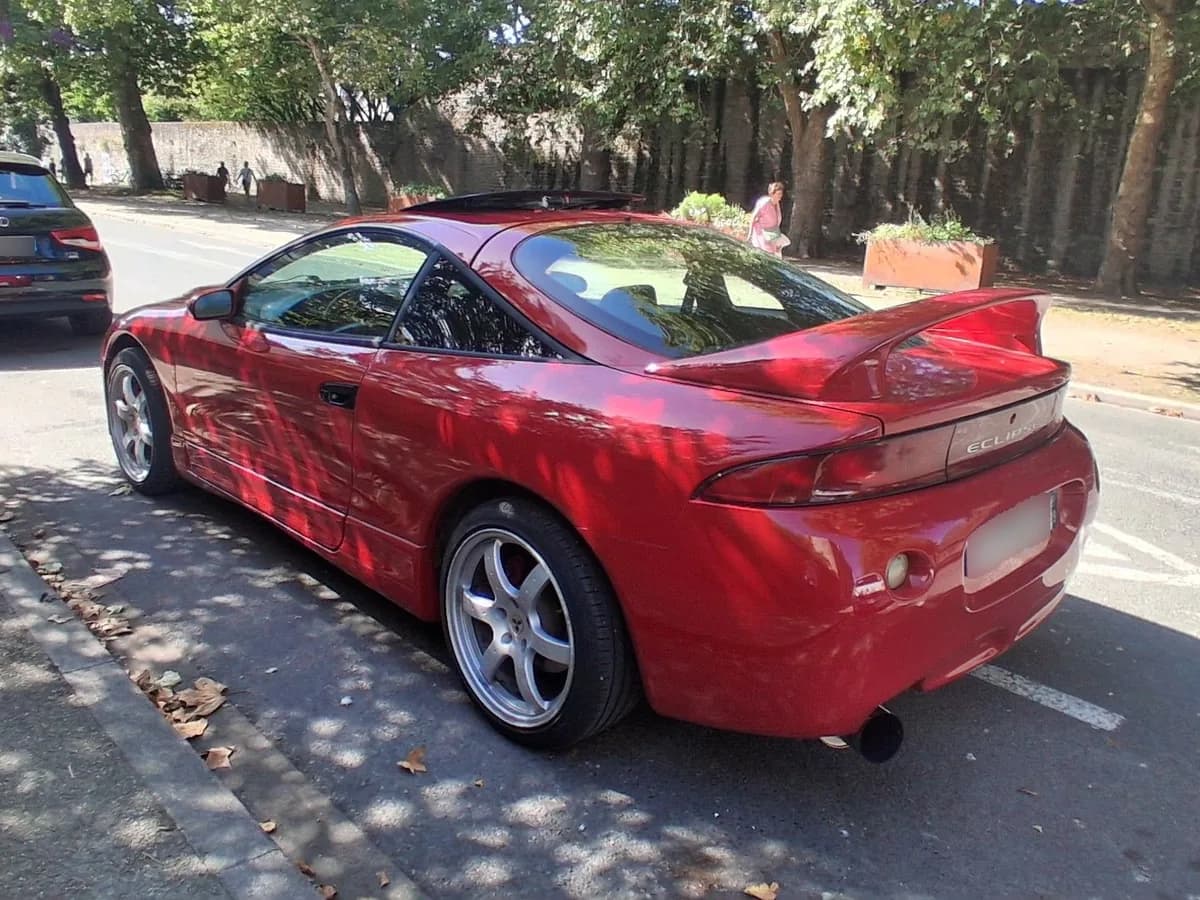
Eclipse

Eclipse Cross
eK
Emeraude
Endeavor
Eterna
Expo
Express
Forte
Freeca
FTO
Fuso Aero
Fuso Canter
Fuso Canter Van
Fuso Fighter
Fuso Rosa
Fuso Super Great
Galant
Galant Fortis
Grandis
Grunder

GTO
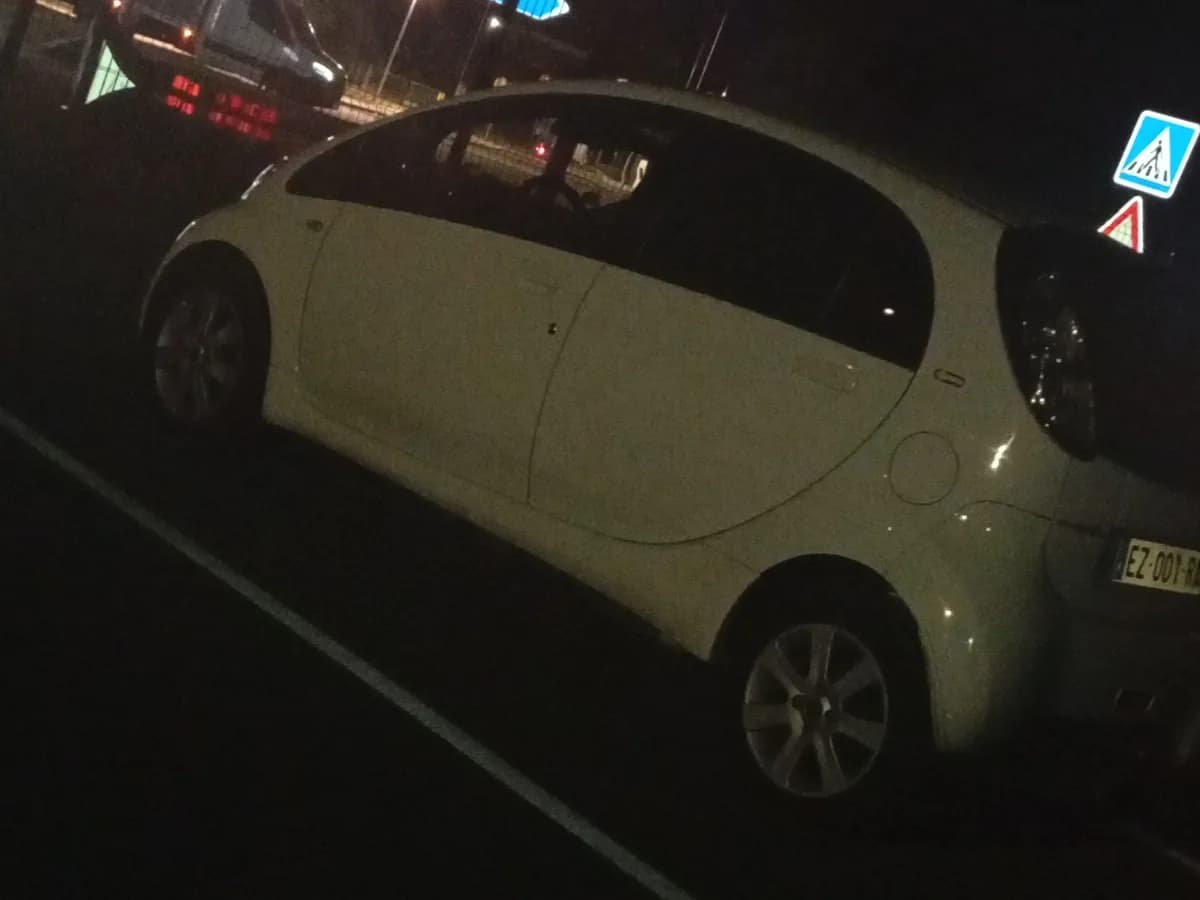
i
Jolie
Kuda
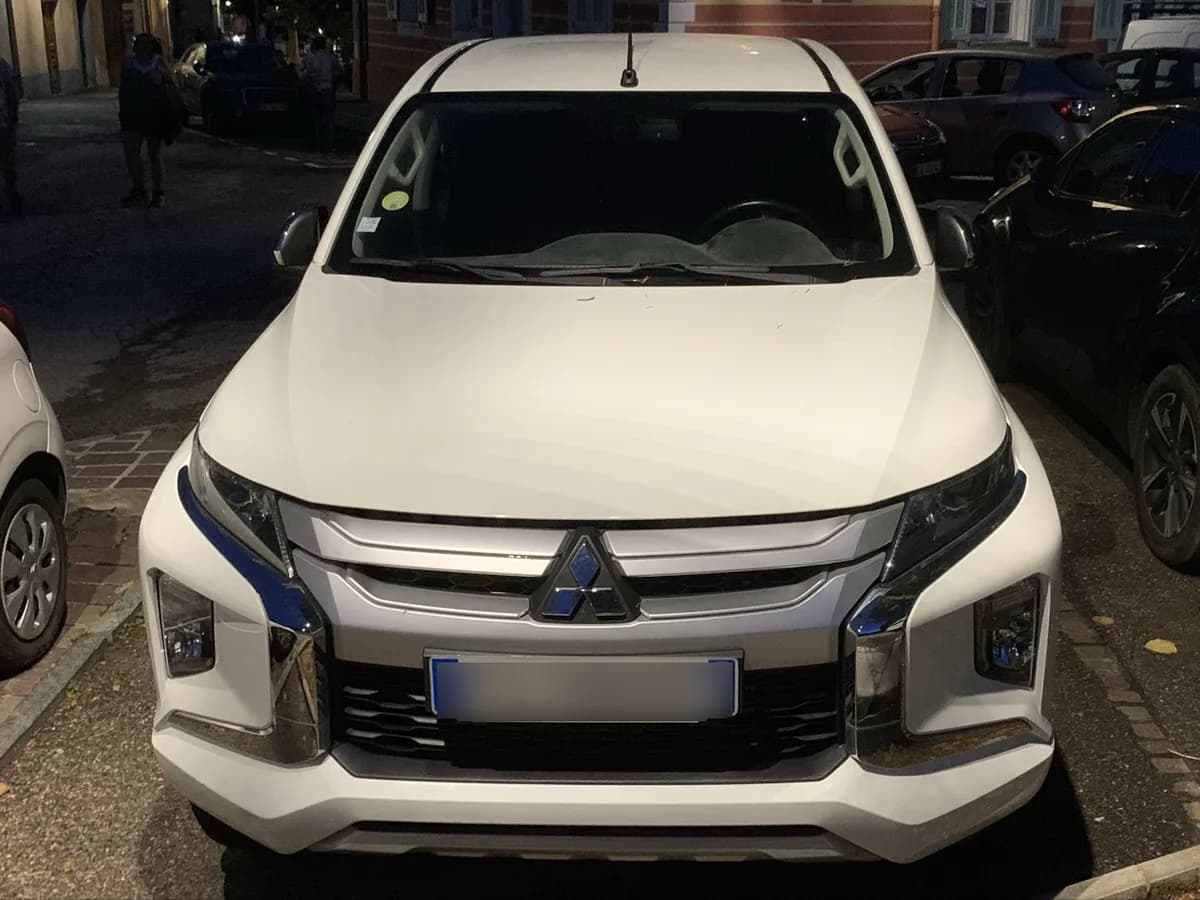
L200
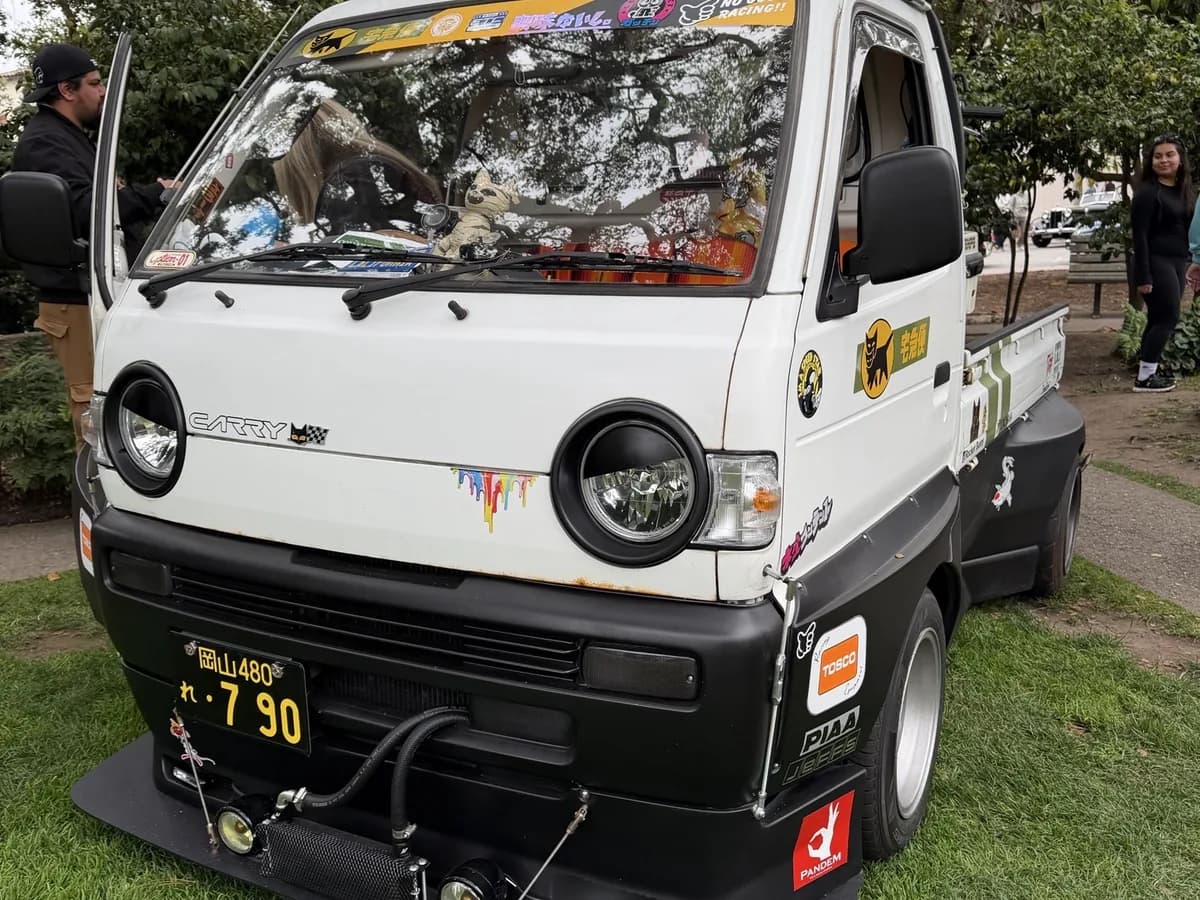
L300
L400

Lancer

Lancer Evolution
Legnum
Libero
Magna
Maven
Mighty Max
Minica
Minicab
Mirage
Mirage Dingo
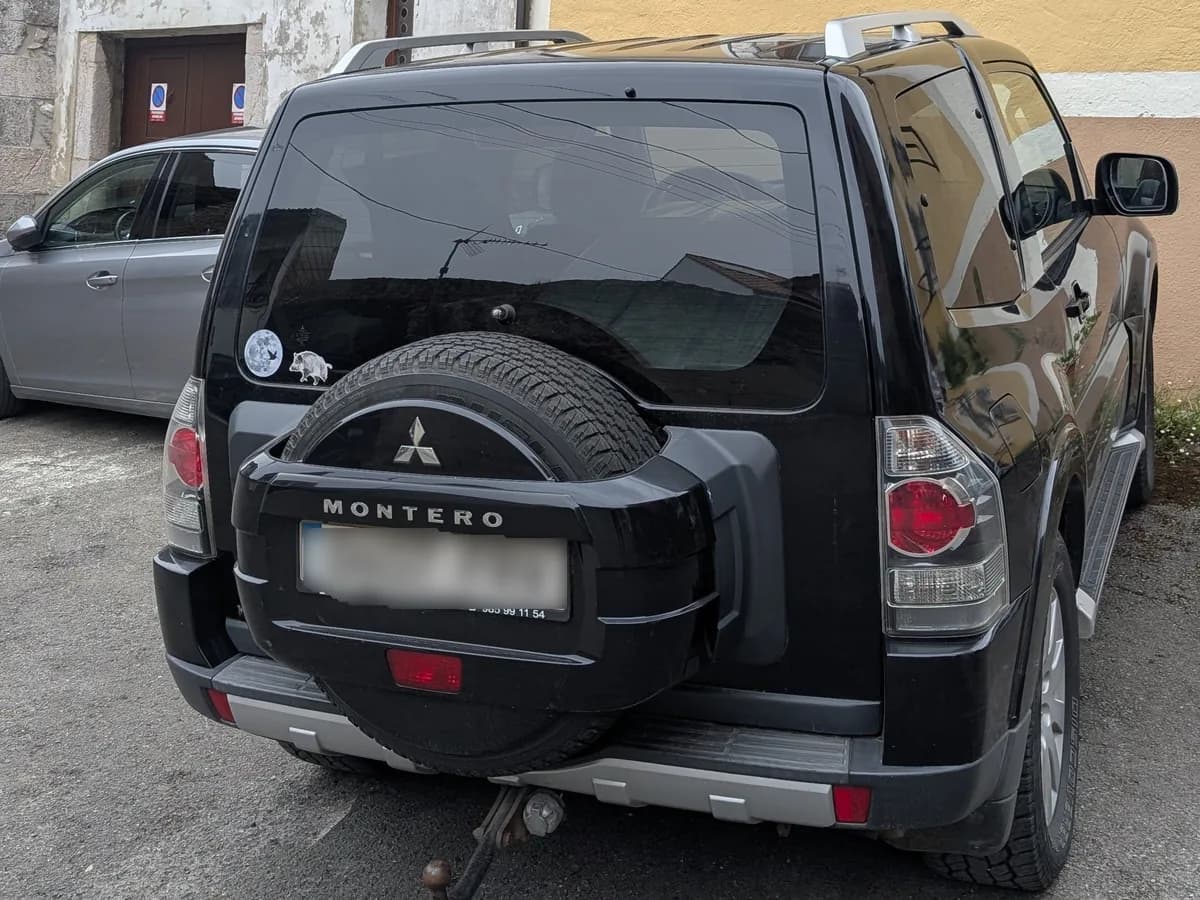
Montero
Montero iO
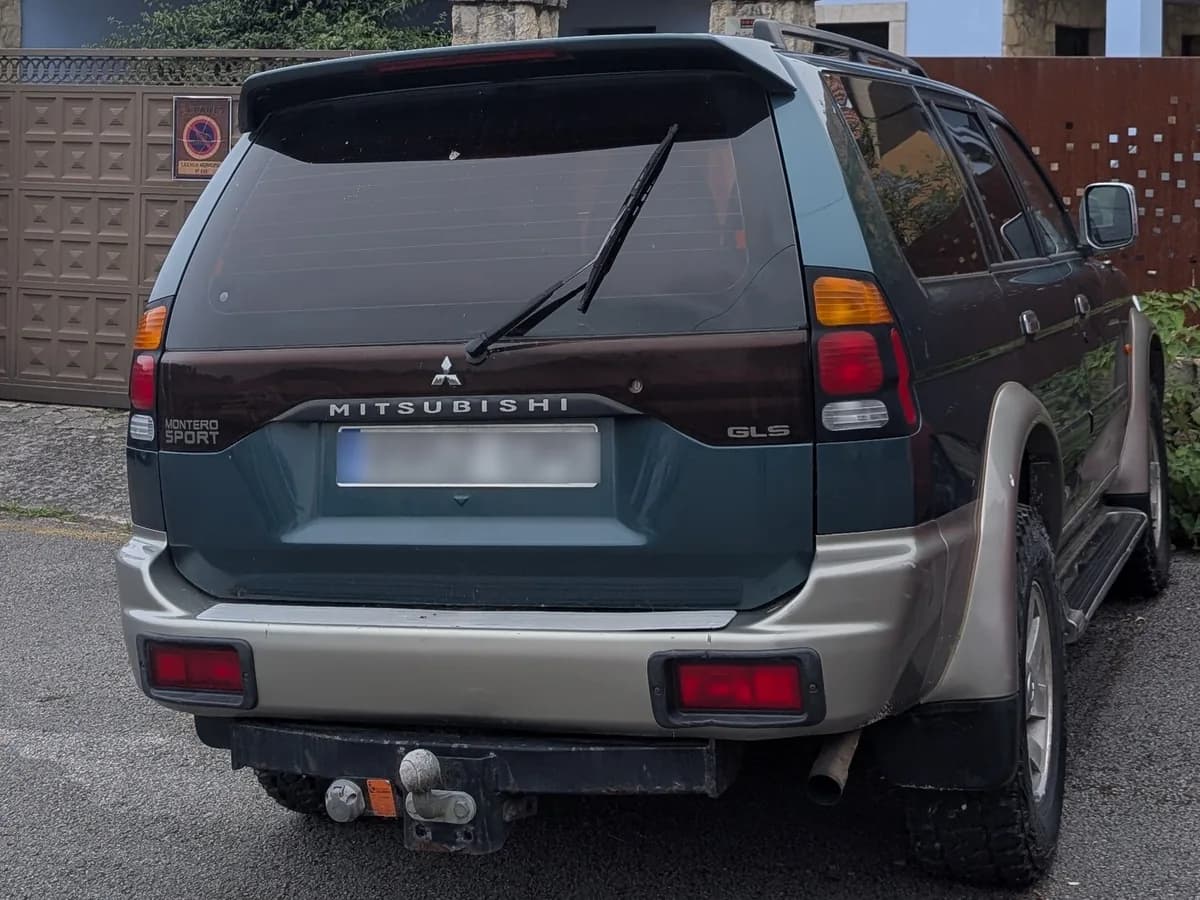
Montero Sport
Nativa
Nimbus
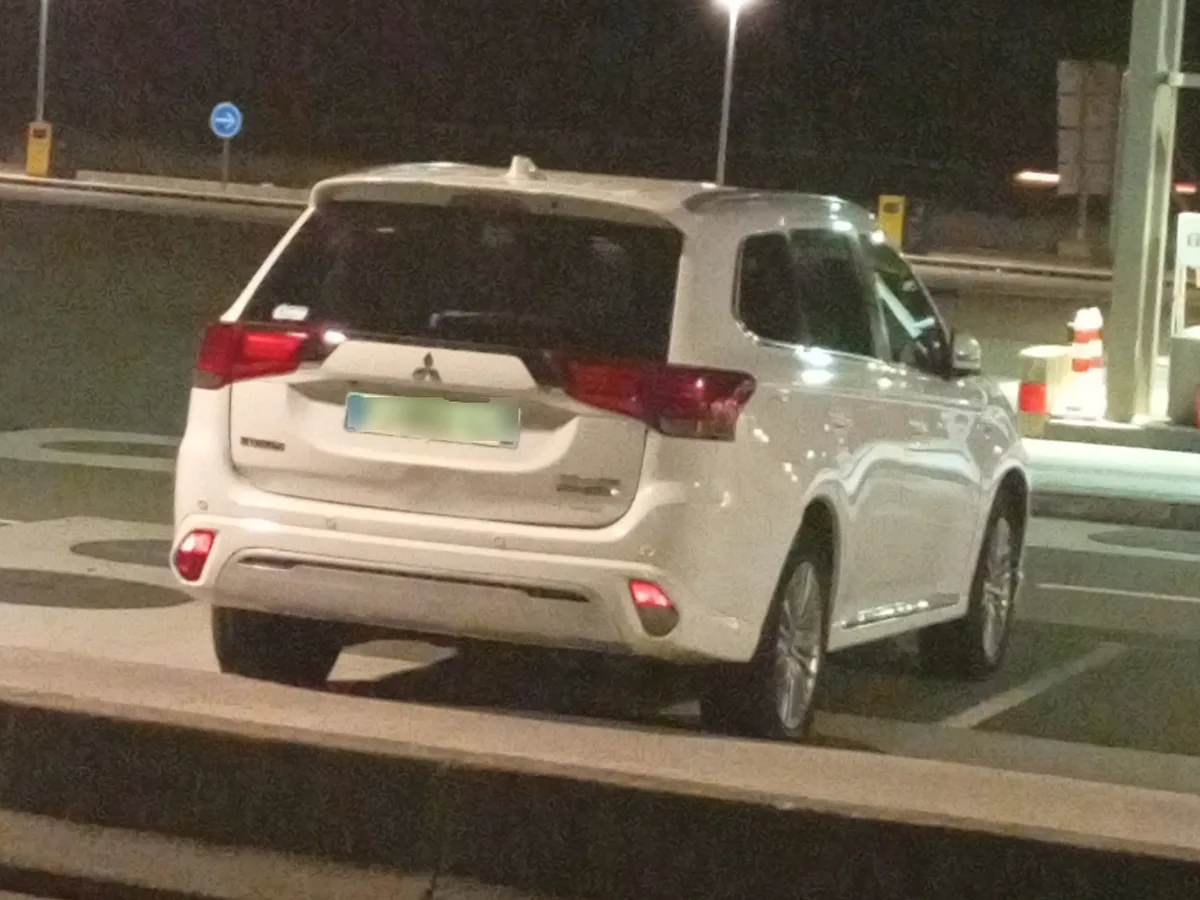
Outlander
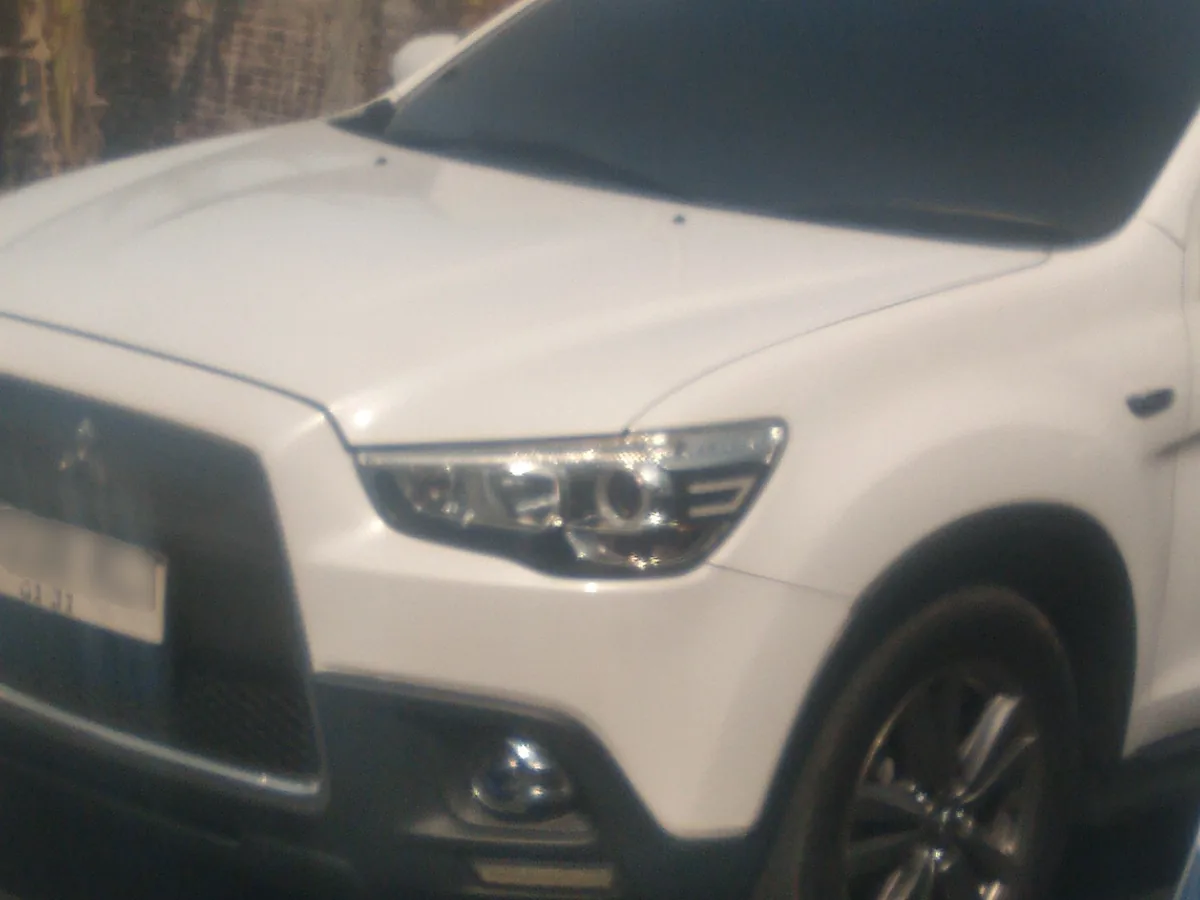
Outlander Sport
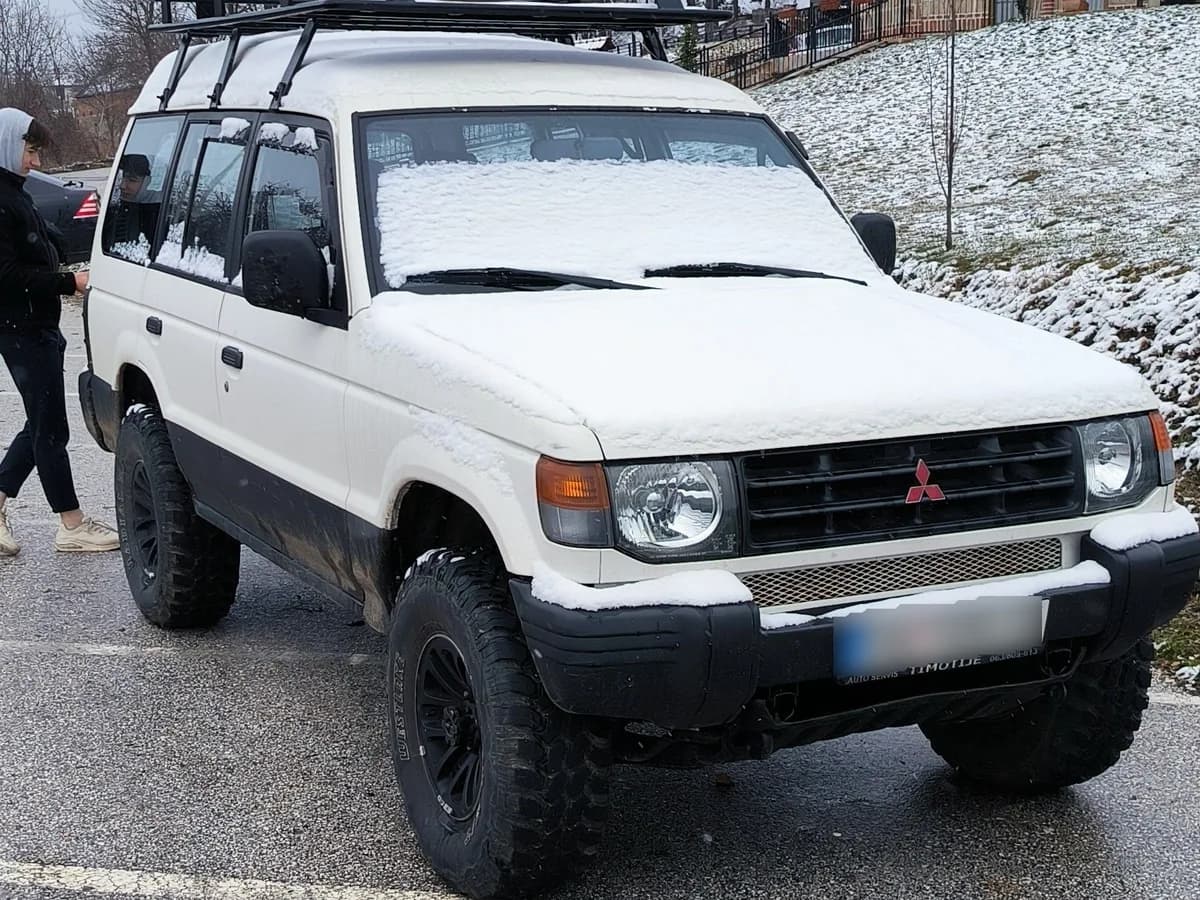
Pajero
Pajero Dakar
Pajero Evolution
Pajero iO
Pajero Junior
Pajero Junior Flying Pug
Pajero Mini
Pajero Pinin

Pajero Sport
Pajero TR4
Precis
Proudia
PX33
Raider
RVR
Sapporo
Savrin
Shogun
Shogun Pinin
Shogun Sport
Sigma
Space Gear
Space Runner
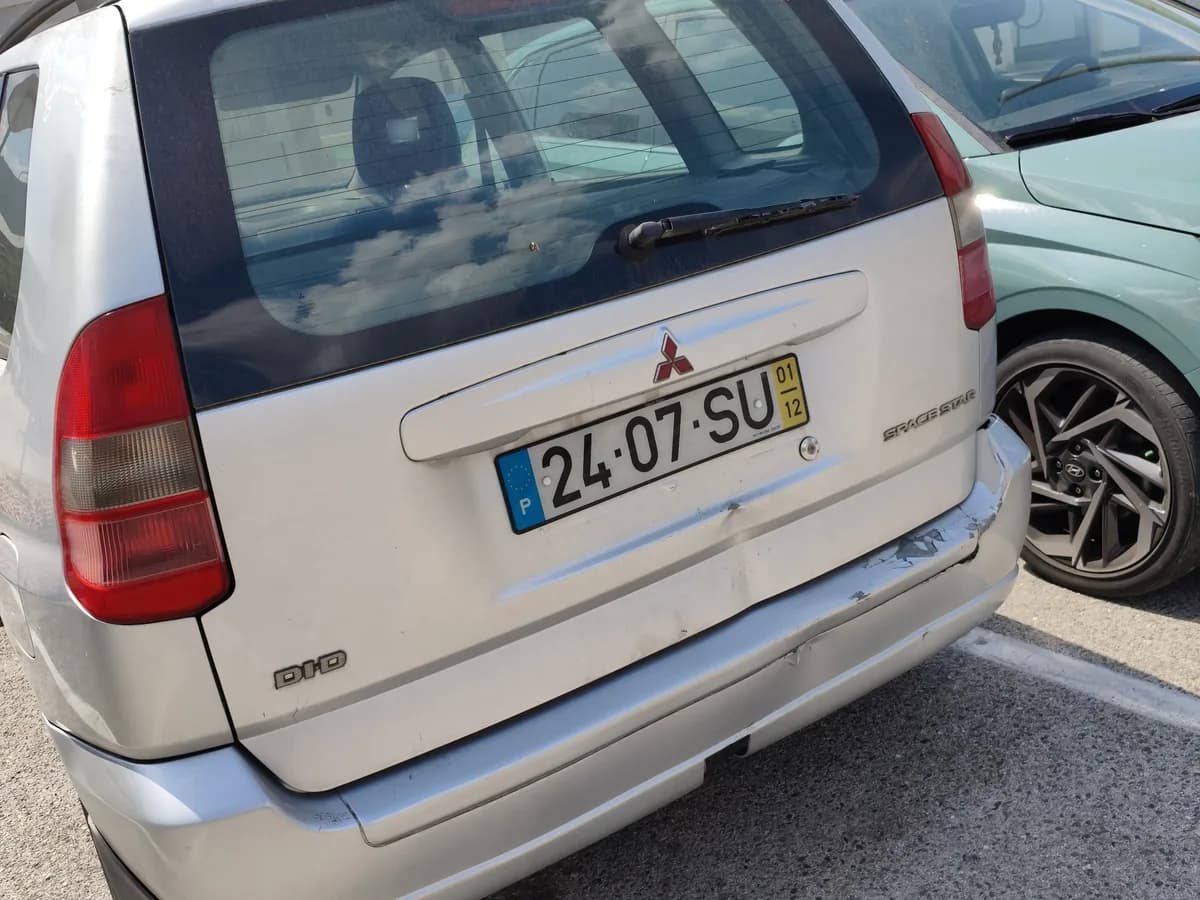
Space Star
Space Wagon
Starion
Strada
Toppo
Town Box
Tredia
Triton
Verada
Virage
Xforce

Xpander
Zinger
Mitsubishi overview
Mitsubishi history
Mitsubishi was producing automobiles before Mitsubishi Motors was formed as a separate company. The Model A, developed by Mitsubishi Shipbuilding, appeared in 1917 as a seven-seat sedan built in limited numbers. In 1934, Mitsubishi Shipbuilding and Mitsubishi Aircraft merged into Mitsubishi Heavy Industries, which continued a wide range of industrial activities that included automotive production. (mitsubishi-motors.com) The decisive corporate milestone came in 1970, with the creation of Mitsubishi Motors Corporation. The new company expanded overseas quickly through an agreement with Chrysler; the Colt Galant was sold in North America as the Dodge Colt. (mitsubishi-motors.com) During the 1970s, the Lancer established Mitsubishi’s sporting reputation by winning the Safari Rally in 1974 and 1976. The Galant VR-4 later delivered a World Rally Championship victory in 1989. (mitsubishi-motors.com) The Pajero, introduced in 1982, carried that competition-bred image into the four-wheel-drive market and eventually secured twelve Dakar victories. Later, the i-MiEV, launched in 2009, and the Outlander PHEV, introduced from 2013, demonstrated Mitsubishi’s shift toward electric and plug-in hybrid propulsion. (mitsubishi-motors.com)
Mitsubishi positioning
Mitsubishi has occupied several automotive categories rather than concentrating on one vehicle type. Small cars such as the Colt, Mirage, Minica and eK served urban mobility, while the Galant and Lancer covered compact and family-sedan roles. The Delica added a commercial and family-oriented dimension, gradually becoming associated with leisure travel and difficult road conditions. (mitsubishi-motors.com) The brand is nevertheless most strongly linked with four-wheel-drive vehicles and rallying. Pajero helped popularize recreational four-wheel-drive vehicles in Japan, while the Lancer Evolution brought competition-derived technology to a high-performance sedan. (mitsubishi-motors.com) From the late 2000s onward, Mitsubishi also developed an electrification profile through the i-MiEV and Outlander PHEV. A cautious description of the brand is therefore a technically focused generalist manufacturer whose best-known themes are durability, traction and multi-purpose use.
Recognizing a Mitsubishi in a photo
When identifying an older Mitsubishi, begin with the vehicle’s proportions and body style. Colt and Mirage models are generally compact hatchbacks or small sedans, while the Galant has a longer, more formal profile. The Lancer often has compact dimensions and a relatively low roofline; sport versions add more obvious aerodynamic parts and distinctive wheels. (mitsubishi-motors.com) Mitsubishi’s utility and off-road models offer clearer visual clues. Pajero has a tall body, substantial ground clearance and an all-wheel-drive layout, while Delica combines minivan or van proportions with, on some generations, raised ride height and four-wheel drive. (mitsubishi-motors.com) For performance variants, look for VR-4 or Evolution badging, bonnet vents, a rear wing and model-specific wheels. Appearance can change considerably between generations, markets and trim levels, so visual recognition should be checked against the production year, chassis code and engine. Badges alone are not always conclusive.
Important Mitsubishi models
Colt is one of Mitsubishi’s longest-running names, used from the 1960s for a succession of small cars and compact models depending on the market. The Galant, introduced in 1969, served as Mitsubishi’s family sedan, with its sixth generation particularly notable for advanced four-wheel-drive technology and the VR-4 performance variant. (mitsubishi-motors.com) Introduced in 1973, the Lancer is one of the central nameplates in Mitsubishi history. Its rally success created the foundation for the Lancer Evolution, which became a benchmark for turbocharged, all-wheel-drive performance cars. The Pajero, launched in 1982, defined Mitsubishi’s off-road identity through a combination of everyday usability and competition success. (mitsubishi-motors.com) Delica is distinctive for blending commercial practicality, family space and rough-road capability. Mirage, eK and Minica represent Mitsubishi’s long-standing Japanese compact-car tradition, while Eclipse reflects the brand’s late-twentieth-century sports-coupe period. The Outlander PHEV adds a more recent milestone as an early plug-in hybrid SUV.
References
- History of Mitsubishi MotorsMitsubishi Motors
- Company HistoryMitsubishi Motors
- Car HistoryMitsubishi Motors
- The Story of Next-Generation Electric Vehicle DevelopmentMitsubishi Motors
- The Origin and Essence of DelicaMitsubishi Motors
- Durability and ReliabilityMitsubishi Motors
- https://www.mitsubishi-motors.com/en/newsroom/newsrelease/2026/20260529_2.htmlmitsubishi-motors.com