Drivetrain
propulsion
The 2020 McLaren 765LT Base is the coupé interpretation of the brand’s modern “Longtail” philosophy within the Super Series family. Derived from the 720S, it takes a more radical approach than the standard car, with more aerodynamic downforce, reduced mass, and a setup aimed more firmly at track use. Its exterior treatment is visibly more aggressive, with reshaped bodywork, a larger diffuser, and an active rear wing. At the rear, a quad-tip titanium exhaust further underlines its character. The result is a more focused and demanding supercar, still anchored by the 4.0-litre twin-turbo V8 that defines the line.
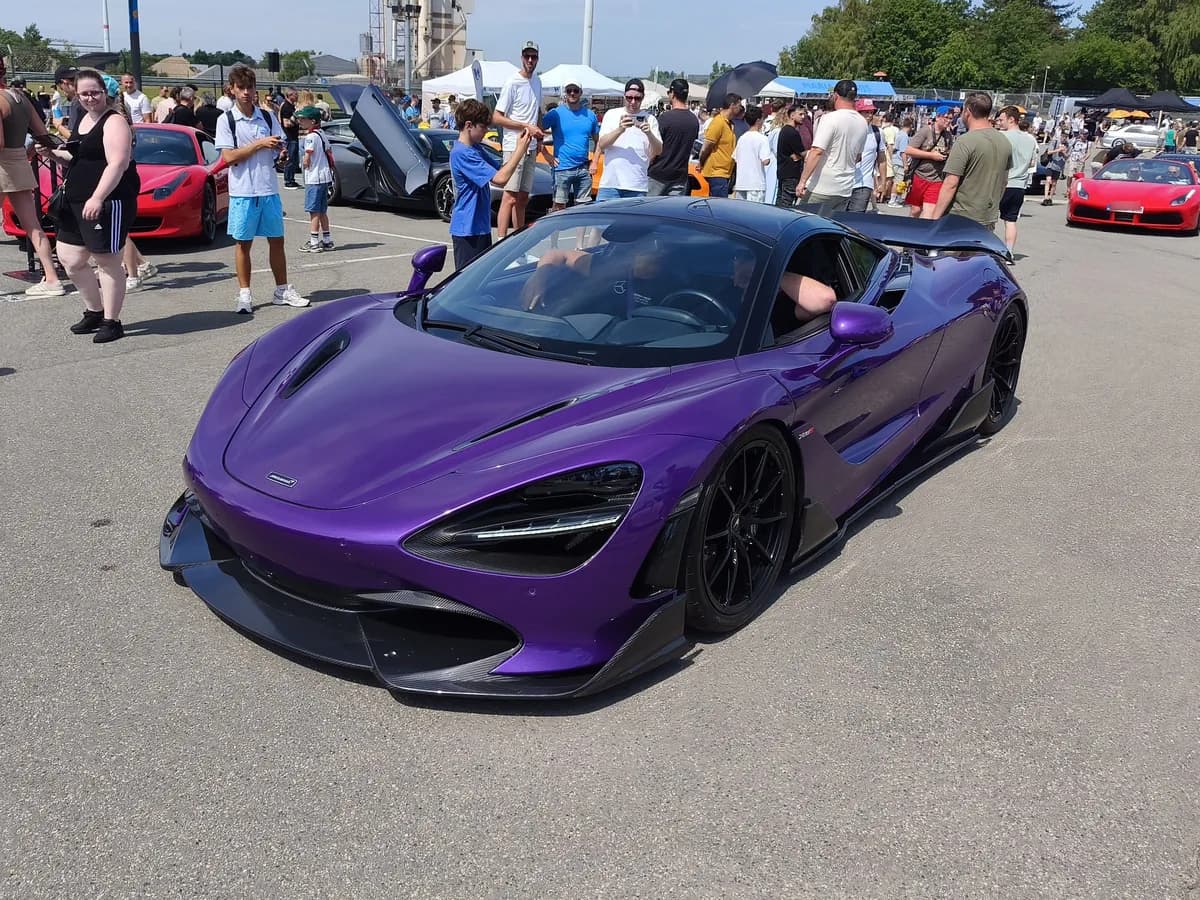
The 765LT name continues McLaren’s modern “Longtail” lineage, which began after the 675LT and then the 600LT. In 2020, McLaren applied that formula to the 720S and turned it into a more extreme version designed to push beyond the standard car’s compromise in favor of dynamic efficiency. The Base coupé is the first expression of this interpretation. McLaren paired it with changes that go far beyond a simple power increase: the bodywork is lengthened and reworked, the aerodynamics are more aggressive, several components are lightened, and the exhaust uses a titanium construction. The cabin and chassis also receive parts intended to cut weight and reinforce the car’s sporting focus. This approach places the 765LT among the most track-oriented McLarens.
The car belongs to the Super Series family and is not a separate generation in the traditional sense. It is best understood as a single evolution of the 720S, later offered in coupé and Spider forms. For the 2020 model year, the Base version corresponds to the coupé, meaning it is the original body style for the 765LT. Its rarity is reinforced by McLaren’s announced production run of 765 coupés, which strengthens its position as an exclusive model within the McLaren range.
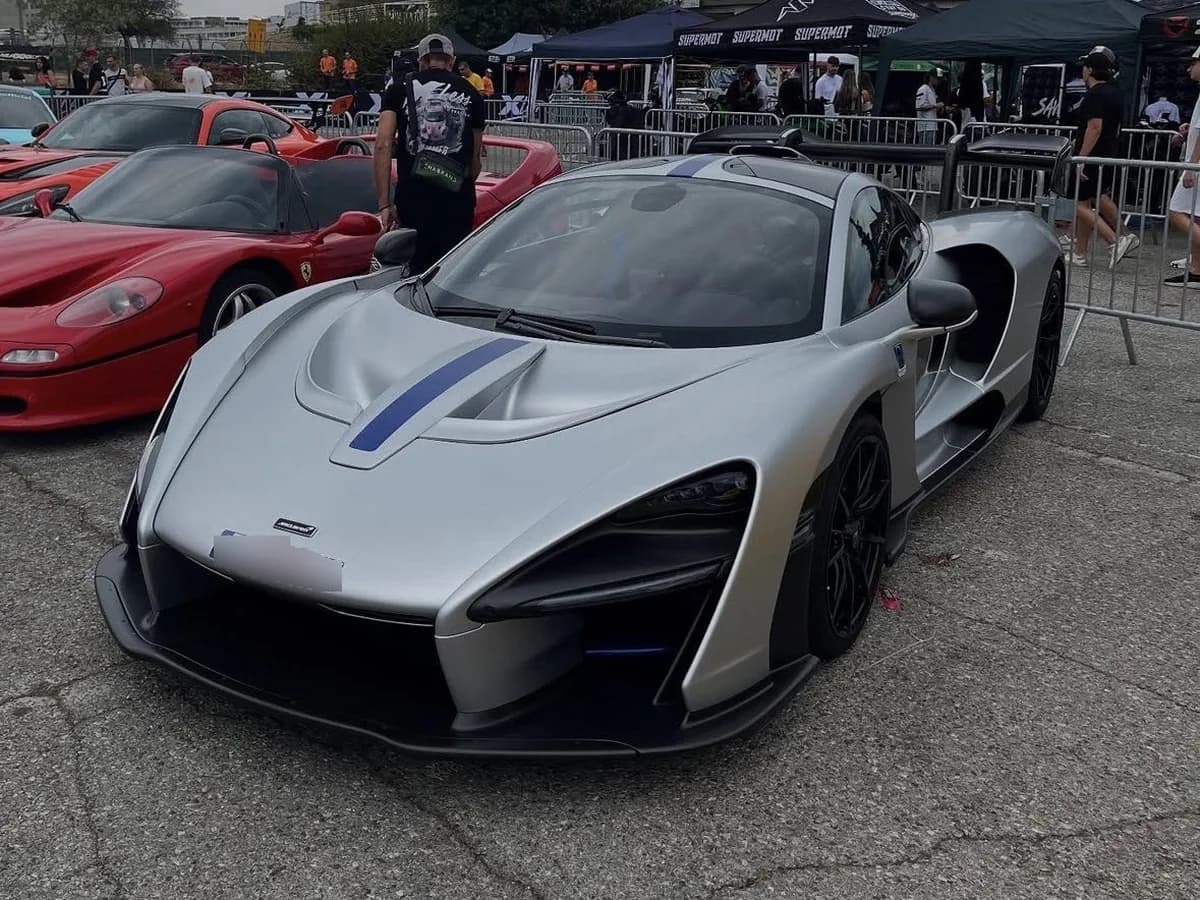
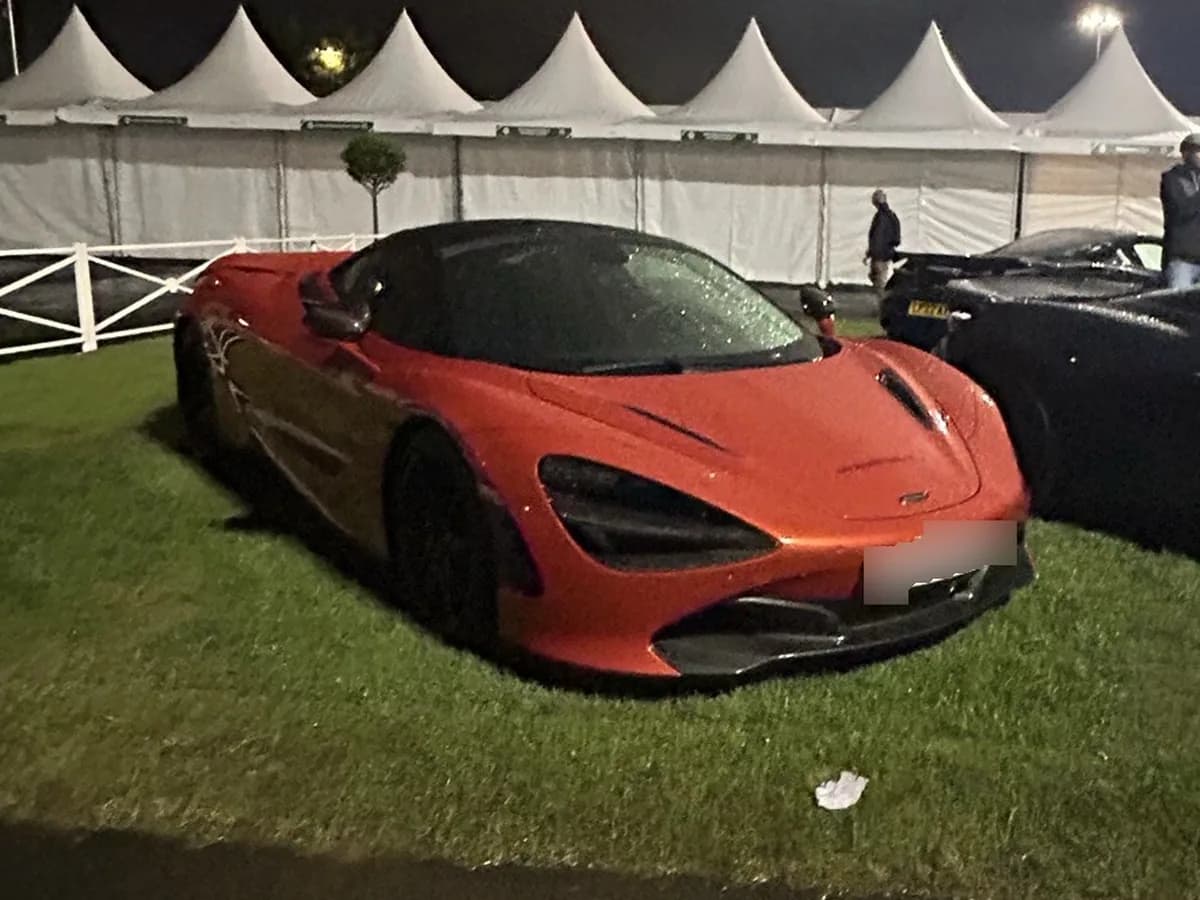
Photos added by the community for this page.
Source: McLaren Automotive
McLaren announced a limited run of 765 examples for the 765LT coupé. That limitation reinforces its status as a rare model within the Super Series family. The 2020 Base corresponds to this initial closed series, before the Spider arrived in 2021. Differences from one car to another can then depend on market, selected equipment, and McLaren Special Operations personalization.
Supports the Spider’s 4.0-liter V8, power and torque figures, 0–100 km/h time, top speed, retractable roof operation, four-outlet titanium exhaust, carbon-fiber structure, and weight comparison with the 720S Spider.
Supports the July 2021 Spider reveal, 765-unit production figure, 11-second roof operation, powered rear window, and limited-volume positioning.
Supports the 720S relationship, rear-wheel-drive seven-speed transmission, 755-hp description, track-focused character, and 2021 market positioning.
Supports the 720S-derived model description, limited 765-unit production, weight reduction, revised suspension, and increased aerodynamic downforce.
Source found by OpenAI web search for this model page.
Source found by OpenAI web search for this model page.
Source found by OpenAI web search for this model page.