Power
800 PS (789 hp)
The McLaren Senna is a road-legal hypercar engineered to deliver exceptional track performance while being street-legal. Named in honor of the legendary Formula 1 driver Ayrton Senna, this car embodies McLaren's commitment to pushing the boundaries of automotive engineering. Unveiled in 2018, the Senna features an advanced aerodynamic design, a Monocage III carbon fiber chassis, and a 4.0-liter twin-turbo V8 engine producing 800 PS (789 hp) and 800 Nm of torque. With a dry weight of 1,198 kg, it boasts an impressive power-to-weight ratio of 668 PS per tonne. Production was limited to 500 units, all hand-assembled at the McLaren Production Centre in Woking, England. (senna.com)
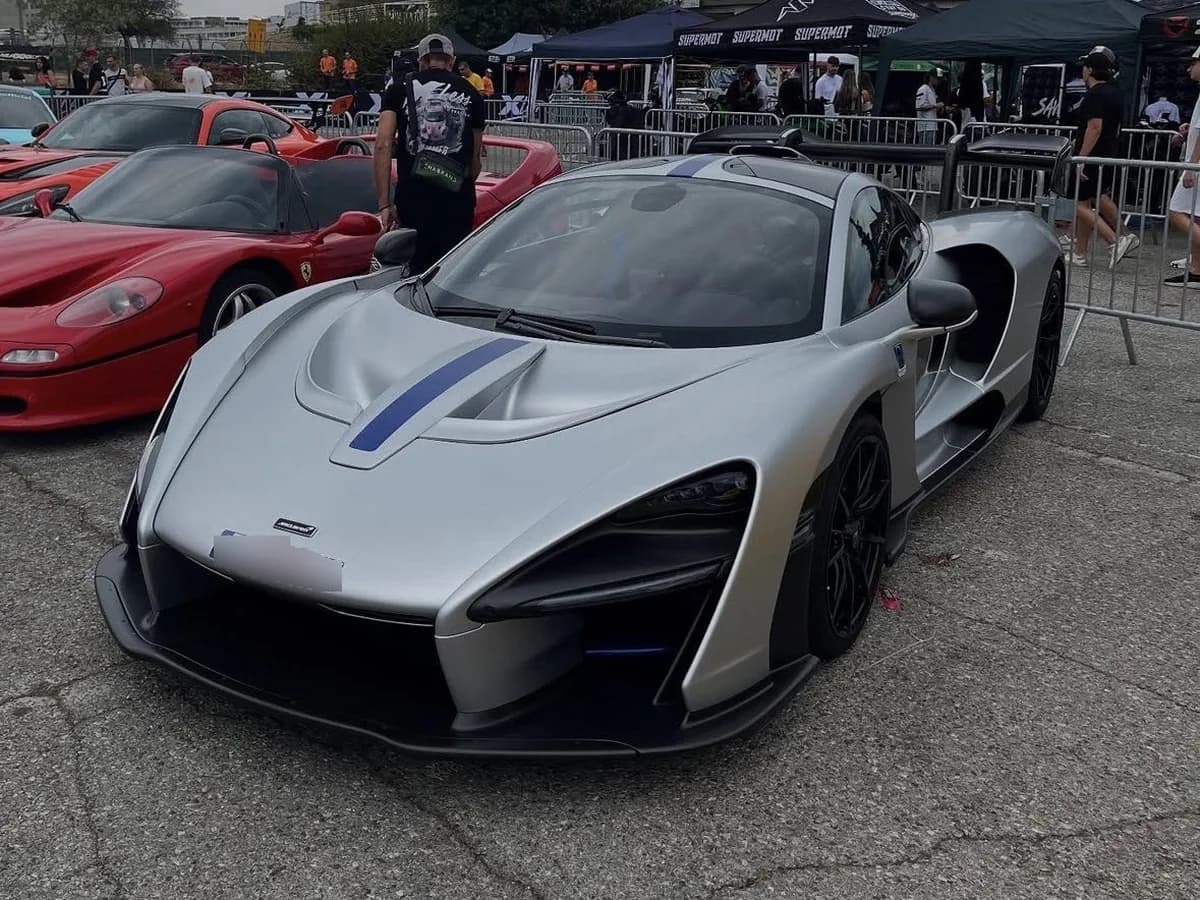
The McLaren Senna was unveiled in December 2017, marking the third model in McLaren's Ultimate Series, alongside the F1 and P1 models. Its name honors Ayrton Senna, a three-time Formula 1 World Champion, underscoring McLaren's goal to create the ultimate road car focused on track performance. The Senna was publicly revealed at the Geneva International Motor Show in March 2018. Production was limited to 500 units, all sold before production even began. Each unit was hand-assembled at the McLaren Production Centre in Woking, England, in a 300-hour process. (senna.com)
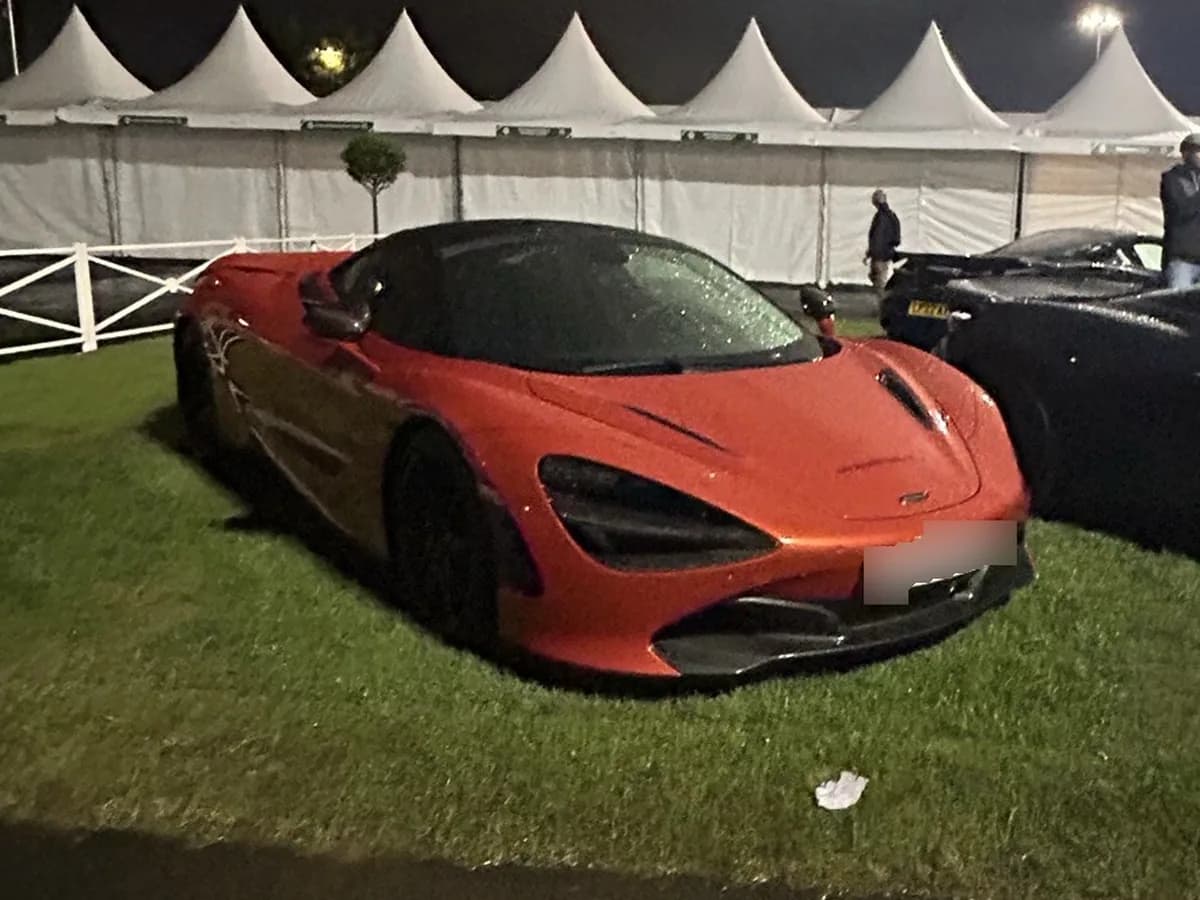
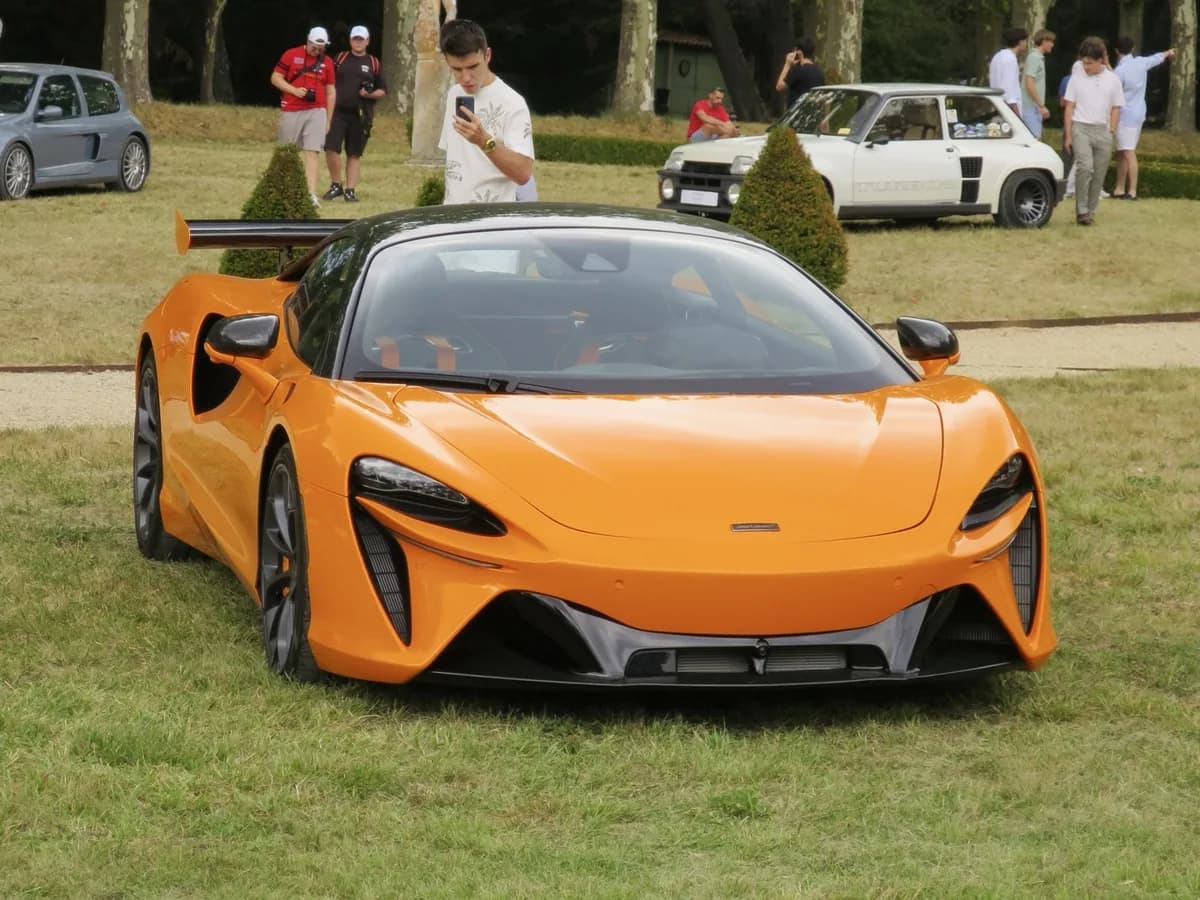
Photos added by the community for this page.
Source: McLaren
The McLaren Senna was designed to provide a pure and engaging driving experience, with a driver-focused cockpit and ultra-lightweight carbon fiber racing seats. The dihedral doors, with transparent panels, offer exceptional visibility, allowing the driver to navigate the track with precision. (website-staging.mclaren.com)
Production of the McLaren Senna was limited to 500 units, all sold before production even began. Each unit was hand-assembled at the McLaren Production Centre in Woking, England, in a 300-hour process. Deliveries began in the third quarter of 2018. (en.wikipedia.org)
The McLaren Senna was widely praised for its exceptional performance and performance-focused design. Critics highlighted its impressive power-to-weight ratio and its commitment to Ayrton Senna's legacy. (motor1.com)
Détails techniques et performances de la McLaren Senna.
Présentation officielle de la McLaren Senna.
Article détaillé sur la McLaren Senna.
Communiqué de presse sur la McLaren Senna.
Spécifications et performances de la McLaren Senna.
Source found by OpenAI web search for this vehicle page.
Source found by OpenAI web search for this vehicle page.
Source found by OpenAI web search for this vehicle page.