Power
LC 500 : 471 ch ; LC 500h : 354 ch de puissance totale du système
The 2018 Lexus LC is a four-seat, rear-wheel-drive grand touring coupe offered in LC 500 and LC 500h forms. Lexus positioned it as a flagship coupe, combining a production shape closely related to the 2012 LF-LC concept with the GA-L platform developed for front-engine, rear-wheel-drive models. The LC 500 uses a naturally aspirated 5.0-liter V8 rated at 471 horsepower, while the LC 500h pairs a 3.5-liter V6 with a multistage hybrid system for a quoted total output of 354 horsepower. Its character is broader than outright speed: the LC blends long-distance comfort, meticulous cabin detailing, distinctive styling, and rear-drive handling into a luxury coupe designed for grand touring.
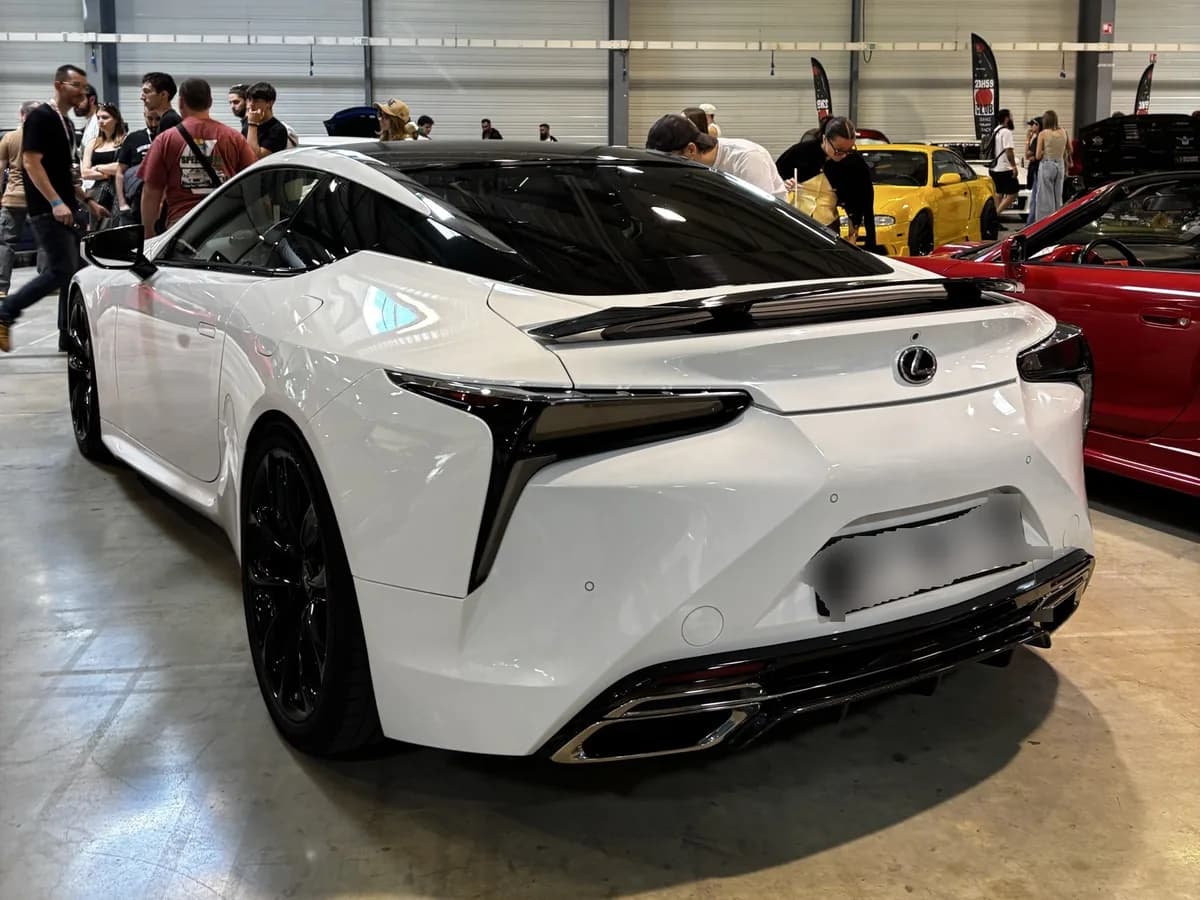
The LC story began with the Lexus LF-LC concept, unveiled at the Detroit auto show in January 2012. The 2+2 study was intended to express a more emotional direction for Lexus design, and its reception was strong enough for the production car to retain much of its visual intent. The road-going coupe appeared in 2016 before reaching several markets as a 2018 model. In Japan, Lexus launched the LC in March 2017, with LC 500 sales scheduled to begin in April. The coupe introduced the GA-L platform to the Lexus range and combined a low center of gravity, a front-midship layout, weight-reduction measures, and a highly rigid body structure. Production at the Motomachi plant used a dedicated assembly line and specialized processes, including aluminum components and carbon-fiber-reinforced materials. The LC therefore represented a major change in Lexus coupe design, while preserving the refinement and long-distance comfort associated with a grand touring flagship.
Photos added by the community for this page.
The production LC remained closely connected to the LF-LC concept shown in 2012. Lexus also transferred some expertise developed during the LFA program to the new coupe. At Motomachi, resin-transfer molding technology was used for selected composite components, while parts of the interior finishing involved manual work. The LC was therefore more than a styling statement: it also served as a showcase for Lexus manufacturing methods, material selection, and craftsmanship at the time.
The LC was built at Toyota’s Motomachi plant in Japan on a dedicated assembly line created for the coupe. Lexus described the facility as different from a conventional production line, with detailed quality checks and a greater role for skilled human workmanship. The body combined several materials, including aluminum and carbon-fiber-reinforced components; the optional composite roof could be produced using resin-transfer molding technology developed from the LFA program. No global production total specific to the 2018 model year is included here because the available sources do not provide a verifiable figure clearly separating LC 500 and LC 500h output.
Automotive reviewers generally praised the LC’s appearance, cabin quality, and balance between comfort and road manners. Car and Driver highlighted its communicative steering, refined ride, and the presence of the V8, while also noting the coupe’s considerable weight and straight-line performance that fell short of some rivals. The same publication found the LC 500h more efficient but less satisfying when driven hard, largely because its transmission response could feel less natural. Edmunds described the LC 500 as a luxury sports coupe that successfully combined comfort and performance. The overall reception was therefore positive, but it centered on the car’s complete grand-touring experience rather than on class-leading acceleration or track performance.
Origine du modèle, concept LF-LC, plateforme GA-L, lancement japonais, usine Motomachi et procédés de fabrication.
Versions LC 500 et LC 500h, puissance, transmissions, propulsion, équipements et ensembles optionnels pour le marché américain.
Présentation des versions, données mécaniques, positionnement et appréciation générale du LC 2018.
Essai du LC 500, résultats mesurés, comportement routier et réserves concernant le poids et les performances.
Évaluation du LC 500, équipements et appréciation du compromis entre confort et performance.
Présentation officielle du concept LF-LC à l’origine du design du coupé de série.
Source found by OpenAI web search for this vehicle page.
Source found by OpenAI web search for this vehicle page.