
Lexus
Lexus was launched by Toyota in 1989 with two sedans, the LS 400 and ES 250, unveiled in Detroit. The brand quickly established a distinct approach to luxury built around quietness, manufacturing quality, and customer service, while targeting established European premium manufacturers. Its range later expanded to include the SC coupes, the GS and IS sport-oriented sedans, and a growing family of SUVs and crossovers. The RX 300, introduced in 1998, played a major role in popularizing the luxury crossover format. Lexus also became an early force in luxury hybrid vehicles with the RX 400h in 2005. Models such as the LC and LFA demonstrate that the company has also pursued grand touring and extreme performance, giving Lexus a broader identity than its original flagship-sedan mission.
Models from A to Z

CT
ES
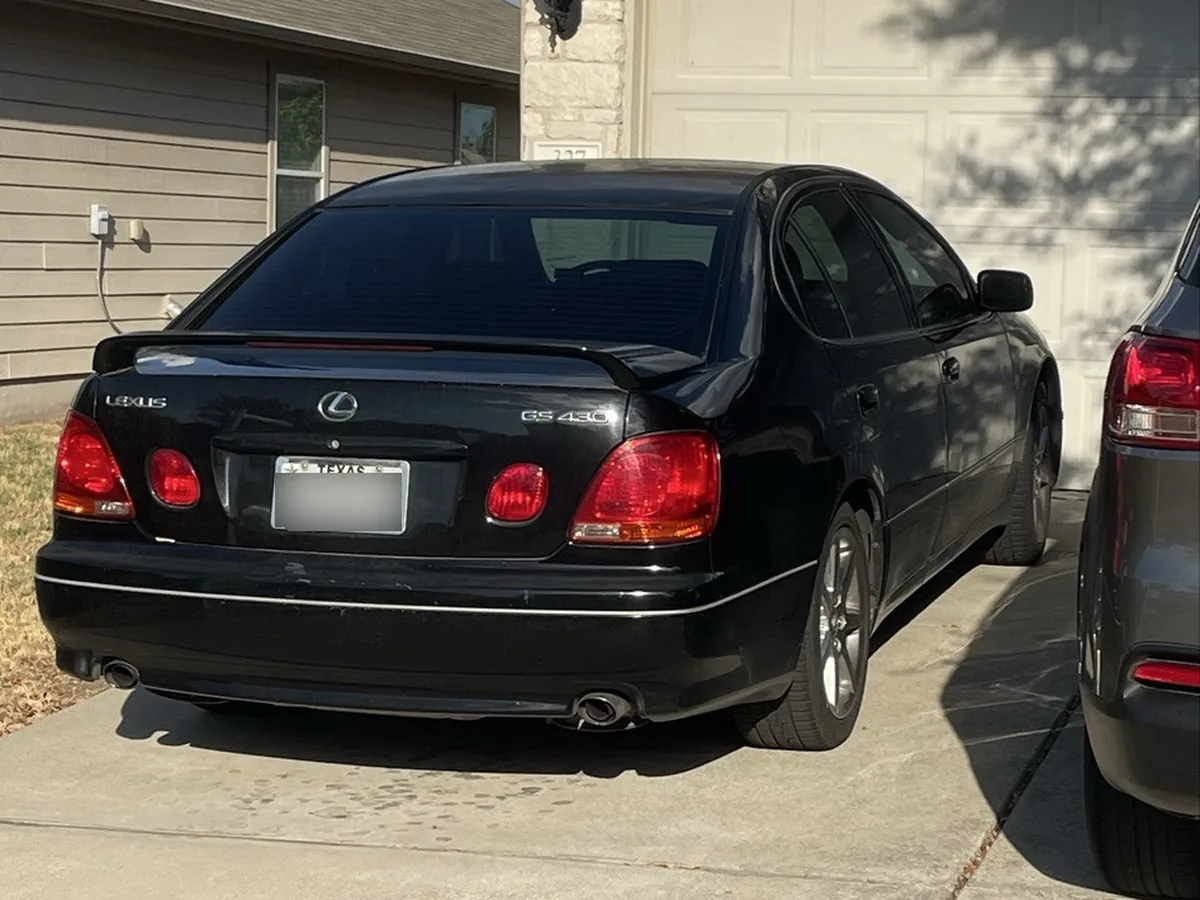
GS
GX
HS

IS

LBX
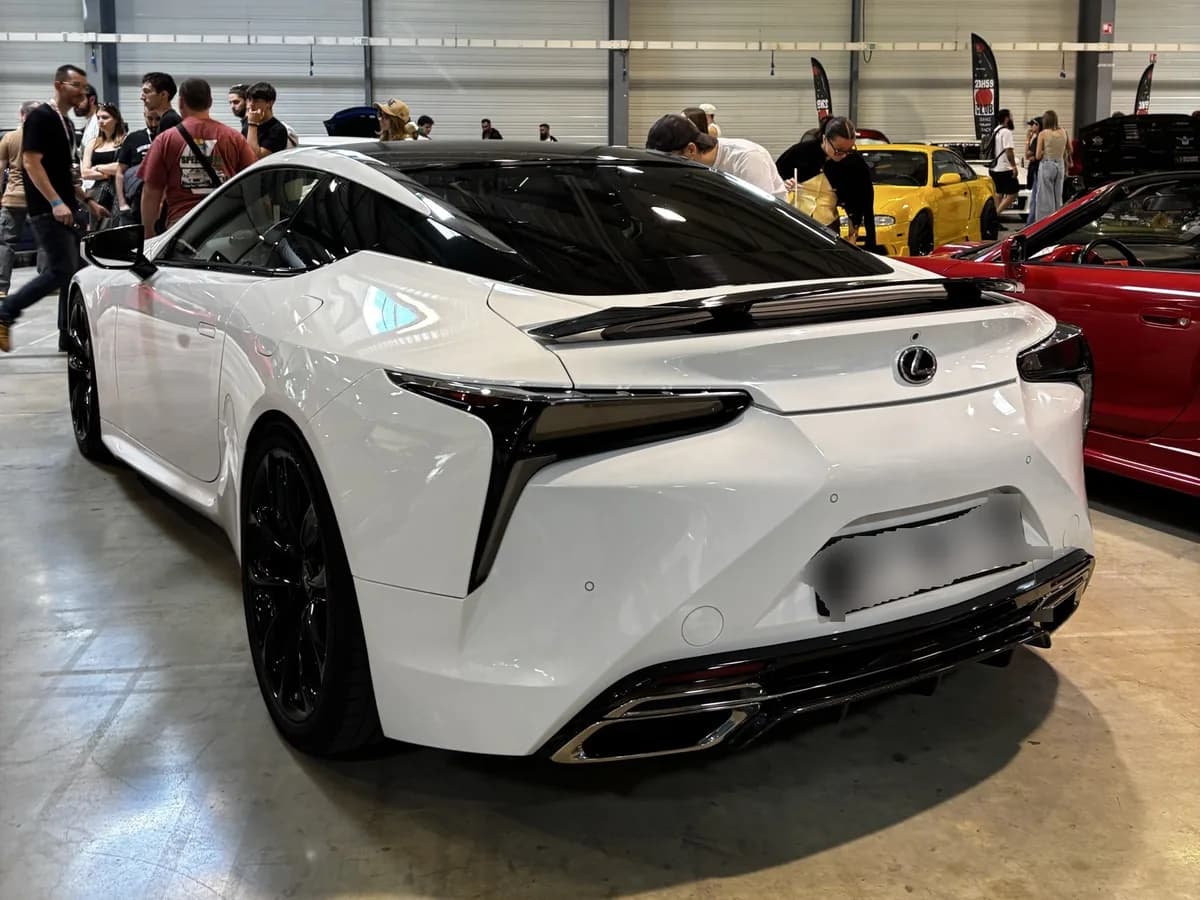
LC

LFA
LM

LS
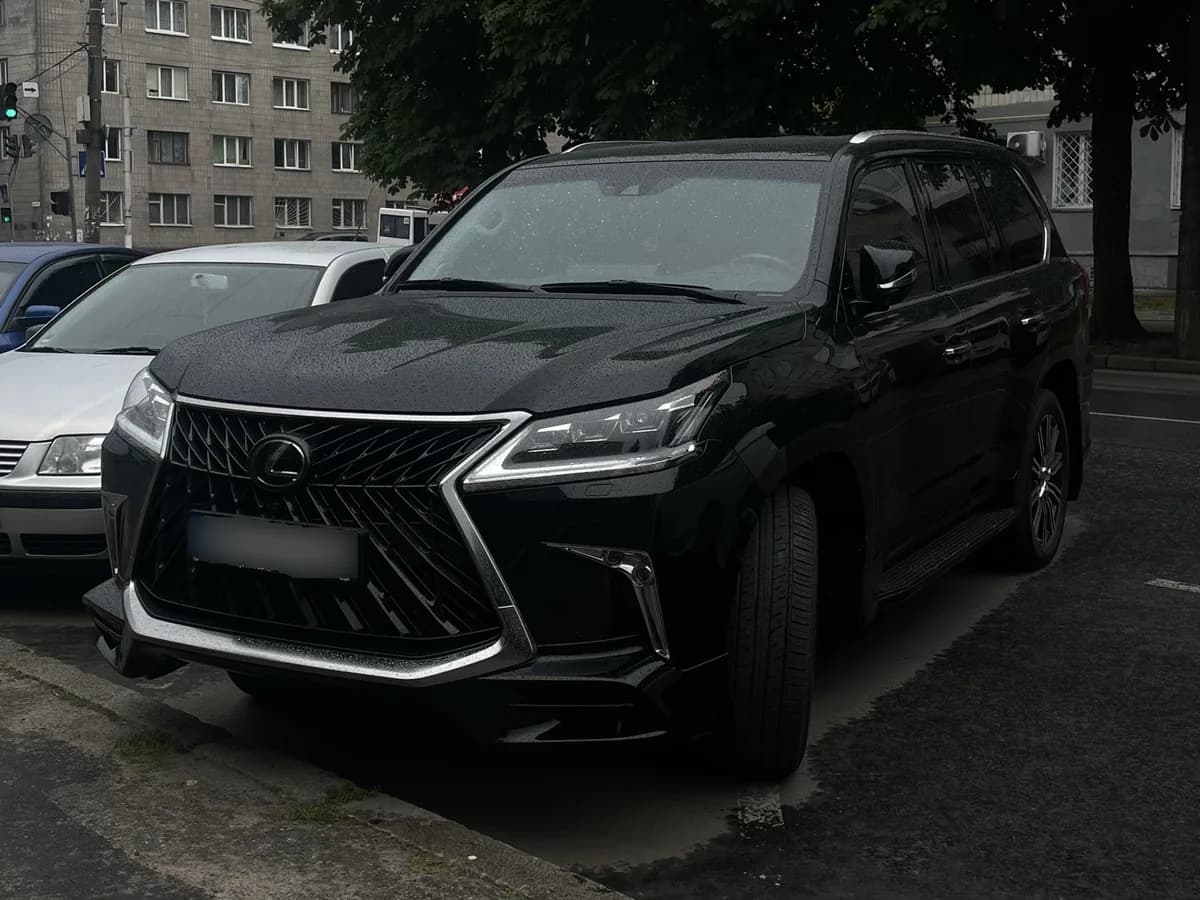
LX

NX
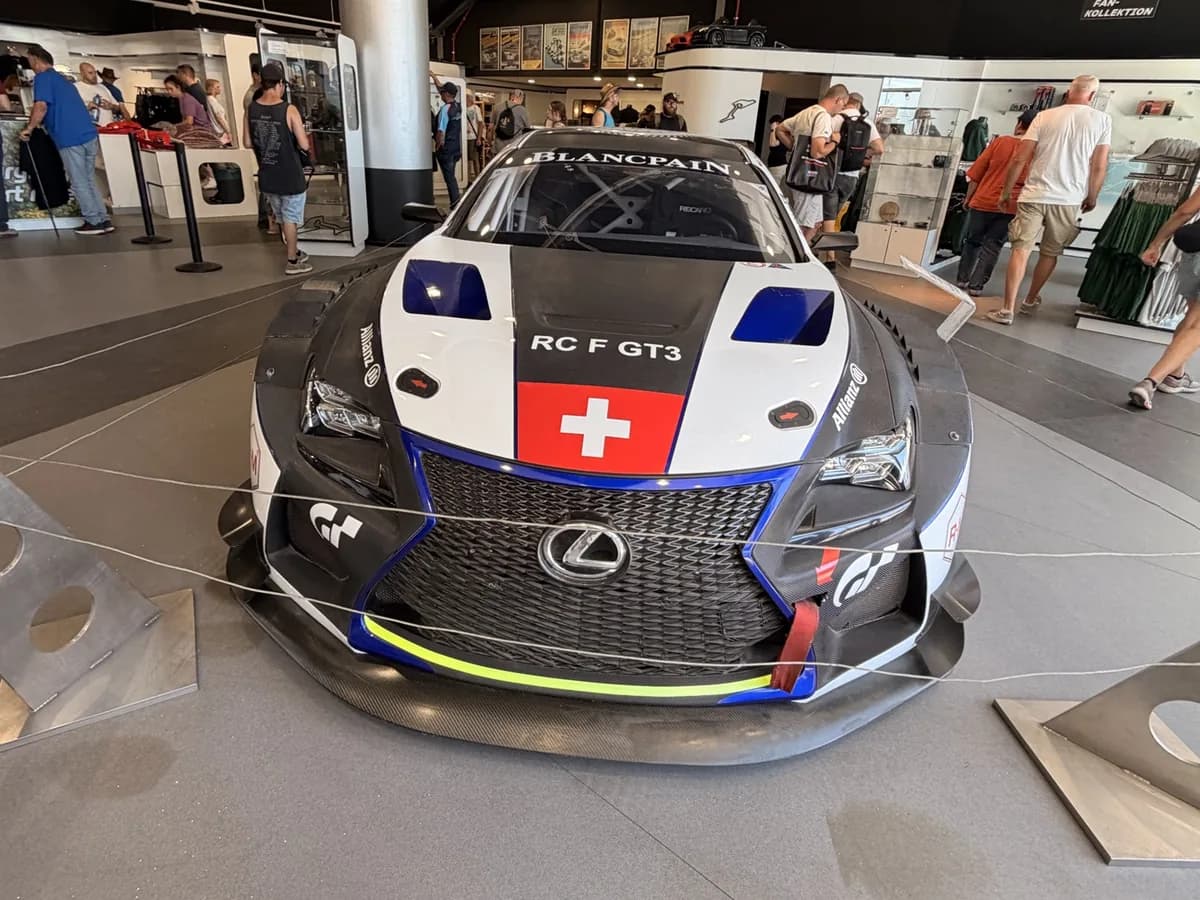
RC
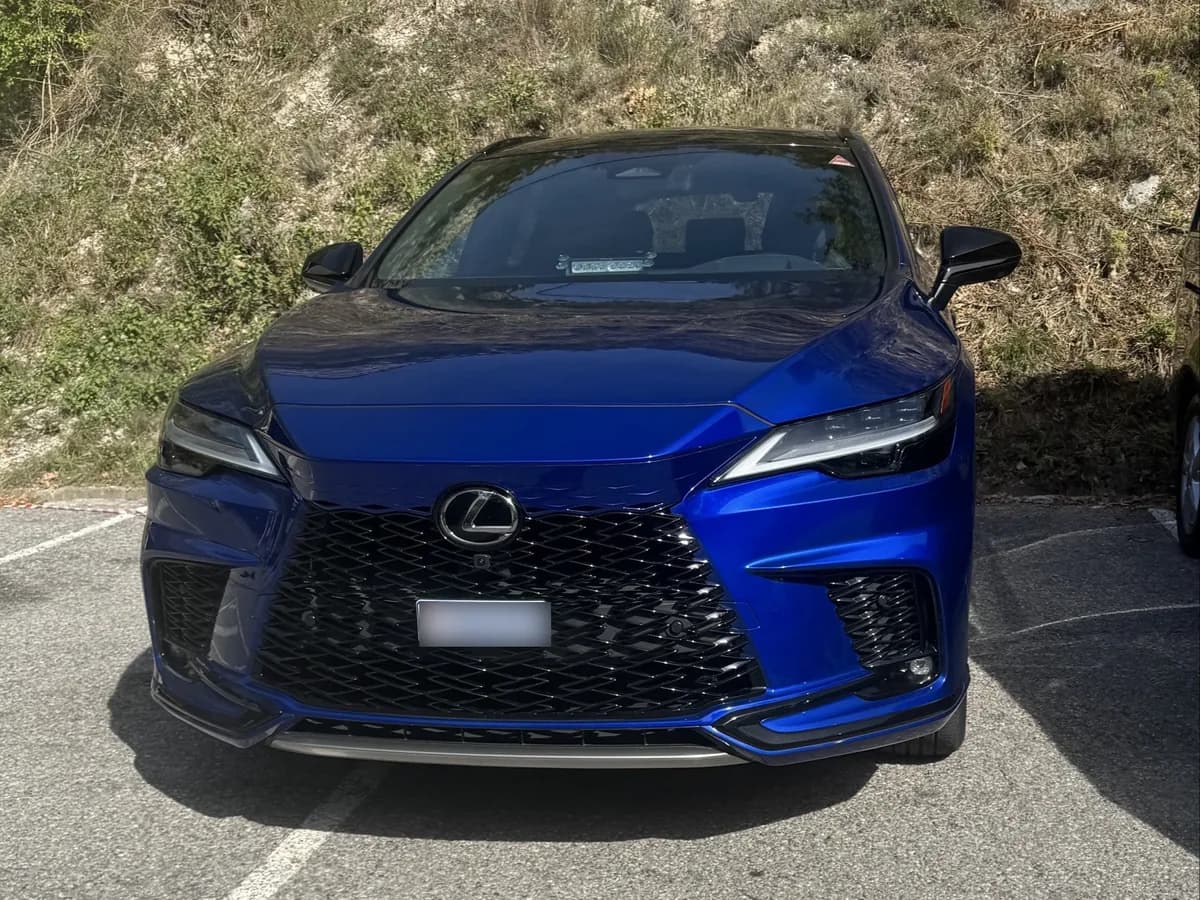
RX
RZ
SC
TX
UX
Lexus overview
Lexus history
The Lexus project took shape in the mid-1980s around a car capable of competing with major international luxury sedans. Lexus states that development of the LS 400 involved 60 designers, 1,400 engineers, and 2,300 technicians, with approximately 450 prototypes built before its public debut in January 1989. The LS 400 used a 4.0-liter V8, rear-wheel drive, and styling that shared no obvious visual connection with existing Toyota models. U.S. sales began in September 1989, supported by an initial network of only 121 carefully selected dealers. The range expanded quickly. The ES became the entry point to the sedan lineup, the SC offered a more distinctive interpretation of the luxury coupe, and the GS, introduced in 1993, brought a stronger emphasis on road behavior. In 1998, the RX 300 introduced a luxury crossover formula that would become central to Lexus. The RX 400h, launched in 2005, combined a combustion engine with hybrid power in this type of vehicle and helped establish Lexus as an early electrification leader in the premium market. Later milestones included the CT, the F performance line, the RC coupe, and the LC grand tourer. Produced in limited numbers from 2010 to 2012, the LFA represents the most radical expression of that evolution.
Lexus positioning
Lexus occupies Toyota’s premium position, with an identity historically built around comfort, mechanical refinement, and a carefully managed customer experience. The LS serves as the flagship, while the ES offers a more accessible interpretation of the large luxury sedan. The GS and IS added a more dynamic dimension, with designs and versions aimed at drivers seeking greater involvement. The RX shifted Lexus’s center of gravity toward luxury crossovers, while electrification became increasingly important through hybrid and plug-in hybrid models. This breadth explains why Lexus products can have very different characters: quiet sedans, grand-touring coupes, family-oriented crossovers, and performance-focused derivatives all sit within the same brand. The LC and LFA are special cases, however. They function less as volume products than as demonstrations of Lexus engineering and design capabilities. Lexus should therefore not be defined solely by reliability or comfort; its history also includes substantial work in performance, hybrid technology, and distinctive vehicle design.
Recognizing a Lexus in a photo
To identify a Lexus, start with the L-shaped oval badge and then consider the vehicle’s design era. Models from the 1990s generally use restrained styling and very smooth surfaces: the LS and ES emphasize discretion, while the SC is recognizable as a luxury coupe or, depending on generation, a retractable-hardtop convertible. The GS and IS have more compact, sportier sedan proportions. From the 2010s onward, the so-called spindle grille becomes an important visual clue, formed by two grille sections that narrow toward the center. Hook- or arrow-shaped daytime running lights also appear on several models from this period. The LC stands out through its low grand-touring profile, long hood, and flowing roofline. The LFA is immediately identifiable as a supercar, with wide proportions, prominent side air intakes, and highly sculpted bodywork. F and F SPORT badges indicate a performance-oriented specification, although they do not always represent mechanically equivalent versions. Year, market, facelift details, and engine badges should be checked before assigning a precise generation.
Important Lexus models
Among the models that best explain Lexus’s development, the LS represents the 1989 launch and the company’s ambition to compete in the highest levels of luxury. The ES established a more accessible comfort-focused sedan formula, while the GS and IS expanded the brand’s sportier character. The SC added the presence of a coupe and convertible, offering a personality distinct from the sedans. The RX, not included among the highlighted models here, remains essential to understanding Lexus’s role in the growth of the luxury crossover. The LC expresses modern grand touring through an exceptionally dramatic shape. The LFA represents the brand’s most ambitious technical and emotional project, combining limited production with a V10 engine. The RC continues Lexus’s sport-coupe tradition, the CT introduced a compact hybrid format, and the GX brought a more rugged, off-road-oriented SUV character. Less conventional models such as the HS, LBX, and LM demonstrate how Lexus has gradually expanded into new body styles and customer uses without abandoning its premium positioning.
References
- The History of LexusLexus USA Newsroom
- From Origin to Eminence: A Lexus RetrospectiveLexus USA Newsroom
- HistoryLexus USA Newsroom
- World Premiere of the All-New Lexus RXToyota Motor Corporation Global Newsroom
- Lexus CT 200h DesignLexus USA Newsroom
- 2025 Lexus LFA Review, Pricing, and SpecsCar and Driver
- https://www.caranddriver.com/lexus/ls-2025caranddriver.com
- https://www.caranddriver.com/features/a61627214/lfa-lexus-lfa-book-review-roar-of-an-angel/caranddriver.com