
RX
Introduced in North America in 1998 as the RX 300, the Lexus RX helped popularize the luxury crossover by combining a raised driving position and useful cargo space with sedan-like comfort. Its unibody construction, rather than a traditional body-on-frame chassis, confirmed a road-focused character instead of the hardware associated with a conventional off-road SUV. Across the four generations covered here, the RX evolved from the first model's gasoline V6 into a range that included hybrid powertrains, notably the RX 400h introduced in 2005 and the RX 450h. Model years represented through 2022 also show a clear progression in styling, safety equipment, cabin technology, and chassis refinement. Despite those changes, the RX retained the qualities that defined it from the beginning: a quiet ride, accessible performance, and everyday versatility.
Variants by year
2022
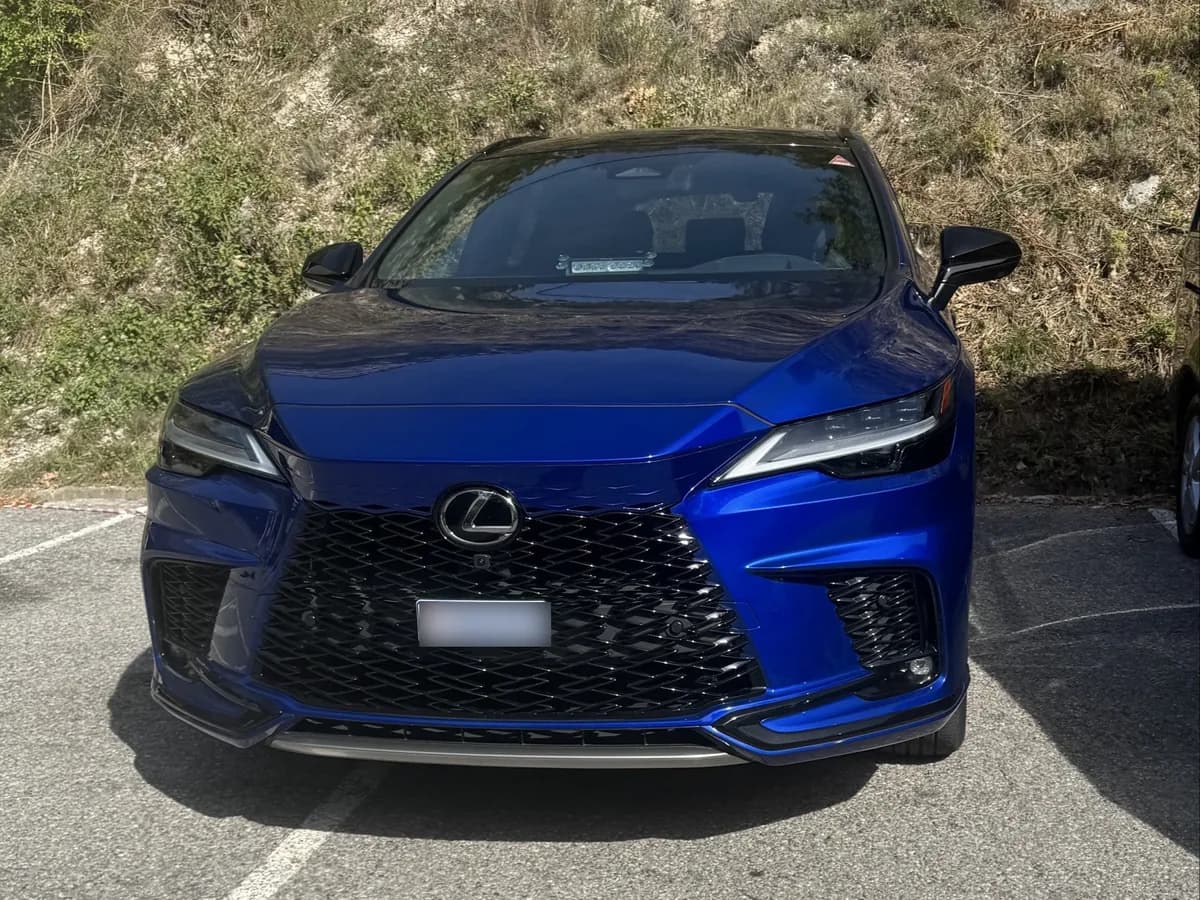
2019
2015
2012
2008
2003

1998
Model summary
Data from the ScanRacer library, organized to compare versions quickly.
Model introduction
Introduced in North America in 1998 as the RX 300, the Lexus RX helped popularize the luxury crossover by combining a raised driving position and useful cargo space with sedan-like comfort. Its unibody construction, rather than a traditional body-on-frame chassis, confirmed a road-focused character instead of the hardware associated with a conventional off-road SUV. Across the four generations covered here, the RX evolved from the first model's gasoline V6 into a range that included hybrid powertrains, notably the RX 400h introduced in 2005 and the RX 450h. Model years represented through 2022 also show a clear progression in styling, safety equipment, cabin technology, and chassis refinement. Despite those changes, the RX retained the qualities that defined it from the beginning: a quiet ride, accessible performance, and everyday versatility.
History
The RX was shown at the 1998 North American International Auto Show and then sold in the United States as a 1999 model. Lexus positioned it as a vehicle combining passenger-car comfort with utility-car practicality, using five seats, a sliding rear bench, and a flexible cargo area. The RX 300 established that formula with a 3.0-liter V6, an automatic transmission, and available all-wheel drive depending on specification. The second generation arrived for 2004, grew in size, and adopted the RX 330 name in North America with a 3.3-liter V6. Its most important historical change came in 2005 with the RX 400h, Lexus's first hybrid vehicle and one of the earliest luxury hybrid crossovers. The third generation, launched for 2010, centered on the RX 350 and RX 450h names, both using a 3.5-liter V6-based range. In 2015, Lexus unveiled a fourth generation that was longer, wider, and more sharply styled, entering the market for 2016. This generation introduced features including wraparound L-shaped taillights, an available panoramic roof, and Lexus Safety System+. The 2022 RX represents the final model year of that generation before the completely redesigned 2023 vehicle.
Generations
First generation, 1999-2003: the RX 300 used a unibody structure and a 3.0-liter V6. Its rounded body, relatively slim pillars, and upright tailgate set it apart from the more rugged SUVs of the period. Second generation, 2004-2009: the RX grew larger and more powerful. The RX 330 received a 3.3-liter V6, while the RX 400h added a hybrid system with electric motors. Third generation, 2010-2015: the RX 350 and RX 450h shared a more tightly drawn body, an inverted-trapezoid front design, and a cabin organized around separate display and control zones. Fourth generation, 2016-2022: the body became longer and wider, the front end adopted Lexus's spindle design language, and the lighting elements became more sharply extended. The RX 350 and RX 450h remained the principal North American versions, although engines, drivetrains, and trim names varied by market. For that reason, generation dates can differ slightly between countries and model-year conventions. The 2022 vehicle belongs to the fourth generation; the fully redesigned fifth-generation RX was introduced for 2023.
Key differences
The most significant generational difference concerns the role of hybrid technology. The first two generations are primarily associated with the gasoline RX 300, RX 330, and RX 350, before the RX 400h arrived in 2005. The third generation gave greater prominence to the RX 450h, using a 3.5-liter V6-based hybrid system with electric assistance. The fourth generation retained the RX 350 and RX 450h names while adding a more expressive design, a strengthened structure, and more advanced driver-assistance features. Longer RX L body styles, offered in some markets from the fourth generation, should not be mistaken for a separate generation. Names and equipment also vary between countries: an RX 350 sold in North America may not match a vehicle carrying the same badge in Europe or Asia. Comparing the model year, market, body style, and powertrain together is therefore more reliable than using the badge alone.
Photo recognition
A first-generation RX is identified by its very rounded proportions, horizontal headlamps, and small oval grille. The second generation has a more squared body and rear lamps that became taller or more heavily reshaped depending on the model year. RX 400h examples usually carry hybrid badging, but the emblem alone is not always enough to establish the exact year. The third generation has a higher beltline, an inverted-trapezoid front treatment, and horizontal rear lamps that extend toward the rear fenders. The fourth generation is easier to recognize through its large spindle grille, narrow headlamps, and L-shaped taillights that wrap toward the sides. Facelifted vehicles can receive revised grilles, bumpers, and lighting signatures without becoming a new generation. For dependable identification, compare the overall silhouette, lamps, grille, apparent wheelbase, powertrain badge, and production or model year together rather than relying on one styling detail.
Important versions
The RX 300 is the founding version, establishing Lexus's luxury-crossover concept. The RX 330 represents the second generation's early North American range with its 3.3-liter V6, while the RX 350 later became the most widely used gasoline designation. The RX 400h has special historical importance: introduced in 2005, it was Lexus's first hybrid model. The RX 450h continued that direction with a 3.5-liter V6-based hybrid system and became a central version during the third and fourth generations. Other body styles, trims, and powertrains existed depending on the market. The badge should therefore be read together with the country of sale and model year, especially when comparing vehicles from different regions.
References
- Lexus RX Icons: First GenerationLexus USA Newsroom
- Looking Back: The Evolution of The Lexus RXLexus USA Newsroom
- World Premiere of the All-New Lexus RXToyota Motor Corporation Global Newsroom
- The New Lexus RX Debuts, Poised to Redefine the Luxury SUVToyota Motor Corporation Global Newsroom
- RX ArchiveLexus UK Media Site
- What's New: 2022 Lexus RX 350 and 450hLexus USA Newsroom
- https://www.motortrend.com/features/lexus-rx-history-generations-specifications-photosmotortrend.com
Frequently asked questions
- What years was the Lexus RX produced?
- ScanRacer's referenced versions cover 1998 - 2022.
- How many Lexus RX examples are documented on ScanRacer?
- 2 published scans from 2 members, with the latest photo added in September 2026.