
Lancia
Founded in Turin in 1906 by Vincenzo Lancia and Claudio Fogolin, Lancia developed a reputation for ambitious engineering and carefully considered Italian design. The company introduced notable technical solutions, including the independent front suspension of the Lambda and front-wheel drive on the Flavia and Fulvia. After establishing its identity through executive cars such as the Aurelia and Flaminia, Lancia also became closely associated with competition through the Fulvia Coupé, Stratos, Rally 037 and rally versions of the Delta. The ScanRacer library covers the period from the 1953 Appia to models represented in 2024, including the Flavia, Beta, Thema, Kappa, Gamma and Delta. Together, these cars trace Lancia’s changing character across innovative mechanical layouts, elegant coachwork and highly successful sporting programmes.
Models from A to Z
2000
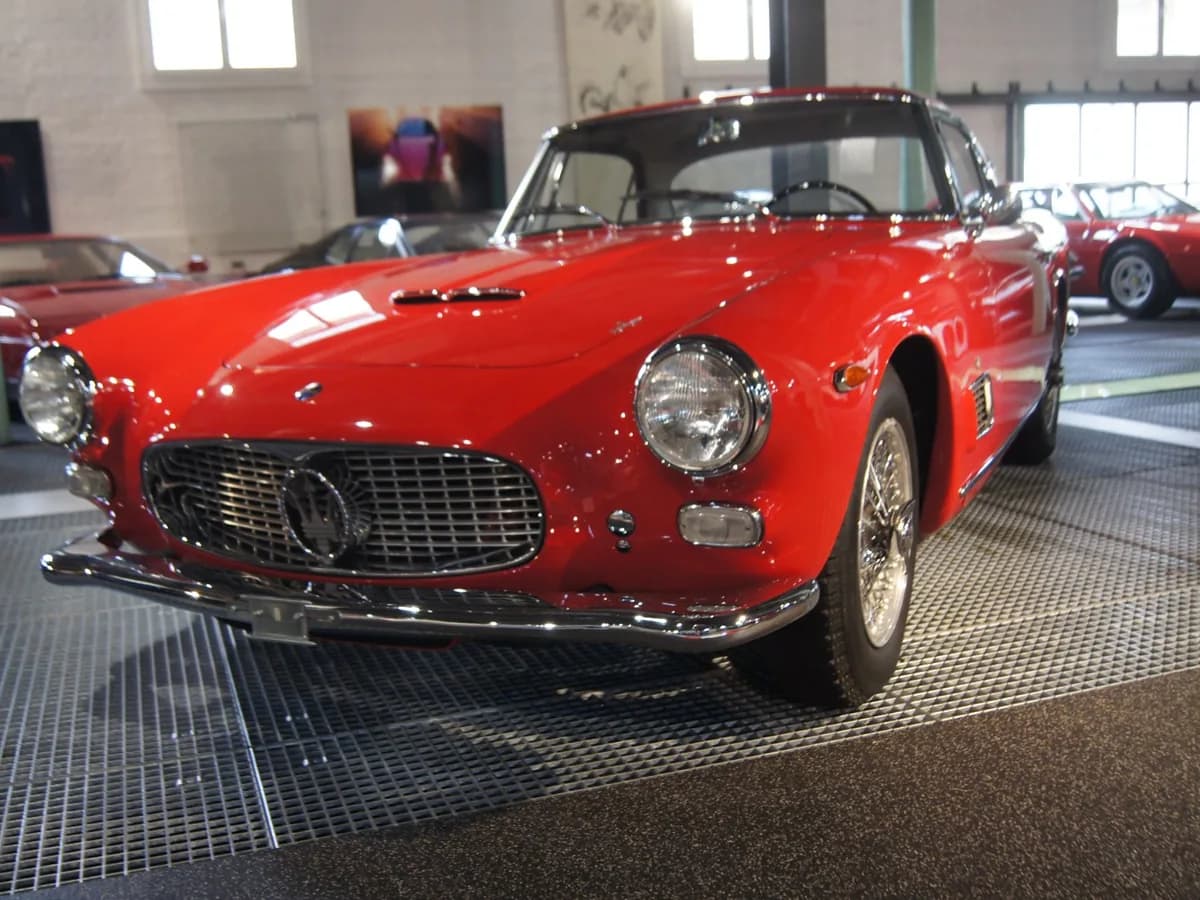
Appia
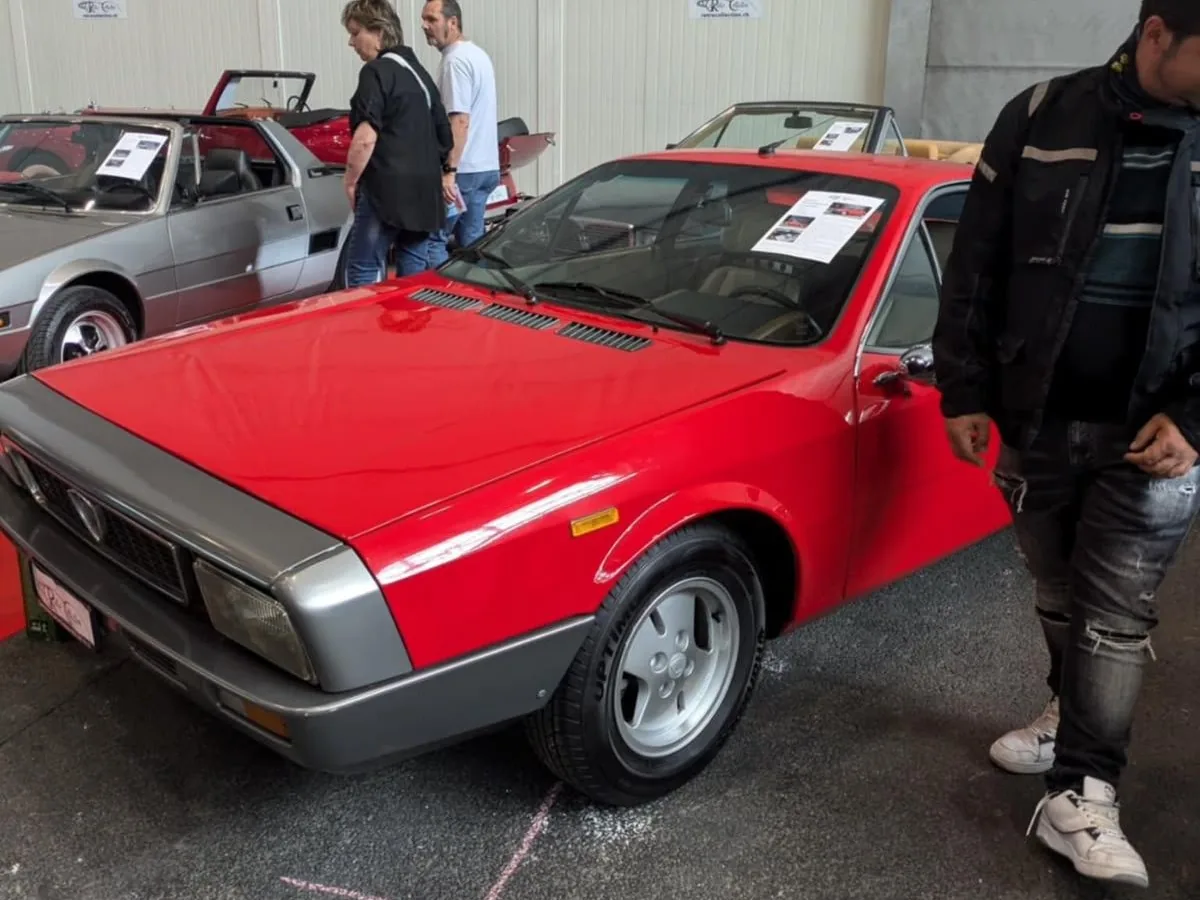
Beta
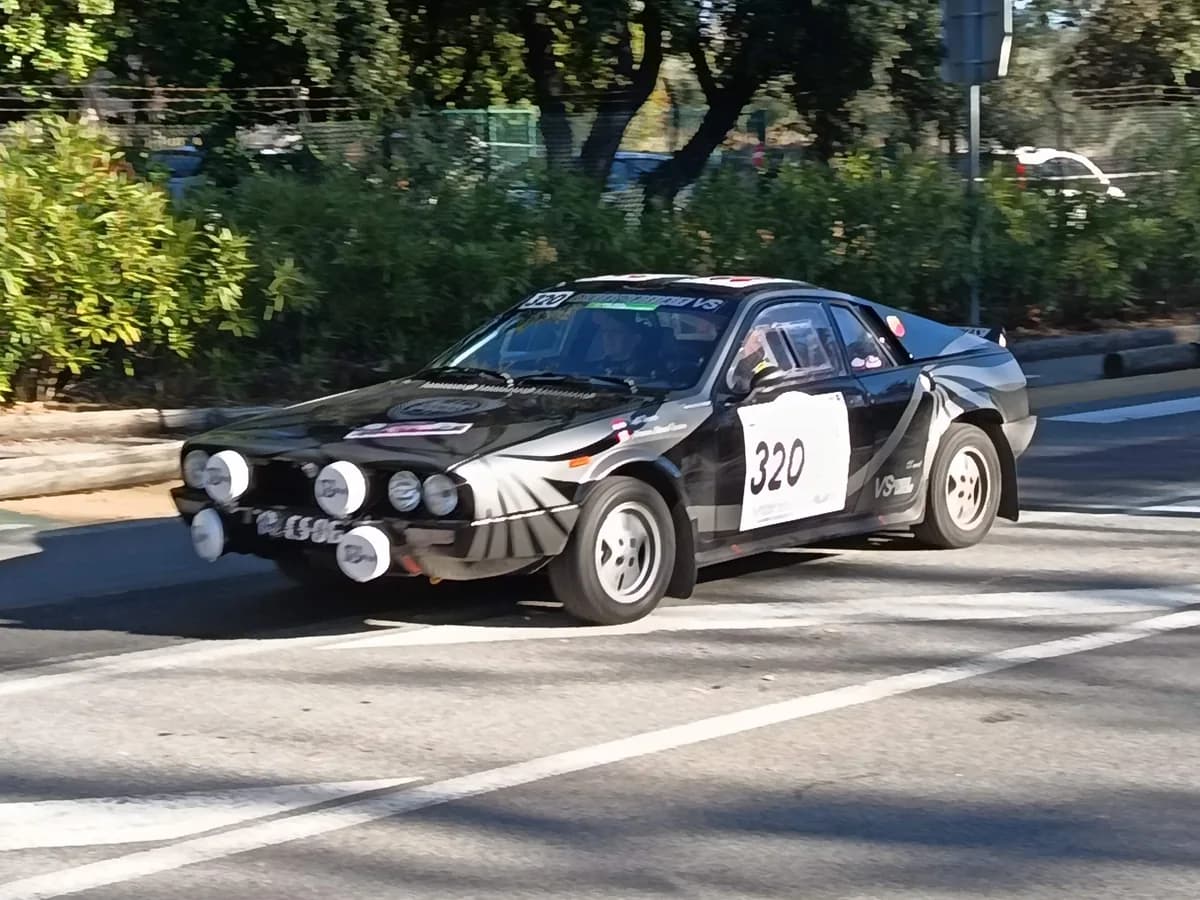
Beta Montecarlo
Dedra
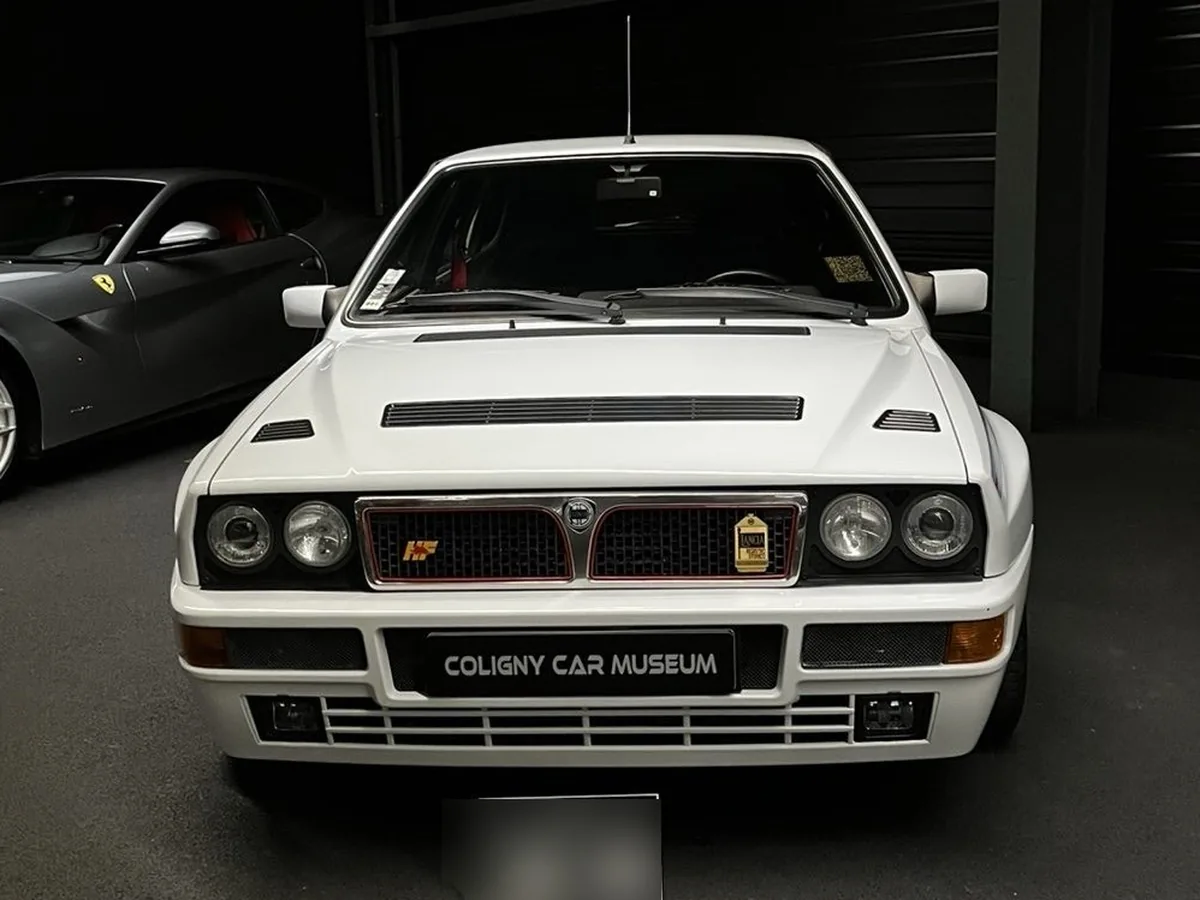
Delta
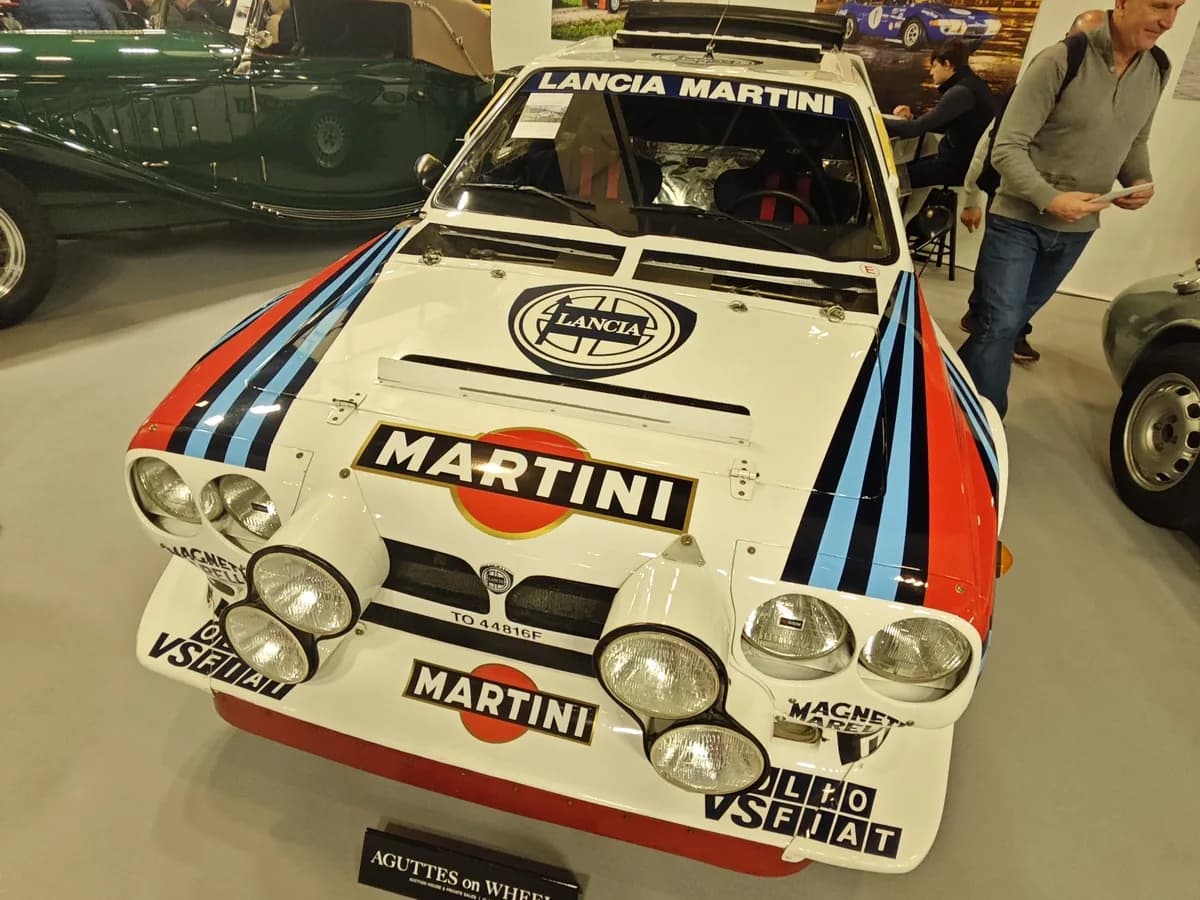
Delta S4
Flaminia

Flavia
Fulvia
Gamma
Hyena
Kappa
Kappa SW
Lybra

Musa
Phedra
Prisma
Pu+Ra HPE
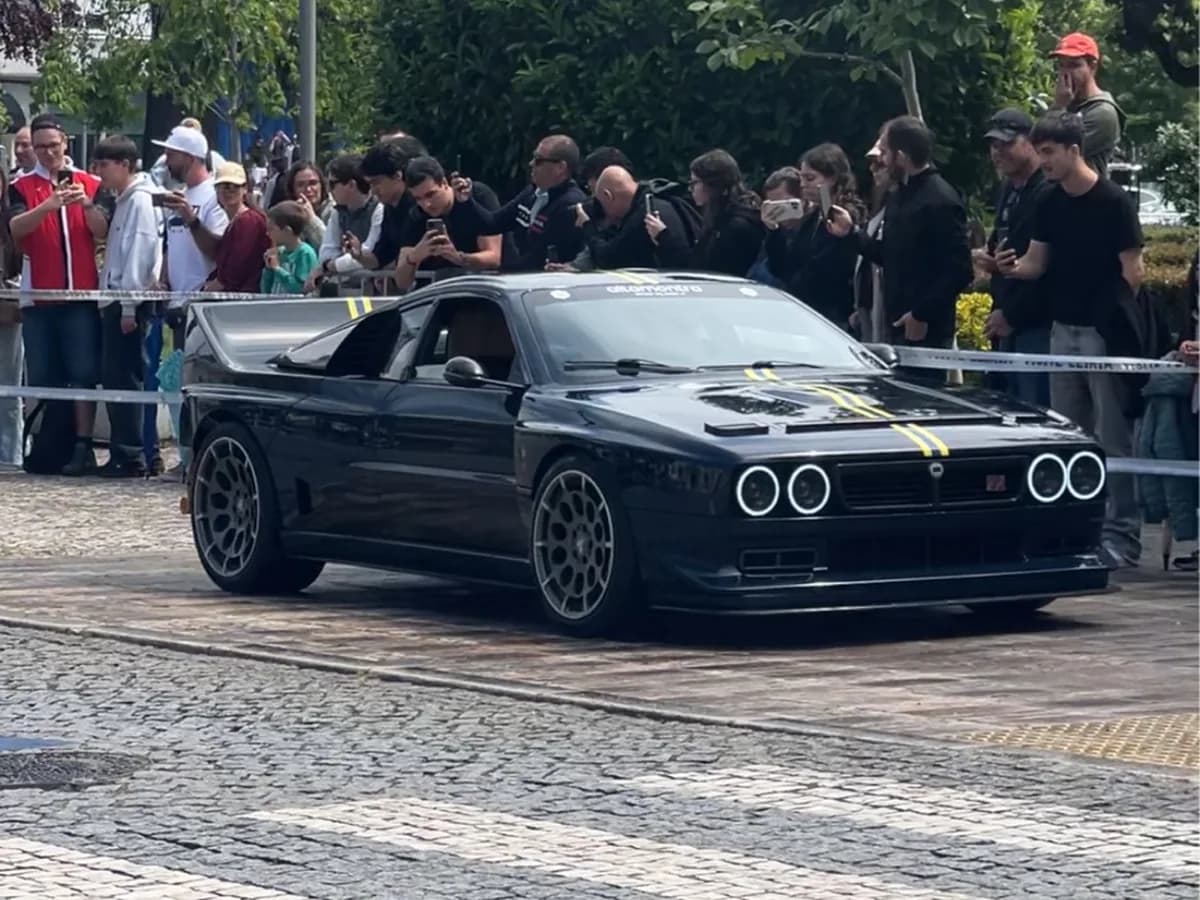
Rally 037
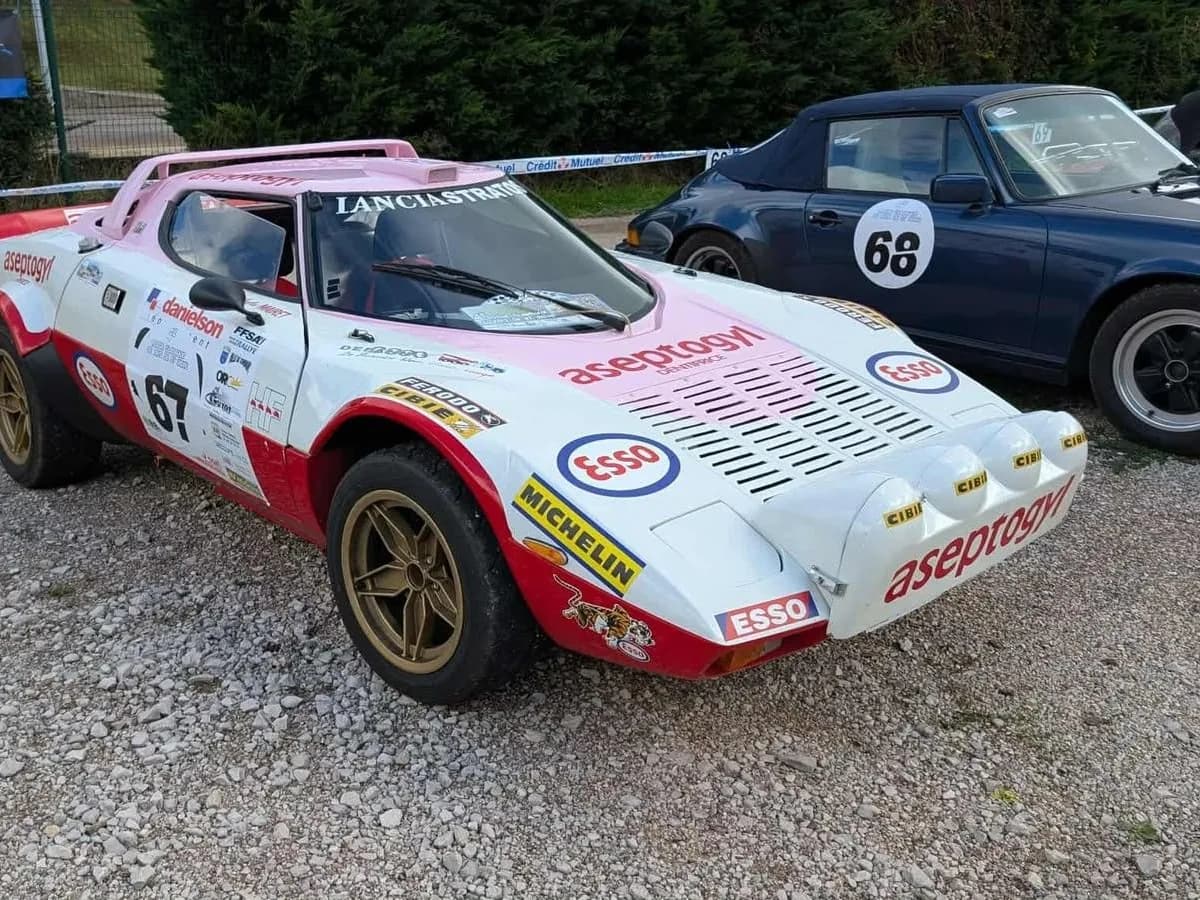
Stratos
Thema
Thema SW
Thesis
Trevi
Voyager
Y10
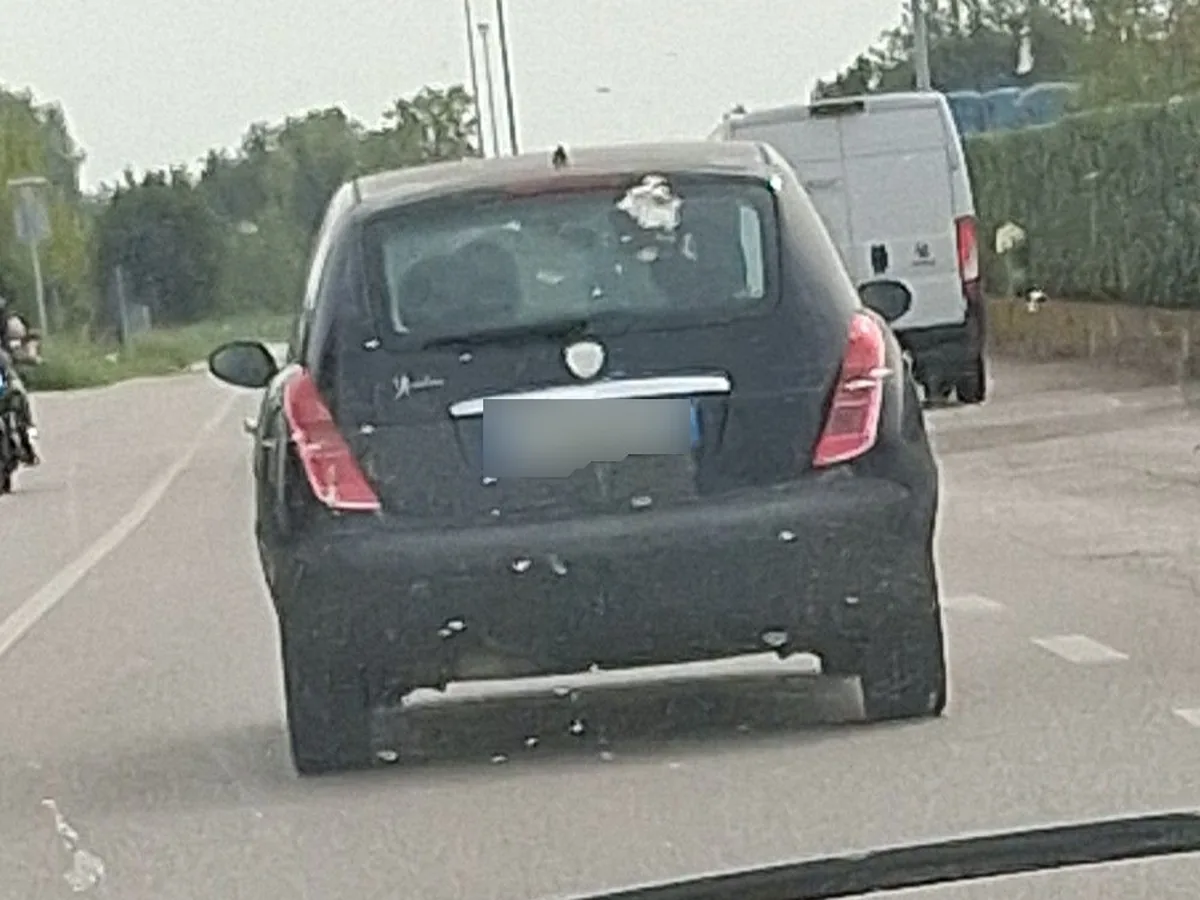
Ypsilon
Zeta
Lancia overview
Lancia history
Lancia was established in Turin in 1906, in an industrial setting where Vincenzo Lancia had already gained experience as a driver and engineer. From the beginning, the company pursued technical development rather than simply following established practice. The Lambda, introduced in the early 1920s, is associated with a unitary body structure and independent front suspension, choices that helped define the marque’s engineering reputation. After the Second World War, the Aurelia combined comfort, mechanical sophistication and a V6 engine, while the Flaminia served as a flagship whose different body styles were created by several leading Italian coachbuilders. The 1960s continued that approach with the Flavia, Lancia’s first series-production front-wheel-drive car, followed by the Fulvia, which connected compact elegance with international competition. The Beta belonged to the period after Lancia became part of Fiat in 1969. During the 1970s and 1980s, the Stratos and Rally 037 made Lancia a major name in international rallying. The Delta extended that sporting reputation into the early 1990s, alongside a broader road-car range that included the Dedra, Kappa and Thema. In 2024, the introduction of the new Ypsilon opened another phase for the brand, offering hybrid and fully electric powertrains.
Lancia positioning
Lancia occupies an unusual place in the Italian automotive landscape because its history combines executive cars, technical experimentation and a strong design culture. The marque was not limited to sports cars, although the Stratos, Rally 037 and Delta did much to establish its international reputation. The Flaminia, Flavia and Gamma instead represent an emphasis on comfort and distinction, while the Appia, Fulvia, Beta and Dedra served more compact or broadly practical roles. That variety makes Lancia difficult to define through power output or body style alone. The same period could include a formal saloon, a coachbuilt coupé and a competition car developed for a particular racing programme. In 2024, the manufacturer presented the new Ypsilon as the first model of its renewal plan, emphasizing elegance, cabin comfort and electrification. This describes the brand’s stated direction; its long-term historical significance remains a matter for future assessment.
Recognizing a Lancia in a photo
A Lancia is often identified through a combination of engineering details and styling cues rather than one isolated feature. Classic models commonly use a narrow grille with a central badge, restrained proportions and interiors that appear more sophisticated than their exterior dimensions might suggest. The Appia and Flavia are formal-looking compact or mid-size saloons, while the larger Flaminia is associated with a V6 and grand-touring body styles created by Italian coachbuilders. The Fulvia has a more compact profile, especially as a coupé, with a slim front end and cleanly drawn lines. Among the sporting cars, the Stratos stands out through its very low, angular body and mid-mounted engine layout. The Rally 037 has a compact rear-wheel-drive shape, prominent aerodynamic additions and an unmistakable competition purpose. Road-going Delta models use a compact hatchback body, while HF Integrale versions add wider arches, distinctive wheels and a more aggressive stance. Badges, production years and body styles should still be checked carefully before assigning a precise variant, since Lancia reused model families across different engines, markets and generations.
Important Lancia models
The Flaminia represents Lancia’s upper range in the late 1950s, using a 2.5-litre V6 and a selection of bodies ranging from saloon to grand-tourer styles; its presidential version later became an Italian institutional symbol. The Flavia is significant for its front-wheel-drive layout and its combination of technical interest with long-distance comfort. The Appia represents Lancia’s compact mid-1950s generation, while the Fulvia brought the marque closer to rallying and sporting coupés. The Beta and Thema show how Lancia’s range evolved after becoming part of the Fiat Group, with wider market coverage and international industrial cooperation. The Kappa and Gamma continued the brand’s interest in comfortable, prestigious road cars. The Rally 037 and Delta are the major sporting references in the selection: the 037 won the 1983 World Rally Championship manufacturers’ title, while the Delta extended Lancia’s rally dominance through the late 1980s and early 1990s. These models do not represent every aspect of Lancia, but they capture two especially visible sides of its identity: sophistication and competition.
References
- Lancia Heritage: a Timeless IconLancia
- Le Icone di Lancia: i nostri modelli storiciLancia
- LanciaTreccani
- Information DocumentStellantis
- New Lancia Ypsilon Unveiled TodayStellantis Media
- Lancia is back!Stellantis Media
- https://www.lancia.com/lancia.com
- https://www.lancia.com/lancia-new-eralancia.com