
Ypsilon
The Lancia Ypsilon is an Italian city car that renewed Lancia’s small, fashion-conscious offering in 1995, following the Autobianchi Y10. Initially sold as the Lancia Y, it stood out through more refined styling than many rivals, an unusually broad colour programme and the centrally positioned instrument cluster that became a model signature. A second phase arrived in 2003 under the Ypsilon name, with a three-door body and a more upmarket appearance. In 2011, the range moved to a more practical five-door format and remained especially important in the Italian market for many years. The new Ypsilon unveiled in February 2024 is a larger, electrified reinterpretation of the nameplate, offered with mild-hybrid and fully electric powertrains. (media.stellantis.com)
Variants by year
2024
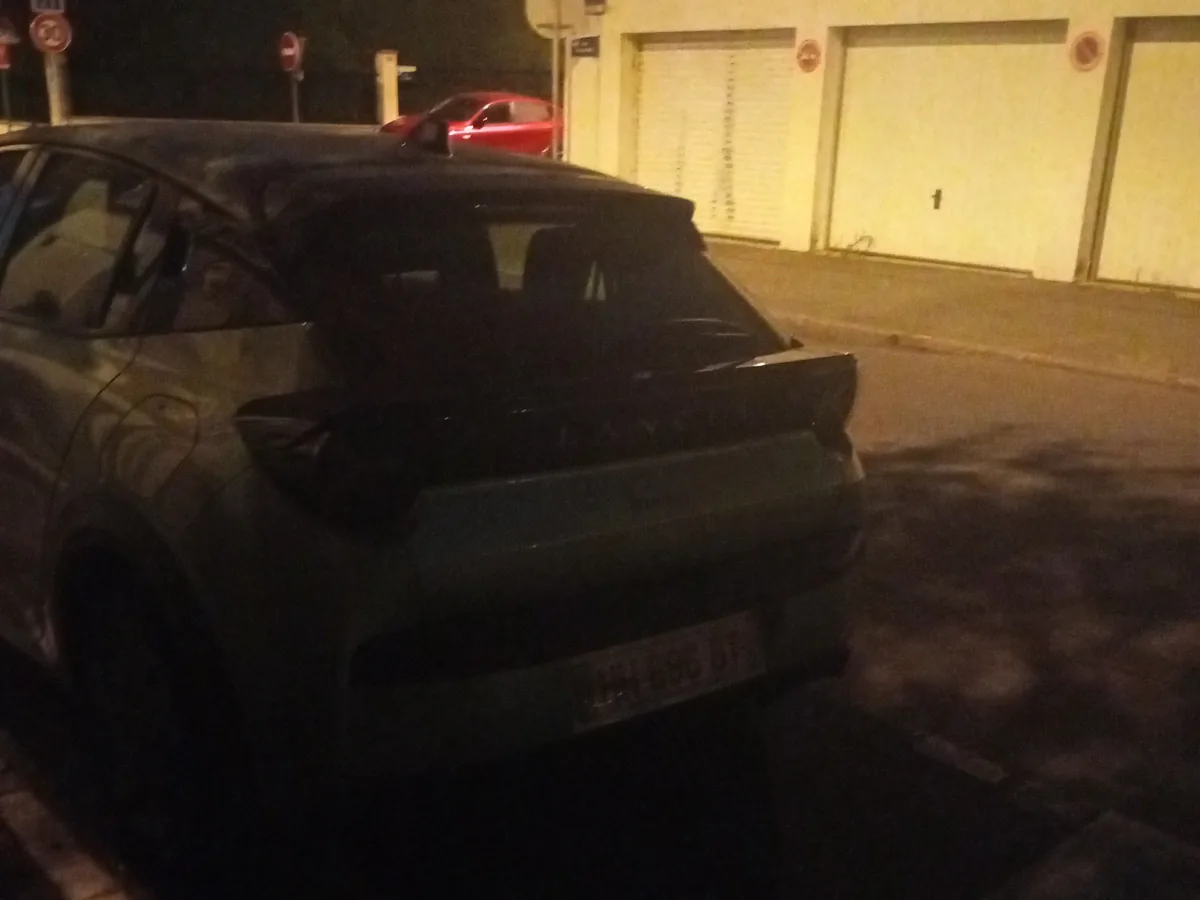
2015
2011
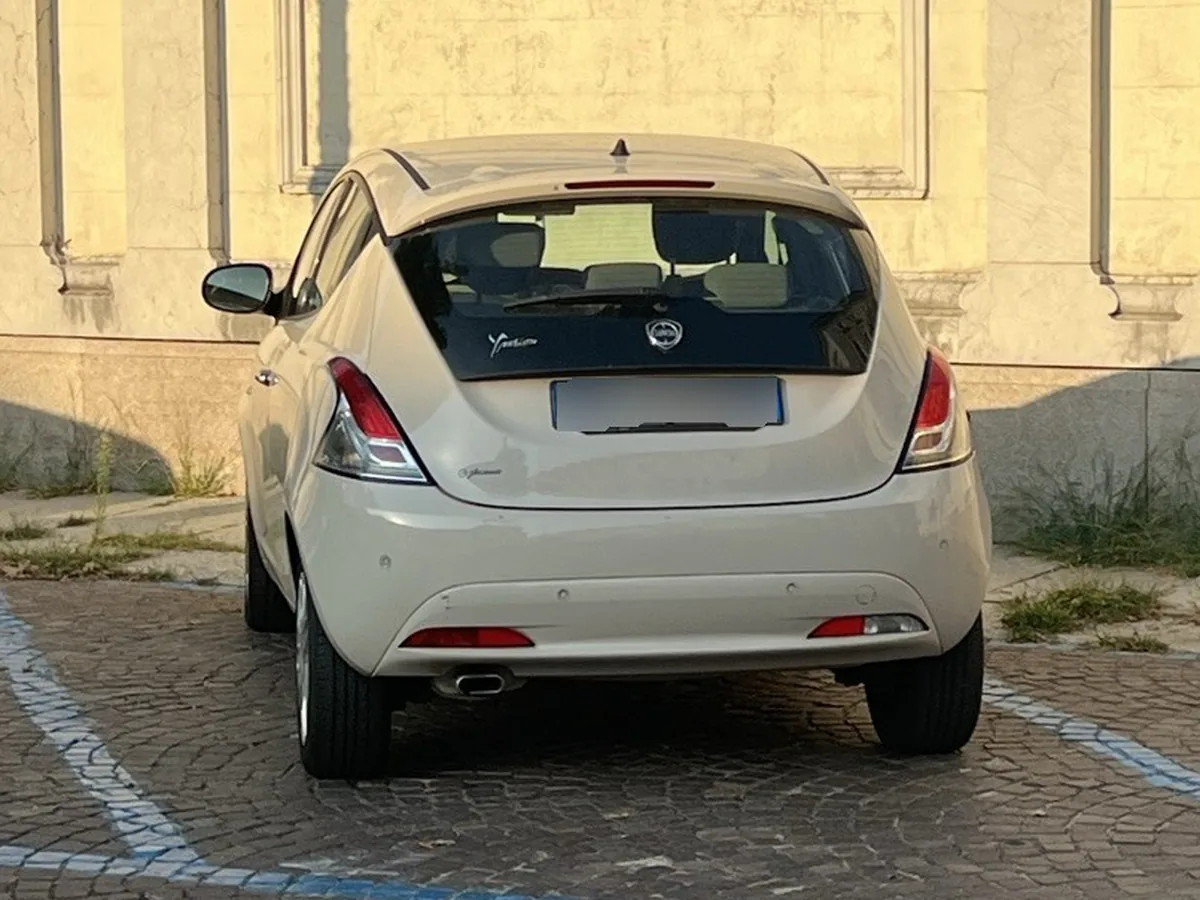
2003

1995
Model summary
Data from the ScanRacer library, organized to compare versions quickly.
Model introduction
The Lancia Ypsilon is an Italian city car that renewed Lancia’s small, fashion-conscious offering in 1995, following the Autobianchi Y10. Initially sold as the Lancia Y, it stood out through more refined styling than many rivals, an unusually broad colour programme and the centrally positioned instrument cluster that became a model signature. A second phase arrived in 2003 under the Ypsilon name, with a three-door body and a more upmarket appearance. In 2011, the range moved to a more practical five-door format and remained especially important in the Italian market for many years. The new Ypsilon unveiled in February 2024 is a larger, electrified reinterpretation of the nameplate, offered with mild-hybrid and fully electric powertrains. (media.stellantis.com)
History
The modern Ypsilon story began in 1995 with the Lancia Y, conceived as a more elegant and customisable city car than the Y10 it replaced. Designed by Enrico Fumia, it used a small front-wheel-drive architecture related to the Fiat Punto family but gave it distinct Lancia proportions and presentation. The Kaleidos colour programme offered around one hundred exterior shades, an unusual level of personalisation for the class. The Y also helped establish the centrally mounted instrument cluster as one of the visual signatures of Lancia’s small cars. (media.stellantis.com) In 2003, the second generation adopted the Ypsilon name officially. It grew in size and ambition, retaining the idea of a small car with a more premium atmosphere while offering petrol engines and, in some markets, the 1.3 Multijet diesel. A new Ypsilon arrived in 2011 with five doors and a platform shared with other Fiat Group models. That generation remained in production for more than a decade, receiving several updates and numerous special editions. In 2024, Lancia introduced a substantially larger Ypsilon with mild-hybrid and battery-electric powertrains, positioning the model as the first product of the brand’s renewed European strategy. (alvolante.it)
Generations
The 1995–2003 Lancia Y represents the first period covered by the Ypsilon family name. It is identified by its three-door body, rounded sides, compact grille and centrally mounted instrument cluster. A facelift around 2000 revised the grille, bumpers, lamps and several interior details without changing the car’s basic character. (media.stellantis.com) The Ypsilon launched in 2003 introduced a taller and more sophisticated design, initially retaining a three-door body. Its large chrome grille and headlamps positioned at the outer edges of the front end make it clearly different from the earlier Lancia Y. Mid-cycle updates brought revised trim levels, equipment and engine choices. (alvolante.it) The generation introduced in 2011 is distinguished by five doors, rear door handles integrated into the pillars and a visually compact profile. It received several updates, including a substantial revision in 2015. The generation unveiled in 2024 represents a much larger visual and technical step: it is 4.08 metres long and offers a 156-hp electric version alongside a 100-hp mild-hybrid model, with an interior focused on comfort, digital functions and contemporary Lancia design. (quattroruote.it)
Key differences
The easiest distinction starts with the name and body style. The 1995 Lancia Y is a short, rounded three-door hatchback with centrally mounted instruments. The 2003 Ypsilon remains a three-door car, but it is taller, has a more prominent grille and presents a more luxurious interpretation of the small-car format. The model introduced in 2011 switches to five doors; its concealed rear handles and tighter, more modern profile are useful identification clues. (media.stellantis.com) The 2024 generation is immediately different through its larger dimensions, LED lighting, a front end inspired by Lancia’s chalice grille and round rear lamps recalling the Stratos. It also replaces the earlier conventional petrol and diesel range with mild-hybrid and battery-electric powertrains. Trim names, equipment and engine availability can differ by market and model year, so they should not be inferred from exterior appearance alone. (media.stellantis.com)
Photo recognition
To identify a 1995–2003 Lancia Y, look first for the three-door body and the centrally mounted instrument cluster. Early cars have a rounded front end and compact grille, while facelifted examples use a wider grille, revised bumpers and updated rear lamps. Special editions may feature distinctive colours or upholstery, but those details alone are not always reliable for dating a car. (media.stellantis.com) The 2003 Ypsilon can be recognised by its large chrome grille, three-door body and headlamps positioned at the outer edges of the front fascia. The 2011 generation adds five doors and hides the rear handles in the pillars; its narrow profile and vertically styled rear lamps are useful clues. For the 2024 generation, look for the cleaner front design with three light signatures, round rear lamps and a noticeably longer body. A vehicle identification number remains the safest way to confirm the exact production year, engine and trim level. (media.stellantis.com)
Important versions
Notable versions include the Elefantino Blu and Elefantino Rosso trims of the first Lancia Y, along with special editions such as DoDo, Vanity and Unica, which reflect Lancia’s long-standing emphasis on personalisation. The 2003 Ypsilon was offered in Argento, Oro and Platino forms, followed by editions including MomoDesign, Versus and Elle. The 2011 generation continued the theme with Elefantino, Black&Noir and Monogram versions. In 2024, the Edizione Limitata Cassina introduced the new hybrid and electric range; its Italian launch included 1,906 numbered electric cars. (media.stellantis.com)
References
- Lancia Ypsilon: 40 years of elegance, innovation, and successStellantis Media / Lancia Heritage HUB
- Dalla Y10 alla Ypsilon: la storia delle piccole LanciaalVolante
- Lancia Ypsilon: dalla Y10 alla Alberta Ferretti e le ultime sulla nuovaQuattroruote
- New Lancia Ypsilon Unveiled TodayStellantis Media / Lancia
- New Lancia Ypsilon. One car, four statements.Stellantis Media / Lancia
- The new Lancia YpsilonLancia
- https://automobilisto.de/en/catalog/lancia/ypsilonautomobilisto.de
Technical specifications
Structured data available for versions linked to this model.
| Version | Power | Torque | Top speed | Drivetrain | Fuel |
|---|---|---|---|---|---|
| Base | 51 KW @ 5500 RPM69 HP @ 5500 RPM68 BHP @ 5500 RPM | 75 lb-ft @ 3000 RPM102 Nm @ 3000 RPM | 101 mph (163 km/h) | Front Wheel Drive / 5-speed manual | Natural Gas |
Frequently asked questions
- What years was the Lancia Ypsilon produced?
- ScanRacer's referenced versions cover 1995 - 2024.
- How many Lancia Ypsilon examples are documented on ScanRacer?
- 4 published scans from 4 members, with the latest photo added in August 2026.
- What is the power output of the Lancia Ypsilon?
- The sourced technical data lists 51 KW @ 5500 RPM69 HP @ 5500 RPM68 BHP @ 5500 RPM.