
Delta
Presented at the 1979 Frankfurt Motor Show, the Lancia Delta was a five-door compact designed by Giorgetto Giugiaro. Its career soon became much more significant than that of an elegant family car: the Delta won the 1980 European Car of the Year award and later became one of the most successful nameplates in World Rally Championship history. Standard versions focused on practicality, comfort, and carefully finished interiors, while HF, 4WD, and Integrale derivatives developed a much more focused sporting character. The Delta name returned on a new compact car introduced in 1993, followed by a larger model launched in 2008. The nameplate therefore combines Italian design, substantial technical evolution, and competition heritage, while the differences between generations and trim levels are considerable.
Variants by year
2008
1993
1987
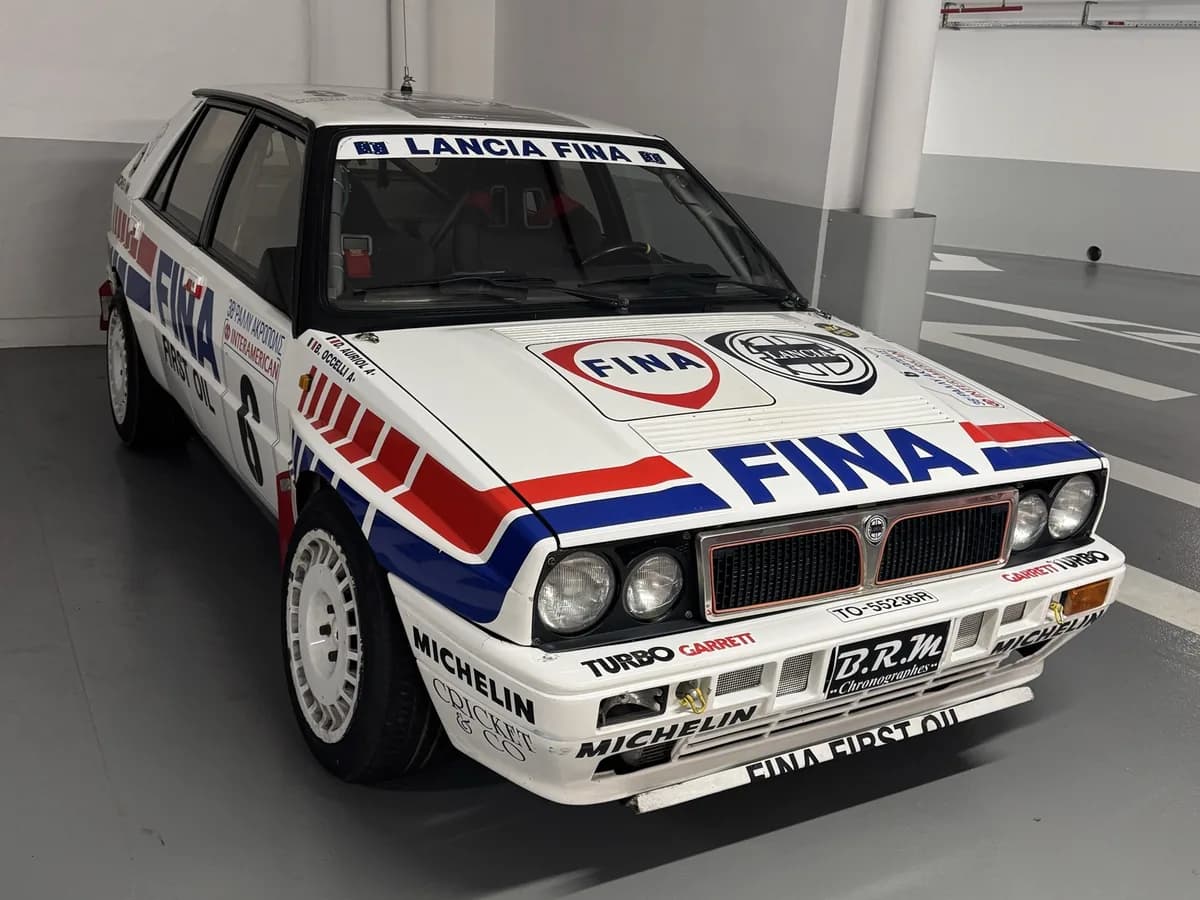
1979
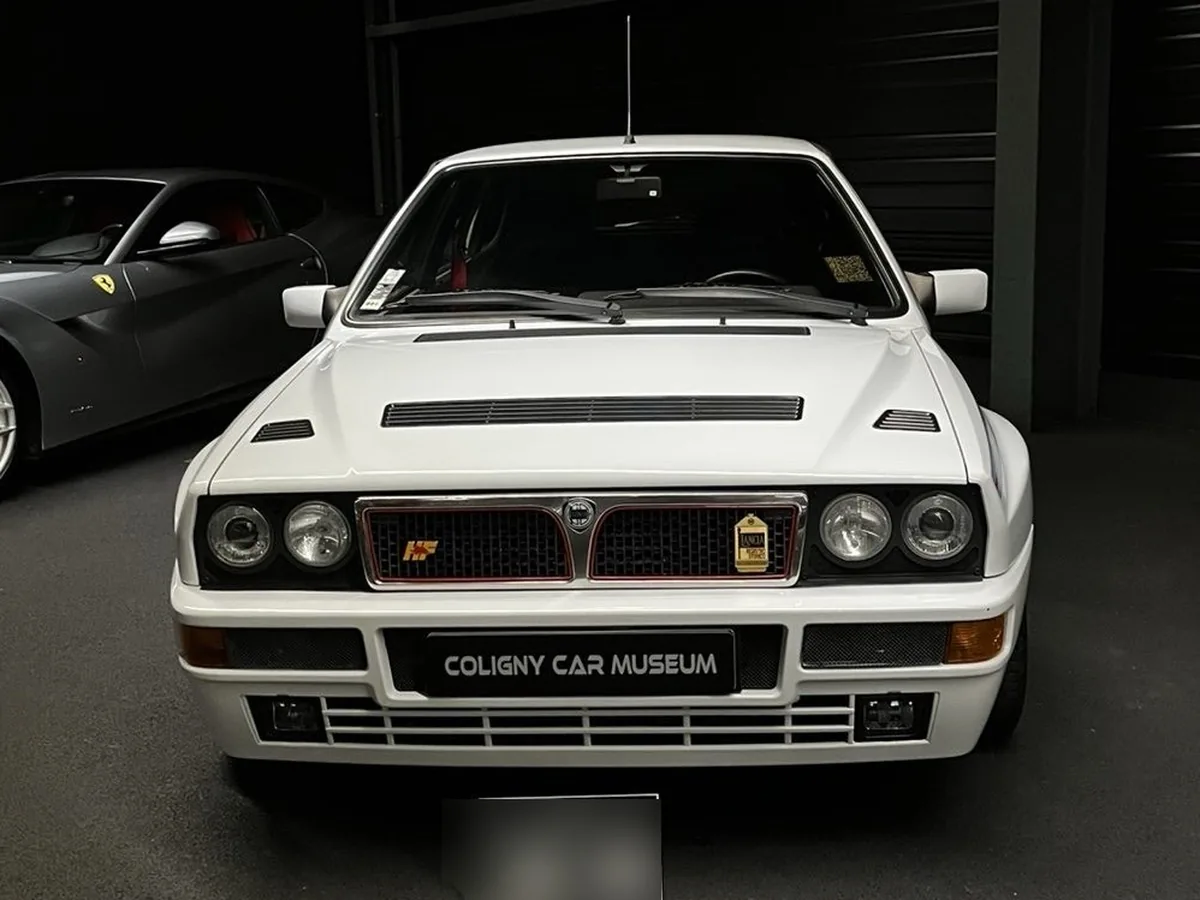
Model summary
Data from the ScanRacer library, organized to compare versions quickly.
Model introduction
Presented at the 1979 Frankfurt Motor Show, the Lancia Delta was a five-door compact designed by Giorgetto Giugiaro. Its career soon became much more significant than that of an elegant family car: the Delta won the 1980 European Car of the Year award and later became one of the most successful nameplates in World Rally Championship history. Standard versions focused on practicality, comfort, and carefully finished interiors, while HF, 4WD, and Integrale derivatives developed a much more focused sporting character. The Delta name returned on a new compact car introduced in 1993, followed by a larger model launched in 2008. The nameplate therefore combines Italian design, substantial technical evolution, and competition heritage, while the differences between generations and trim levels are considerable.
History
The first Delta appeared in late 1979 as Lancia sought to offer a more refined alternative in the compact-car class. Its sharply defined styling, created by Italdesign under Giorgetto Giugiaro, was combined with a five-door body and an emphasis on useful interior space. Winning the 1980 European Car of the Year award confirmed the positive reception given to the new model. The Delta’s direction changed with the arrival of sporting derivatives. The HF Turbo strengthened the range’s performance image, while the Delta HF 4WD introduced four-wheel drive and a turbocharged powertrain developed with competition homologation in mind. The Integrale, Integrale 16v, and Evoluzione stages gradually turned the compact hatchback into a rally benchmark. Stellantis Heritage credits the Delta competition cars with six World Rally Championship manufacturers’ titles, four drivers’ titles, and more than forty individual victories. A second generation arrived in 1993. More conventional in concept, it used a technical foundation related to the Tipo family and concentrated mainly on comfort and everyday usability. A three-door HPE body style followed. After this generation ended in the late 1990s, Lancia revived the Delta name in 2008 with a longer car aimed more strongly at comfort, interior room, and compact executive positioning.
Generations
The first generation, unveiled in 1979, is identified by its compact five-door silhouette and sharply creased Giugiaro styling. It began with relatively small-displacement engines and front-wheel drive. Successive updates altered the trim, exterior details, and powertrain range while retaining the basic body structure. HF Turbo, HF 4WD, and Integrale versions added distinctive features such as turbocharged engines, wider tracks on selected derivatives, larger bumpers, a vented bonnet, and, on four-wheel-drive cars, an all-wheel-drive system. The Evoluzione models represent the most extensively developed versions of this family. The second generation, known as type 836 and introduced in 1993, adopted rounder styling and a less competition-focused character. It was launched as a five-door hatchback and later joined by the three-door HPE, with engines and equipment aimed at versatility and daily comfort. It did not continue the previous generation’s four-wheel-drive HF formula. The third Delta was unveiled in Geneva in 2008. It changed both proportions and positioning: the body was substantially longer, the cabin emphasized room and comfort, and Lancia presented it as a compact car with attributes associated with a higher class. It should therefore not be treated as a direct continuation of the Integrale concept.
Key differences
The differences between Deltas are substantial enough that identification should never rely on the nameplate alone. A standard first-generation car generally has a short body, sharply defined lines, and a more restrained appearance than the HF models. Integrales can be recognized by features including flared wheel arches, dedicated bumpers, wider wheels, additional air intakes, and a raised or vented bonnet depending on the evolution. Four-wheel drive and competition-related equipment belong only to specific derivatives, not to the entire range. The second-generation Delta has rounder styling and was also offered with a three-door HPE body. Its proportions, lamps, and side panels clearly separate it from the 1979-1994 cars. The Delta launched in 2008 is different again: it is longer, taller, and visually closer to a compact executive hatchback. Because commercial names, engines, and equipment could vary between markets, the model year, body style, badges, and visible mechanical details should be assessed together.
Photo recognition
To identify a first-generation Delta, start with its five-door shape, relatively upright roofline, slim pillars, and geometric bodywork. Early cars have a simple front end and relatively narrow bumpers. Sporting derivatives commonly add side skirts, flared arches, dedicated wheels, and a rear spoiler. On an HF Integrale, the widened bodywork and bonnet openings are important clues, but they should be checked against the badges, interior, and mechanical components because modified standard cars can imitate factory specifications. A second-generation Delta looks softer and more rounded. The HPE body is identified by its three doors and more extended profile. The 2008 car is easier to distinguish from the earlier models because of its larger dimensions, greater glass area, and more contemporary design. For a dependable identification, also record the chassis number, manufacturer plate, lamp design, wheel type, and interior-control layout. Market-specific equipment and replacement parts can otherwise make visual comparisons misleading.
Important versions
The Delta HF Turbo marked the range’s move into the sporting-compact category. The HF 4WD added four-wheel drive and provided the foundation for the model’s World Rally Championship campaign. The Integrale, Integrale 16v, and Evoluzione stages progressively developed the engine, chassis, and bodywork, culminating in the widest and most specialized versions. They are now the most sought-after derivatives, but their fame should not overshadow the mainstream Deltas, which explain the original model’s practical and design-focused character. Within the second generation, the HPE is the most recognizable three-door derivative, while the HF 2.0 provides the sporting flagship without repeating the Integrale family’s four-wheel-drive layout. The Delta unveiled in 2008 represents a separate interpretation of the name, with greater emphasis on comfort, interior space, and equipment.
References
- Lancia brand and Stellantis Heritage certify the Lancia Delta of Miki BiasionStellantis Heritage
- The Lancia Delta has its world premiereLancia / Stellantis Media
- The Lancia Delta Integrale: History, Generations, SpecificationsMotorTrend
- https://www.virtuagarage.com/lancia/delta-1979-1999/virtuagarage.com
- https://www.caradisiac.com/lancia-delta-1979-1993-la-1re-compacte-premium-de-l-histoire-des-3-000-eur-178249.htmcaradisiac.com
- https://classics.honestjohn.co.uk/reviews/lancia/delta/classics.honestjohn.co.uk
- https://www.classic.com/m/lancia/delta/classic.com
Frequently asked questions
- What years was the Lancia Delta produced?
- ScanRacer's referenced versions cover 1979 - 2008.
- How many Lancia Delta examples are documented on ScanRacer?
- 10 published scans from 10 members, with the latest photo added in September 2026.