Koenigsegg Agera 2015
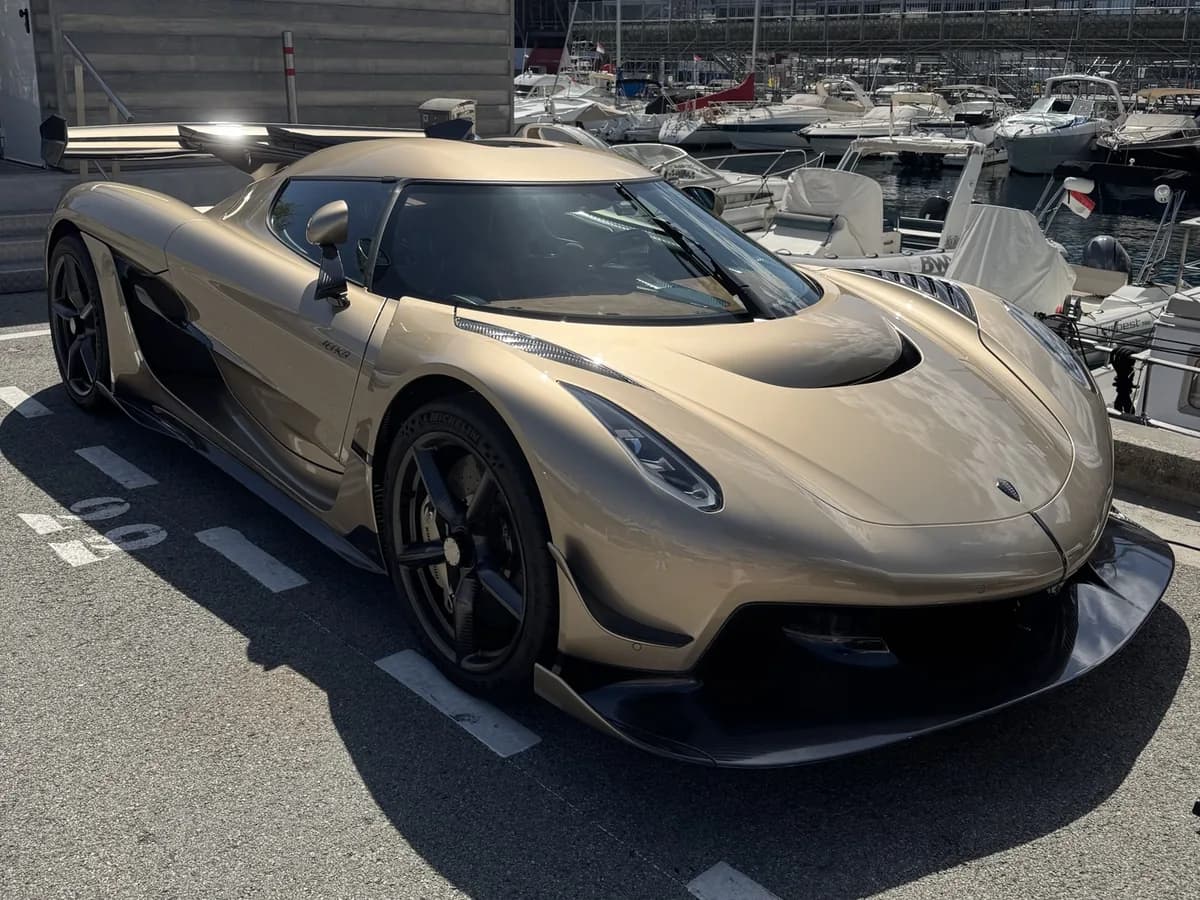
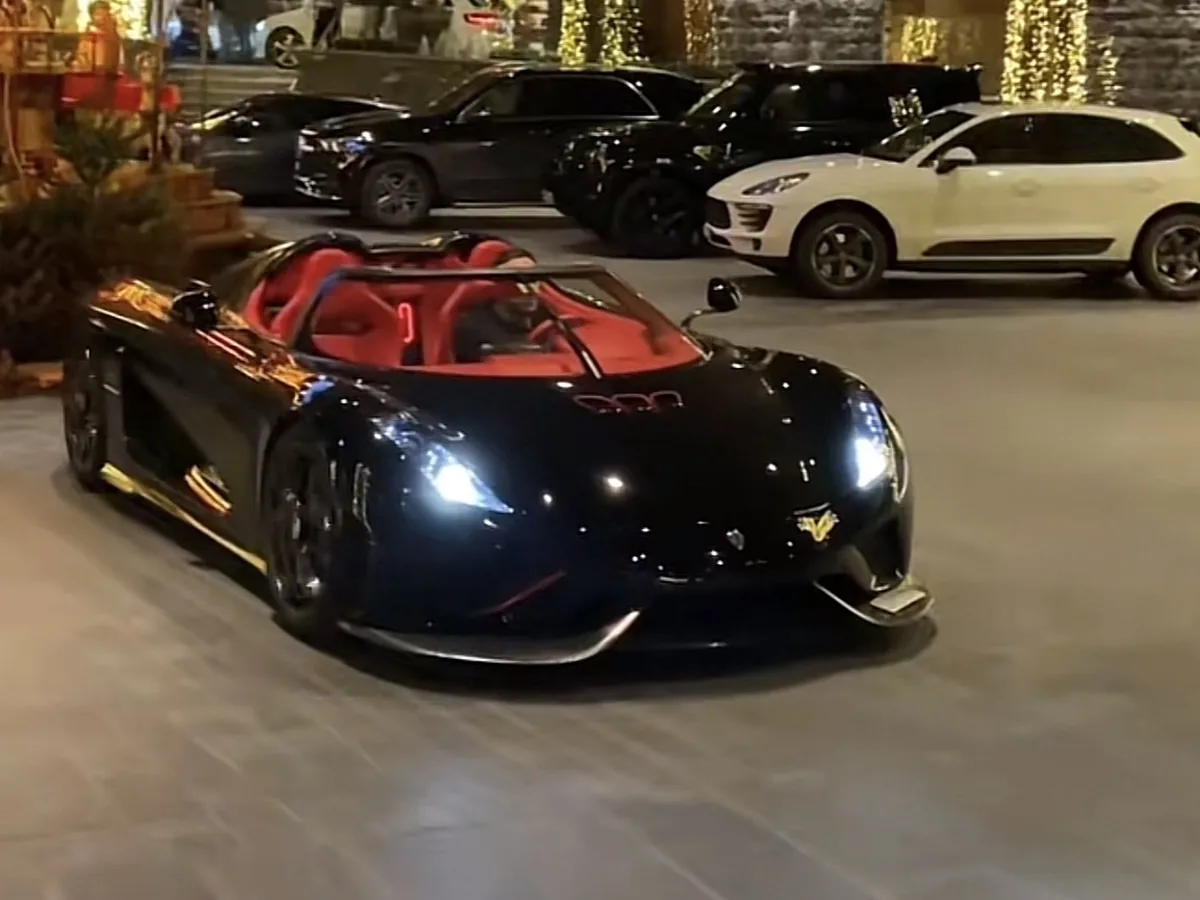
The 2015 Koenigsegg Agera is powered by a 5.0-liter twin-turbocharged V8 rated at 960 hp in the manufacturer’s published technical data. Originally introduced in 2010, it marked an important stage in Koenigsegg’s development: the engine moved to twin turbochargers, while the chassis combined a carbon-fiber monocoque with aluminum structures. Its seven-speed dual-clutch transmission and electronic differential were developed in-house. Alongside its claimed performance, the Agera featured active aerodynamic elements and the distinctive “Ghost” lighting used throughout the cabin. The result was a road-going hypercar that paired extreme output with equipment intended for regular road use, rather than focusing solely on track performance.
History
Koenigsegg introduced the Agera in 2010 as a new generation of ultra-high-performance road car. The name comes from the Swedish verb meaning “to act” and also echoes the Greek term Ageratos, associated with the idea of being ageless. Compared with the company’s earlier models, the Agera brought a 5.0-liter aluminum V8 with twin turbochargers, a carbon-fiber intake system and a lightweight carbon-fiber monocoque. Koenigsegg also developed a seven-speed sequential dual-clutch gearbox with an electronic differential. The family expanded with the Agera R in 2011 and the Agera S for markets where high-ethanol fuels were less widely available. In 2014, the One:1 extended the Agera concept toward a claimed one-horsepower-per-kilogram ratio. During 2015, Koenigsegg unveiled the Agera RS, which drew on the One:1 program while the original Agera remained the more straightforward version of the range.
Latest scans
Photos added by the community for this page.
Anecdotes
Koenigsegg says the name Agera has a dual origin: it refers to the Swedish verb “to act” and to the Greek word Ageratos. The company also associated the model with its “Ghost” cabin lighting, created through nearly invisible micro-perforations in the aluminum panels and controls. Another notable detail is the VGR forged-aluminum wheel design, developed to help draw heat away from the brakes while keeping weight low.
Production
Koenigsegg does not disclose, in the sources consulted, a separate figure identifying exactly how many base Agera cars were built in 2015. The manufacturer does state that 30 cars were produced in total across the Agera, Agera R and Agera S models. That figure therefore should not be assigned to the base version alone. Production of the Agera family followed Koenigsegg’s low-volume, hand-built approach, with cars configured individually and produced in very small numbers. The Agera RS, introduced in 2015, was a separate limited series that Koenigsegg announced at 25 units. Because the available figures cover model families or derivatives, a precise production total for the 2015 base Agera remains unconfirmed.
Press reception
The Agera’s reception centered on its performance, independent engineering approach and rarity. Koenigsegg states that the model received Top Gear’s “Hypercar of the Year” award in 2010, the year it was introduced. Specialist coverage later focused mainly on the higher-powered derivatives, particularly the One:1 and the Agera RS unveiled in Geneva in 2015. That attention does not reduce the importance of the original Agera: it remains the reference configuration from which the R, S, One:1 and RS developed their own technical solutions. Power and performance figures should nevertheless be treated as manufacturer claims unless supported by independent testing, since test conditions and specifications can vary between individual cars.
Evolution
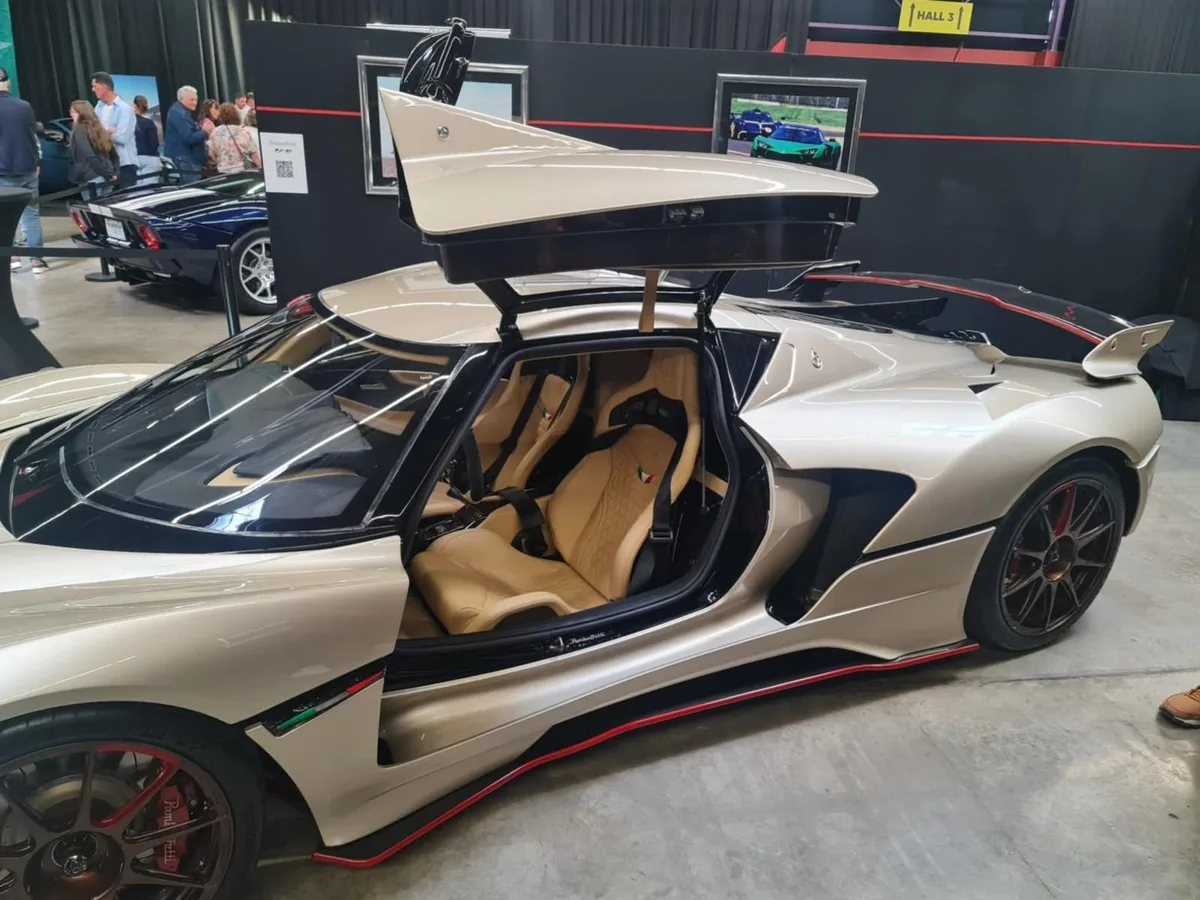
The base Agera established the family’s starting point. The Agera R added flex-fuel capability and aerodynamic improvements, while the Agera S adapted much of the R’s development for markets with wider access to conventional gasoline. The One:1 then pushed the platform toward a claimed one-horsepower-per-kilogram ratio, with an advertised 1,360 hp. Unveiled in Geneva in March 2015, the Agera RS brought those lessons into a road-homologated model rated at 1,160 hp on 95-octane gasoline. This progression gives the original specification a clear place in the family: it provides the engineering foundation for the more specialized derivatives without adopting their higher outputs or their most track-focused equipment.
Variants
References
- AgeraKoenigsegg
Supports the Agera name, family overview, 30-unit total across Agera, Agera R and Agera S, transmission description and model features.
- Agera Technical SpecificationsKoenigsegg
Supports the 5.0-liter twin-turbo V8, 960 hp output, 7-speed dual-clutch transmission, electronic differential and published performance data.
- Koenigsegg HistoryKoenigsegg
Supports the Agera launch, the Agera R and S developments, the One:1 context, the 2015 Agera RS launch, the 25-unit RS statement and the Top Gear award claim.
- Agera RSKoenigsegg
Supports the relationship between the Agera RS, the One:1 program and earlier R and S models.
- Koenigsegg Agera RS: plus que beaucoupCaradisiac
Supports the 2015 Geneva context and the historical reference to the original Agera’s 960 hp output.
- https://www.automobile-catalog.com/make/koenigsegg/agera/agera/2015.htmlautomobile-catalog.com
Source found by OpenAI web search for this vehicle page.
- https://www.adac.de/rund-ums-fahrzeug/autokatalog/marken-modelle/koenigsegg/agera/1generation/261319/adac.de
Source found by OpenAI web search for this vehicle page.
- https://en.wikipedia.org/wiki/Koenigsegg_Ageraen.wikipedia.org
Source found by OpenAI web search for this vehicle page.